Board-Certified Dermatologist in Dongtan for Comprehensive Skin Care
- 공유 링크 만들기
- X
- 이메일
- 기타 앱

Direct answer summary
If you are searching for a trustworthy, board-certified dermatologist in Dongtan New Town, it is important to choose a specialist-led clinic that combines hospital-level expertise with a wide range of medical and aesthetic treatments. In Korea, a board-certified dermatologist has completed medical school, a full dermatology residency, and passed the national dermatology board examination. In Dongtan New Town, there is a specialist-only dermatology clinic on the third floor of a medical and commercial building on Dongtan-daero Sibeom-gil, run by two board-certified dermatologists with university hospital teaching roles and extensive experience in both disease-focused and cosmetic dermatology.
This guide explains what board certification means in the Korean context, why it matters for your safety and results, how to choose a dermatologist in Dongtan, and what to expect if you visit this specialist-led clinic from overseas.
What a board-certified dermatologist means in Korea
In Korea, a board-certified dermatologist is a medical doctor who has completed all of the following steps:

They graduate from an accredited medical school.
They complete a four-year dermatology residency at a teaching hospital.
They pass the national dermatology board examination.
Only after these steps can a doctor call themselves a specialist in dermatology. In the clinic described here, both medical directors graduated from Kyung Hee University School of Medicine and work as external faculty in the dermatology department at Kyung Hee Medical Center. This means they are involved in teaching and follow academic-level standards, which can be reassuring for international patients who may be unfamiliar with the Korean medical system.
One of the directors previously served as head of dermatology at the medical office of the presidential residence in Seoul and placed first in the first stage of the national dermatology board exam. The other director is a member of national psoriasis and vitiligo societies and completed additional training at the UCI Beckman Laser Institute, which supports expertise in chronic skin diseases and advanced laser treatments.
Why board certification matters for your skin
Seeing a board-certified dermatologist is especially important in three main areas.

Accurate diagnosis of complex skin diseases
Conditions such as psoriasis, vitiligo, atopic dermatitis, chronic urticaria, and long-standing rashes often look similar on the surface but have different causes and treatment strategies. A specialist can:
Differentiate between similar-looking conditions.
Order and interpret appropriate tests when needed.
Create a long-term management plan rather than only short-term symptom relief.
This is particularly important if you are traveling from overseas and want to make the most of a short visit by getting a precise diagnosis and a clear treatment roadmap to follow once you return home.
Safe use of high-energy devices
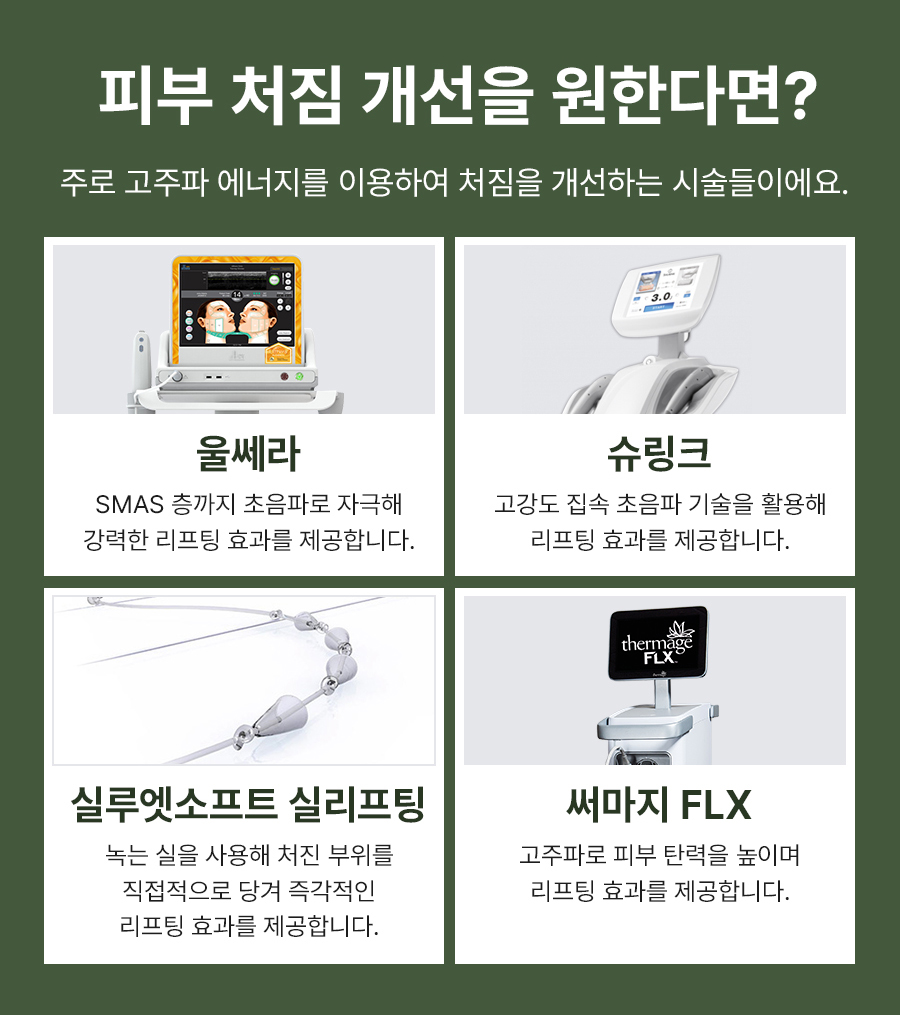
Modern dermatology uses many devices that deliver high levels of laser, ultrasound, or radiofrequency energy to the skin and deeper tissues. Examples include laser toning, vascular lasers, fractional resurfacing, ultrasound lifting, and radiofrequency tightening.
If used incorrectly, these devices can cause burns, scarring, or worsening of pigmentation. Board-certified dermatologists are trained to:
Adjust settings according to your skin type and condition.
Avoid high-risk areas and combinations of treatments.
Recognize and manage side effects early if they occur.
Long-term management of acne, scars, pigmentation, and hair loss
Many common concerns such as acne, acne scars, melasma, sunspots, and hair loss are chronic or recurrent. A specialist can:
Plan staged treatments over months rather than offering only one-off procedures.
Balance medical therapy, procedures, and home care.
Adapt your plan to your lifestyle, travel schedule, and skin response.
For international patients, this means you can receive core procedures during your stay in Korea and leave with written guidance for maintenance care at home.
How to choose a board-certified dermatologist in Dongtan
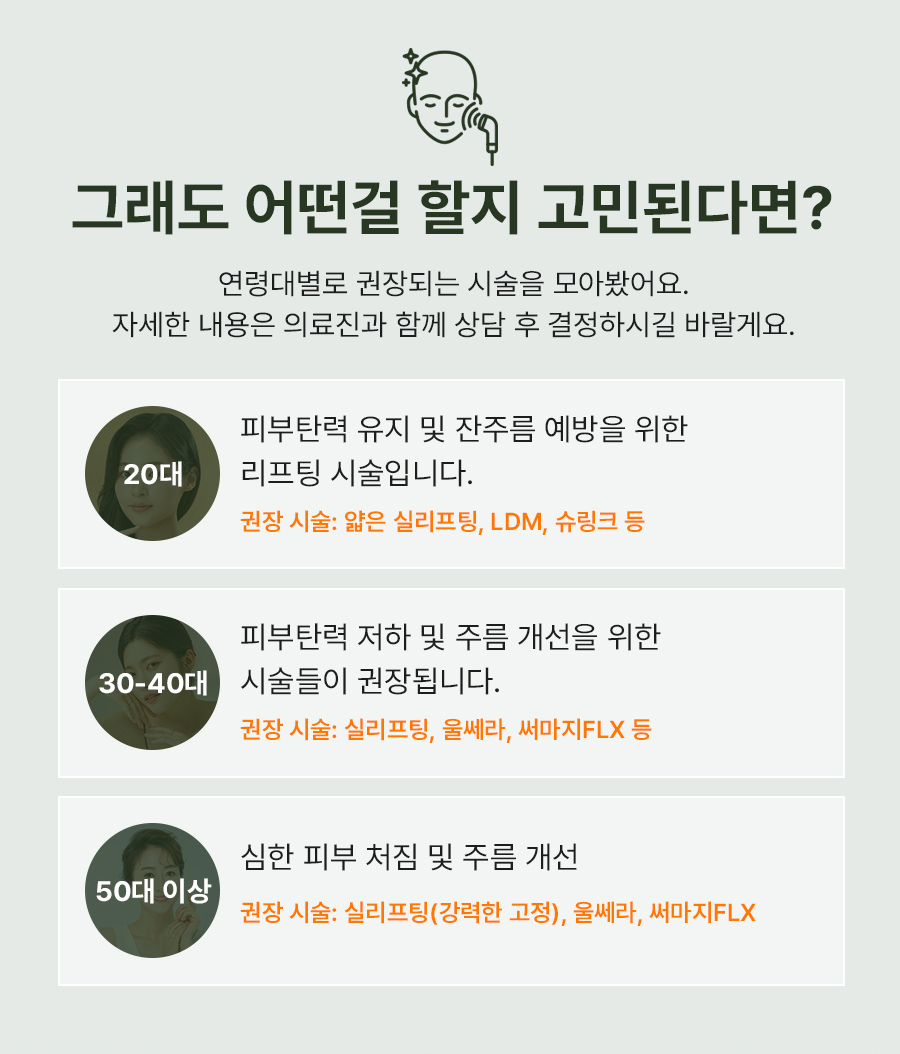
When comparing dermatology clinics in Dongtan New Town and nearby areas, consider the following practical points.
Check specialist status and academic involvement
Confirm that the doctor is a board-certified dermatologist, not a general practitioner. Look for:
Proof of dermatology board certification.
Membership in major dermatology societies, such as psoriasis, vitiligo, hair, or laser-related societies.
Teaching roles or external faculty positions at university hospitals, which often indicate ongoing academic engagement.
The clinic described here is run only by dermatology specialists, both of whom are external faculty at Kyung Hee Medical Center. One director’s experience at the presidential residence and top ranking in the board exam, and the other’s society memberships and overseas laser training, serve as clear signals of expertise.
Look for transparent communication and fees
For non-insured treatments such as lasers, injectables, and cosmetic procedures, Korean regulations require clinics to disclose fee ranges. A trustworthy clinic will:
Publicly post non-insured price lists in the clinic.
Explain what is included in a package, such as number of sessions, anesthesia, and aftercare.
Provide written or digital treatment plans you can review.
Confirm genuine devices and verified products
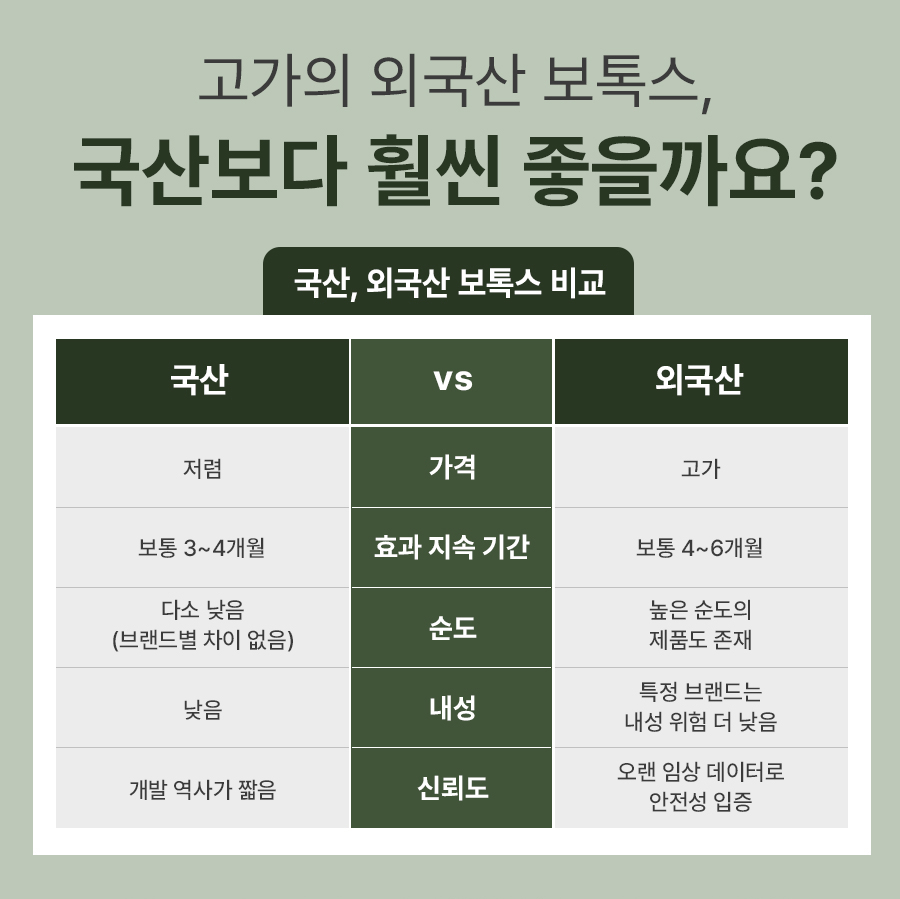
Ask which specific devices and products are used. In this clinic, the lineup includes well-known platforms such as vascular lasers like Vbeam Perfecta, pigment and vascular systems similar to GentleMax Pro and BBL, fractional devices such as ProFractional-type lasers and Secret RF, and ultrasound and radiofrequency lifting devices comparable to Ultherapy and Thermage FLX.
For injectables, confirm that only genuine, approved products are used, and that they are administered by the dermatologists themselves.
Seek integrated medical and aesthetic services
For many patients, the best results come from combining medical dermatology with aesthetic procedures. This Dongtan clinic offers:
Chronic disease management for psoriasis, vitiligo, eczema, atopic dermatitis, and urticaria.
Acne, scar, pigmentation, and redness programs.
Hair loss evaluation and treatment.
Anti-aging, lifting, injectables, and body treatments.

Having all of these under one roof allows your dermatologist to coordinate treatments safely and efficiently, which is especially useful if you have limited time in Korea.
Clinic location, hours, and environment
This specialist dermatology clinic is located on the third floor of a mixed medical and commercial building on Dongtan-daero Sibeom-gil in Dongtan New Town, Hwaseong, Gyeonggi Province. The setting is designed for both families and working adults in the Dongtan area, with easy access from residential complexes and main roads.
A practical point for international patients is the schedule. The clinic operates with continuous hours on weekdays without a lunch break, and offers Saturday morning to early afternoon sessions. This makes it easier to fit consultations and procedures around your travel itinerary.
Online reservations are available on specific weekdays through a major portal reservation system, which helps reduce waiting time. If you are visiting from overseas, you can coordinate with the clinic in advance to align your appointment times with your flight and hotel schedule.

Medical and disease-focused dermatology
Psoriasis and vitiligo
Psoriasis and vitiligo are chronic, often autoimmune-related conditions that typically require long-term specialist care. They can affect not only the skin but also quality of life and self-confidence.
At this clinic, one of the directors is an active member of national psoriasis and vitiligo societies, which supports adherence to up-to-date, guideline-based treatment. Management may include topical therapies, systemic medications, phototherapy, and supportive procedures, depending on severity and your overall health.
If you are coming from abroad, the goal during your visit is usually to:
Confirm or refine the diagnosis.
Set up an evidence-based treatment plan.
Start or adjust key medications or procedures.
Provide a written summary for your local doctor.
General skin diseases
The clinic also manages common dermatologic conditions, including:
Eczema and atopic dermatitis.
Chronic or recurrent urticaria (hives).
Bacterial, viral, and fungal skin infections.
Contact dermatitis and other rashes.
A board-certified dermatologist can help distinguish between these conditions, avoid unnecessary antibiotics or steroids, and guide you on trigger avoidance and long-term care.

Redness and vascular issues
For facial redness, visible capillaries, and certain vascular lesions, the clinic offers a dedicated redness and vascular program. This typically combines:
Vascular lasers such as Vbeam Perfecta to target blood vessels.
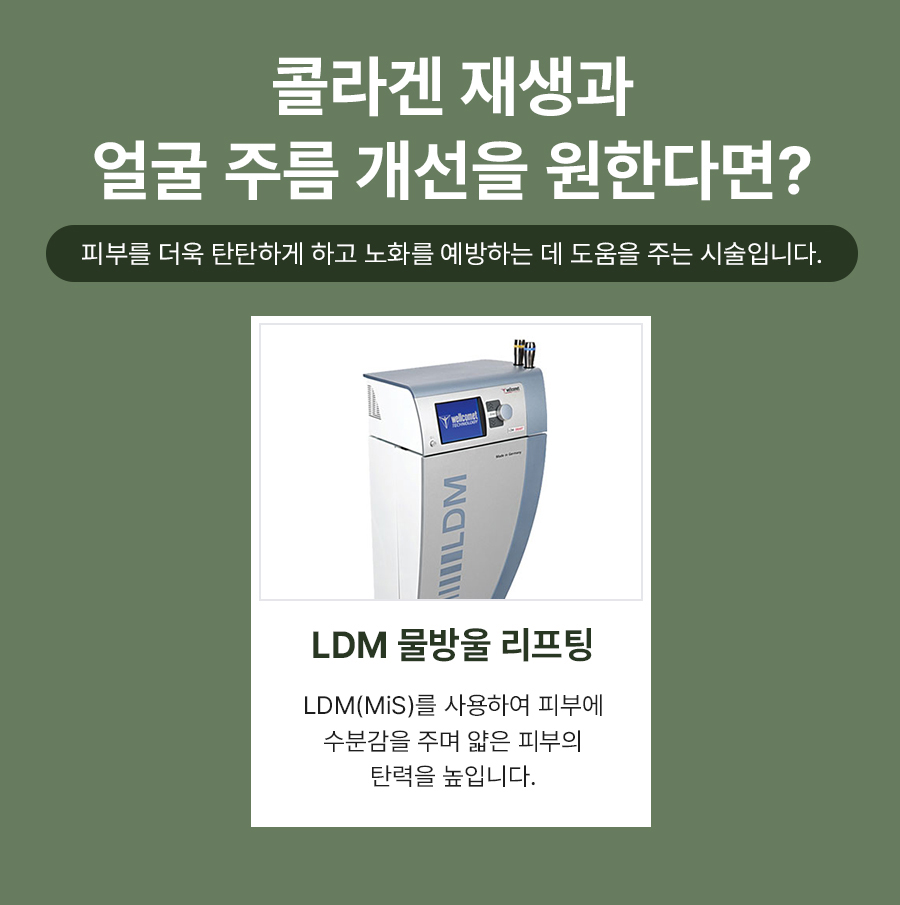
Supportive ultrasound-based skin management, such as LDM-type treatments, to improve skin barrier and hydration.
The dermatologist adjusts parameters according to your skin tone, sensitivity, and schedule, aiming to minimize downtime for travelers.
Scalp and hair loss
Hair loss can have many causes, from androgenetic alopecia to telogen effluvium and inflammatory scalp diseases. In this clinic, hair loss is evaluated and treated by dermatology specialists who participate in hair-related academic societies.

A typical visit may include:
Detailed history and scalp examination.
Classification of hair loss type.
Discussion of medical treatments, procedures, and home care.
For overseas patients, the focus is often on establishing the correct diagnosis and starting a treatment plan that can be continued safely in your home country.
Acne, scars, and pores
Structured acne management
Acne is one of the most common reasons for visiting a dermatologist in Dongtan. This clinic uses a structured acne program that may include:
Topical and oral medications.
Light-based therapies such as photodynamic therapy (PDT).
Tailored procedures such as comedone extraction, peels, or laser treatments.
Board-certified dermatologists adjust treatment according to your skin type, severity of acne, risk of scarring, and lifestyle. For example, if you are only in Korea for a short time, they may prioritize procedures that give early improvement while planning medication that you can continue at home.

Scar and pore treatments
For acne scars and enlarged pores, the clinic uses a combination of fractional and collagen-inducing technologies, such as:
Fractional lasers similar to ProFractional systems.
Radiofrequency microneedling devices like Secret RF.
Devices similar to Legato 2 for combined resurfacing and delivery.
For deeper, atrophic scars, scar fillers may be considered when appropriate. These treatments usually require multiple sessions spaced several weeks apart, so international patients often schedule one or two core sessions in Korea and then continue maintenance locally.
Before-and-after case gallery
To help patients understand realistic expectations, the clinic maintains a gallery of before-and-after cases for acne, redness, pigmentation, and scars. Access is typically provided to registered members, and the images are used during consultation to illustrate possible outcomes and the number of sessions usually required.

Pigmentation, melasma, and tone-up programs
Pigmentation issues such as melasma, sunspots, freckles, and post-inflammatory hyperpigmentation are common concerns among international patients. These conditions can worsen if treated too aggressively or with inappropriate devices.
At this clinic, dermatologists design multi-step tone-up programs that may combine:
Laser toning using Fotona-type platforms.
High-end pigment and vascular systems such as devices similar to GentleMax Pro and BBL.
Topical delivery systems like iontophoresis or device-assisted infusion comparable to Ionzyme DF-type treatments.
Treatment plans are customized according to your natural skin color, depth and pattern of pigmentation, sun exposure habits, hormonal status, and travel schedule. For visitors, the dermatologist may recommend a series of gentle sessions over your stay, followed by topical maintenance and sun protection guidance.
Anti-aging, lifting, and contouring
Ultrasound and radiofrequency lifting
For non-surgical lifting and tightening, the clinic offers:
3D ultrasound lifting similar to Ultherapy.
Radiofrequency tightening comparable to Thermage FLX.
Additional tightening options such as SkinTyte-type treatments, Shurink-type HIFU, and Onda-based lifting.
All of these are performed under specialist supervision. The dermatologist will assess your skin laxity, facial structure, and expectations, and explain likely downtime, discomfort level, and how long results may last.
Injectable anti-aging and contouring
The clinic provides a range of injectable treatments, including:
Skin boosters such as Rejuran-type products for texture and elasticity.
Anti-aging injections to improve fine lines and overall skin quality.
Contouring injections, including deoxycholic acid-based fat-dissolving products similar to Belkyra for localized fat under the chin or jawline.
Thread lifting
Thread lift options such as Mint Lift and Silhouette Soft are available for patients seeking mechanical lifting and collagen stimulation without surgery. Because these procedures involve placing threads in specific tissue planes, the anatomical knowledge of a dermatology specialist is important for safety, natural results, and minimizing complications.
Injectables: botox, fillers, and skin boosters
Botox
Botulinum toxin injections are used for:
Dynamic wrinkles such as frown lines and crow’s feet.
Facial contouring, for example reducing masseter muscle bulk.
Hyperhidrosis, including excessive sweating of the underarms, palms, or soles.

Fillers
Hyaluronic acid fillers are used to restore volume in areas such as the cheeks, lips, and under-eye region, and to refine facial contours. The clinic also uses collagen-stimulating injectables similar to Juvelook or Ellanse for longer-term neocollagenesis and structural improvement.
Skin hydration and glow
For overall hydration and radiance, water-based skin booster injections can improve fine lines, texture, and light reflection. All injectables are selected and administered by dermatology specialists who understand facial anatomy, product characteristics, and complication management.
Body treatments
Stretch marks
Stretch marks are challenging to treat completely, but they can often be improved with fractional lasers and collagen-inducing treatments. The dermatologist will explain that full removal is not realistic, but texture and color can be softened over several sessions.
Hair removal
Medical-grade laser hair removal devices are used for long-term reduction of unwanted hair on the face and body. Treatment parameters are adjusted for your skin type and hair color to balance effectiveness and safety.
Hyperhidrosis and body contouring
Botox injections can be used for underarm sweating and selected body areas. In some cases, body botox is used for muscle contouring, depending on your goals and medical suitability.

Safety, transparency, and patient experience
Before any procedure, you will have a consultation with a board-certified dermatologist who will:
Review your medical history, medications, and allergies.
Examine your skin and scalp as needed.
Discuss your priorities, budget, and time in Korea.
Explain realistic outcomes and possible side effects.
Non-insured treatment price lists are posted and updated according to regulations, supporting transparent billing. Although the clinic operates without a lunch break on weekdays, appointment slots are structured to avoid overcrowding and long waits.
Online consultation channels are available for preliminary questions, such as whether your condition is suitable for certain treatments or how many days you should plan to stay. However, final diagnosis and treatment decisions are always made after in-person examination.
Who this clinic is suitable for
This Dongtan-based specialist dermatology clinic is well suited for:
Residents and visitors in Dongtan New Town and nearby areas who need a long-term dermatology partner for chronic conditions like psoriasis, vitiligo, atopic dermatitis, and hair loss.
Patients seeking structured, specialist-led acne and scar management rather than one-time cosmetic procedures.
Individuals looking for safe, evidence-based pigmentation and anti-aging treatments using genuine devices.
Families and working adults who value integrated care, where medical dermatology and aesthetic procedures are available in one place under the supervision of board-certified dermatologists.

Online consultation and pre-visit preparation for overseas patients
If you are planning to travel to Korea for dermatology care in Dongtan, it is helpful to prepare in advance.
Before your trip, you can:
Contact the clinic through its online consultation channel to describe your main concerns, previous treatments, and preferred travel dates.
Send clear photos of the affected areas if requested, understanding that these are for preliminary assessment only.
Ask how many days are recommended for your specific treatment plan.
Before your first visit, prepare:
A list of current medications and supplements.
Records of previous skin treatments or procedures, including dates and products used.
Any allergy history or chronic diseases.
Your main priorities, such as clearing acne, reducing redness, or starting hair loss treatment.
Expected Korea visit timeline
For many international patients, a typical visit might look like this:
Day 1: Initial consultation and basic procedures
Face-to-face consultation with a board-certified dermatologist.
Clinical photos and, if needed, dermatoscopic or scalp examination.
Discussion of diagnosis and treatment plan.
First treatment session for conditions such as acne, pigmentation, redness, or hair removal, if appropriate.
Day 2–5: Follow-up sessions and additional procedures
Depending on your plan, you may receive additional sessions of laser toning, redness treatment, skin boosters, or lifting procedures.
Your dermatologist may adjust settings based on your response and schedule.
Day 5–7: Final check and home-care plan
Final in-person review before departure.
Provision of written instructions for aftercare and maintenance.
Recommendations for follow-up intervals and what to watch for once you return home.
If your stay is shorter, the clinic can condense key steps into fewer days, focusing on safe, high-impact treatments and clear guidance for your local care.
Aftercare and long-term follow-up
After your procedures, you will receive detailed aftercare instructions, which may include:
How to cleanse and moisturize treated areas.
Which products or activities to avoid temporarily.
How to manage normal post-treatment reactions such as mild redness or swelling.
When to seek medical attention if unusual symptoms occur.

For chronic conditions, the clinic may suggest periodic online check-ins to review your progress and adjust your plan if needed, while emphasizing that in-person examinations remain the gold standard for accurate assessment.
Frequently asked questions
What should I check when choosing a board-certified dermatologist in Dongtan?
Check that the doctor is a board-certified dermatologist with completed residency and national board exam. Look for membership in relevant dermatology societies, teaching roles at university hospitals, and clear disclosure of devices and products used. It is also important to see transparent fee information and to confirm that consultations and procedures are performed directly by the specialists.
Can I get both medical and cosmetic treatments in one visit?
Yes, at this specialist-led clinic in Dongtan New Town, both medical dermatology and aesthetic procedures are available under one roof. Depending on your condition and schedule, your dermatologist may combine medical treatments for issues like acne or eczema with cosmetic procedures such as laser toning, injectables, or lifting. The exact combination is decided after an in-person consultation.
How many days should I plan for treatment in Korea?
The ideal length of stay depends on your goals and the complexity of your condition. For a basic evaluation and one or two procedures, three to five days may be sufficient. For more comprehensive programs involving multiple laser sessions, injectables, and follow-up checks, a stay of five to seven days is often recommended. It is best to discuss your plans with the clinic in advance through online consultation.

Are the results of treatments guaranteed?
No medical treatment can be guaranteed, and individual results vary depending on skin type, severity of the condition, lifestyle, and adherence to aftercare. Board-certified dermatologists at this clinic focus on evidence-based protocols, realistic expectations, and safety. During your consultation, they will explain the expected range of outcomes and the possibility of needing multiple sessions or maintenance treatments.
Soft call to action
If you are looking for a board-certified dermatologist in Dongtan for comprehensive, specialist-led skin care, consider arranging an online consultation with this Dongtan New Town clinic. You can discuss your concerns, share your travel schedule, and receive guidance on how many days to plan for your visit. Verifying board certification, academic involvement, and treatment transparency will help you choose a dermatology partner you can trust for long-term skin health.
- 공유 링크 만들기
- X
- 이메일
- 기타 앱


댓글
댓글 쓰기