Dongtan 2 dermatology clinic guide for international patients
- 공유 링크 만들기
- X
- 이메일
- 기타 앱
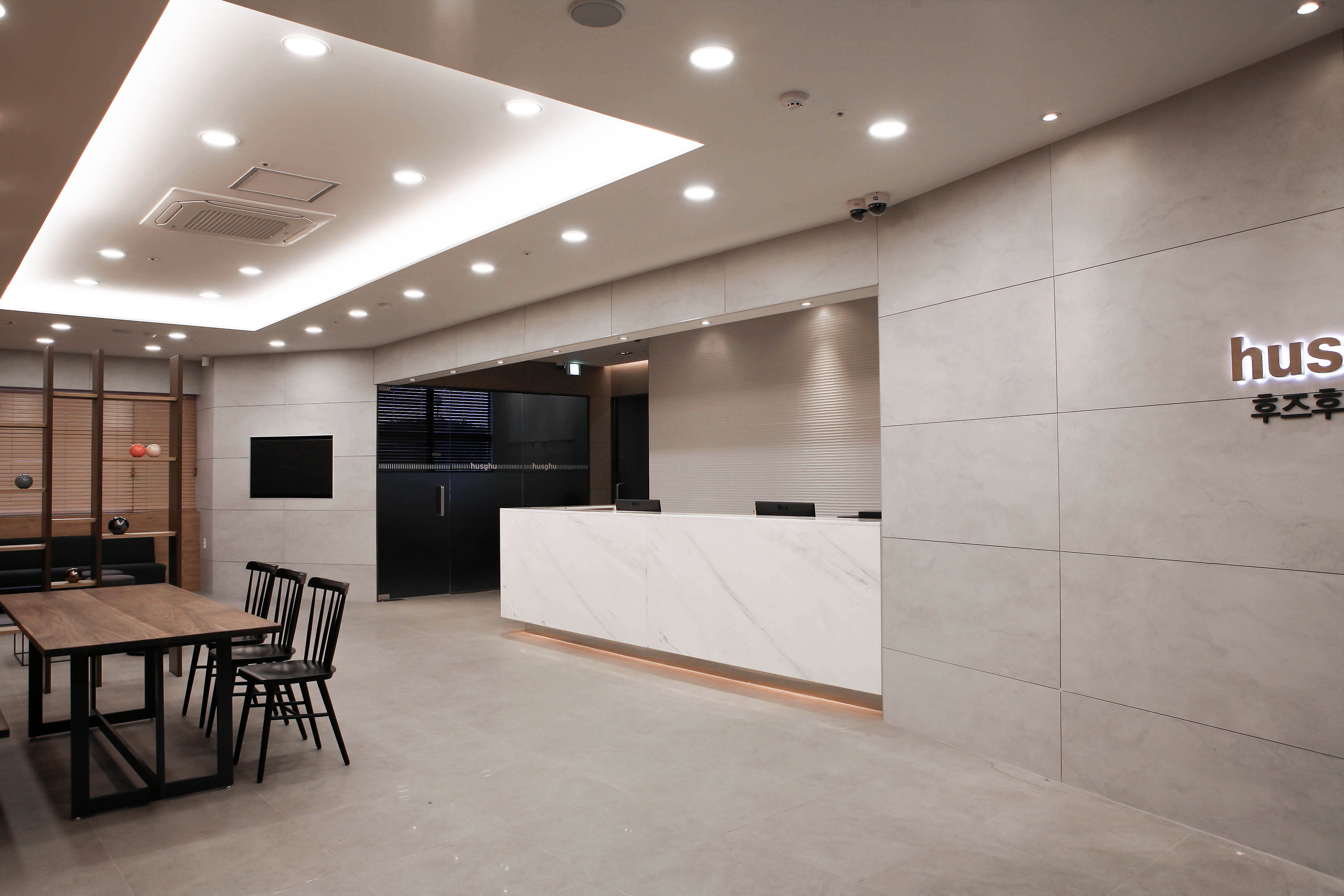
It highlights the types of services the clinic reports offering, the practitioner's background as stated by the clinic, and practical points to confirm directly with the clinic before booking.
If you are searching for a dermatology clinic in Dongtan 2 New Town that can handle both medical skin diseases and cosmetic laser or lifting treatments, this guide will walk you through what to expect. They manage conditions such as psoriasis, vitiligo, eczema, acne, redness, pigmentation, and hair loss, and also offer lifting, laser, and injectable procedures using well-known devices.
You will find an overview of available treatments, who may benefit, how to prepare from overseas, a sample visit timeline for a trip to Korea, aftercare points, and answers to common questions. The aim is to help you decide whether a Dongtan 2 dermatology clinic fits your needs and how to plan your visit safely and efficiently.

Why consider a board-certified dermatologist in Dongtan 2
For overseas patients, one of the most important decisions is choosing a clinic where dermatology specialists, not general practitioners, plan and supervise your care. In Dongtan 2 New Town, there is a dermatology clinic where two board-certified dermatologists lead all key treatments.
The clinic states that its physicians received university-hospital training and are involved in academic or teaching activities. These affiliations are presented by the clinic as part of its practitioners' professional background; readers should consult official hospital or clinic profiles for independent verification.
According to the clinic, one of the lead dermatologists has documented competitive exam success and has held previous leadership roles in clinical dermatology, and the clinic reports membership in national and international dermatology societies. The clinic links this background to a practice philosophy of careful diagnosis, conservative indication setting, and a safety-first approach to lasers and injectables. Verify specific awards, positions, or memberships with primary sources before relying on them.
The other representative dermatologist is also a board-certified specialist and teaching professor from Kyung Hee Medical Center. He completed additional training at the UCI Beckman Laser Institute, a well-known center for laser research. He is an active member of Korean psoriasis and vitiligo societies, several dermatology and laser societies, and the American Academy of Dermatology. This supports an evidence-based approach to chronic inflammatory and pigmentary diseases, as well as precise laser parameter selection.

Because of this background, the clinic emphasizes realistic treatment plans, detailed explanation of options, and adjustment of laser and device settings by dermatologists themselves.
Overview of treatments available
This Dongtan 2 dermatology clinic offers both medical and cosmetic services, with a particular focus on chronic skin disease and advanced device-based treatments.
Medical dermatology includes psoriasis, vitiligo, atopic dermatitis, eczema, urticaria, infections, and scalp and hair loss conditions. Cosmetic and aesthetic services include acne and scar programs, redness and vascular care, pigmentation and melasma management, lifting and antiaging, injectables and skin boosters, and body treatments such as stretch mark care and laser hair removal.
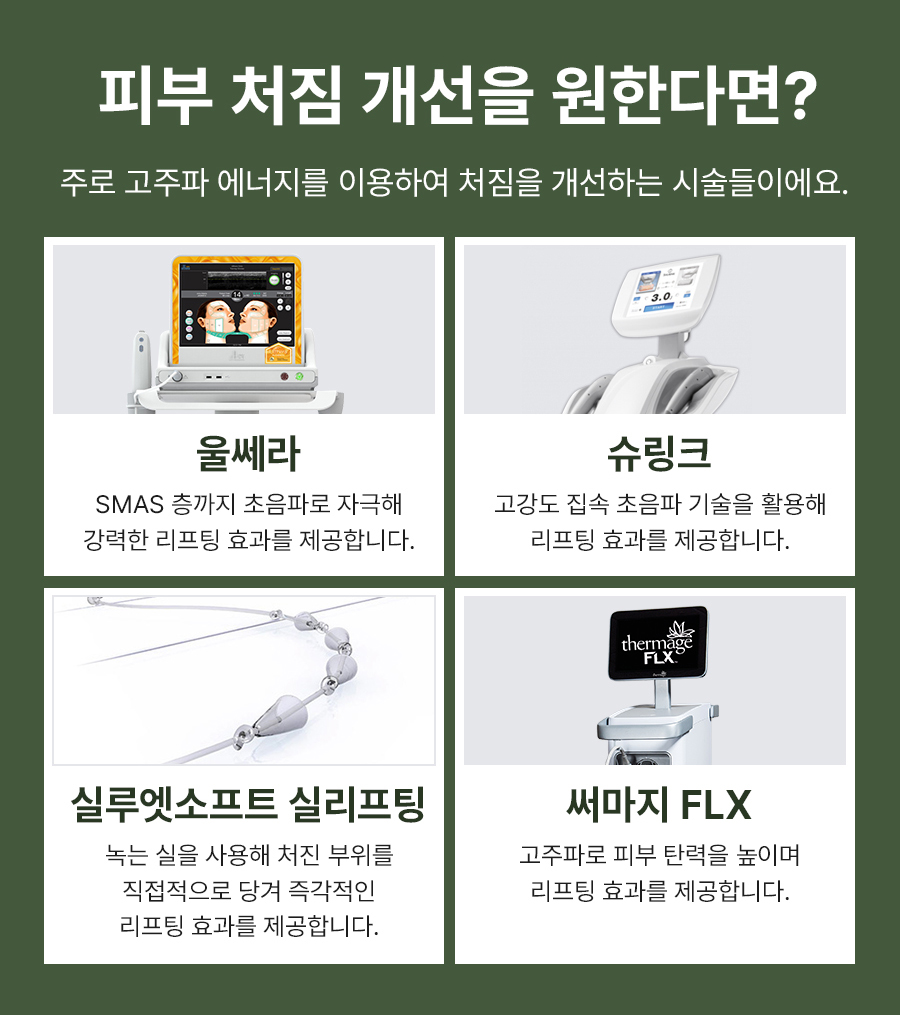
The clinic reports using a variety of energy-based devices for lifting, vascular lesions, pigmentation, and scar management—including ultrasound-based, radiofrequency (RF), intense pulsed light (IPL), and several types of lasers. For sensitive or redness-prone skin it cites gentler ultrasound-based options. Patients should confirm exact device models and availability directly with the clinic.
Medical skin disease care
Psoriasis and vitiligo
For psoriasis and vitiligo, long-term management is essential. At this Dongtan 2 clinic, a dermatologist who is an active member of psoriasis and vitiligo societies directly manages treatment plans. Care usually combines topical therapy, systemic medication when needed, and device-based therapy where appropriate.
The doctor will first assess the type, extent, and severity of your condition, as well as your lifestyle and any previous treatments. For vitiligo, topical treatments, phototherapy, and sometimes targeted devices can be used depending on the area and stability of the patches.
Because these are chronic conditions, the clinic focuses on realistic goals, such as controlling flares, improving appearance and comfort, and minimizing side effects. Regular follow-up is recommended, and if you are coming from overseas, the dermatologist can help coordinate a plan that combines in-clinic treatments during your stay with medications or home-based care to continue after you return.
General skin diseases
The clinic also treats common skin problems such as eczema, atopic dermatitis, urticaria (hives), and various infections. Protocols follow a university-hospital style approach, which means careful diagnosis, identification of triggers, and stepwise treatment.
For example, atopic dermatitis care may include skin barrier repair, moisturization strategies, topical medications, and lifestyle advice. Urticaria management can involve identifying possible triggers, antihistamine regimens, and monitoring for chronic patterns. Infections are treated with appropriate topical or systemic agents after confirming the diagnosis.
Scalp and hair loss
Scalp and hair loss care is diagnosis-based rather than one single protocol. The dermatologist will check for male or female pattern hair loss, alopecia areata, telogen effluvium, or other causes. Depending on the diagnosis, treatment may include topical solutions, oral medications, scalp injections, or device-based therapies.
For international patients, it is helpful to bring previous blood test results or treatment records if available. The clinic can then design a plan that you can maintain after returning home, including prescriptions that may be filled in your country if allowed, or suggestions for equivalent products.
Acne and scar programs
Acne all-kill program
For acne, the clinic offers a multi-step acne all-kill program. Rather than relying on a single procedure, this program combines medical treatment, sebum and inflammation control, and device-based care tailored to your acne severity.
The dermatologist may prescribe topical or oral medications for active inflammation, and then add procedures such as gentle extractions, light-based therapies, or specific lasers. The goal is to reduce active breakouts, prevent new lesions, and minimize the risk of scarring.
PDT for acne
Photodynamic therapy (PDT) is available for inflammatory acne and sebaceous gland overactivity. A photosensitizing agent is applied to the skin and then activated by a specific light source. This can help reduce oil gland activity and bacteria. The dermatologist will explain how many sessions may be suitable, typical downtime such as temporary redness or sensitivity, and how to protect your skin from sunlight after treatment.

Pore and scar program
For enlarged pores and acne scars, the clinic runs a structured pore and scar program. Different depths and types of scars, such as ice pick, boxcar, and rolling scars, respond better to different devices and techniques.
For example, fractional lasers like Pro Fraxel can resurface the skin and stimulate collagen, while Secret RF combines microneedling with radiofrequency energy to target deeper layers. Gold PTT may be used for pores and sebaceous activity.
Instead of one fixed package, the dermatologist assesses your scar pattern, skin type, and schedule. They then match the appropriate device and energy settings to each area, sometimes combining several methods over multiple visits for a gradual improvement with controlled downtime.
Redness and vascular concerns
Red-out program and Vbeam Perfecta
For facial flushing, visible capillaries, and certain vascular lesions, the clinic offers a red-out program. A key device here is the Vbeam Perfecta vascular laser, which is widely used for redness, broken capillaries, and some vascular marks.

The dermatologist will evaluate whether your redness is mainly vascular, inflammatory, or mixed, and then set laser parameters to balance effectiveness with safety. Sessions are usually spaced several weeks apart, and mild temporary redness or swelling can occur after treatment.
LDM ultrasound for sensitive skin
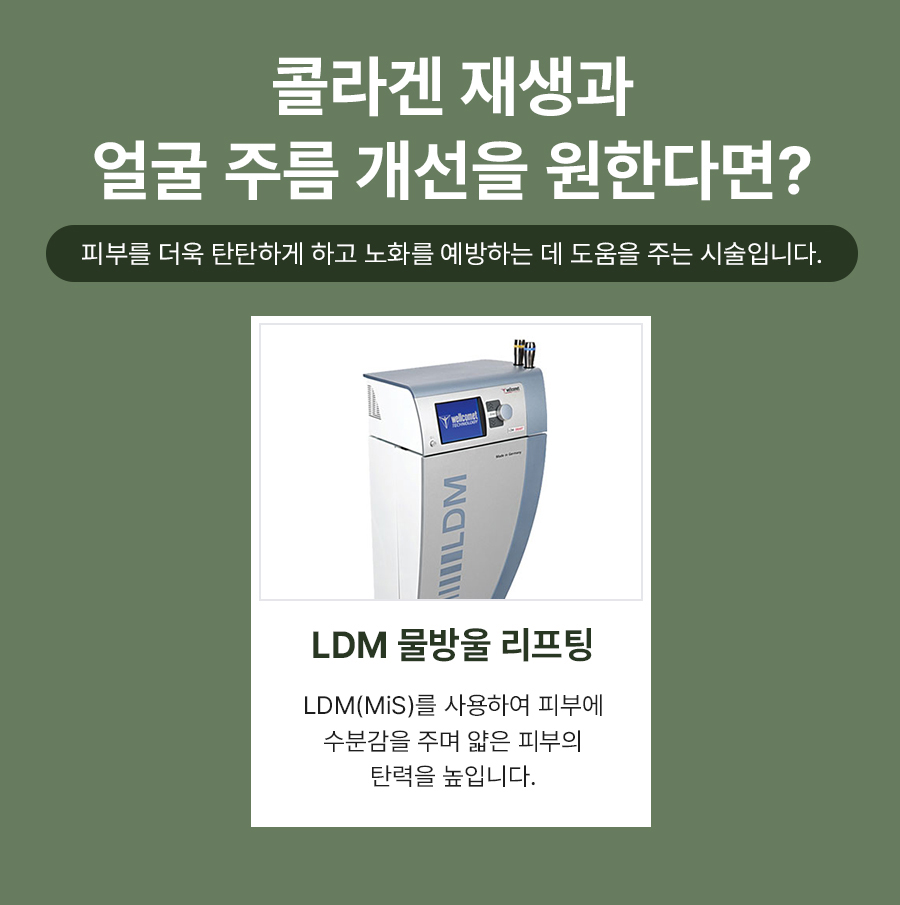
For patients with sensitive, redness-prone skin or a damaged skin barrier, the clinic uses LDM genuine ultrasound management. This device aims to support barrier recovery and calm the skin. It is often combined with other treatments to help the skin tolerate procedures better and to shorten recovery time.
Pigmentation and melasma care
White toning-up and laser combinations
For pigmentation, melasma, and uneven skin tone, the clinic focuses on gradual, low-downtime protocols. A white toning-up program is used for overall brightening and tone correction.
Devices include Fotona laser toning and BBL (broadband light) for pigment and redness combination issues, and GentleMax Pro for deeper pigment and some vascular components. Ionzyme DF may be used to enhance penetration of active ingredients for pigment and tone care.

Melasma and mixed-type pigmentation require careful handling to avoid rebound or worsening. The dermatologists adjust fluence, treatment intervals, and the combination of devices and topical care based on your skin type and response. Sun protection and home care are emphasized, especially for overseas patients who may return to sunny climates.
Lifting and antiaging options
Ulthera, Thermage FLX, and other devices
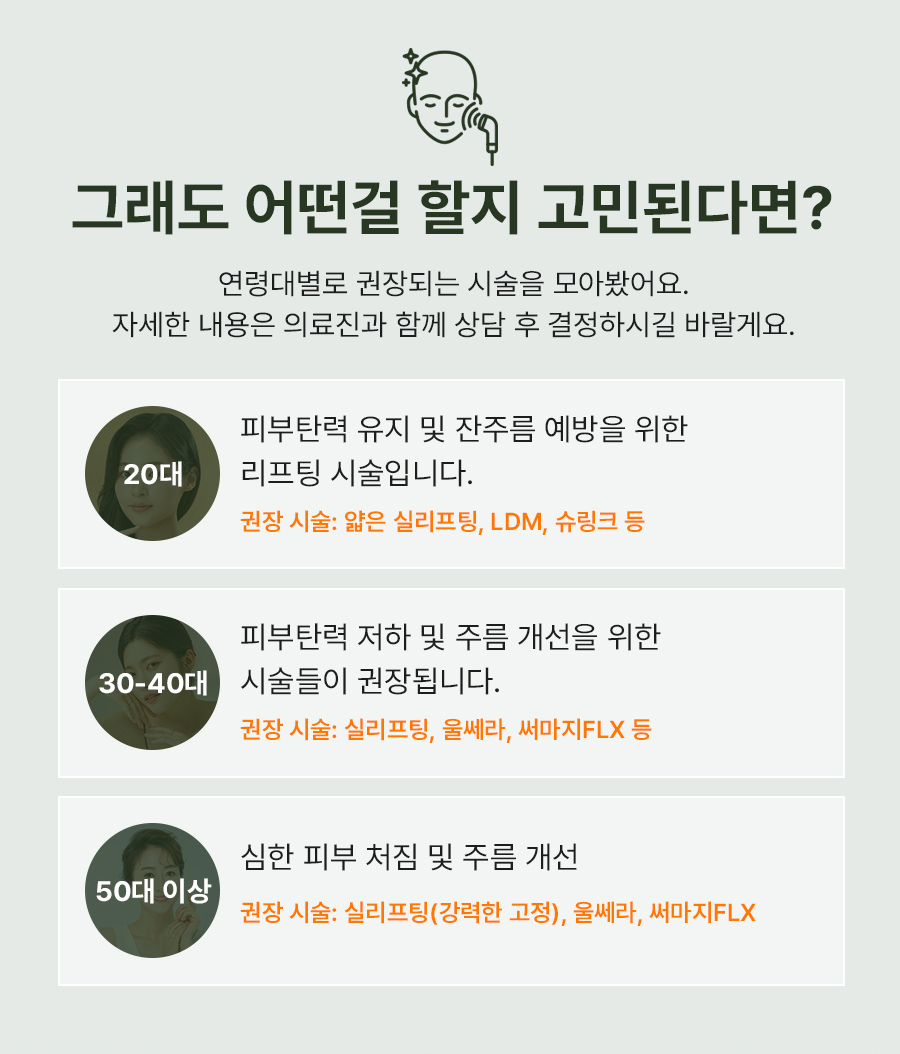
For non-surgical lifting and tightening, the clinic uses 3D Ulthera (ultrasound lifting) and Thermage FLX (radiofrequency tightening) as flagship devices. Additional devices such as SkinTyte, Shurink, and Onda lifting are also available, and Onda is a newer option with an ongoing introductory event (without specific pricing information here).
Ulthera targets deeper layers including the SMAS layer with focused ultrasound, while Thermage FLX uses radiofrequency energy to tighten collagen in the dermis. SkinTyte, Shurink, and Onda can be selected according to the area, degree of laxity, and patient preference.

Threads and injectables for lifting
Lifting plans are customized by combining ultrasound, RF, and threads depending on skin thickness, sagging pattern, and downtime tolerance. Thread options include mint lifting threads and Silhouette Soft threads, which can provide mechanical lift and stimulate collagen.
Injectables such as Rejuran and anti-aging injections can be used to improve skin quality, texture, and fine lines. Belkyra is available for submental fat reduction in suitable candidates. The dermatologists explain the expected course, possible swelling or bruising, and how many sessions may be needed for a visible change.
Injectables and skin boosters
For volume and contour, hyaluronic acid fillers are used to address areas such as cheeks, nasolabial folds, or lips, depending on individual needs. For longer-term collagen stimulation and texture improvement, products like Juvelook and Elanse (noted in some menus) may be considered.
Hydro lifting, sometimes called water glow injections, focuses on hydration and fine-line improvement by delivering moisture and active ingredients into the skin. Botox is used for wrinkles, facial contouring, and hyperhidrosis, including body Botox for areas like calves or shoulders where indicated.

The clinic emphasizes that injectables are performed with a safety-first mindset, with careful assessment of facial anatomy, dosage, and intervals. For overseas patients with limited time, the dermatologist can prioritize areas that give the most benefit within a short visit.
Body treatments and other services
Body-related services include stretch mark care using device-based protocols, laser hair removal with medical-grade devices, and hyperhidrosis treatment such as underarm sweating care.
The clinic states it offers online consultation and maintains a before-and-after image gallery for registered members covering conditions such as acne, facial redness, pigmentation, and scars. It also indicates that non-insured treatment fees are posted in accordance with applicable regulations. Prospective patients should contact the clinic to confirm current online services, gallery access conditions, and fee disclosures.

Who may consider a Dongtan 2 dermatology clinic
You may consider visiting this Dongtan 2 New Town dermatology clinic if you:
Have chronic skin diseases such as psoriasis, vitiligo, atopic dermatitis, or recurrent urticaria and want specialist-led management.
Have persistent acne, acne scars, enlarged pores, or redness that have not responded well to basic treatments.
Struggle with melasma, mixed pigmentation, or uneven tone and prefer gradual, low-downtime protocols.
Are interested in non-surgical lifting, tightening, or contouring using Ulthera, Thermage FLX, Shurink, SkinTyte, Onda, or threads.
Want a combined plan for injectables, skin boosters, and lasers, coordinated by dermatologists with university-hospital and international training.
Live in or plan to stay near Dongtan 2 New Town, Hwaseong, and prefer convenient weekday evening or Saturday morning appointments.
If you have complex medical conditions, are on multiple medications, or have a history of strong reactions to procedures, consulting a board-certified dermatologist is especially important.
Online consultation and pre-visit preparation
Before traveling to Korea, it is wise to arrange an online consultation. The clinic accepts phone reservations and offers Naver reservation on Wednesdays and Thursdays, which can help secure a time slot that matches your travel schedule.
For online consultation, prepare the following:
Clear photographs of the areas of concern under natural light.
A brief history of your condition: when it started, previous treatments, and your response.
A list of current medications and any allergies.
Previous test results or biopsy reports, if available.
Your main goals and time frame for your visit.
During the online consultation, ask about:
Which treatments are realistically possible within your stay.
How many sessions are recommended and what interval is ideal.
Expected downtime and when you can safely fly back.
Any pre-procedure instructions, such as stopping certain creams or medications.
Experience-based checklist before booking
When comparing dermatology clinics in Dongtan 2 or nearby areas, consider more than just price. For device-based treatments, you may want to check:
Which exact devices are used (for example, Ulthera vs other ultrasound devices, Thermage FLX vs older RF models, Vbeam Perfecta vs other vascular lasers).
Who sets the laser or device parameters and who actually performs the procedure.
Whether numbing, pain control, and aftercare are included in the plan.
How many shots or how much energy is typically used, and whether this is adjusted to your skin condition.
What follow-up is available if you experience side effects.
Before your first visit, it can help to write down questions such as:
What is the main diagnosis and are there any alternative explanations for my symptoms?
What are the pros and cons of each suggested treatment option?
How many sessions are likely needed and over what period?
What changes should I expect in the first week, and what signs should prompt me to contact the clinic?

Bringing this checklist to your consultation helps you make a more informed decision and ensures that your expectations are aligned with what the clinic can safely offer.
Expected Korea visit timeline
The ideal timeline depends on your goals and how many sessions you need. Below is a general example for a one to two week stay in Korea.
For medical skin disease focus (psoriasis, vitiligo, eczema, hair loss):
Day 1: Initial consultation, detailed examination, and baseline photos. Start topical or systemic treatment. Possibly perform a first device session if indicated and safe.
Day 3–5: Follow-up visit to assess early response, adjust medications, and perform additional procedures such as phototherapy or targeted devices if appropriate.
Day 7–10: Final visit before departure to confirm the plan you can continue at home, provide prescriptions where possible, and give written instructions.

For acne and scars, redness, or pigmentation:
Day 1: Consultation, skin analysis, and first procedure (for example, acne treatment, Vbeam for redness, or low-fluence toning for pigmentation).
Day 4–7: Second session for certain treatments if timing allows, or aftercare review and possible complementary procedures like LDM ultrasound.
Day 7–10: Final check, additional session if suitable, and home care plan including topical products and sun protection advice.
For lifting and injectables:
Day 1–2: Consultation and main procedures such as Ulthera, Thermage FLX, or threads, plus Botox or fillers if planned.
Day 3–5: Optional follow-up to check healing, manage swelling or bruising, and perform minor adjustments if needed.
Day 7–10: Final review before departure, photographs for your records, and guidance on when to schedule the next maintenance session in your home country.
If you have a very short stay (3–4 days), the clinic can prioritize treatments with minimal downtime, such as certain lifting procedures or targeted lasers, and schedule them early in your trip so that any redness or swelling settles before your flight.
Aftercare and long-distance follow-up
Aftercare is an important part of safe dermatology treatment, especially for overseas patients. The clinic’s care flow includes initial consultation and diagnosis by a board-certified dermatologist, explanation of options and expected course, customized program planning, and follow-up and parameter adjustments handled by the same medical team for continuity.

After you return home, you should:
Follow the written aftercare instructions carefully, including sun protection, gentle cleansing, and moisturization.
Avoid picking, scratching, or using harsh products on treated areas.
Monitor for any unusual symptoms such as persistent swelling, severe pain, or signs of infection, and contact the clinic promptly if they occur.
Schedule online follow-up if recommended, especially for chronic conditions like psoriasis, vitiligo, or hair loss.
Because non-insured price lists are publicly posted according to current regulations, you can also ask the clinic to provide an estimate of future sessions if you plan to return to Korea later.
Location, hours, and convenience for Dongtan 2 residents
The clinic's reported location is on the 3rd floor of Port Central City on Dongtan-daero Sibeom-gil in Dongtan 2 New Town, Hwaseong. Readers should verify the address via the clinic's official website or a reliable map listing before visiting.
Although a lunch time of 13:00 to 14:00 is noted, the clinic operates without a strict lunch break in practice. It is closed on Sundays and public holidays.
Weekday evening hours on Friday and Saturday morning hours are particularly convenient for workers and students who cannot visit during standard working hours. For popular time slots and device procedures, advance booking is recommended.
FAQ
Is this Dongtan 2 dermatology clinic suitable for international patients with limited time?
Yes, the clinic is used to planning treatments within a short time frame. During an online consultation before your trip, the dermatologist can help you prioritize procedures that match your main concerns and available days. For example, they may schedule key treatments such as Ulthera, Thermage FLX, or main laser sessions early in your stay, with a follow-up before you leave. However, complex or chronic conditions may still require long-term management, so it is important to discuss realistic goals.

Can I treat both medical skin disease and cosmetic concerns in one visit?
In many cases, yes. For example, a patient with psoriasis or atopic dermatitis who also wants pigmentation or lifting treatments can have both addressed, as long as the skin condition is stable and it is medically safe. The dermatologist will first focus on controlling active inflammation, then plan cosmetic procedures that will not aggravate your underlying disease. Sometimes treatments need to be staged over several days or visits to minimize risk.
How painful are procedures like Ulthera, Thermage FLX, and acne scar lasers?
Pain levels vary by individual and by device. Ulthera and Thermage FLX can cause moderate discomfort during energy delivery, but numbing cream, cooling, and other pain control methods are used to make the procedure more tolerable. Acne scar lasers such as Pro Fraxel or Secret RF may cause a stinging or heat sensation, followed by temporary redness or swelling. The clinic explains expected discomfort and recovery for each procedure in advance, and you can discuss your pain tolerance and any previous experiences so they can adjust settings and support accordingly.
What should I check before choosing a dermatology clinic in Dongtan 2?
When comparing clinics, check whether board-certified dermatologists are directly involved in diagnosis and treatment planning, especially for lasers and injectables. Confirm which devices are actually available and whether they are genuine, well-known brands such as Vbeam Perfecta, GentleMax Pro, Ulthera, or Thermage FLX. Ask who sets the parameters and performs the procedures, what aftercare is included, and how follow-up is handled if you are coming from overseas. It is also helpful to review transparent information about non-insured fees and to have a clear written plan before starting treatment.
Soft call to action
If you are comparing dermatology clinics in Dongtan 2 New Town and want specialist-led, evidence-based care for conditions like psoriasis, vitiligo, acne, redness, pigmentation, or for lifting and laser procedures, consider arranging an online consultation with this clinic. By sharing your concerns, photos, and schedule in advance, you can receive a personalized plan that fits your visit to Korea and supports safe, realistic results.

This article is for general information only and does not replace a face-to-face consultation with a qualified medical professional. Individual diagnosis and treatment plans can vary, and all procedures should be discussed directly with a dermatologist who can assess your specific situation.


댓글
댓글 쓰기