Dongtan 2 Filler Guide for Natural Facial Volume and Contouring in Korea
- 공유 링크 만들기
- X
- 이메일
- 기타 앱

Direct answer summary
If you live or work in Dongtan 2 New Town and are considering facial fillers at a local dermatology clinic, treatments are typically done as short outpatient visits with minimal downtime. Fillers are gel-like substances injected under the skin to restore lost volume, soften lines such as nasolabial folds and marionette lines, improve under-eye hollows, and refine features like the lips, chin, and jawline. The clinic’s convenient hours (Friday evenings until 8:00 pm and Saturday through 2:00 pm) and online reservation options (Naver on Wednesdays and Thursdays, plus KakaoTalk) make it easier for busy patients to schedule consultation and treatment.
What are facial fillers
Facial fillers are injectable gels used to replace or add volume in specific areas of the face. This clinic offers hyaluronic acid (HA) fillers. Hyaluronic acid is a molecule naturally present in the skin that helps retain moisture, contributing to a plump, hydrated appearance.
When injected in a controlled way, hyaluronic acid fillers can lift shadows, smooth creases, and gently contour facial lines. Because the material is gradually broken down by the body, the effect is temporary and can be adjusted over time. In many cases, hyaluronic acid filler can also be used as a scar filler for certain depressed acne scars or trauma-related indentations.
Why people in Dongtan 2 consider fillers
The Dongtan 2 New Town area in Hwaseong is a residential and business hub with many people in their late 20s to 50s who are active at work and socially. Common reasons people here consider fillers include looking tired because of under-eye hollows, deepening smile lines from long work hours, or wanting a slightly sharper jawline or chin without surgery.

Treatment overview: what can be treated with fillers
Nasolabial folds
Nasolabial folds are the lines that run from the side of the nose to the corners of the mouth. With age or weight loss, these folds can look deeper because of volume loss in the midface.
Hyaluronic acid fillers can be used to soften these folds in two ways. First, by replacing volume in the cheek area to gently lift the fold. Second, by carefully filling the crease itself. A conservative approach usually aims to reduce the shadow rather than erase the fold completely, to keep expressions natural.
Marionette lines and mouth corners
Marionette lines extend downward from the corners of the mouth toward the chin, sometimes creating a sad or tired expression. Small amounts of filler can support the corners of the mouth and reduce the depth of these lines.
In this area, careful placement is important to avoid heaviness around the mouth. The goal is usually to slightly lift the corners and smooth the transition between the cheek, mouth, and chin.
Under-eye hollows and tear troughs
Under-eye hollows, sometimes called tear troughs, can make the face look fatigued even after enough sleep. In suitable cases, soft hyaluronic acid fillers can be used to gently fill the hollow and blend the lower eyelid with the upper cheek.
Because the skin here is thin and the blood vessels and ligaments are complex, this is an area where anatomy-based injection planning is especially important. A conservative dose and layered technique help reduce the risk of puffiness or irregularity.
Cheeks and midface
Cheek fillers can restore youthful contour, improve facial symmetry, and indirectly soften nasolabial folds. Instead of creating an artificial “apple” cheek, many clinics now focus on restoring the natural support structures along the cheekbone and midface.

By placing filler on the bone or in deeper fat compartments, the result can be a subtle lift and better light reflection on the face. This often makes the overall expression look more energetic and refreshed.
Lips
Lip fillers are used to add volume, define the border, correct asymmetry, or improve lip hydration. In Korea, many patients request a very natural style rather than a dramatic change.
A conservative approach might focus on slightly enhancing the central part of the lip, smoothing fine vertical lines, and maintaining balance with the nose and chin. For international patients, it is helpful to bring reference photos of your own lips at a younger age or examples of your preferred style.
Chin and jawline
Chin fillers can help balance the profile, especially if the chin is slightly recessed. A more defined chin can also make the neck and jawline look more refined from the side.
Jawline fillers can be used to sharpen the angle between the jaw and neck, or to smooth irregularities. In some cases, a combination of jawline filler and other treatments may be discussed to address both volume and skin laxity.
Scar fillers for depressed scars
Certain types of depressed acne scars or trauma scars can be improved with filler. In these cases, the filler is used as a scar filler to lift the base of the scar closer to the surrounding skin level.
Not all scars are suitable for this approach. The clinic may suggest combining filler with other scar treatments such as laser or subcision, depending on the depth, width, and age of the scars. A detailed examination is important to set realistic expectations.
Who may consider filler treatment in Dongtan 2
Typical candidates
People who may consider fillers in the Dongtan 2 area include those who
- Have volume loss in the cheeks, under-eye area, or temples making them look tired
- Notice deepening nasolabial folds or marionette lines
- Want subtle lip enhancement or correction of asymmetry
- Wish to refine chin or jawline contour without surgery
- Have certain depressed scars they would like to improve
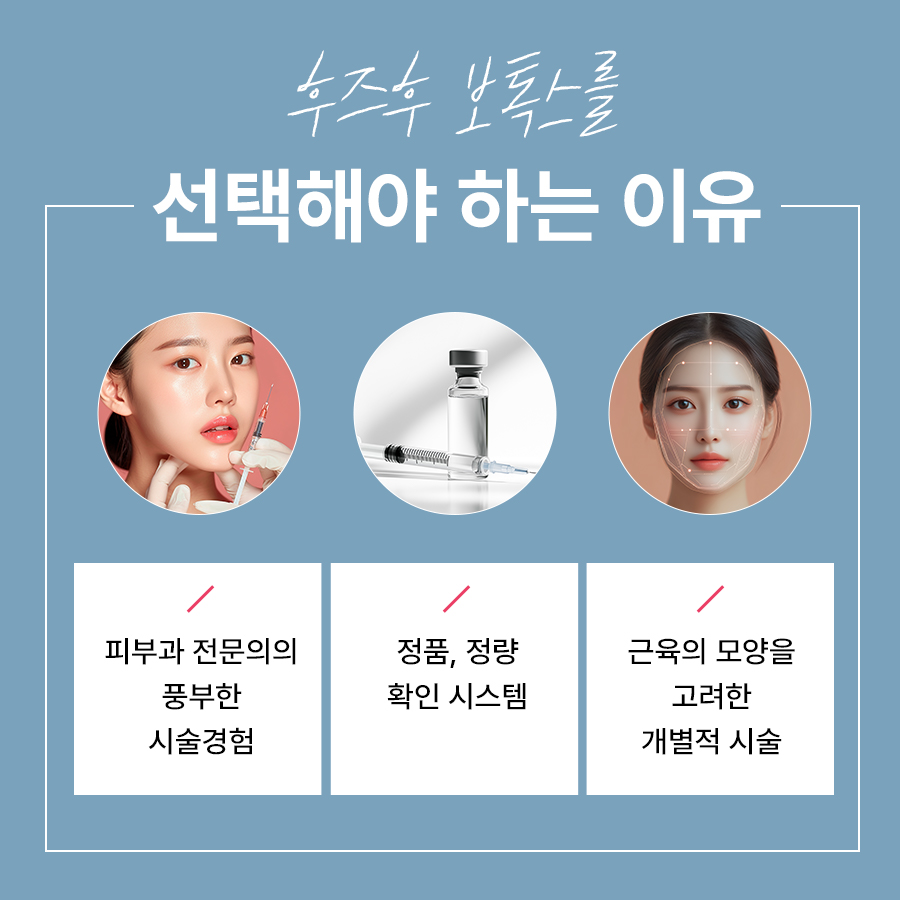
Many international patients are in their 30s to 50s, but younger adults may also seek treatment for specific concerns like asymmetry or early volume loss.
Situations where more caution is needed
Filler treatment may not be suitable or may require extra caution in people who
- Are pregnant or breastfeeding
- Have active skin infection or inflammation in the planned treatment area
- Have a history of severe allergy or anaphylaxis
- Have certain autoimmune or connective tissue diseases
- Previously had complications from fillers or other injectables
During consultation, you should share your full medical history, including medications, supplements, and any previous aesthetic procedures. This helps the clinic decide if fillers are appropriate and how to plan the safest approach.
How filler treatment is performed
Pre-treatment assessment
Before any injection, the medical team will examine your face at rest and in motion. They may take standardized photographs to plan and document the treatment.
The assessment usually includes
- Evaluating facial proportions from the front and side
- Checking skin quality and elasticity
- Identifying areas of volume loss and structural support
- Reviewing your main concerns and desired changes
For overseas visitors, this step is also used to coordinate what can realistically be done within your travel schedule.
Treatment planning
Based on the assessment, the clinic will discuss
- Which areas will be treated and why
- The type and characteristics of the selected hyaluronic acid filler
- Approximate amount of filler recommended for each area
- Whether treatment will be done in one session or staged

A conservative plan is often suggested for first-time patients, with the option to add more filler at a later visit if needed.
Anesthesia and preparation
Before injection, the skin is cleansed and disinfected. A topical numbing cream may be applied, and some fillers also contain a local anesthetic to reduce discomfort.
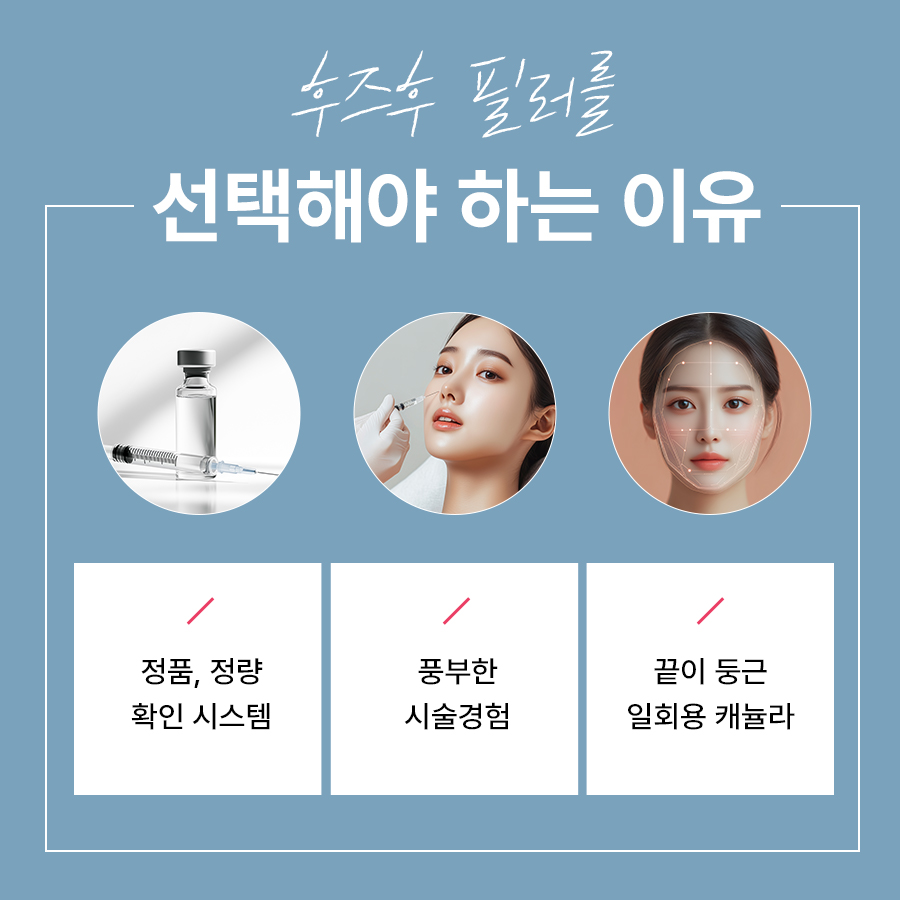
In certain areas, a blunt-tipped cannula may be used instead of a sharp needle to help reduce the risk of bruising and to allow smoother distribution of the filler. The choice between needle and cannula depends on the area, the technique, and the practitioner’s preference.
Injection process
During the procedure, small amounts of filler are placed at carefully chosen points, often in multiple layers. The practitioner may ask you to sit up or move your facial muscles to check symmetry and expression.
Immediate results and adjustments
Results are visible immediately after injection, although mild swelling can make the effect look slightly fuller in the first few days. The practitioner may gently mold the filler to refine the contour.
If you are an overseas patient with limited time, it is helpful to schedule the appointment early in your stay, so that any minor adjustments or follow-up checks can be done before you leave Korea.
Online consultation and pre-visit preparation
Online consultation
Many clinics in the Dongtan 2 area can offer an online or remote consultation for international patients. This may be done through email, messaging apps, or video calls.

To make the most of your online consultation, prepare
Clear photos of your face from the front, 45-degree angles, and side, both at rest and smiling
Information about previous filler or other facial treatments, including when and where they were done
Any known allergies or medical conditions
Your travel dates and available time in Korea
Based on this information, the clinic can provide a preliminary plan, explain which areas are likely to benefit from fillers, and suggest a tentative schedule.
Questions to prepare before contacting a clinic
Before you contact a filler clinic in Dongtan 2, it can be helpful to write down questions such as
Which areas of my face would you prioritize for natural improvement
What type of hyaluronic acid fillers do you use for under-eye, cheek, and lip areas
How many sessions might I need, considering my travel dates
What kind of aftercare do you provide, and can I contact the clinic after returning home
Asking these questions early helps you compare clinics not only by price, but also by their approach to safety, planning, and follow-up.
Expected visit timeline for overseas patients
One to three day schedule
For many international patients, a typical schedule in Dongtan 2 might look like this
Day 1
- In-person consultation, facial examination, and photographs
- Discussion of treatment plan, consent, and pre-procedure instructions
- Filler treatment on agreed areas
- Immediate post-treatment check and aftercare explanation
Day 2 (optional but recommended)
Short follow-up visit to check symmetry, swelling, and healing
Minor touch-ups if necessary and if medically appropriate
Day 3 and after
You can usually continue normal sightseeing or business activities, avoiding intense exercise and heat exposure for a short period as advised.
If your stay is very short, consultation and treatment may be done on the same day with careful planning. In that case, online pre-consultation becomes even more important.
Recovery, downtime, and aftercare
Immediate post-treatment period
Right after filler injections, you may notice
- Mild swelling or redness at injection points
- Slight tenderness or tightness in the treated area
- Occasional small bruises
These are usually temporary and improve over several days. Many people feel comfortable returning to light daily activities on the same day.
General aftercare tips
Typical aftercare recommendations include
Avoiding strong pressure or massage on the treated area unless specifically instructed
Sleeping on your back with your head slightly elevated the first night, if possible
Avoiding intense exercise, saunas, and hot baths for a short period
Not drinking excessive alcohol immediately after treatment
You may be advised to apply a cold pack gently to reduce swelling, taking care not to press too hard.
When to contact the clinic
You should contact the clinic promptly if you experience
- Severe pain or sudden color change (pale or dark) in the treated area
- Significant asymmetry that appears after swelling has mostly settled
- Persistent lumps or nodules that do not improve over time
- Any signs of infection such as increasing redness, warmth, or fever

Most issues can be addressed more easily when they are reported early. For overseas patients, it is important to have clear contact details and instructions before you leave Korea.
How long results last and maintenance planning
Longevity varies depending on the product used, the area treated, and individual factors such as metabolism and lifestyle. Exact timelines and a maintenance plan should be discussed during your consultation. Many hyaluronic acid products can be managed or adjusted by a qualified clinician if changes are needed; your dermatologist will recommend appropriate follow-up and any necessary touch-ups based on your treatment and goals.
Duration of filler effects
The longevity of hyaluronic acid fillers varies depending on the product, treatment area, and individual factors such as metabolism and lifestyle. In general
an sometimes last longer due to deeper placement
These ranges are approximate, and individual experiences differ. During consultation, the clinic can give you a more tailored estimate.
Planning maintenance as an overseas patient
If you do not live in Korea, you may want to plan maintenance visits around your future trips. Some patients choose to
Have a slightly more conservative but structurally supportive treatment that ages gracefully
Schedule review visits once a year when they return to Korea
Keep detailed records of the filler type and amount used for each area, so that other clinics in their home country can understand the previous work
How to choose a filler clinic in the Dongtan 2 area
Points to check
When comparing clinics in Dongtan 2 New Town and nearby parts of Hwaseong, consider

Whether the clinic offers a thorough consultation, including facial analysis and explanation of anatomy
Experience with different facial areas, especially higher-risk regions like the under-eye
Use of hyaluronic acid fillers that can be dissolved if necessary
Clear explanation of possible side effects and how they are managed
Availability of follow-up visits and communication for overseas patients
It can also be helpful to look for clinics that are comfortable explaining their treatment logic rather than only showing before-and-after images.
Questions to ask during consultation
Some practical questions include
- How do you decide the amount of filler for each area
- Do you prefer a single-session or staged approach for first-time patients
- What is your protocol if I am not satisfied with the result
- How do you handle complications if they occur
The answers can help you understand whether the clinic’s philosophy matches your preference for natural, safe, and conservative results.
Frequently asked questions
What is the difference between hyaluronic acid fillers and other types of fillers
Hyaluronic acid fillers are made from a substance that naturally exists in the skin and can be dissolved with a specific enzyme if needed. Other filler types, such as calcium-based or longer-lasting synthetic fillers, may not be reversible in the same way. For many international patients and first-time filler users, hyaluronic acid is often preferred because of its flexibility, safety profile, and adjustability.
How soon after filler treatment can I fly or travel
Most people can travel, including flying, shortly after filler treatment, as long as they feel comfortable and follow aftercare instructions. Mild swelling or bruising may be more noticeable in the first few days, so some patients prefer to schedule treatment at least one or two days before long flights. It is important to have the clinic’s contact information and clear instructions in case you have questions while traveling.
Can fillers look natural, or will my face look overdone
Fillers can look very natural when used in a conservative, anatomy-based way. The key is careful planning of where to place volume, how much to use, and how to respect your original facial structure. During consultation, explain clearly that your goal is a subtle, refreshed appearance. Many clinics in the Dongtan 2 area are familiar with this preference and design treatments to maintain natural expressions.

What are the main risks or side effects of filler treatment
Common temporary side effects include swelling, redness, tenderness, and bruising at the injection sites. Less common but more serious risks include infection, vascular complications, or persistent irregularities. Choosing a clinic that understands facial anatomy, uses appropriate products, and explains emergency protocols can help reduce these risks. Individual risk varies, so a personal consultation is essential before deciding on treatment.
Soft call to action for online consultation
If you are planning a visit to the Dongtan 2 New Town area and are considering hyaluronic acid fillers for volume loss, contouring, or scar improvement, an online consultation before your trip can make your experience smoother and safer. By sharing your photos, medical history, and travel schedule in advance, the clinic can design a realistic, conservative plan and reserve enough time for both treatment and follow-up.
Feel free to prepare your questions, note the areas that bother you most, and contact a clinic that offers detailed, anatomy-based filler planning. With clear communication and careful technique, many overseas patients achieve subtle, natural-looking improvements during a short stay in Korea.

- 공유 링크 만들기
- X
- 이메일
- 기타 앱


댓글
댓글 쓰기