Dongtan 2 laser hair removal guide for international patients
Direct answer summary
Hair removal is planned after a medical consultation, tailored to your skin tone, hair type, and any underlying skin conditions, with a clear explanation of the number of sessions, expected results, and aftercare. Overseas patients can combine hair removal with other skin or body programs during a short stay in Korea.
Treatment overview: medical laser hair removal in Dongtan 2
Medical laser hair removal uses specific wavelengths of light to target the hair follicle. The goal is to damage the follicle enough to reduce its ability to grow hair, while keeping the surrounding skin as safe as possible. Because hair grows in cycles, several sessions are usually needed to see a noticeable and lasting reduction.

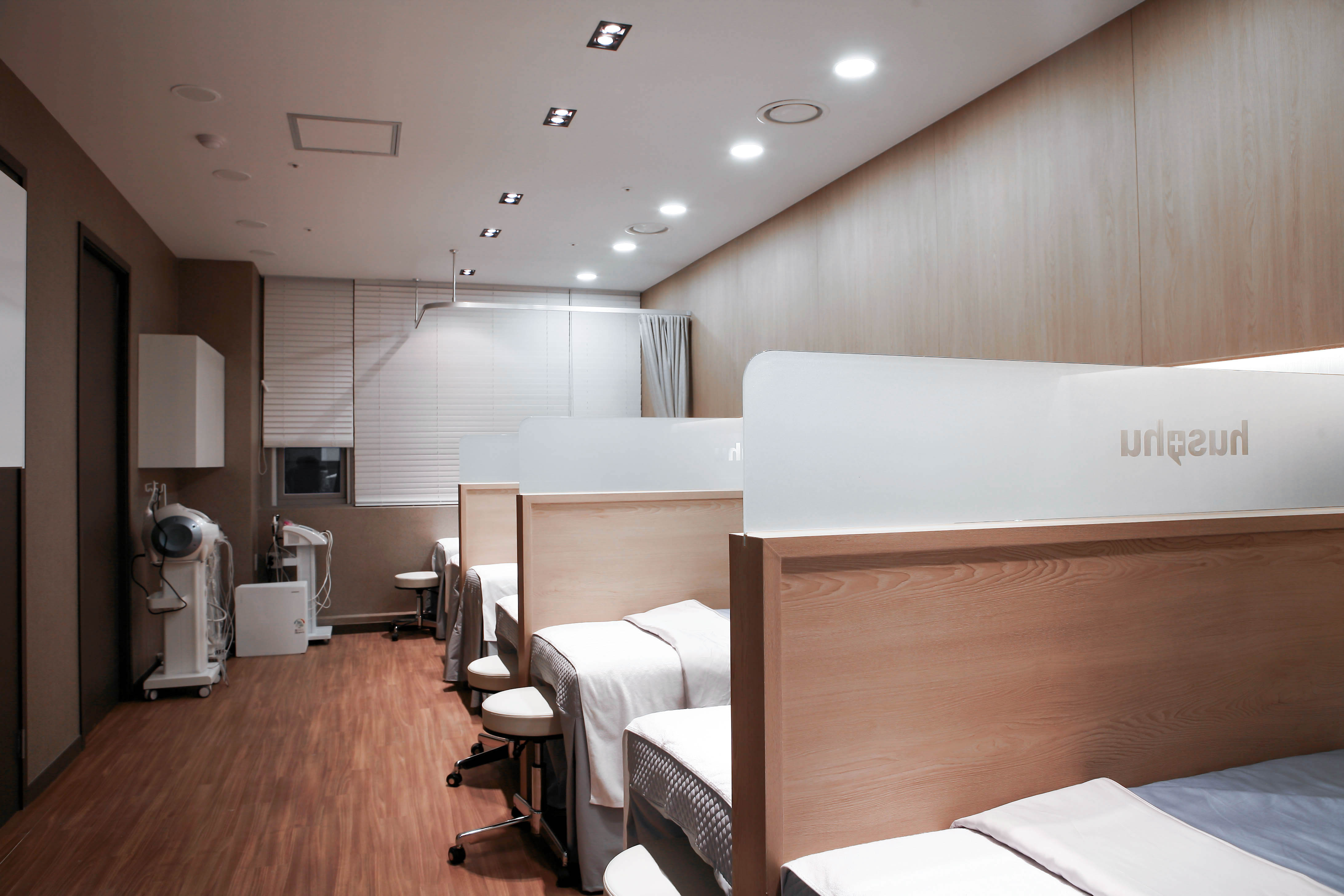
In the Dongtan 2 New Town area of Hwaseong, you can find laser hair removal in a medical building on Dongtan-daero Sibeom-gil, provided as part of a broader body clinic lineup. This setting offers hair removal together with care for stretch marks, sweating problems, and body botox, as well as facial programs for acne, pigmentation, redness, and lifting.
Treatments are performed and supervised by dermatologists. Two lead physicians oversee the clinic and bring clinical experience in medical dermatology and laser-based procedures, supporting careful diagnosis and management of complications.
The clinic uses medical-grade lasers and other energy-based devices for a variety of skin conditions; hair removal is performed with appropriately selected devices and carefully controlled treatment parameters. Treatment planning for hair removal follows the same patient-specific approach used for other laser or energy treatments.
Who may consider Dongtan 2 laser hair removal
People living in or visiting Dongtan 2 New Town who want more than a basic beauty service often look for a medical clinic for hair removal. You may consider this option if any of the following apply to you.
You want long-term hair reduction rather than temporary removal. Waxing, shaving, and home devices give short-lived results or inconsistent outcomes. Medical laser hair removal aims for a long-term decrease in hair growth and thickness over multiple sessions.
You prefer medical supervision. If you feel uneasy about having a non-medical staff member use a strong device on your skin, a clinic where board-certified dermatologists are present throughout the process can be reassuring.
You have sensitive or problematic skin. People with atopic dermatitis, psoriasis, vitiligo, a history of strong redness, or post-inflammatory hyperpigmentation often worry about burns, pigment changes, or flare-ups. A clinic that already treats chronic inflammatory skin diseases and vascular redness is better prepared to screen and adjust treatment.
You had side effects at a non-medical center. If you previously experienced burns, blisters, or darkening of the skin after hair removal, a dermatologist can review what happened, examine your skin type, and design a more cautious plan.
You want to combine hair removal with other treatments. Office workers or visitors may wish to address underarm or leg hair while also treating acne, pigmentation, or early signs of aging. Because hair removal is part of a full dermatology and body clinic, it is possible to coordinate multiple treatments during the same visit, as long as safety and scheduling allow.
Dermatologist-led evaluation and planning
A proper consultation typically includes a review of medical history and medications, an assessment of skin type and hair color/thickness, and discussion of previous hair-removal treatments; a test patch may be used to determine the optimal treatment parameters.
During the initial consultation, the dermatologist will usually
Assess your skin tone and hair characteristics. Dark, thick hair responds differently from fine, light hair. Darker skin tones require more cautious settings to reduce the risk of burns and pigmentation.
Review your medical history and medications. Conditions such as atopic dermatitis, psoriasis, vitiligo, and a history of keloids or strong redness can influence the approach. Certain medications may increase photosensitivity or affect healing.
Check for active skin problems. Infections, open wounds, or active rashes in the treatment area may need to be treated first. For patients with chronic skin diseases, timing and area selection are important.
Explain realistic expectations. The doctor will outline how many sessions are typically needed, how much reduction is likely, and the possibility that some maintenance sessions may be required over time.

The clinic follows current dermatologic guidelines and aims to provide individualized, evidence-based treatment plans rather than one-size-fits-all packages. Clinical and academic experience among the staff support a systematic approach to care.
Clinic environment and laser expertise
The clinic functions as a medical dermatology center with a wide lineup of services. In addition to hair removal and body care, it offers programs for psoriasis and vitiligo, nail fungus, general skin diseases, vascular and redness problems, scalp and hair loss, acne and acne scars, pigmentation and melasma, and lifting and anti-aging.
This broad scope means that various laser and energy-based devices are already in daily use. Vascular lasers are used for redness and visible vessels, toning lasers for pigmentation, fractional devices for scars and texture, and radiofrequency and lifting devices for skin tightening. Training at a dedicated laser institute such as the UCI Beckman Laser Institute further supports a deep understanding of how different wavelengths, pulse durations, and energy levels interact with skin structures.
For hair removal, this experience translates into more precise selection of device type, fluence, pulse width, and cooling method. The doctor can choose settings that match your skin and hair while aiming to reduce side effects. Because the clinic is used to managing complex cases, it is also prepared to treat any unexpected reactions.
Hair removal areas and customization
Common treatment areas include
- Underarms, for hygiene and convenience in daily life
- Arms and legs, for smoother appearance and easier shaving-free routines
- Bikini line, for comfort during swimming or sports
- Facial hair, such as upper lip, chin, and sideburns, especially for women who are bothered by visible hair or irritation from frequent shaving
- Body areas such as chest or abdomen, depending on individual preference
Customization is important because each area and patient is different.
For thick, dark hair, higher energy and longer intervals between sessions may be chosen, as these follicles often respond well but can be more sensitive to heat.
For fine, light hair, more conservative expectations are needed, and the doctor may adjust parameters and session plans accordingly.
For women with facial hair and hormonal issues or acne-prone skin, the dermatologist may coordinate hair removal with acne or hormonal evaluations. Certain acne medications and topical treatments need to be considered when planning laser sessions.

For darker skin tones, the doctor typically uses more cautious settings and careful cooling to reduce the risk of burns and post-inflammatory hyperpigmentation. Test spots are especially important in these cases.
Typical treatment process and Korea visit timeline
For international patients, it helps to understand the usual course of treatment and how to fit it into a visit to Korea.
Pre-visit online consultation
Before you travel, you can request an online consultation. This is usually done by sending photos of the areas you wish to treat, along with a brief medical history and a list of medications and supplements you are taking.
During this stage, you can ask about
- Which areas are suitable for treatment in your case
- How many sessions are typically recommended for those areas
- Minimum interval between sessions
- How many sessions you can realistically complete during your planned stay
- Any specific precautions related to your skin condition or medications
The clinic can then suggest a provisional plan, which will be confirmed or adjusted after an in-person examination.
First visit in Korea
On your first in-person visit, you will have a dermatologist consultation. The doctor will examine your skin, confirm your medical history, and discuss your goals. If everything is suitable, a test shot or a full initial session may be performed on the same day.
Cooling methods, protective eyewear, and clear communication about what you might feel during the procedure are part of the process. Most patients describe the sensation as a quick snapping or heat feeling, which can be reduced with cooling and, when appropriate, topical numbing.
Number of sessions and intervals
Laser hair removal usually requires multiple sessions because only hairs in the active growth phase respond fully to the laser. The exact number of sessions varies by area, hair thickness, and individual response, but many people need several sessions spaced a few weeks apart.
If you are staying in Korea for a short time, the clinic can help you plan what is realistic. For example, you might start treatment with one or two sessions in Korea and then continue in your home country, or you might schedule follow-up visits if you travel to Korea regularly.
Between sessions, the doctor will assess your response and adjust settings if needed. This step-by-step adjustment is one of the advantages of receiving care in a medical clinic.
Aftercare and recovery
After each session, you can usually return to normal daily activities. However, there are important aftercare instructions to protect your skin and support good results.
Sun protection. Treated areas are more sensitive to sunlight for a period after laser exposure. Use broad-spectrum sunscreen, cover exposed areas with clothing when possible, and avoid tanning.

Moisturization. Gentle moisturizers can help soothe the skin. Avoid harsh scrubs, peels, or strong active ingredients on the treated area for a few days, unless your doctor advises otherwise.
Avoid heat and friction. Hot baths, saunas, and heavy exercise that causes intense sweating may be discouraged for a short time after treatment. Friction from tight clothing can also irritate the skin.
Monitor for reactions. Mild redness or swelling can be normal and usually settles within hours to a couple of days. If you notice strong pain, blisters, or unusual darkening or lightening of the skin, you should contact the clinic. Because a dermatologist is on-site, prompt diagnosis and treatment are available if needed.
Suitability for different patient types
Office workers and busy visitors
For people working in Dongtan 2 New Town or visiting on business, weekday evening appointments and Saturday morning or early afternoon slots can be convenient. The clinic's published schedule notes a lunchtime period; when booking, confirm appointment availability to ensure it fits your workday.
Sensitive or disease-prone skin
Patients with psoriasis, vitiligo, atopic dermatitis, or vascular redness may have been refused at non-medical hair removal centers or may have experienced flare-ups. In a dermatology-based setting, these conditions are already part of daily practice. The doctor can decide whether hair removal is appropriate, which areas to avoid, and how to time sessions relative to disease activity.
Those anxious about side effects
If you have seen online stories about burns or scars from laser hair removal, it is natural to feel cautious. In this clinic, hair removal is part of a broader medical system that includes transparent posting of non-insured treatment fees and before-and-after photo boards for areas such as acne, redness, pigmentation, and scars, accessible to members. This focus on data and outcomes supports a more measured, evidence-based approach.
Online consultation and pre-visit preparation
To make your visit smoother, it is helpful to prepare in advance.
Information to share before your visit
- Photos of the areas you want treated, taken in clear, natural light
- Your age, general health status, and any chronic conditions
- History of skin diseases such as eczema, psoriasis, vitiligo, or keloids
- List of medications, including acne treatments, hormonal therapies, and supplements
- Any previous laser or hair removal experiences and side effects
Questions you may want to ask
- Which laser or device types are likely to be used for your skin and hair
- Estimated number of sessions for each area
- Recommended interval between sessions
- What level of discomfort to expect and what pain control options are available
- How to coordinate hair removal with other treatments you are considering, such as acne or pigmentation care
By preparing these points, you can use your consultation time more efficiently and make more informed decisions.
Frequently asked questions
How many laser hair removal sessions will I need in Dongtan 2
The number of sessions depends on the area, hair thickness, and your individual response. Many people need several sessions spaced a few weeks apart to see a clear reduction. During your consultation, the dermatologist will estimate a range based on your skin and hair type, but this is always adjusted as treatment progresses.
Is medical laser hair removal safe for sensitive or darker skin
Laser hair removal can be performed on sensitive or darker skin, but it requires careful assessment and parameter control. In this clinic, the dermatologist reviews your history of redness, pigmentation, or inflammatory skin disease and may perform test shots before full treatment. More conservative settings and thorough cooling are used to reduce the risk of burns or pigment changes.
Can I start laser hair removal during a short trip to Korea
Yes, you can usually start treatment during a short visit, especially if you complete an online consultation beforehand. You may be able to have your first consultation and session on the same day, depending on your skin condition and schedule. If you cannot complete all sessions in Korea, the clinic can provide a summary of what was done so you can continue care in your home country.
What should I avoid before and after my laser hair removal session
Before treatment, it is generally recommended to avoid tanning, strong exfoliation, and hair removal methods that remove the root, such as waxing or plucking, for a period specified by your doctor. Shaving is usually allowed. After treatment, protect the area from sun exposure, avoid hot baths and saunas for a short time, and use gentle skincare. If you notice unusual pain, blisters, or persistent discoloration, contact the clinic promptly.
Soft call to action
If you are considering laser hair removal in the Dongtan 2 New Town area and want a medically supervised approach, you can begin with an online consultation. By sharing photos and a brief medical history, you can receive guidance on suitability, expected session numbers, and how to fit treatment into your Korea visit. When you are ready, you can schedule an in-person consultation during weekday evenings or Saturday hours at the medical building on Dongtan-daero Sibeom-gil and plan a personalized hair removal and skin care program with the dermatologist.


댓글
댓글 쓰기