Dongtan 2 laser hair removal guide for international patients
- 공유 링크 만들기
- X
- 이메일
- 기타 앱

Direct answer summary
your skin and hair.
This guide explains how laser hair removal works, what to expect at a dermatology clinic in Dongtan 2, how many sessions are usually needed, and how to plan your visit to Korea as an overseas patient.

What is medical laser hair removal
Medical laser hair removal uses concentrated light energy to target the pigment (melanin) in hair follicles. The laser beam passes through the skin and is absorbed mainly by the darker hair root. This heat damages the follicle enough to slow or reduce future hair growth.
Because hair grows in cycles, only a portion of hairs are in the active growth phase at any given time. Laser treatment is most effective on hairs in this phase. That is why multiple sessions are needed, spaced several weeks apart.
Common treatment areas include underarms, lower and full legs, arms, bikini line, Brazilian area, upper lip, chin, cheeks, sideburns, chest, abdomen, back, and other body areas. The exact plan depends on your needs and the clinic’s body treatment menu.
Compared with waxing or shaving, medical laser hair removal focuses on the follicle rather than only cutting or pulling out the visible hair. Over a series of sessions, many people notice thinner, finer regrowth and less frequent need for other hair removal methods.
How laser hair removal differs from waxing and home devices
Waxing removes hair from the root by pulling it out mechanically. Results can last a few weeks, but the follicle remains intact, so hair eventually returns with similar thickness. Waxing can cause irritation, ingrown hairs, and discomfort, especially in sensitive areas.
Shaving cuts hair at the skin surface. It is quick and inexpensive but needs frequent repetition. Stubble can appear within days, and some people experience razor bumps or small cuts.
Home-use devices, such as IPL (intense pulsed light) machines, use broad-spectrum light rather than a focused medical laser. They can help reduce hair for some users, but the energy levels are usually lower than in a clinic for safety reasons. As a result, results may be slower, less consistent, and more dependent on correct self-use.
In a dermatology clinic, medical-grade lasers are used under professional supervision. Parameters such as energy, pulse duration, and spot size are adjusted to your skin type, hair color, and treatment area. This approach aims to balance effectiveness with safety, especially if you have sensitive skin or existing skin conditions.
Dermatology clinic in Dongtan 2 New Town
This means the staff are used to managing body-focused concerns, not only facial procedures.
That experience may reassure patients who prioritize strong clinical training and careful decision-making.
Because this is a dermatology clinic rather than a general beauty salon, the medical team can evaluate skin conditions such as atopic dermatitis, folliculitis, keratosis pilaris, or pigmentation problems before starting hair removal and adjust the plan accordingly.
Who may consider laser hair removal in Dongtan 2
Laser hair removal can be considered if you:
Want to reduce frequent shaving or waxing of underarms, legs, bikini line, or other areas.
Have irritation, razor bumps, or ingrown hairs from traditional hair removal methods.
Prefer a longer-lasting reduction in hair thickness and density.
Have difficulty reaching certain areas on your own and want a professional solution.
It can be suitable for both women and men. Common requests include underarms, legs, bikini line, Brazilian area, chest, back, and facial hair. People with darker, thicker hair usually respond more quickly, but lighter hair can sometimes also be treated with adjusted settings.
If you have very sensitive skin, a history of eczema or atopic dermatitis, or previous problems with waxing or home IPL, a dermatology clinic setting may be especially helpful because the medical staff can check your skin and adapt the plan.
How many sessions are usually needed
The exact number of sessions depends on your hair thickness, color, hormonal status, and the area treated. As a general guide, many patients need multiple sessions for noticeable and lasting reduction.
Underarms often need several sessions.
Legs and arms usually require a series of visits.
Bikini or Brazilian areas may need multiple sessions as well.
Facial hair can sometimes require more frequent maintenance due to hormonal influence.

Your dermatologist will explain a realistic range during consultation. The goal is hair reduction and thinning, not a guaranteed 100 percent permanent removal. Some fine regrowth over time is normal, and occasional maintenance sessions may be suggested.
Treatment process at a Dongtan 2 dermatology clinic
A typical visit for laser hair removal at a dermatology clinic in Dongtan 2 New Town may follow these steps.
Initial consultation
You meet the doctor or medical staff for a consultation. They ask about your medical history, medications, previous hair removal methods, and any skin conditions. They examine your skin type and hair characteristics in the areas you want treated.
The doctor explains how laser hair removal works, what areas are suitable, how many sessions are likely, and what kind of results you can expect. They also discuss possible side effects and how to minimize them.
Treatment planning
Based on your goals and schedule, a treatment plan is created. This includes the target areas, approximate number of sessions, and interval between visits. For body areas, intervals are often several weeks apart to match the hair growth cycle.
If you are an overseas patient, the clinic may help you compress several sessions into a stay in Korea or coordinate with longer-term plans if you visit regularly.
Test shot and preparation
For some skin types, a test shot may be performed on a small area to see how your skin reacts. This can be especially important if you have a darker skin tone, a history of pigmentation problems, or very sensitive skin.

You may be asked to shave the area shortly before treatment, or the staff may trim or shave the area on the day. The skin is cleansed, and protective goggles are placed over your eyes.
Laser procedure
During the procedure, the doctor or trained staff member applies the laser handpiece to the skin. You may feel brief sensations like a rubber band snapping against the skin or a feeling of warmth. Some devices use cooling systems or gels to make the procedure more comfortable.
Smaller areas such as underarms or upper lip are usually quick. Larger areas like full legs, back, or multiple body zones take longer. The clinic can give you a more precise time estimate based on your plan.

Post-treatment care
After the session, the skin may look slightly red or swollen, similar to mild sunburn or small bumps around the follicles. A soothing cream or cool pack may be applied.
You will receive instructions about sun protection, skin care, and what to avoid for a short period after treatment. Most people can return to normal daily activities immediately, but you may be advised to avoid very hot baths, saunas, or intense exercise for a short time.
Pain, downtime, and possible side effects
Pain perception varies from person to person and by area. Areas with thinner skin or denser hair, such as the bikini line, may feel more sensitive. Many people describe the sensation as a quick snap or prick combined with warmth.
In a dermatology clinic, laser parameters can be adjusted and cooling methods used to help manage discomfort. If you are particularly sensitive, discuss options such as topical numbing cream in advance.
Common temporary reactions include:
Mild redness.
Slight swelling around hair follicles.
Warmth or sensitivity in the treated area.
These usually settle within hours to a couple of days. Less common but more serious side effects can include burns, blisters, or pigment changes (darkening or lightening of the skin). The risk is higher in very tanned or darker skin types if settings are not carefully chosen.
At a dermatology clinic, the doctor considers your natural skin tone, recent sun exposure, and medical history when setting the laser. If you have a history of keloids, strong pigmentation, or previous complications, this should be discussed in detail before starting.
Comparison with non-medical hair removal options
Compared with shaving, medical laser hair removal aims for longer intervals between visible regrowth and finer, sparser hair over time. You may still need to shave occasionally, but often less frequently.
Compared with waxing, laser hair removal does not pull hairs out mechanically, so there is usually less risk of ingrown hairs and repeated irritation from tearing the hair out. However, waxing can still be used for people who prefer short-term results or are not candidates for laser.
Compared with home IPL devices, clinic-based treatment uses medical-grade equipment with controlled energy delivery and professional parameter selection. This can offer more predictable results and safety monitoring, especially for people with sensitive skin, darker skin tones, or existing skin conditions.
For people with atopic dermatitis, keratosis pilaris, or chronic folliculitis, the ability to consult a dermatologist before and after each session is a key difference from non-medical options.
Practical information for visitors to Dongtan 2 New Town: confirm the clinic's exact address, floor location, and operating hours directly with the clinic before you visit.
Typical office hours include weekdays with one extended evening day, plus Saturday from morning to early afternoon. The clinic is usually closed on Sundays and public holidays. There is a lunch break during midday when reception and treatment may pause.
Because exact hours can change, especially around holidays, it is important to confirm the current schedule when you make your appointment. Online reservation is available on certain weekdays through a widely used local booking platform. If you are overseas, you can often start with an online consultation message or call, then finalize your schedule after confirming your travel dates.

Online consultation and pre-visit preparation
Before you travel to Korea, it is helpful to contact the clinic online. Many international patients share the following information in advance:
Which areas you want treated (for example, underarms and lower legs, or full legs and bikini line).
Any known skin diseases, such as atopic dermatitis, psoriasis, chronic folliculitis, or a history of keloids.
Current medications, including acne treatments, hormonal medications, or drugs that increase sun sensitivity.
Recent tanning, sunburn, or use of self-tanning products.
If possible, you can send clear photos of the areas to be treated under natural lighting. This helps the doctor estimate your skin type and hair density before your visit, though final decisions are always made in person.
You can also prepare a list of questions, such as:
How many sessions are realistic during my stay.
What interval is ideal between sessions.
What kind of aftercare is recommended while I am still in Korea and after I return home.
Expected Korea visit timeline for laser hair removal
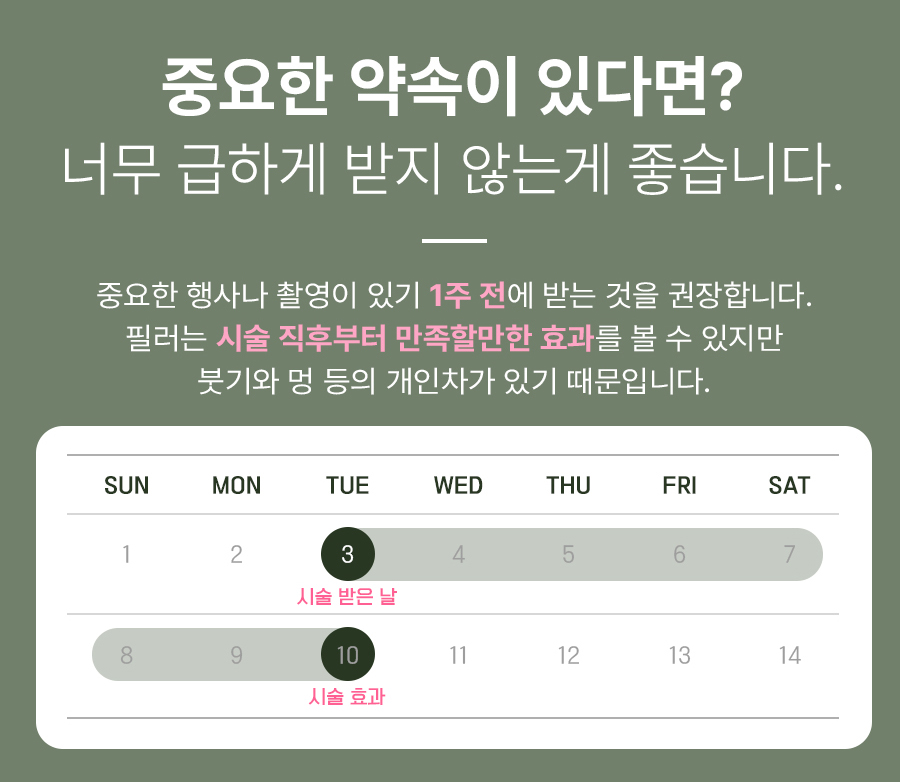
For short-term visitors staying one to two weeks, you may be able to have an initial consultation and one or two treatment sessions, depending on your schedule. Even a single session can start reducing hair thickness, but for full effect you will need additional sessions later.
If you visit Korea regularly, for example every few months, you can coordinate your laser hair removal schedule with your trips. The clinic can help you plan session intervals that match your travel pattern as closely as possible.
A typical timeline for an overseas patient might look like this:
Day 1: Consultation, skin and hair assessment, possible same-day treatment if suitable.
Day 3 to 7: Follow-up check if needed for sensitive areas or if you had a test shot first.
Future visits: Additional sessions at intervals of several weeks to a few months, planned around your travel dates.
If you are staying longer term in Korea, the clinic can follow a schedule similar to local patients, with regular intervals based on the treated area and your response.
Aftercare and long-term expectations
After each session, you should:
Apply gentle moisturizers as recommended.
Use broad-spectrum sunscreen on exposed treated areas when going outdoors.
Avoid tanning beds and intentional tanning.
Avoid very hot baths, saunas, or intense exercise for a short period if the skin is irritated.
You should not wax or pluck hairs between sessions, because this removes the follicle that the laser needs to target. Shaving is usually allowed, and the clinic will explain how and when to do it.
Long term, many people notice that hair becomes finer and sparser after a series of sessions. Some areas may show more durable reduction than others. Hormonal changes, such as pregnancy or certain medications, can influence hair regrowth over time.
Who should be cautious or seek detailed consultation
Laser hair removal may require special caution if you:
Have very tanned or naturally very dark skin.
Have active skin infections, open wounds, or severe eczema in the treatment area.
Are taking medications that increase light sensitivity.
Have a history of abnormal scarring or keloids.
Have uncontrolled hormonal disorders.
In these cases, the dermatologist will evaluate the risks and may adjust the plan, delay treatment, or recommend treating the underlying skin condition first. Honest disclosure of your medical history and current medications is essential for safe treatment.
Frequently asked questions
How many sessions do I usually need for underarms, legs, or bikini area
Underarms typically require several sessions for noticeable and lasting reduction. Legs and bikini areas also usually need multiple visits. The exact number depends on your hair thickness, color, skin type, and hormonal factors. During your first consultation at the clinic in Dongtan 2, the doctor will suggest a realistic range based on examining your hair and skin.
Will hair grow back after laser hair removal
Laser hair removal aims for long-term reduction, not a promise of complete permanent removal. Many people experience thinner, finer regrowth and less hair overall after a full course of sessions. Some follicles may remain active or become active again over time, so occasional maintenance sessions might be recommended, especially in hormonally sensitive areas like the face or bikini line.
Is laser hair removal safe for sensitive skin or people with atopic dermatitis
Laser hair removal can be performed on sensitive skin or in people with atopic dermatitis, but it requires careful assessment and parameter selection. At a dermatology clinic, the doctor checks whether your skin is currently inflamed or stable, and may recommend treating active eczema first. Settings can be adjusted and test shots used to reduce the risk of flare-ups. Individual responses vary, so close communication with the medical team is important.
Can I have laser hair removal in summer, and what sun protection is needed
Laser hair removal can be done in summer, but sun protection is especially important. You should avoid tanning and sunburn before and after treatment. Using a broad-spectrum sunscreen, wearing protective clothing, and limiting direct sun exposure on treated areas help reduce the risk of pigment changes. If you have recently tanned skin, the doctor may recommend delaying treatment or adjusting the settings.
What should I avoid before and after laser hair removal
Before treatment, you should avoid waxing, plucking, or using depilatory creams on the area for several weeks, because the laser needs the hair root present. You should also avoid tanning and self-tanning products. After treatment, avoid hot baths, saunas, and intense exercise for a short time if your skin is irritated. Do not scrub or peel the treated area, and follow the moisturizing and sun protection advice given by the clinic.
Soft call to action
If you are considering laser hair removal while living in or visiting Dongtan 2 New Town, an online consultation with the local dermatology clinic can help you understand your options and plan your schedule. By sharing your concerns, medical history, and travel dates in advance, you can receive a more personalized treatment plan and make better use of your time in Korea.
- 공유 링크 만들기
- X
- 이메일
- 기타 앱


댓글
댓글 쓰기