Dongtan 2 Thermage FLX non‑surgical lifting guide for overseas patients
- 공유 링크 만들기
- X
- 이메일
- 기타 앱
Direct answer summary
If you are searching for “Dongtan 2 Thermage” because you want non‑surgical lifting near the Dongtan 2 New Town area, Thermage FLX is a radiofrequency skin‑tightening treatment that can help with facial laxity, jawline sagging, and fine lines without surgery. Local dermatology clinics in Dongtan offer Thermage FLX in clinical settings; some clinics may also provide other energy‑based lifting devices. This article explains what Thermage FLX is, who it suits, how a typical treatment is planned and performed, what to expect during a visit to Korea, and how to prepare for an online consultation.
What Thermage FLX is
Discuss expected benefits and risks with a qualified clinician.
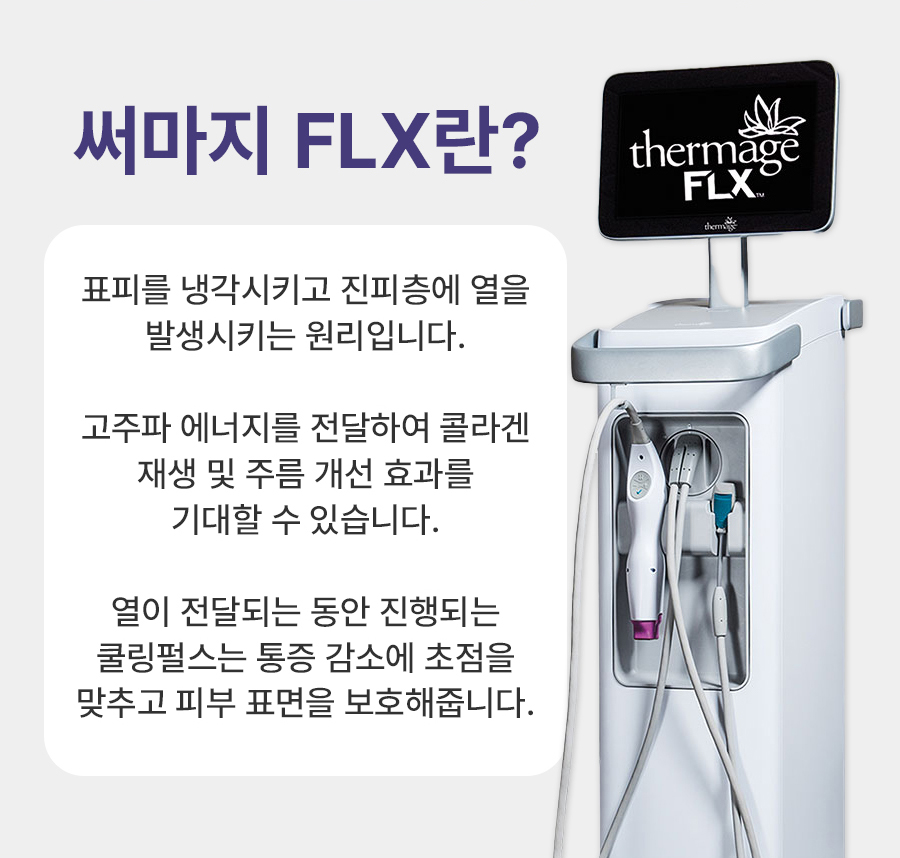
Thermage FLX is a newer generation of this technology. Compared with older Thermage versions, FLX is designed to deliver energy more efficiently and more evenly, with improved comfort features. The device uses a treatment tip that combines RF energy with cooling on the surface, helping to protect the outer skin while targeting deeper layers.
Main treatment areas include the full face, jawline, cheeks, nasolabial folds, early jowls, and sometimes the neck or eye area, depending on individual assessment. The goal is not to create a dramatic surgical facelift effect, but to improve overall firmness, contour, and fine lines in a single non‑surgical session.
Why people in Dongtan 2 look for Thermage
Residents of Dongtan 2 New Town often search for “Dongtan 2 Thermage” because they want convenient, non‑surgical lifting without traveling into central Seoul. Many people prefer to have this type of procedure done in a medical dermatology clinic rather than a generic beauty salon.

Having Thermage in a medical setting matters for several reasons. A dermatologist can properly diagnose your skin type, thickness, and degree of laxity, and can judge whether Thermage is the right choice or if other options such as Ultherapy, Shurink, thread lifting, or injectables would be more suitable. They can also adjust energy settings and shot numbers safely, reducing the risk of burns or contour irregularities.
ne place.
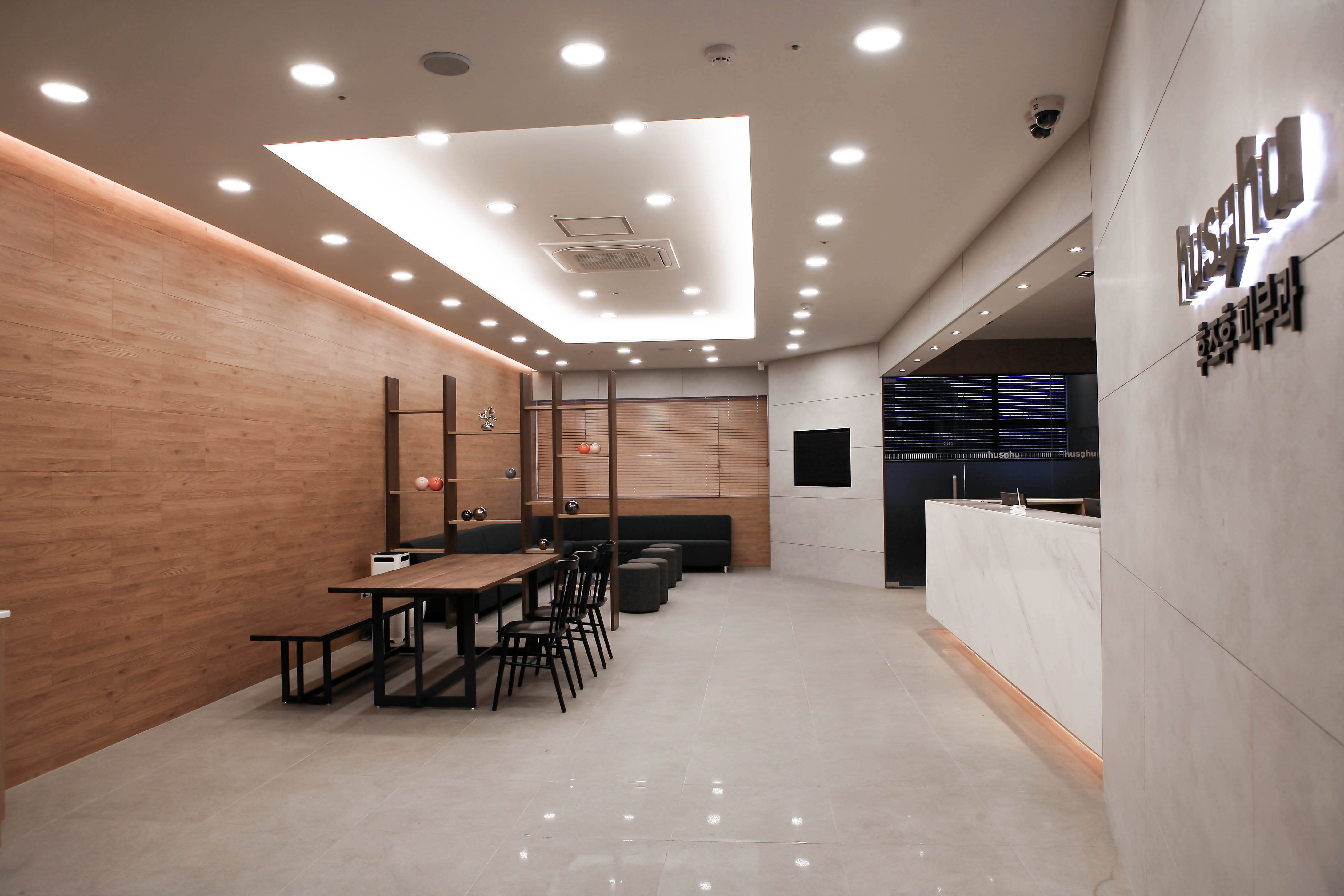
Example of a specialist dermatology setting in Dongtan
The clinic's team
The clinic's dermatology team includes experienced physicians with backgrounds in hospital dermatology and training in energy‑based procedures. For specific practitioner qualifications and career history, confirm details directly with the clinic or on its official clinician bios.
This background supports careful use of technologies such as Thermage, Ultherapy, and various laser platforms.
Both dermatologists are active members of multiple dermatology and laser societies, including the American Academy of Dermatology. This ongoing academic activity helps keep treatment protocols up to date for radiofrequency and laser procedures.
Range of lifting devices available
Clinics that offer Thermage FLX often provide a range of energy‑based lifting options as well. Available devices vary by clinic; confirm the exact systems on offer (for example, ultrasound‑ or radiofrequency‑based devices) with the clinic before booking.
This variety allows the dermatologists to design a tailored plan instead of recommending the same procedure to everyone. For example, a patient with mild skin laxity and fine lines may benefit more from Thermage for overall tightening, while someone with heavier sagging in the lower face might need Ultherapy to target deeper structures, or a combination of both. In some cases, thread lifting or injectables can be added for structural support or volume correction.
Who may consider Thermage FLX
Thermage FLX in Dongtan can be considered by adults who notice early signs of aging but are not ready for surgery. Typical candidates include people with:
- Mild to moderate skin laxity of the face or jawline
- Early jowls or softening of the jaw contour
- Nasolabial folds that have become more noticeable with age
- Fine lines and textural changes, especially on the cheeks
- Mild laxity of the neck or around the eyes, if assessed as suitable

It is particularly attractive for those who want non‑surgical lifting in Dongtan 2 with minimal downtime, and who can wait a few months for gradual improvement.
Who may not be ideal for Thermage
Thermage is not the best choice for everyone. It may be less suitable for:
People with very severe sagging who may benefit more from surgical lifting
Individuals with extremely thin skin and very little subcutaneous tissue, where aggressive RF energy could increase the risk of irregularities
Patients expecting a dramatic, surgical‑level lift from a single non‑surgical session
People with certain implanted electronic devices or specific medical conditions, which must be discussed with the dermatologist
In these cases, the dermatologist may recommend alternative or combined approaches, such as Ultherapy, thread lifting, or a referral for surgical consultation.
How Thermage is planned in a dermatology clinic
A careful planning process is important for safe and effective radiofrequency skin tightening. In a Dongtan dermatology clinic, a typical Thermage journey includes the following steps.
Initial consultation
During the first consultation, a board‑certified dermatologist examines your face and neck in detail. They assess skin thickness, degree of laxity, distribution of fat, and overall facial structure. Photos may be taken for medical records.
The doctor discusses your main concerns, such as sagging cheeks, jawline blurring, or fine lines. They then explain whether Thermage alone is likely to address these issues, or whether other options like Ultherapy, Shurink, thread lifting, or injectables would be more appropriate. For international patients, this discussion can often begin with online consultation before you travel.
Setting realistic expectations
Thermage FLX is typically performed as a non‑surgical, single‑session procedure, and improvements develop gradually as collagen remodels. Individual timelines and durability vary widely; some patients notice changes over the following months, but how long results last depends on many factors (age, lifestyle, skin condition). Your treating dermatologist can give personalized expectations based on your case.
You will also be informed that Thermage cannot replace a surgical facelift. It is best for subtle to moderate lifting and tightening. If your sagging is advanced, the doctor may recommend more invasive options or a combination approach.

Treatment planning and customization
Energy level, number of shots, and treatment areas are not one‑size‑fits‑all. The dermatologist plans these parameters based on your skin type, thickness, and sensitivity. For example, someone with thicker, more resilient skin may tolerate higher energy levels, while a person with thinner skin may need more conservative settings.
The clinic’s experience with multiple devices allows the doctor to decide whether to focus on Thermage, combine it with Ultherapy or Shurink, or add complementary treatments like Secret RF for texture or SkinTyte for additional tightening.
How Thermage FLX is performed
On the treatment day, the process usually follows a structured sequence.
Skin preparation and marking
Your skin is cleansed thoroughly to remove makeup, sunscreen, and oils. The doctor or staff member may mark treatment zones on your face and neck with a skin marker. These markings guide the placement of the RF tip to ensure even coverage.
In some cases, a topical numbing cream may be applied to improve comfort, although Thermage FLX is designed with comfort features and integrated cooling.
Thermage FLX procedure
During the procedure, the doctor or trained medical staff member applies a coupling fluid to help the tip contact the skin smoothly. The Thermage FLX tip then delivers pulses of radiofrequency energy combined with surface cooling.
Each pulse typically feels like a brief sensation of heat or deep warmth, sometimes with a mild pinch. The operator moves the tip systematically across the marked areas, often making multiple passes to build up collagen stimulation.
A full‑face and jawline session often takes around one to one and a half hours, but exact duration depends on the treatment plan and whether additional areas such as the neck or eye area are included.
Post‑treatment care
After the procedure, most people can return to normal daily activities the same day. Common temporary reactions include mild redness, swelling, or a feeling of warmth in the treated area. These usually settle within hours to a few days.
The clinic provides basic aftercare instructions, such as:
- Use gentle cleansing and moisturizing products for a few days
- Avoid harsh exfoliation or aggressive treatments on the area for a short period
- Apply sunscreen daily and avoid excessive sun exposure
- Contact the clinic if you notice unusual pain, persistent swelling, or any skin changes
Comparison with other lifting options
Thermage is one of several non‑surgical lifting tools. In a Dongtan clinic with multiple devices, the dermatologist can explain how it compares to other options.
Ultherapy and 3D Ultherapy
Ultherapy uses focused ultrasound energy to target deeper layers such as the SMAS (superficial musculoaponeurotic system), which are also addressed in surgical facelifts. It is often chosen for stronger structural lifting, especially in the lower face and neck.
Thermage, in contrast, focuses more on the dermis and superficial tissues, making it strong for overall skin tightening and texture improvement. Some patients benefit from combining both, using Ultherapy for deeper lifting and Thermage for surface tightening.
Shurink and other HIFU devices
Shurink and similar high‑intensity focused ultrasound devices share a concept with Ultherapy but belong to different device families. They also target deeper layers for lifting. The choice between Thermage and HIFU devices depends on your skin characteristics, tolerance, and goals.
Thread lifting
Thread lifting uses dissolvable threads placed under the skin to mechanically lift sagging tissues. It can provide more immediate visible lifting but is more invasive than Thermage and usually involves some downtime, bruising, or swelling.
In many cases, thread lifting is combined with energy‑based treatments to support collagen and maintain results, but this should be planned carefully by the dermatologist.
Safety, side effects, and precautions
Thermage is generally considered safe when performed in a medical setting by experienced dermatologists who understand skin anatomy and energy‑based devices. However, like any procedure, it carries potential risks.
Typical temporary side effects include:
- Redness or mild swelling in the treated area
- Sensation of heat or tenderness for a short period
- Occasional small bumps or mild bruising
Rare but more serious complications can include burns, blisters, or contour irregularities if energy is delivered incorrectly. Choosing a clinic where Thermage is supervised by board‑certified dermatologists helps reduce these risks.

Before treatment, inform the doctor about any medical conditions, implanted devices, medications, or history of keloid scarring. Follow all pre‑ and post‑treatment instructions to support safe healing.
Preparing for online consultation and pre‑visit planning
For overseas patients considering Thermage FLX in Dongtan 2, an online consultation is a practical first step. Many clinics, including the dermatology clinic in Port Central City, offer online inquiry systems and limited reservation slots on specific weekdays.
To make the most of your online consultation, prepare the following:
Clear photos of your face and neck from the front and both sides
A short description of your main concerns (for example, jawline sagging, nasolabial folds, or fine lines)
Information about previous procedures such as fillers, botulinum toxin injections, HIFU, or RF treatments
Any relevant medical history, including medications and allergies
Useful questions to ask include:
Is Thermage FLX appropriate for my degree of sagging, or would you recommend Ultherapy, Shurink, or another option?
How many shots or which treatment areas do you usually recommend for someone with my concerns?
How much downtime should I plan for, considering my travel schedule?
Is it safe to combine Thermage with fillers or botulinum toxin during the same trip?
Expected Korea visit timeline for Thermage in Dongtan 2
If you are traveling from overseas and staying in or near Dongtan 2 New Town, you can usually plan Thermage as a short‑stay procedure.
A typical schedule might look like this:
Day 1: Arrival and rest. If possible, an in‑person consultation at the clinic in Port Central City to confirm the plan discussed online. Skin examination, photography, and final consent.
Day 2: Thermage FLX treatment. After the procedure, you can usually return to your accommodation and resume light activities. Some people prefer to keep this day relatively free in case of mild swelling or fatigue.
Day 3–4: Follow‑up check if recommended, especially for international patients. The doctor reviews your skin, answers additional questions, and confirms aftercare instructions. Many patients are comfortable flying home within a few days.
Because the visible tightening effect develops gradually over months, you do not need to stay in Korea for a long recovery period.

Aftercare and follow‑up from abroad
After you return home, you can usually maintain contact with the clinic through email or messaging for follow‑up questions. Sending updated photos at intervals can help the dermatologist monitor your progress.
General aftercare tips include:
Maintain a consistent skincare routine with gentle cleansing and moisturizing
Use broad‑spectrum sunscreen daily to protect new collagen
Avoid smoking and excessive alcohol intake, as they can accelerate collagen breakdown
Follow any additional instructions if you combine Thermage with other procedures such as fillers or Ultherapy
How long results last and when to repeat
Some people choose to repeat Thermage at intervals recommended by their dermatologist, such as every 1 to 2 years, to maintain firmness. Others may switch to or add different treatments as their aging pattern changes.
Why choose a dermatology clinic in Dongtan 2 for Thermage
For people specifically searching for “Dongtan 2 Thermage”, choosing a dermatology clinic in this area offers several advantages.
Direct supervision by board‑certified dermatologists with university hospital backgrounds and additional training in energy‑based devices supports safer, more customized treatment.
This allows the medical team to recommend the most appropriate combination rather than relying on a single device.
Transparent information about non‑reimbursed procedures is provided, helping you understand what is included before you decide. For busy residents and overseas visitors, online consultation and limited reservation slots on selected weekdays make scheduling more manageable.
FAQ about Dongtan 2 Thermage
How long do Thermage results last and when will I see changes?
Most people begin to notice subtle changes from around 2 to 3 months after Thermage, as new collagen forms. Improvement can continue up to about 6 months. The results typically last around 1 to 2 years, but this varies with age, skin condition, and lifestyle. Your dermatologist in Dongtan can suggest when it may be reasonable to consider a repeat session based on your individual response.
Is Thermage FLX painful?
Thermage FLX is designed with comfort features and integrated cooling, but you may feel brief sensations of heat or deep warmth with each pulse. Some people describe it as a tolerable prickling or hot feeling. In a Dongtan dermatology clinic, the doctor can adjust energy levels and use topical numbing or cooling techniques to help manage discomfort according to your sensitivity.

How much downtime should I expect after Thermage in Dongtan 2?
Downtime is usually minimal. Most patients can return to normal daily activities immediately after treatment. Temporary redness, mild swelling, or a warm sensation in the treated area can occur and typically settles within hours to a few days. If you are visiting from overseas, it is still wise to allow at least one or two days in your schedule after the procedure before a long flight, in case you prefer to rest.
Can I combine Thermage with Ultherapy or fillers during the same trip?
Combination treatments are common but must be planned carefully. In some cases, Thermage may be combined with Ultherapy, Shurink, or injectables such as fillers and botulinum toxin, either on the same day or spaced out according to a medical plan. The dermatologist in Dongtan will consider your skin condition, previous procedures, and travel schedule to decide the safest sequence. It is important to discuss all planned treatments during your online consultation.
Soft call to action for online consultation
If you are considering “Dongtan 2 Thermage” as a non‑surgical lifting option during your visit to Korea, starting with an online consultation can help you decide whether Thermage FLX, Ultherapy, or a combination plan is best for your skin. By sharing photos and your concerns in advance, the dermatology team in Port Central City on Dongtan-daero Sibeom-gil can outline a realistic treatment schedule that fits your travel plans and explain what to expect before you book your visit.
This article is for general information only and does not replace a personal consultation with a qualified medical professional. Individual suitability, risks, and expected results should always be discussed directly with a dermatologist before proceeding with any procedure.
- 공유 링크 만들기
- X
- 이메일
- 기타 앱


댓글
댓글 쓰기