Dongtan 2 Ultherapy Guide for International Patients
- 공유 링크 만들기
- X
- 이메일
- 기타 앱
Quick answer
If you are searching for Ultherapy in Dongtan 2 New Town, you are likely looking for a non-surgical lifting option that fits into a short visit to Korea. Ultherapy uses focused ultrasound to target the deeper support layers of the face and neck, stimulating collagen to produce a gradual, natural-looking lift. Some clinics in Dongtan 2 offer Ultherapy, but device brands and operator credentials can vary—ask to see the device model and confirm whether a dermatologist will plan and perform your treatment. This guide explains what Ultherapy does, who it may suit, how it compares with Thermage and Shurink, what to expect before and after treatment, and how to plan your visit to Dongtan 2 as an overseas patient.
What Ultherapy does for lifting and skin tightening
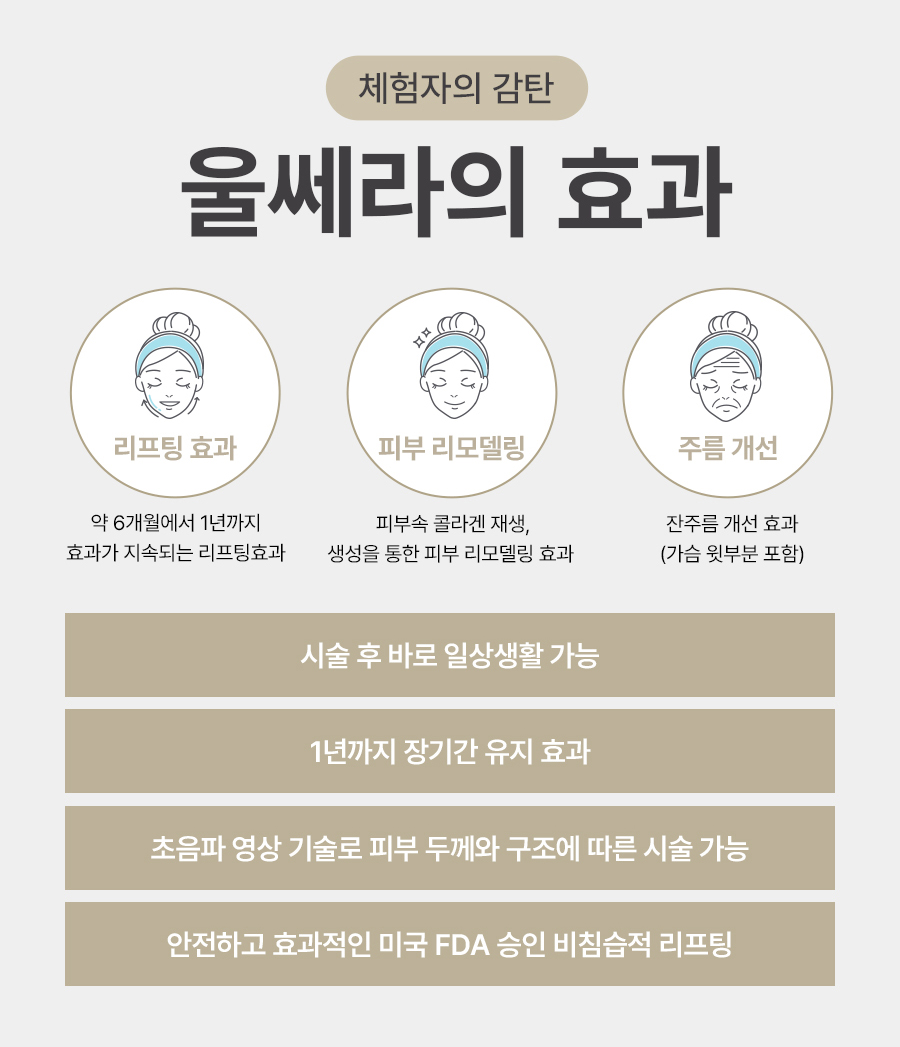
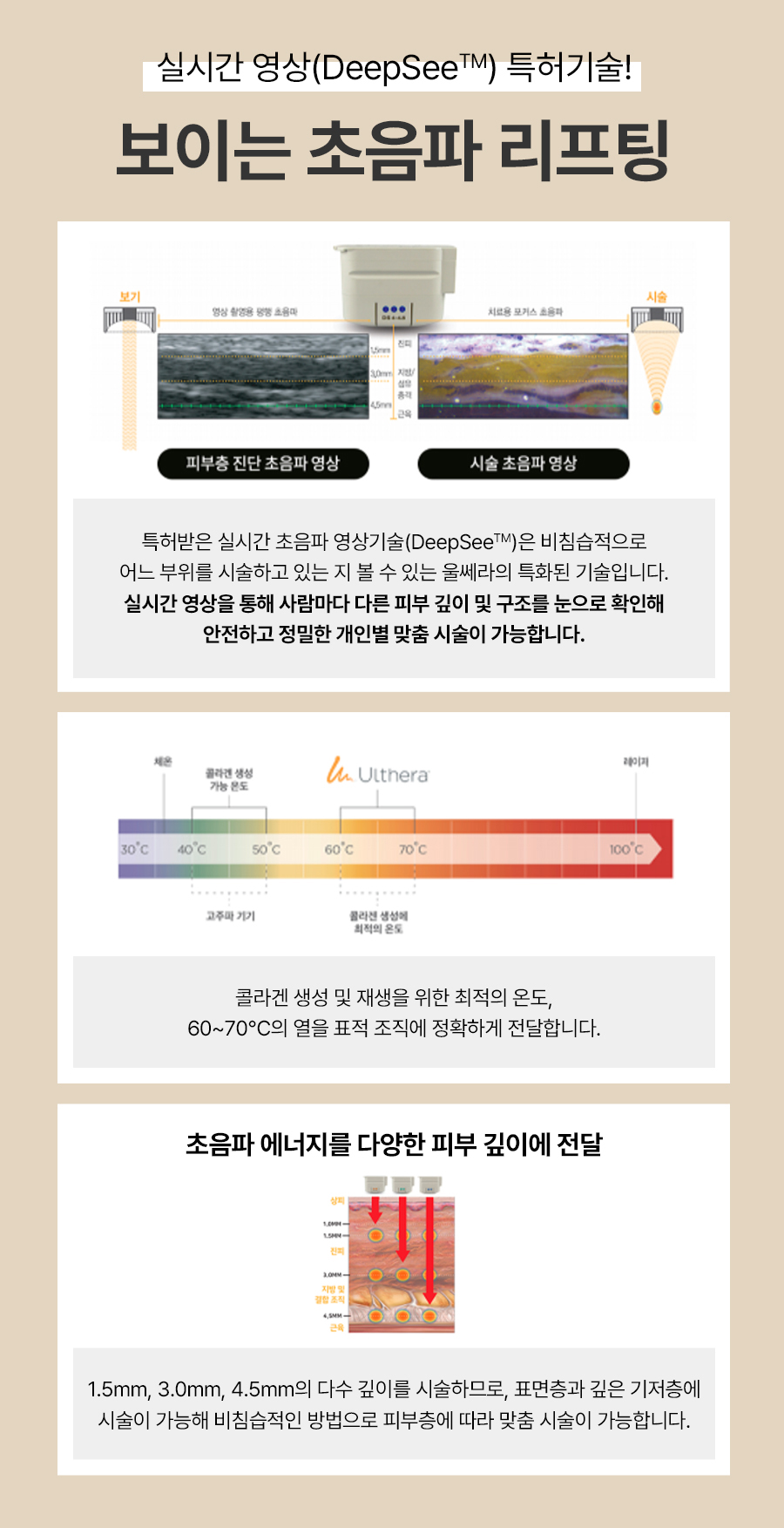
Ultherapy is a focused ultrasound lifting procedure for the face and neck. It delivers ultrasound energy to the SMAS layer, which is the same layer that surgeons address during a facelift, as well as to the deep dermis. This controlled energy creates thermal points that trigger collagen remodeling and gradual tightening from within.
Typical treatment areas include the jawline, double chin, cheeks, nasolabial folds, marionette lines, neck, and the eyebrow area for a subtle brow lift. By targeting these zones, Ultherapy can improve facial contour, define the jawline, and reduce the appearance of early sagging without changing your basic facial features.
The effect is usually described as a natural, subtle lift rather than an artificial pulled look. Many people notice a slightly tighter feeling right after treatment, but the main changes develop slowly as new collagen forms. Most patients see the clearest improvement around two to three months after the session, with benefits that can last around one year or longer depending on age, skin condition, and lifestyle factors such as sun exposure and smoking.
Because Ultherapy works on deeper structures, it is often chosen as a structural lifting option within a broader anti-aging plan. In Dongtan 2, some clinics offer 3D Ultherapy protocols that consider multiple depths and vectors to create a more three-dimensional lifting effect.
Who may consider Ultherapy in their 30s to 50s
Ultherapy is generally suitable for adults with mild to moderate skin laxity who want to address early signs of aging without surgery. It can be considered if you notice early jowls, softening of the jawline, a slight double chin, sagging along the neck, or drooping around the eyebrows and mid-face.
People in their 30s often choose Ultherapy for prevention and early correction. At this stage, the goal is usually to maintain a sharp jawline and delay the need for more invasive procedures. In the 40s and 50s, Ultherapy is often used to improve visible sagging, lift the lower face, and support the neck area, sometimes combined with other treatments.
Ultherapy can be a good option if you want lifting and tightening but are not ready for surgery, or if you wish to postpone a facelift. It also suits those who have limited time in Korea and need minimal downtime, since most people can return to daily activities immediately after treatment.
However, Ultherapy has limitations. Very severe sagging or heavy tissue may not respond enough to ultrasound alone. In such cases, a dermatologist may recommend combining Ultherapy with other options such as thread lifting, Thermage, or injectables, or may advise that surgical procedures would be more appropriate. It is also important to understand that Ultherapy is not a weight-loss or fat-removal treatment; it does not replace facial fat reduction or body contouring.
Ultherapy vs Thermage vs Shurink
Many people in Dongtan 2 compare Ultherapy with Thermage and Shurink when planning their first lifting treatment. While all three are energy-based procedures for tightening, they work differently and are often used with different goals.
Ultherapy uses focused ultrasound to target the SMAS layer and deep dermis. It is typically chosen for structural lifting and contour improvement, especially along the jawline, lower face, and neck. Because it can reach deeper layers, it is often selected when lifting is the main priority.
Thermage FLX is a radiofrequency device that focuses more on dermal tightening and skin texture. It heats the collagen in the dermis to improve firmness, fine lines, and overall skin quality. In some plans, Thermage is combined with Ultherapy to address both deep lifting and surface tightening, including pores and texture.
Shurink and similar HIFU devices also use ultrasound, but they are often considered lighter or maintenance-type lifting options. They may be used at lower intensity or more frequently to maintain results or for patients with very early laxity. For some people, Shurink can be a stepping stone before moving to stronger lifting such as Ultherapy.
In Dongtan 2 New Town, a dermatologist can assess your skin thickness, fat volume, and degree of sagging to design a plan that may use Ultherapy alone or in combination with Thermage, Shurink, or threads. The choice is usually based on which layer needs the most support and how strong a lift you realistically need.
How an Ultherapy session typically proceeds
A standard Ultherapy visit in Dongtan 2 usually begins with a detailed consultation. The dermatologist examines your facial contour from multiple angles, checks skin elasticity, and reviews your medical history and medications. During this time, you can discuss which areas bother you most and what kind of change you hope to see.
Next, the doctor plans the treatment in detail. This includes selecting cartridges with different depths, deciding the number of lines, and choosing treatment areas based on your age, skin thickness, and degree of laxity. In clinics where Ultherapy is a key lifting procedure, this planning step is often done personally by a dermatologist who understands facial anatomy and the technical aspects of the device.
On the treatment day, your skin is cleansed and, if needed, photos are taken for medical records. The doctor may mark treatment lines on your face and neck to guide the direction and density of the ultrasound shots. Ultrasound gel is applied, and then the Ultherapy handpiece is used to deliver energy along each planned line while monitoring your comfort.
The procedure time depends on how many areas are treated. A focused lower face and jawline session may take around 30 minutes, while a full face and neck treatment can take closer to 60 minutes. Throughout the procedure, the doctor can adjust energy levels and pace according to your pain tolerance.
After the session, there are no incisions or bandages. Mild redness, swelling, or tenderness along the jawline or bony areas is possible, but these effects usually settle over a few days. Many people feel comfortable returning to work or sightseeing in Dongtan 2 immediately after treatment.
Pain, downtime, and safety
Ultherapy is a non-surgical procedure, but it is not completely painless. The ultrasound energy creates heat in the deeper layers, and this can feel uncomfortable, especially over bony areas such as the jawline, chin, and forehead. The level of pain varies from person to person and depends on individual sensitivity and the energy settings used.
To improve comfort, clinics often apply topical anesthetic cream before treatment and may use cooling methods during the procedure. An experienced dermatologist can also adjust energy levels and shot spacing in real time to balance effectiveness and tolerability. Communicating honestly about your pain level during the session helps the doctor fine-tune the settings.
Downtime is usually minimal. Most patients can return to daily activities immediately, and makeup is often possible the same or next day as long as the skin is not overly irritated. Some people notice mild swelling, tingling, or tenderness when touching the treated areas, which generally resolves within a few days to a couple of weeks.
As with any medical procedure, there are potential side effects. Temporary redness, swelling, or bruising can occur. In rare cases, nerve irritation or contour irregularities may happen if energy is delivered incorrectly. For this reason, it is important to choose a clinic where Ultherapy is performed by a dermatologist who understands detailed facial anatomy and device parameters.
In Dongtan 2 New Town, you can find dermatologists with strong academic and clinical backgrounds, including experience in university hospitals and international laser institutes. Such experience can be reassuring when you are considering a procedure that relies heavily on correct depth and energy control.
How to choose an Ultherapy clinic in Dongtan 2
When you are comparing Ultherapy options in Dongtan 2, it can be tempting to focus only on price. However, for ultrasound lifting, the doctor’s expertise, device authenticity, and treatment planning are just as important as cost.
First, check that the procedure is performed or directly supervised by a board-certified dermatologist rather than being delegated entirely to non-physician staff. In Dongtan 2, some clinics have representative dermatologists who graduated from Kyung Hee University School of Medicine, completed dermatology residency, and serve or have served as outpatient teaching professors at university hospitals. One of the representative doctors has experience as dermatology chief at the Presidential Medical Office in Seoul and achieved top scores in the first stage of the national dermatology board exam. Another has completed training at the UCI Beckman Laser Institute in the United States, with a systematic understanding of laser and ultrasound devices. These kinds of backgrounds can be meaningful when selecting a clinic for Ultherapy.
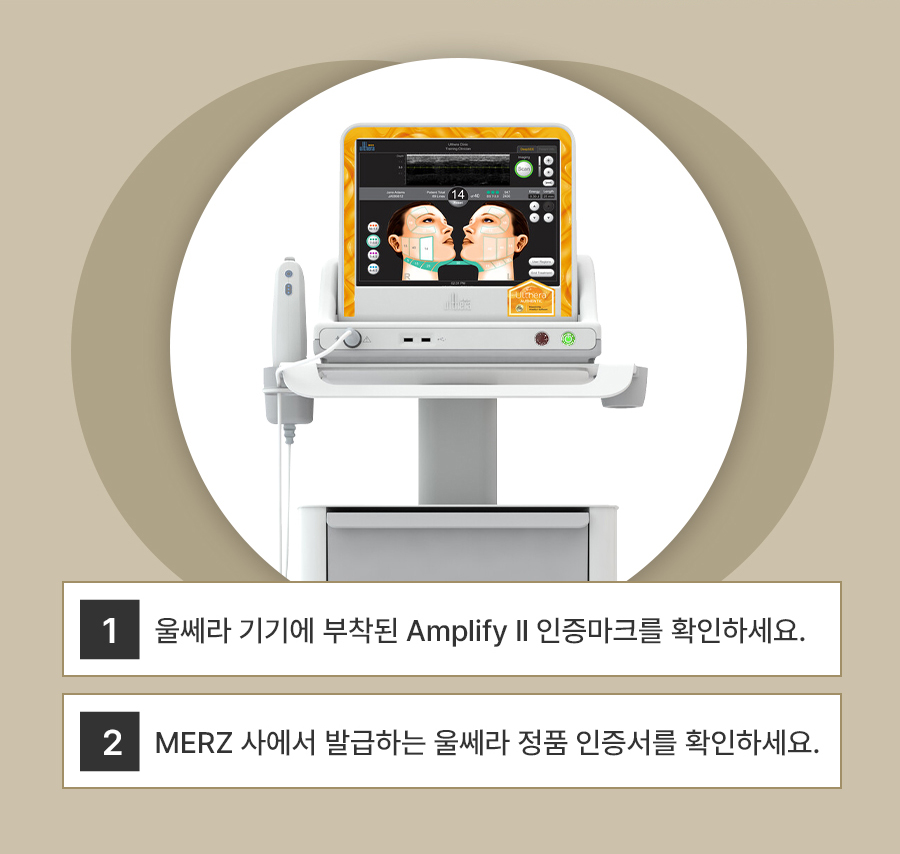
Second, confirm that the clinic uses genuine Ultherapy equipment and cartridges. You can ask to see the device, check the brand name, and request an explanation of how they verify authenticity and maintain the machine. Be cautious if the clinic cannot clearly show or explain the device they use.
Third, evaluate the quality of the consultation. A good consultation should include an explanation of the differences between Ultherapy, Thermage, Shurink, and other options, along with a customized plan based on your skin condition rather than a one-size-fits-all package. The doctor should discuss realistic expectations, possible side effects, and how many lines or areas are being proposed.
It is also helpful to consider the follow-up system. Ask whether post-treatment checks are available, how you can contact the clinic if you have concerns, and whether they provide written aftercare instructions. For overseas patients, it is especially important to know how the clinic will support you once you have returned home.
Combining Ultherapy with other anti-aging treatments
Ultherapy can be part of a broader lifting and anti-aging strategy rather than a stand-alone procedure. In Dongtan 2 clinics that offer a full lineup of lifting options, it is often combined with other treatments to address different layers of aging.
One common approach is to combine Ultherapy with Thermage. In this combination, Ultherapy focuses on deep structural lifting at the SMAS and deep dermis, while Thermage works on more superficial dermal tightening and texture improvement. This can be useful if you want both a sharper contour and smoother skin.
For moderate sagging, thread lifting may be added to Ultherapy for more visible lifting in specific areas such as the jawline or mid-face. Threads provide mechanical support, while Ultherapy stimulates collagen and helps maintain the result over time.
Injectable treatments can also complement Ultherapy. Skin boosters or collagen stimulators can improve texture, hydration, and elasticity, while Ultherapy handles structural support. In some cases, fillers may be used carefully to restore lost volume in areas such as the cheeks or temples, while Ultherapy tightens the surrounding tissues.
Because combination plans can be complex, they should be designed by a dermatologist after assessing skin thickness, fat distribution, bone structure, and your personal aging pattern. The doctor can also advise on the safest order and timing of each procedure.
Online consultation and pre-visit preparation for overseas patients
If you are planning to travel to Dongtan 2 for Ultherapy, an online consultation before your visit can save time and help you schedule efficiently. Many clinics in Korea offer online or portal-based reservation systems, and some allow you to upload photos and medical information in advance.
Before your online consultation, prepare clear photos of your face and neck from the front and both sides, taken in natural light without heavy makeup or filters. Make a list of your main concerns, such as sagging around the jawline, neck bands, or drooping eyebrows, and note any previous procedures like fillers, threads, or laser treatments.
It is also important to share your medical history, including chronic illnesses, medications, allergies, and any tendency to form keloids or scars. If you are taking blood thinners or have a history of nerve disorders, inform the clinic so the dermatologist can advise you appropriately.
During the online consultation, ask about the recommended treatment areas, estimated number of lines, whether combination treatments are suggested, and how many visits are needed. Clarify the expected recovery timeline and any restrictions after treatment, especially if you plan to travel or have important events soon after your visit.
Expected Korea visit timeline for Ultherapy in Dongtan 2
For most international patients, Ultherapy can be completed in a single clinic visit, making it suitable for short trips to Korea. A typical schedule for Dongtan 2 might look like this.
On day one, you arrive in Korea and settle into your accommodation. Many patients choose to stay in or near Dongtan 2 New Town for convenient access to the clinic, which may be located on the third floor of a commercial building along Dongtan-daero Sibeom-gil.
On day two or three, you visit the clinic for an in-person consultation and treatment. The clinic’s usual hours may be Monday to Thursday 10:00 to 19:00, Friday 10:00 to 20:00, and Saturday 09:00 to 14:00, with a lunch break from 13:00 to 14:00 and closure on Sundays and public holidays. It is best to confirm these details directly and book in advance, especially if you prefer a specific weekday or evening slot.
The consultation and Ultherapy procedure together may take one to two hours, depending on how detailed the assessment is and how many areas are treated. After the session, you can typically return to your hotel, go shopping, or explore Dongtan 2 without major restrictions.
If you are staying in Korea for several days, you may schedule a brief follow-up visit to the clinic to check your skin and ask any remaining questions. If your stay is short, the clinic can often provide online follow-up support once you return home.
Aftercare and what to expect in the following months
Immediately after Ultherapy, your skin may feel slightly tight or sensitive, and you might notice mild redness or swelling. These early changes usually fade within hours to a few days. You can generally wash your face gently the same day and apply light skincare products that do not irritate the skin.
For the first few days, it is advisable to avoid very hot saunas, intense facial massages, or aggressive skincare treatments. Gentle sun protection is important, especially if you will be outdoors in Korea or after you return home.
Over the next several weeks, you may experience subtle sensations such as tingling or tenderness when pressing on the treated areas. These are usually temporary signs of ongoing collagen remodeling. Visible lifting and tightening typically become more noticeable around two to three months after treatment.
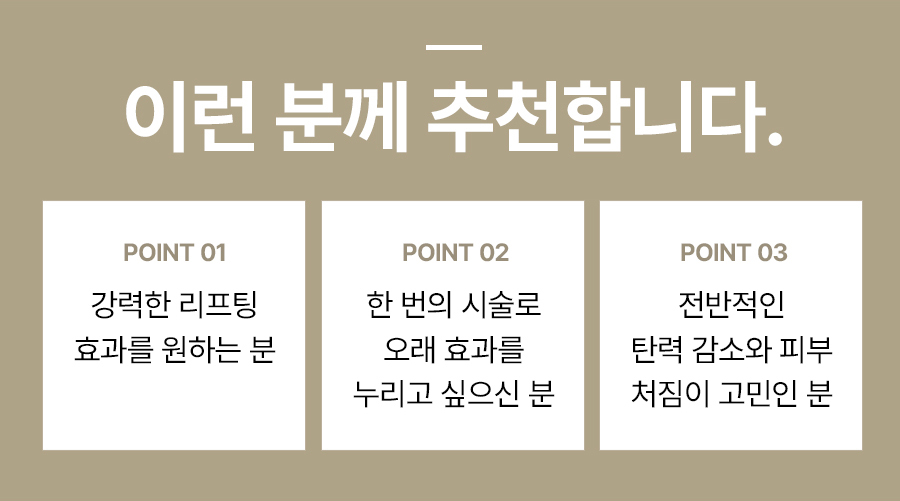
The duration of results varies. Many patients enjoy the benefits for about one year or more, depending on age, lifestyle, and how advanced the initial sagging was. Some people repeat Ultherapy every 12 to 18 months as part of a long-term anti-aging plan, while others combine it with lighter maintenance treatments in between.
If you notice any unusual symptoms such as severe pain, persistent numbness, or visible asymmetry, you should contact the clinic promptly. A clinic with a clear follow-up system can guide you on whether an in-person review or additional management is needed.
Frequently asked questions about Ultherapy in Dongtan 2
How long do Ultherapy results last, and how often should I repeat it
Many patients experience visible benefits from Ultherapy for about one year, sometimes longer, depending on age, skin quality, and lifestyle. As your natural aging process continues, collagen gradually breaks down again, and the lifting effect slowly softens.
In Dongtan 2, dermatologists often recommend repeating Ultherapy every 12 to 18 months for maintenance if you are satisfied with the initial result. The exact interval can be adjusted based on your response, degree of laxity, and whether you are combining Ultherapy with other treatments such as Thermage, Shurink, or threads.
Is Ultherapy safe for all skin types and tones
Ultherapy uses ultrasound energy, which does not rely on pigment absorption, so it is generally considered suitable for a wide range of skin types and tones. This makes it an option for many international patients who might be concerned about pigmentation risks from certain lasers.
However, safety also depends on correct technique and appropriate settings. A dermatologist who understands both the device and your individual skin characteristics can adjust the treatment to minimize risks. During consultation in Dongtan 2, you should inform the doctor about any history of keloids, severe sensitivity, or previous adverse reactions to procedures.
Can Ultherapy slim my face or is it only for lifting
Ultherapy is primarily designed for lifting and tightening, not for fat reduction. Its main action is to stimulate collagen in the SMAS and deep dermis, which improves support and contour. Some people may feel that their face looks slightly slimmer after tightening, especially along the jawline, but this is due to better definition rather than significant fat loss.
If facial slimming is your main goal, your dermatologist in Dongtan 2 may discuss other options such as fat-dissolving injections, contouring treatments, or lifestyle changes. In some cases, a combination of mild slimming procedures and Ultherapy lifting can give a more balanced result.
What is the best age to start Ultherapy for prevention versus correction
There is no single best age for Ultherapy, because aging patterns vary widely. Many people in their early to mid-30s choose Ultherapy for prevention and early correction when they first notice slight sagging or loss of jawline definition. At this stage, lower energy or fewer lines may be sufficient to maintain firmness.
In the 40s and 50s, Ultherapy is often used more for correction of visible laxity, sometimes in combination with other treatments such as threads or Thermage. A dermatologist in Dongtan 2 can evaluate your current skin condition and recommend whether it is better to start now or wait, and how strong the treatment should be.

Can I do Ultherapy together with fillers or Botox, and in what order
Ultherapy can be combined with injectables such as fillers and Botox, but the order and timing should be planned carefully. In many cases, dermatologists prefer to perform Ultherapy first, allowing the ultrasound energy to work on the deeper layers without affecting recently placed fillers.
After Ultherapy, fillers and Botox can be added to refine volume, smooth lines, or adjust expression. The exact schedule depends on your individual plan, but a common approach is to wait a few weeks between Ultherapy and major filler treatments. During your consultation in Dongtan 2, ask your dermatologist to map out a timeline that fits your travel schedule and aesthetic goals.
Soft call to action for online consultation
If you are considering Ultherapy in Dongtan 2 New Town and would like to plan your treatment before visiting Korea, an online consultation can be a practical first step. By sharing photos, medical history, and your main concerns in advance, you can receive a preliminary assessment and a suggested treatment plan tailored to your needs.
Clinics in Dongtan 2 often offer online reservation options through major portal booking systems on selected weekdays. You can use these channels to request a consultation time, confirm clinic hours, and coordinate your visit with your travel schedule. When you are ready, reach out to a dermatology clinic in Dongtan 2 that offers genuine Ultherapy and ask to speak directly with a dermatologist experienced in lifting and energy-based treatments.
This article is for general information only and does not replace a personal consultation with a qualified medical professional. Individual conditions and responses to treatment vary, and all decisions about procedures such as Ultherapy should be made after a detailed discussion with a dermatologist who has examined you in person.
- 공유 링크 만들기
- X
- 이메일
- 기타 앱


댓글
댓글 쓰기