Dongtan acne care and professional treatment guide for international patients
- 공유 링크 만들기
- X
- 이메일
- 기타 앱
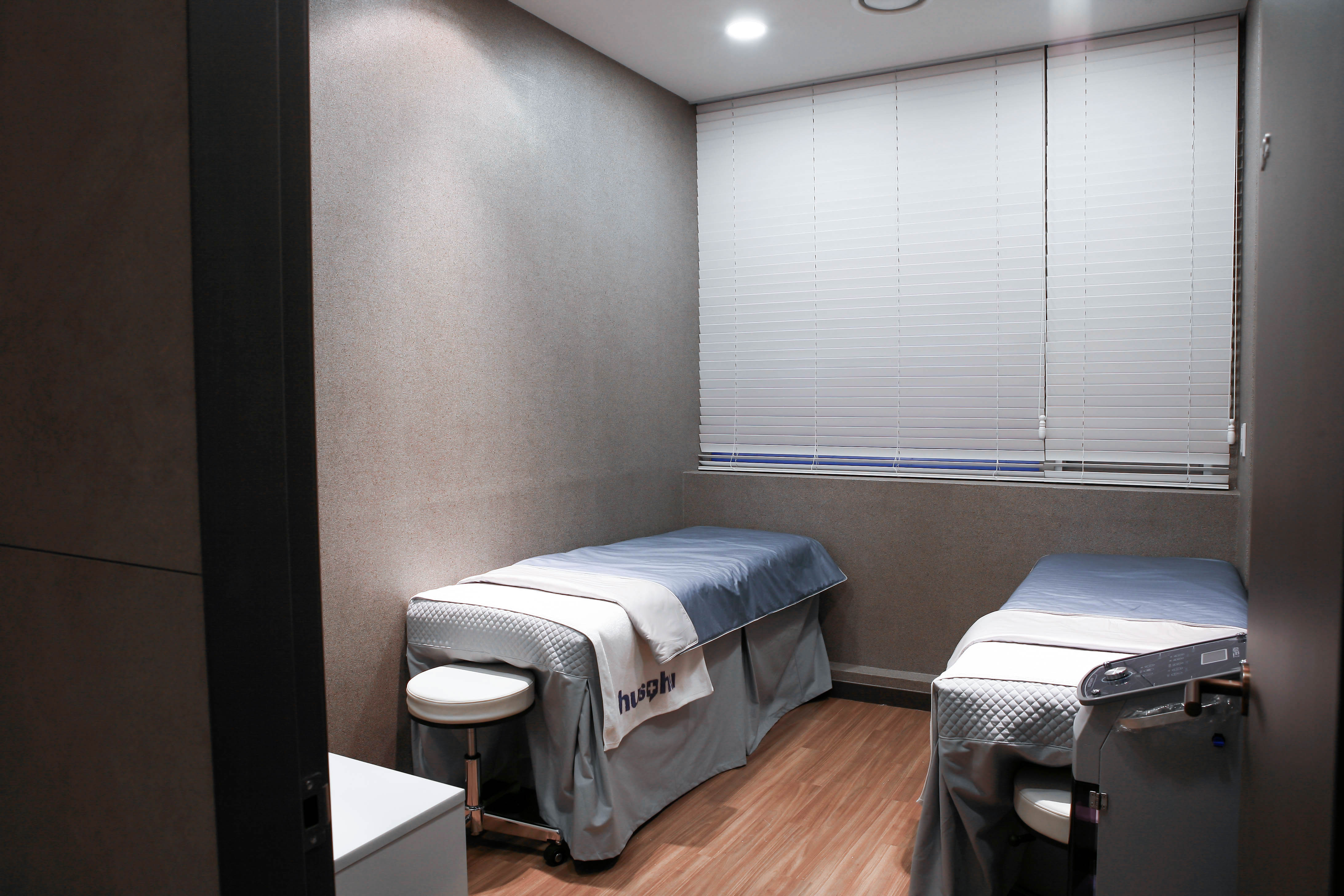
Direct answer summary
If you are living abroad and looking into Dongtan acne treatment options in Korea, you can receive dermatologist‑led care in Dongtan new town that is different from cosmetic salons or simple home care. At a medical clinic in a central building along Dongtan‑daero, two board‑certified dermatologists provide structured acne diagnosis, medical treatment, PDT (photodynamic therapy), and dedicated programs for acne scars and pores using fractional lasers and RF devices. With proper consultation, most patients can expect gradual improvement, reduced breakouts, and a lower risk of permanent scarring.
Understanding acne in Dongtan new town
Acne is an inflammatory disease of the pilosebaceous unit, which means the hair follicle and its attached oil gland. It is common in teenagers, but many adults in their 20s to 40s also struggle with persistent acne.
In a fast‑growing residential area like Dongtan new town in Hwaseong, many office workers and students have long commuting times, irregular meals, stress, and frequent mask use. Makeup and heavy skincare products can also clog pores. These factors easily lead to chronic acne that leaves red marks, brown pigmentation, and atrophic scars.
Acne can appear as blackheads and whiteheads (comedones), red inflamed papules and pustules, or deeper nodules and cysts. When inflammation is strong or repeated in the same area, the skin structure is damaged, and permanent scars and enlarged pores can remain.
Why see a dermatologist in Dongtan for acne
Some mild acne can improve with gentle cleansing and over‑the‑counter products. However, there are clear situations where it is safer and more effective to see a dermatologist in Dongtan rather than trying to manage everything at home.
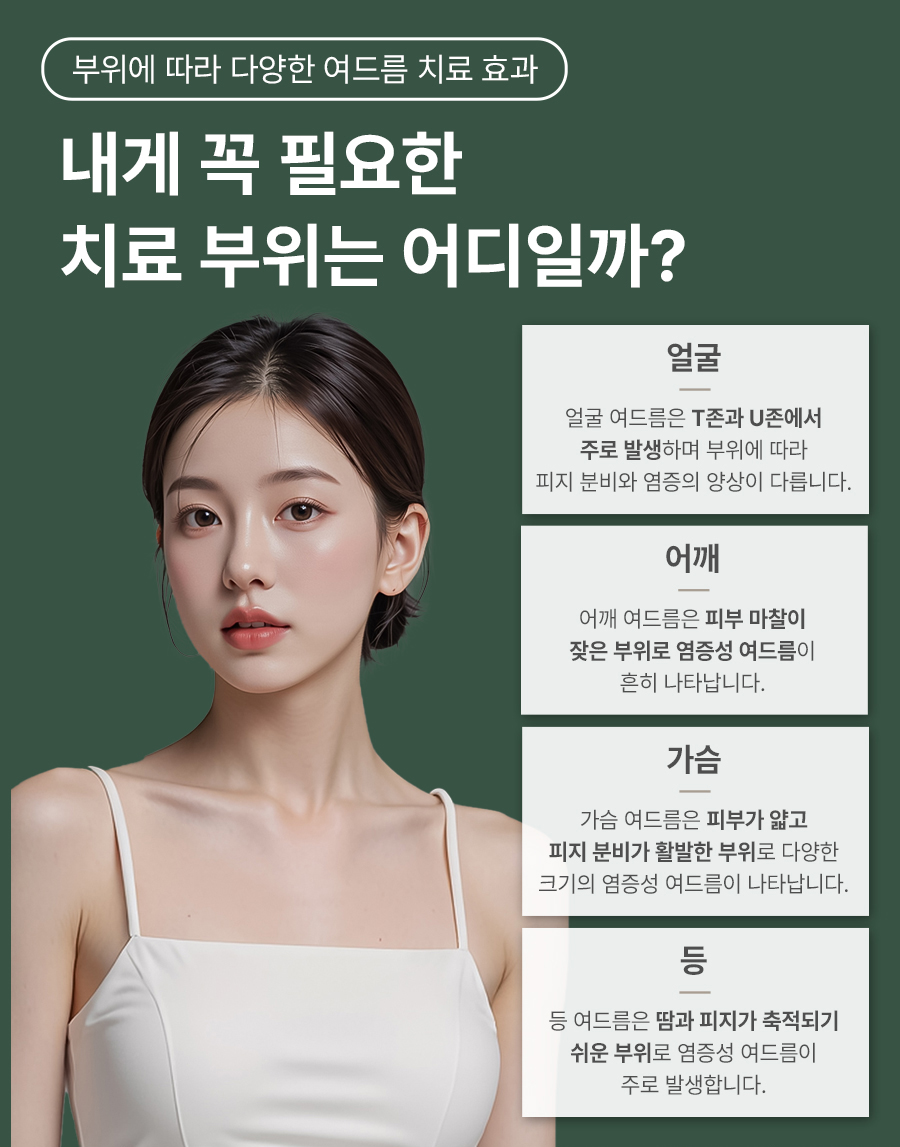
You should consider a medical visit if you have:
Persistent inflammatory papules and pustules that do not improve after several weeks of non‑prescription products.
Painful nodules or cysts, especially on the cheeks, jawline, or neck.
Frequent relapses in the same areas, such as the jawline, cheeks, or around the mouth.
Early signs of scarring, such as small depressions, uneven texture, or enlarged pores.
Acne that clearly worsens with menstruation, stress, or continuous mask wearing.
Early medical treatment can calm inflammation, reduce the chance of permanent scars and pigmentation, and help you build a long‑term plan that fits your lifestyle in Dongtan.
Dermatology‑led care, not a cosmetic salon
The clinic in Dongtan new town is a dermatology clinic located on the 3rd floor of a medical building along Dongtan‑daero, not a cosmetic salon or spa. All acne programs are planned and supervised by two board‑certified dermatologists who both trained at a major university hospital dermatology department and currently participate as outpatient teaching staff.
One of the medical directors previously served as head dermatologist at the presidential medical office and placed first in the first stage of the national dermatology board exam. The other medical director has overseas laser training experience at a well‑known laser research institute in the United States and is an active member of several dermatology and laser societies.
Because of this background, the clinic can provide both medical therapy and device‑based procedures in a coordinated way, with attention to safety, evidence, and individual skin differences.
How professional acne diagnosis works
When you visit this Dongtan clinic for acne, the process usually begins with a structured consultation.
History taking The dermatologist will ask about:
When your acne started and how it has changed over time.
Family history of acne or sensitive skin.
Your current skincare routine, cleansing habits, and cosmetics.
Occupation, study schedule, and mask use during the day.
Stress level, sleep pattern, diet, and for women, menstrual cycle patterns.
Previous treatments, including over‑the‑counter products, oral medications, or procedures.
Skin examination and classification
Next, your skin is examined under proper lighting. The dermatologist looks at:
Distribution of acne (forehead, nose, cheeks, jawline, chest, back).
Types of lesions: comedonal, inflammatory, or nodulocystic.
Presence of redness, post‑inflammatory pigmentation, and sensitivity.
Existing scars and enlarged pores.
The acne is then classified by severity and type. This classification is important because it guides which treatments are most suitable and how aggressive they should be.
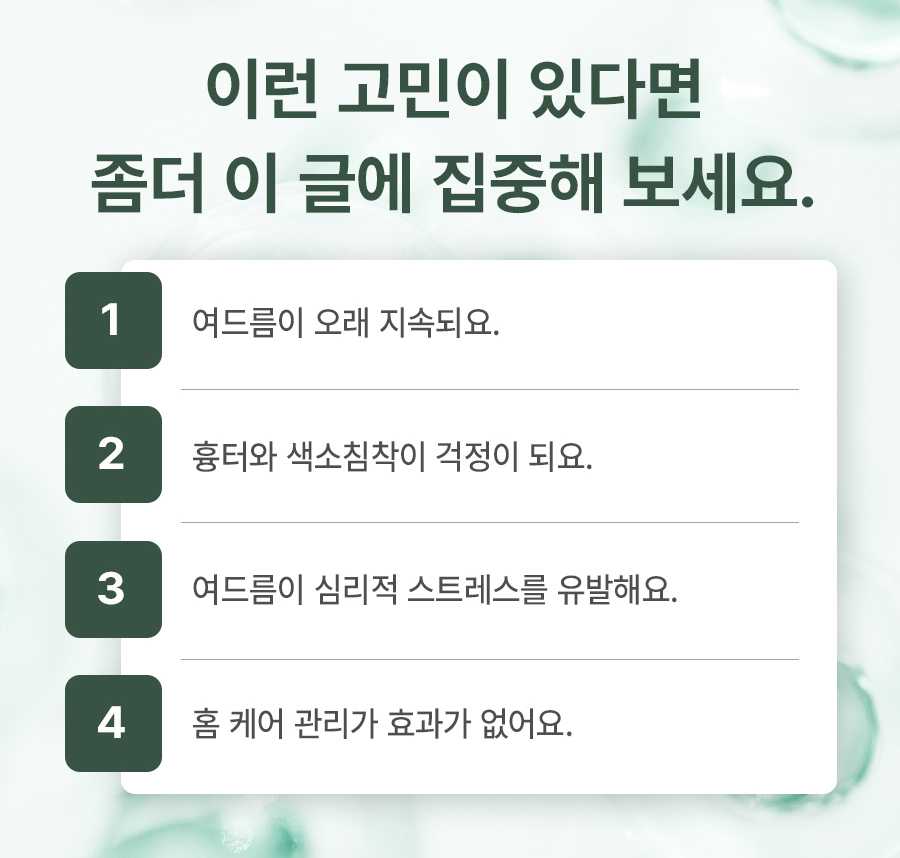
Individualized treatment planning Treatment is tailored according to:
Main acne type (comedonal, inflammatory, nodulocystic).
Skin sensitivity and tendency to redness or pigmentation.
Daily schedule and ability to handle downtime.
Plans for travel, work, or school exams.
The clinic offers weekday daytime hours, extended Friday evening hours, and Saturday morning sessions, with no separate lunch break on weekdays. This can be convenient for Dongtan office workers and students who need flexible scheduling.
Overview of acne treatments available
At this Dongtan dermatology clinic, acne is managed step by step, combining medical therapy, in‑clinic procedures, and home care education.
Medical therapy
Topical medications
Topical retinoids help normalize keratinization, prevent clogged pores, and improve comedones. Benzoyl peroxide has antibacterial and anti‑inflammatory effects and can reduce resistance when used with topical or oral antibiotics. Other topical agents may be added depending on skin type and sensitivity.
Oral medications
For moderate to severe inflammatory acne, oral antibiotics may be prescribed for a limited period. In selected cases, other oral medications may be considered. All prescriptions and monitoring are performed directly by the dermatologists, with attention to possible side effects and interactions.
Acne all‑kill program
The acne all‑kill program is a structured regimen designed to address multiple factors of acne at once. It may include:
Sebum control procedures to reduce excessive oil production.
Professional comedone extraction under hygienic conditions to clear clogged pores.
Anti‑inflammatory treatments such as medical peels or calming devices.
Customized home‑care guidance, including product selection and routine planning.
This program is not a one‑time miracle solution but a stepwise approach that can be adjusted over time. The intensity and frequency are adapted to your skin response and schedule.
PDT (photodynamic therapy) for acne
Photodynamic therapy is a medical procedure used for moderate to severe inflammatory acne or for patients who experience frequent relapses.
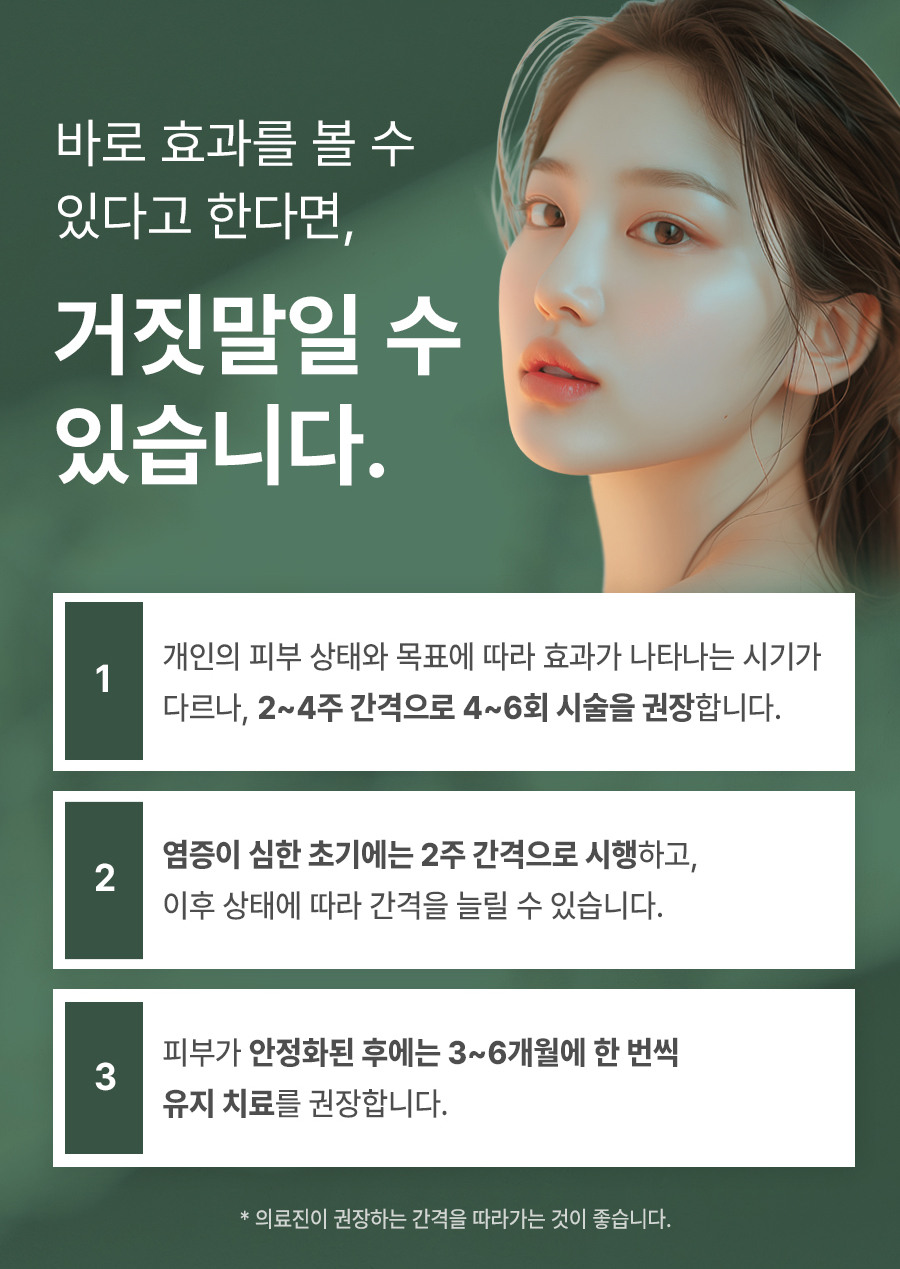
How PDT works
A photosensitizing agent is applied to acne‑prone skin and allowed to absorb into the sebaceous glands. After a set incubation time, the area is exposed to a specific light source. When the light activates the agent, it helps reduce sebaceous gland activity and targets acne‑related bacteria.
Typical indications PDT may be considered when:
There is widespread inflammatory acne that does not respond well to topical therapy alone.
Oral medications are not suitable or need to be minimized.
There are frequent relapses after stopping medication.
Number of sessions
Most patients need multiple PDT sessions, often spaced several weeks apart. The exact number depends on acne severity, skin sensitivity, and how well you respond. Your dermatologist will explain a realistic plan during consultation.
Device‑based care for acne and redness
Even after active pimples calm down, many patients in Dongtan are left with persistent redness, flushing, and sensitive skin. The clinic uses medical‑grade vascular and laser devices, such as pulsed‑dye or similar systems, to help improve:
Post‑acne redness and visible small vessels.
Flushing‑prone, easily irritated skin.
Uneven tone related to past inflammation.
These treatments are adjusted carefully for each skin type to reduce the risk of excessive irritation or pigmentation, especially for overseas patients who may have limited time in Korea.
Acne scar and pore treatment programs
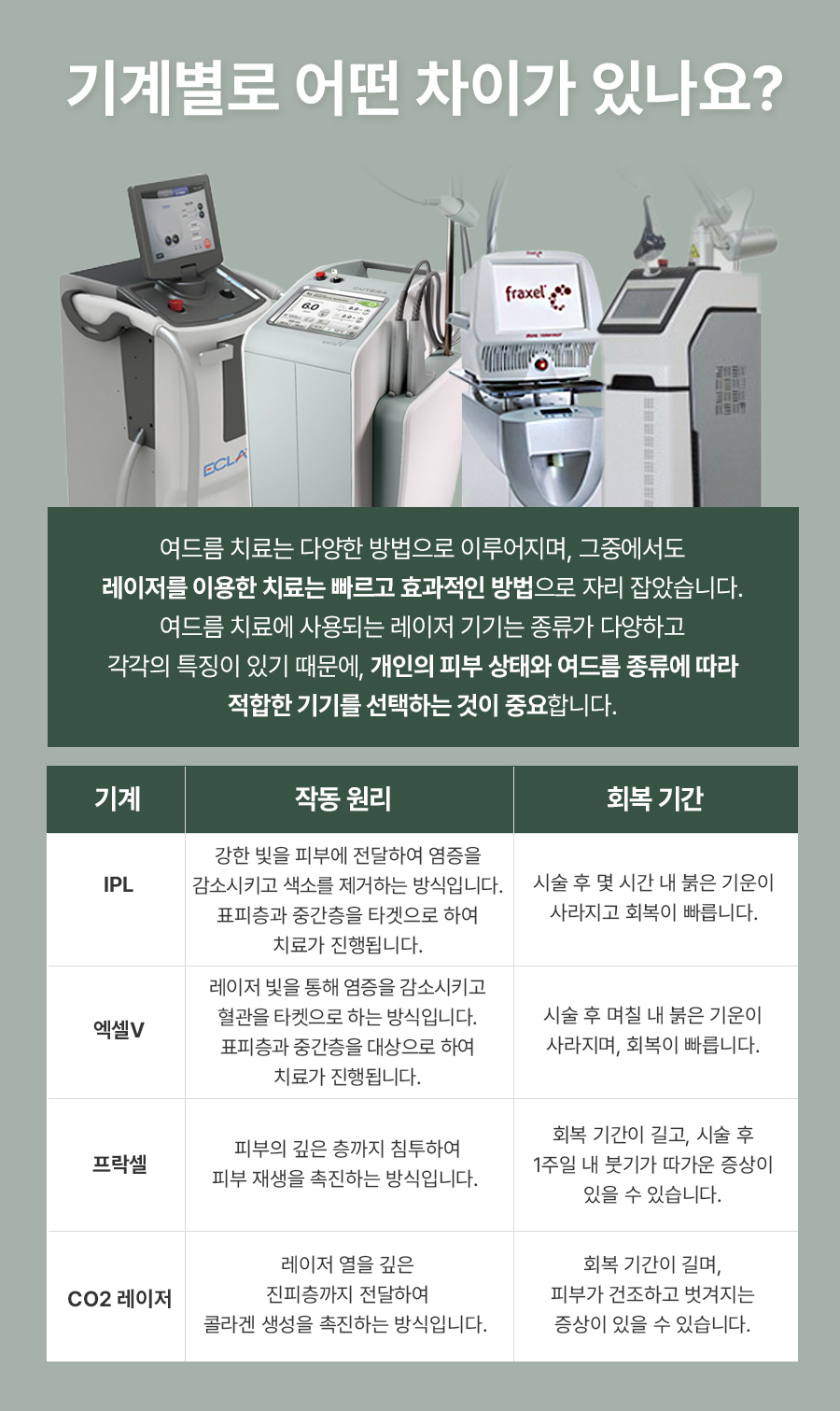
Once active acne is under control, attention can shift to scars and enlarged pores. The clinic offers a dedicated pore and scar program using fractional lasers, RF devices, and, when needed, scar fillers for deeper defects.
Fractional lasers
Fractional resurfacing devices create controlled micro‑injuries in the skin, stimulating collagen production and gradual remodeling. Over a series of sessions, this can help:
Soften atrophic (depressed) scars.
Improve skin texture and fine lines.
Reduce the appearance of enlarged pores.
RF microneedling
RF microneedling combines fine needles with radiofrequency energy delivered into the dermis. This also creates controlled micro‑injuries and heat, encouraging collagen formation with generally shorter downtime than some traditional ablative lasers.
Scar fillers
For certain deep, sharply depressed scars, a small amount of filler may be used to lift the base of the scar and make it less noticeable. This is usually combined with fractional treatments for best overall texture.
Sessions and downtime
Multiple sessions are usually required for meaningful improvement in scars and pores. Depending on the device and settings, you can expect:
Temporary redness and mild swelling for several days.
Possible pinpoint scabbing or roughness as the skin heals.
Need for strict sun protection and gentle cleansing.
For international patients, the dermatologist can help plan a realistic schedule that fits your travel dates, often focusing on procedures with manageable downtime.
Safety, expertise, and customization
All acne, PDT, and scar procedures at this Dongtan clinic are planned and supervised by board‑certified dermatologists with university hospital and laser‑specialist backgrounds. Safety and customization are central to the treatment approach.
Adjusting intensity and device choice
Treatment settings are adjusted according to:
Skin type and color.
Scar depth and distribution.
Previous procedures and sensitivity history.
Daily schedule and ability to take time off work or study.
For example, an office worker in Dongtan may choose lower‑downtime options with more sessions, while someone who can rest at home may opt for stronger single sessions.
Clear information and fee transparency
Before any procedure, you will receive explanations about:
Expected benefits and limitations.
Possible side effects and how to manage them.
Pre‑ and post‑treatment care.
Non‑reimbursed treatment fees are disclosed according to current regulations, so you can make informed decisions without unexpected costs.
Who may consider Dongtan acne treatment as an overseas patient
International patients may consider visiting Dongtan for acne care if they:
Plan to stay in the Seoul or Gyeonggi area for study, work, or medical tourism.
Prefer dermatologist‑led programs rather than cosmetic salons.
Have moderate to severe acne, frequent relapses, or visible scars and pores.
Want to combine medical therapy with device‑based treatments such as PDT, fractional lasers, or RF microneedling.
If you are unsure whether your case is suitable, an online consultation before booking flights can help clarify the expected treatment plan and timeline.
Online consultation and pre‑visit preparation
Before you travel to Korea, it is helpful to arrange an online consultation with the Dongtan clinic, for example via the clinic website or a major local portal listing. This can reduce uncertainty and help you plan your stay.
Information to prepare For an efficient online consultation, prepare:
Clear photos of your face (front and both sides) in natural light without makeup.
A brief history of your acne, including when it started and what treatments you have tried.
A list of all skincare products and medications you are currently using.
Any known allergies or medical conditions.
Your planned travel dates and how many days you can stay near Dongtan.
Questions to ask You may want to ask:
- Which treatments are most realistic for my current acne and scars?
- How many sessions are recommended during my stay?
- What kind of downtime should I expect after each procedure?
- Are there any medications or products I should stop before visiting?
The clinic can then suggest a tentative schedule, such as combining an initial consultation and first treatment on the same day, followed by follow‑up sessions during your stay.
Expected Korea visit timeline for acne care
Your exact timeline will depend on your condition and length of stay, but the following is a common structure for international patients.
Short stay (about 3 to 5 days)
Day 1: In‑person consultation, skin examination, and planning. Possible start of topical or oral medication. Simple in‑clinic procedures such as gentle extraction, medical peeling, or a first PDT session may be performed if appropriate.
Day 2 to 3: Follow‑up check if needed, additional calming or sebum control procedures. Detailed home‑care instructions for when you return home.
This schedule is mainly for stabilizing active acne and setting up a long‑term plan, rather than intensive scar treatment.
Medium stay (about 1 to 2 weeks)
Week 1: Consultation, medical therapy, and one or two in‑clinic acne procedures (PDT or similar) depending on skin response.
Week 2: If inflammation is controlled and your dermatologist agrees, a first fractional laser or RF microneedling session for early scars or pores may be considered.
Longer stay or repeated visits
If you can visit Dongtan several times over a few months, a more comprehensive program is possible, with multiple PDT sessions and a series of fractional or RF treatments for scars and pores. Your dermatologist can coordinate with your schedule and, if needed, your local doctor in your home country.
Before and after acne procedures
Proper care before and after procedures helps reduce side effects and supports better results.
Before procedures
Avoid strong exfoliants, retinoids, and harsh scrubs for several days unless your dermatologist advises otherwise.
Inform the clinic about any recent procedures, sunburn, or new medications.
Minimize sun exposure and use broad‑spectrum sunscreen.
For PDT, follow instructions about makeup and skincare on the day of treatment.
After procedures
Keep the treated area clean with a gentle cleanser.
Use moisturizing products recommended by the clinic to support barrier recovery.
Avoid picking or scratching any crusts or flaking skin.
Protect your skin from the sun with a hat and sunscreen.
Avoid saunas, very hot showers, and intense exercise for a short period if advised.
Follow all prescribed medication schedules.
If you experience unusual pain, swelling, or prolonged redness, contact the clinic promptly, even if you have already returned home.
Practical information for Dongtan visitors
Location
The clinic is located in a central Dongtan new town medical complex along Dongtan‑daero, on the 3rd floor of a medical building. It is accessible from nearby residential areas, schools, and public transport within Hwaseong and the wider Gyeonggi Province.
Hours
The clinic generally offers weekday daytime hours, extended hours on Friday evenings, and Saturday morning sessions. There is no separate lunch break on weekdays, which can make it easier to book around work or study. The clinic is closed on Sundays and public holidays.
Reservations
For smoother visits, especially as an overseas patient, reservations are recommended. Online reservation is available on specific weekdays via a major local portal, which can reduce waiting time. During online booking or messaging, you can mention that you are an international patient and share your travel dates.
How is acne treatment in Dongtan different at a dermatologist?
At a dermatologist‑led clinic in Dongtan, acne care is based on medical diagnosis and evidence‑based treatments rather than cosmetic cleansing alone. The differences include:
Use of prescription medications such as topical retinoids, benzoyl peroxide combinations, and oral drugs when needed.
Access to medical‑grade procedures like PDT, fractional lasers, RF microneedling, and vascular lasers.
Individualized plans according to acne type, scar pattern, and lifestyle.
Monitoring for side effects and long‑term skin health.
This approach is particularly important for moderate to severe acne, recurrent breakouts, and visible scarring.
FAQ
How many sessions are usually needed for PDT or scar lasers?
The number of sessions varies by individual, but in general, PDT for acne often requires several sessions spaced a few weeks apart. Some patients notice improvement after the first or second session, but more are usually needed for stable results.
For acne scars and pores, fractional lasers and RF microneedling are typically performed as a series. Many patients undergo three to five sessions or more, with intervals of several weeks between treatments. Your dermatologist in Dongtan will suggest a plan that fits your skin condition and travel schedule.
What should I do before and after acne procedures in Dongtan?
Before procedures, avoid harsh scrubs, strong exfoliants, and unapproved retinoids for several days. Inform the clinic about any new medications, recent sun exposure, or previous treatments. On the day of treatment, follow instructions about makeup and skincare.
After procedures, focus on gentle cleansing, adequate moisturizing, and strict sun protection. Do not pick at scabs or peeling skin. Avoid very hot environments and intense exercise for a short period if advised. Follow all instructions given by the dermatologist, including any prescribed creams or tablets.
Can I start acne treatment and scar treatment in the same trip?
In many cases, yes, but the priority is to control active inflammation first. If you arrive with very inflamed acne, the dermatologist will usually focus on calming it with medical therapy, extractions, and possibly PDT.
Once inflammation is reduced, and if your skin is stable, a first fractional or RF treatment for early scars and pores may be possible during the same trip, especially if you stay for more than a week. The exact plan depends on your skin response and the length of your stay.
Is Dongtan a convenient area for international patients?
Dongtan new town in Hwaseong is a modern residential and commercial area in Gyeonggi Province, with good access from Seoul and nearby cities. The dermatology clinic is located in a central medical building along Dongtan‑daero, close to public transport, cafes, and accommodation options.
For international patients, the combination of dermatologist‑led acne programs, flexible hours including Friday evenings and Saturday mornings, and online reservation through a major local portal can make planning easier.
Soft call to action
If you are considering acne treatment in Dongtan and would like a plan that includes medical therapy, PDT, and options for scars and pores, you can start with an online consultation with the clinic in Dongtan new town. By sharing photos, your treatment history, and travel schedule in advance, the dermatology team can suggest a realistic program for your visit to Korea and help you prepare for safe, effective care.
- 공유 링크 만들기
- X
- 이메일
- 기타 앱


댓글
댓글 쓰기