Dongtan acne dermatology clinic guide for overseas patients seeking breakout and scar care
- 공유 링크 만들기
- X
- 이메일
- 기타 앱
Direct answer summary
If you are searching for an acne-focused dermatology clinic in Dongtan New Town, you can receive structured care for active breakouts and acne scars under board-certified dermatologists. Rather than one-time cosmetic facials, the clinic aims to manage inflammation, help control sebum production, and gradually improve scars and pores through systematic, evidence-based care tailored to each person.
Introduction: Acne care in Dongtan for international patients
Many international residents and medical travelers in Korea look for a dermatology clinic in Dongtan that can treat stubborn acne and the scars left behind. You may already have tried over-the-counter products, simple extractions, or facials, but still struggle with recurring breakouts, redness, and uneven texture.
Under the guidance of two board-certified dermatologists with university hospital teaching experience, the clinic offers structured acne and acne scar programs using a range of medical devices and treatment options.
This guide explains how acne treatment at this type of clinic works, what procedures are available, how to prepare as an overseas patient, and what kind of visit schedule you might expect when coming to Korea.
Why choose a dermatology clinic in Dongtan for acne
Acne is more than a cosmetic concern. It is an inflammatory skin disease involving hair follicles and sebaceous glands, influenced by hormones, genetics, lifestyle, and skin barrier health. When inflammation is not controlled properly, it can lead to persistent redness, pigmentation, and permanent scars.
A dermatology clinic in Dongtan can:
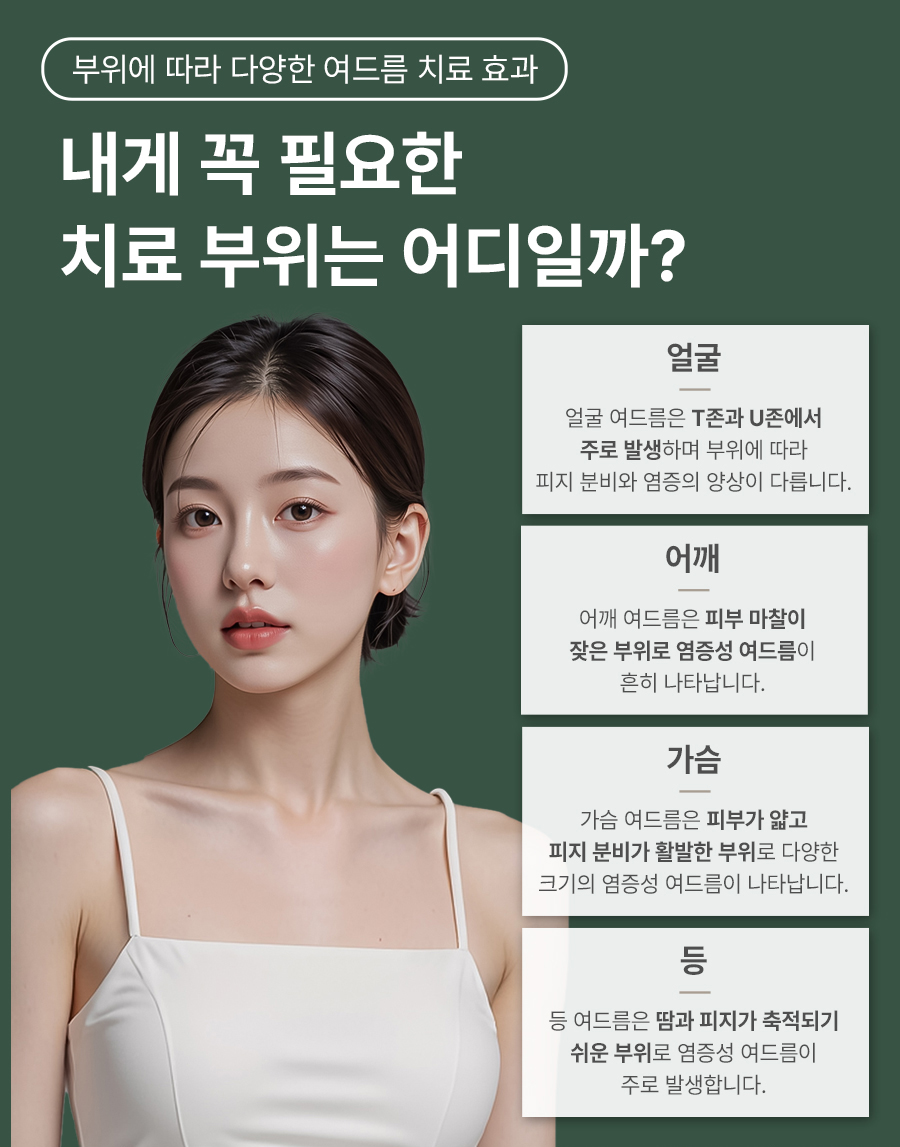
Provide a medical diagnosis of your acne type, such as comedonal (whiteheads and blackheads), inflammatory papules and pustules, nodular or cystic acne, hormonal pattern acne, or mask-related acne.
Evaluate skin sensitivity, redness, and existing scars before choosing procedures.
Review your lifestyle, skincare products, and medications that might be aggravating breakouts.
Prescribe topical and oral medications and perform medical procedures like PDT, fractional lasers, RF microneedling, and scar fillers.
This is different from non-medical skincare shops, which may focus on cleansing and extractions but cannot prescribe medicine or safely perform energy-based medical treatments. For recurring or scarring acne, doctor-led care is usually more appropriate.
The doctors and their expertise
Both doctors have had roles as adjunct or visiting faculty in dermatology at a university hospital, which involves teaching and staying current with evidence-based treatment guidelines. They are experienced in managing inflammatory acne and treating acne-related scars. One doctor has additional clinical training in the safe use of lasers and radiofrequency devices for acne and scarring.
Because of this background, the clinic can combine medications with appropriate device-based treatments while paying attention to safety, skin type, and long-term outcomes.
How dermatologists classify and plan acne treatment
When you visit this dermatology clinic in Dongtan, the first step is a consultation with a board-certified dermatologist. The doctor will:
Ask about your medical history, including any hormonal issues, medications, and family history of acne.
Review your current skincare products, makeup, and any previous acne treatments or lasers.
Identify your acne type, severity, and distribution (face, jawline, chest, back).
Check for skin sensitivity, redness, post-inflammatory hyperpigmentation, and existing scars or enlarged pores.
Discuss your lifestyle, such as stress, diet patterns, mask use, and sleep.
Based on this assessment, the dermatologist creates a personalized plan that may include:
Topical treatments such as retinoids, antibiotics, or anti-inflammatory creams.
Oral medications when needed, such as antibiotics, hormonal treatments, or other systemic agents, depending on your condition and safety profile.
In-clinic procedures to control sebum, bacteria, and inflammation.
A staged approach where active inflammation is controlled first, followed by scar and pore treatments.
Treatment overview: Active acne and acne scars
The overall acne care process at this Dongtan clinic can be divided into two broad phases.
Phase 1: Managing active acne
The focus is on reducing inflammation, sebum overproduction, and acne-causing bacteria. This phase typically uses:
Topical and oral medications.
An acne all-kill program tailored to your skin.
PDT (photodynamic therapy) for oily, inflammatory acne.
Gold PTT-type treatments in selected cases of persistent oiliness.
Phase 2: Improving scars and pores
Once active breakouts are better controlled, the clinic can concentrate on texture and scars using:
- Fractional ablative or non-ablative laser treatments for atrophic scars and uneven texture.
- Radiofrequency (RF) microneedling devices to target deeper scars and enlarged pores.
- Dermal fillers and other scar-specific procedures in selected cases.
Pore and acne scar programs.
Fractional lasers (Pro Fractional-type devices) for atrophic scars.
RF microneedling (Secret RF-type) for deeper scars and pores.
Scar fillers for selected deep, depressed scars.
The exact timing depends on how quickly your acne calms down and how long you are staying in Korea.
In-clinic acne procedures explained
Acne all-kill program
The acne all-kill program is a comprehensive session that combines several steps in one visit. It is not a fixed package; the dermatologist adjusts the components based on your skin condition on that day.
A typical session may include:
Gentle medical cleansing to prepare the skin and remove excess sebum.
Professional extractions of comedones when appropriate, done in a controlled way to minimize trauma.
Light-based or laser steps aimed at reducing inflammation and acne-causing bacteria.
Sebum control treatments to help normalize oil production.
Soothing and calming care at the end to reduce redness and support the skin barrier.
Because the program is doctor-designed, it can be modified for sensitive skin, severe inflammatory acne, or patients already on certain medications.
PDT (photodynamic therapy) for acne
PDT is a medical treatment used for oily, inflammatory acne that tends to recur.
How it works:
A photosensitizing agent is applied to acne-prone areas and left on the skin for a specific period.
This agent is then activated by a particular light source.
The activated agent targets overactive sebaceous glands and acne-causing bacteria.
Over time, this can help reduce sebum production and the frequency of breakouts.
Who may consider PDT:
Patients with moderate to severe inflammatory acne.
People who have very oily skin with frequent flare-ups.
Those who did not respond sufficiently to basic topical care.
What to expect:
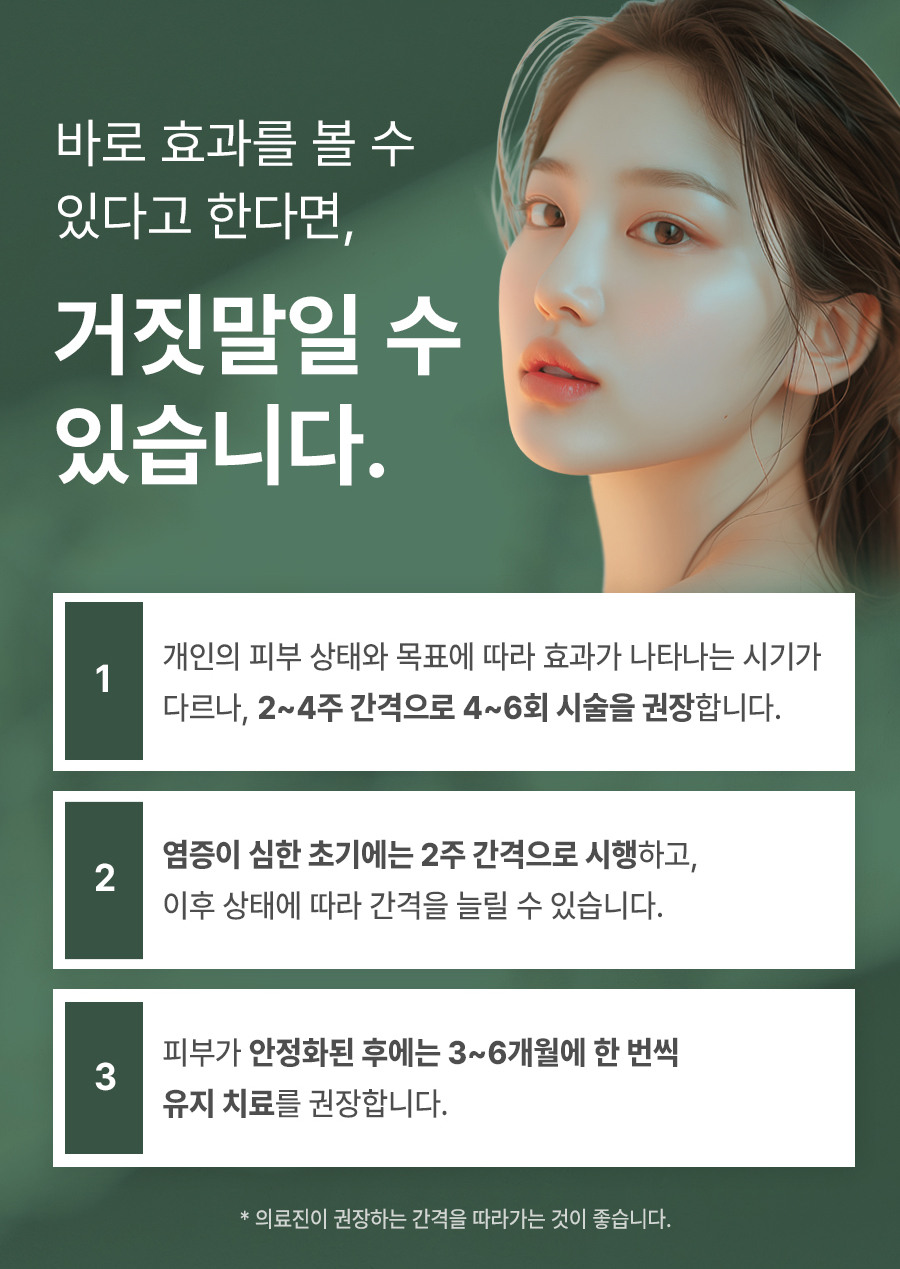
Multiple sessions are usually needed for noticeable improvement.
You may experience temporary redness, dryness, or mild peeling after treatment.
Strict sun protection is important after PDT, as the skin can be more sensitive to light.
Pore and acne scar program
The pore and acne scar program is designed for patients whose active acne is mostly under control but who are left with depressed scars, enlarged pores, and uneven texture.
This program may include:
Fractional laser treatments (Pro Fractional-type devices) to resurface the skin by creating microscopic columns of controlled injury, which stimulate collagen remodeling.
RF microneedling (Secret RF-type devices) that deliver radiofrequency energy through microneedles into the deeper dermis, encouraging collagen production with relatively quick recovery.
Scar fillers for selected deep icepick or boxcar scars that do not respond well to lasers alone.
The dermatologist usually recommends a staged plan, spacing sessions to allow the skin to recover and collagen to rebuild gradually.
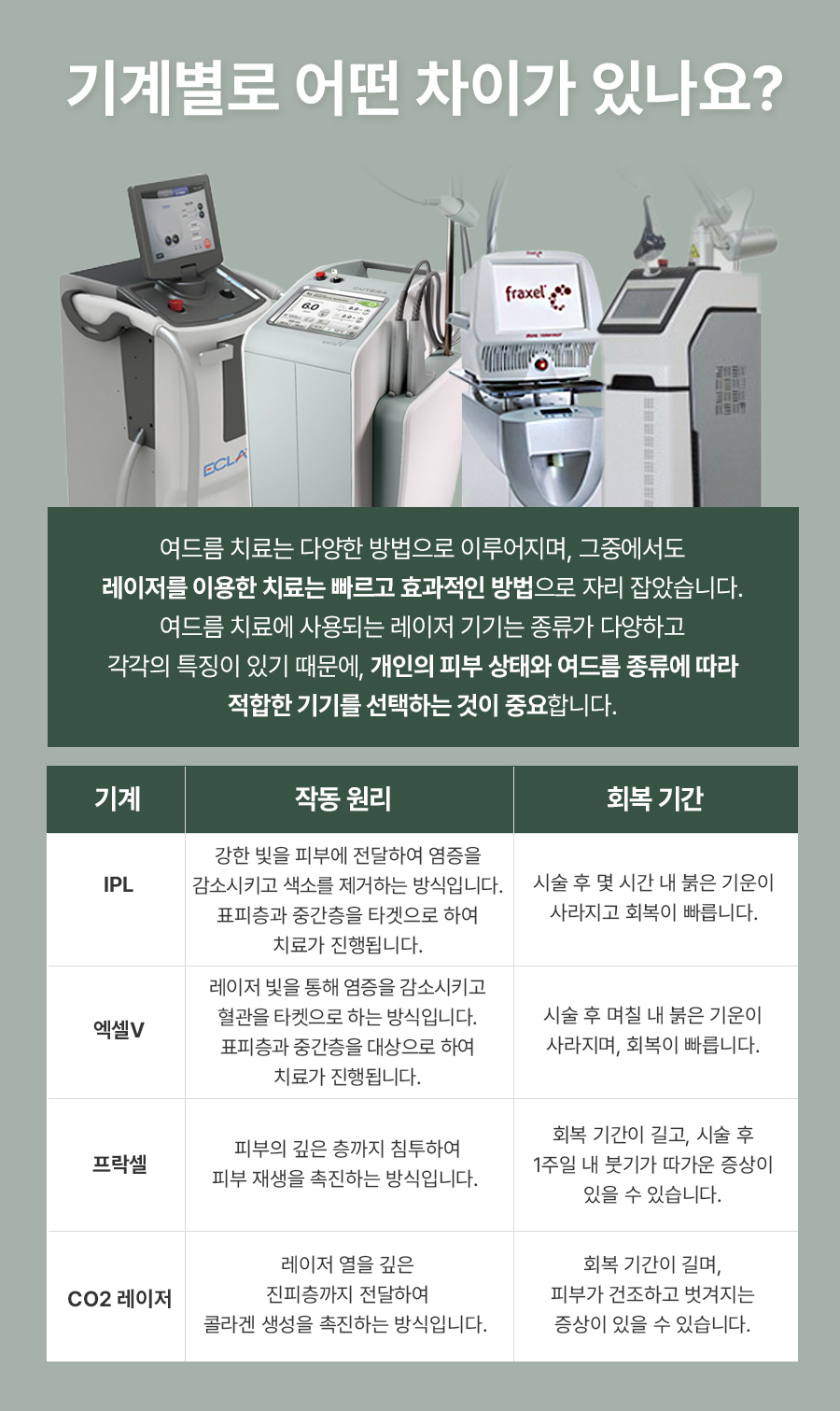
Fractional lasers and RF microneedling
Pro Fractional-type fractional laser
This type of laser creates tiny, controlled microchannels in the skin while leaving surrounding tissue intact. The body’s natural healing process then stimulates new collagen production.
Benefits:
Improves atrophic (depressed) acne scars.
Refines rough texture and enlarged pores.
Can also help with some fine lines or overall skin tone, depending on settings.
Considerations:
There is usually some redness and swelling for a few days.
Downtime can vary from mild to moderate depending on the intensity chosen.
Multiple sessions are often recommended for best improvement.
RF microneedling (Secret RF-type)
RF microneedling uses very fine needles to deliver radiofrequency energy into the dermis.
Benefits:
Targets deeper layers of the skin without heavily damaging the surface.
Can improve acne scars, enlarged pores, and mild skin laxity.
Recovery is often faster than some ablative lasers, with redness that typically settles within a few days.
This can be a good option for patients who need texture improvement but cannot afford long downtime.
Gold PTT-type treatment
Gold PTT-type treatment uses gold nanoparticles combined with light or energy to selectively target sebaceous glands.
Who it may help:
Patients with persistent sebum overproduction.
Those with recurrent inflammatory acne who want an option beyond standard topical or oral treatments.
As with other procedures, the dermatologist will evaluate your skin type, medical history, and expectations before recommending this treatment.
Scar filler for selected acne scars
Scar filler involves injecting a small amount of filler material beneath a depressed acne scar to lift it closer to the surrounding skin level.
Key points:
Often used for a few deep, resistant scars rather than the entire face.
Can be combined with fractional lasers or RF microneedling for a more comprehensive result.
The effect is not permanent; maintenance may be needed depending on the filler type and your skin.
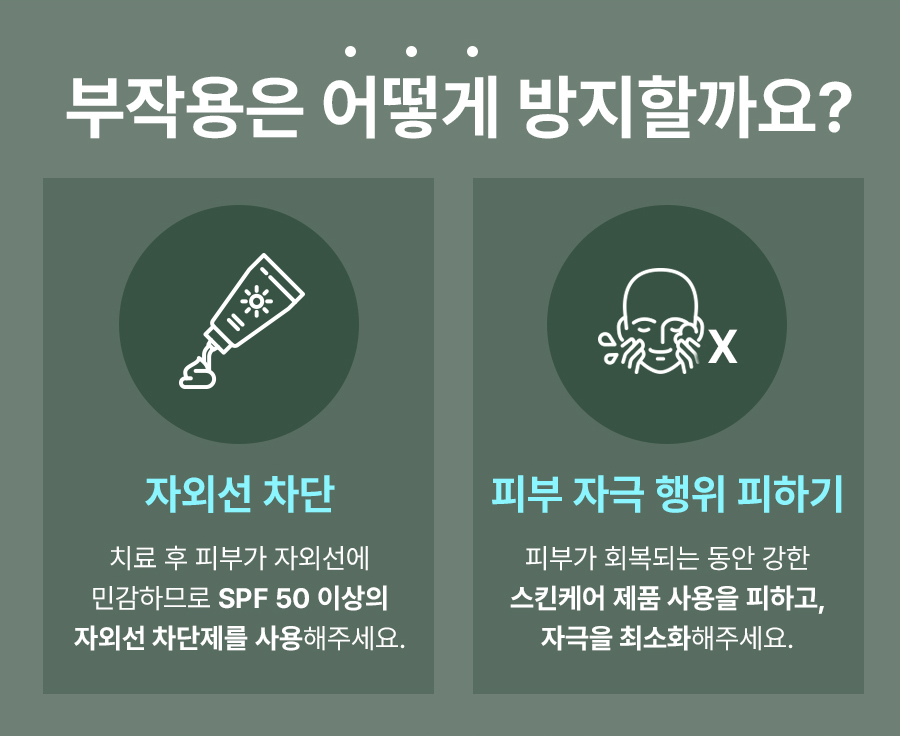
Medical acne care vs. home care
Home care has an important role, but there are limits to what it can achieve, especially for moderate to severe acne.
What home care can do:
Over-the-counter products with ingredients like salicylic acid or benzoyl peroxide can help mild comedonal acne.
Gentle cleansing and non-comedogenic moisturizers support the skin barrier.
Consistent sunscreen use can reduce post-inflammatory pigmentation.
Limitations of home care:
Nodular or cystic acne often does not respond adequately to over-the-counter products.
Overuse of harsh exfoliants or frequent peeling at home can damage the skin barrier, increase redness, and sometimes worsen breakouts.
Self-extraction can lead to more inflammation and scarring.
Benefits of dermatologist-led care:
Early control of inflammation helps reduce the risk of permanent scars.
The doctor can choose the right strength and type of retinoids, antibiotics, or hormonal treatments when indicated.
Medications and procedures are combined in a safe, structured way.
Side effects are monitored, and treatment is adjusted when needed.
Safety, expertise, and devices
The clinic uses a range of medical devices not only for acne and scars but also for redness and vascular issues. This is important because many acne patients struggle with post-inflammatory redness and flushing even after active breakouts calm down.
The doctors’ involvement in academic societies and university hospital teaching supports:
Evidence-based treatment protocols.
Careful selection of which patients are suitable for certain lasers or RF procedures.
Proper adjustment of energy settings according to skin type, color, and sensitivity.
Who may consider acne treatment in Dongtan
This clinic may be suitable if you are:
A teenager or adult living in or visiting Dongtan 1 or 2 New Town, Hwaseong, or nearby areas.
An overseas resident in Korea or a medical traveler planning a stay in the Seoul–Gyeonggi region.
Struggling with recurring inflammatory acne, nodular acne, or acne that has already left scars and enlarged pores.
Looking for medical-grade treatment under dermatologists rather than cosmetic facials alone.
If you have underlying medical conditions, are pregnant, or are taking long-term medications, you should inform the clinic in advance so the doctors can plan safely.
Online consultation and pre-visit preparation
Before you travel or book an in-person appointment, it is helpful to arrange an online consultation.
What to prepare for online consultation:
Clear photos of your face (and other affected areas) in natural light, without heavy makeup.
A list of your current skincare products, including cleansers, toners, serums, creams, and sunscreens.
Information about any prescription acne medications you are using or have used (topical or oral).
Details of previous laser, peeling, or acne treatments, including approximate dates.
Any known allergies and medical conditions.
During the online consultation, you can discuss:
Your main concerns (active acne, redness, scars, or all of the above).
How long you will stay in Korea and how many visits you can realistically make.
Which procedures might be suitable for your skin type and schedule.
Expected downtime after each type of procedure.
Expected Korea visit timeline for acne care
Your exact schedule will depend on how long you stay in Korea. Below is a general example for planning purposes.
Short stay (about 1 week):
Day 1: In-person consultation, basic assessment, and start of topical or oral medication if appropriate. Possible first acne all-kill program session.
Day 3–5: Second in-clinic session focusing on inflammation control, such as another acne all-kill program or a gentle procedure.
Day 6–7: Review, adjustment of home care plan, and discussion of follow-up options in your home country.
Medium stay (2–4 weeks):
Multiple acne all-kill program sessions.
Possible start of PDT or mild fractional or RF treatments if your skin condition allows.
More time to observe how your skin responds to medication and procedures.
Longer stay (6–12 weeks or more):
Better opportunity to complete a series of PDT sessions.
Gradual introduction of scar-focused treatments like fractional lasers or RF microneedling once inflammation is controlled.
Scheduled follow-ups to fine-tune the plan.
The dermatologist will design a realistic program based on how much time you have and how your skin reacts.
Aftercare and lifestyle tips
Proper aftercare is essential to support your results and reduce irritation.
General aftercare guidelines:
Follow the medication and skincare instructions given by the dermatologist.
Use a gentle, non-foaming cleanser and avoid scrubbing.
Apply non-comedogenic moisturizer to maintain the skin barrier.
Use broad-spectrum sunscreen every day, especially after PDT or laser treatments.
Avoid picking or squeezing pimples and scars.
Lifestyle considerations:
Try to maintain regular sleep patterns and manage stress where possible.
Avoid very heavy, occlusive makeup when your skin is healing from procedures.
Be cautious with new skincare products; introduce them slowly and inform your doctor.
Practical information for Dongtan residents and visitors
Location
The clinic is located on the 3rd floor of a commercial medical building along a main road in Dongtan New Town, Hwaseong, Gyeonggi-do. It is convenient for residents of Dongtan 1 and 2 New Town, nearby apartment complexes, and office workers in the area.
Note: The article does not provide the clinic's full brand name in Latin script or direct contact details. Before visiting, verify the clinic's official name, phone number, and booking procedures through a reliable source or the clinic's official website.
Operating hours
Typical operating hours include weekday morning to evening sessions, with extended hours on Friday to accommodate those who work late. On Saturdays, the clinic usually operates from morning to early afternoon. It is closed on Sundays and public holidays.
There is a lunch break, but the clinic aims to provide continuous, organized care without long midday closures. Exact times can vary, so it is best to confirm when booking.
Reservation You can usually make reservations:
Online on specific weekdays via a major local portal.
By phone, which can be helpful if you have special questions as an overseas patient.
When you book, mention that you are an international or overseas patient and how long you will stay in Korea. This helps the staff plan your schedule more efficiently.
What to bring to your first visit
For your first in-person consultation, it is useful to bring:
A list or photos of your current skincare and makeup products.
A list of medications and supplements you are taking.
Information about previous acne treatments and approximate dates.
Any relevant medical records or allergy test results.
FAQ
How is an acne dermatology clinic in Dongtan different from a skincare shop?
A dermatology clinic in Dongtan is run by board-certified dermatologists who can diagnose acne as a medical condition, prescribe topical and oral medications, and perform medical procedures such as PDT, fractional lasers, RF microneedling, and scar fillers. Skincare shops focus mainly on cleansing, massage, and cosmetic facials, and they cannot prescribe medicine or use medical-grade devices. For recurring or scarring acne, medical evaluation is usually more appropriate.
How many acne treatments will I need if I visit from overseas?
The number of treatments depends on your acne severity, skin type, and how long you stay in Korea. Some patients may benefit from a few intensive sessions over one to two weeks, while others may need a series of visits over several months for both inflammation control and scar improvement. During your consultation, the dermatologist will suggest a realistic plan and explain what you can continue at home after you leave Korea.

Is PDT or fractional laser safe for sensitive skin?
PDT and fractional lasers can be used on many skin types, including some sensitive skin, when parameters are carefully adjusted. However, not everyone is a candidate. The dermatologist will examine your skin, ask about your history of irritation or allergies, and may recommend starting with milder treatments first. In some cases, the doctor may advise against certain procedures and focus on medication and gentler options instead.
Can acne scars really improve, or are they permanent?
Acne scars are often long-lasting, but many can be improved with appropriate treatments such as fractional lasers, RF microneedling, and scar fillers. The goal is usually to reduce the depth and visibility of scars and improve overall texture, not to erase them completely. Results vary by scar type, skin condition, and the number of sessions, so it is important to have a realistic discussion with your dermatologist.
Soft call to action for online consultation
If you are considering visiting a Dongtan acne dermatology clinic for breakouts or scars, you do not need to decide everything alone. You can start with an online consultation to share your photos, medical history, and travel schedule. The dermatologists at this Dongtan clinic can then suggest a personalized plan and outline which treatments are suitable for your skin and timeframe.
By planning ahead, you can make better use of your time in Korea and receive structured, doctor-led care for both active acne and scars.
- 공유 링크 만들기
- X
- 이메일
- 기타 앱


댓글
댓글 쓰기