Dongtan Acne Dermatology Clinic: Professional Acne And Scar Care In Korea
- 공유 링크 만들기
- X
- 이메일
- 기타 앱
Direct answer summary
This makes it a practical option for international patients who want to manage acne and scars in Dongtan New Town without traveling into central Seoul.
Overview of acne treatment in Dongtan for international patients
Acne can be frustrating, especially when it keeps returning despite over-the-counter products or cosmetic facials. Many international patients come to Korea because they are looking for systematic, device-based acne treatment combined with medical prescriptions.
At this Dongtan acne dermatology clinic, care is centered on accurate diagnosis by board-certified dermatologists, followed by a stepwise plan. The focus is not only on calming current breakouts, but also on preventing new lesions and improving scars and enlarged pores that remain after acne.
The clinic is located in Dongtan New Town, Hwaseong, Gyeonggi-do, on the third floor of a commercial building along Dongtan-daero Sibeom-gil. It is convenient for residents of Dongtan 2 New Town and nearby areas, and also accessible for overseas visitors staying in the southeast area of the Seoul metropolitan region.
Why choose a dermatology clinic for acne in Dongtan
Many people first try cosmetic facials or general skincare shops for acne. While these can provide temporary soothing, they usually cannot address deeper issues such as overactive sebaceous glands, inflammatory nodules, or established scars.
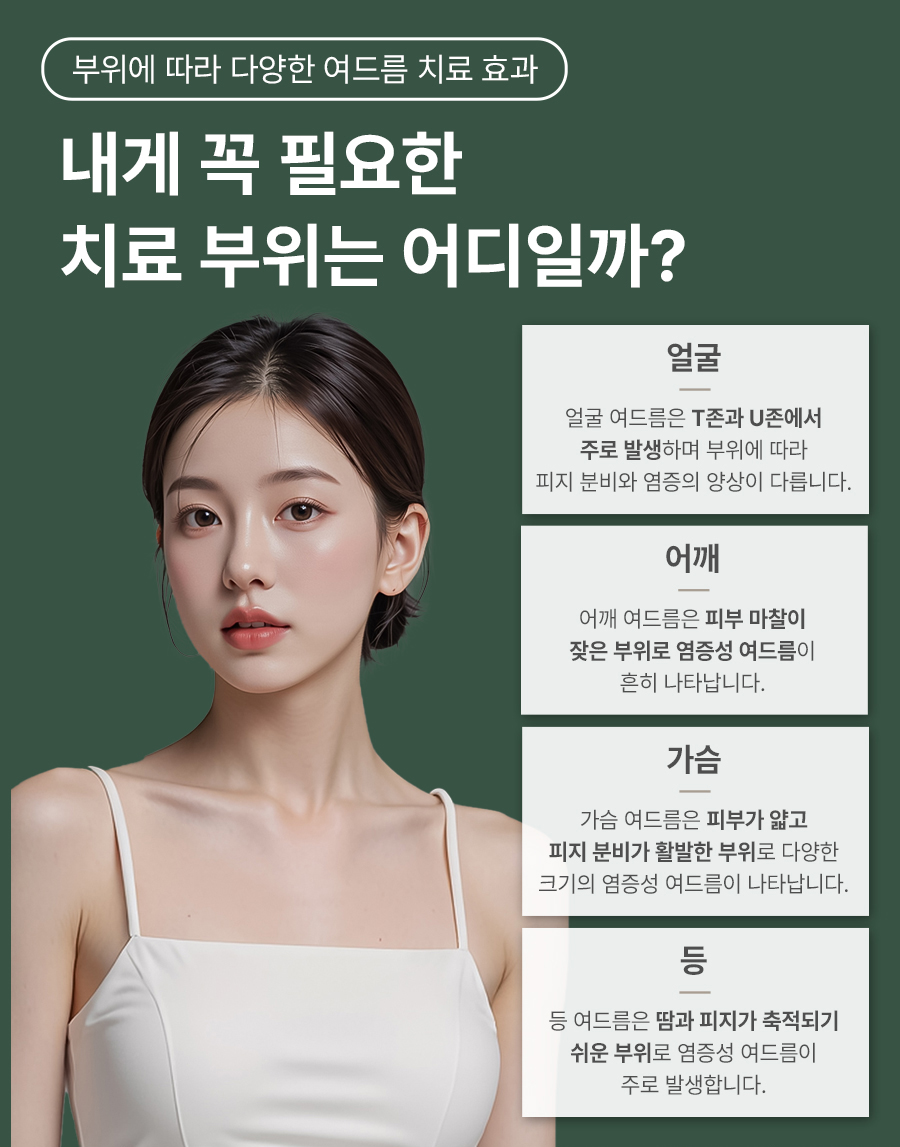
A Dongtan acne dermatology clinic offers medical evaluation and treatment by board-certified dermatologists. This means your acne is assessed as a medical condition, not just a cosmetic concern. The doctors take into account your age, hormonal background, medications, lifestyle, and skin sensitivity before recommending treatment.
Prospective patients are advised to confirm clinician credentials and affiliations directly with the clinic.
atology societies. For acne patients, this background supports reliability in diagnosis, prescription, and the safe use of lasers and light-based devices.
How acne is evaluated at this Dongtan acne dermatology clinic
When you visit the dermatology clinic for acne, the first step is a detailed consultation and skin examination.
During the consultation, the dermatologist will usually ask about
- Your acne history, including when it started and how it has changed
- Known triggers such as stress, menstrual cycle, diet, or cosmetics
- Previous treatments, including oral medications, topical creams, or procedures
- Your current skincare routine and any harsh products you may be using
The skin examination focuses on identifying different lesion types, such as whiteheads, blackheads, papules, pustules, nodules, and cysts. The dermatologist also checks for existing scars, enlarged pores, and post-inflammatory pigmentation.
This careful evaluation helps distinguish between inflammatory acne, comedonal acne, recurring adult acne, and mixed types. It also guides the choice of devices and medications, especially for patients with sensitive or darker skin tones who may be more prone to pigmentation after procedures.
Structured acne treatment programs
The clinic offers structured programs that combine prescription medications with device-based procedures. Treatment plans are personalized according to acne severity, skin type, and scheduling needs, and are adjusted over time based on treatment response and tolerance.
Dedicated acne program
The core program is a comprehensive acne-focused course, similar to an “acne all-kill” concept. A typical session can include medical cleansing, gentle extraction when needed, anti-inflammatory care, and selected devices.
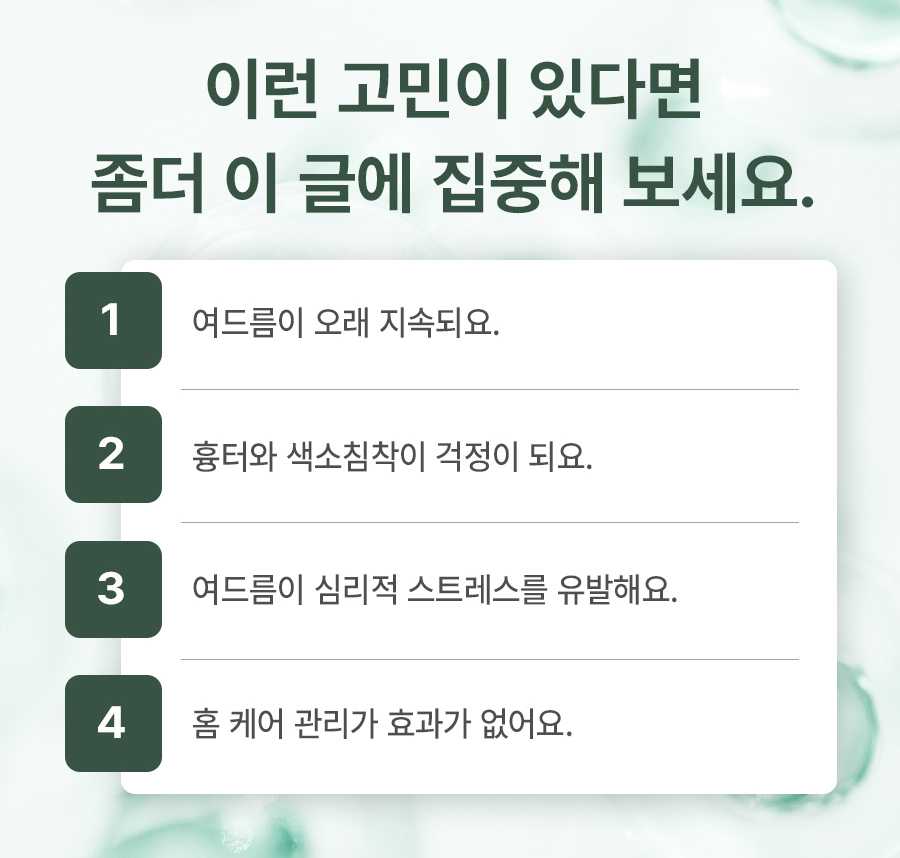
For example, a session may start with cleansing and softening of comedones, followed by careful manual extraction of clogged pores under dermatologist supervision. After that, calming care and targeted light or laser may be applied to reduce redness and bacteria. The exact combination is chosen to avoid unnecessary irritation while still addressing active lesions.
Photodynamic therapy (PDT)
PDT is a key option for inflammatory and recurrent acne. In this treatment, a photosensitizing agent is applied to the skin and allowed to absorb into the sebaceous glands. Then, a specific wavelength of light is used to activate the agent.
This process helps reduce overactive sebaceous glands and decreases acne-causing bacteria. PDT can be especially helpful for patients with oily skin, frequent breakouts, or acne that flares again soon after stopping medications. The dermatologist adjusts the strength and duration based on your skin sensitivity and previous response.
Gold-based photothermal therapy (PTT)
with the treating dermatologist before proceeding.
The goal is to reduce sebum production and inflammation while minimizing damage to surrounding tissues. This can be useful for patients who want to improve both acne and excessive oiliness. Because it is a device-based treatment, it is planned carefully with attention to your skin tone and risk of pigmentation.
Pore and scar program for post-acne concerns
Once active breakouts are under better control, many patients are left with depressed scars, uneven texture, and enlarged pores. The dermatology clinic runs a structured pore and scar program to address these issues.
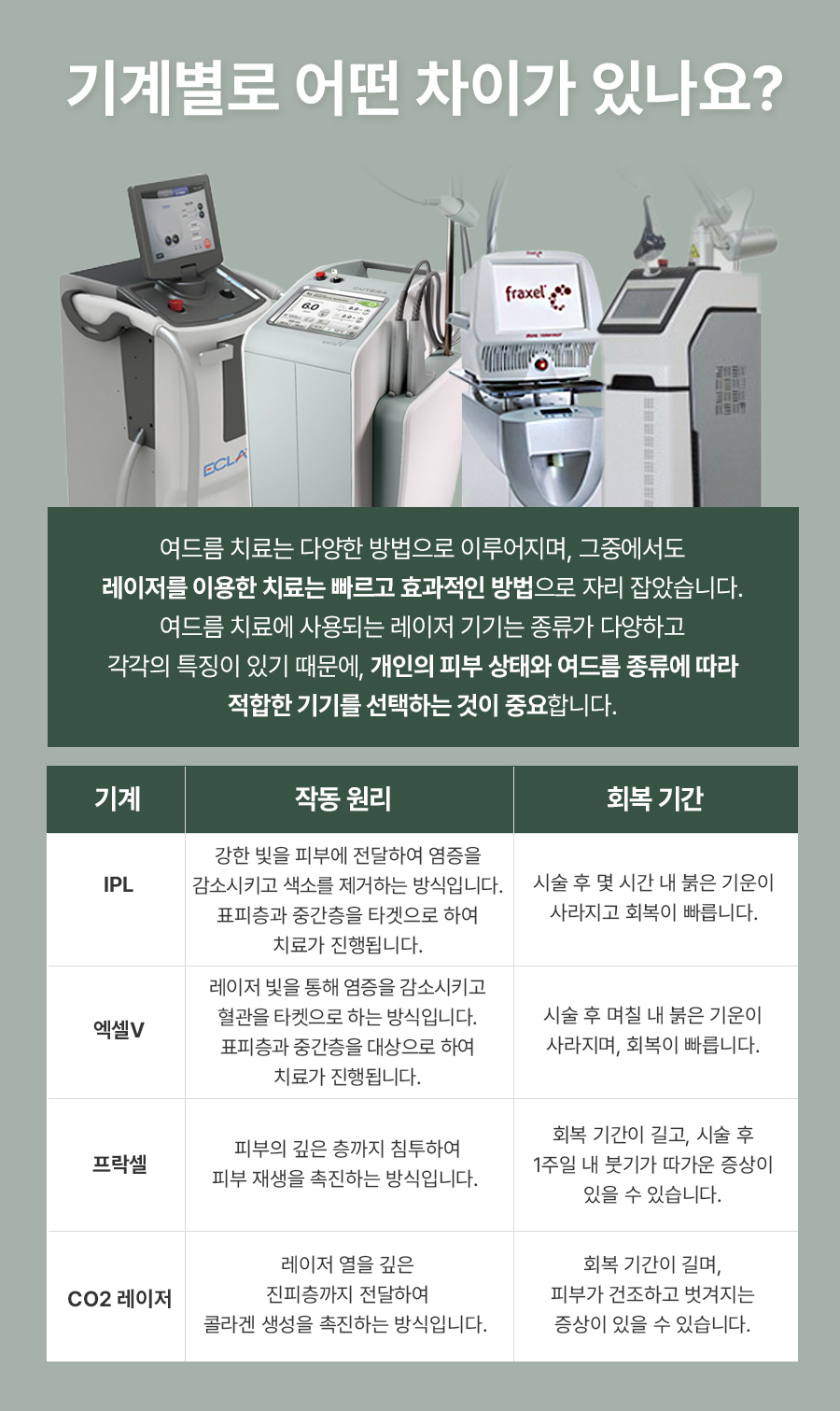
Fractional laser and radiofrequency devices
Fractional devices create microscopic columns of controlled injury in the skin, which stimulates collagen remodeling and new tissue formation. The clinic reports using fractional laser and microneedle radiofrequency (RF) platforms; specific device choices and treatment settings depend on clinician judgment and device availability.
Fractional laser is often chosen for surface irregularities and shallow to moderate depressed scars. Microneedle RF can be useful for deeper scars and for patients with skin types where pure laser may carry a higher risk of pigmentation. By combining or alternating these devices, the dermatologist aims to gradually smooth the skin and refine enlarged pores.
Scar filler for deep depressed scars
For very deep ice-pick or boxcar scars, device treatment alone may not be enough. In selected cases, the clinic can use filler to lift the base of the scar. This is done in a targeted way, focusing only on specific scars that are sharply depressed.
Scar filler can be combined with fractional treatments to improve overall texture. The dermatologist will explain realistic expectations, such as the degree of lifting possible and how long the effect is likely to last, as this can vary between individuals.
How acne care is structured step by step
For international patients, it is helpful to understand the typical sequence of care at this Dongtan acne dermatology clinic.
Step 1 – Dermatologist consultation and diagnosis
Your first visit focuses on understanding your skin and your goals. The dermatologist takes a detailed history, examines your acne and scars, and may take clinical photos for reference. If necessary, they may also review any medical records or photos you bring from your home country.
Step 2 – Treatment planning
Based on severity and skin sensitivity, the dermatologist designs a plan that can include
Topical medications such as retinoids, antibiotics, or anti-inflammatory creams
Oral medications when indicated, such as antibiotics, hormonal agents, or other systemic drugs
Procedures such as PDT, laser toning, fractional laser, microneedle RF, scar filler, or gold-based PTT
Not every patient needs every procedure. The plan is individualized, taking into account your available time in Korea, tolerance for downtime, and budget.
Step 3 – Active acne control
In the initial phase, the focus is on calming inflammation, reducing the number of new lesions, and preventing new scars. PDT, anti-inflammatory care, and gentle extractions may be used, along with appropriate medications.
The dermatologist may recommend that you avoid harsh scrubs, strong acids, or self-extraction at home during this stage. Instead, they will guide you toward a simple, non-irritating skincare routine.
Step 4 – Scar and pore management
Once breakouts are significantly reduced, attention shifts to scars and pores. Fractional laser, microneedle RF, and scar filler may be introduced or intensified at this stage.
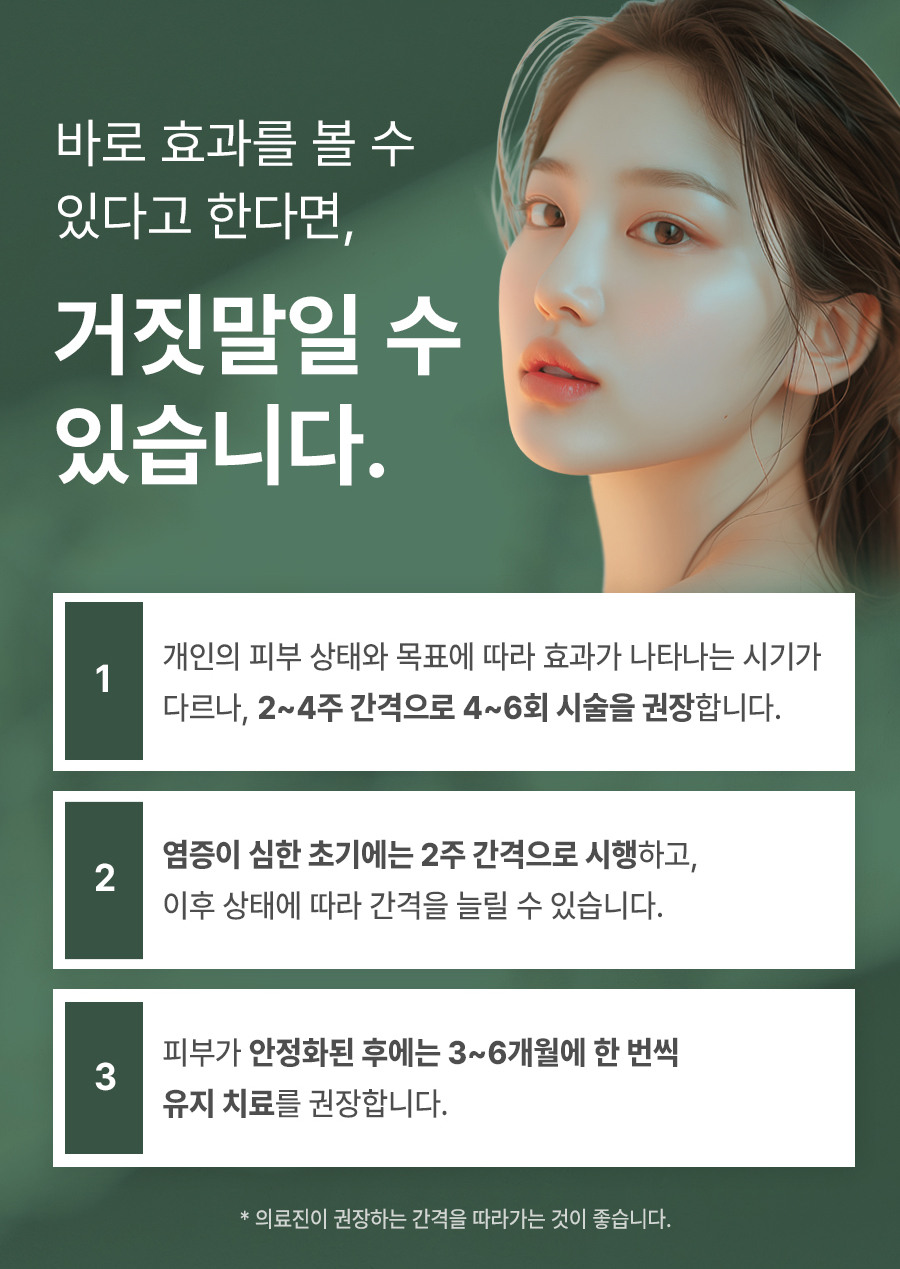
Because collagen remodeling takes time, these treatments are usually spaced out over several weeks. For overseas patients, the clinic can help prioritize which procedures to perform during your stay and what can be continued in your home country.
Step 5 – Maintenance and recurrence prevention
Acne is often a chronic, relapsing condition. Even after improvement, maintenance is important. The clinic provides education on
- Non-comedogenic skincare choices
- How to adjust routines during hormonal changes or stress
- When to return for follow-up or booster treatments
As your skin stabilizes, visit intervals are extended. For international patients, online follow-up consultations can sometimes be used to review photos and adjust home care between in-person visits.
Who may consider acne treatment in Dongtan
This Dongtan acne dermatology clinic can be suitable for
Teens and young adults with persistent acne that does not respond to basic products
Adults in their 20s and 30s with recurring adult acne, often related to stress or hormones
Patients with visible acne scars, enlarged pores, or uneven texture after past breakouts
People with sensitive or darker skin tones who want careful, dermatologist-supervised procedures
International visitors who prefer to stay in Dongtan New Town or the Gyeonggi-do area rather than central Seoul
If you are planning a trip to Korea mainly for acne treatment, it is helpful to contact the clinic in advance to discuss your goals and the length of your stay.
Online consultation and pre-visit preparation
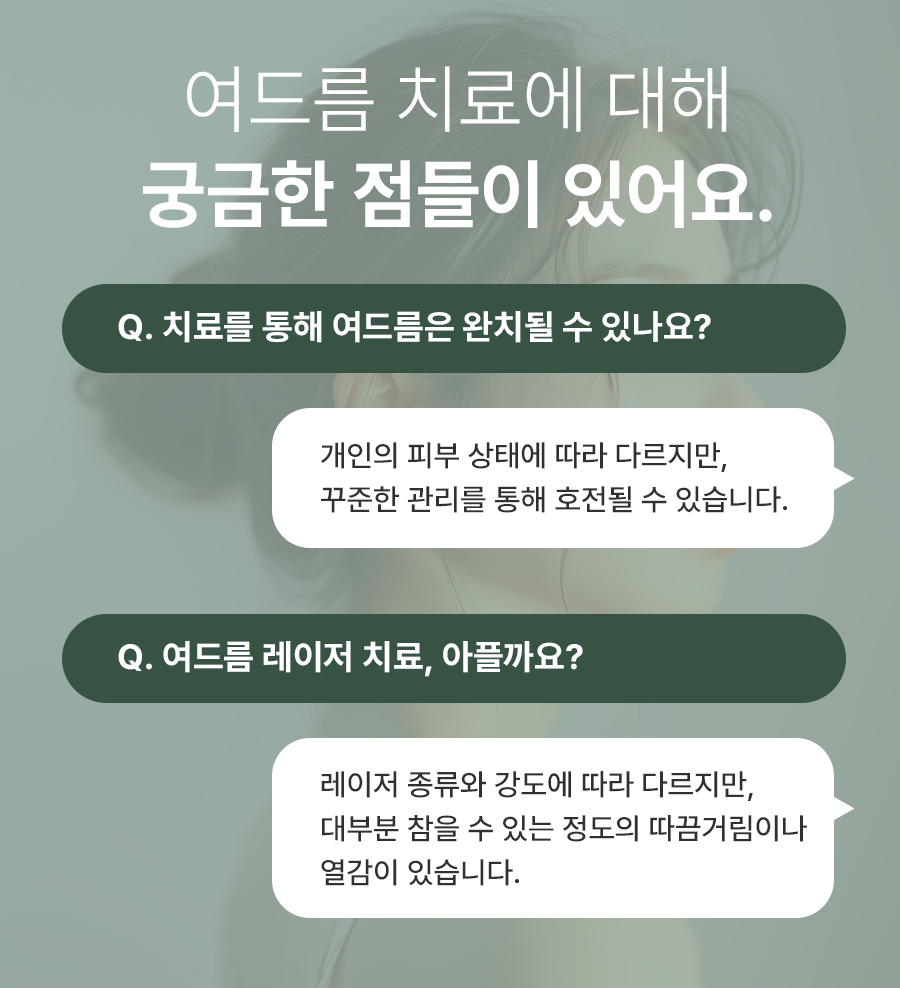
Before traveling, many overseas patients choose to have an online consultation. This can help you understand what is realistic within your schedule and what kind of treatment plan may be recommended.
For an efficient online consultation, prepare the following
Clear photos of your face in natural light, from the front and both sides
Information about current and past acne medications, including any isotretinoin use
A list of skincare products you are using, especially acids, retinoids, or exfoliants
Any history of keloids, abnormal scarring, or strong pigmentation after procedures
Your planned travel dates and how many clinic visits you can make during your stay
During the online consultation, you can ask about the likely focus of your treatment, estimated number of sessions, expected downtime, and how to coordinate with your schedule in Korea.
Expected visit timeline for acne treatment in Korea
The ideal timeline depends on how long you can stay in Korea.
Short stay, about 3 to 5 days
Focus on consultation, skin assessment, and starting medical treatment
One or two sessions of low-downtime procedures, such as PDT or gentle device-based care
Education on home care and a plan for follow-up with your local dermatologist
Medium stay, about 1 to 2 weeks
Initial consultation and baseline photos
Several sessions of active acne control, possibly including PDT and calming treatments
If inflammation is controlled quickly, an initial fractional or RF session for scars may be considered
Longer stay, about 3 to 4 weeks or more
More comprehensive combination of active acne control and early scar management
Possibility of two or more fractional or RF sessions, spaced about 2 weeks apart, depending on skin response
Closer monitoring of medication effects and adjustments as needed
The dermatologist will adapt the plan to your schedule, always prioritizing safety and realistic expectations.
Safety, downtime, and aftercare
All procedures at this Dongtan acne dermatology clinic are performed under dermatologist supervision, with attention to your skin type and history.
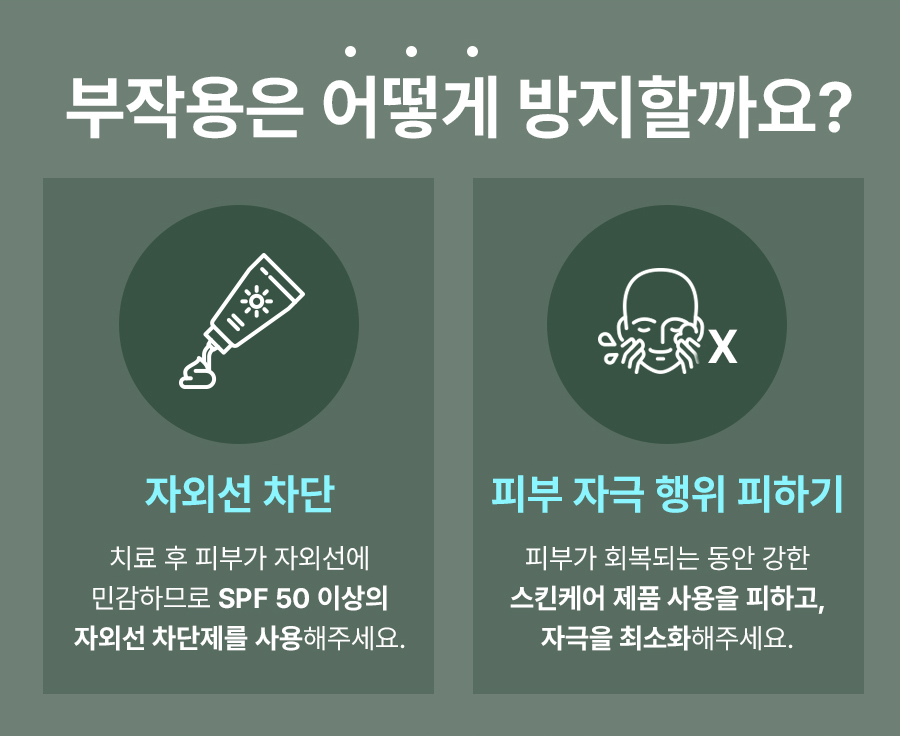
After PDT or gold-based PTT, you may experience temporary redness, mild swelling, or dryness. Sun protection is very important, and you may be advised to avoid strong sunlight and use a broad-spectrum sunscreen.
After fractional laser or microneedle RF, there is usually more visible redness and a rough or sandpaper-like texture for several days. Makeup may need to be avoided for a short period, and gentle cleansing and moisturizing are essential.
Numbing cream is often used before fractional or RF procedures to reduce discomfort. The level of pain and downtime varies between individuals, but most patients can resume light daily activities within a day or two, with redness gradually improving.
Home care basics during treatment
To support your results and reduce side effects, the clinic usually recommends
Avoiding picking or squeezing pimples, which can increase scarring
Being cautious with harsh scrubs or high-strength acids unless specifically advised
Using non-comedogenic, fragrance-free products for cleansing and moisturizing
Applying sunscreen daily, especially after light or laser treatments
Informing the clinic if you experience unusual pain, blistering, or strong pigmentation
Who is a good candidate for this Dongtan acne dermatology clinic
You may be a good candidate if
You live in or near Dongtan and want medical acne care without traveling into central Seoul
You are an international patient staying in Dongtan New Town or nearby areas
You have tried over-the-counter products or cosmetic facials without sufficient improvement
You are concerned about both active acne and long-term scars or enlarged pores
You understand that acne improvement usually requires a series of visits and consistent home care
Location, hours, and access
The dermatology clinic is located on the third floor of a commercial building along Dongtan-daero Sibeom-gil in Dongtan New Town, Hwaseong, Gyeonggi-do. This makes it a convenient local option for residents of Dongtan 2 New Town and surrounding neighborhoods.
The clinic offers weekday and Saturday hours, with extended hours on at least one weekday evening. There is no long midday break, so patients can visit more flexibly before or after work or school.
Online reservation via a major Korean portal is available on specific weekdays, which can be especially convenient for both local and overseas patients who prefer to book in advance.
Frequently asked questions
How many sessions are usually needed for acne improvement?
The number of sessions depends on acne severity, skin type, and how long the problem has been present. Many patients notice initial improvement after a few sessions of medical care and PDT, but more stable control often requires several months of combined treatment and home care.
For acne scars and enlarged pores, multiple fractional or RF sessions are usually needed, often spaced several weeks apart. The dermatologist will discuss a realistic schedule based on your individual condition and how long you will stay in Korea.
Can I receive acne treatment during exam season or busy work periods?
Yes, many patients visit during busy periods, but treatment plans are adjusted to minimize downtime. Low-downtime options such as PDT, gentle laser toning, and non-irritating acne programs can often be scheduled around exams or work.
If you have important events or presentations, inform the dermatologist in advance. They can help you avoid procedures with more visible redness close to those dates and plan higher-downtime treatments when your schedule is more flexible.
Is PDT or fractional laser painful, and is numbing cream used?
PDT can cause a stinging or warm sensation during light exposure, but most patients find it tolerable. Cooling and careful adjustment of settings help reduce discomfort.
Fractional laser and microneedle RF can be more uncomfortable, so numbing cream is usually applied before the procedure. Pain levels vary between individuals, but with adequate numbing and experienced technique, most patients can complete the session without major difficulty.
When should I start scar treatment after active acne calms down?
In general, it is better to control active inflammation first, then focus on scars. Once your breakouts are significantly reduced and new lesions are less frequent, the dermatologist may suggest starting fractional laser or RF.
For some patients, mild scar-focused treatments can begin while a small number of active lesions remain, but this is decided case by case. The key is to avoid aggressive procedures on very inflamed skin, which can increase the risk of side effects.

Can I continue using my current skincare products during treatment?
Some products can be continued, while others may need to be paused or adjusted. Strong acids, scrubs, or multiple active ingredients used together can irritate the skin, especially when combined with medical procedures.
During your consultation, bring a list or photos of your products. The dermatologist will advise which ones to keep, which to stop, and how to simplify your routine to support healing and reduce irritation.
Soft call to action
If you are struggling with recurring acne or visible scars and are looking for a Dongtan acne dermatology clinic with structured, dermatologist-led care, you can start by arranging an online consultation. Sharing your photos, history, and travel plans in advance allows the clinic to suggest a realistic, step-by-step approach tailored to your skin and schedule.
With careful diagnosis, a combination of medical and device-based treatments, and clear guidance on home care, many patients can achieve gradual, meaningful improvement rather than chasing instant but short-lived results.


댓글
댓글 쓰기