Dongtan acne treatment guide for international patients seeking dermatologist-led care
- 공유 링크 만들기
- X
- 이메일
- 기타 앱

Direct answer summary
asers, RF microneedling, and scar fillers. These programs aim to calm active breakouts, reduce sebum and acne-causing bacteria, and gradually improve scars, enlarged pores, and post-acne redness. Many of these programs provide ongoing, individualized treatment plans overseen by dermatologists so care is tailored to your acne type, skin sensitivity, and lifestyle rather than being a one-time procedure.
Introduction for overseas patients
Many international patients come to Korea expecting fast, visible results for acne and acne scars. At the same time, they are often frustrated by years of recurring breakouts, dark marks, and uneven texture that did not respond to over-the-counter products or spa facials.
Traveling to Korea for acne treatment? In Dongtan new town (Hwaseong, Gyeonggi-do) you can find dermatology centers offering structured acne programs rather than single treatments. This guide explains how dermatologist-led care in Dongtan often works, the types of technologies you may encounter, how long you might need to stay in Korea, and how to prepare if you're coming from overseas.
Why persistent acne needs dermatologist care
Acne as a medical condition
Acne is not just an issue of dirty skin or cosmetics. It is a chronic inflammatory disease of the pilosebaceous unit, which includes the hair follicle and sebaceous (oil) gland. Several factors interact:
- Overproduction of sebum (oil)
- Clogging of pores by dead skin cells
- Proliferation of Cutibacterium acnes (acne-causing bacteria)
- Inflammation in and around the follicles
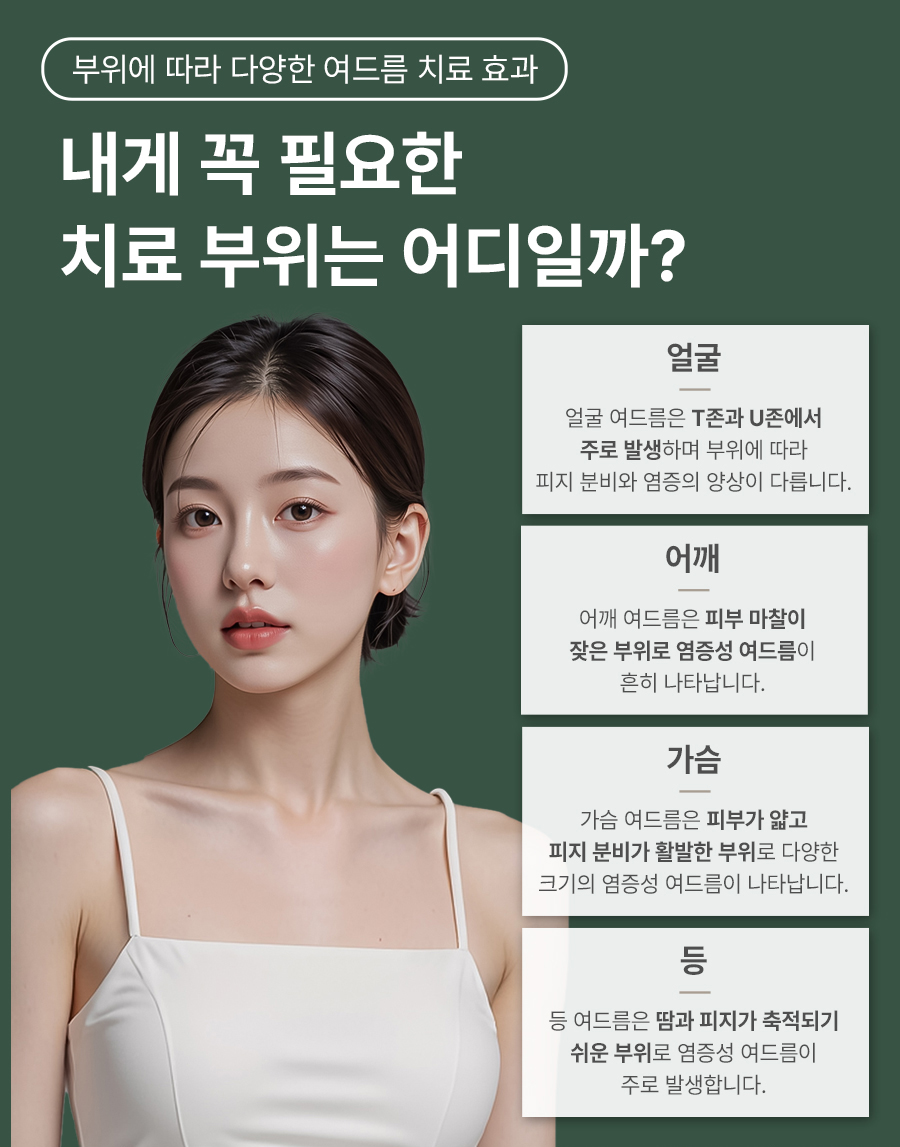
Depending on which factor dominates, acne can show up as whiteheads and blackheads, red papules, pus-filled pustules, deeper nodules, or cysts. Many people also develop post-inflammatory hyperpigmentation (brown marks), redness, and various types of scars.
Why home care and facials are often not enough
Over-the-counter products and cosmetic facials can help mild, early acne, but they rarely control moderate to severe inflammatory acne in a stable way. Common problems include:
- Skin irritation from random products that are too harsh
- Worsening of pigmentation after squeezing or picking
- Scars forming because inflammation is not controlled early
- Temporary improvement that disappears when products are stopped
A dermatologist can distinguish between different acne types, assess your skin’s tendency to redness or pigmentation, and choose treatments that reduce inflammation without damaging the skin barrier.
Difference between cosmetic and medical acne care
Cosmetic clinics or beauty spas usually focus on cleansing, peeling, and temporary soothing. A medical dermatology center in Dongtan, by contrast, can offer:
- Possible treatments and services may include:
- - Prescription topical and oral medications
- - Medical acne facials with sterile extraction when indicated
- - Photodynamic therapy (PDT) aimed at sebaceous glands and acne-causing bacteria
- - Fractional lasers and RF microneedling for scars and enlarged pores
- - Scar fillers and selective photothermal approaches for persistent lesions
- Availability of these options varies by clinic; ask a clinic directly which treatments they offer and why they recommend them for your condition.
The aim is not only to make the skin look clearer now, but also to prevent new lesions and reduce long-term scarring.
How acne is evaluated at a Dongtan dermatology clinic
Dermatologist background and expertise
In the Dongtan new town area, some dermatology centers are staffed by multiple dermatologists who have trained in university hospital dermatology departments or received additional laser training abroad. If clinician credentials matter to you, request details or documentation from the clinic about their dermatologists' training and clinical experience.
This kind of background is especially relevant for acne and scar treatment, because it supports careful laser parameter selection, understanding of side-effect risks, and up-to-date knowledge from national and international dermatology, acne, and laser societies.
First visit flow and assessment
On your first visit, the dermatologist typically:
- Reviews your medical history, medications, and previous acne treatments
- Examines the face and any affected body areas to grade acne severity
- Identifies the main lesion types: comedones, papules, pustules, nodules, cysts
- Evaluates redness, brown marks, and existing scars
- Checks for sensitivity, dryness, or rosacea-like flushing
- Asks about lifestyle, diet patterns, stress, mask use, and skincare routine
Based on this, you receive a stepwise plan. The dermatologist, not a pre-set package, decides how to combine medications, medical facials, PDT, and devices. Treatment intervals are adjusted to your schedule and how your skin responds.
Who may consider Dongtan acne treatment
Typical international patients who may benefit include:
Teenagers and young adults with persistent inflammatory acne that flares with stress or hormones
Office workers with mask-related breakouts on the cheeks, jawline, and chin
Adults with long-standing acne scars and enlarged pores who want texture improvement
People whose acne keeps returning after stopping treatment elsewhere
Patients with dark marks and redness from previous squeezing or inappropriate procedures
If you are traveling from overseas, it is helpful to choose a clinic in a convenient area such as Dongtan new town, close to public transport and commercial facilities. Clinics that offer weekday hours, some extended evening hours, and Saturday morning sessions can be easier to schedule around international travel.
Stepwise treatment for active acne
Medical acne programs
Instead of a single facial, many Dongtan dermatology clinics use structured acne programs. An “acne all-kill” style concept may include:
Medical cleansing tailored to oily or sensitive skin
Comedone extraction under sterile conditions when necessary
Soothing or anti-inflammatory packs to calm redness
Topical prescription agents such as retinoids, antibiotics, or other medicated creams
Oral medications such as antibiotics, hormonal regulators, or isotretinoin when indicated
The key goal is to control inflammation early and consistently. When breakouts are reduced, the risk of new scars and pigmentation also decreases.
PDT photodynamic therapy
PDT is often used in Dongtan acne treatment for patients with oily skin and frequent inflammatory lesions. The process generally involves:
- Application of a photosensitizing agent to the skin
- An incubation period to allow absorption into sebaceous glands
- Exposure to a specific wavelength of light
A dermatologist adjusts the concentration of the agent, incubation time, and light energy based on your skin type, sensitivity, and history of pigmentation. For international patients with darker skin tones, this careful adjustment is important to reduce the risk of post-inflammatory hyperpigmentation.
Other supportive treatments
Depending on your condition, the dermatologist may also recommend:
- Short-contact chemical peels for comedonal acne
- Low-level light therapy for mild inflammation and redness
- Barrier-repair skincare to support tolerance of prescription medications
Throughout the program, progress is reviewed and medications or procedures are adjusted. Many patients see visible improvement over several weeks to a few months, but maintenance may be needed because acne is a chronic condition.
Improving acne scars, pores, and redness
When to switch from acne control to scar care
Scar-focused treatment usually begins after active inflammation is significantly reduced. If you still have frequent new pustules or nodules, the priority remains controlling those first. Once breakouts are milder and less frequent, the dermatologist may suggest shifting some sessions to scar and pore care.
Fractional lasers for texture
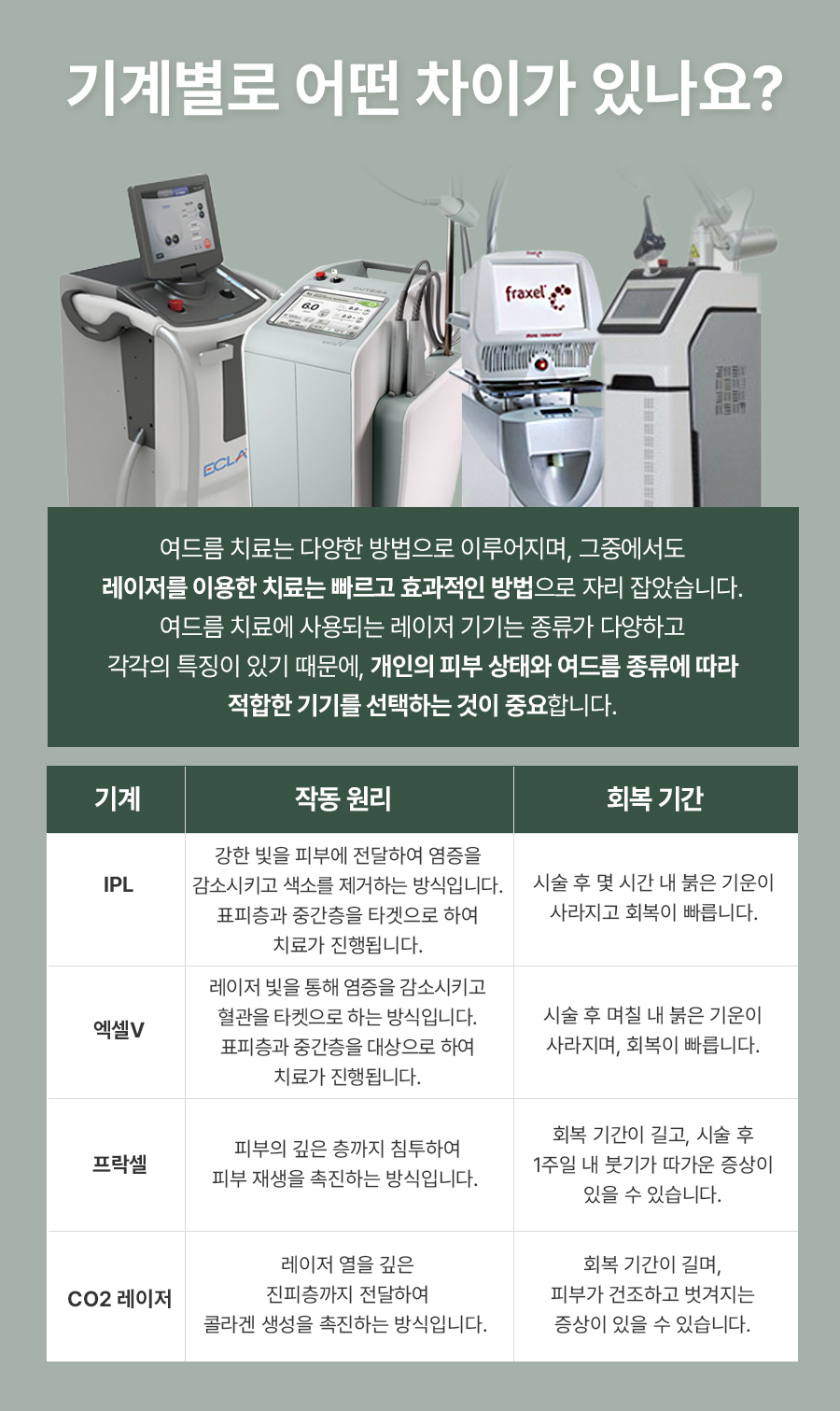
Fractional lasers, such as ProFractional-type devices, create microscopic columns of controlled injury in the skin while leaving surrounding tissue intact. This stimulates collagen remodeling and can gradually improve:
- Depressed acne scars
- Enlarged pores
- Overall skin texture
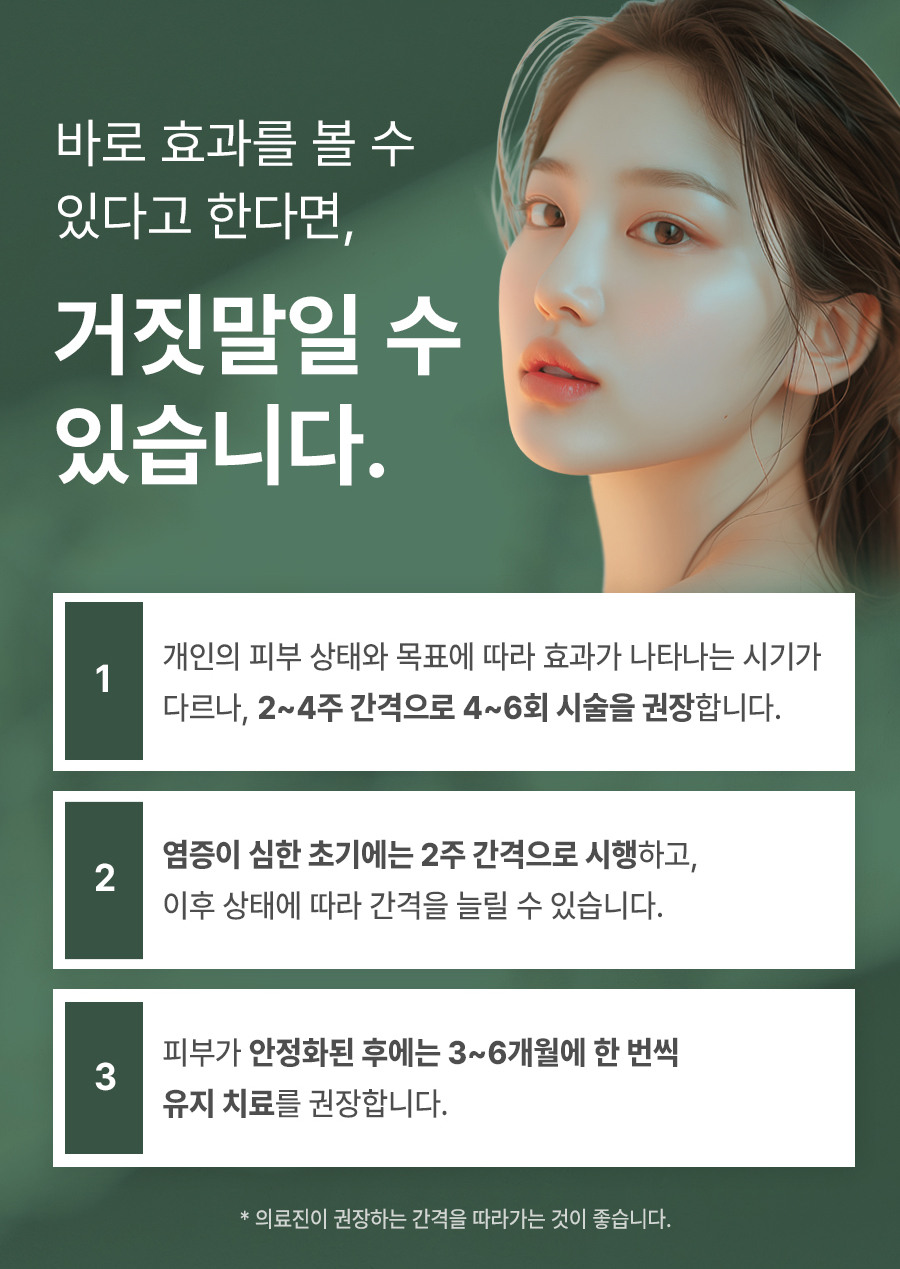
Treatments are usually spaced several weeks apart. Downtime varies from mild redness and roughness for a few days to more visible flaking, depending on the energy used. For international patients, planning these sessions around your travel schedule is important.
RF microneedling systems
RF microneedling devices, such as Secret RF-type systems, use fine needles to deliver radiofrequency energy into the dermis. This can be useful for:
- Rolling and boxcar scars
- Mild to moderate laxity around scarred areas
- Pore and texture improvement
Compared to some lasers, RF microneedling can be more suitable for darker or redness-prone skin when parameters are carefully chosen. Numbing cream is usually applied beforehand to reduce discomfort.
Scar fillers for deep scars
For sharply depressed, narrow scars that do not respond fully to lasers or RF, hyaluronic acid-based scar fillers can be used to elevate the base of the scar. This is a precise procedure that requires an understanding of acne scar anatomy to avoid unevenness or overcorrection.
The dermatologist assesses which scars are suitable and may combine fillers with subcision (releasing tethered scar bands) and device-based treatments for a more balanced surface.
Gold-based and selective photothermal therapies
Some Dongtan clinics also use advanced gold particle or similar selective photothermal treatments as part of a comprehensive acne and pore strategy. These techniques aim to:
- Target sebaceous glands more selectively
- Improve oiliness and pores with controlled thermal effects
- Support long-term maintenance after initial acne control
These are typically integrated into a broader program rather than used alone.
Safety, downtime, and realistic timelines
Managing pain and downtime
Many international patients worry about pain and time off work or study. In a Dongtan dermatology center, common approaches include:
- Topical numbing cream before lasers and RF microneedling
- Cooling devices during or after procedures
- Post-treatment soothing masks or LED therapy
Downtime depends on the procedure. Medical facials and mild peels usually have minimal visible effects. PDT can cause temporary redness and light sensitivity. Fractional lasers and RF microneedling may lead to redness, swelling, and roughness for several days.
Typical treatment timelines
While every patient is different, an approximate timeline might be:
nd pores
Results are gradual and depend on your baseline severity, skin type, and adherence to the plan. There is no guaranteed cure, but structured care can significantly improve both active acne and long-term texture.
Safety measures and risk reduction
The presence of dermatologists who are active members of national and international dermatology, acne, and laser societies helps ensure that treatment protocols are based on current evidence.
Before any procedure, you should be informed about expected effects, possible side effects, and post-care instructions. Non-insurance fee schedules are typically disclosed at the clinic according to local regulations, and some centers provide before-and-after photos for registered members to support realistic expectations.
Planning your Korea visit for Dongtan acne treatment
Pre-visit online consultation
Before you book flights, it is sensible to arrange an online consultation or at least send clear photos and a medical questionnaire. Many Dongtan clinics allow online reservation through major local portals for certain weekdays, which can help reduce waiting time.
For an effective online consultation, prepare:
Front and side photos of your face in natural light, without heavy makeup or filters
A list of current and past acne treatments, including any isotretinoin use
Information about your skin type, tendency to redness or pigmentation, and any allergies
Your preferred travel dates and how many days you can stay in Korea
The dermatologist can then suggest whether a short, intensive course or a longer, staged plan would be more realistic for your situation.
Suggested visit timelines
Short stay (about 5 to 7 days)
Suitable if your main goal is to start a medical acne program, adjust medications, and receive one or two low-downtime procedures such as medical facials, mild peels, or possibly a first PDT session.
You might follow this pattern:
Day 1: In-person consultation, skin assessment, start medications, and first medical acne treatment
Day 3 to 5: Second session (for example, PDT or another medical facial) and review of tolerance
Day 5 to 7: Final check, adjustment of home care routine, and planning of follow-up via online consultation
Medium stay (about 2 to 3 weeks)
This allows for:
Initial assessment and treatment planning
One or two PDT sessions
Possibly one fractional laser or RF microneedling session for scars, with enough time for early healing
Longer-term program (repeated visits)
For significant scarring or severe, long-standing acne, a single visit is rarely enough. In such cases, you may:
- Begin the program during your first trip
- Continue medications and basic skincare at home
- Return to Korea every few months for device-based sessions
Your dermatologist can help you coordinate this with your work or study schedule.
Aftercare and lifestyle guidance
Post-procedure care
After acne and scar treatments in Dongtan, you will usually be advised to:
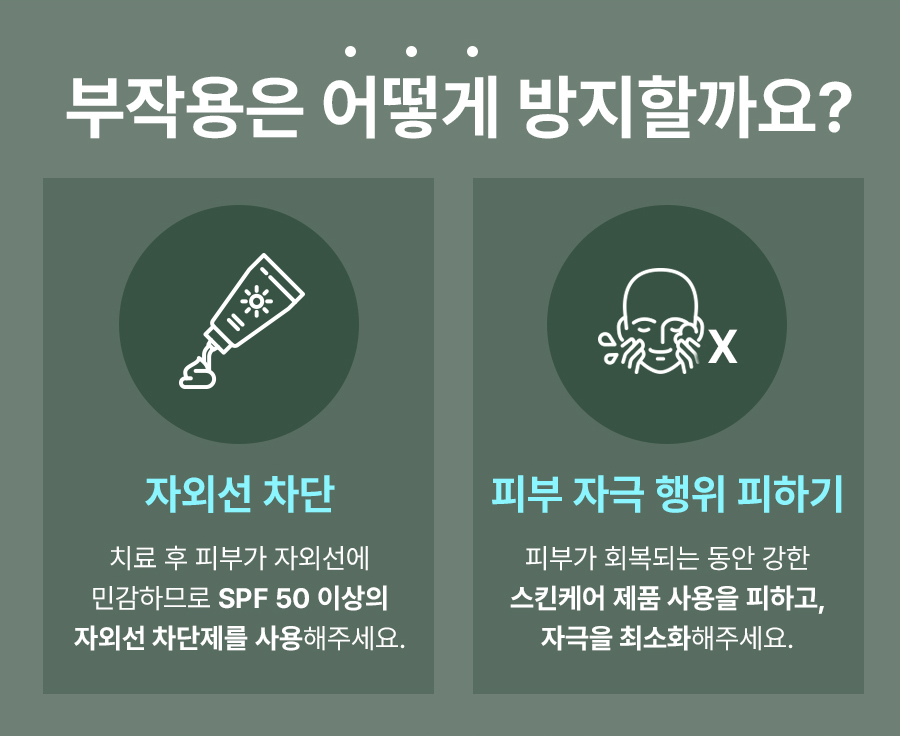
- Avoid direct sun exposure and use broad-spectrum sunscreen daily
- Skip saunas, hot baths, and intense exercise for a few days after procedures
- Avoid picking, scratching, or scrubbing treated areas
- Use gentle, non-comedogenic cleansers and moisturizers
- Pause certain active skincare ingredients (such as strong acids or retinoids) around the time of procedures, as instructed

If you experience unusual pain, swelling, or pigmentation changes, you should contact the clinic promptly, even if you have already returned home.
Long-term maintenance
Because acne is chronic, long-term control often includes:
A simplified, consistent skincare routine
Occasional maintenance procedures such as light peels, PDT, or low-energy laser or RF treatments
Lifestyle adjustments related to sleep, stress, and mask use
Your dermatologist may schedule periodic online follow-ups to adjust medications and decide when in-clinic maintenance is needed.
What makes a Dongtan clinic a reliable choice for acne and scars
When comparing options in Dongtan new town and nearby areas, you can look for:
Two board-certified dermatologists with university hospital teaching experience
Evidence of active involvement in dermatology, acne, and laser societies
A range of devices for acne and scars, including PDT, fractional lasers, RF microneedling, scar fillers, and selective photothermal systems
Transparent explanation of treatment plans, expected timelines, and possible side effects
Clear information on non-insurance fees provided at the clinic
Convenient location on Dongtan-daero Sibeom-gil, with weekday and Saturday hours, extended Friday evenings, and a lunch break
Instead of focusing only on price, ask a few concrete questions that matter for international patients. For example: "How many follow-up visits are typically included, and what is the expected downtime after each procedure?" and "Do you provide postoperative instructions and remote follow-up in English if I return home?" You can also ask about the general type of device or approach and the usual number of sessions required. These specifics help you compare clinics based on medical care and practical support rather than marketing alone.
Frequently asked questions
How many sessions are usually needed for acne improvement?
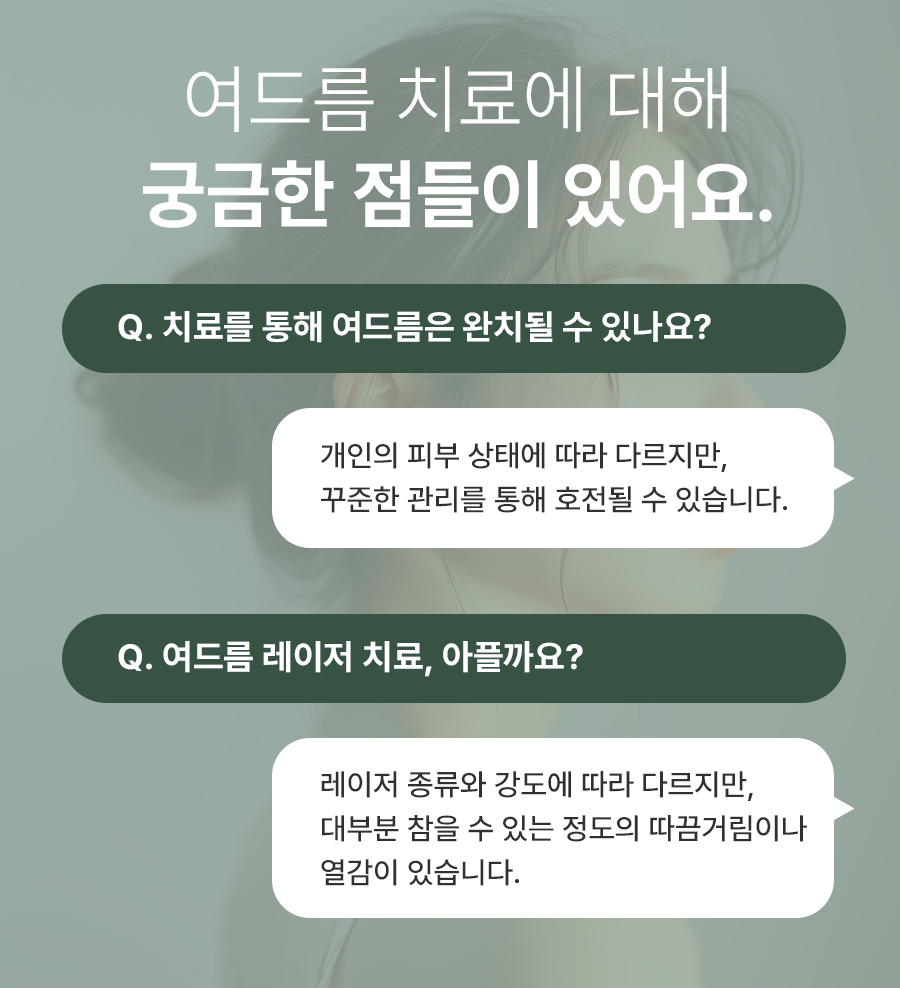
The number of sessions depends on your acne severity, skin type, and how long the problem has been present. Many patients notice improvement in inflammatory lesions after 4 to 8 weeks of a structured program that combines medications and medical acne treatments. PDT may be performed in several sessions spaced weeks apart. For scars and pores, 3 to 6 sessions of fractional laser or RF microneedling are commonly recommended, with gradual changes rather than an instant transformation.
When should I start scar treatment after acne?
Scar-focused treatments generally start once active inflammation is under good control. If you still have frequent new pustules or nodules, the priority is to calm those first to avoid creating new scars. Mild texture work can sometimes begin while a few lesions remain, but deeper fractional laser or RF microneedling is usually delayed until the skin is more stable. Your dermatologist in Dongtan will time this based on your breakouts, skin sensitivity, and travel schedule.
Is PDT or laser painful?
Most patients tolerate PDT and laser treatments with the help of numbing cream and cooling. PDT can cause a warm or stinging sensation during light exposure, and some people feel tightness or redness afterward. Fractional lasers and RF microneedling may feel prickly or hot, but topical anesthesia significantly reduces discomfort. Pain levels vary by individual, so it is important to tell your dermatologist about your tolerance so they can adjust settings and supportive care.

Can sensitive or redness-prone skin still receive acne treatment?
Yes, but the approach must be more cautious. In Dongtan dermatology centers, the dermatologist first evaluates whether you have conditions such as rosacea or a highly reactive barrier. They may start with gentle medical facials, barrier-repair skincare, and lower-strength medications before introducing PDT or devices. Laser and RF parameters can be adjusted, and some procedures may be avoided or delayed if your redness is severe. Individualized planning is essential to reduce the risk of flares or pigmentation.
What should I avoid before and after procedures?
Before your visit, it is usually recommended to avoid strong exfoliants, at-home peels, and new, untested products for at least a week. If you are on medications like isotretinoin or photosensitizing drugs, inform the clinic in advance. After procedures, avoid sun exposure, saunas, hot baths, and strenuous exercise for several days, and follow the specific skincare routine provided by your dermatologist. Do not pick or peel flaking skin, and use only the approved gentle products until your skin has recovered.
Soft call to action
If you are considering Dongtan acne treatment and would like a structured, dermatologist-led plan rather than trial-and-error products, you can begin with an online consultation. By sharing photos, your treatment history, and your planned travel dates, a Dongtan dermatology clinic can outline a realistic program for acne control and scar improvement that fits your time in Korea.
This guide is for general information only and does not replace a personal consultation with a qualified dermatologist. Individual diagnosis and treatment plans should always be made in direct discussion with a medical professional.
- 공유 링크 만들기
- X
- 이메일
- 기타 앱


댓글
댓글 쓰기