Dongtan Acne Treatment: How Dermatology Specialists Tackle Breakouts and Scars
- 공유 링크 만들기
- X
- 이메일
- 기타 앱
Direct answer for patients searching “Dongtan acne”
If you are in Dongtan New Town or visiting Korea and experience persistent, painful breakouts or acne scars, simply changing cleansers or trying random products may not be enough. Acne is a medical condition; if it does not improve after several weeks of appropriate over‑the‑counter care, consider booking a dermatology consultation. For the visit, bring photos of recent flare‑ups, a list of current skin products and medications, and a record of previous treatments so the clinician can recommend a structured treatment plan.
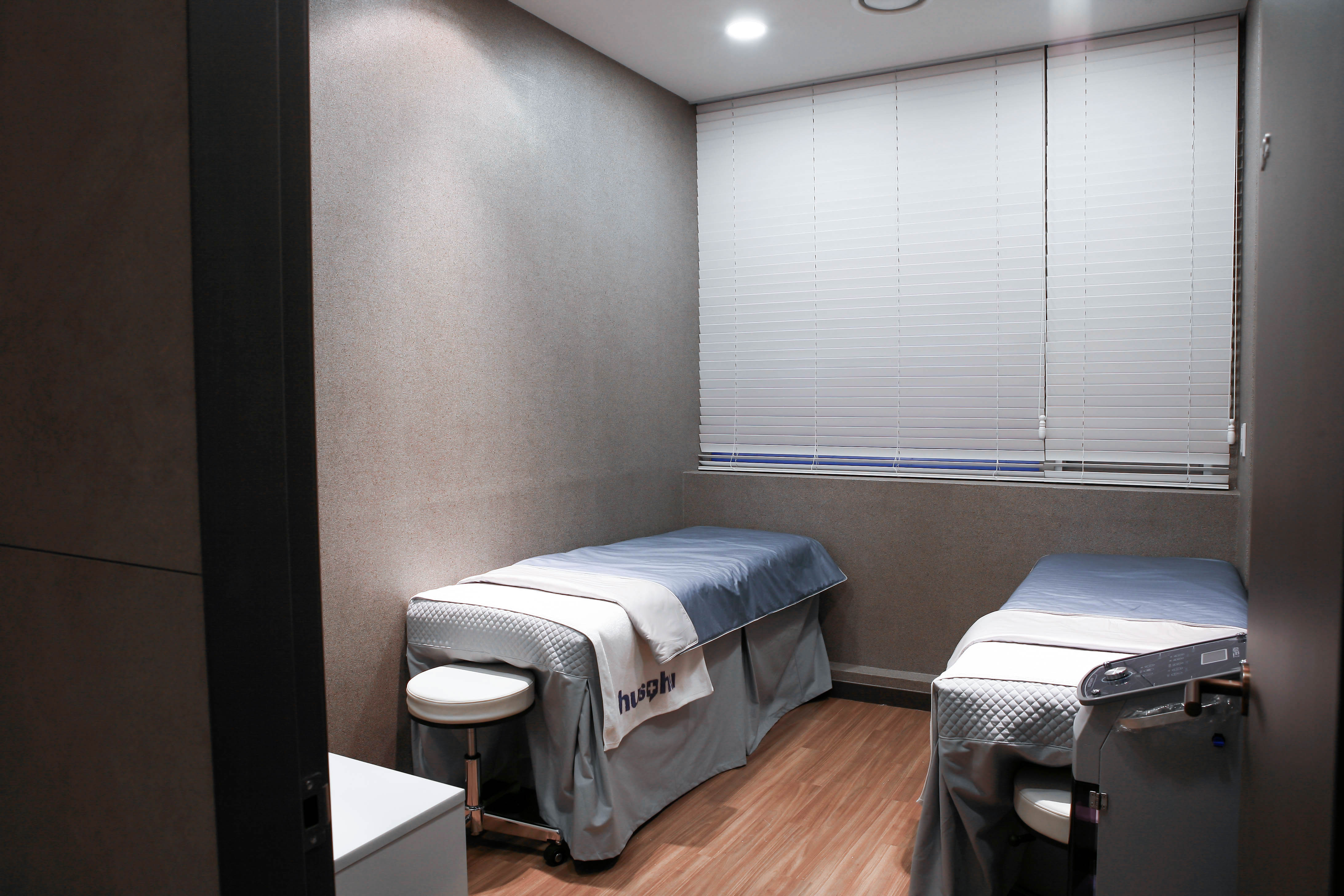
In Dongtan New Town, a dermatology clinic provides care for acne, acne scars, and related inflammatory skin conditions. The clinic's dermatologists offer treatments that can include topical and systemic therapies as well as laser and light‑based options; check the clinic's staff profiles or contact them directly for specific qualifications and training information.
This guide explains how specialist‑led acne programs in Dongtan typically work, what international patients can expect when visiting Korea for acne care, and how to prepare in advance through online consultation.
What makes acne a medical condition, not just a cosmetic concern
Acne is a chronic inflammatory disease of the pilosebaceous unit, which includes the hair follicle and its oil (sebum) gland. It is not simply a matter of “dirty skin” or poor hygiene.
In Dongtan residents and visitors, common triggers include ongoing stress from work or study, long hours of mask use, excess sebum production, hormonal fluctuations, unsuitable cosmetics, and repeatedly touching or picking at spots.
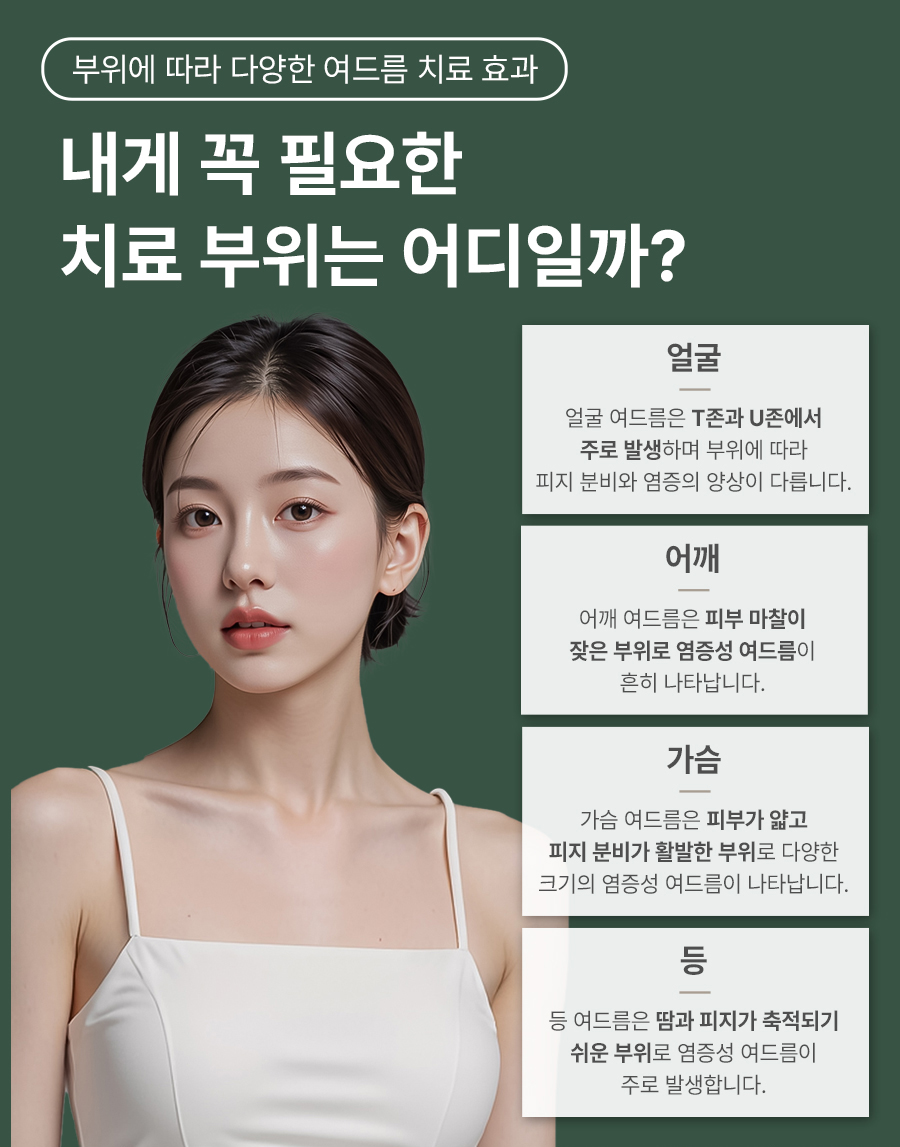
When inflammation continues or lesions are squeezed and irritated, several long‑term problems can appear:
- Red marks that persist after the pimple has healed
- Brown spots or post‑inflammatory hyperpigmentation
- Enlarged pores and uneven skin texture
- Permanent atrophic scars such as rolling, boxcar, or icepick scars
Because of this, dermatology guidelines recommend early, consistent treatment for moderate to severe or recurrent acne, especially when there is a family history of scarring.
When Dongtan residents and overseas visitors should see a dermatologist
You may consider a specialist visit in Dongtan if any of the following apply:
Your acne has lasted more than several months despite over‑the‑counter products.
You have painful, deep nodules or cysts, especially on the cheeks or jawline.
You notice new scars or persistent red/brown marks after each breakout.
Acne is affecting your confidence, work, or social life.
You have tried multiple online “solutions” or beauty treatments without stable improvement.
For international patients planning a Korea visit, it can be efficient to combine your trip with a structured acne program when:
You want to review or adjust long‑term medications such as isotretinoin under specialist supervision.
You are interested in light therapy, photodynamic therapy (PDT), or laser procedures that may not be easily available or accessible in your home country.
You wish to address both active acne and existing scars in a coordinated plan.
How a Dongtan dermatologist evaluates acne severity and skin type
First visit flow
Detailed medical and lifestyle history
The dermatologist will ask about:
- When your acne started and how it has changed over time
- Previous treatments, including topical creams, oral medications, or procedures
- Your current skincare routine and cosmetic products
- Menstrual cycle patterns and possible hormonal issues in female patients
- Any medications or supplements you are taking
- Family history of severe acne or scarring
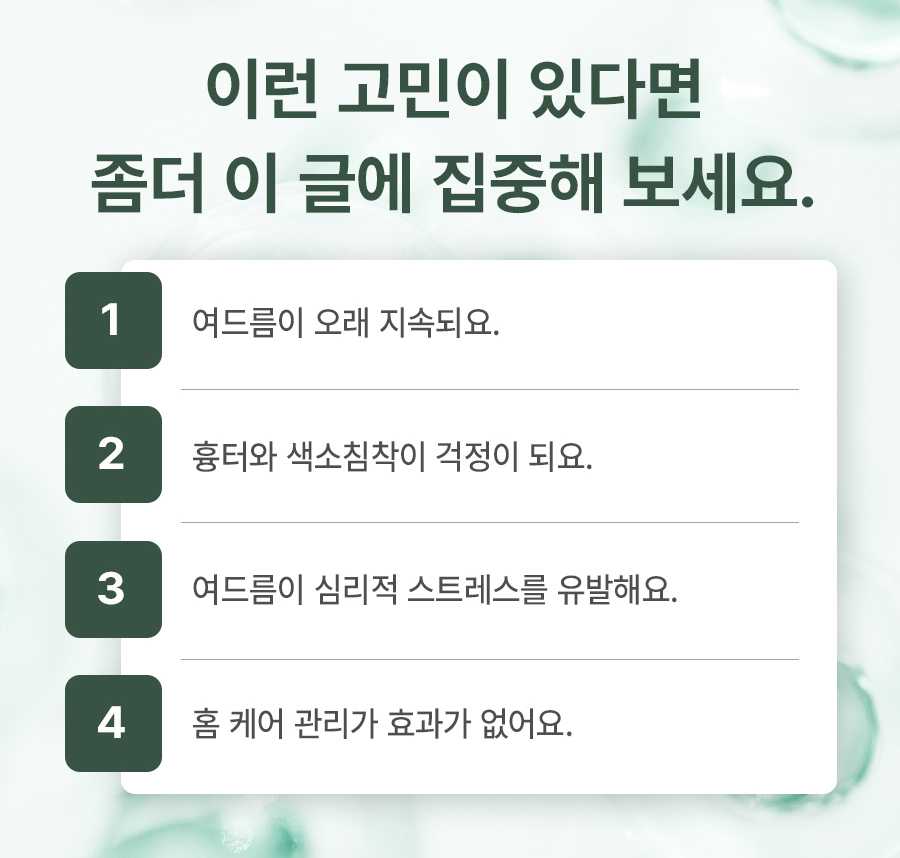
Skin examination
Next, the doctor examines your skin in detail, often under bright or specialized lighting. They assess:
- Types of acne: whiteheads, blackheads, papules, pustules, nodules, and cysts
- Distribution: face (forehead, cheeks, nose, jawline), neck, chest, back, or shoulders
- Presence of redness, active inflammation, or post‑inflammatory marks
- Existing scars: shallow or deep, rolling, boxcar, or icepick types
Skin type and barrier condition
The dermatologist also evaluates:
- Overall skin type: oily, combination, dry, or sensitive
- Barrier function: signs of irritation, flaking, or over‑exfoliation
- Tendency to pigment or scar after inflammation
This evaluation helps avoid a one‑size‑fits‑all approach. For example, a patient with oily, thick skin and deep nodules may benefit from stronger medications and energy‑based treatments, while someone with sensitive, easily irritated skin may need gentler regimens with careful barrier repair.
Customized treatment planning
Based on severity, skin type, and scar risk, the dermatologist explains a stepwise plan. This often includes medical therapy to bring inflammation under control, followed by targeted procedures for pores and scars. The plan is adjusted over time according to your response, side effects, and lifestyle.
Step‑by‑step acne treatment options in a Dongtan dermatology clinic
Comprehensive acne programs
Many Dongtan clinics operate structured acne programs rather than isolated, one‑time procedures. These programs aim to:
- Reduce active inflammation and number of new lesions
- Normalize sebum production and keratinization (shedding of dead skin cells)
- Prevent or minimize long‑term scarring and pigmentation
A program may combine:
Prescription medications
In‑clinic procedures such as light therapy, gentle peels, or comedone extraction
Home care guidance, including cleanser, moisturizer, and sunscreen choices
Medical therapy
Topical treatments
Topical medications are often the first line for mild to moderate acne or used together with oral therapy in more severe cases. Depending on your skin, the dermatologist may prescribe:
- Topical retinoids to normalize cell turnover and prevent clogged pores
- Benzoyl peroxide to reduce acne‑causing bacteria and inflammation
- Topical antibiotics for short‑term control of inflamed lesions
- Azelaic acid or other agents for both acne and post‑inflammatory marks
The choice and concentration are tailored to your sensitivity. For example, someone with easily irritated skin may start with a lower‑strength retinoid applied only a few nights per week, combined with a soothing moisturizer.
Oral medications
For moderate to severe or persistent acne, oral medications may be recommended:
Oral antibiotics to reduce inflammation and bacterial load for a limited period
Hormonal therapies for suitable female patients, such as certain combined oral contraceptives or anti‑androgen agents, when acne is linked to hormonal imbalance
Oral isotretinoin for severe, scarring, or treatment‑resistant acne. Note: isotretinoin is highly teratogenic and requires specialist supervision, informed consent, strict pregnancy prevention measures for people who can become pregnant (including reliable contraception), baseline and regular pregnancy testing as indicated, and routine monitoring of side effects and laboratory tests.
Medication type, dose, and duration are decided by dermatology specialists after weighing the benefits and potential risks. They also consider your travel schedule if you are visiting from overseas, and may coordinate follow‑up with your local doctor when appropriate.
Light therapy and photodynamic therapy (PDT)
For patients who do not respond well to basic treatments or who wish to reduce long‑term reliance on oral medications, light‑based treatments can be an option.
Photodynamic therapy (PDT) and other light therapies work by:
- Targeting sebaceous glands to decrease excessive oil production
- Reducing acne‑causing bacteria on the skin
- Improving inflammatory lesions and sometimes helping with redness
In a typical PDT session, a photosensitizing agent is applied to the skin and allowed to absorb, then activated by a specific light source. The dermatologist adjusts the protocol based on your skin type, acne severity, and tolerance for downtime such as temporary redness or peeling.
Laser and energy‑based treatments for pores and scars
Once active inflammation is better controlled, attention often shifts to the after‑effects: enlarged pores, uneven texture, and scars. This is where the clinic’s experience with lasers and energy devices becomes important.
Typical options include:
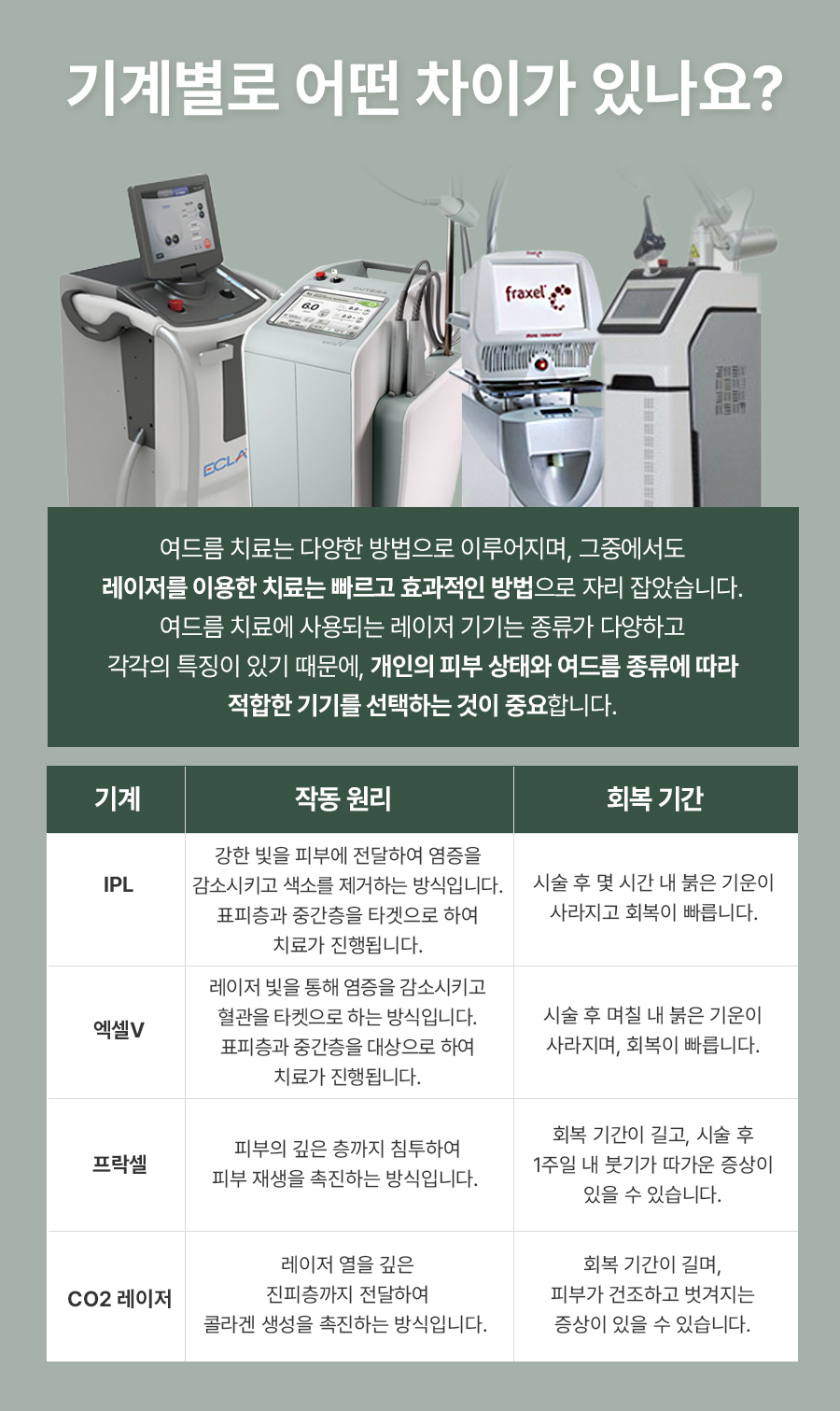
Fractional lasers
Fractional lasers create microscopic columns of controlled injury in the skin, stimulating collagen remodeling while leaving surrounding tissue intact. Over a series of sessions, this can improve:
- Shallow acne scars
- Fine irregularities in texture
- Enlarged pores
Radiofrequency and other energy‑based systems
Radiofrequency (RF) microneedling or similar devices deliver heat into deeper layers of the skin while minimizing surface damage. This can help with:
- Rolling and boxcar scars
- Skin laxity around scarred areas
- Overall texture and pore appearance
Specialized scar programs
For complex scarring, a combined approach is often used. A program may include:
- Subcision for tethered, depressed scars
- Fractional laser or RF sessions for collagen remodeling
- Scar fillers for selected deep, sharply depressed scars
Energy settings, treatment intervals, and combinations are adjusted by the dermatology specialists after considering your skin type, scar pattern, pain tolerance, and desired downtime. International patients often prefer schedules that group procedures efficiently within their stay in Korea.
Supportive treatments and skincare guidance
Gentle in‑clinic care
In addition to major procedures, supportive treatments can improve comfort and outcomes:
- Professional comedone extraction to clear clogged pores in a controlled way
- Soothing masks, light peels, or barrier‑repair treatments to calm irritation
- Hydration and barrier support after stronger therapies such as PDT or lasers
Daily skincare and sun protection
Your dermatologist will usually review your current products and suggest:
A mild, non‑stripping cleanser suitable for your skin type
Non‑comedogenic moisturizers that support barrier repair without clogging pores
Broad‑spectrum sunscreen to reduce the risk of post‑inflammatory hyperpigmentation, especially after procedures
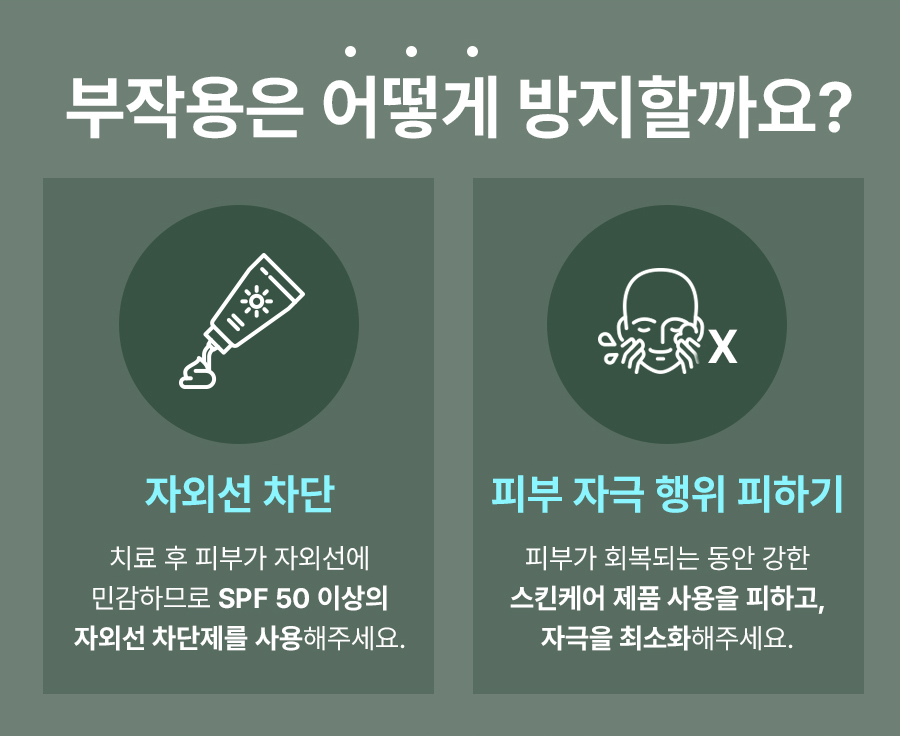
For overseas patients, it is helpful to bring photos or a list of your usual skincare products so the doctor can recommend what to continue, what to pause, and what to replace.
Safety, expertise, and device management in a Dongtan dermatology clinic
Specialist‑led care
Procedures are generally performed or supervised by dermatologists at the clinic; contact the clinic to confirm who will perform or oversee a specific treatment. The clinic reports that its staff engage in ongoing professional education to stay current with evidence‑based acne and laser treatments.
Safe device use and transparency
Ask the clinic which devices they use and request documentation about device models and maintenance or calibration records if this is important to you. Before any non‑reimbursed treatment, ask for a clear explanation of fees and a written estimate so you can make an informed decision.
For international visitors, language support or written summaries in English may be offered so you clearly understand the plan, expected number of sessions, possible side effects, and aftercare.
Tips for daily acne care and preventing new scars
While specialist treatment is central, daily habits also matter. General tips include:
Avoid aggressive scrubbing or frequent harsh exfoliation, which can damage the skin barrier and worsen inflammation.
Do not squeeze or pick at lesions, especially deep nodules or cysts, to reduce the risk of permanent scarring and pigmentation.
Use non‑comedogenic makeup and remove it gently but thoroughly at the end of the day.
Manage stress through sleep, exercise, or relaxation techniques when possible, as stress can aggravate breakouts.
Follow your dermatologist’s instructions about when to resume active products after procedures.
How to prepare for your first acne consultation in Dongtan
Pre‑visit online consultation
For overseas patients, an online consultation before traveling to Korea can be very helpful. Many clinics in Dongtan offer online reservations on selected weekdays through major local portals, as well as phone booking.
During an online or email consultation, you may be asked to provide:
- Clear photos of your face and any affected areas (front, sides, and close‑ups)
- A brief history of your acne and previous treatments
- Current medications and supplements
- Known allergies or medical conditions
This information allows the dermatologist to estimate which treatments might be suitable and how many visits you may need during your stay.
What to bring to your in‑person visit
When you come to the clinic, consider bringing:
A list or photos of your current skincare and makeup products
Names and doses of any medications you are taking
Previous test results related to acne treatment, if available (for example, blood tests done for isotretinoin)
A note of any specific concerns, such as scars you particularly want to address or upcoming events that limit downtime
Experience‑based checklist before you decide
Before confirming a treatment plan, many patients find it useful to ask the clinic:
Which dermatologist will be directly responsible for my care and follow‑up?
What are the main goals for the first phase (for example, inflammation control) and the second phase (scars and texture)?
Which devices are planned, and what kind of downtime and number of sessions should I expect?
How will aftercare be managed once I return to my home country?
Focusing only on price can be misleading. It is more helpful to compare:
- Type and generation of devices used for acne and scars
- Energy settings or intensity ranges typically used for your skin type
- Whether topical anesthesia or pain control is included
- Number and spacing of sessions recommended
- Post‑procedure care and follow‑up support
Expected Korea visit timeline for acne and scar treatment
Short visit (about 3–5 days)
Suitable for:
Initial specialist evaluation and treatment planning
Starting or adjusting medications
One or two light‑based or supportive procedures, such as PDT or gentle laser sessions with minimal downtime
The dermatologist may design a plan you can continue at home, with remote follow‑up.
Medium visit (about 1–2 weeks)
Allows for:
- Comprehensive evaluation and baseline photos
- Initiation of medical therapy
- A short series of in‑clinic treatments such as PDT, light therapy, and possibly the first fractional laser or RF session
- Monitoring of early response and adjustment of skincare
Longer or repeated visits
For more advanced scar programs, multiple sessions spaced several weeks apart are usually needed. Some international patients:
Plan a longer stay in Korea to complete several sessions
Or schedule repeat visits every few months, combining treatment with business trips or holidays
Your dermatologist can help you prioritize which procedures will give the most benefit within your available time.
Aftercare and long‑term management
Immediately after procedures
Depending on the treatment, you may experience temporary redness, swelling, or mild peeling. The clinic will provide:
Instructions on cleansing and moisturizing
Which products to avoid for a certain period (for example, retinoids or exfoliants)
Sun protection guidance and recommended sunscreen types
Long‑term follow‑up
Acne is a chronic condition, so maintenance is often needed. This may include:
- Continued topical therapy at a lower intensity
- Occasional in‑clinic treatments for flare‑ups or new scars
- Lifestyle and skincare adjustments based on seasonal or hormonal changes
For overseas patients, the Dongtan dermatologists may coordinate with your local doctors or provide written summaries so your care can continue smoothly after you return home.
Frequently asked questions about Dongtan acne treatment
How long does it usually take to see improvement in acne?
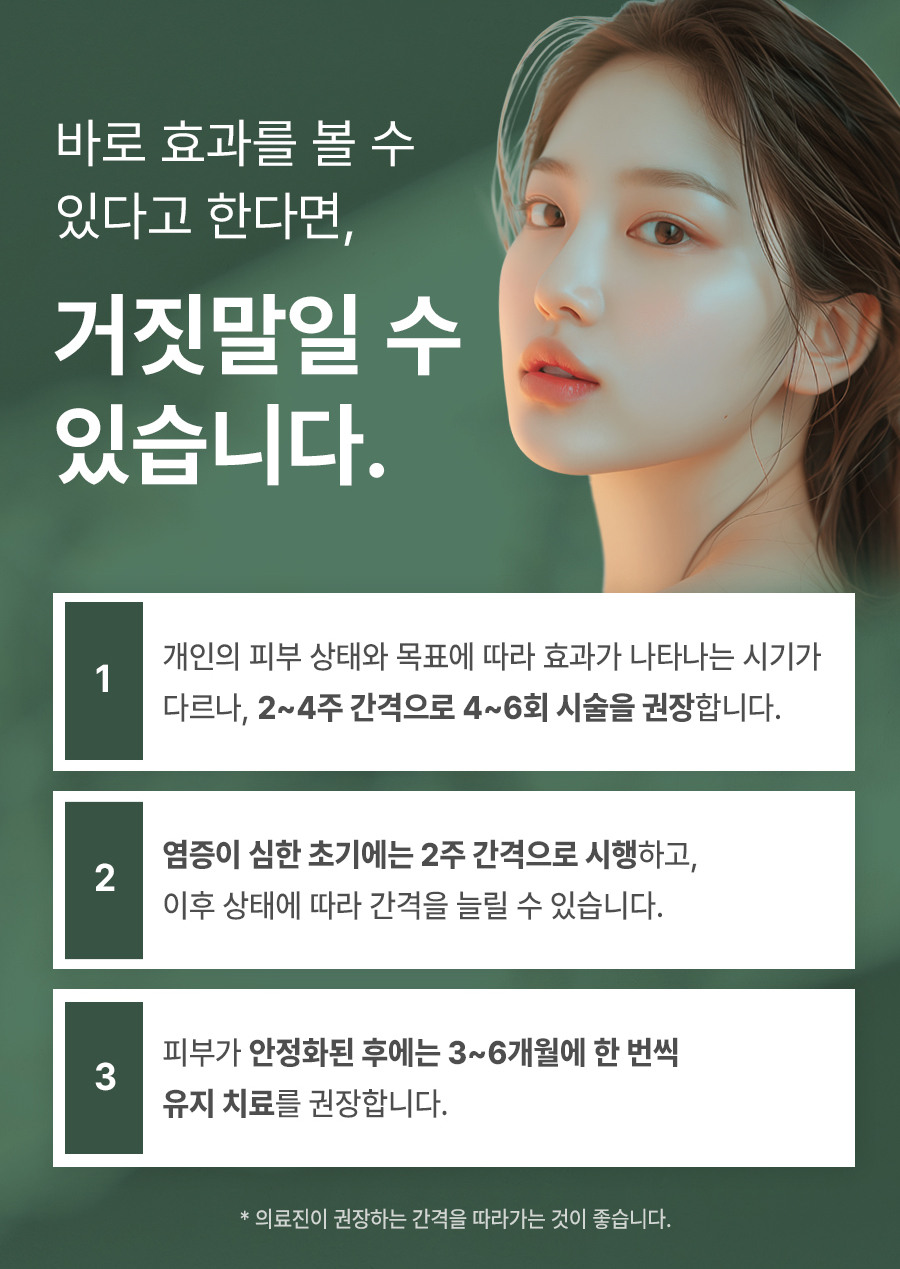
Most patients begin to notice changes within several weeks of starting a structured program, especially with appropriate medical therapy. However, significant improvement in both active acne and scars often requires several months of consistent treatment. Your dermatologist will explain realistic timelines based on your starting severity and chosen procedures.
Can I treat both active acne and scars during one trip to Korea?
In many cases, yes, but the approach is usually staged. The first priority is to calm active inflammation with medications and possibly light‑based treatments. Once breakouts are more stable, the dermatologist may begin gentle scar‑focused procedures, especially if your schedule allows. For deeper or more complex scars, multiple visits or a longer stay may be recommended.
Is photodynamic therapy (PDT) or laser treatment painful?
Discomfort levels vary by procedure and individual sensitivity. PDT can cause a warm or stinging sensation during light exposure, while fractional lasers and RF treatments may feel prickly or hot. Topical anesthetic creams and cooling are commonly used to reduce discomfort. Your dermatologist will discuss pain control options and choose settings that balance effectiveness with tolerability.

What should I check before choosing an acne clinic in Dongtan?
Consider whether dermatology specialists directly evaluate and treat patients, and ask about their training and academic involvement. Check which devices are used for acne and scars and whether they are genuine, well‑maintained systems. It is also helpful to ask about the overall program structure, expected number of sessions, downtime, and aftercare support, especially if you are coming from overseas and need to plan your schedule carefully.
Soft call to action for online consultation
If you are considering a visit to Korea for acne treatment, an online consultation before your trip can help you understand which options may suit your skin, how long you should plan to stay, and what kind of results are realistic for your situation. Preparing photos, a medication list, and your main concerns in advance will make your first in‑person visit more efficient and focused.
With a personalized plan and specialist‑led care, it is often possible to reduce active breakouts, protect your skin from new scars, and gradually improve existing marks and texture over time.
- 공유 링크 만들기
- X
- 이메일
- 기타 앱


댓글
댓글 쓰기