Dongtan board-certified dermatologist guide for international patients
- 공유 링크 만들기
- X
- 이메일
- 기타 앱
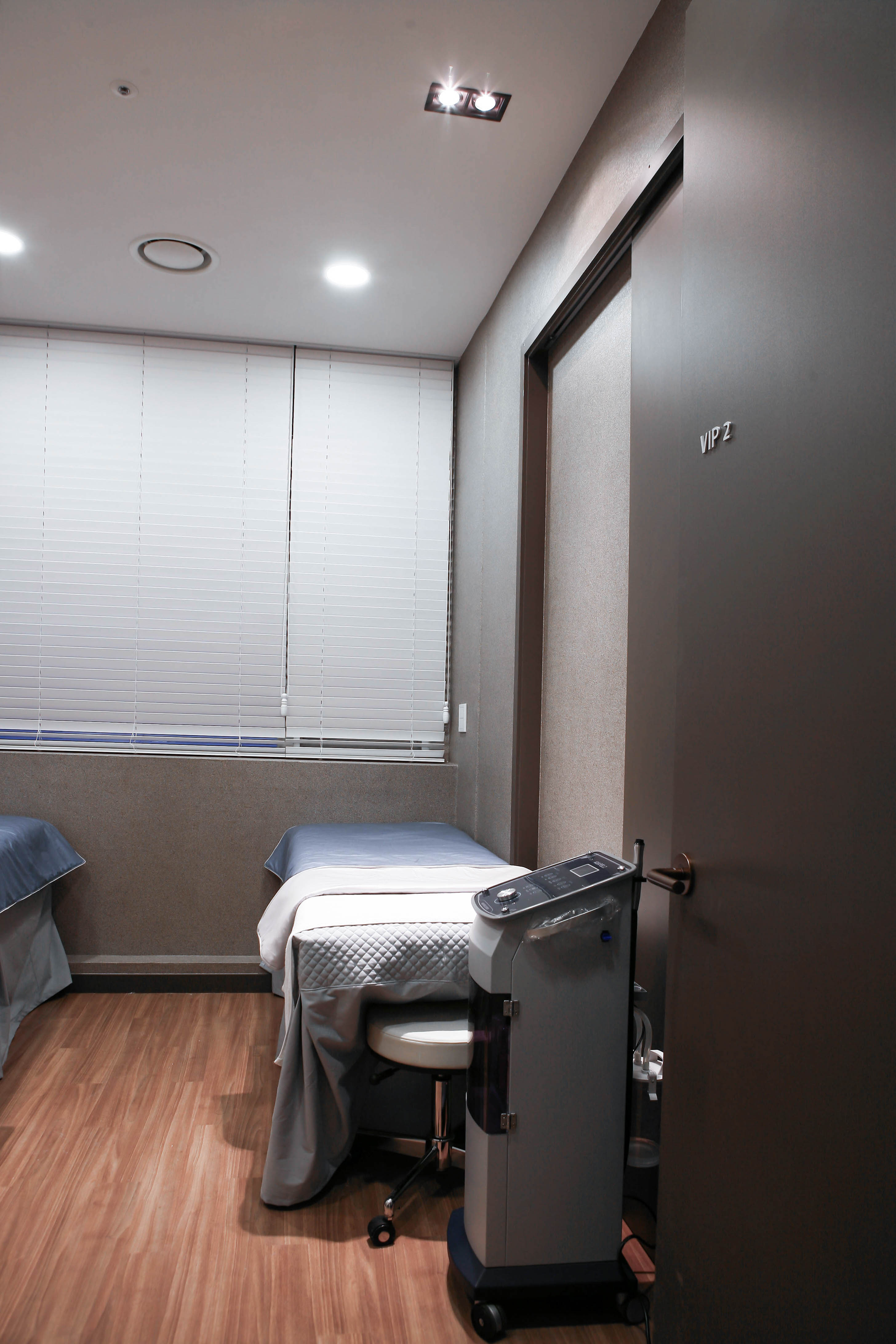
When evaluating clinics, ask whether the treating physician is a board-certified dermatologist and whether they hold any academic or hospital affiliations—these can indicate ongoing clinical and academic involvement. Also ask about the types of medical and cosmetic treatments offered (for example, management of psoriasis, vitiligo, acne, laser procedures, skin tightening, and injectables) so you can confirm they match your needs and expectations.
This guide explains what “board-certified dermatologist” means in Korea, how to choose a trustworthy clinic in Dongtan, what treatments are commonly available, and how an overseas patient can plan a visit, from online consultation to aftercare once you return home.

What board-certified dermatologist means in Korea
In Korea, a board-certified dermatologist is a doctor who has:
Completed medical school and received a medical degree.
Finished a full dermatology residency in an accredited training hospital, usually a university hospital.
Passed the national dermatology board examination.
Only after this process can a doctor call themselves a board-certified dermatologist and practice as a specialist in skin, hair, and nail diseases, as well as medical and aesthetic procedures related to the skin.
Why this matters for patients
Chronic skin diseases such as psoriasis, vitiligo, atopic dermatitis, and many types of hair loss are complex immune or hormonal conditions. They often require long-term planning, combination therapy, and careful monitoring for side effects. A board-certified dermatologist is trained to:
Diagnose accurately, including when a biopsy or blood test is needed.
Choose between topical medicines, oral drugs, injections, and phototherapy.
Adjust treatment as your condition and lifestyle change.

For lasers, energy-based devices, and injectables, specialist-level training means the doctor understands:
Skin layers and anatomy of blood vessels, nerves, and fat pads.
Laser physics and how different wavelengths interact with pigment, blood vessels, and water in the skin.
How energy settings, number of passes, and treatment intervals affect both results and risk of side effects like burns or pigmentation.
In practical terms, this can mean safer treatments, more realistic planning, and better long-term management, especially if you have sensitive skin, darker skin tones, or a history of scarring or pigmentation.
How to choose a Dongtan board-certified dermatologist
When you search for a Dongtan board-certified dermatologist, you will see many clinics offering similar-sounding services. Here are concrete points you can check, especially if you are coming from overseas and need to make decisions before you arrive.
Verify specialist qualification
Confirm that the main doctors are board-certified dermatologists, not general practitioners or doctors from other specialties.
Check whether they completed a dermatology residency at a recognized university hospital.
Look for current or past roles as faculty or outpatient staff at university hospitals, which suggests ongoing academic involvement.
Check disease-specific expertise
If you have psoriasis, vitiligo, atopic dermatitis, or hair loss, see whether the dermatologist is a member of relevant national societies for these diseases.
For laser and aesthetic procedures, memberships in laser societies and international groups such as the American Academy of Dermatology (AAD) indicate active participation in continuing education.
Evaluate devices and transparency
Ask the clinic to name the specific devices they use and to provide information about device models and certifications. Confirming device names allows you to verify that treatments are performed with recognized, certified equipment rather than unbranded or imitation machines. Also check whether the clinic publishes non-reimbursed treatment fees or provides a clear fee schedule; clinics that disclose fees make it easier to compare costs and plan your budget.
Range of medical and aesthetic care
For many patients, especially international visitors, it is convenient to receive both medical and aesthetic dermatology in one place. When reviewing a clinic in Dongtan, see if they offer:
Medical dermatology for chronic diseases, infections, and inflammatory conditions.
Acne and scar programs that combine medicines and procedures.
Pigmentation, redness, and vascular care.
Lifting, tightening, and injectables for anti-aging.
Hair loss and scalp care, plus body-related treatments such as hair removal or hyperhidrosis care.
Consistency and long-term follow-up
Chronic conditions like psoriasis, vitiligo, and atopic dermatitis require long-term follow-up. Ask whether the same dermatologist can follow you over time and whether online follow-up or coordination with your local doctor is possible after you return home.
Example of a Dongtan clinic run by two dermatology specialists
At this clinic, university-hospital-level doctors provide care in a community setting.
Both representative dermatologists:
Graduated from Kyung Hee University School of Medicine.
Completed dermatology residency at Kyung Hee University-affiliated hospitals.
Serve as outpatient faculty in the dermatology department at Kyung Hee Medical Center, seeing patients and teaching younger doctors.
This means that the clinical standards and treatment planning are closely aligned with university-hospital practice, but in a more accessible location for residents of Dongtan 2 New Town and nearby areas.

Lead dermatologist
t hospital of the Presidential Medical Office and as director of a well-known dermatology branch in Apgujeong.
He is a member of multiple Korean dermatology-related societies as well as the American Academy of Dermatology. This background reflects top-tier academic performance, experience with high-level and VIP medical care, and deep experience with acne, atopic dermatitis, hair disorders, and laser treatments.
Second representative dermatologist
This dermatologist completed dermatology residency and is reported to have academic affiliations. They have also undertaken additional training in laser and energy-based device procedures.
He is a member of national societies focused on dermatology, atopic dermatitis, psoriasis, vitiligo, hair diseases, and lasers, as well as the American Academy of Dermatology. This supports particular expertise in psoriasis and vitiligo, and advanced planning of laser and energy-based treatments based on an understanding of skin structure and long-term tissue response.

Together, these two specialists offer university-hospital-level dermatology in Dongtan, combining academic standards with convenient access.
Overview of major treatment areas
Medical dermatology and chronic diseases
The clinic provides care for a wide range of medical skin problems, including:
Psoriasis and vitiligo: These are chronic, immune-related diseases that often affect quality of life. As members of disease-specific societies, the dermatologists can design long-term management plans that may include topical treatments, systemic medications, phototherapy, and targeted procedures.
General inflammatory skin diseases: Conditions such as eczema, atopic dermatitis, urticaria (hives), and various rashes are evaluated and treated with attention to triggers, lifestyle, and possible allergies.
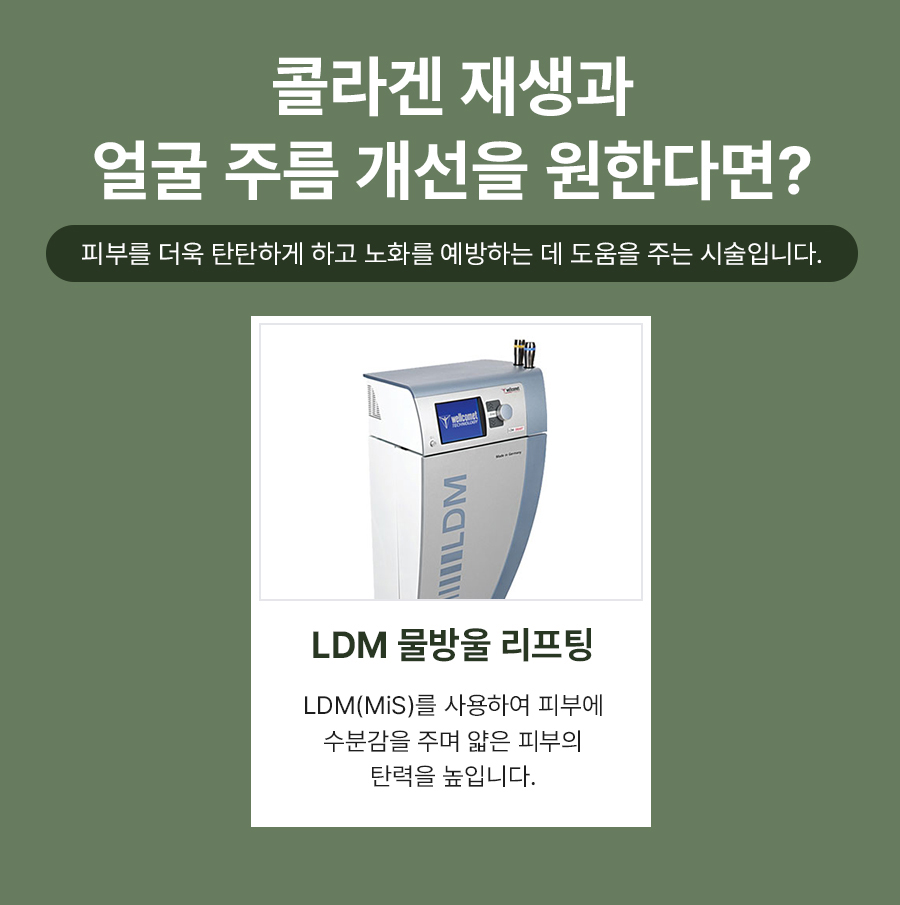
Vascular issues and facial flushing: For chronic redness, visible vessels, and flushing, the clinic uses a vascular laser such as Vbeam Perfecta and a structured redness program. Ultrasound-based skin management with genuine LDM devices can be added to calm and support the skin barrier.
Scalp and hair loss: Hair loss can be related to hormones, genetics, stress, or autoimmune conditions. The dermatologists evaluate the pattern and cause, then plan topical treatments, oral medicines, injections, or device-based therapies.
Nail fungus: A dedicated pinpoint nail fungus program allows targeted treatment of infected nails, often combining topical or oral antifungal medication with laser or light-based procedures.
For international patients, it is important to understand that chronic diseases like psoriasis and vitiligo are not usually solved in one visit. The goal of a visit to a Dongtan board-certified dermatologist is often to establish a diagnosis, create a long-term plan, and perform key treatments that can then be continued or adjusted with your local doctor.

Acne and scar care
Acne is one of the most common reasons young people and adults visit a dermatologist in Dongtan. This clinic offers structured acne programs that may include:
Medical treatment: Topical creams, gels, and oral medicines to control inflammation, oil production, and bacterial growth.
PDT (photodynamic therapy): A treatment where a light-sensitive substance is applied to the skin and then activated by a special light, targeting oil glands and acne-causing bacteria.
Board-certified dermatologists tailor combinations of these options based on acne severity, presence of scars, and skin type. For example, a teenager with active inflammatory acne may focus first on medical treatment and gentle procedures to prevent new scars, while an adult with stable but scarred skin may benefit more from fractional lasers, Secret RF, or scar fillers.
Safety and scar prevention are key, especially for teens and young adults. The specialists consider the risk of post-inflammatory pigmentation and adjust energy levels and treatment intervals to reduce downtime and side effects.

Pigmentation and melasma
Pigmentation problems such as melasma, sun spots, and uneven tone are another major focus. This clinic offers:
Whitening and toning programs.
Fotona laser toning.
GentleMax Pro.
BBL (BroadBand Light).
Iontophoresis-based treatments, which use a mild electric current to help brightening or anti-inflammatory ingredients penetrate the skin.
Melasma and other pigmentary disorders require careful diagnosis of depth (epidermal vs dermal) and pattern. Overly aggressive lasers or inappropriate wavelengths can sometimes worsen pigmentation, especially in darker skin types.

Dermatology specialists plan staged treatments and maintenance, rather than promising a one-time solution. This may involve a series of gentle laser or light sessions, topical medicines, and strict sun protection, followed by maintenance visits every few months.
Lifting, anti-aging, and injectables
For patients interested in anti-aging and facial contouring, the clinic provides a wide range of lifting and injectable treatments, including:
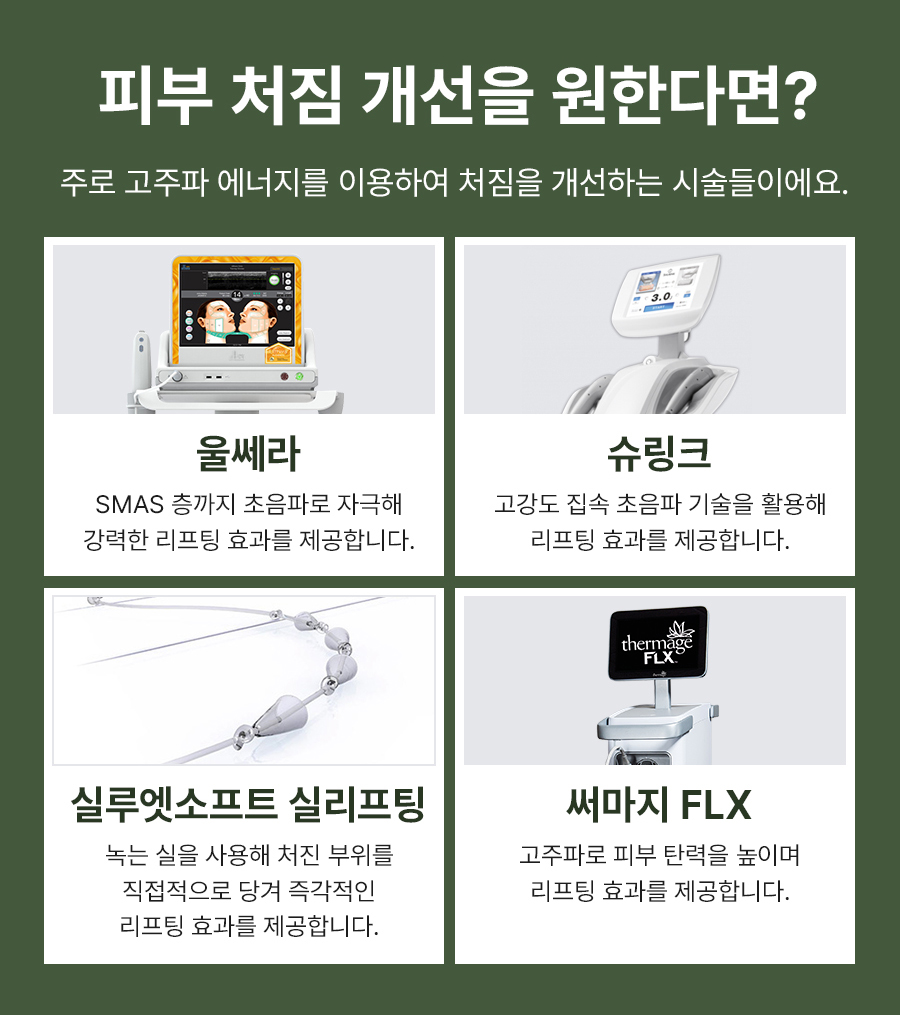
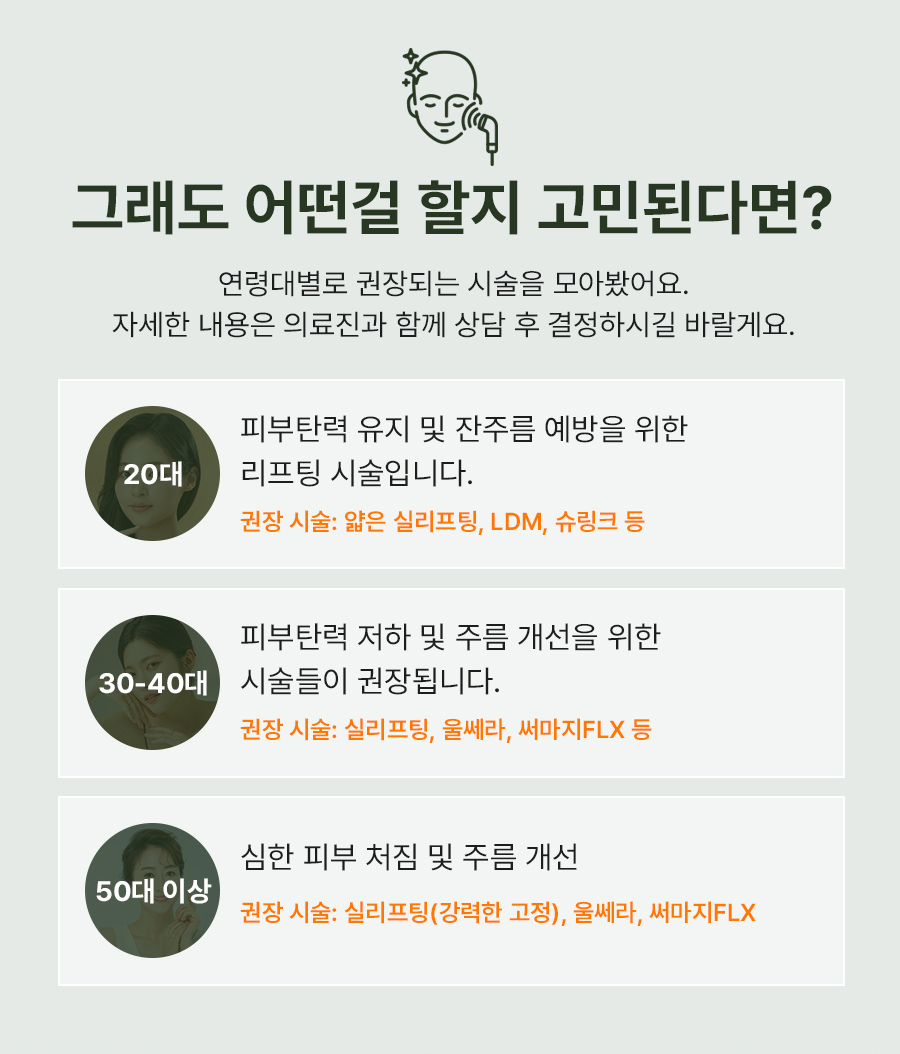
3D Ultherapy and Shurink: Ultrasound-based lifting devices that deliver energy to deeper layers of the skin and supporting tissue.
Thermage FLX and SkinTyte: Radiofrequency and infrared-based devices for tightening and improving skin texture.
Onda-based lifting: A device that targets fat and skin laxity in specific areas.
Thread lifting: Using threads such as Mint lifting or Silhouette Soft to mechanically lift and support sagging areas.
Rejuran and other anti-aging injections: Skin boosters that aim to improve texture and elasticity.
Belkyra for submental fat: Injections designed to reduce fat under the chin.
Hyaluronic acid fillers and specialized fillers such as Juvelook or Ellanse-type products.
Hydro-lifting or water glow injections: Micro-injections of hydrating substances to improve overall skin radiance.
Botox: For dynamic wrinkles, jawline slimming, or hyperhidrosis.
The second dermatologist’s training at the UCI Beckman Laser Institute and membership in laser-related societies supports a treatment approach based on understanding of skin structure, energy delivery, and long-term tissue behavior. The focus is on natural-looking results and anatomical safety, with procedures performed or directly supervised by the dermatologists.

Body and other services
Beyond the face, the clinic also offers:
Body clinic services: Stretch mark care, body contour-related treatments, and skin tightening.
Hair removal: Laser hair removal for various body areas.
Hyperhidrosis treatment: Management of excessive sweating, including body botox where appropriate.
Additional systems that may be helpful for overseas patients include:
Before-and-after photo gallery: Accessible after member login, showing real-case outcomes for acne, redness, pigmentation, and scars. These are for reference only, as results vary.
Online consultation options: Allowing you to discuss your concerns, send photos, and receive preliminary guidance before traveling.
Public posting of non-reimbursed fees: Supporting transparency and helping you estimate costs in advance.
Preparing as an overseas patient
Who may consider visiting a Dongtan dermatologist
International patients who may benefit from visiting a Dongtan board-certified dermatologist include:

People with chronic skin diseases such as psoriasis, vitiligo, atopic dermatitis, or chronic urticaria who want a specialist-level review and updated treatment plan.
Teens and adults with moderate to severe acne or acne scars who are considering structured programs, including lasers and procedures.
Patients with melasma, sun damage, or redness who want careful, staged laser or light-based treatments.
Individuals interested in lifting, tightening, or injectables who value natural results and specialist supervision.
People with hair loss or scalp problems seeking a detailed evaluation and plan.
Online consultation and pre-visit preparation
Before you book flights, it is wise to arrange an online consultation. You can usually do this through the clinic’s website or messaging channels. To make the most of this step:
Prepare clear photos of the affected areas in good lighting.
Write a brief history: when the problem started, what treatments you have tried, and any allergies or medical conditions.
List your current medications and skincare products.
Clarify your main goals: symptom control, appearance improvement, or both.
Share your travel dates and how many days you can stay in Korea.
During online consultation, ask specifically:
Which board-certified dermatologist will see you.
What examinations or tests might be needed.
How many sessions are recommended and what interval is ideal.
Expected downtime, such as redness or swelling, and when you can safely fly.

Expected Korea visit timeline
For many overseas patients, a typical visit schedule might look like this:
Day 1: In-person consultation and basic examination. For some conditions, simple treatments or patch tests may be started the same day.
Day 2–3: Main procedures such as laser sessions, PDT, or injectables, scheduled according to your plan and skin condition.
Day 4–5: Follow-up check to assess early response, manage any side effects, and adjust home-care instructions.
For chronic diseases, the clinic may also:
Provide a written summary of your diagnosis and treatment plan.
Recommend how to continue care in your home country.
Schedule online follow-up after you return home.
Aftercare and long-term management
Aftercare is critical for safe and effective results, especially after lasers, RF, or injectables. General principles include:

Strict sun protection: Use broad-spectrum sunscreen, hats, and avoid peak sun hours, especially after pigmentation or redness treatments.
Gentle skincare: Avoid harsh scrubs, strong acids, or new products until your dermatologist confirms it is safe.
Monitoring for side effects: Redness, swelling, temporary darkening, or mild discomfort can be normal, but persistent pain, blisters, or severe pigmentation changes should be reported immediately.
For chronic diseases like psoriasis and vitiligo:
Understand that treatment is long-term. Do not stop medicines suddenly without medical advice.
Follow the dosing schedule for topical and oral medications carefully.
Keep a record of flares, triggers, and any side effects to discuss at follow-up.
Location, hours, and reservations
The clinic is located on the 3rd floor of a commercial building on Dongtan-daero Sibeom-gil in Dongtan New Town, Hwaseong, Gyeonggi-do. It is convenient for residents of Dongtan 2 New Town and nearby areas, and accessible by public transport and taxi from major hubs in the Seoul metropolitan area.

Operating hours are generally:
- Monday to Thursday: 10:00–19:00
- Friday: 10:00–20:00
- Saturday: 09:00–14:00
- Closed on Sundays and public holidays
There is a lunch break, but the clinic emphasizes continuous care without long midday closures. However, you should still confirm exact lunch hours when booking, especially if you plan a tight schedule.
Naver reservation is available on Wednesdays and Thursdays, which can help reduce waiting times and allow you to check which doctor is available. For overseas patients, it may be easier to contact the clinic directly by email or messaging for assistance with booking.
FAQ about choosing a Dongtan board-certified dermatologist
How is a board-certified dermatologist different from a general doctor who does skin treatments?
A board-certified dermatologist has completed specialized residency training in dermatology and passed the national dermatology board exam. This involves several years of focused work on skin, hair, and nail diseases, as well as lasers and procedures. A general doctor may perform some skin treatments after short courses, but does not have the same depth of training in diagnosis, complex disease management, or laser physics. For chronic diseases and advanced procedures, specialist care usually offers more structured and safer planning.
Are laser and injectable treatments safe for international patients who fly soon after?
Lasers, RF, and injectables can be safe for travelers if they are planned properly. A board-certified dermatologist will consider your flight schedule, skin type, and medical history when choosing the type of procedure, energy settings, and timing. Mild redness or swelling is common after many treatments, but more aggressive procedures may require several days of recovery before flying. Always discuss your travel dates in advance and follow aftercare instructions carefully.

How many visits do I need for conditions like psoriasis or vitiligo?
Psoriasis and vitiligo are chronic conditions that usually require ongoing care rather than a fixed number of visits. For international patients, the first trip often focuses on confirming the diagnosis, starting or adjusting treatment, and performing key procedures if appropriate. Many patients then continue maintenance with their local doctor, with periodic online follow-up or occasional return visits. Your dermatologist can outline a realistic plan based on your specific situation.
Can I combine medical treatment and aesthetic procedures in one trip?
In many cases, yes. For example, you might receive treatment for atopic dermatitis or hair loss while also planning acne scar procedures or lifting treatments. However, safety comes first. If your skin barrier is very weak or your disease is flaring, your dermatologist may recommend stabilizing the condition before doing elective aesthetic procedures. A combined plan is possible, but it should be customized based on your health, time in Korea, and recovery needs.
Soft call to action for online consultation
If you are considering a visit to a Dongtan board-certified dermatologist for chronic skin disease, acne and scars, pigmentation, redness, lifting, or injectables, an online consultation is the safest first step. By sharing your photos, medical history, and travel plans in advance, you allow the dermatologists to design a realistic schedule and explain which treatments are suitable for you.
Remember that results vary by individual, and a face-to-face examination is necessary before any final decision on procedures. Use online consultation to ask questions, compare options, and feel confident about your plan before you book your flight.

Medical disclaimer
The information in this article is for general educational purposes and does not replace a personal consultation with a qualified, board-certified dermatologist. Diagnosis and treatment must be tailored to each individual after a direct examination. Chronic diseases such as psoriasis and vitiligo require long-term follow-up, and you should not start, stop, or change any medication or procedure without medical advice. All medical and aesthetic treatments, including lasers, RF, and injectables, carry potential risks and side effects such as redness, swelling, pain, scarring, and pigmentation changes. Discuss these thoroughly with your dermatologist before proceeding.
- 공유 링크 만들기
- X
- 이메일
- 기타 앱


댓글
댓글 쓰기