Dongtan dermatology clinic recommendation for overseas patients in Korea
- 공유 링크 만들기
- X
- 이메일
- 기타 앱
Introduction: finding a trustworthy dermatology clinic in Dongtan
ntinuity of care are handled for international patients, and ask concrete questions about practitioner credentials, available treatments, language support, and scheduling.
This guide explains how to choose a dermatology clinic in the Dongtan New Town area and uses one example clinic in Hwaseong, Gyeonggi Province, to show what a comprehensive, specialist‑run center can offer. The focus is not on the clinic name, but on the medical team, treatment system, and equipment that matter for your results and safety.

Direct answer summary for people searching Dongtan dermatology clinic recommendation
For international patients seeking care in Dongtan, avoid single‑site endorsements and instead use clear selection criteria. Look for clinics that offer a full range of medical and cosmetic dermatology services (for example: psoriasis and vitiligo management, structured acne and scar programs, vascular/redness treatments, pigmentation and melasma care, anti‑aging and lifting procedures, hair and scalp treatments, and body procedures such as hair removal and hyperhidrosis management). Before choosing a clinic, request verification of practitioner qualifications, ask which specific treatments and follow‑up options are available for overseas visitors, and confirm language or translation support if needed.
Rather than relying on advertisements or online reviews alone, you can use the criteria in this article to evaluate whether this clinic, or any other clinic in Dongtan, is suitable for your specific skin concerns and travel schedule.
How to choose a dermatology clinic in Dongtan
When you search for a dermatology clinic in Dongtan, you will see many options. The key is to look beyond simple cosmetic menus and check who is actually treating you and how.

Check specialist qualifications
First, confirm whether the clinic is led by board‑certified dermatologists. In Korea, this means doctors who have completed dermatology residency training and passed the national dermatology board examination. If the doctors are also involved in teaching at university hospitals or participating in academic societies, this is a positive sign that they keep up with current evidence and guidelines.
For chronic conditions such as psoriasis, vitiligo, atopic dermatitis, or severe acne, it is especially important that your care is directed by dermatologists who are active in related academic societies, such as psoriasis, vitiligo, acne, hair, and laser societies, and international groups like the American Academy of Dermatology.
Look for comprehensive medical and cosmetic dermatology
Some clinics focus almost only on simple cosmetic procedures. If you have long‑standing skin disease, sensitive skin, or complex issues like redness with visible vessels, it is safer to choose a clinic that offers both medical dermatology and aesthetic procedures under one roof.
In practical terms, this means the clinic should be able to manage conditions such as psoriasis, vitiligo, eczema, vascular and redness problems, scalp and hair loss, as well as acne and scars, pigmentation, lifting, and anti‑aging.
Confirm the device lineup for your concern
Modern dermatology uses many types of lasers and energy‑based devices. Before you decide, check whether the clinic has appropriate platforms for your main concern:
For redness and visible vessels: vascular lasers and other vascular‑targeting devices may be used; ask the clinic which technologies they employ and about expected outcomes.
For pigmentation and melasma: clinicians commonly use low‑fluence laser toning, intense pulsed light or broad‑spectrum light devices, and methods that aid topical delivery; confirm the clinic’s protocol and safety measures.
For scars and enlarged pores: fractional resurfacing devices, microneedling‑RF systems, and appropriate filler or regenerative approaches are typical options.
For lifting and anti‑aging: ultrasound‑based skin tightening, monopolar or bipolar radiofrequency systems, thread lifts, and injectable treatments are among the techniques clinics may offer. Ask the clinic which device types they use and request details on treatment indications, downtime, and expected results.
Evaluate consultation style and communication
A reliable dermatology clinic should provide clear explanations about your diagnosis, treatment options, expected number of sessions, possible side effects, and realistic expectations. During consultation, notice whether the doctor examines your skin carefully, asks about your medical history and lifestyle, and explains why a particular combination of treatments is recommended.
For overseas patients, it is also helpful if the clinic can communicate in English or provide written instructions in English, especially for post‑procedure care.
Consider location, hours, and reservation system
If you will stay in or near Dongtan 2 New Town, choosing a clinic located on Dongtan Daero Sibeom‑gil or nearby makes travel easier. Check clinic hours carefully: some clinics close for long lunch breaks or have limited evening hours.
Extended hours on at least one weekday evening can be convenient if you are combining treatment with work or sightseeing. Also check whether the clinic offers online reservations and whether device‑based procedures require advance booking.
An example of a specialist‑run dermatology clinic in Dongtan New Town
To make these criteria more concrete, here is an example of a dermatology clinic in Dongtan New Town that many patients, including international visitors, may consider.
Medical team and expertise
Clinics in the area may be staffed by dermatologists with various backgrounds, including academic affiliations. When evaluating a clinic, ask to see verifiable information about clinicians’ board certification and any university appointments or teaching roles rather than relying on unverified claims.
Specific individual career highlights or exam rankings should be verified directly with the clinic or the professional registry before being relied on. More important than singular accolades are a clinician’s documented experience, case examples, and clear diagnostic and treatment planning during consultation.
This experience is reflected in the clinic’s detailed parameter selection and safety‑focused approach to laser and device procedures.

Chronic conditions such as psoriasis and vitiligo are managed directly by these specialists, who remain active in related academic fields.
Treatment overview: a full spectrum dermatology center
This Dongtan clinic is not a single‑procedure aesthetic shop. It offers a wide spectrum of medical and cosmetic dermatology, allowing patients with different needs to receive coordinated care.
Medical dermatology: psoriasis, vitiligo, and general skin disease
Patients with psoriasis and vitiligo can receive long‑term management plans that may include topical treatments, systemic medications when appropriate, and device‑based options. The goal is not to promise a cure, but to control symptoms, improve appearance, and support quality of life under the guidance of dermatologists who participate in psoriasis and vitiligo societies.
General skin diseases such as eczema, atopic dermatitis, urticaria, and various rashes are also evaluated and treated, with attention to triggers, lifestyle, and maintenance care.

Acne and scar programs
For acne, the clinic runs structured programs rather than one‑time extractions. These include intensive “all‑kill” style programs for active acne, photodynamic therapy (PDT), and combined approaches for pores and scars.
For acne scars and enlarged pores, fractional devices such as Legato 2 and ProFractional‑type lasers, Secret RF microneedling RF, scar fillers, and gold‑based photothermal therapy (PTT) are used. Active acne and residual scarring are usually handled in a staged way: first calming inflammation, then addressing texture and scars once the skin is more stable.
Redness and vascular treatments
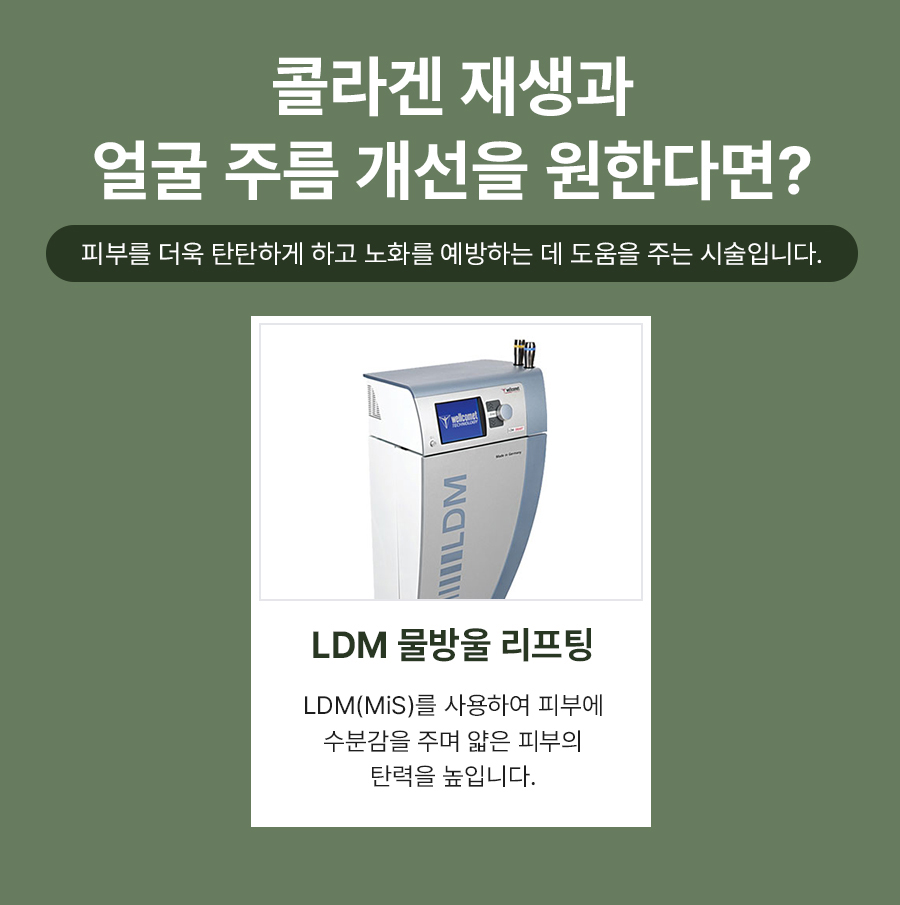
For facial flushing, visible capillaries, and sensitive redness‑prone skin, the clinic offers a dedicated redness program. This often combines Vbeam Perfecta, a well‑known vascular laser, with ultrasound‑based LDM management to support skin barrier and hydration.

This combination can be suitable for conditions such as rosacea‑like redness, post‑acne redness, and general facial flushing, with parameters adjusted according to skin type and sensitivity.
Pigmentation and melasma care
Pigmentation issues, including melasma, sun spots, and uneven tone, are approached with whitening and toning programs rather than single laser shots. Devices such as Fotona laser toning, GentleMax Pro, and BBL are available, along with iontophoresis‑type systems like Ionzyme DF for delivering vitamins and active ingredients into the skin.
Because melasma in particular is sensitive to heat and light, the clinic emphasizes tailored combinations and gradual improvement, with careful attention to sun protection and home care.
Lifting and anti‑aging procedures
For lifting and anti‑aging, the clinic provides a wide range of options:
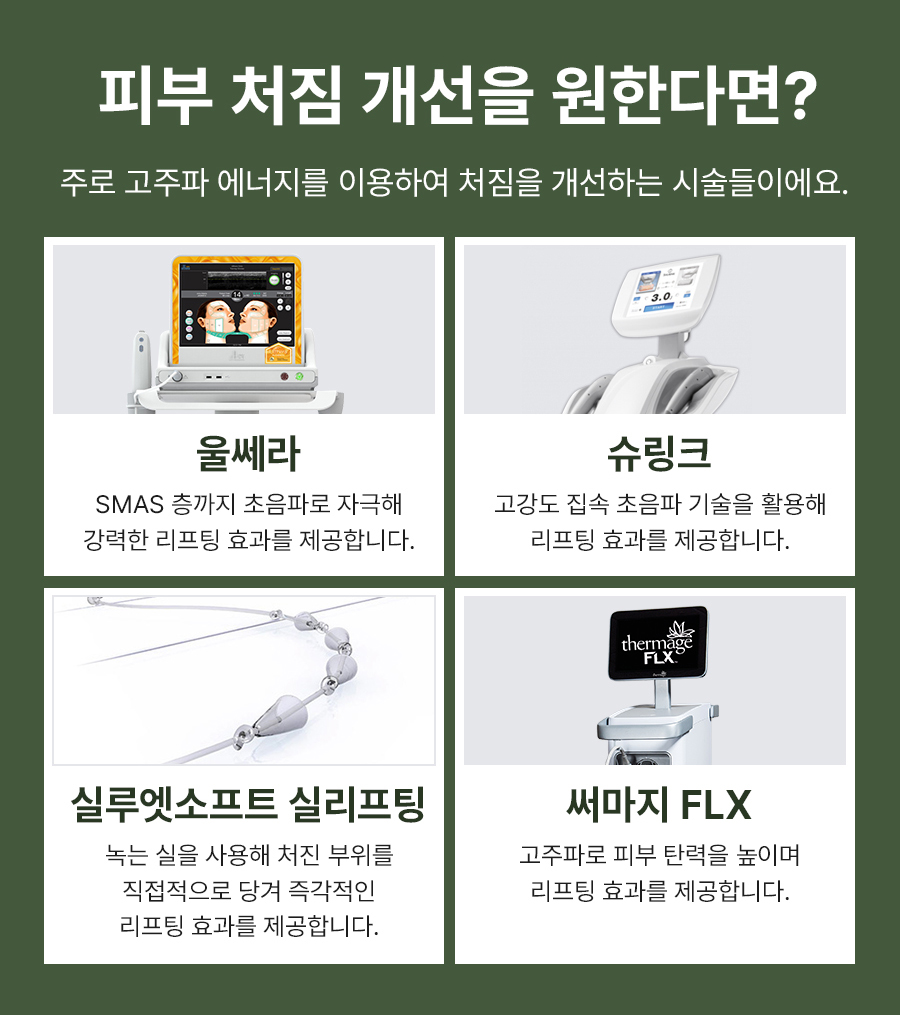
3D Ultherapy and Shurink for ultrasound‑based lifting of deeper layers.
Thermage FLX and SkinTyte for radiofrequency tightening of the dermis.
Thread lifting options such as Mint Lift and Silhouette Soft for mechanical lifting and contouring.
Onda lifting, a recently introduced device, for targeted contouring.
Rejuran and other anti‑aging injections for skin quality.
Fat‑dissolving injectables such as Belkyra for localized fat under the chin or jawline.

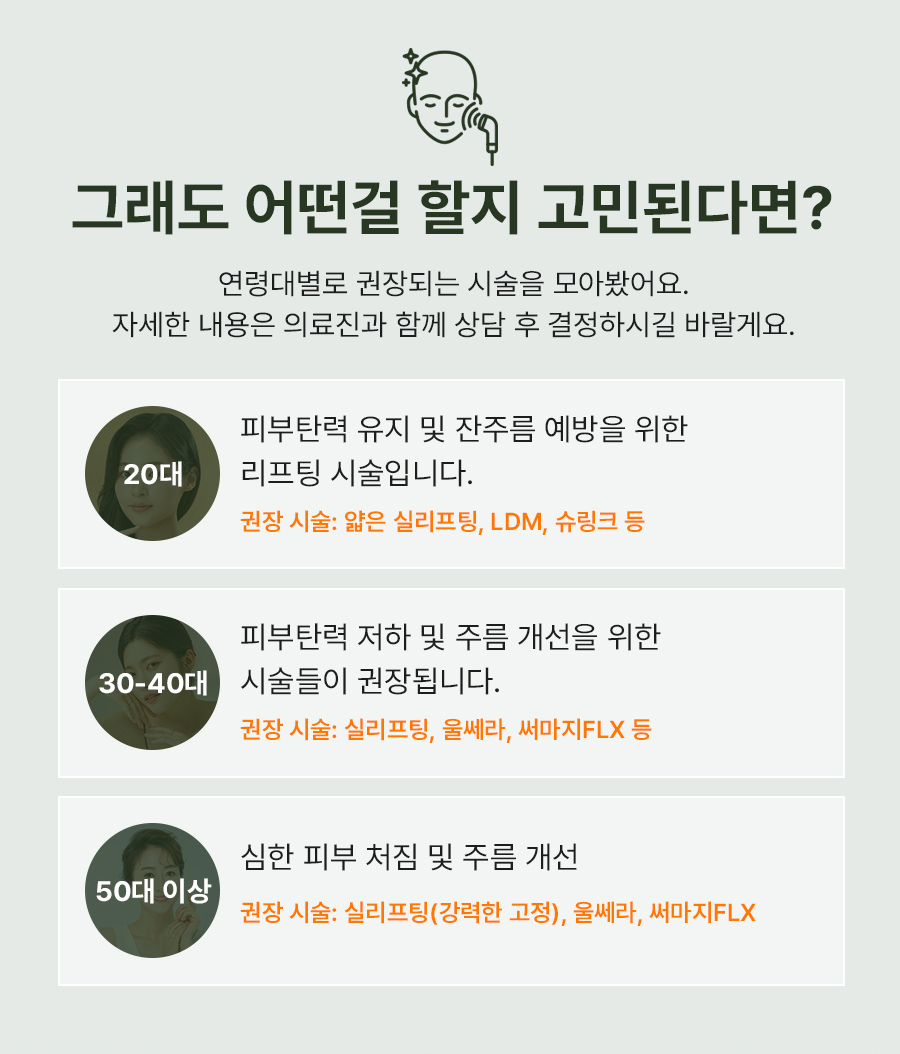
The doctors design combinations based on skin laxity, facial structure, and age. For example, a patient with mild laxity and early jowling might receive ultrasound lifting plus a small amount of thread lifting, while a patient with volume loss may benefit more from fillers and biostimulatory products.
Injectables: fillers, biostimulators, and botulinum toxin
The clinic offers hyaluronic acid fillers for volume and contour, as well as biostimulatory or hybrid products such as Juvelook and Ellanse‑type fillers to stimulate collagen over time. Hydrolifting or water‑glow injections are used to improve hydration and fine texture.
Botulinum toxin is used both for dynamic wrinkles (such as frown lines and crow’s feet) and for contouring purposes, for example, reducing masseter muscle bulk or controlling excessive sweating in certain body areas.

Hair loss, scalp care, and body clinic
For hair loss and scalp concerns, the clinic provides diagnostic evaluation and treatment plans that may include topical and oral medications, scalp procedures, and supportive care.
The body clinic extends dermatologic expertise to body concerns, including stretch marks, hair removal, hyperhidrosis (excessive sweating), and body botulinum toxin injections. Hair removal is performed with medical‑grade devices, and hyperhidrosis management may combine topical, device‑based, and injectable options depending on the area and severity.
Equipment and technology
The representative doctor’s training at the UCI Beckman Laser Institute supports careful parameter selection tailored to skin type and concern, which is important for both safety and effectiveness. Ultrasound‑based management such as LDM is also used to support skin recovery and barrier function, especially in redness and sensitive skin programs.

For patients comparing clinics in Dongtan, confirming that genuine devices are used and that the medical team has specific laser training can be a key decision factor.
Who may consider this Dongtan dermatology clinic
This type of comprehensive, specialist‑run clinic may suit you if:
You have chronic skin conditions such as psoriasis, vitiligo, or atopic dermatitis and want evidence‑based management during your stay in Korea.
You struggle with moderate to severe acne, acne scars, or enlarged pores and prefer a structured, staged program rather than scattered single treatments.
You are concerned about facial redness, visible vessels, or sensitive skin and need vascular laser options plus barrier‑supportive care.
You have pigmentation or melasma and are looking for tailored toning and whitening programs with multiple devices.
You want lifting and anti‑aging treatments that can combine ultrasound, radiofrequency, threads, and injectables according to your facial structure.
You need hair loss or scalp care, or body treatments such as hair removal or hyperhidrosis management.
Online consultation and pre‑visit preparation for overseas patients
Before you travel to Korea, it is wise to arrange an online consultation. These photos are for reference only and do not guarantee specific results, but they can help you understand typical treatment courses.
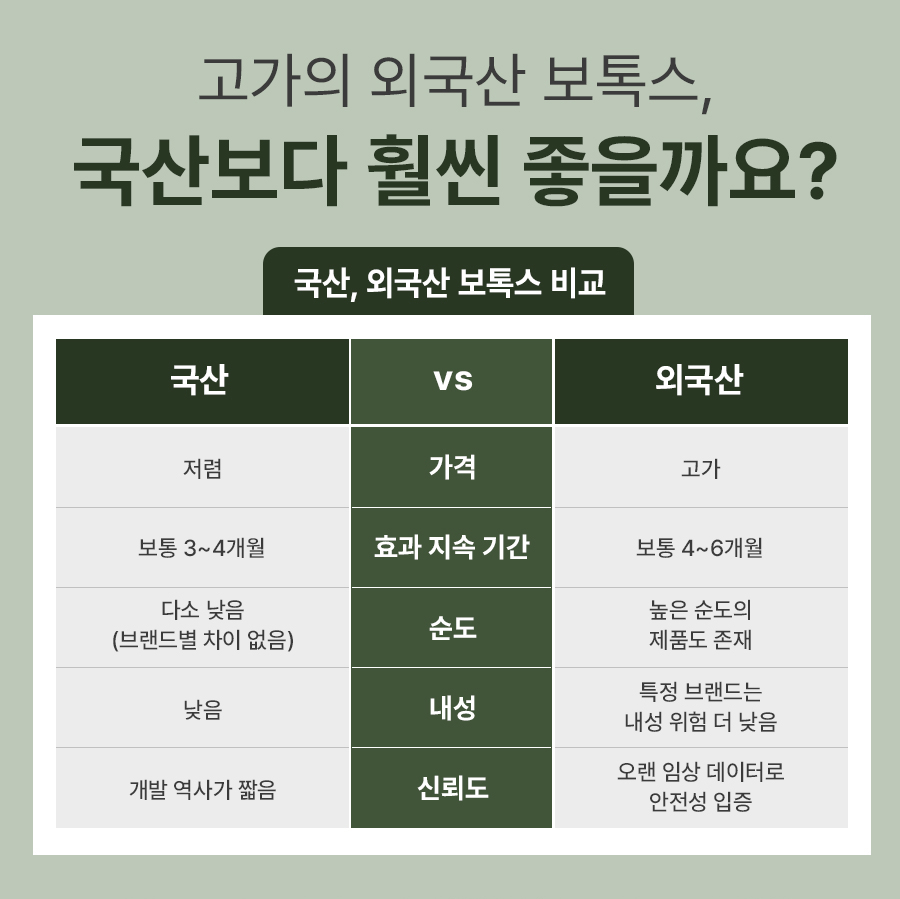
For online consultation, prepare the following:
Clear photos of your face or affected area in natural light, without heavy makeup or filters.
A brief summary of your skin history, including when the problem started and how it has changed.
A list of current and past treatments, including medications, lasers, peels, and skincare products.
Information about your general health, allergies, medications, and any previous surgeries or procedures.
Your travel dates, length of stay in Korea, and how many visits you can realistically make.
During online consultation, ask about possible treatment options, approximate number of sessions, recommended intervals, and typical downtime. Remember that final plans and exact costs can only be confirmed after in‑person examination.
Expected Korea visit timeline for common concerns
Every case is different, but the following examples can help you plan your visit.
Short stay: 3–5 days
Suitable for: basic skin check‑up, mild acne management, simple toning, limited botulinum toxin or filler, or a single session of lifting such as Ultherapy or Thermage.

Timeline example:
Day 1: In‑person consultation, skin assessment, and first treatment (for example, toning or lifting).
Day 2–3: Light follow‑up, skincare guidance, or additional simple procedures if appropriate.
Medium stay: 1–2 weeks
Suitable for: more intensive acne programs, combined redness and toning sessions, or multi‑area injectables.
Timeline example:
Day 1: Consultation and baseline treatments (for example, acne program start, PDT, or first redness session).
Day 3–5: Second session for acne or redness, skincare adjustment.
Day 7–10: Additional session if needed, final review, and long‑term plan for home care.
Longer stay or repeated visits
For chronic conditions like psoriasis, vitiligo, severe acne scars, or complex pigmentation, longer stays or repeated visits over several months are usually more realistic. In these cases, the clinic can design a plan that combines what can be done in Korea with what you can maintain at home, including prescriptions, topical care, and recommended future procedures.

Patient experience, location, and hours
This Dongtan dermatology clinic is located on the 3rd floor of a commercial building on Dongtan Daero Sibeom‑gil in Dongtan New Town, Hwaseong. It is accessible within the Dongtan 2 New Town living area and convenient for residents and visitors staying nearby.
Clinic hours are generally as follows:
Clinic hours and appointment policies vary. Many dermatology clinics operate during weekday daytime hours, with some offering extended evening hours and limited Saturday openings. Rather than relying on published examples elsewhere, confirm current opening hours, reservation methods, and pricing or payment policies directly via the clinic’s official website or by phone before planning your visit.
There is a designated lunch time from 13:00–14:00, so it is best to avoid walk‑ins during that hour. The clinic is closed on Sundays and public holidays.

Reservations can be made online via a major portal, especially on Wednesdays and Thursdays. For device‑based procedures such as Ultherapy, Thermage, Vbeam, or fractional lasers, advance booking is strongly recommended to secure your preferred time slot.
However, final costs depend on your individual diagnosis, treatment plan, and number of sessions decided during consultation.
Aftercare and safety precautions
No clinic can guarantee identical results for every patient. Outcomes and the number of sessions required vary depending on skin type, severity of the condition, age, and lifestyle factors such as sun exposure and smoking.
General precautions include:
After laser and toning treatments: practice strict sun protection with broad‑spectrum sunscreen, hats, and shade. Avoid tanning beds and intense outdoor activities for a period recommended by your doctor.
For acne: avoid picking or squeezing lesions, as this increases the risk of scarring and pigmentation. Follow prescribed topical and oral medications as directed.
After lifting procedures or fillers: avoid massage or pressure on the treated areas for a certain time, and follow instructions regarding sleeping position, exercise, and skincare products.
For all procedures: report any unusual reactions such as severe pain, swelling, blistering, or rash to the clinic promptly, even after you return home.
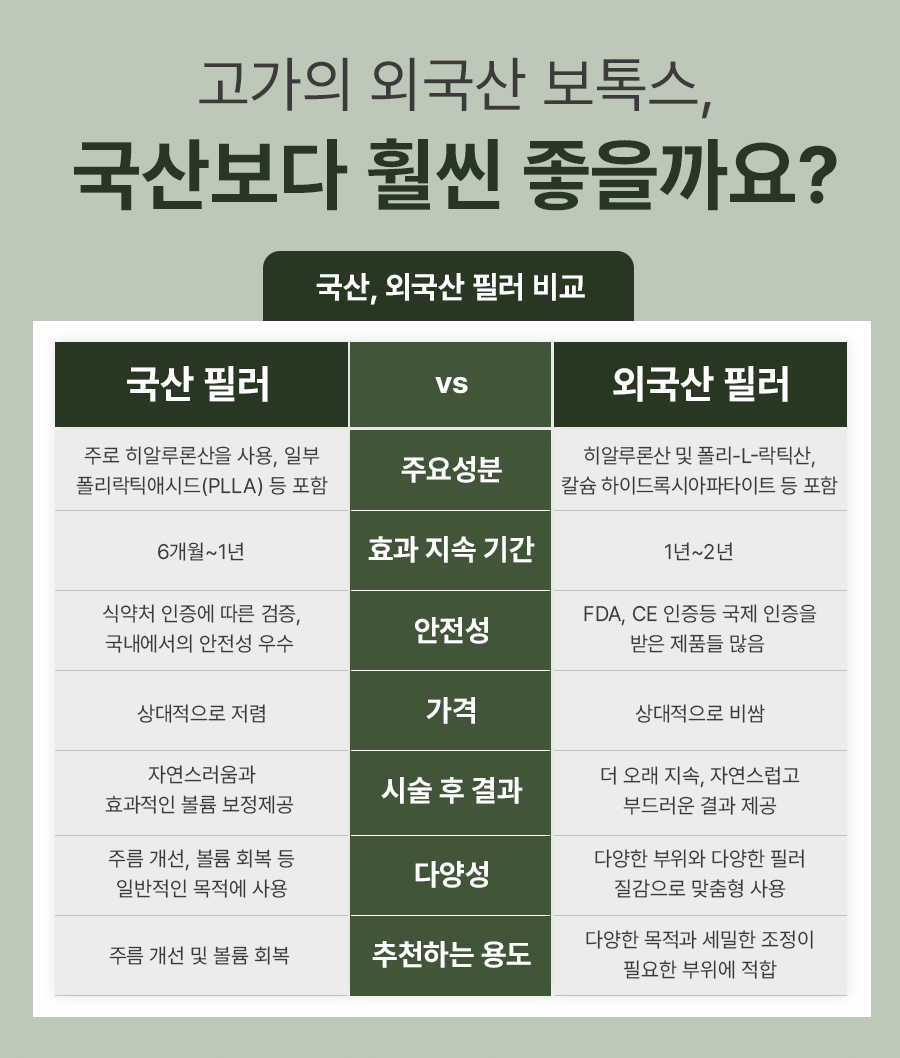
Always disclose your full medical history, medications, supplements, and previous procedures during consultation. This helps the dermatologist minimize risks and choose safe, appropriate treatments.
Frequently asked questions about choosing a Dongtan dermatology clinic
What should I check first when comparing dermatology clinics in Dongtan?
Start by confirming whether the clinic is led by board‑certified dermatologists and whether they are active in academic societies. Then check if the clinic offers both medical and cosmetic dermatology, has appropriate devices for your main concern, and provides clear explanations during consultation. Location, hours, and reservation convenience are also important, especially if you are visiting from overseas.
Can I complete acne or pigmentation treatment in one short trip to Korea?
Some improvements are possible in a single trip, especially for mild cases, but acne and pigmentation usually require multiple sessions and long‑term management. During a short stay, the dermatologist can start intensive treatment, stabilize your skin, and design a home‑care and follow‑up plan. It is important to maintain realistic expectations and understand that chronic or severe conditions rarely resolve in just a few days.

Are lifting procedures like Ultherapy or Thermage suitable for international patients with limited time?
Yes, many lifting procedures such as 3D Ultherapy and Thermage FLX are typically performed in a single main session, with results developing gradually over several months. This makes them convenient for overseas patients. However, you should allow enough time on the day of treatment for consultation, anesthesia preparation if needed, and immediate post‑procedure observation. Mild swelling or tenderness can occur, so plan your schedule accordingly.
How can I prepare for my first visit to a Dongtan dermatology clinic?
Before your visit, prepare clear photos of your skin, a list of medications and supplements, and information about any previous treatments or procedures. Write down your main concerns and questions, including your budget range and time limitations. If you are an overseas patient, share your travel dates in advance so the clinic can suggest a realistic schedule. Arrive with clean skin without heavy makeup, and be ready to discuss your medical history openly with the dermatologist.
Soft call to action for online consultation
If you are planning a trip to Korea and looking for a Dongtan dermatology clinic recommendation, consider arranging an online consultation with a specialist‑run clinic in Dongtan New Town that offers comprehensive medical and cosmetic dermatology. By discussing your concerns, travel dates, and expectations in advance, you can make the most of your time in Korea and receive a personalized, evidence‑based treatment plan.

This article is intended for general information only and does not replace individual medical advice. Final diagnoses, treatment plans, and costs should always be determined after an in‑person consultation with a qualified dermatologist.
- 공유 링크 만들기
- X
- 이메일
- 기타 앱


댓글
댓글 쓰기