Dongtan psoriasis care and long term management guide for international patients
- 공유 링크 만들기
- X
- 이메일
- 기타 앱
Quick summary
Psoriasis is a chronic immune related skin disease, not a simple rash and not an infection, so it needs continuous management rather than a one time cure. In Dongtan new town in Hwaseong, there is a dermatology clinic on the third floor of a medical and commercial building where board certified dermatologists focus on psoriasis and vitiligo, offering diagnosis, topical and systemic treatment, phototherapy, and long term follow up that can be coordinated with your visit to Korea.
This guide explains what psoriasis is, who should consider visiting a dermatologist in Dongtan, how treatment is usually organized for overseas patients, what to prepare before you travel, and how to plan your stay and aftercare once you return home.
What is psoriasis
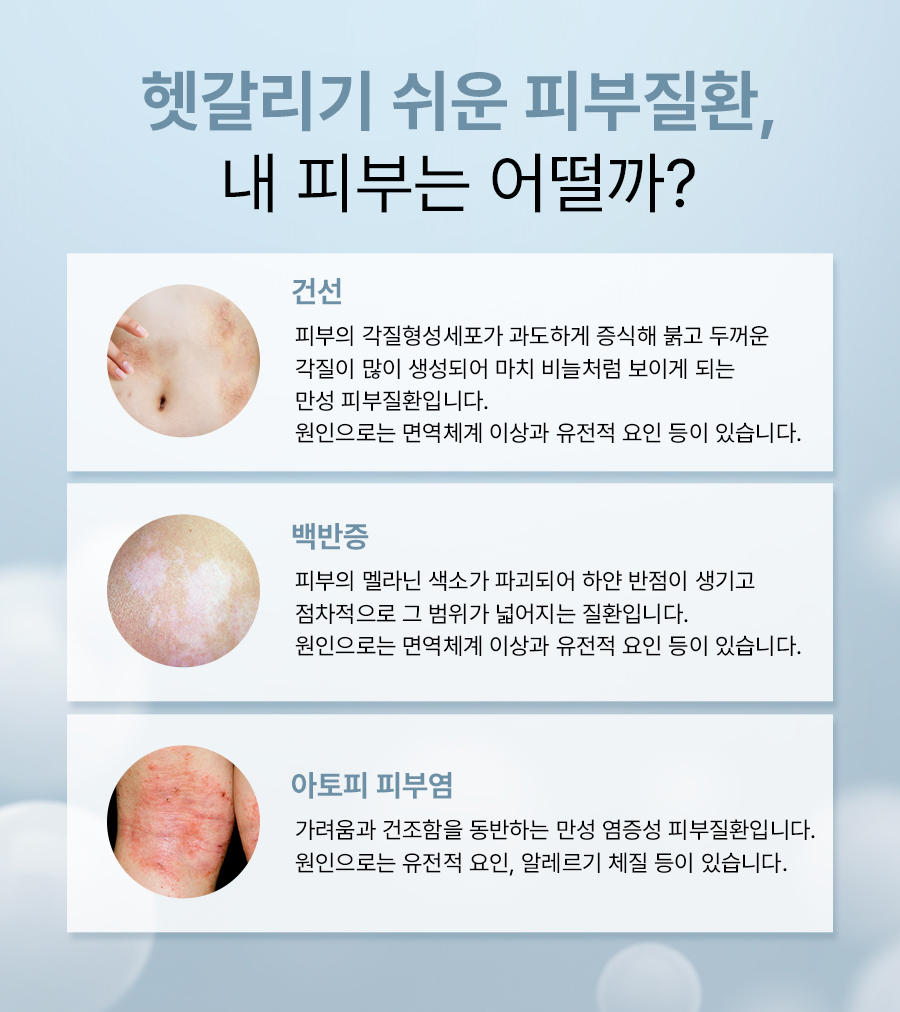
Psoriasis is a chronic inflammatory skin disease. It causes well defined red plaques covered with silvery white scales. These plaques often appear on the scalp, hairline, elbows, knees, shins, lower back, and trunk. In some people it can also affect the nails, causing pitting, thickening, or separation from the nail bed. A smaller group of patients develop joint pain and stiffness, known as psoriatic arthritis.
Psoriasis is not a simple rash and it is not contagious. You cannot catch it from someone else and you cannot give it to your family through skin contact. It is an immune mediated condition, which means the immune system becomes overactive and speeds up the turnover of skin cells. Both genetic and environmental factors are involved. Family history, stress, infections, certain medications, smoking, and alcohol can all play a role in triggering or worsening flares.
Because the immune system is involved, psoriasis tends to wax and wane over many years.
Typical symptoms that should prompt a dermatology visit in Dongtan
You may want to arrange a visit to a Dongtan dermatology clinic if you notice any of the following signs:
Persistent red, scaly patches that do not improve with basic moisturizers or simple over the counter creams.
Itching, cracking, or bleeding plaques on visible areas such as the scalp, hairline, ears, elbows, knees, or shins. These lesions can be embarrassing and may interfere with work or social life.
Thick, scaly patches on the scalp that look like stubborn dandruff but do not go away with anti dandruff shampoo.
Nail changes including small pits on the nail surface, yellow or brown discoloration, thickening, or the nail lifting away from the nail bed.
Morning stiffness in the fingers, toes, or other joints, or joint pain that improves as you move around during the day. This can be a sign of psoriatic arthritis and should be evaluated early.
If you are unsure whether you have psoriasis, it is still important to see a dermatologist. Conditions such as eczema, fungal infections, seborrheic dermatitis, and simple dry skin can look similar, especially on the scalp and body folds. A trained dermatologist in Dongtan can distinguish these conditions and recommend the right treatment.
How psoriasis is diagnosed and assessed
For most patients, psoriasis is diagnosed clinically. This means the dermatologist examines your skin, scalp, and nails, looks at the pattern and distribution of lesions, and asks about your medical history and family history. The typical combination of red plaques with clear borders and silvery scales on certain body sites is often enough for diagnosis.
In some cases, especially when the appearance is unusual or overlaps with other diseases, a small skin biopsy may be recommended. This involves taking a tiny sample of skin under local anesthesia and examining it under a microscope. The procedure is quick and usually leaves only a minimal mark.
Once psoriasis is diagnosed, the next step is to assess severity. This helps decide which treatments are appropriate. Dermatologists in Dongtan generally consider:
How much of the body surface is affected.
How thick and red the plaques are and how much scaling is present.
How intense the itching or pain is.
Whether the scalp, face, palms, soles, nails, or genital area are involved, since these locations can affect quality of life even if the total area is small.
How much the disease affects sleep, work, relationships, and self esteem.

Whether there are signs of joint involvement.
At a Dongtan dermatology clinic with a focus on psoriasis, doctors use structured consultations and, when necessary, blood tests or other lab work before starting systemic medications. This is especially important for overseas patients, because safety monitoring must be planned carefully if you will return to your home country between visits.
Treatment options commonly used for psoriasis
It is important to understand that there is currently no permanent cure for psoriasis. However, modern treatments can control symptoms, reduce flares, and protect joints in many patients. A Dongtan dermatology clinic with board certified dermatologists and specific psoriasis expertise can guide you through options such as topical therapy, phototherapy, systemic medication, and supportive care.
Topical treatments
For mild to moderate psoriasis, topical treatments are often the first step. These include:
Corticosteroid creams and ointments to reduce inflammation and itching. Strength and formulation are chosen based on the body area. For example, milder products for the face and folds, stronger ones for elbows, knees, and thick plaques.
Vitamin D analogues, which help slow down the overgrowth of skin cells. These are often used alone or in combination with topical steroids.
Combination products that contain both a corticosteroid and a vitamin D analogue, which can be convenient and effective for many patients.
Keratolytic agents such as salicylic acid to soften and remove thick scales on the scalp, elbows, and knees. These make other treatments work better.
Medicated shampoos for scalp psoriasis, used in a specific routine to loosen scales and calm inflammation.
In Dongtan, dermatologists can design a topical regimen that fits your lifestyle and travel schedule, explaining exactly how much to apply, how often, and for how long. This is especially useful for overseas patients who need a clear written plan to follow after they leave Korea.
Phototherapy
For widespread or stubborn psoriasis, phototherapy is a well established treatment. It uses specific wavelengths of ultraviolet light to slow down skin cell growth and calm the immune response.
A Dongtan clinic with university hospital trained dermatologists may offer narrowband UVB or other medical light based treatments. Sessions are performed in a controlled setting, with carefully measured doses and protective equipment. The dermatologist decides the starting dose based on your skin type and gradually adjusts it depending on your response.
The clinic reports that a lead doctor has received additional training in laser and phototherapy. Some clinics in Dongtan offer short, intensive courses of phototherapy for visiting patients; if you are considering this, confirm the service, treatment schedule, and staff qualifications with the clinic before booking. The clinic can usually advise on topical maintenance and on coordinating further care with your local provider, but verify what follow-up support they provide.

Systemic medications
When psoriasis is moderate to severe, covers a large body area, or involves the joints, systemic medications may be recommended. These are oral or injectable drugs that work throughout the body to calm the immune system.
Common systemic options include traditional oral agents used worldwide in psoriasis management. These can be effective but require regular monitoring of blood tests and sometimes blood pressure or other parameters. Before starting such treatment, the Dongtan clinic typically performs baseline lab tests and reviews your medical history, including liver, kidney, and cardiovascular health.
For international patients, the dermatologist will consider how easily you can access blood tests and follow up care in your home country. Sometimes a short course of systemic treatment is started in Korea, with clear instructions and letters for your local doctor to continue monitoring.
Biologic therapies
For severe or treatment resistant psoriasis, biologic therapies may be considered. These are targeted injections that block specific immune pathways involved in psoriasis. They are usually prescribed at higher level centers and require careful screening and follow up.
A Dongtan dermatology clinic that focuses on psoriasis can discuss whether biologic therapy might be appropriate for your case and, when needed, arrange a referral or provide guidance on recommended baseline tests. Confirm with the clinic directly which steps they can perform and how they coordinate referrals or test preparation.
Supportive and adjunctive care
In addition to the main treatments, supportive care is important:
Regular use of emollients to maintain skin hydration and reduce itching.
Targeted treatment for nail psoriasis, which may include special lacquers, injections, or systemic therapy depending on severity.
Management of post inflammatory pigment changes or residual marks after plaques improve.
Guidance on gentle cleansing, choice of shampoos and soaps, and care of sensitive areas.
Individualized treatment planning at a Dongtan dermatology clinic
Psoriasis is different for every person. The best treatment plan depends on where the lesions are, how severe they are, your occupation, travel schedule, other medical conditions, and even your pregnancy plans.
biographies if specific credentials are important to you.
According to the clinic, one dermatologist previously served in a senior dermatology role within a government medical office, and the other has received additional training in laser and phototherapy. If these qualifications matter for your care, request the clinic's physician biographies or official documentation to confirm roles and training.
For overseas patients, treatment planning usually includes:
A detailed initial consultation with full skin and nail examination, discussion of your previous treatments, and review of your medical history.
Explanation of the pros and cons of each option, including what can realistically be achieved during a short stay in Korea and what needs ongoing care at home.
A written treatment plan that you can take back to your local doctor, including medication names, dosages, and monitoring recommendations.
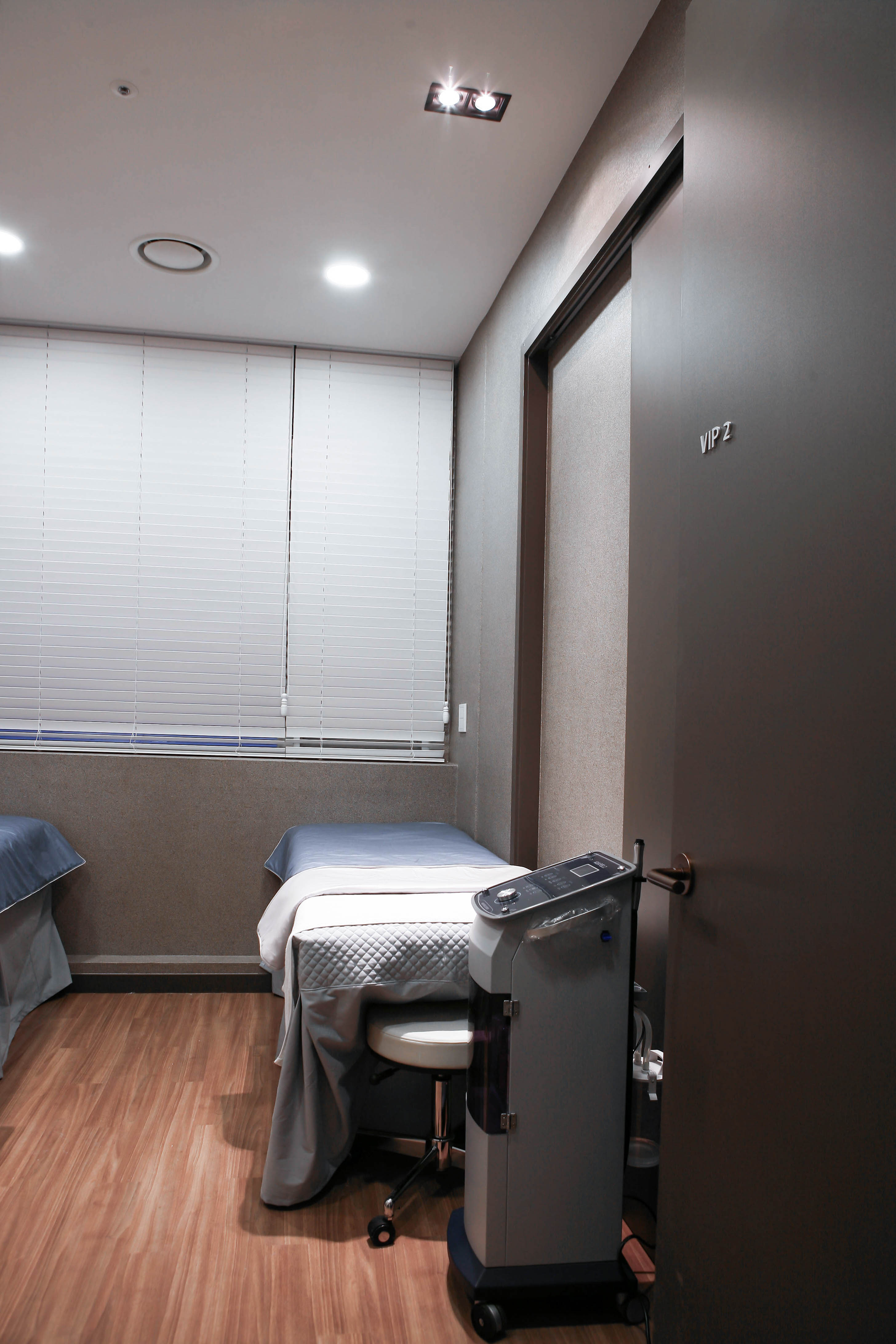
Continuous follow up is made easier by weekday hours without a lunch break, extended hours on Friday, and Saturday morning sessions. This can be convenient if you have a busy schedule or are trying to fit appointments around other medical visits during your stay.
Long term management and lifestyle guidance
Because psoriasis is chronic and tends to flare and improve repeatedly, long term management is just as important as the initial treatment.
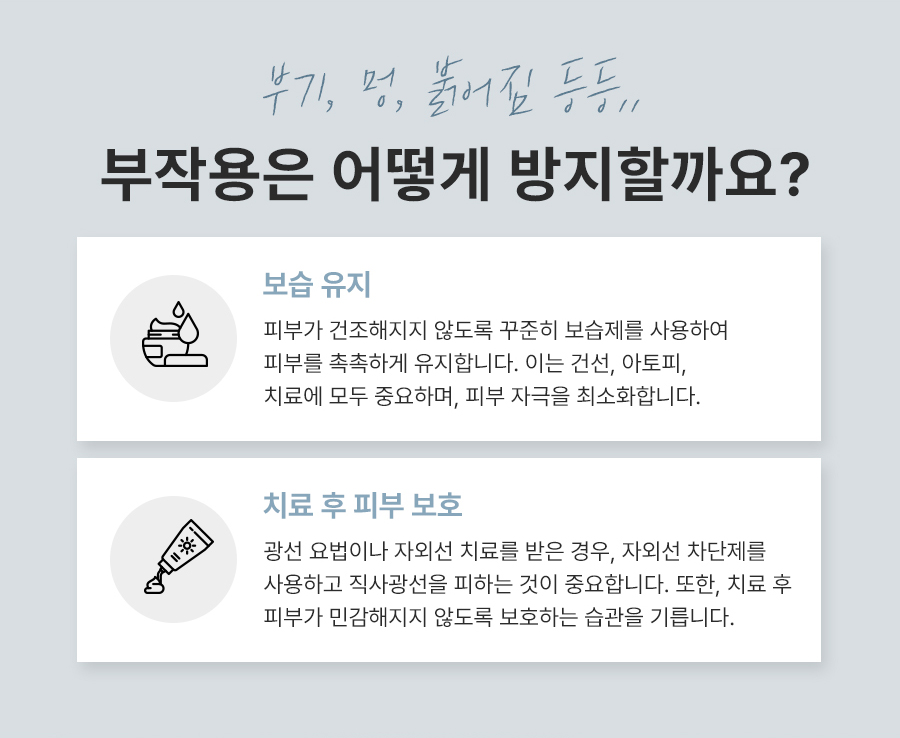
Stopping treatment abruptly, especially strong topical steroids or systemic medications, can sometimes cause rebound, where the psoriasis comes back worse than before. For this reason, dermatologists in Dongtan usually recommend a step down plan rather than sudden discontinuation.
Lifestyle measures that can support better control include:
Avoiding excessive scratching, which can injure the skin and trigger new plaques.
Keeping the skin moisturized with fragrance free emollients, especially after bathing.
Managing stress through exercise, relaxation techniques, or counseling if needed, since stress is a common trigger.
Avoiding smoking and heavy alcohol intake, which are known to worsen psoriasis and may interfere with some treatments.
Being cautious with unverified folk remedies, strong topical agents bought online, or self mixing of steroid creams, which can cause thinning of the skin or other side effects.
Keeping a simple symptom diary can be very helpful. You can note when flares occur, what you were doing or feeling at the time, any new medications or supplements, and changes in your routine. Bringing this diary to your follow up visit in Dongtan or to your local dermatologist can make consultations more efficient and personalized.
Why local, specialized care in Dongtan matters
Psoriasis is not only a skin condition; it can affect emotional well being. Visible plaques on the face, scalp, or hands may cause embarrassment, lead to questions from colleagues or friends, and sometimes result in social withdrawal or anxiety. Many patients feel frustrated after trying multiple creams without lasting improvement.
Having access to a nearby clinic in Dongtan where psoriasis and vitiligo are a main focus can make a real difference. You can see the same dermatologists consistently, build a long term treatment relationship, and adjust your plan quickly when flares occur. For overseas patients who stay in or frequently visit Korea, this continuity can be combined with care in your home country.
Because both lead doctors are university hospital trained and involved in teaching, they are familiar with current guidelines and can help you understand how your treatment in Dongtan fits with international standards. At the same time, the clinic environment is designed for convenient access in Dongtan new town, rather than a large, crowded hospital.
Who may consider psoriasis care in Dongtan
International patients who may benefit from arranging psoriasis care in Dongtan include:
People living or working in Korea, especially in Gyeonggi Province or the southern Seoul area, who prefer a clinic close to home or office.
Frequent visitors to Korea who can plan regular check ups during their trips.
Patients who have not received a clear diagnosis and want a structured evaluation by dermatologists with specific psoriasis expertise.
Those considering systemic or phototherapy treatment and looking for a clinic with experience in these methods.
Patients with both psoriasis and vitiligo who prefer a clinic that focuses on both conditions.
Online consultation and pre visit preparation
Before you travel to Korea, it is helpful to arrange an online consultation or at least send basic information. Many Dongtan clinics offer online reservation on specific weekdays, which can reduce waiting time and help you secure a slot that fits your schedule.
To make the most of your first visit, prepare the following:
Clear photos of your skin lesions in good lighting, including close up and wider views showing distribution.
A list of all treatments you have tried, including prescription creams, oral medications, injections, phototherapy, and over the counter products. Note how long you used each one and how well it worked.
A summary of your medical history, including other conditions such as high blood pressure, diabetes, liver or kidney disease, and any ongoing medications or supplements.
Information about family history of psoriasis, autoimmune diseases, or inflammatory arthritis.

Your travel dates and how many days you can stay in Dongtan or nearby areas.
During an online or pre visit consultation, you can also ask practical questions, such as how many phototherapy sessions might be realistic during your stay, whether any lab tests are recommended before starting treatment, and how follow up can be coordinated after you return home.
Expected Korea visit timeline for psoriasis care
Your actual schedule will depend on your condition and travel plan, but a typical timeline for an overseas patient visiting Dongtan might look like this:
Day 1: Initial consultation and examination. If needed, blood tests and a skin biopsy are performed. You receive a preliminary treatment plan and start topical therapy. If phototherapy is suitable, the first session may be scheduled.
Days 2 to 10: Depending on your stay, you may attend several phototherapy sessions per week, usually on non consecutive days. Topical treatment is adjusted based on your response. If systemic medication is appropriate and safe for you, it may be started after lab results are reviewed.
Day 7 to 14: Follow up consultation to review progress, check for side effects, and refine your regimen. You receive a written summary in English that outlines your diagnosis, treatment given in Korea, and recommendations for ongoing care.
Departure: You return home with a clear plan, including how and when to follow up with a local dermatologist, what monitoring is required, and how to adjust treatment if flares occur.
ultations on Sundays and public holidays.
Aftercare once you return home
After you leave Korea, maintaining control of psoriasis requires cooperation between you and your local healthcare providers. The Dongtan clinic can support this by providing:
A clear treatment summary and medication list in English.
Baseline lab results and recommendations for future monitoring intervals.
Guidance on what signs should prompt urgent review, such as new joint pain, rapid worsening of skin lesions, or suspected side effects.
You can continue to use online channels to ask brief follow up questions when needed, although any new prescriptions or emergency issues should be handled by a local doctor. Keeping your symptom diary and taking periodic photos of your skin can help both your Dongtan dermatologist and your home dermatologist understand how your psoriasis behaves over time.

Frequently asked questions
Is psoriasis curable with treatment in Dongtan
Psoriasis is currently considered a chronic condition without a permanent cure. Treatment in Dongtan aims to control symptoms, reduce the number and severity of flares, and protect joints from damage. Many patients can achieve clear or almost clear skin for long periods with the right combination of topical therapy, phototherapy, and systemic medication, but ongoing management and follow up are still needed.
How long do I need to stay in Korea for psoriasis treatment
The ideal length of stay depends on your disease severity and the type of treatment. For diagnosis, treatment planning, and starting topical therapy, a short visit of several days may be enough. If you wish to receive multiple phototherapy sessions, staying one to two weeks allows time for several treatments and at least one follow up consultation. Systemic treatments can often be started during a shorter stay, but you will need arrangements for continued monitoring in your home country.
Can I start systemic or biologic treatment as an overseas patient
Starting systemic treatment as an overseas patient is sometimes possible, but it requires careful evaluation. The dermatologist will review your medical history, perform baseline lab tests, and consider how easily you can access follow up care and blood tests after returning home. For biologic therapies, which are more complex and require long term monitoring, the Dongtan clinic can assess your suitability and either refer you to a center that provides them or prepare documentation for you to start treatment with a specialist in your own country.
Is it safe to have phototherapy during a short visit
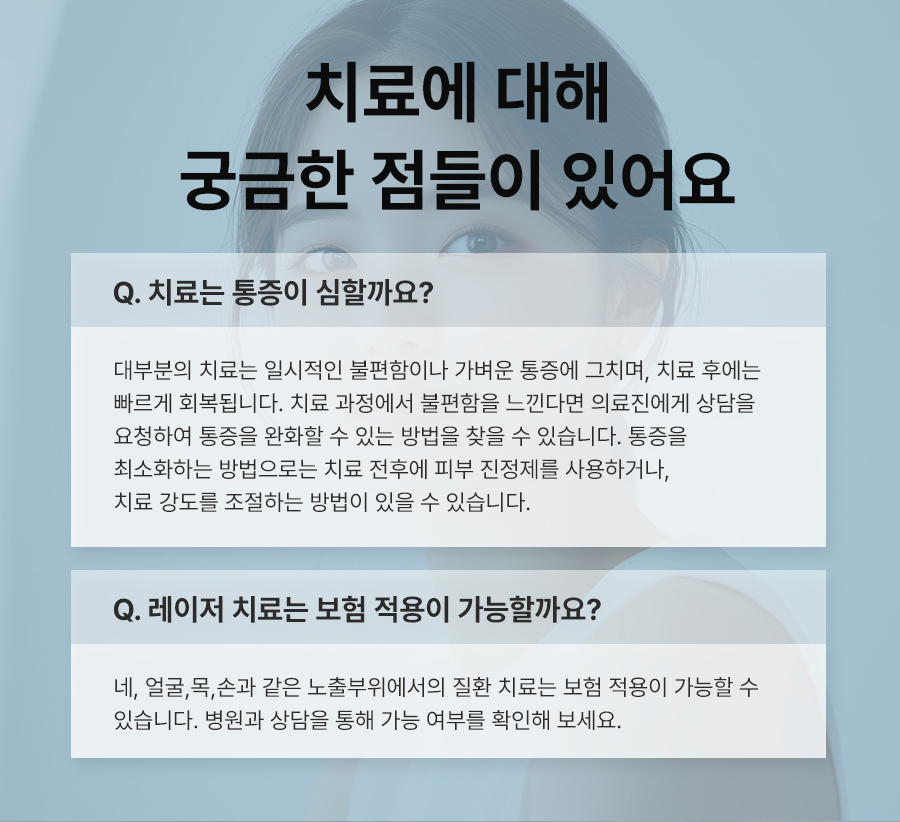
Medical phototherapy, such as narrowband UVB, is generally considered safe when performed under dermatologist supervision with controlled dosing. During a short visit, the clinic will usually start with a conservative dose based on your skin type and slowly increase it as tolerated. You may experience mild redness or dryness, which is usually manageable with moisturizers. The dermatologist will explain how many sessions are realistic during your stay and how to care for your skin between treatments.
Soft call to action for online consultation
If you are considering psoriasis treatment in Dongtan and would like to know whether your condition can be managed during a visit to Korea, you can start with an online consultation or reservation request. By sharing photos, previous treatment history, and your planned travel dates in advance, the dermatologists can suggest a realistic plan and reserve suitable appointment times.
Having a clear roadmap before you arrive helps you use your time in Dongtan efficiently, whether your goal is to confirm a diagnosis, start a new treatment, or review your current regimen with dermatologists who focus on psoriasis and vitiligo. If you are ready to take the next step, consider arranging an online inquiry with the Dongtan dermatology clinic to discuss your options.
- 공유 링크 만들기
- X
- 이메일
- 기타 앱


댓글
댓글 쓰기