Dongtan psoriasis care and treatment guide for international patients
Direct answer summary:
If you are living overseas and looking into psoriasis treatment during a visit to Korea, Dongtan New Town in Hwaseong has medical dermatology services focused on long-term control rather than quick cosmetic fixes. While psoriasis is usually not completely curable, it can often be kept under good control, with fewer flares and less visible redness and scaling.
This guide explains what psoriasis is, who might benefit from visiting a Dongtan based clinic, how to prepare from abroad, what a typical treatment schedule in Korea can look like, and how to continue care once you return home.
What psoriasis is and why specialist care matters
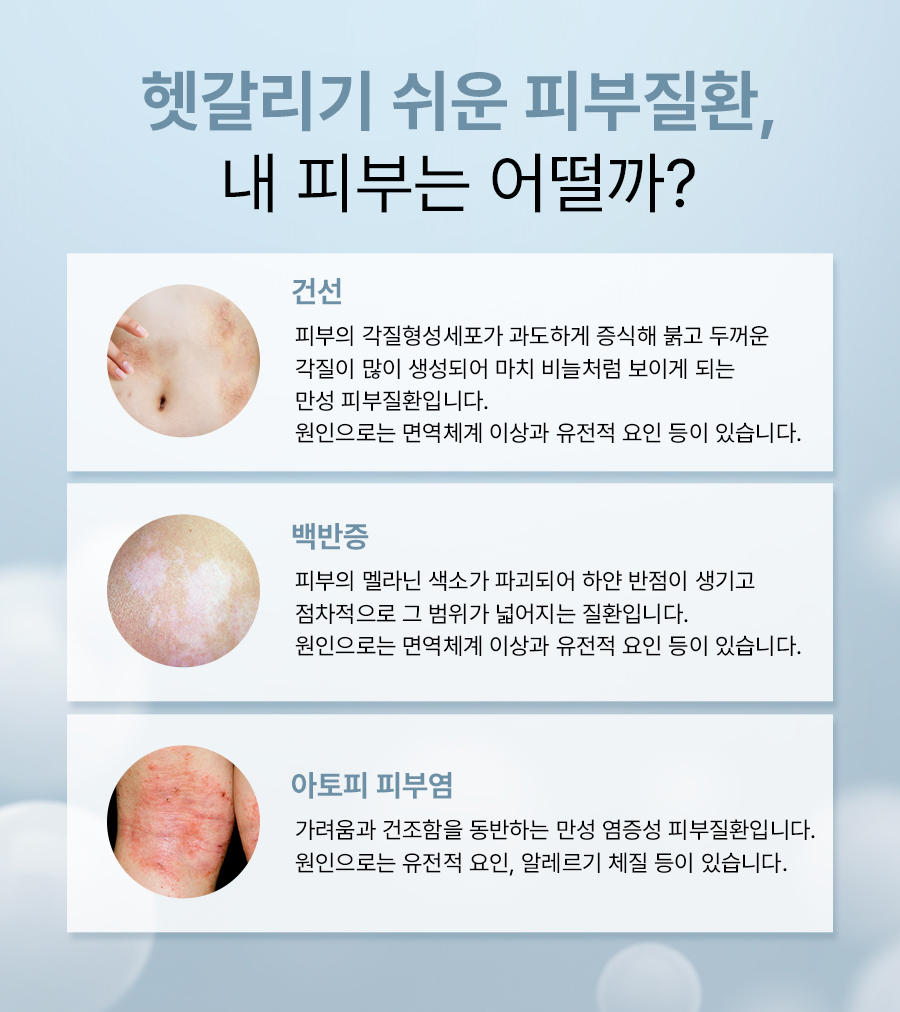
Psoriasis is a chronic inflammatory skin disease, not just dry skin. In psoriasis, the immune system becomes overactive and makes skin cells grow and shed much faster than normal. This rapid turnover leads to thick, red, scaly plaques that can be itchy, painful, or tight.
Common areas include the elbows, knees, scalp, lower back, and trunk, but psoriasis can appear almost anywhere, including skin folds, palms and soles, and the genital area. Some people also notice nail changes such as tiny pits, discoloration, or thickened nails. In a portion of patients, joint pain and stiffness can develop, a condition called psoriatic arthritis.
Because psoriasis is driven by the immune system and can be linked with other health issues such as metabolic syndrome, it benefits from care by doctors who focus on medical dermatology and inflammatory skin disease. Specialist care is especially important if you have widespread plaques, scalp involvement that does not respond to over the counter shampoos, nail changes, or any joint symptoms.
Typical symptoms and when to suspect psoriasis
You may want to consider psoriasis rather than simple dry skin or eczema if you notice the following patterns.
Red, raised plaques with silvery white scales, especially on elbows, knees, scalp, or lower back.
Persistent itching, burning, or tightness that does not improve with basic moisturizers alone.
Thick, sharply bordered patches rather than faint, ill defined dryness.
Flaking and scaling on the scalp that looks more like plaques than simple dandruff.
Nail pitting, crumbling, or yellow brown discoloration.
Morning stiffness or pain in fingers, toes, or larger joints.
Eczema and dry skin can also itch and flake, but psoriasis tends to create thicker plaques, more defined borders, and often involves the scalp, nails, or certain classic locations. If you are unsure, a dermatologist can usually distinguish psoriasis by examining the skin and nails and asking targeted questions.
Causes, triggers, and common misconceptions
Psoriasis develops from a combination of genetic predisposition and immune system overactivity. If you have family members with psoriasis or other autoimmune conditions, your risk may be higher, but many patients have no known family history.
Certain triggers can bring on the first episode or cause flares.
- Stress and lack of sleep
- Throat infections or other illnesses
- Certain medications
- Alcohol and smoking
- Skin injuries such as scratching, friction, or tattoos
- Sudden climate changes, especially cold and dry weather
Several misconceptions are important to correct.
Psoriasis is not contagious. You cannot catch it from someone, and you cannot pass it to others through skin contact, towels, or swimming pools.
Psoriasis is not caused by poor hygiene. Washing more or scrubbing harder will not cure it and can actually make it worse.
A permanent cure is difficult. However, modern treatments can significantly reduce plaques, improve comfort and appearance, and lengthen the time between flares.

How psoriasis is diagnosed in Dongtan
lar clinical interest in conditions such as psoriasis and vitiligo.
At your first visit, the dermatologist will usually take a detailed history.
- When your symptoms started and how they have changed over time
- Any family history of psoriasis or autoimmune disease
- Previous treatments you have tried, including creams, phototherapy, or oral medications
- Known triggers such as stress, infections, or medications
- Your work environment, daily routine, and lifestyle habits
A full skin examination follows, including the scalp, nails, and typical hidden areas such as behind the ears, in skin folds, and on the buttocks. The doctor will ask about joint pain, stiffness, or swelling to screen for psoriatic arthritis.
If your psoriasis is moderate to severe, or if systemic treatment is being considered, simple tests may be recommended.
Blood tests to check inflammation markers and to assess liver and kidney function before starting certain oral medications
Basic metabolic assessment such as weight, blood pressure, and sometimes blood sugar and cholesterol, because psoriasis can be associated with metabolic syndrome
Accurately assessing how severe and widespread your psoriasis is helps the dermatologist choose between topical only care, phototherapy, or systemic therapies, and to decide how closely you need to be monitored.
Treatment overview in Dongtan
The treatment approach in Dongtan is typically stepwise and individualized. Rather than offering a single procedure, the dermatologist builds a plan based on disease severity, location of plaques, your age, other medical conditions, and how long you will stay in Korea.
For mild, localized psoriasis, the focus is on topical therapy and repairing the skin barrier. For moderate to severe or widespread disease, phototherapy and systemic options are considered. Sensitive areas such as the face, folds, genital region, and nails require gentler, tailored regimens.

Throughout treatment, safety monitoring and minimizing side effects are emphasized. Follow up visits are used to adjust medication strength, taper or rotate treatments, and plan for seasonal changes, such as drier winters.
Topical treatments
Topical therapy is the foundation for most patients and remains important even when other treatments are added.
Prescription creams and ointments may include vitamin D analogues, topical steroids, or combination products. The choice and strength are adjusted to the body area and plaque thickness. For example, thicker plaques on elbows and knees may need stronger preparations, while the face and folds require milder ones.
Scalp psoriasis is often treated with medicated solutions, foams, or shampoos that can reach the skin through the hair. The dermatologist will show you how to part the hair and apply them correctly.
Emollients and barrier repair moisturizers are recommended to reduce scaling, itching, and cracking. Regular use helps other medications work better and can reduce the risk of flares.
Phototherapy
For patients with more extensive psoriasis, or those who do not respond sufficiently to topical treatments alone, phototherapy can be an option. Medical light therapy uses specific wavelengths of ultraviolet light to slow down abnormal skin cell turnover and calm inflammation.
This is very different from cosmetic tanning. Sessions are performed in a controlled medical setting, under dermatologist supervision. The dose is carefully calculated and increased gradually according to your skin type and response, to reduce the risk of burning.
Because phototherapy usually requires multiple sessions per week for several weeks, it is most practical for patients staying in Korea for at least a few weeks. Short term visitors may still benefit from an initial course and a plan for continuing care at home.
Systemic and advanced therapies
If your psoriasis is moderate to severe, affects a large body surface area, or significantly impacts your daily life, systemic treatments may be discussed.
Oral medications can help control inflammation throughout the body and are often used when topical and phototherapy are not enough. They require regular blood tests to monitor liver, kidney, and blood counts.
Biologic or other targeted therapies may be appropriate for certain patients, especially those with psoriatic arthritis or very severe skin disease. Depending on your situation and local regulations, these may be started or you may be referred to a suitable center. Decisions are usually based on national and international guidelines.
Supportive and lifestyle care
Supportive care is an important part of long term management.

Gentle cleansing routines that avoid harsh soaps, scrubs, or very hot water can reduce irritation.
Stress management, good sleep habits, and realistic workload adjustments may help reduce flares, since stress is a common trigger.
Counseling on smoking cessation, moderate alcohol use, and weight control can support overall health and may positively influence psoriasis.
Who may consider psoriasis care in Dongtan
International patients who might benefit from visiting a Dongtan based clinic include the following.
People with newly diagnosed psoriasis who want a clear explanation, accurate staging, and a structured treatment plan.
Patients with long standing psoriasis who have only used over the counter creams or shampoos and are not satisfied with temporary relief.
Those with scalp, nail, or sensitive area involvement that has been difficult to manage.
Patients who suspect psoriatic arthritis due to joint pain or stiffness.
Parents of children or teenagers with psoriasis who want specialist guidance on safe, age appropriate treatment.
Because the clinic team also manages other chronic inflammatory conditions such as atopic dermatitis and vascular redness, they are used to long term follow up, realistic goal setting, and adjusting treatment plans over time.
Online consultation and pre visit preparation
If you are planning to travel to Korea, an online consultation before your trip can be very helpful. While a final diagnosis requires an in person examination, a preliminary review allows the doctor to estimate the likely severity and suggest how long a stay would be ideal.
To prepare for an online consultation, it is useful to gather the following.
Clear photos of affected areas in good lighting, including close ups and wider shots to show distribution
A list of current and past medications, including topical creams, oral drugs, and any injections
Information about other medical conditions such as high blood pressure, diabetes, or liver disease
Any previous lab results or doctor letters related to your skin or joints
A brief note about your daily routine, work, and stress level
Before your appointment, write down questions you want to ask. Common topics include how many visits may be needed, whether phototherapy is suitable within your travel schedule, and what type of follow up will be required once you return home.
Expected Korea visit timeline
Your exact schedule will depend on how long you can stay in Korea and how severe your psoriasis is, but the following is a typical outline.
First visit, day 1
Registration and initial consultation with the dermatologist
Detailed history, full skin and nail examination, and screening for joint symptoms
Discussion of diagnosis, explanation that psoriasis is a chronic condition, and setting realistic goals focused on control rather than instant cure
Planning of treatment strategy, including topical regimen and whether phototherapy or systemic therapy is appropriate
Ordering of baseline blood tests if systemic treatment is being considered
Early follow up, days 3 to 7
Review of any test results
Fine tuning of topical medications based on your first few days of use
If phototherapy is started, initial sessions are scheduled, usually two to three times per week
Education on how to apply creams correctly, how much to use, and how to care for the scalp and nails
Ongoing sessions, weeks 2 to 4
Regular phototherapy sessions if included in your plan
Short follow up visits every 1 to 2 weeks to monitor progress, side effects, and adjust doses
Discussion of lifestyle adjustments and stress management strategies
Preparation of a written plan for continuing treatment after you leave Korea, including what to show your local doctor
Short stay visitors, for example one week or less, may not complete a full course of phototherapy, but can still benefit from accurate diagnosis, a safe topical regimen, and clear instructions for ongoing care.
Aftercare and long term management
Psoriasis management continues after you return home. The goal is to maintain improvement, prevent flares as much as possible, and catch any side effects early.
Key elements of aftercare include the following.
Continuing prescribed topical medications according to the schedule, including tapering strong steroids when instructed
Maintaining daily moisturization, especially after bathing and in dry climates
Avoiding known triggers such as aggressive scrubbing, unnecessary skin trauma, and sudden stopping of medications without guidance
Monitoring for joint pain or stiffness and seeking evaluation if these symptoms appear or worsen
Scheduling periodic online check ins if available, or sharing the Korean treatment summary with your local dermatologist for coordinated care
If your condition changes significantly, for example rapid worsening, severe redness, or signs of infection, you should seek prompt local medical attention rather than waiting for a remote consultation.

Why some patients choose psoriasis care in Dongtan
For local and visiting patients, several points may be attractive.
Psoriasis and vitiligo are treated as primary medical services rather than being listed only under general cosmetic care.
A dermatologist with specific experience in psoriasis directly evaluates and manages cases, rather than delegating care to non‑specialist staff.
Clinicians with university hospital experience can bring up‑to‑date knowledge of guidelines and experience with complex cases into a community setting.
The clinic offers both medical and aesthetic dermatology services. When appropriate, aesthetic procedures may be used to address redness, post‑inflammatory changes, or overlapping conditions.
Practical information for visiting Dongtan
This area is accessible from major transport routes and is part of a growing residential and commercial district.
Clinic hours and reservation options vary by practice. Check the clinic's website or call ahead to confirm weekday and weekend hours, closures on Sundays or public holidays, and whether online reservations are available to help reduce waiting time.
If you are planning a visit from overseas, consider the following practical tips.
Check clinic hours and reservation options in advance, especially if you need an interpreter.
Allow extra time for your first visit for registration and forms.
Bring your passport, travel insurance information if applicable, and a list of current medications.
Wear clothing that allows easy examination of common psoriasis sites, such as short sleeves or layers.
Frequently asked questions
Is psoriasis contagious, and can my family catch it from me
Psoriasis is not contagious. It is caused by immune system overactivity and genetic factors, not by infection. You cannot pass it to family members or others through physical contact, shared towels, or swimming pools. Family members may have a higher genetic risk, but that is different from catching it.
Can psoriasis be completely cured with treatment in Korea
At present, psoriasis is generally considered a chronic condition, and a complete permanent cure is difficult. However, many patients can achieve clear or almost clear skin for long periods with appropriate treatment. The focus of care in Dongtan is on reducing visible plaques, relieving itching and discomfort, and minimizing flares over the long term, rather than promising a one time cure.

How long should I stay in Korea for psoriasis treatment
The ideal length of stay depends on your disease severity and the treatment plan. For diagnosis, education, and a tailored topical regimen, even a short stay of several days can be helpful. For phototherapy or initiation of systemic treatment with close monitoring, a stay of at least two to four weeks is more practical. An online consultation before booking flights can help estimate a suitable timeframe for your situation.
Can I continue the same treatment when I return to my home country
In many cases, yes. Topical medications and general care routines can usually be continued at home, and your local dermatologist can often prescribe similar or equivalent products. If you start systemic or advanced therapies in Korea, the doctor can provide a treatment summary and recommendations to share with your local provider. Availability of specific drugs and insurance coverage may vary by country, so coordination with a local doctor is important.
Soft call to action
If you are living abroad and struggling with red, scaly plaques that keep returning despite repeated over the counter treatments, a structured evaluation in Dongtan New Town may help you understand your condition and gain better control. An online consultation can be a first step to discuss your symptoms, review photos, and plan a realistic treatment schedule for your visit to Korea.
Rather than enduring chronic discomfort or hiding your skin, consider speaking with a dermatologist experienced in psoriasis and other inflammatory skin diseases. With the right combination of medical treatment, skin care, and lifestyle guidance, many patients are able to live more comfortably and confidently, even with a chronic condition like psoriasis.


댓글
댓글 쓰기