Dongtan psoriasis care guide for international patients
- 공유 링크 만들기
- X
- 이메일
- 기타 앱
Direct answer summary
If you are searching for psoriasis care in Dongtan, you can receive medically grounded diagnosis and long‑term management from dermatology specialists in this area. Psoriasis is a chronic inflammatory skin disease that can be controlled with a combination of topical medicines, light‑based treatments, oral drugs, and biologic injections, chosen according to your symptoms and overall health. A clinic in Dongtan, Hwaseong, offers psoriasis and vitiligo care led by dermatologists with university hospital teaching experience and active membership in psoriasis‑related academic societies, which helps ensure up‑to‑date, evidence‑based treatment.
Introduction for overseas patients
Many international patients living in or visiting Korea search for “Dongtan psoriasis” when they notice persistent red, scaly, itchy patches on their skin. Some already have a diagnosis and are looking for more structured, specialist‑led care near Dongtan New Town. Others are unsure whether their rash is psoriasis, eczema, or something else.
This guide explains what psoriasis is, how it is diagnosed and treated in Korea, and what you can expect if you visit a dermatology clinic in Dongtan. It also outlines how to prepare from overseas, how long you may need to stay, and how follow‑up can be coordinated after you return home.
Understanding psoriasis
Psoriasis is a chronic, immune‑mediated inflammatory skin disease. This means your immune system becomes overactive and speeds up the growth cycle of skin cells. Instead of maturing and shedding over weeks, skin cells build up on the surface in days, forming thick, scaly plaques.
Typical symptoms include well‑defined red or pink plaques covered with silvery‑white scales. The skin may itch, burn, or feel tight and can sometimes crack and bleed. Some people experience pain or a stinging sensation, especially when plaques are on hands, feet, or skin folds.
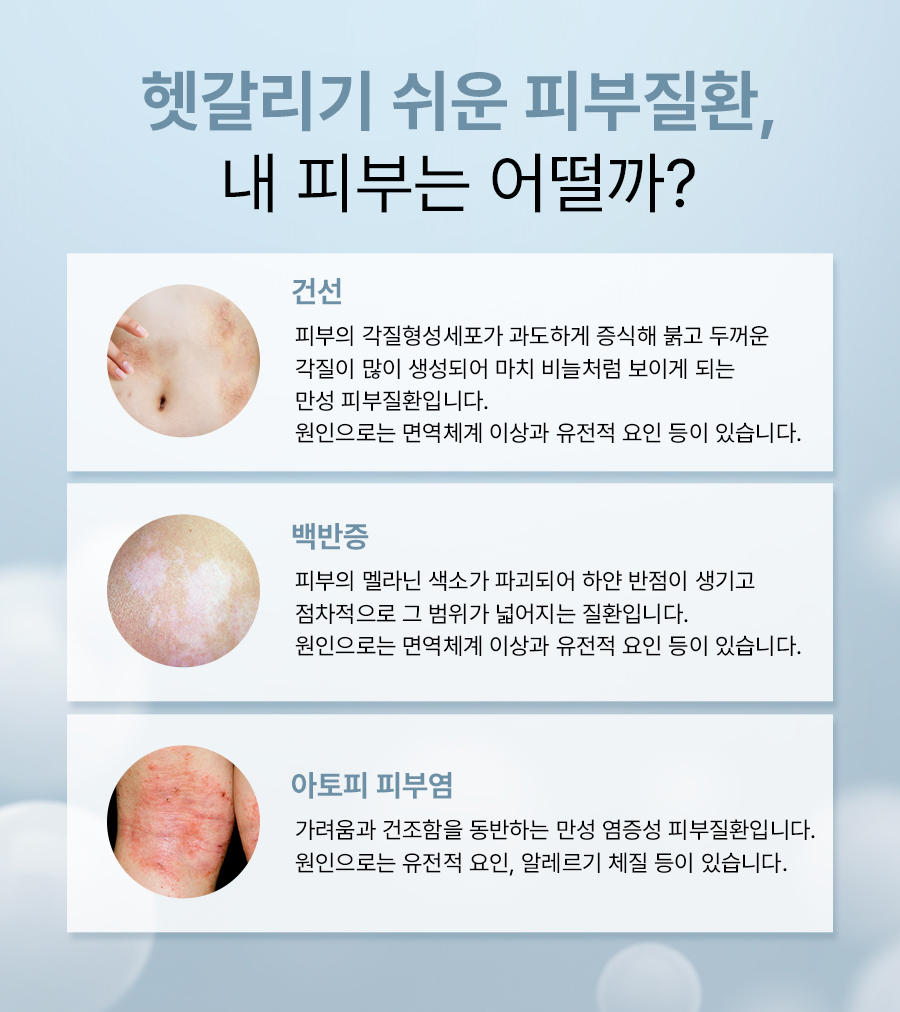
Psoriasis can appear almost anywhere on the body. Common sites are the scalp, elbows, knees, lower back, and around the belly button. It can also affect nails, causing pitting, thickening, or discoloration, and it may appear in body folds such as the armpits, groin, or under the breasts.
Psoriasis is not contagious. You cannot catch it from someone else, and you cannot spread it by touching. However, symptoms often fluctuate. Many patients notice flare‑ups with stress, infections such as sore throat, cold and dry weather, alcohol, smoking, or certain medications. Psoriasis is also associated in some people with joint inflammation called psoriatic arthritis, and with conditions such as obesity, metabolic syndrome, and increased cardiovascular risk.
When to suspect psoriasis and seek care in Dongtan
You should consider seeing a dermatologist in Dongtan if you notice any of the following:
Persistent red, scaly patches that last more than a few weeks and do not improve with simple moisturizers.
Recurrent flare‑ups that come and go, especially on typical sites like the scalp, elbows, knees, or lower back.
Nail changes such as small dents (pitting), thickened nails, or yellow‑brown discoloration, especially when combined with skin plaques.
Joint pain, stiffness, or swelling in fingers, toes, or larger joints together with skin lesions.
Itching or visible plaques that disturb your sleep, work, social life, or confidence.
Many people try over‑the‑counter creams or home remedies for months before seeing a specialist. This can delay proper diagnosis and sometimes worsen the condition, especially if strong steroid creams are used incorrectly. Early evaluation by a dermatologist allows for accurate diagnosis, assessment of severity, and a tailored treatment plan that fits your skin type, lifestyle, and other health issues.
How psoriasis is diagnosed in a Dongtan clinic
In most cases, psoriasis can be diagnosed clinically, meaning the dermatologist can identify it by looking at your skin and taking a detailed history. A typical diagnostic process in a Dongtan clinic includes several steps.
First, the doctor will ask about when your symptoms started, how they have changed, and whether anything seems to trigger flare‑ups, such as stress, infections, or new medications. You will also be asked about family history, because psoriasis can run in families, and about joint symptoms like morning stiffness or swelling.
Next, there will be a full examination of your skin, scalp, nails, and skin folds. The dermatologist will look at the shape, color, and distribution of the plaques and scales. This helps distinguish psoriasis from other conditions such as eczema, fungal infections, or seborrheic dermatitis.
If the diagnosis is unclear, a small skin biopsy may be recommended. This involves taking a tiny sample of skin under local anesthesia and examining it under a microscope. Blood tests are not used to diagnose psoriasis itself, but they may be ordered to check for related conditions or to prepare for certain treatments.

For international patients, it is helpful to bring any previous medical records, photos of past flare‑ups, and a list of medications you have tried. This allows the Dongtan dermatologist to understand your treatment history and avoid repeating therapies that did not work for you.
Treatment overview for psoriasis
Psoriasis is chronic, but it is manageable. The goal of treatment is long‑term control, reduction of flare frequency and intensity, and improvement in quality of life, rather than a one‑time cure. Treatment is usually stepped, starting with milder options and progressing to stronger therapies if needed.
Topical therapy
Topical treatments are applied directly to the skin and are often the first step for mild to moderate psoriasis.
Common options include corticosteroid creams or ointments to reduce inflammation and itching, vitamin D analogues that help normalize skin cell growth, and combination products that include both. Keratolytic agents such as salicylic acid can soften and remove thick scales, allowing other medicines to work better.
The dermatologist will choose the strength and form of the topical medicine according to the body area. For example, milder preparations are used on the face and skin folds, while stronger ones may be used for thick plaques on elbows or knees. Correct use and duration are important to reduce the risk of side effects.
Phototherapy
Phototherapy is a medical light treatment that uses controlled doses of ultraviolet (UV) light to slow down overactive skin cells. It is different from tanning and is performed under medical supervision.
In Dongtan, clinics may offer narrowband UVB or other medical phototherapy devices for patients with widespread or stubborn psoriasis. Sessions are usually done several times a week for a period of weeks, with the dose gradually adjusted based on your skin response. Phototherapy can be combined with topical treatments and is often useful for patients who prefer to avoid or delay systemic medications.
Systemic therapy
Systemic therapies are oral or injectable medicines that work throughout the body. They are considered for moderate to severe psoriasis, or when topical therapy and phototherapy are not enough.
Traditional systemic drugs can reduce inflammation and slow down the immune overactivity that drives psoriasis. Because they affect the whole body, they require careful monitoring with periodic blood tests to check liver function, kidney function, and blood counts. The dermatologist will explain the benefits and potential risks, and will adjust the dose according to your response and lab results.
Biologic agents
Biologic therapies are targeted injectable medicines that act on specific parts of the immune system involved in psoriasis. They are usually reserved for patients with severe skin disease, psoriatic arthritis, or those who have not responded well to conventional systemic treatments.

Biologics are given by injection under the skin or occasionally by infusion. They can offer strong and sustained control for many patients, but they also require screening for infections and regular follow‑up. In a Dongtan clinic, dermatologists with academic society memberships stay updated on current biologic options and guidelines, and can help decide whether this type of therapy is appropriate for you.
Supportive care and lifestyle management
Alongside medical treatments, daily skin care and lifestyle adjustments play a major role.
Regular use of moisturizers helps reduce dryness, scaling, and itching. Gentle cleansing with non‑irritating products is recommended, and harsh scrubs or very hot showers are best avoided. Managing triggers is also important: stress reduction, moderating alcohol intake, stopping smoking, maintaining a healthy weight, and treating infections promptly can all help stabilize psoriasis.
If you have joint symptoms, coordination with a rheumatology specialist may be advised to evaluate and manage psoriatic arthritis.
Who may consider psoriasis care in Dongtan
Psoriasis care in Dongtan can be suitable for several types of international patients.
Foreign residents living in Dongtan, Hwaseong, or nearby areas who need ongoing, structured management of chronic psoriasis.
Short‑term visitors to Korea who experience a sudden flare and need prompt evaluation and treatment adjustment.
Patients from abroad who wish to combine a visit to Korea with consultation on complex or treatment‑resistant psoriasis, especially if they are considering systemic or biologic therapies.
If you are already on treatment in your home country, a Dongtan dermatologist can review your current regimen, check your skin condition, and provide recommendations that you can share with your primary doctor back home.
Local expertise and clinic positioning in Dongtan
In Dongtan, a dermatology clinic provides specialist care for psoriasis and vitiligo. The clinic is led by two board‑certified dermatologists who both graduated from the same medical school and served as adjunct faculty at a university hospital dermatology department. One of the doctors is an active member of national psoriasis and vitiligo societies.
One of the dermatologists is an active member of the national psoriasis society and vitiligo society. This indicates ongoing academic interest and regular participation in professional meetings, which helps maintain up‑to‑date knowledge on psoriasis management, including new biologic agents and treatment guidelines.

The clinic has experience with a wide range of inflammatory and pigmentary skin diseases and uses medical devices, including light‑based equipment, for certain skin conditions. Psoriasis and vitiligo patients are managed directly by these dermatology specialists, drawing on both clinical experience and academic society involvement.
What to expect at a Dongtan psoriasis consultation
First visit
During your first visit, the dermatologist will take time to understand your symptoms and history. You will be asked about when the skin changes began, how they have progressed, any previous diagnoses, and treatments you have tried. The doctor will also ask about your general health, medications, and family history.
A full skin, scalp, and nail examination will be performed. The dermatologist will explain whether your findings are consistent with psoriasis, and if so, what type and severity you have. They will also discuss how your condition affects your daily life, including sleep, work, and emotional well‑being.
Based on this assessment, you will receive an individualized treatment plan. This may include topical medicines, phototherapy, systemic drugs, or a combination, depending on your needs and your length of stay in Korea.
Follow‑up care
Follow‑up visits are used to monitor how well your psoriasis is responding and whether you have any side effects. The dermatologist may adjust the strength or frequency of topical treatments, modify phototherapy schedules, or change systemic medications as needed.
For working patients and busy caregivers, note that the clinic offers extended Friday hours (until 20:00) and Saturday morning/early‑afternoon appointments — check the clinic schedule for exact lunch‑break arrangements. This accessibility makes it easier to schedule visits before or after work or on weekends.
For international patients who will return home, the dermatologist can prepare a summary of your diagnosis and treatment recommendations for you to share with your local doctor.
Online consultation and pre‑visit preparation
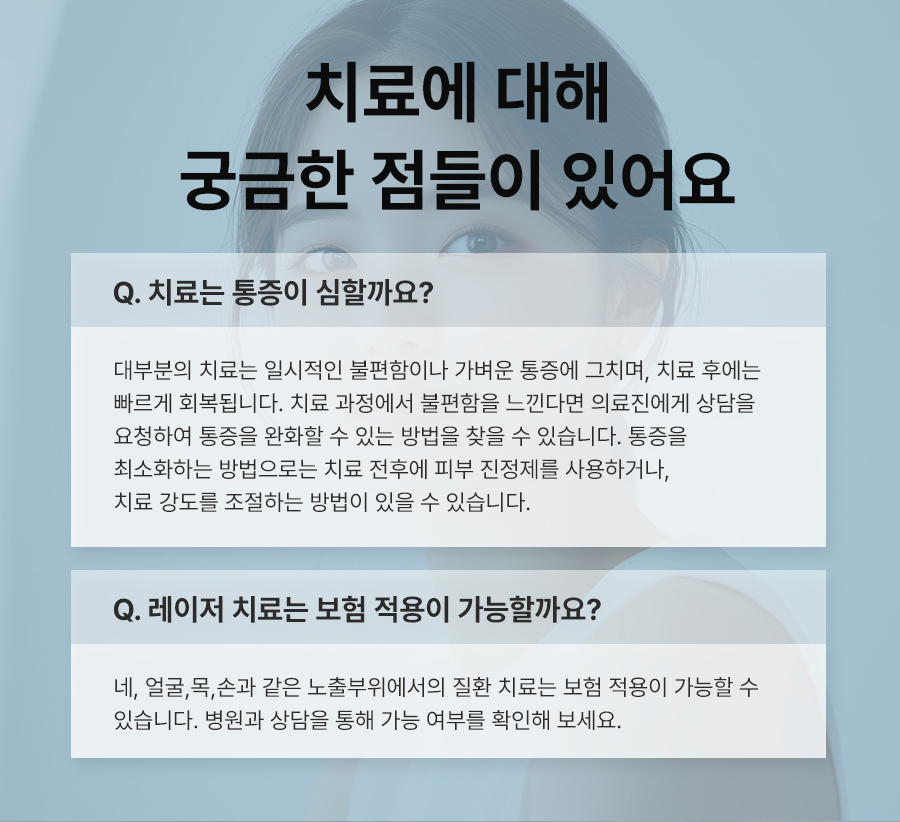
Before traveling to Korea or visiting the clinic in person, you may be able to arrange an online consultation. This can help determine whether your symptoms are likely to be psoriasis, what type of treatment might be appropriate, and how long you should plan to stay.
To prepare for an online or first in‑person consultation, consider the following:
Collect clear photos of your skin lesions in good lighting, including close‑ups and wider shots that show the distribution on your body.
Prepare a list of all current and recent medications, including creams, ointments, oral drugs, supplements, and any biologic injections.
Note any known triggers, such as stress, infections, or specific medicines, and any joint symptoms like morning stiffness or swelling.
Bring or upload previous medical records, biopsy reports, and lab results if available.
The clinic is located in Dongtan, Hwaseong, in a multi‑use building complex that serves residents of Dongtan New Town and surrounding areas. Online reservation is available on certain weekdays through a major local portal’s booking system, which can help reduce waiting time when you arrive.
Expected Korea visit timeline for psoriasis care
The length of your stay in Korea will depend on your treatment plan and how severe your psoriasis is.
For a basic evaluation and topical treatment plan, many patients can complete their first consultation, skin examination, and prescription in one or two days. You may then continue treatment at home, with follow‑up by online consultation.
If phototherapy is recommended, you may need to stay for several weeks, attending sessions multiple times per week. The exact schedule will be discussed with you in advance so you can plan your accommodation and other activities.
For systemic or biologic therapies, the initial visit may include baseline blood tests and screening for infections. Once results are available, usually within a few days, the dermatologist can start or adjust your medication. Some biologic regimens require injections at specific intervals; depending on your travel schedule, the doctor may coordinate the first dose in Korea and subsequent doses in your home country.
Aftercare and long‑term management
Psoriasis requires ongoing management even after visible improvement. Aftercare focuses on maintaining control, preventing flares, and monitoring for side effects of any systemic treatments.
Your dermatologist will usually recommend a maintenance regimen, which may involve lower‑frequency use of topical steroids, continued use of vitamin D analogues or moisturizers, and periodic review of systemic drugs. Regular follow‑up appointments, either in person or online, help ensure your treatment remains effective and safe.
You will also be advised on lifestyle measures that support long‑term stability, such as stress management techniques, moderate exercise, balanced diet, and avoiding smoking. If you have associated conditions like high blood pressure, diabetes, or high cholesterol, coordination with your primary doctor is important.
Safety, monitoring, and realistic expectations
All psoriasis treatments should be individualized and medically supervised. Topical therapies, while generally safe, can cause thinning of the skin or other side effects if strong steroids are used for too long or on sensitive areas. Systemic and biologic therapies require careful selection and regular monitoring.

Your dermatologist may schedule periodic blood tests to check liver and kidney function, blood counts, and other parameters, especially if you are on systemic medications. Screening for infections such as tuberculosis or hepatitis may be necessary before starting certain biologics.
Improvement with psoriasis treatment is usually gradual. Many patients notice changes over weeks rather than days. Consistency is crucial: applying creams as prescribed, attending phototherapy sessions regularly, and taking oral medicines on schedule all contribute to better outcomes.
It is important to avoid unsupervised use of strong steroid creams, folk remedies with unknown ingredients, or drugs purchased online without prescription. These can lead to skin damage, rebound flares, or serious systemic side effects.
Frequently asked questions
What is the difference between psoriasis and eczema?
Psoriasis and eczema can both cause red, itchy skin, but they have different patterns and underlying mechanisms. Psoriasis tends to produce well‑defined, thick, scaly plaques, often on the scalp, elbows, knees, and lower back. Eczema more often appears as less sharply defined, very itchy patches that may ooze or crust, commonly in the bends of the arms and legs.
A dermatologist in Dongtan can usually distinguish between them by examining your skin and asking about your history. In unclear cases, a skin biopsy may help confirm the diagnosis.
Is psoriasis contagious or caused by poor hygiene?
Psoriasis is not contagious and is not caused by poor hygiene. It is an immune‑mediated condition influenced by genetic and environmental factors. You cannot catch it from another person, and you cannot give it to others through skin contact, sharing towels, or using the same bathroom.
Good skin care and gentle cleansing can help manage symptoms, but they do not cause or cure psoriasis.
Can psoriasis be completely cured?
At present, there is no permanent cure for psoriasis. However, many treatments can significantly reduce or even clear visible lesions for long periods. The aim is to control the disease, reduce flares, and improve your quality of life.
With appropriate medical therapy, lifestyle management, and regular follow‑up, many patients are able to keep their psoriasis well controlled and maintain comfortable, functional skin.

How should I prepare for a psoriasis consultation in Dongtan?
Before your visit, make a list of your symptoms, including when they started, how they have changed, and what seems to trigger them. Note any joint pain or stiffness, and gather information about your family history of skin or joint diseases.
Bring or upload photos of your skin during flares, a list of all medications and creams you have used, and any previous test results or biopsy reports. If you are an overseas patient, consider arranging an online consultation first to discuss your situation and plan the timing of your in‑person visit.
Soft call to action
If you are living in or visiting Dongtan and are struggling with persistent red, scaly, or itchy skin, you do not need to manage it alone. A dermatology clinic in Dongtan, led by specialists with university hospital teaching experience and active roles in psoriasis academic societies, offers structured evaluation and individualized treatment plans.
You can start by arranging an online consultation to review your symptoms, discuss possible treatment options, and plan your visit to Korea. Early, specialist‑led care can help you move from constant flare‑ups toward more stable, manageable skin health.
- 공유 링크 만들기
- X
- 이메일
- 기타 앱


댓글
댓글 쓰기