Dongtan Thermage FLX Lifting Guide for International Patients
Direct answer summary
If you are noticing sagging around your cheeks, jawline, or eye area and are looking for a non‑surgical option in Korea, Thermage FLX in the Dongtan new town area may be one treatment to consider. Thermage FLX is a radiofrequency procedure intended to tighten existing collagen and stimulate new collagen production, which can lead to firmer skin and softer fine lines over time.
In Dongtan, there is a dedicated clinic in the Port Central City building along Dongtan‑daero Sibeom‑gil that offers Thermage FLX performed by board‑certified dermatologists using genuine equipment and customized energy settings. This guide explains what Thermage FLX is, who it may suit, how it compares with ultrasound lifting, what to expect when you travel to Korea, and how to prepare and choose a trustworthy clinic.
Thermage FLX treatment overview
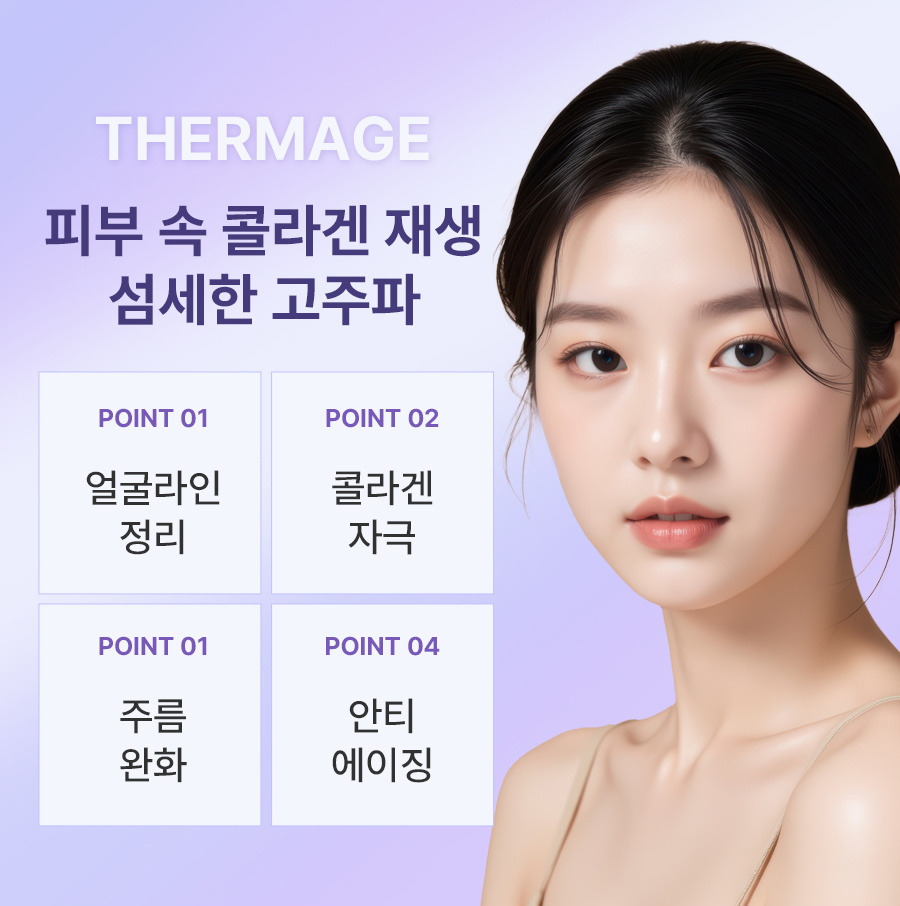
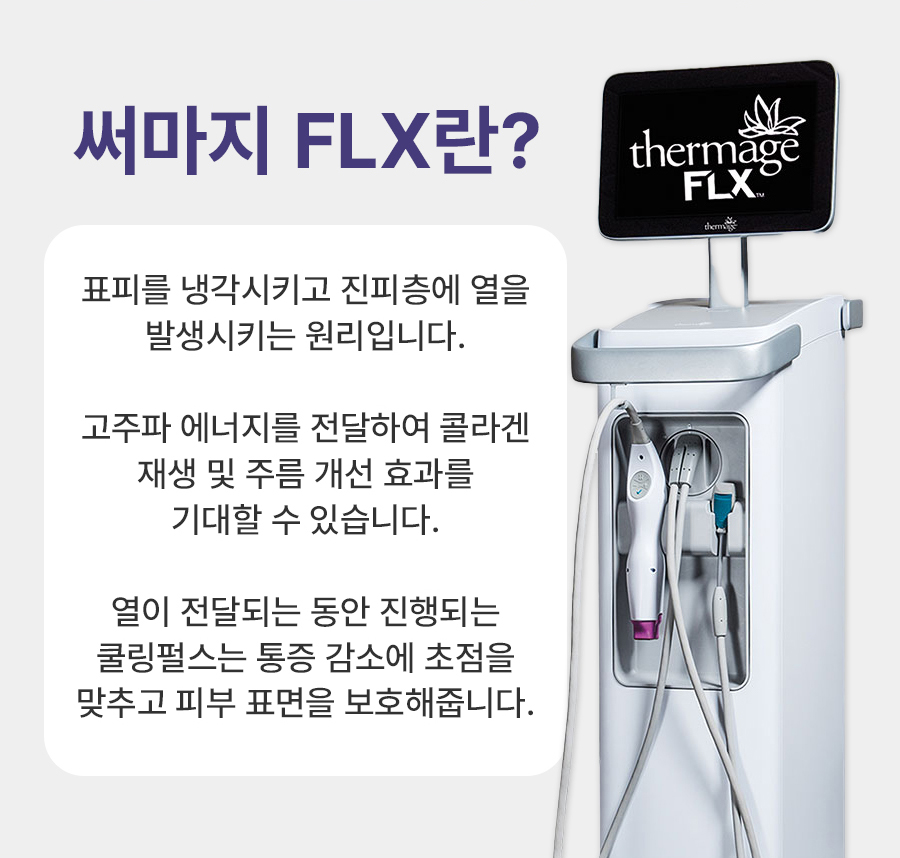
Thermage FLX is a non‑surgical lifting procedure that uses monopolar radiofrequency energy. During treatment, the device delivers controlled heat into the deeper layers of the skin, especially the dermis and fibrous septa that support the skin. This bulk heating tightens existing collagen fibers and stimulates the body to produce new collagen over the following months.
To protect the surface of the skin, the Thermage FLX handpiece uses cooling before, during, and after each pulse of energy. This combination of deep heating and surface cooling is designed to reach the temperature needed for collagen remodeling while keeping the epidermis comfortable and safe.
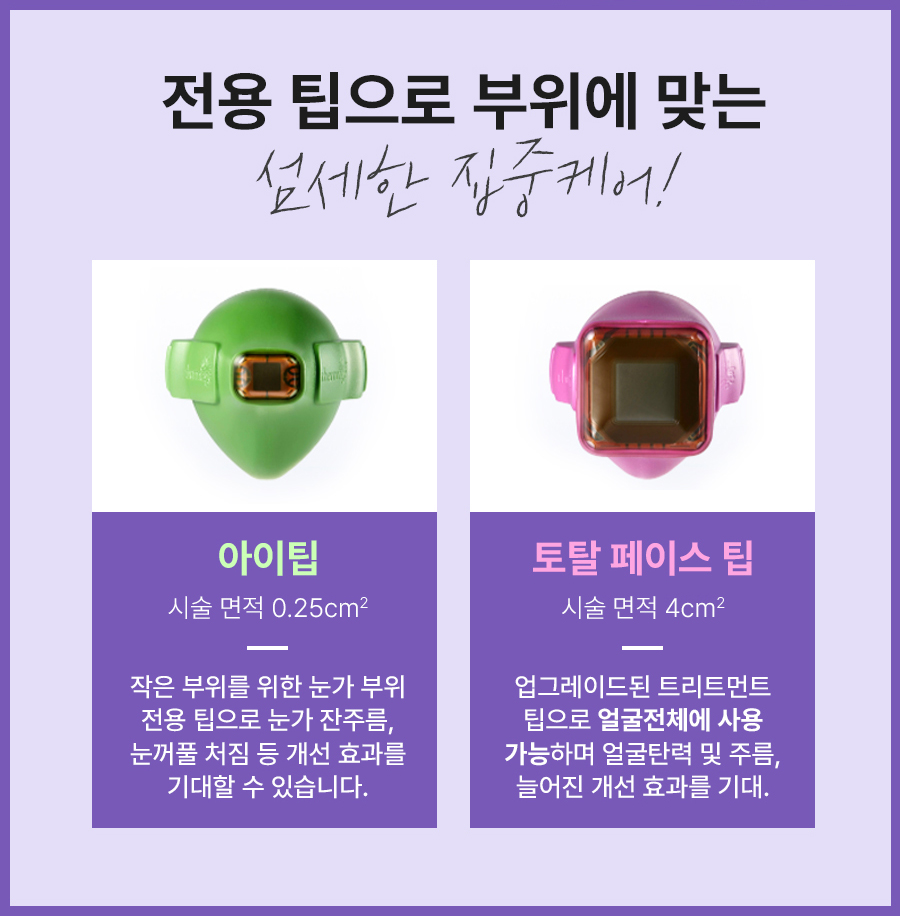
Common treatment areas include the full face, lower face and jawline, nasolabial folds, marionette lines, and sometimes the eye area with a specific eye tip, depending on the clinic’s equipment and protocol. In the Dongtan clinic described here, Thermage FLX is used mainly for facial sagging and jawline definition, and can also be applied to fine wrinkles and texture concerns.

How Thermage FLX differs from ultrasound lifting
Many patients in Korea compare Thermage FLX with ultrasound lifting devices such as Ulthera or Shurink. While both are energy‑based lifting treatments, they work in different ways.
Thermage FLX uses monopolar radiofrequency. It creates broad, uniform heating in the deeper skin and fibrous tissue. This bulk heating is especially helpful for overall tightening, improving skin firmness, and refining texture.
Ultrasound lifting, such as Ulthera or Shurink, uses focused ultrasound. The energy is delivered in small, precise points at specific depths, including the SMAS layer, which is a deeper support layer above the facial muscles. This point‑focused heating can help create a more defined lifting effect along certain lines of the face.
Clinicians may combine both approaches depending on skin thickness, the degree of sagging, and the patient’s goals. For example, a treatment plan might use Thermage FLX to address global tightening and texture and an ultrasound lifting device to enhance jawline definition.
Who may consider Thermage FLX
Thermage FLX may be suitable for adults with mild to moderate skin laxity who want to improve firmness without surgery. Typical candidates include people who notice:
Mild to moderate sagging in the cheeks and jawline.
Early jowls or a blurred jaw contour.
A mild double chin related to laxity rather than only fat.
Fine wrinkles and rough texture that could benefit from collagen remodeling.
It can also be an option for people who are not ready for surgical lifting, or who want a treatment with minimal downtime that fits into a short stay in Korea.
However, Thermage FLX is not ideal for everyone. People with very severe sagging, heavy tissue, or significant volume loss may need different or combined treatments such as thread lifting, injectables, or even surgery in other settings. The most appropriate plan depends on an in‑person assessment by a dermatologist who can evaluate skin thickness, fat distribution, and facial structure.
In Dongtan, the clinic discussed here has multiple lifting and contouring options, including Thermage FLX, ultrasound lifting devices, thread lifting, skin tightening devices, injectables such as Rejuran, and fat‑dissolving injections. This allows the medical team to suggest Thermage alone or in combination, or to recommend another option if Thermage is unlikely to give meaningful improvement.

How the procedure is performed in Dongtan
For international patients visiting the Dongtan new town area in Hwaseong, the Thermage FLX process at the local clinic generally follows several steps.
Initial consultation
You first meet a board‑certified dermatologist who evaluates your skin laxity, facial contours, and overall skin condition. The doctor will ask about your medical history, medications, previous lifting procedures, fillers, or thread lifts, and any history of abnormal scarring or sensitivity to heat‑based treatments.
This is also the time to discuss your main concerns, such as sagging cheeks, jawline definition, or fine wrinkles around the mouth and eyes. The dermatologist will explain what Thermage FLX can and cannot do for your particular case and may compare it with ultrasound lifting or other options.
Photography and assessment
Before treatment, standard clinical photographs are usually taken to document your baseline appearance. Some clinics also use skin analysis devices to evaluate texture, pores, and pigmentation. These records help the doctor design the treatment and monitor changes over time.
Treatment design and marking
The dermatologist then marks the treatment areas on your face. This step includes planning how many shots to deliver to each zone, such as cheeks, jawline, nasolabial folds, or under the chin. Areas with more laxity may receive more shots, while sensitive or high‑risk zones are treated more conservatively or avoided. Careful marking helps distribute energy safely and effectively.
Anesthesia and comfort
Before starting Thermage FLX, numbing cream is usually applied to the treatment area. In some cases, oral pain control may be offered, depending on your pain tolerance and the clinic’s protocol. During the procedure, you may feel brief heat and tingling with each pulse. Most patients find this tolerable, especially with modern Thermage FLX systems and proper cooling.
Thermage FLX treatment session
The dermatologist performs Thermage FLX procedures using devices and tips identified as Thermage FLX; patients are encouraged to confirm device model and authenticity during their consultation. During treatment, the handpiece is placed on the skin and each pulse delivers a combination of cooling and radiofrequency energy. The doctor adjusts energy levels and pulse distribution based on your skin’s response and comfort.
A full face and jawline session typically takes around 45–90 minutes, depending on the area and shot count. Throughout the procedure, the doctor and staff monitor your comfort and skin reaction.
Post‑treatment care on the day
After the session, the skin may feel warm or slightly tight. The clinic may apply cooling packs, soothing gel, or a calming mask. The dermatologist will check the treated area and explain aftercare instructions before you leave. You can usually return to normal daily activities right away, making it suitable for travelers with a busy schedule.
Results and timeline of improvement
Thermage FLX offers both immediate and gradual effects. Immediately after treatment, some patients notice a subtle tightening or lifting due to the contraction of existing collagen fibers. However, the main benefit comes from new collagen production.
Over the next 2–3 months, the body gradually builds new collagen in the treated areas. During this period, you may see progressive improvement in skin firmness, jawline definition, and fine lines. The degree of change varies from person to person, depending on age, skin condition, lifestyle, and genetic factors.
In many cases, the effect of Thermage FLX can last about one year or longer. Some patients choose to repeat the treatment every 12–18 months to maintain results, while others may extend the interval depending on their skin and budget. Your dermatologist can suggest a follow‑up schedule based on your response.
Safety, side effects, and aftercare
Thermage FLX is considered a well‑established non‑surgical lifting procedure, but like any medical treatment, it carries potential side effects and risks.
Common temporary reactions
Short‑term side effects are usually mild and temporary. They can include:
Redness in the treated area, often resolving within a few hours.
Mild swelling or puffiness, especially around the cheeks or jawline, which may last up to a few days.
Slight tenderness when touching the face or chewing, usually improving quickly.
Most patients can apply makeup and resume normal activities on the same or next day, but this can vary.
Rare but important risks
These risks are minimized when an experienced dermatologist plans the depth, energy level, and number of passes carefully, and when genuine Thermage FLX equipment and tips are used. This is one reason why choosing a clinic with strong experience in laser and energy‑based devices is important.
Aftercare recommendations
After Thermage FLX, your skin is undergoing a remodeling process. To support healing and reduce the risk of problems, many dermatologists recommend:
Avoiding very hot baths, saunas, and intense exercise for a short period after treatment, usually a few days.
Using gentle cleansing products and adequate moisturizers to maintain the skin barrier.
Applying sunscreen daily and avoiding excessive sun exposure, as ultraviolet light can break down collagen.
Avoiding aggressive facial massage, strong scrubs, or additional heat‑based procedures on the same area until your doctor approves.
If you notice persistent redness, pain, or any unusual changes in contour, you should contact the clinic promptly for evaluation.
What is special about this Dongtan clinic
In the Dongtan new town area of Hwaseong, the clinic offering Thermage FLX is a dedicated dermatology clinic located on the third floor of the Port Central City building along Dongtan‑daero Sibeom‑gil. It is accessible for residents of Dongtan 1 and 2 new towns and nearby cities such as Hwaseong and Suwon.
Medical staff background
The clinic is operated by two experienced dermatologists with backgrounds in clinical practice and medical education. They focus on patient assessment and individualized treatment plans.
The other representative dermatologist has training at a well‑known laser research institute in the United States, the UCI Beckman Laser Institute. This background indicates deep familiarity with laser and energy‑based devices, including Thermage FLX, and supports careful parameter control and safety.
Clinical environment and treatment options
The clinic provides a wide range of devices and procedures for lifting and skin improvement. These include Thermage FLX, ultrasound lifting devices such as Ulthera and Shurink, other skin tightening devices, thread lifting, injectables like Rejuran, and fat‑dissolving injections for contouring.
Because multiple options are available, the dermatologists can design a personalized plan rather than relying on a single device. For example, they may recommend Thermage FLX alone, Thermage combined with ultrasound lifting, or Thermage plus threads or injectables, depending on your skin thickness, degree of sagging, and facial shape.
System and transparency
In line with local regulations, the clinic discloses its non‑reimbursed treatment price list, which helps patients understand approximate costs in advance. There is also a before‑and‑after photo board for conditions such as acne, redness, pigmentation, and scars, accessible to members. This shows that the clinic routinely manages energy‑based treatments and follows patients over time.
Practical information for your visit to Dongtan
Location and access
The clinic is located on the third floor of the Port Central City mixed‑use building along Dongtan‑daero Sibeom‑gil in Dongtan new town, Hwaseong. This area is convenient for residents of Dongtan 1 and 2 new towns and is reachable from nearby cities such as Suwon.
Office hours
Typical office hours include weekdays, with at least one late evening day, and Saturday from morning to early afternoon. The clinic is closed on Sundays and public holidays. There is usually no long lunch break in the middle of the day, apart from a short designated time, so appointments can be scheduled flexibly around work or travel plans.
Reservation methods
Certain weekdays are open for online booking through a major local portal reservation system, which is convenient if you are already in Korea or can use local apps. Phone reservations are also possible. For overseas patients, it is often helpful to combine an online inquiry with a phone call or email to coordinate dates and discuss your travel schedule.
Online consultation and pre‑visit preparation
If you are planning to travel to Korea for Thermage FLX in Dongtan, preparing in advance will help your visit go smoothly.
Information to prepare
Before your online consultation or first visit, it is useful to organize the following information:
Your main concerns and goals: for example, sagging around the jawline, fine wrinkles around the mouth, or overall loss of firmness.
Your age and general health status.
Any previous procedures on your face, such as fillers, thread lifts, laser treatments, or other lifting devices.
Current medications and any history of allergies, especially to anesthetics or topical products.
If possible, you can also prepare recent photos of your face from the front and sides under natural lighting. These images can help the clinic give a preliminary opinion before you arrive, although a final plan will still require in‑person examination.
Questions to ask during consultation
To make a well‑informed decision, you may want to prepare a list of questions to ask the dermatologist, such as:

Is Thermage FLX suitable for my degree of sagging, or would ultrasound lifting or combination treatment be better?
What degree of tightening or lifting can I realistically expect at my age and with my skin type?
How many shots will be used, and which areas will receive higher energy or more passes?
What level of discomfort should I expect, and what pain control options are available?
How long will the results likely last in my case, and when should I consider a follow‑up treatment?
Asking these questions helps you understand not only the potential benefits but also the limitations and maintenance plan.
Expected Korea visit timeline for Thermage FLX
Because Thermage FLX is typically a single‑session treatment with minimal downtime, it fits well into a short stay in Korea.
A common schedule for international patients might look like this:
Day 1: Arrival in Korea and rest, or light sightseeing if you feel well.
Day 2: Consultation at the Dongtan clinic. If both you and the dermatologist agree and there are no medical concerns, Thermage FLX can often be performed on the same day after consultation and photography.
Day 3–4: Light local sightseeing or work. Most people can continue normal activities, as there is usually only mild redness or swelling.
Day 5 or later: Departure from Korea.
If your schedule allows, you may arrange a short follow‑up visit a few days after treatment, but this is not always necessary. The clinic can also provide online follow‑up communication if you return to your home country.
Aftercare while traveling
While you are still in Korea, follow the clinic’s aftercare instructions closely. Avoid very hot spas or saunas, which are common in Korea, for a few days after Thermage FLX. Use gentle skincare products and sun protection when walking around the city.
Once you return home, continue to protect your skin from the sun and maintain a healthy lifestyle, including adequate sleep, balanced nutrition, and not smoking, as these factors influence how long your collagen and results last.
Frequently asked questions about Thermage in Dongtan
How painful is Thermage FLX, and do I need anesthesia?
Most patients describe Thermage FLX as involving brief bursts of heat and tingling with each pulse, which can be uncomfortable but often tolerable. Numbing cream is commonly applied before treatment, and some clinics offer oral pain control if needed. According to the device manufacturer, newer FLX models include updated cooling and pulse designs that may help improve comfort compared with older versions. Pain tolerance varies by person, so discussing pain management options with your dermatologist in advance is important.
How long do Thermage FLX results last, and when should I repeat it?
The effect of Thermage FLX generally builds over 2–3 months as new collagen forms and can last about one year or longer in many patients. Factors such as age, skin condition, sun exposure, smoking, and lifestyle influence how long the benefits remain visible. Some people choose to repeat Thermage every 12–18 months to maintain firmness, while others may extend the interval or switch to other treatments based on their dermatologist’s advice.

Is Thermage better than Ulthera or Shurink for lifting?
Thermage FLX and ultrasound lifting devices such as Ulthera or Shurink work in different ways, so one is not universally better than the other. Thermage uses radiofrequency for broad, uniform heating that is helpful for overall tightening and texture improvement. Ultrasound lifting uses focused ultrasound to target specific deeper layers, such as the SMAS, for more localized lifting. The best choice depends on your skin thickness, degree of sagging, facial structure, and goals. In many cases, dermatologists in Dongtan combine both methods for a more comprehensive result.
What should I check when choosing a Thermage clinic in Dongtan?
When selecting a clinic, it is wise to confirm that a board‑certified dermatologist personally designs and performs the Thermage procedure. You should also check that genuine Thermage FLX equipment and tips are used, with appropriate shot counts and energy settings. A clinic that offers multiple lifting options and is willing to say no when Thermage is not suitable is often more likely to recommend what is best for your situation. During consultation, make sure that risks, downtime, and realistic outcomes are explained clearly before you make any payment.
Soft call to action for online consultation
If you are considering non‑surgical lifting during a visit to Korea and you will be staying around Dongtan, Hwaseong, or Suwon, arranging an online consultation in advance can help you plan your schedule and budget. By sharing your concerns, photos, and medical history, the Dongtan clinic’s dermatologists can advise whether Thermage FLX, ultrasound lifting, or a combination may suit you, and how to coordinate treatment with your travel dates.
You can contact the clinic through its online reservation system on designated weekdays or by phone to request further information in English. Final decisions about Thermage FLX should always be made after an in‑person examination, but early communication can make your visit smoother and more efficient.


댓글
댓글 쓰기