Dongtan Thermage FLX non‑surgical lifting guide for international patients
- 공유 링크 만들기
- X
- 이메일
- 기타 앱
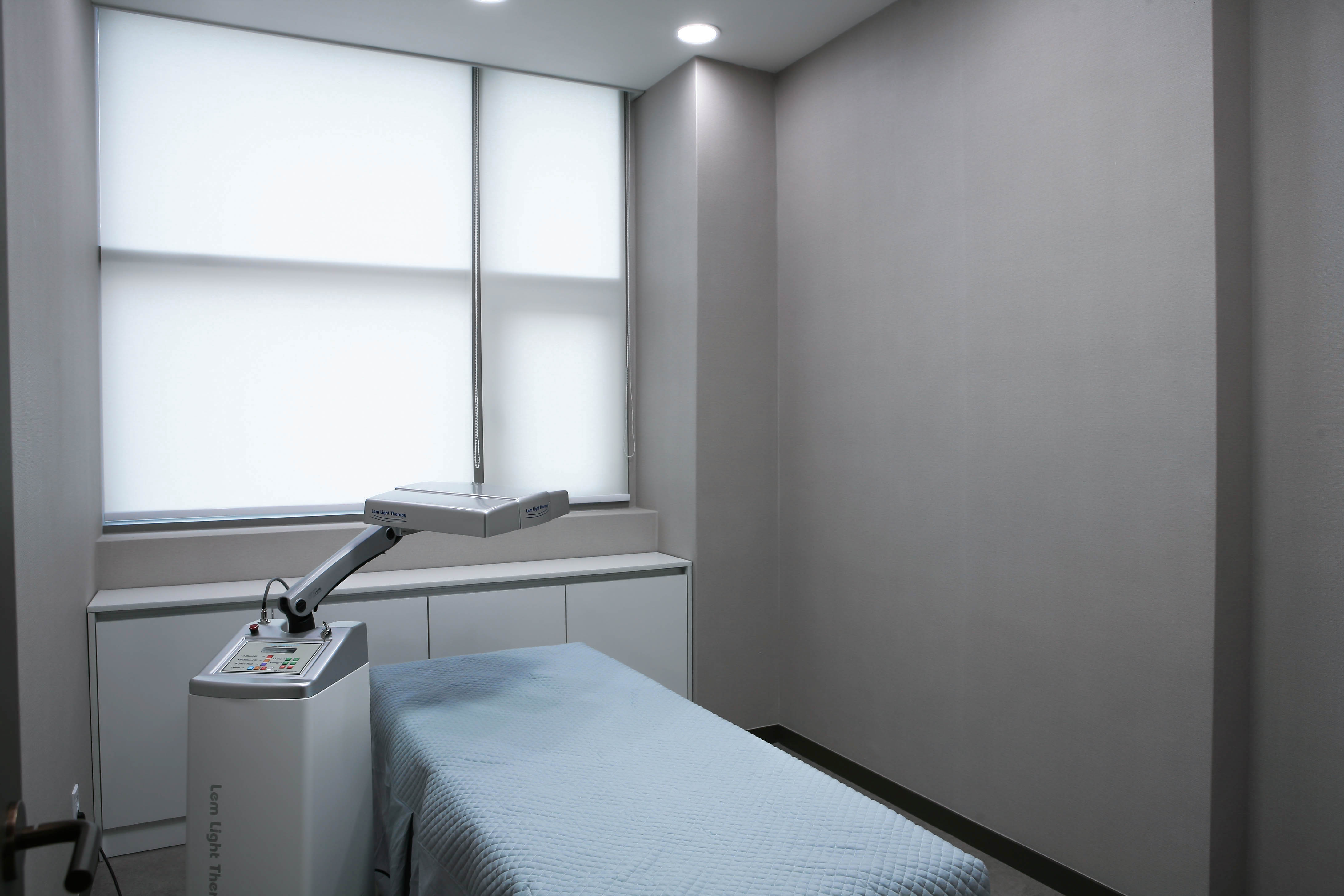
It uses controlled heat to stimulate collagen, leading to gradual tightening over the following months with minimal downtime. In the Dongtan New Town area of Hwaseong, some clinics offer Thermage FLX alongside Ultherapy, Shurink, thread lifting, and injectables, so you can receive a tailored plan rather than a one‑size‑fits‑all procedure. This guide explains how Thermage works, who it suits, what to expect during a visit to Korea, and how to prepare and follow up safely.
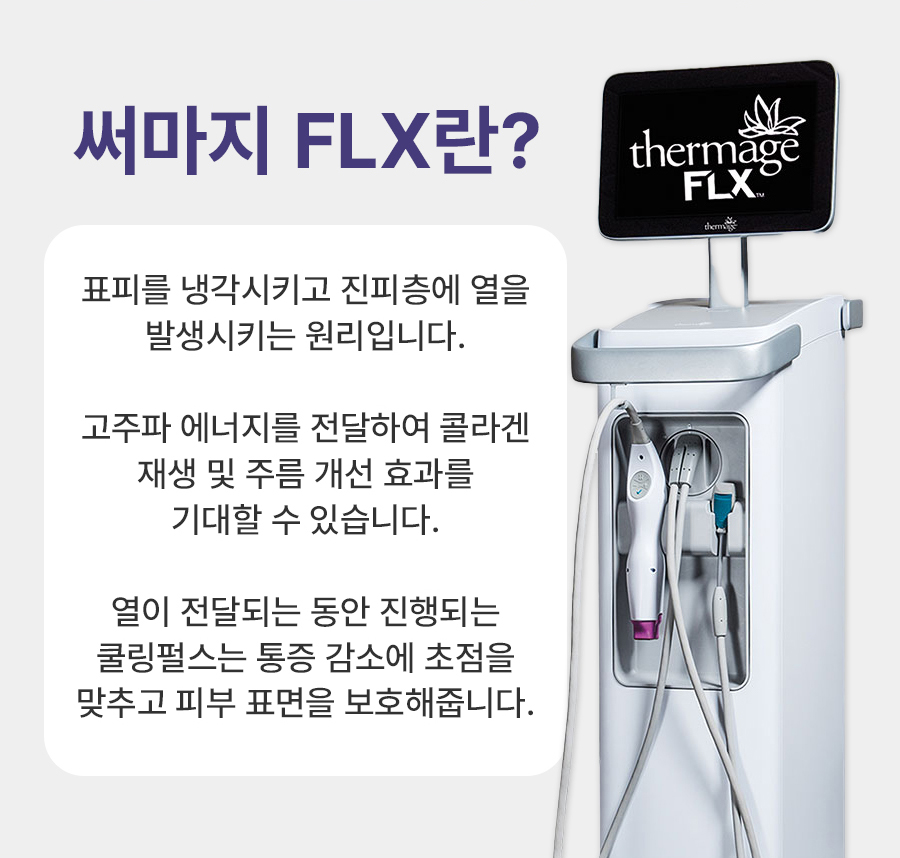
Thermage FLX is a monopolar radiofrequency system used for non‑surgical skin tightening and lifting. It delivers bulk heating to the deeper dermis and the fibroseptal network, which are the collagen‑rich support structures under your skin. By heating these layers in a controlled way, Thermage encourages existing collagen to contract and can stimulate new collagen production over time.
For patients looking for Dongtan Thermage, this treatment is often chosen to address early jowls, blurring of the jawline, mild to moderate sagging, and fine wrinkles, especially around the eyes and mouth. It is usually performed as a single intensive session, with results building gradually rather than overnight.
What Thermage FLX is and how it works
Thermage FLX uses monopolar radiofrequency energy. Unlike lasers that mainly target the surface, this type of energy penetrates deeper into the skin to heat the collagen framework without cutting or injecting.
During treatment, a handpiece with a single‑use tip touches your skin and delivers brief pulses of radiofrequency. Each pulse heats the deeper layers while a cooling system helps protect the surface. This combination allows enough heat to reach the collagen to cause tightening and remodeling while keeping the outer skin relatively comfortable.
In simple terms, the heat causes two main effects. First, collagen fibers contract slightly, giving a modest immediate tightening. Second, the controlled heat injury signals your body to produce new collagen over the following months. As this new collagen matures, skin can feel firmer, contours may look more defined, and fine lines can soften.

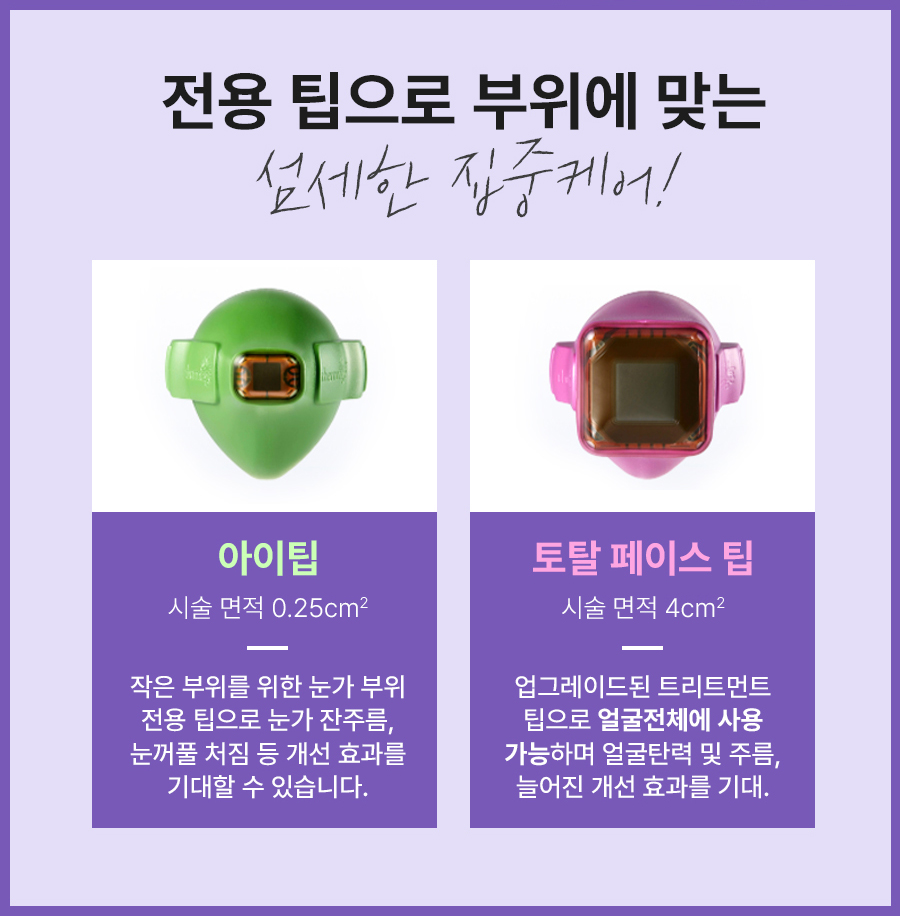
Areas commonly treated with Thermage FLX include the full face, jawline, nasolabial fold area, under‑eye and eyelid region, and sometimes the neck. For people searching for Dongtan Thermage, full‑face and jawline lifting are the most requested.
Who may consider Thermage FLX
Thermage FLX is generally suited to adults with mild to moderate skin laxity who want visible but natural‑looking improvement without surgery.
You may consider Thermage if you notice any of the following.
- Early jowls or a slightly sagging jawline
- Mild blurring of the V‑line or lower face contour
- Fine lines and crepey skin around the eyes or mouth
- Enlarged pores that are partly related to laxity
- Overall mild to moderate sagging of the midface or lower face
Thermage FLX can be a good option if you prefer non‑surgical lifting and want to avoid threads or more invasive procedures. It is often chosen by people in their 30s to 50s as a first or second‑line lifting treatment.
Thermage can also be combined with other treatments. For example, Ultherapy can target deeper layers such as the SMAS for structural lifting, while Thermage focuses more on dermal tightening and skin quality. Fillers or skin boosters may be added later to address volume loss or fine texture issues that energy devices cannot fully correct.
Who may not be ideal for Thermage
Thermage is not suitable for everyone. Patients with very severe sagging, heavy jowls, or large amounts of excess skin may see limited benefit and could be better evaluated for surgical options.
People with implanted electronic devices such as certain pacemakers or defibrillators, or with specific metal implants in the treatment area, may not be candidates for radiofrequency procedures. Those with uncontrolled systemic diseases, active infections, or very sensitive skin conditions also require careful evaluation.
Because these decisions depend on your overall health and skin condition, a proper consultation with a qualified doctor is essential before scheduling Thermage.
Step‑by‑step treatment process
Understanding the process can help you plan your visit to Korea and your time in Dongtan.
Pre‑treatment consultation
Before Thermage, you will usually have a detailed consultation. The doctor assesses your skin laxity, thickness, volume loss, and facial balance. They will discuss your main concerns, such as jawline definition, nasolabial folds, or eye wrinkles, and explain whether Thermage alone is likely to help or if a combination plan is more appropriate.
Your medical history is reviewed, including any implants, chronic illnesses, medications, or previous treatments. Standardized photographs are often taken for before‑and‑after comparison so that gradual changes can be evaluated more objectively.

On the day of Thermage
On the treatment day, your skin is cleansed thoroughly. The doctor or staff may draw temporary markings on your face and neck to guide even placement of the radiofrequency shots.
A coupling fluid is applied to help the tip glide smoothly and deliver energy efficiently. A new, single‑use Thermage FLX tip is attached to the handpiece to ensure hygiene and consistent performance. The doctor then delivers multiple pulses across the planned areas, following a protocol that considers your skin type and goals.
depending on whether the neck or eye area is included. After the treatment, your skin may look slightly pink but usually returns to normal within a short time.
Pain and comfort
Most patients describe Thermage as a series of brief bursts of heat with some tingling or prickling. The sensation can be more noticeable in thinner or bony areas such as the jawline or forehead.
Experienced doctors adjust the energy level, number of passes, and pacing according to your skin condition and pain tolerance. Some clinics may offer topical numbing cream or cooling measures to improve comfort, although the built‑in cooling of the device already helps.
If you are concerned about pain, discuss this during your online consultation so that a suitable comfort plan can be arranged in advance.
Downtime and aftercare
Thermage is considered a minimal‑downtime procedure. Most people can return to normal activities right after the session.
Short‑term effects can include mild redness, swelling, or a feeling of warmth or tightness in the treated area. These usually settle within hours to a couple of days. Makeup can often be applied the next day, depending on your skin’s sensitivity.
Aftercare is simple but important. Use gentle cleansing and adequate moisturization, and apply broad‑spectrum sunscreen every day. Avoid saunas, hot baths, intense exercise, or other strong heat exposure for several days, as excessive heat can irritate the treated skin. Follow any specific instructions given by your clinic.
Results, duration, and realistic expectations
Thermage does not create an instant dramatic lift. Instead, it offers gradual, natural‑looking improvement.
Onset of results
Some patients notice a mild immediate tightening due to collagen contraction right after treatment. However, the main changes appear gradually over the next 2 to 3 months as new collagen forms and matures.
You may see subtle improvements in jawline definition, softening of nasolabial folds, smoother skin texture, and reduced fine lines, especially around the eyes and mouth. The degree of change varies from person to person.

Duration of results
Many patients choose to repeat Thermage every 12 to 18 months. Individual results vary and depend on factors such as age, baseline skin condition, lifestyle, and ongoing skin care, including sun protection and home maintenance.
Realistic expectations
Thermage is best thought of as a non‑surgical tightening and contour refinement procedure. It can improve laxity and texture but does not replace a surgical facelift, particularly for very advanced sagging.
For many people in their 30s to 50s, the result is a fresher, slightly lifted appearance that still looks like themselves, not an obvious change that others can easily identify as a procedure.
Comparison with Ultherapy, Shurink, and thread lifting
When you search for Dongtan Thermage, you will often see Ultherapy, Shurink, and thread lifting mentioned together. Each has a different mechanism and role.
Thermage vs Ultherapy
Thermage FLX uses monopolar radiofrequency to heat the dermis and fibroseptal network, focusing on overall skin tightening and texture improvement.
Ultherapy uses focused ultrasound energy to target deeper structures, including the SMAS layer, which is the layer surgeons work on during a facelift. It is often chosen for deeper lifting of the jawline, cheeks, and brow.
In many clinics, Thermage and Ultherapy are combined in a layered approach: Ultherapy for deeper structural lift and Thermage for dermal tightening and skin quality.
Thermage vs Shurink and other HIFU devices
Shurink and similar HIFU devices also use micro‑focused ultrasound, usually at different depths. They are often positioned as more budget‑friendly lifting options that can be repeated at shorter intervals.
Thermage FLX is typically performed as a single, more intensive session with a strong focus on collagen remodeling and skin texture. Some patients alternate between Thermage and HIFU‑type treatments depending on their needs and maintenance plans.
Thermage vs thread lifting
Thread lifting involves inserting dissolvable threads under the skin to mechanically lift tissues. It can provide more immediate and visible lifting but comes with higher invasiveness, potential bruising, swelling, and risks such as asymmetry or thread palpability.
Thermage, in contrast, is non‑invasive and relies on gradual collagen changes. The lift is more subtle but the risk of mechanical complications is lower, and downtime is usually shorter.
Safety, risks, and choosing a Dongtan clinic
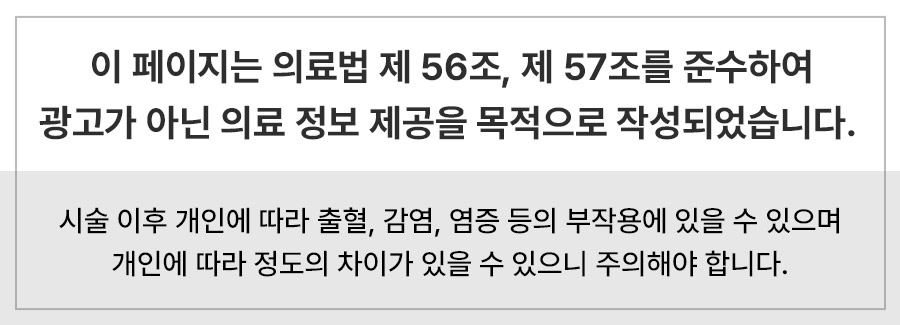
Thermage is generally considered safe when performed by properly trained doctors using genuine equipment. However, as with any energy‑based procedure, there are potential side effects.
Typical side effects
Common, short‑term effects include temporary redness, mild swelling, slight soreness, or sensitivity in the treated area. These usually resolve on their own.
Rare but more serious complications can include burns, blisters, fat atrophy, or contour irregularities if the energy is misused or applied unevenly. This is why the operator’s expertise is critical.
Importance of medical expertise
Thermage is a powerful device. Safe and effective treatment requires a solid understanding of skin anatomy, collagen behavior, and how to adjust energy settings and shot distribution for different face shapes and skin types.
In the Dongtan New Town area, some clinics emphasize specialist‑led diagnosis and treatment planning. For example, there are clinics where two representative doctors are board‑certified dermatologists, both graduates of Kyung Hee University School of Medicine and external faculty at a university hospital dermatology department. One previously served as head dermatologist at the medical office of the presidential residence and ranked first in the national dermatology board exam (first stage). The other has training experience at a US laser research institute, the UCI Beckman Laser Institute, which is relevant to expertise in energy‑based devices like Thermage and lasers.
These kinds of backgrounds can be reassuring for international patients who are considering procedures that depend heavily on device handling and safety.
What to check when choosing a Dongtan Thermage clinic
When you compare Dongtan Thermage options, consider more than just price.
Confirm that the clinic uses genuine Thermage FLX equipment and authentic single‑use tips, not older or unverified devices. Ask to see the device and packaging if you are unsure.
Check whether a dermatologist or similarly qualified doctor performs or directly supervises the procedure, rather than delegating entirely to non‑medical staff.
Look for clinics that offer a range of devices and treatments, such as Ultherapy, Shurink, RF microneedling, fractional lasers, and injectables. This makes it more likely that your plan will be customized instead of being pushed toward one device for everyone.
Transparent explanation of shot count, treatment areas, total cost, and follow‑up policy is also important. Some clinics in Dongtan clearly disclose non‑reimbursed treatment fees and operate with defined consultation and treatment hours, which can help international patients plan their schedule.
Online consultation and pre‑visit preparation
If you are traveling from overseas, an online consultation before your trip is highly recommended.
During an online consultation, you can send clear, well‑lit photos of your face from the front and both sides, ideally without heavy makeup. The doctor can then roughly assess your skin laxity, volume status, and whether Thermage is appropriate.
Prepare a brief medical summary including any chronic illnesses, medications, allergies, previous facial treatments, and whether you have any implants or metal in the treatment area. Also note your main priorities, such as jawline lifting, eye wrinkles, or overall tightening.
Before your visit, ask these practical questions.
- How long will the consultation and Thermage session take on the day
- How many days of stay are recommended after treatment
- What type of aftercare is provided and whether follow‑up can be done online
- What other treatments might be suggested in combination or as alternatives
Having this information in advance helps you build a realistic schedule and budget for your Korea trip.
Expected Korea visit timeline for Thermage in Dongtan
For most international patients, Thermage can be completed within a short stay.
Day 1: Arrival and rest. If your flight is long, it may be more comfortable to schedule the consultation and treatment for the next day.
Day 2: In‑clinic consultation, facial analysis, and discussion of options. If you and the doctor agree, Thermage can often be done on the same day. Expect around 1.5 to 2 hours total for consultation, photography, preparation, and treatment.
Day 3–4: Light sightseeing or work is usually possible, as downtime is minimal. Mild redness or swelling, if present, should start to subside.
Day 5 and beyond: Most visitors can safely return home. Any follow‑up questions can often be handled via messaging or video call, with photo updates.
If you plan to combine Thermage with other procedures such as Ultherapy, RF microneedling, or injectables, discuss the ideal sequence and timing during your online consultation so your itinerary can be arranged efficiently.
Aftercare and long‑term maintenance
After Thermage, protecting your new collagen is key.
Use a gentle cleanser and fragrance‑free moisturizer for the first few days. Avoid harsh scrubs, strong acids, or retinoids until your skin feels completely calm, unless your doctor advises otherwise.

Apply a broad‑spectrum sunscreen every morning, even on cloudy days, and reapply if you are outdoors. Sun exposure is one of the main factors that breaks down collagen.
Avoid saunas, hot baths, and very intense exercise for several days, as excessive heat can increase swelling or discomfort. Alcohol and very salty foods may also contribute to temporary swelling in some people, so moderate intake is sensible.
For long‑term maintenance, many patients repeat Thermage every 12 to 18 months, depending on how their skin ages and whether they combine it with other lifting or rejuvenation treatments.
Practical FAQ about Dongtan Thermage
Is Thermage suitable for first‑time lifting in my 30s or early 40s
For many people in their 30s or early 40s with mild laxity, Thermage can be a suitable first lifting procedure. At this stage, collagen loss has begun but sagging is usually not severe, so non‑surgical tightening can work relatively well.
However, individual factors such as skin thickness, facial structure, and lifestyle matter. A consultation is necessary to confirm whether Thermage alone is enough or whether you would benefit more from a combination with Ultherapy, Shurink, or other treatments.
How often should Thermage be repeated
Many patients repeat Thermage every 12 to 18 months. A common pattern is about once a year, but individual needs and goals may lead to different schedules.
The ideal frequency depends on your age, baseline laxity, and how well you maintain your skin. Your doctor can suggest a personalized schedule based on your response to the first treatment.
Can Thermage be combined with Ultherapy, Shurink, or thread lifting, and in what order
Yes, Thermage is often combined with other lifting modalities. One common approach is to perform Ultherapy or Shurink first to target deeper layers, then use Thermage to tighten the dermis and improve skin quality.
Thread lifting, if indicated, is usually planned carefully around energy‑based treatments to avoid damaging the threads. The exact order and timing should be decided in consultation with your doctor, based on your anatomy and goals.
What is the difference between genuine Thermage FLX and older or copy devices
Genuine Thermage FLX is a specific US‑FDA‑cleared monopolar radiofrequency system with proprietary tips, energy control, and built‑in safety features. Older models or copy devices may not have the same energy delivery, consistency, or safety profile.
Using authentic equipment and tips helps ensure that the treatment parameters match those used in clinical studies and that the risk of complications from uneven or excessive heating is reduced.
How painful is Thermage, and what can be done to manage discomfort
Most patients describe Thermage as tolerable but sometimes uncomfortable, with short bursts of heat and tingling. Discomfort is usually brief and limited to the moment of each pulse.
Pain can be managed by adjusting energy settings, using cooling, and in some cases applying topical numbing cream. Communicate openly with your doctor during treatment so they can adapt the settings to your tolerance while still aiming for an effective result.
What should I avoid before and after Thermage treatment
Before Thermage, it is generally advisable to avoid strong peels, aggressive laser treatments, or sunburn in the planned treatment area. Inform your doctor about any medications or supplements that might increase bruising or sensitivity.
After Thermage, avoid saunas, hot baths, and intense heat for several days. Protect your skin from the sun, use gentle skincare, and follow any personalized instructions from your clinic. If you notice unusual pain, blistering, or prolonged swelling, contact the clinic promptly.
Soft call to action for online consultation
If you are considering Dongtan Thermage as part of your visit to Korea, an online consultation is the safest way to start. By sharing photos and your concerns in advance, you can find out whether Thermage FLX is appropriate for your skin, how it might be combined with other treatments, and how to plan your travel schedule.
Reach out to a Dongtan New Town clinic that offers Thermage FLX along with other lifting and rejuvenation options, and ask for a specialist‑led evaluation. With clear information and realistic expectations, you can make a confident decision about whether Thermage is the right non‑surgical lifting choice for you.
- 공유 링크 만들기
- X
- 이메일
- 기타 앱


댓글
댓글 쓰기