Dongtan Thermage lifting guide for non‑surgical face and jawline tightening in Korea
Direct answer — summary
Dongtan Thermage lifting refers to Thermage FLX non-surgical skin tightening offered at dermatology clinics in the Dongtan New Town area of Hwaseong. Thermage devices deliver radiofrequency energy intended to heat deeper skin layers and stimulate collagen remodeling. Many patients report gradual improvement in skin tightness and the appearance of fine lines over weeks to months, but results, number of sessions, and recovery time vary by individual. Overseas patients sometimes arrange treatment during a short visit after an online consultation, but final suitability, device model, and scheduling should be confirmed during an in-person assessment with the clinic.
What is Thermage FLX lifting
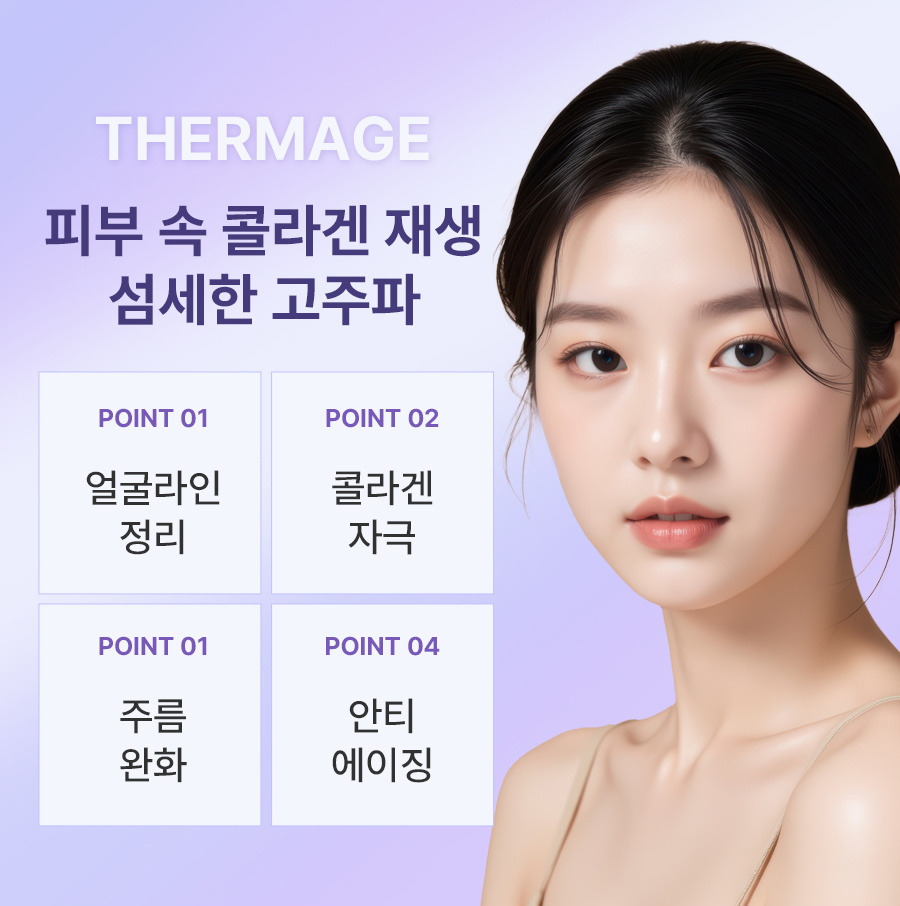
Thermage FLX is a radiofrequency lifting device designed to deliver controlled heat into the deeper dermis where collagen fibers are located. When this collagen layer is heated to a precise temperature, existing fibers contract and new collagen production is stimulated over time.
In practical terms, Thermage FLX may help tighten mildly sagging skin, sharpen a blurred jawline, and soften fine lines. It is a non‑surgical procedure with no incisions. Most patients have one full‑face and jawline session and then wait for gradual improvement over the following months.
Typical treatment areas include the full face, jawline, and sometimes the under‑eye area or neck depending on the clinic’s protocol and the patient’s needs. Because it does not involve injections or threads, it is often chosen by people who want lifting and tightening but prefer to avoid invasive procedures.
How Thermage FLX works in simple terms
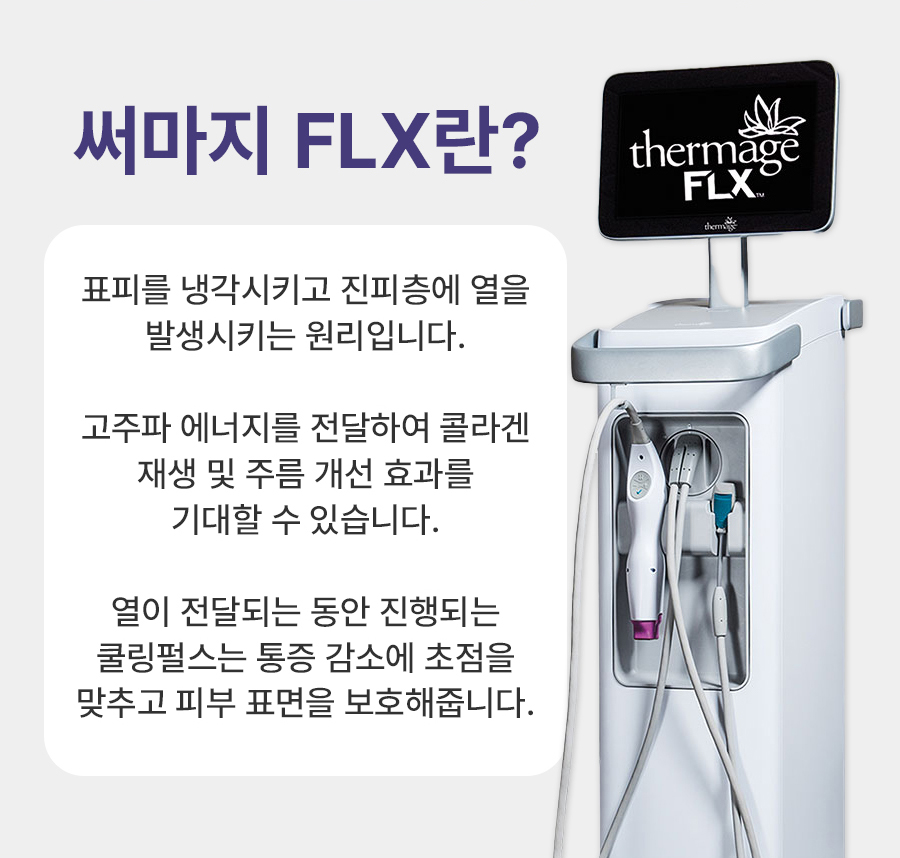
Thermage FLX uses high‑frequency radiofrequency energy delivered through a special tip that touches the skin. Each pulse sends heat into the collagen layer while a cooling system protects the surface of the skin.

There are two main phases of effect. First, there can be an immediate tightening effect as existing collagen fibers contract from the heat. Second, over about 3 to 6 months, the body responds to this controlled heat by remodeling and producing new collagen. This gradual remodeling is what often leads to a firmer, smoother appearance.
Because the treatment targets the deeper dermis rather than just the surface, it is generally known to help with skin laxity, early jowls, nasolabial folds, and overall texture rather than only fine surface wrinkles.
Who may consider Dongtan Thermage lifting
Thermage FLX in Dongtan is generally considered for adults who notice early to moderate signs of facial aging but do not yet want or need surgery. Typical concerns include sagging cheeks, a softer or less defined jawline, early jowls, and deepening nasolabial folds.
It may be suitable if you
- Have mild to moderate skin laxity rather than very severe sagging
- Want a non‑surgical option with no incisions and minimal downtime
- Prefer a single major session rather than multiple frequent visits
- Are interested in improving skin texture and fine lines along with lifting
Thermage can be used on a wide age range, but results and suitability depend more on skin quality, thickness, and collagen status than on age alone. A proper consultation with a dermatologist is necessary to determine whether Thermage, another lifting method, or a combination approach is more appropriate.
How Thermage differs from Ultherapy, Shurink, and thread lifting
Many people search for Dongtan Thermage lifting while also comparing Ultherapy, Shurink, and thread lifting. These treatments all aim to improve sagging, but they work in different ways.
Compared with Ultherapy
Ultherapy is a high‑intensity focused ultrasound (HIFU) treatment that can target the SMAS layer, a deeper structure that surgeons also address in facelift surgery. It is often chosen when the goal is more structural lifting of deeper tissues.
Thermage FLX uses radiofrequency energy and focuses more on the dermal collagen layer. It is generally known for improving skin tightness, elasticity, and texture rather than only repositioning deeper structures. In some patients, dermatologists may recommend combining Thermage for skin quality and Ultherapy for deeper lifting.
Compared with Shurink and similar HIFU devices
Shurink and similar HIFU devices are often used for more cost‑effective lifting and maintenance. They can be suitable for mild sagging and for patients who want lighter, more frequent treatments.

Thermage FLX is usually positioned as a premium radiofrequency lifting option. It is often chosen when a patient prefers a single, more intensive session aimed at collagen remodeling in the dermis, with effects that may last around a year or more depending on individual factors.
Compared with thread lifting
Thread lifting uses fine threads inserted under the skin to mechanically lift tissues. It can provide a more immediate visible lift, but it is minimally invasive and involves puncture points, threads, and a different risk profile.
Thermage FLX does not insert anything into the skin. It focuses on heating and tightening the collagen layer and improving skin quality. For some patients, dermatologists may suggest Thermage alone, while others may benefit from a combined plan where threads provide mechanical lifting and Thermage supports skin tightening and texture over time.
Thermage as part of a broader lifting lineup
In Dongtan, Thermage FLX is often one element within a broader lifting and anti‑aging lineup that can include Ultherapy, Shurink, thread lifting, skin tightening lasers, and injectables such as skin boosters or anti‑aging injections.
Dermatologists consider skin thickness, degree of laxity, facial volume, and patient preference when choosing among these options. For example, a patient with thin, sensitive skin and early sagging may be better suited to Thermage and gentle tightening lasers, while someone with heavier tissues might benefit more from Ultherapy or threads, possibly combined with Thermage for skin quality.
Dermatology specialists and medical background
For Dongtan Thermage lifting, procedures are performed by the clinic's dermatologists, who are described by the clinic as board-certified and experienced. Patients should verify specific credentials, training, and institutional affiliations directly with the clinic.
The clinic states that its dermatologists have hospital and laser training experience. Patients are encouraged to ask the clinic for details about each physician's qualifications and clinical background.
The other representative dermatologist has training experience at an American laser research institute, the UCI Beckman Laser Institute. This is directly related to expertise in laser and energy‑based devices, including radiofrequency systems such as Thermage FLX.
Both doctors are members of multiple dermatology‑related academic societies, including societies focused on lasers and skin diseases. This ongoing academic involvement helps to ensure that lifting and laser treatments are planned and performed according to up‑to‑date standards rather than only device marketing claims.
Genuine Thermage FLX equipment and standardized protocols
Patients commonly ask whether a clinic uses authentic equipment and follows standardized protocols.
Standardization usually includes
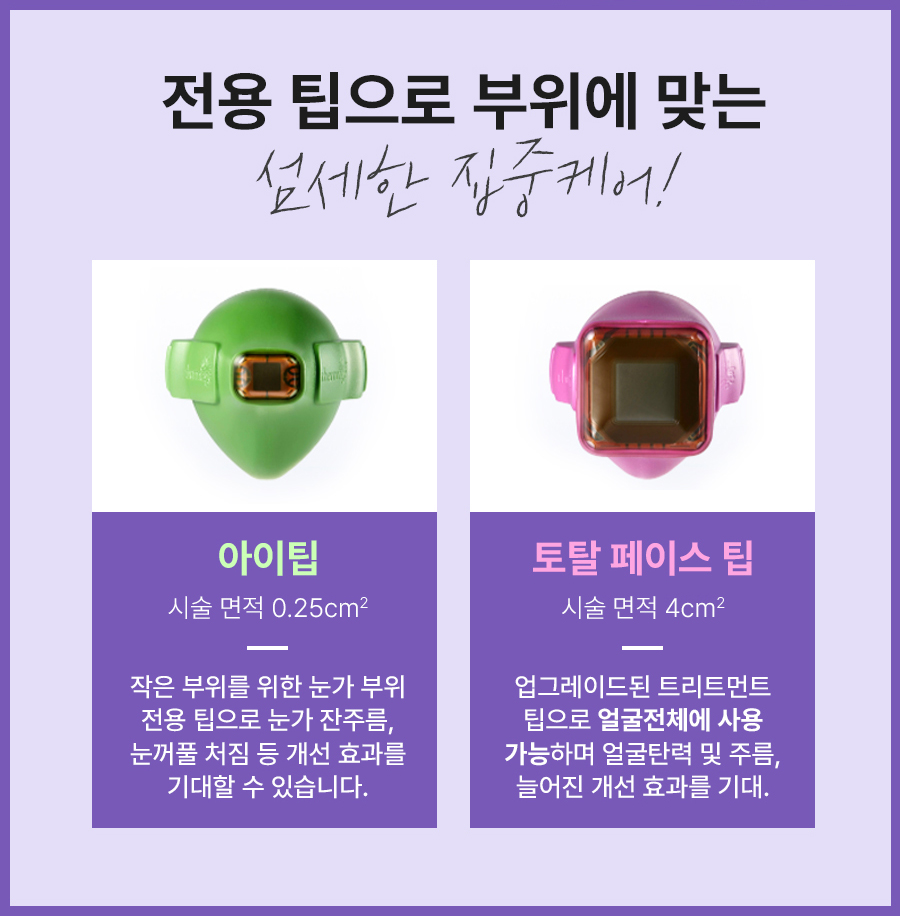
Using original Thermage FLX tips appropriate for the treatment area
Planning the number of shots and energy settings based on skin thickness and laxity
Applying contact cooling and coupling fluid correctly to protect the skin surface
Monitoring patient feedback on warmth and comfort during the procedure
Because the clinic also operates other lifting and laser devices such as Ultherapy, Shurink, skin tightening devices, fractional lasers, and vascular lasers, Thermage is recommended when it is truly appropriate for the patient’s skin and goals rather than because it is the only device available.
Medical approach to skin evaluation
The dermatology clinic in Dongtan does not only perform cosmetic lifting. It also manages various skin conditions such as acne, redness, pigmentation, scars, psoriasis, vitiligo, and hair loss. This broader medical experience supports a more careful evaluation of skin thickness, sensitivity, and the risk of side effects before Thermage.
For example, patients with active inflammatory skin disease, severe acne, or very sensitive skin may need adjustments in timing, energy settings, or even a different treatment plan. A dermatologist examines the skin, reviews medical history, and considers any implanted devices or systemic diseases before confirming that Thermage FLX is suitable.
Typical Thermage FLX journey for overseas patients
For international patients planning Dongtan Thermage lifting, it is helpful to understand the usual flow from first contact to follow‑up.
Initial online consultation and pre‑visit preparation
Before traveling, most overseas patients start with an online consultation. You may be asked to send clear photos of your face from the front and sides, along with information about your age, main concerns, previous treatments, and medical history.
During this stage, you can discuss whether Thermage FLX seems appropriate, or whether Ultherapy, Shurink, or a combination plan might fit your situation better. The clinic can also explain the expected number of shots, approximate treatment time, and how many days you should stay in Korea for comfort and follow‑up.
It is useful to prepare a list of questions before your online consultation, such as
- Which lifting method do you recommend for my level of sagging and skin thickness
- What kind of improvement is realistic for me, and over what time frame
- How will pain be managed during Thermage FLX
- What aftercare is needed, and when can I fly back home
Expected visit timeline in Korea
Some patients may be able to schedule consultation and Thermage FLX treatment on the same day during a short visit to Korea, but this depends on remote triage, clinic availability, and medical suitability. The clinic will determine final suitability in person; some patients may require pre-treatment workups or delayed scheduling for safety.
- Day 1
- In‑person consultation and skin assessment with a dermatologist
- Final decision between Thermage and other options, or a combined plan
- Explanation of risks, benefits, and consent process
- If suitable, Thermage FLX procedure on the same day
Day 2 or 3
Optional brief check‑up, especially if you have sensitive skin or combined treatments
Return to normal sightseeing or work activities, as downtime is usually minimal
Because Thermage effects develop gradually, you do not need to stay in Korea to see the full result. Follow‑up can often be done by sharing photos and communicating online with the clinic after you return home.
Pain control and procedure experience
Most patients feel warmth and some degree of discomfort during Thermage FLX, especially in areas with thinner skin. To manage this, the clinic typically uses several pain control methods.
Contact cooling from the Thermage FLX tip helps protect the surface of the skin while deeper tissues are heated. A coupling fluid or gel is applied to improve contact and comfort. Depending on the protocol and your sensitivity, a topical anesthetic cream may be used before treatment.
During the procedure, the dermatologist communicates with you and can adjust energy levels within safe ranges based on your feedback. The face is usually marked to guide even coverage, and multiple shots are delivered across the treatment area to create a uniform effect.
Most sessions for full face and jawline take around 60 to 90 minutes including preparation, but this can vary by individual and clinic protocol.
Aftercare and recovery
After Thermage FLX, mild redness or swelling can appear, especially in sensitive areas, but this usually subsides within hours to a couple of days. Most patients can return to daily activities, work, or sightseeing immediately.
Typical aftercare includes
Avoiding strong sun exposure and using sunscreen regularly
Using gentle skincare products and avoiding harsh scrubs or peels for a short period
Following any specific instructions about cooling, if recommended
Monitoring for unusual reactions and contacting the clinic if you notice anything concerning
Makeup can often be applied soon after treatment if the skin is comfortable, but your dermatologist will give specific guidance based on your skin type.
Expected results and duration
With Dongtan Thermage lifting, some people notice a subtle tightening immediately, but the main improvement usually appears gradually over about 3 to 6 months as collagen remodels.
The duration of effect varies by individual and depends on age, lifestyle, sun exposure, smoking, and natural aging. Many patients feel that the benefits last around one year or more, after which they may consider maintenance or another type of lifting treatment. Thermage is best understood as a way to support and slow visible aging, not to stop it completely.
Safety, indications, and limitations
Thermage FLX is generally considered safe when performed by experienced dermatologists using genuine equipment and proper protocols. However, it is not suitable for everyone.
Patients with implanted electronic devices, certain heart conditions, uncontrolled systemic diseases, or abnormal skin conditions in the treatment area need special evaluation. Some may be advised to avoid radiofrequency treatments altogether.
Thermage is usually more effective for mild to moderate sagging. In cases of very severe laxity, excess skin, or significant volume loss, surgical options or combined treatments may be more appropriate. The dermatologist will explain these limitations clearly during consultation.
Results also vary from person to person. Factors such as skin thickness, collagen quality, facial fat distribution, and overall health all influence the outcome. There is no guaranteed degree of lifting, and realistic expectations are important.
Local convenience for Dongtan residents and visitors
The dermatology clinic providing Thermage FLX is located in the Dongtan New Town area of Hwaseong, Gyeonggi Province. It is situated in a medical and commercial building, making it relatively easy to access for local residents and for visitors staying in nearby hotels or serviced apartments.

The clinic operates on weekdays and Saturday, with at least one weekday offering extended hours to accommodate office workers. There is generally no long lunch break in the middle of the day, which can be convenient if you want to schedule a consultation or procedure before or after work.
Online consultation and preparation checklist
Before you book a flight or fix your schedule, it is useful to prepare for your online consultation. This helps the dermatologist understand your situation and propose a realistic plan.
Prepare clear photos of your face from the front, 45‑degree angle, and side under natural lighting. Write down your main concerns, such as sagging cheeks, jawline definition, or fine lines. List any previous procedures, including fillers, threads, lasers, or lifting devices, and when they were done.
Also note any medical conditions, medications, allergies, or implanted devices. If you are taking blood thinners or have a history of keloid scarring, mention this clearly. Prepare questions about pain control, expected downtime, and how long you should stay in Korea after the procedure.
Frequently asked questions about Dongtan Thermage lifting
Is Thermage FLX enough for my sagging, or do I need Ultherapy or threads as well
This depends on your degree of sagging, skin thickness, and facial structure. For mild to moderate laxity, Thermage alone may provide a noticeable improvement in tightness and texture. For heavier tissues or more advanced sagging, dermatologists may recommend combining Thermage with Ultherapy or thread lifting for a more comprehensive effect. A face‑to‑face or online consultation with photos is necessary to make an appropriate plan.
How painful is Thermage FLX, and can I manage it without strong anesthesia
Most patients describe Thermage FLX as a sensation of deep warmth and brief discomfort during each pulse, rather than sharp pain. Contact cooling from the tip and coupling fluid help protect the skin surface. Depending on your sensitivity, a topical anesthetic cream may be applied before treatment. Many people tolerate the procedure with these measures alone, but pain perception is individual, so it is important to discuss your concerns with the dermatologist in advance.
How soon can I see results, and how long do they usually last
Some people notice a slight tightening immediately after Thermage FLX due to collagen contraction. However, the main changes develop gradually over 3 to 6 months as new collagen forms and existing fibers remodel. The duration of effect varies, but many patients feel that the improvement lasts around one year or more. Aging continues, so maintenance or other treatments may be considered later, depending on your goals and the doctor’s advice.

Can I fly back home right after Thermage, and is there any special care for travelers
Most patients can travel soon after Thermage FLX, as there is usually minimal downtime. Mild redness or swelling can occur but often settles within hours to a couple of days. For travelers, it is sensible to allow at least one day in Korea after the procedure in case you want an in‑person check or simply to rest. Standard aftercare includes sun protection, gentle skincare, and avoiding aggressive treatments on the face for a short period. The clinic can provide written instructions and may offer follow‑up via online communication once you are back home.
Soft call to action for online consultation
If you are considering Dongtan Thermage lifting for non‑surgical face and jawline tightening during a visit to Korea, an online consultation is a practical first step. By sharing photos, medical information, and your expectations, you can receive a personalized assessment from dermatology specialists who work with genuine Thermage FLX and a full range of lifting options.
This early discussion helps you understand whether Thermage is suitable for your skin, what kind of improvement is realistic, and how to plan your travel schedule. Before making any decision, it is important to consult directly with a qualified dermatologist who can explain the benefits, limitations, and alternatives based on your individual condition.


댓글
댓글 쓰기