Dongtan thread lifting guide for international patients considering non-surgical facial lifting
- 공유 링크 만들기
- X
- 이메일
- 기타 앱
ent.
If you are searching for Dongtan thread lifting because of sagging cheeks, a softer jawline, or deepening folds around the mouth, you are looking at a minimally invasive way to lift and contour the face without surgery. Thread lifting uses dissolvable threads placed under the skin to gently reposition sagging tissue and stimulate collagen. In Dongtan, there is a dermatology clinic in the Dongtan 2 new town area where experienced dermatologists provide thread lifting alongside other lifting options such as ultrasound and radiofrequency devices. This guide explains what to expect if you are considering traveling to Korea, how thread lifting works, who may benefit, how to prepare from overseas, and how a typical visit and aftercare may look.
Treatment overview – what is Dongtan thread lifting
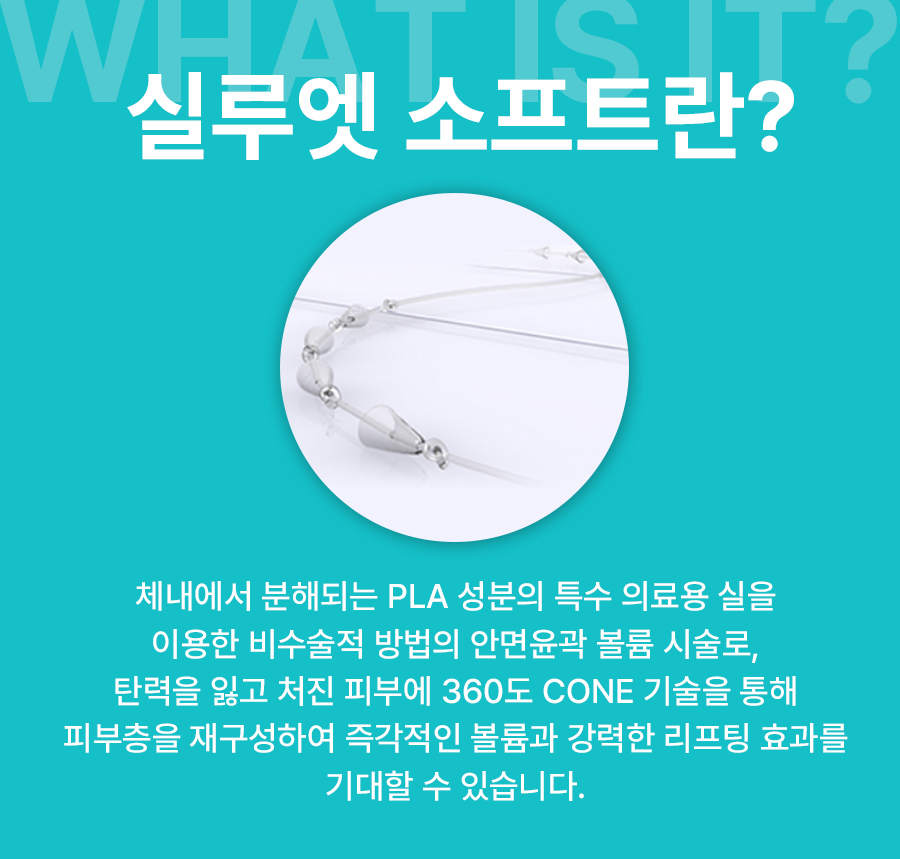
Thread lifting is a minimally invasive lifting procedure that uses fine, dissolvable threads made from materials such as PDO. These threads are inserted under the skin through a thin needle or cannula. Some threads have small barbs or cogs that catch and hold the tissue, allowing the doctor to lift sagging areas upward.
In Dongtan thread lifting is commonly used for:
- Sagging cheeks and midface that make the face look tired or heavy
- Softening or blurring of the jawline with early jowls
- Nasolabial folds running from the nose to the mouth corners
- Marionette lines that run down from the mouth corners
- Mild to moderate laxity in the lower face and sometimes the neck
contour.
Thread lifting provides a mechanical, structural lift by physically repositioning tissue, which can help define the jawline and cheeks. Energy-based treatments such as ultrasound or radiofrequency focus more on tightening and stimulating collagen in deeper skin layers, which can improve skin quality and produce a subtler lifting effect. Some clinicians use a combination of thread and energy-based approaches for selected patients after individual assessment; the optimal strategy should be decided with your treating provider.
Who may consider thread lifting in Dongtan
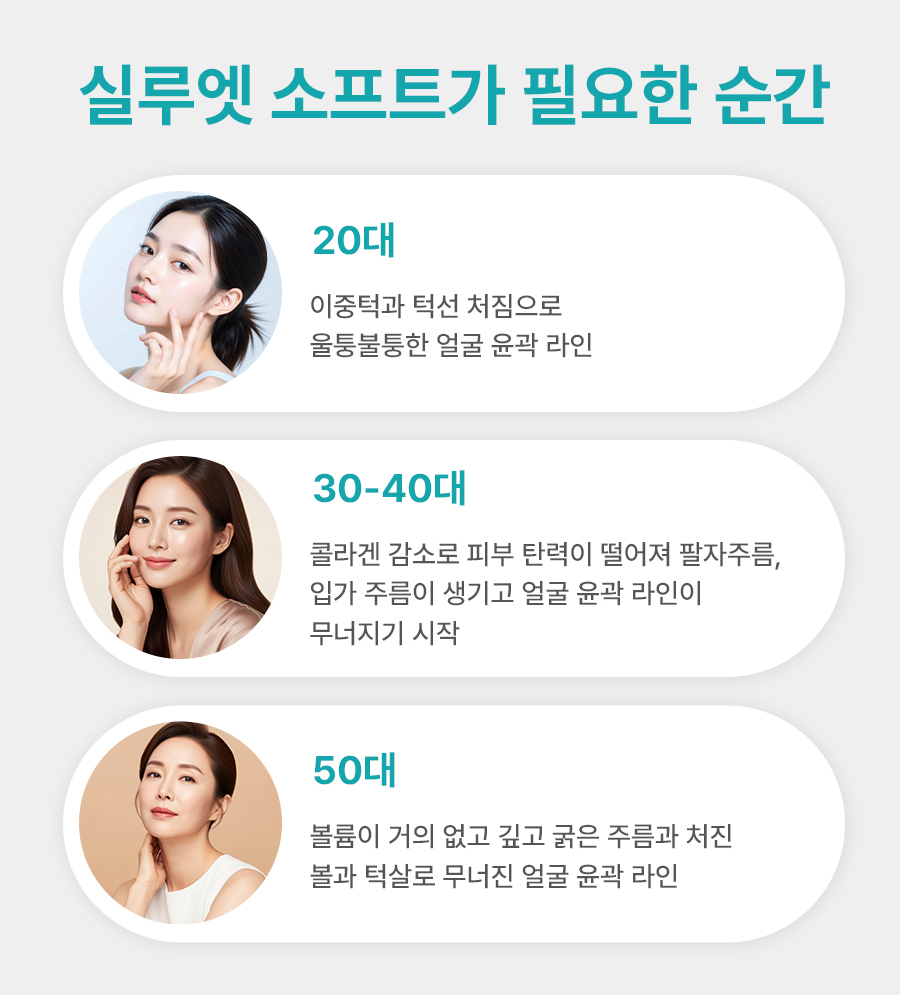
Thread lifting is usually considered by adults who notice early to moderate signs of facial sagging but are not ready for surgical facelift. Typical candidates include:
People in their late 20s to 50s with mild to moderate sagging
Those who want more visible lifting than skincare, simple injections, or laser toning can provide
Individuals who prefer a non-surgical, office-based procedure with relatively short downtime
People who want to refine the jawline, lift the midface, or soften nasolabial and marionette lines
It may be suitable if you:
- Feel your face looks tired or heavier than before, especially in photos
- Have started to see jowls forming along the jawline
- Want to address sagging but cannot take long time off work or travel
- Prefer gradual, natural-looking changes rather than dramatic surgical results
However, thread lifting is not ideal for everyone. If the skin is very thin, or if sagging is severe with large amounts of excess skin, a surgical facelift may provide more appropriate correction. People with uncontrolled systemic disease, bleeding tendencies, or active skin infections in the treatment area may also not be suitable. A face-to-face assessment with a dermatologist is essential before deciding.
How thread lifting works during your visit
A typical process may include:
Consultation and facial analysis
At your first visit, the dermatologist will listen to your concerns and examine your face. They will assess skin thickness, degree and pattern of sagging, facial asymmetry, and areas of volume loss. Photos may be taken for medical records and planning.
The doctor will discuss whether thread lifting alone is appropriate or whether combining it with other treatments, such as ultrasound lifting, radiofrequency lifting, fillers, or skin boosters, might better match your goals. The number and type of threads, insertion vectors, and expected degree of lifting are planned individually.
Design and marking
Once you agree on a plan, the doctor will mark the insertion and exit points and the direction of the threads on your skin while you are sitting or semi-reclined. This design step is important because it determines how the tissues will be repositioned.
Anesthesia
Most Dongtan thread lifting procedures are performed under local anesthesia. Numbing cream may be applied first, followed by small injections of local anesthetic along the planned thread paths. This helps reduce discomfort during insertion and adjustment.
Thread insertion and lifting
Using a fine needle or blunt-tipped cannula, the doctor inserts the threads under the skin along the pre-marked paths. Cog or barbed threads are gently pulled to engage and lift the tissue. You may feel pressure or a pulling sensation rather than sharp pain, especially once the anesthetic has taken effect.
The doctor will check symmetry and adjust the tension to create a balanced, natural-looking lift. Excess thread ends are trimmed and the entry points are cleaned. In some cases, small adhesive strips or tiny dressings are placed.
Immediate post-care in the clinic
After the procedure, you typically rest in the clinic for a short time. The staff may apply cold packs to reduce swelling and provide instructions on how to care for the treated area. Most patients can leave the clinic on the same day and return to their accommodation without needing hospital admission.
Expected results, duration, and realistic limitations
With Dongtan thread lifting, you can usually see an immediate lifting effect right after the procedure. Cheeks may appear higher, the jawline more defined, and folds around the mouth slightly softened. However, the final appearance settles over several weeks as swelling decreases and tissues adapt to the new position.
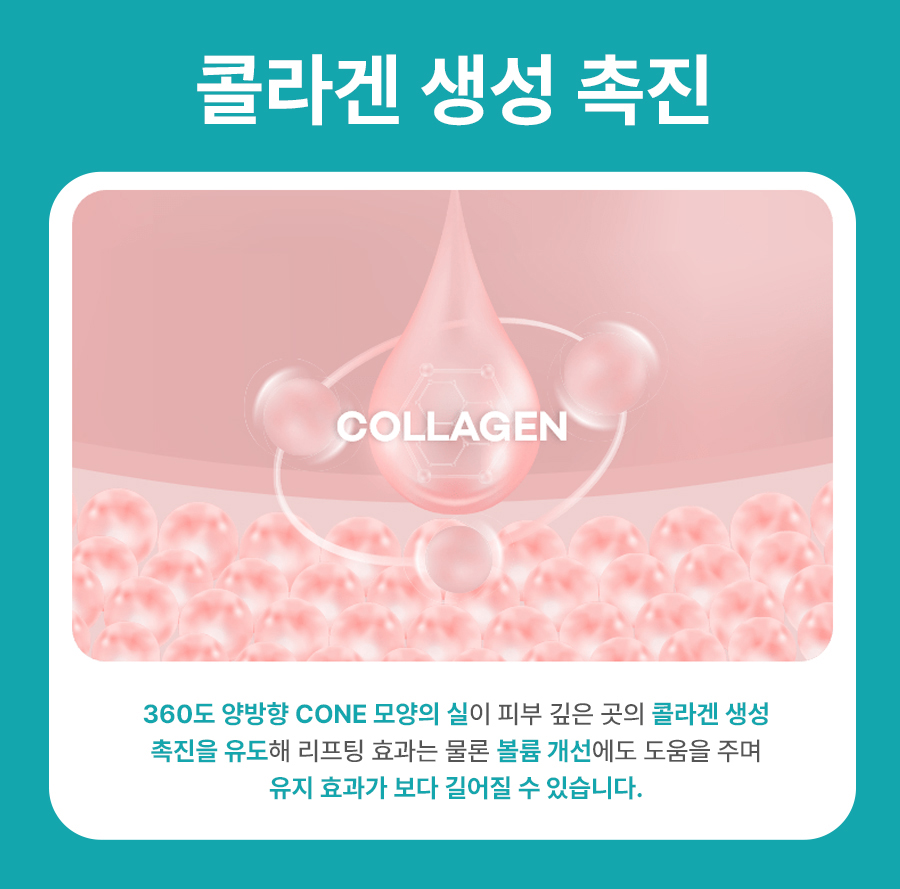
In the following months, collagen forms around the threads, gradually improving skin firmness and texture. Many patients notice that the face looks more supported and less tired, even if the change is not dramatic to others.
Duration of the lifting effect varies widely and depends on multiple factors such as:
- Type and number of threads used
- Your skin quality and thickness
- Age and degree of sagging
- Lifestyle factors such as smoking, sun exposure, and weight changes
It is important to understand the limitations. Thread lifting does not remove excess skin, and it cannot reproduce the effect of a surgical facelift. It is better suited for early to moderate sagging and for refining contour rather than transforming facial structure. Some patients choose to repeat thread lifting after the effect gradually softens, or to maintain results with energy-based lifting or other anti-aging treatments.
Safety, side effects, and how to minimize risks
Any procedure that involves inserting devices under the skin carries some risk, and thread lifting is no exception. Choosing a qualified dermatologist and following aftercare instructions can help reduce complications.
Common temporary side effects may include:
Swelling and mild bruising along the thread paths
Soreness, tightness, or pulling sensations when moving facial muscles
Temporary dimpling, irregularity, or slight asymmetry that usually improves as tissues settle over days to weeks
Less common but more significant risks can include:
- Infection around thread entry points
- Thread exposure or visibility under the skin
- Persistent asymmetry or irregular contour
- Injury to nearby vessels or nerves if the procedure is not performed correctly
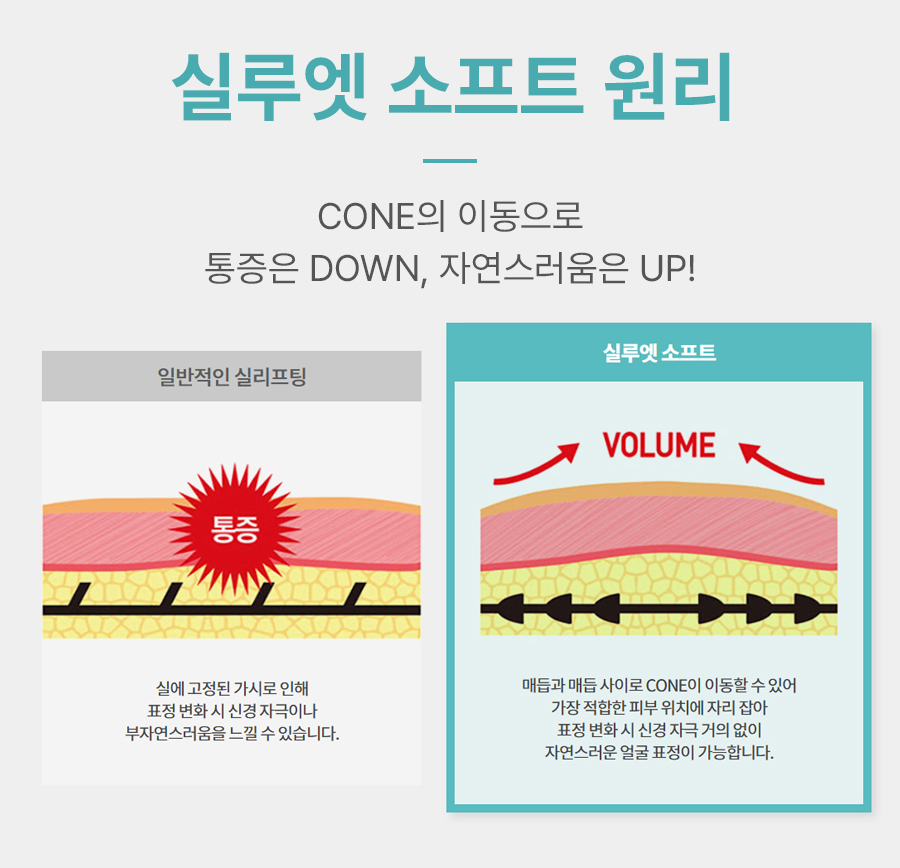
To minimize these risks, a careful medical assessment is important. The dermatologist will review your medical history, medications, and any conditions that might affect healing or bleeding. They will also evaluate whether your skin thickness and sagging pattern are suitable for threads, or whether another approach might be safer or more effective.
Aftercare usually includes:
Avoiding strong facial massage and beauty treatments on the treated area for about 1 to 2 weeks
Trying not to sleep face-down or on the side that puts heavy pressure on the treated area during the early healing period
Limiting exaggerated facial movements such as very wide yawning or strong chewing for a short time if recommended
Following the clinic’s advice on when to resume cleansing, skincare products, and makeup
Monitoring for unusual pain, redness, or discharge and contacting the clinic promptly if these occur
Your dermatologist in Dongtan will provide specific instructions based on the type and number of threads used.
How this Dongtan dermatology clinic approaches lifting
For residents in Dongtan and nearby areas, as well as international visitors, it can be helpful to know who is performing your thread lifting and how they plan treatment.
The clinic is staffed by dermatologists with university-level medical training and clinical experience; please confirm individual doctor qualifications and CVs through the clinic or official professional registries if you need specific credential details.
tive member of several dermatology-related academic societies, including groups focused on psoriasis, vitiligo, and laser dermatology.
ing skin boosters. Rather than using a single standard package, lifting plans are customized according to skin condition, degree of sagging, facial volume, and the patient’s expectations.
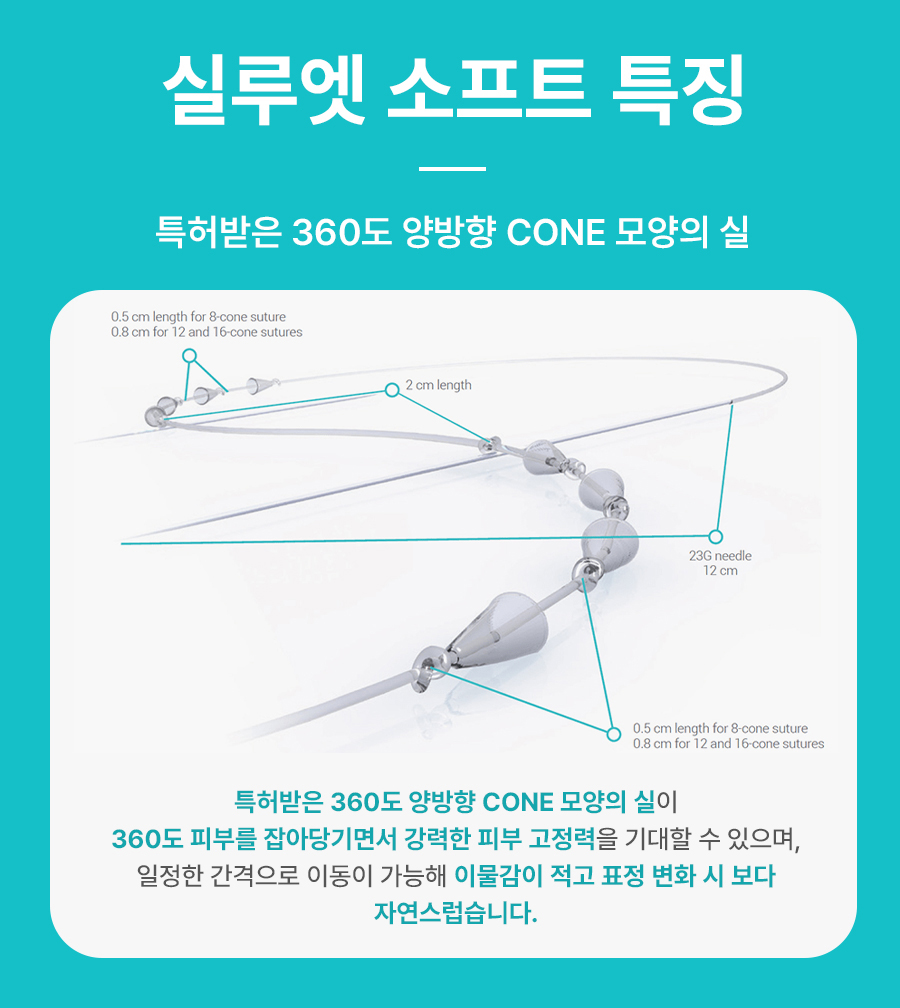
The clinic discloses non-insured treatment fees and maintains online consultation channels and member-only before and after photo boards. These resources can help patients, including those overseas, to understand realistic outcomes and decide whether Dongtan thread lifting matches their goals.
Online consultation and pre-visit preparation for overseas patients
If you are planning to travel to Korea for Dongtan thread lifting, preparing in advance can make your visit smoother and more efficient.
Before your trip, you can usually:
Use the clinic’s online consultation form or messaging channel to describe your concerns and goals
Attach clear photos of your face from the front and both sides under natural lighting
Share your age, general health status, and any medications or supplements you are taking
Mention previous procedures such as fillers, Botox, laser treatments, or surgery
Based on this information, the dermatologist can provide general guidance on whether you seem like a potential candidate for thread lifting, which areas might be treated, and whether combining threads with ultrasound or radiofrequency lifting might be considered. Final decisions are always made after in-person examination, but early communication helps set realistic expectations and plan your schedule.
Before traveling, it is useful to prepare a list of questions, for example:
- Which areas of my face are most suitable for threads?
- How many threads are likely to be used, and which type?
- What degree of lifting is realistic for my age and skin condition?
- How many days of visible swelling or bruising should I plan for, considering my return flight?
- Can thread lifting be combined with other treatments during the same visit?
You may also want to confirm clinic hours. This Dongtan dermatology clinic offers weekday and Saturday hours with a lunch break and is closed on Sundays and public holidays. Some days may be available for online reservation via a major local portal reservation system, which can be convenient if you want to secure a time before arriving in Korea.
Expected Korea visit timeline for Dongtan thread lifting
Every patient’s plan is different, but many international visitors can complete Dongtan thread lifting within a short stay if they plan carefully.
A typical timeline might look like this:
Day 1: Arrival and rest
Arrive in Korea and check into your accommodation in or near Dongtan. Use this day to rest from travel and adjust to the time zone. Avoid heavy alcohol intake or new skincare products that might irritate the skin.
Day 2: In-person consultation and procedure
Attend your appointment at the dermatology clinic. The doctor will perform a detailed examination, review your medical history, and discuss your options. If both you and the doctor agree to proceed and there are no medical concerns, thread lifting can often be done on the same day as the consultation.
The procedure itself typically takes under an hour, though you should allow extra time for consultation, consent, anesthesia, and post-procedure rest. Afterward, you may experience swelling or mild discomfort, so it is best to keep your schedule light.
Day 3 to 4: Early recovery and optional check-up
Swelling and mild bruising are usually most noticeable in the first few days. Many patients feel comfortable walking around the city, doing light sightseeing, or working remotely, but may prefer to avoid important social events or close-up photos.
Depending on the clinic’s policy and your schedule, a short follow-up visit may be arranged to check healing and answer any questions. If your stay is short, this follow-up might be done by message and photos after you return home.
Day 5 and beyond: Return home
Discuss return travel with your treating clinician before flying. Timing depends on your individual recovery and whether any complications occur, and your clinician may advise postponing travel if needed. Some swelling and minor bruising are common and typically improve gradually; follow aftercare instructions once you return home.
If you are combining thread lifting with other treatments such as Ultherapy, Thermage FLX, or fillers, the clinic will help you schedule them in a way that fits your travel plan and medical needs.
Aftercare and living with your new lift
After returning home from Dongtan, you should continue to take care of your skin and avoid unnecessary strain on the treated areas during the early healing period.
General aftercare tips often include:
Keeping the face clean and gently patting rather than rubbing when washing
Avoiding very hot saunas, steam rooms, or intense exercise for a short period if advised
Not massaging the treated areas unless specifically instructed
Using sun protection daily to support skin health and collagen
Avoiding sudden weight loss or gain that can affect facial volume and skin tension
Mild tightness or pulling sensations when you smile or chew may persist for some time and usually improve as tissues adapt. If you notice persistent pain, increasing redness, or any sign of infection, you should contact the clinic promptly. They can guide you on whether you need in-person evaluation locally or if simple measures are enough.
Frequently asked questions about Dongtan thread lifting
Is Dongtan thread lifting very painful?
Most patients describe thread lifting as uncomfortable rather than extremely painful. Local anesthesia is used to numb the insertion areas, and numbing cream may be applied before injections. You may feel pressure, pulling, or a strange sensation as threads are adjusted, but sharp pain is usually brief. Pain tolerance varies, so it is important to discuss your concerns with the dermatologist in advance.
How much downtime should I expect after thread lifting in Dongtan?
Downtime depends on your skin, the number of threads, and your personal sensitivity. Many people can return to light daily activities within a day or two, but visible swelling or bruising can last several days to around two weeks. If you are visiting from overseas, it is wise to plan at least a few days before important events or photography. The clinic can give more personalized guidance after examining you.
Can I wear makeup and exercise after the procedure?
Light makeup is often allowed after a short period, once the entry points have closed and the skin surface is stable, but timing can vary. Some doctors recommend avoiding heavy foundation or vigorous rubbing for several days. As for exercise, gentle walking is usually fine quite soon, but intense workouts, heavy lifting, or contact sports may need to be postponed for a short time to avoid excessive movement or pressure on the treated areas. Your dermatologist will provide specific timelines.
Can thread lifting be combined with Ultherapy, Thermage, or fillers during my Korea trip?
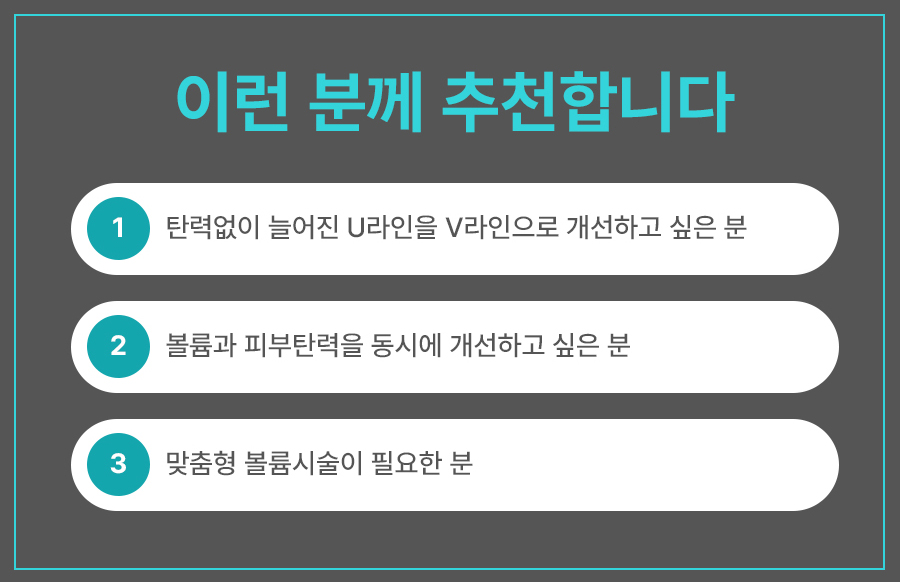
In many cases, thread lifting can be combined with energy-based lifting treatments such as Ultherapy or Thermage FLX, as well as fillers or skin boosters, either on the same day or in a staged plan. The ideal sequence depends on your facial structure, skin condition, and travel schedule. For example, some patients may have Ultherapy first for overall tightening and then add threads for contour, while others may benefit from volume correction with fillers before or after threads. A face-to-face consultation in Dongtan is necessary to design a safe and effective combination.
Soft call to action for online consultation
If you are considering Dongtan thread lifting as an overseas patient and want a non-surgical option to lift sagging cheeks, refine your jawline, or soften facial folds, an online consultation can be a helpful first step. By sharing photos and your medical background in advance, you can receive preliminary guidance on candidacy, possible treatment combinations, and an estimated visit schedule.
When you are ready, you can contact this dermatology clinic in the Dongtan 2 new town area through its online channels or reservation system to discuss your individual situation. A thorough in-person examination with a dermatologist will then determine the most appropriate lifting plan for you, taking into account safety, realistic expectations, and your travel plans.
- 공유 링크 만들기
- X
- 이메일
- 기타 앱


댓글
댓글 쓰기