Dongtan thread lifting guide for international patients seeking non‑surgical facial lifting
- 공유 링크 만들기
- X
- 이메일
- 기타 앱
If you are searching for “Dongtan thread lifting,” you are most likely looking for a minimally invasive option to address early facial sagging, sharpen the jawline, or refresh your appearance without a full facelift. Thread lifting in Dongtan uses fine, absorbable threads placed under the skin to reposition sagging tissues and stimulate collagen. Results can be noticeable immediately with gradual tightening over the following months; discuss expected durability and outcomes with your dermatologist during your consultation.
In Dongtan New Town in Hwaseong, there are dermatology‑focused clinics where thread lifting is planned and performed by dermatology specialists who also offer ultrasound and radiofrequency lifting, fillers, and other anti‑aging treatments. This allows international patients to receive an individualized plan rather than a one‑size‑fits‑all approach.
This guide explains what thread lifting is, who may benefit, how to prepare from overseas, what kind of visit schedule to expect in Korea, and how to look after your skin afterward.
What is thread lifting in Dongtan?
Thread lifting is a minimally invasive lifting procedure designed for people who notice early to moderate sagging but do not want or need surgical facelift.
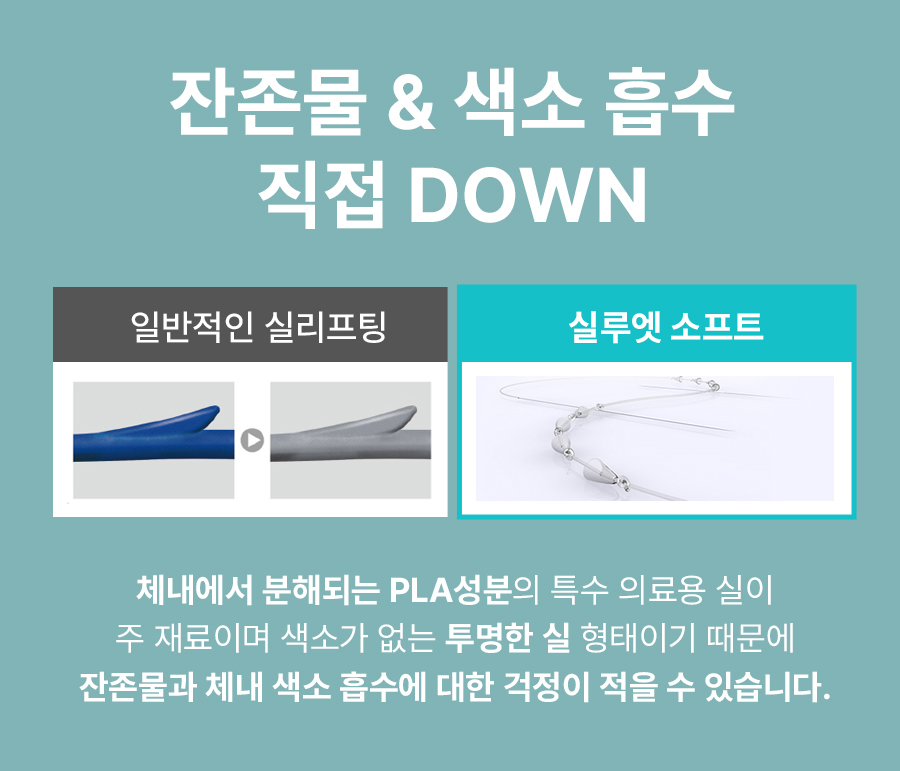
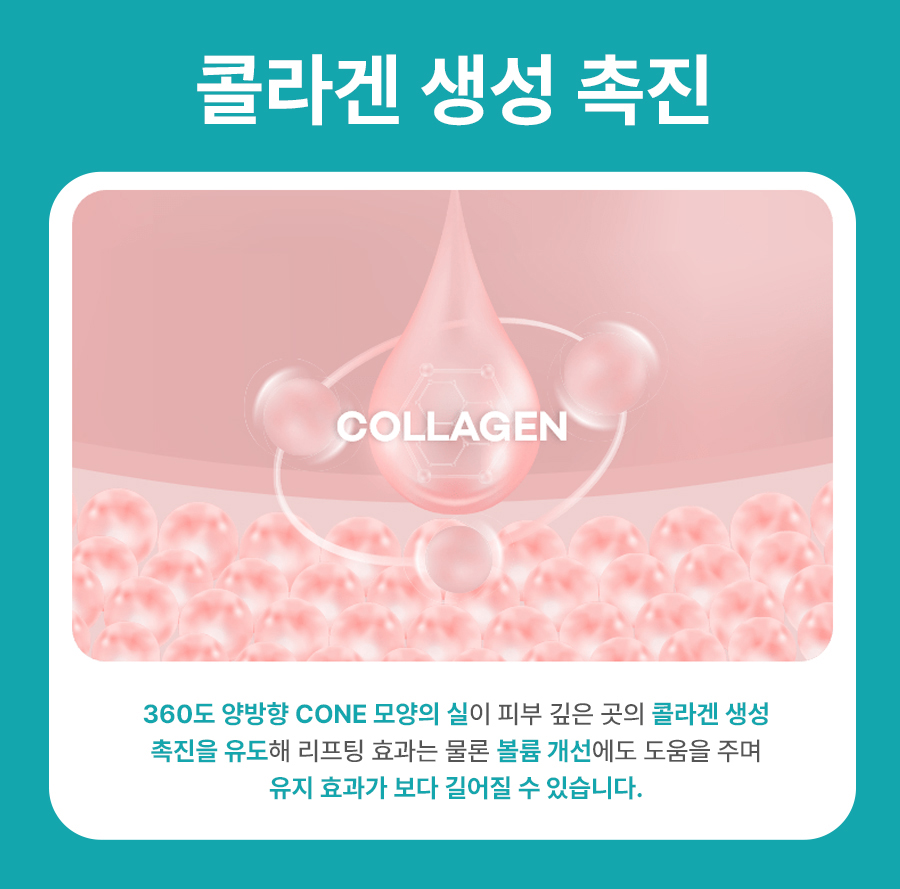
During a thread lift, very fine, absorbable threads are inserted under the skin using a needle or blunt cannula. These threads have tiny barbs, cogs, or cones that anchor into the tissue. When the doctor gently tightens them, they lift sagging areas such as the cheeks and jawline. Over time, the threads also stimulate collagen production along their path, which helps improve skin firmness.
Thread materials vary by clinic and may include different types of absorbable sutures; ask your dermatologist which material they use and why it is appropriate for your case.
Types of threads and where they are used
There are several thread designs, and your dermatologist will select a combination based on your concerns and skin type.
Barbed or cog threads are thicker threads with tiny hooks or barbs. They are mainly used for lifting the midface, cheeks, jawline, and sometimes the lateral brow. They provide a mechanical lifting effect.
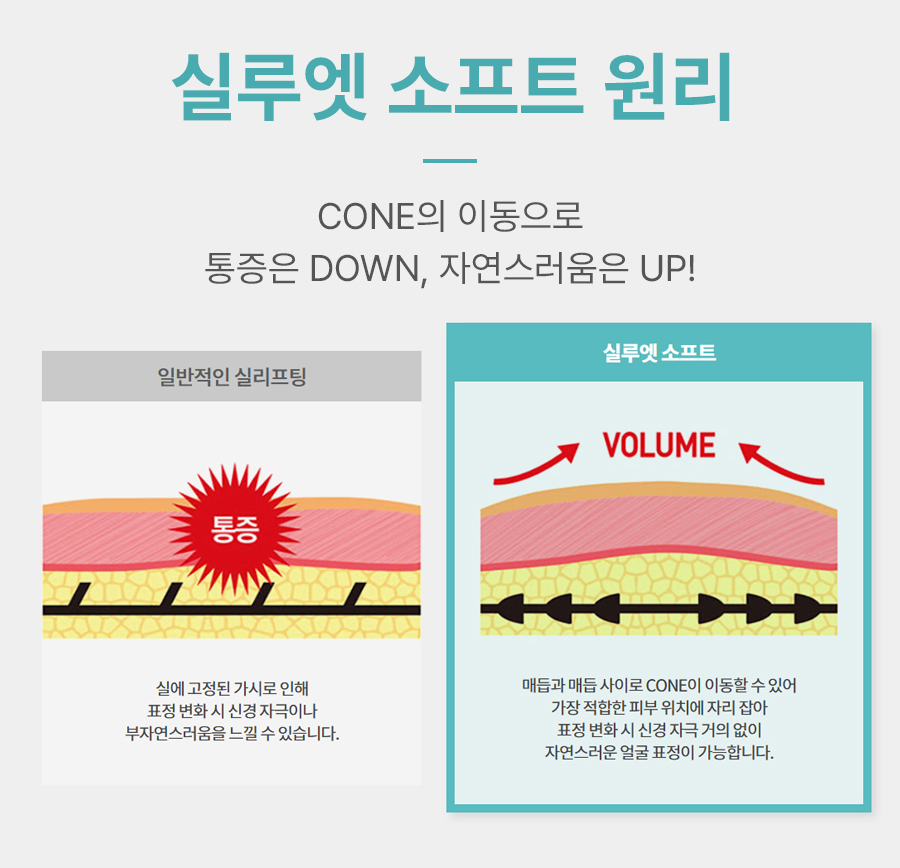
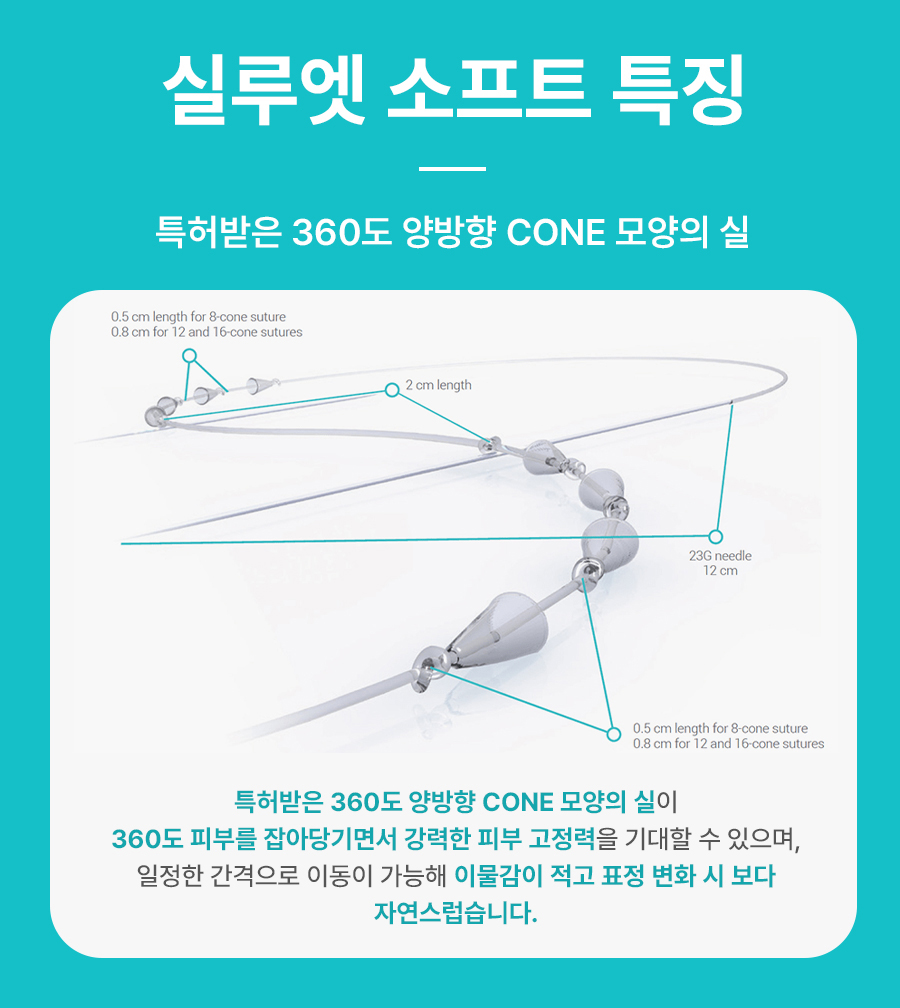
Cone threads have small cone‑shaped structures along the thread. They also anchor into tissue and are used for lifting and repositioning sagging areas.
Smooth threads are fine, straight threads without barbs. They are usually used more for collagen stimulation and mild tightening rather than strong lifting. They may be placed in areas with fine lines or mild laxity.
Main treatment areas for thread lifting
In Dongtan, thread lifting is most commonly performed for the following areas.
Midface and cheeks
Lifting the midface and cheek area can soften nasolabial folds by elevating the cheek tissue upward and backward. This often gives a fresher, less tired appearance.
Nasolabial folds and marionette lines
Although threads are not inserted directly into the fold itself, lifting the surrounding tissues can reduce the depth of smile lines and marionette lines around the mouth.
Jawline and jowls
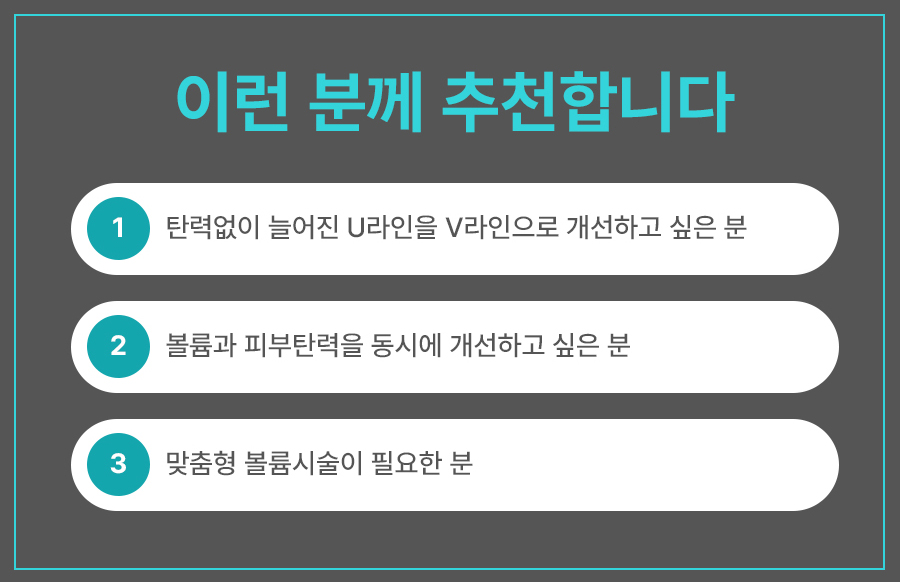
Many patients seek thread lifting to define the jawline and reduce early jowls. Properly placed lifting threads can create a more V‑shaped or slim lower face appearance, especially in mild to moderate sagging.
Eyebrow and lateral eye area
In selected patients, threads can gently elevate the outer part of the eyebrow or the lateral eye area to open up the eye region. This must be carefully planned to avoid an unnatural look.
Mild neck laxity
For some people with mild neck sagging or early horizontal laxity, threads may be used to improve the neck contour. However, severe neck laxity usually requires other approaches.
How thread lifting works
Thread lifting has a dual mechanism.
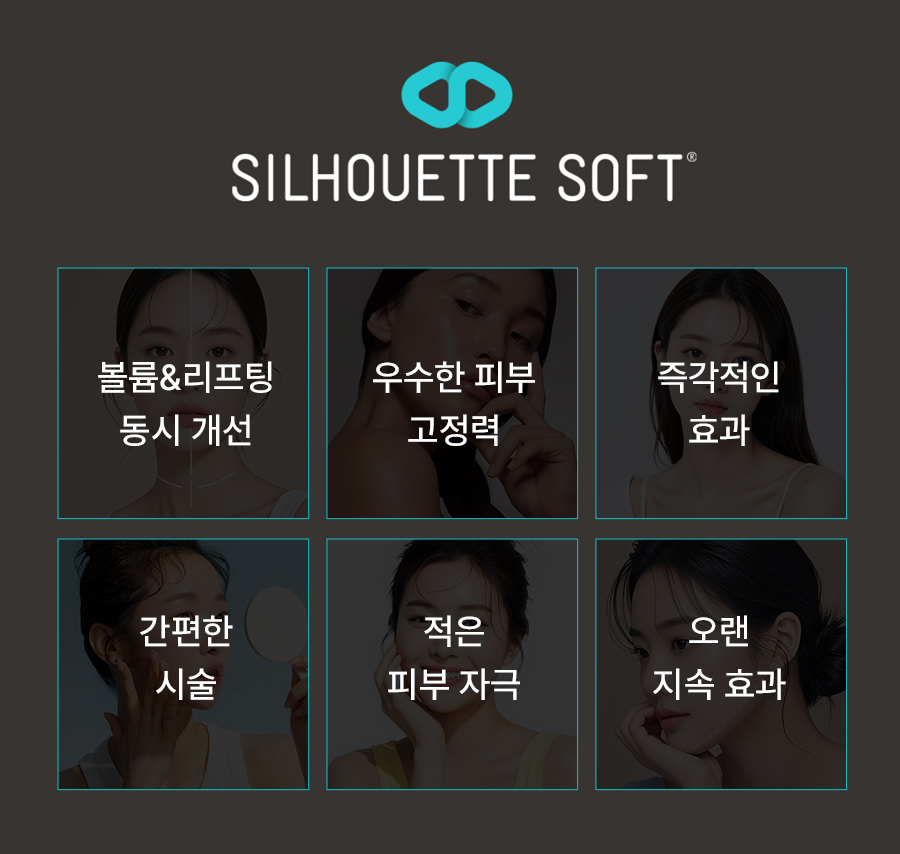
First, there is an immediate mechanical lift. The barbs or cones on the thread catch the tissue and hold it in a higher position when the doctor tightens the thread. This is why many patients see a visible change right after the procedure.
Second, there is gradual collagen stimulation. The presence of the thread in the tissue triggers a mild healing response, which leads to new collagen formation along the thread path over several months. This helps improve skin firmness and texture and can support the lifting effect.
How long results may last
The threads themselves usually dissolve over several months, depending on the material. However, the lifting and tightening effects can last around 1–2 years for many people. Duration depends on factors such as thread type, number and placement of threads, your age, skin quality, facial structure, and lifestyle habits such as smoking, sun exposure, and weight changes.
Who may consider Dongtan thread lifting
Ideal candidates
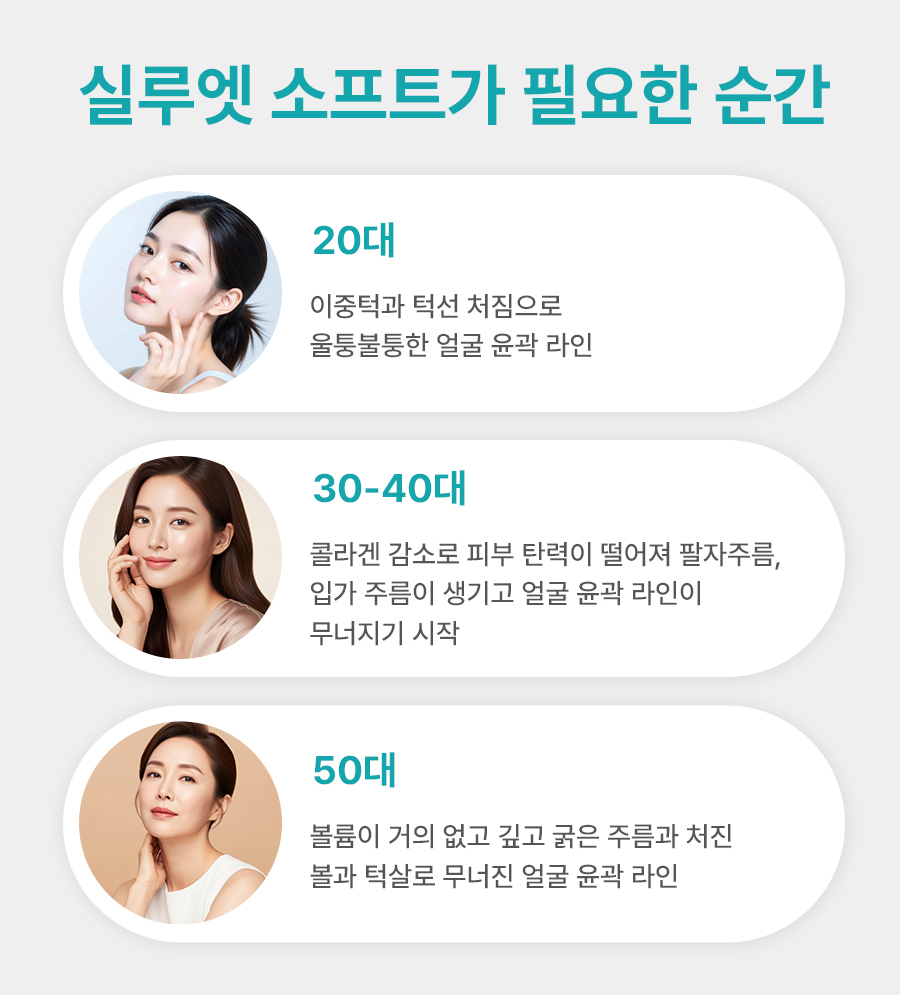
Thread lifting is generally suitable for adults in their late 20s to 50s who have mild to moderate skin laxity. You may be a good candidate if you notice the following.
Early sagging of the cheeks, with heavier smile lines or a tired look.
Softening of the jawline, with small jowls forming along the lower face.
Desire for a sharper V‑line or more defined facial contour without surgery.
Preference for a quicker recovery and smaller entry points compared with surgical facelift.
Your skin should have at least moderate elasticity. Extremely thin, severely sun‑damaged, or very heavy skin may respond less predictably.
Health conditions to consider
For safety, your dermatologist will check your general health. Thread lifting is usually not recommended if you have uncontrolled systemic disease, bleeding disorders, or are taking certain blood‑thinning medications that cannot be adjusted. Active skin infection, severe acne, or inflammatory skin disease in the treatment area should be treated first.
When thread lifting may not be enough
Thread lifting has its limits. It may not be sufficient if you have very severe sagging, heavy tissues, or significant excess skin. In such cases, a surgical facelift or neck lift may be more appropriate.
In Dongtan, dermatology clinics often combine thread lifting with other treatments, such as ultrasound lifting (for example, Ultherapy or similar devices), radiofrequency tightening (such as Thermage FLX or other RF systems), fillers for volume restoration, or fat reduction under the chin. A combined plan can sometimes give better balance between lifting, tightening, and contouring.
Specialist‑led consultation and planning in Dongtan
In Dongtan New Town, there are dermatology clinics where thread lifting is led by dermatology specialists.
One representative dermatologist previously served as head of dermatology at the medical office of the Presidential Office in Seoul and placed first in the first stage of the national dermatology board examination. The other completed training at the UCI Beckman Laser Institute, which is relevant for combining thread lifting with energy‑based devices such as lasers, ultrasound, and radiofrequency.
What happens during a proper consultation
A thorough consultation for thread lifting should include several steps.
First, facial analysis. The doctor will assess your overall facial balance, the degree and pattern of sagging, skin thickness, fat volume, and bone structure. They will look for asymmetry, previous procedures such as fillers or lifting devices, and any scars.
Second, medical history. You will be asked about past illnesses, medications including anticoagulants, allergies, and lifestyle factors such as smoking, alcohol intake, and sleep patterns. These can all affect healing and results.
Third, treatment design. Based on your main concerns, the dermatologist will decide on the type and number of threads and the insertion vectors. For example, some vectors focus on midface lifting, others on jawline definition, and others on eyebrow or neck support.
Combining thread lifting with other procedures
Because many Dongtan clinics offer a broad range of lifting and anti‑aging options, your plan may include a combination of treatments.
Ultrasound lifting devices can help tighten deeper layers of the skin and support the lifted position.
Radiofrequency tightening such as Thermage FLX can improve skin texture and firmness, especially for fine laxity.
Fillers or biostimulators may be used to restore lost volume in the cheeks or temples, which can enhance the overall lifting effect.
Fat reduction under the chin, when appropriate, can improve jawline definition before or after thread lifting.
Informed consent and realistic expectations
A responsible clinic will explain that thread lifting offers improvement, not perfection. Results are usually noticeable but more subtle than surgery, and they gradually soften over time. You may need maintenance treatments after 1–2 years.
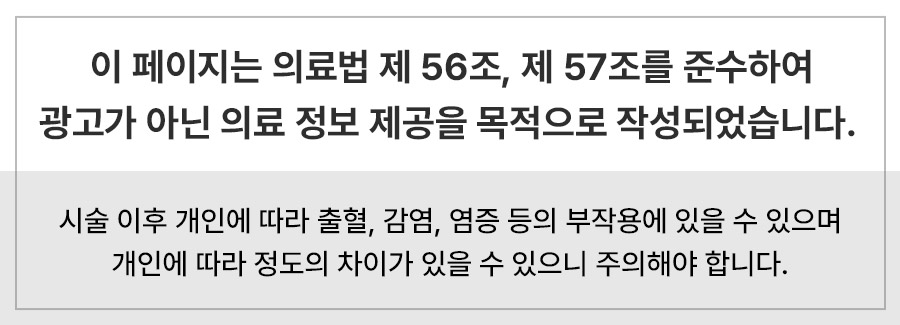
Potential side effects, downtime, and aftercare requirements should be clearly discussed so you can plan your schedule, especially if you are traveling from overseas.
Step‑by‑step procedure process
Pre‑procedure steps
On the day of the procedure, photographs are usually taken while you are upright to document your baseline and help with planning. The doctor then marks the lifting vectors on your face to guide thread placement.
Your skin is cleansed and disinfected thoroughly. Local anesthesia is injected along the planned entry points and thread paths. Sometimes, topical anesthetic cream is applied beforehand. In some cases, mild oral sedation may be considered, depending on your anxiety level and the clinic’s policy.
Thread insertion
Small entry points are made with a needle. Through these, the doctor inserts the threads using a needle or blunt cannula along the pre‑marked paths. Once the threads are in place, they are gently pulled to achieve the desired lift. The barbs or cones then anchor into the tissue.
Finishing steps
Any excess thread is trimmed at the entry point. The doctor then carefully molds the tissues with their fingers to smooth out irregularities and ensure a natural contour. Antiseptic is applied, and sometimes small dressings or cooling packs are placed on the treated areas.
The procedure typically takes under a couple of hours depending on the number of threads and treatment areas; confirm the expected duration during your consultation.
Expected results and recovery
Onset of effect
Most patients see an immediate lifting effect right after the procedure due to the mechanical support of the threads. Over the next 2–3 months, collagen formation along the thread paths can further improve skin firmness and texture.
Downtime and common sensations
Compared with surgical facelift, downtime is usually short. However, you should still expect some recovery.
Swelling and mild bruising can appear and may last from a few days up to about two weeks, depending on your skin and the number of threads.
You may feel tightness, pulling, or mild discomfort, especially when chewing, smiling, or opening your mouth wide. These sensations usually improve gradually.
Most people can return to light daily activities within 1–2 days, but you may want to schedule important social events at least one to two weeks later to allow bruising and swelling to settle.
Aftercare and precautions
Short‑term precautions in the first 1–2 weeks
To protect the lifted tissues and reduce complications, the following are usually recommended.
Avoid strong facial movements such as exaggerated yawning, very wide mouth opening, or vigorous chewing of hard foods.
Try to sleep on your back with your head slightly elevated, and avoid pressing your face into the pillow.
Avoid heavy exercise, saunas, hot baths, and alcohol, as these can worsen swelling and bruising.
Keep the area clean and follow your doctor’s instructions on cleansing and skincare. Do not apply harsh products on the entry points until they are healed.
Medium‑term precautions in the first 1–2 months
Avoid facial massages, strong rubbing, or beauty devices over the treated area. These can displace the threads or affect the lifting effect.
If you need dental treatment that requires prolonged mouth opening, inform both your dentist and your dermatologist in advance so they can advise on timing.
When to contact the clinic
You should contact the clinic promptly if you notice increasing pain, redness, warmth, or swelling that could suggest infection. You should also seek advice if you see thread exposure at the skin surface, dimpling that does not improve over time, or significant asymmetry.
Risks and side effects
Common temporary issues
Most side effects are mild and temporary. These include swelling, bruising, and mild pain or tenderness along the thread paths. A feeling of tightness or pulling is common, especially when moving facial muscles.
Some patients notice temporary dimpling or irregularity of the skin surface. This often improves as the tissues settle and the threads integrate.
Less common but important risks
Less common complications include infection at the entry points or along the thread path, thread migration, visible threads, or palpable knots under the skin. Prolonged asymmetry or contour irregularities may require correction.
Choosing an experienced dermatologist who understands facial anatomy and thread techniques can help reduce these risks and manage them appropriately if they occur.
Comparison with other lifting options
Thread lifting versus surgical facelift
Thread lifting uses local anesthesia, small entry points, and has a shorter downtime compared with surgical facelift. It is generally suitable for earlier stages of aging and for people who prefer a less invasive option.
However, the results are usually less dramatic and shorter‑lasting than surgery. For very severe sagging or large amounts of excess skin, surgery may still be the more appropriate choice.
Thread lifting versus device‑based lifting
Threads provide an immediate mechanical lift and visible contour change. Device‑based treatments such as ultrasound or radiofrequency focus more on skin tightening and collagen stimulation without leaving foreign material in the skin.
In many Dongtan clinics, the best approach is a tailored combination. For example, threads may be used for structural lifting of the cheeks and jawline, while ultrasound or RF devices improve overall skin firmness and texture.
Online consultation and pre‑visit preparation for overseas patients
If you are planning to travel to Dongtan for thread lifting, an online consultation is very helpful.
Before your online consultation, prepare clear facial photos from the front, 45‑degree angles, and side views in good lighting without heavy makeup. This helps the dermatologist assess your sagging pattern and asymmetry.
Prepare a list of your medical conditions, medications, allergies, and previous aesthetic procedures such as fillers, thread lifts, or energy‑based treatments. Mention any history of keloid or hypertrophic scars.
Write down your main concerns and priorities, such as jawline definition, cheek sagging, or eyebrow position. Also share your travel schedule so the clinic can suggest suitable timing.
Expected Korea visit timeline
For most international patients, a typical schedule may look like this.
Day 1: In‑person consultation, facial analysis, and planning. In many cases, the procedure can be performed on the same day if both you and the doctor agree and if there are no medical issues.
Day 1 or 2: Thread lifting procedure, followed by a short observation period at the clinic.
Days 2–3: Rest and light sightseeing, avoiding heavy exercise and extreme heat. A quick follow‑up check may be arranged if needed.
Days 5–7: If your stay allows, a follow‑up visit can be scheduled to check healing, manage bruising or swelling, and answer questions.
If you have a very short stay, the clinic may adjust the schedule and provide detailed written aftercare instructions for when you return home.
Local and practical considerations in Dongtan
Dongtan New Town in Hwaseong is a planned residential and commercial area with convenient access from Seoul and Incheon Airport. For busy local residents and international visitors, some clinics offer weekday and Saturday hours, with certain days having late‑evening appointments. Online reservation options are often available, which is helpful when coordinating travel plans.
Because some Dongtan clinics are led by dermatology specialists with university hospital teaching roles and experience in both thread lifting and energy‑based devices, they can design a lifting plan that fits your age, skin condition, and expectations rather than relying on a single technique.
Frequently asked questions about Dongtan thread lifting
Is thread lifting painful?
Most patients describe thread lifting as uncomfortable rather than very painful. Local anesthesia is used to numb the entry points and thread paths. You may feel pressure, pulling, or brief stinging during the procedure. Afterward, mild soreness or tightness is common for a few days and can usually be managed with oral pain relievers recommended by your doctor.
How long should I stay in Korea after thread lifting?
If possible, plan to stay at least 3–4 days after the procedure. This allows time for an early follow‑up visit and for the most noticeable swelling to settle before you fly home. If your schedule is tight, discuss this with the clinic during the online consultation so they can advise on the minimum safe stay and provide detailed aftercare guidance.
Will people notice that I had thread lifting?
Right after the procedure, there may be visible swelling, mild bruising, and a slightly tighter appearance, especially along the lifted areas. These signs usually soften over one to two weeks. Most people around you may notice that you look fresher or more lifted but may not recognize that a thread lift was done, especially if you allow enough recovery time before major social events.
Can thread lifting be repeated or combined with other treatments?
Yes, thread lifting can usually be repeated after the effects gradually fade, often after 1–2 years, depending on your skin and the threads used. It can also be combined with ultrasound lifting, radiofrequency tightening, fillers, or other anti‑aging treatments. The exact timing and combination should be planned with your dermatologist to avoid over‑treating the same area or interfering with healing.
Soft call to action for online consultation
If you are considering thread lifting in Dongtan and are unsure whether it suits your age, skin condition, or travel schedule, an online consultation is a practical first step. By sharing photos, medical information, and your goals in advance, you can receive a preliminary assessment, a tentative treatment plan, and guidance on how long to stay in Korea.
This helps you make an informed decision, compare options such as threads versus device‑based lifting, and plan your visit with realistic expectations about results and recovery.
Always remember that individual results vary, and final decisions about treatment should be made after a direct consultation and examination with a qualified dermatologist in Dongtan.
- 공유 링크 만들기
- X
- 이메일
- 기타 앱


댓글
댓글 쓰기