Dongtan thread lifting options for natural facial contouring
- 공유 링크 만들기
- X
- 이메일
- 기타 앱
Quick summary
Thread lifting in the Dongtan new town area is a minimally invasive way to lift sagging facial tissue and sharpen the jawline without full surgery. Absorbable threads are placed under the skin under local anesthesia to create an immediate mechanical lift and to stimulate new collagen over time. It is usually suitable for people in their late 20s to 50s with mild to moderate sagging who want a half‑day procedure and a quick return to work or family life. ging plan after a detailed consultation.
Overview of thread lifting in Dongtan
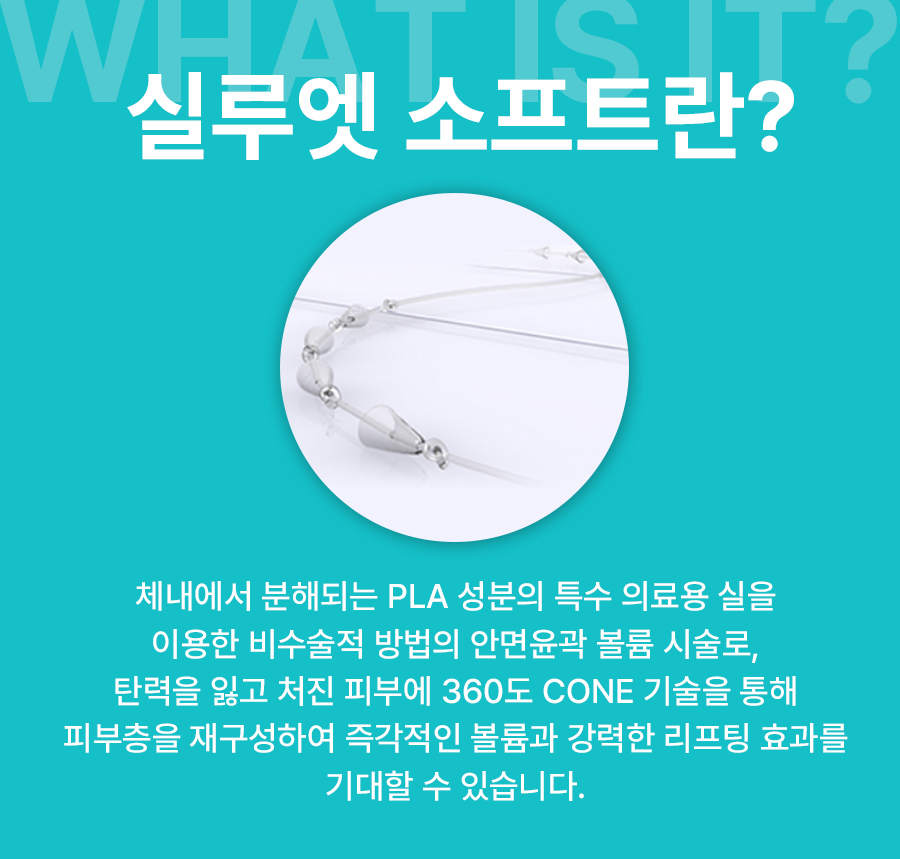
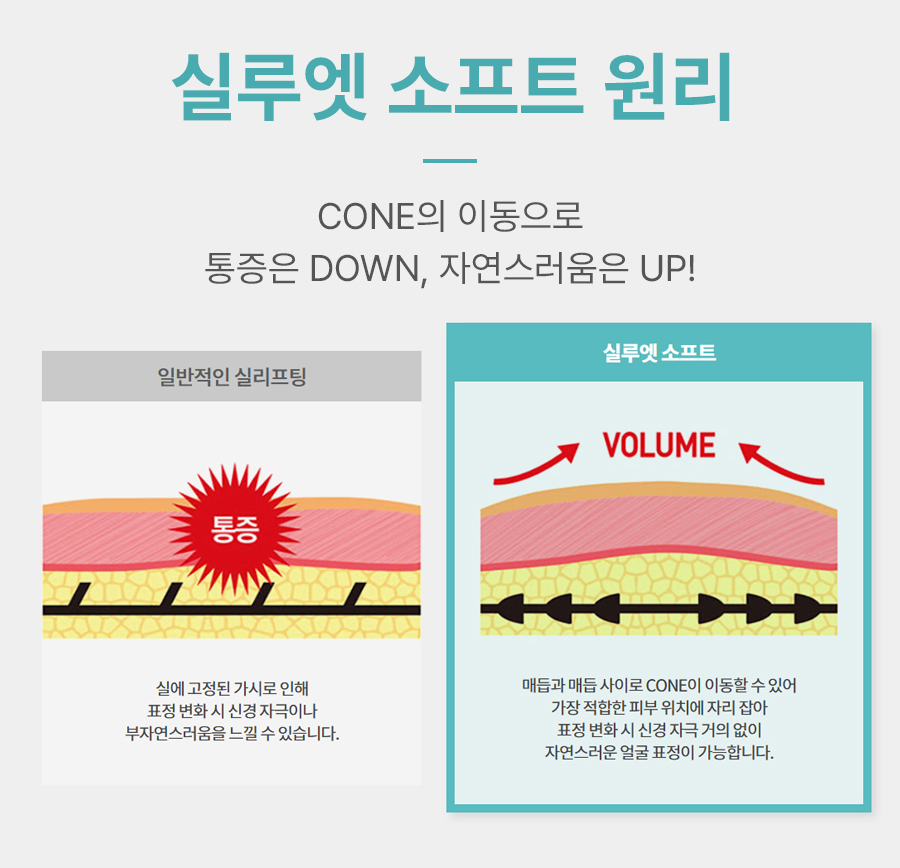
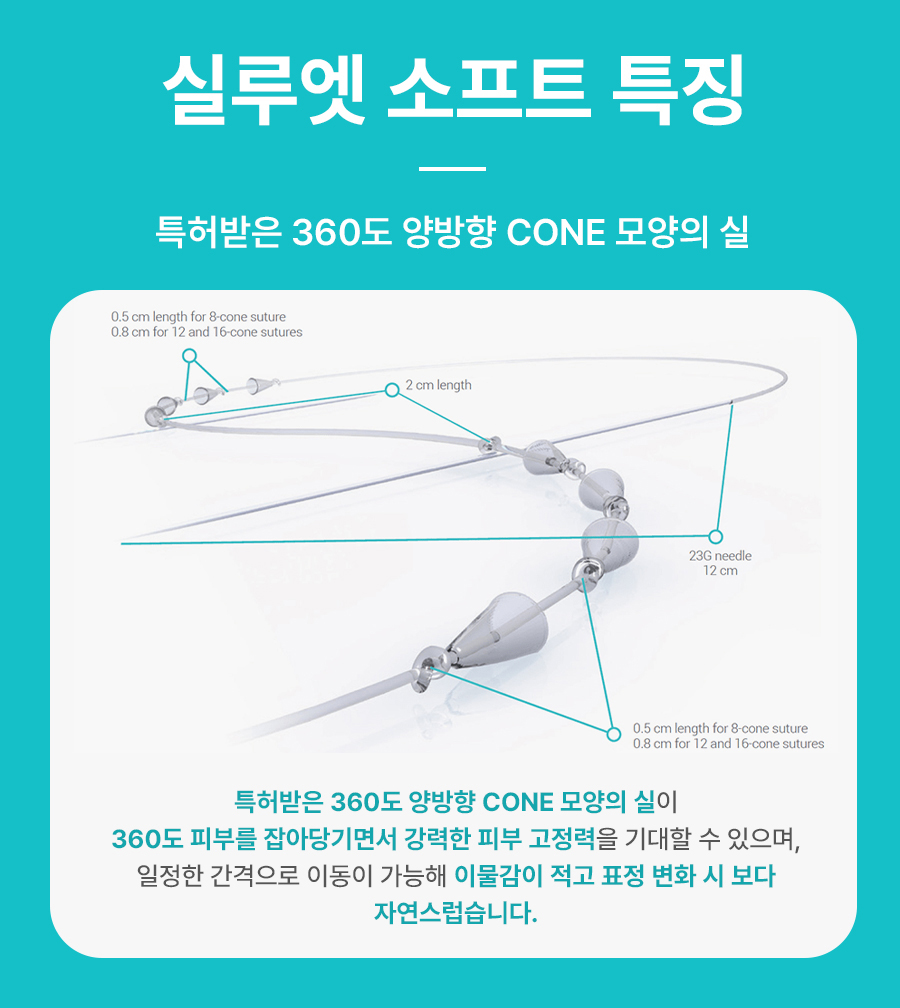
Thread lifting is a non‑surgical facial lifting procedure that uses fine, absorbable threads placed under the skin to gently pull up sagging tissue. The threads have tiny barbs, cones, or a special texture that anchor into the tissue and hold it in a higher position. Over the following weeks and months, the threads stimulate collagen production around them, helping the skin become firmer and smoother.
Unlike a surgical facelift, thread lifting does not involve large incisions or general anesthesia. The doctor uses local anesthesia and fine cannulas or needles to insert the threads through tiny entry points. This usually leads to less downtime and a faster recovery, although the lifting effect is milder compared with full surgery.
Typical target areas include the jawline, early jowls, nasolabial folds around the nose and mouth, marionette lines at the corners of the mouth, and the mid‑cheek area. Some patients also choose thread lifting for the brow area or upper neck to create a more defined lower face and smoother profile.
In the Dongtan new town area of Hwaseong, thread lifting is often combined with energy‑based devices such as Ultherapy, Thermage FLX, Shurink, and other tightening lasers, as well as skin boosters and collagen stimulators, to create a more comprehensive anti‑aging plan.
Types of threads and techniques
There are several types of lifting threads commonly used in Dongtan.
Cog threads are lifting threads with tiny barbs along the surface. These barbs catch the tissue and allow the doctor to reposition sagging skin upward. Cog threads are often used for the jawline, cheeks, and nasolabial folds.
Smooth threads are thinner threads without barbs. They do not create a strong mechanical lift but are used in larger numbers to stimulate collagen and improve fine lines and skin texture. They can be helpful in areas where the main goal is skin quality rather than lifting.
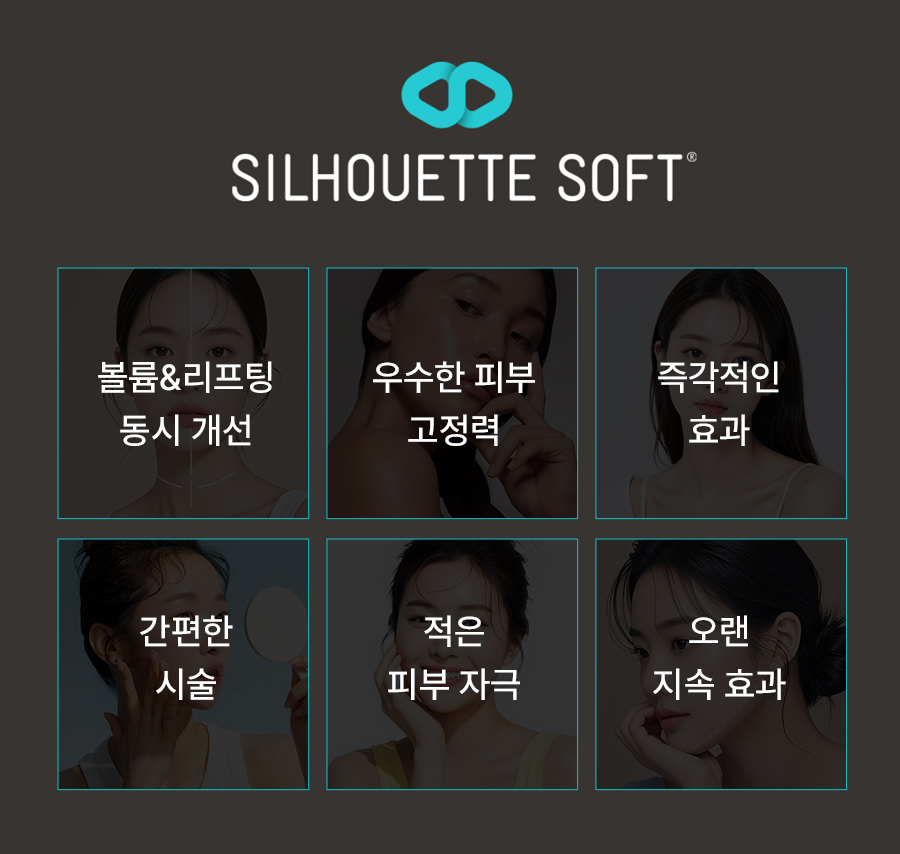
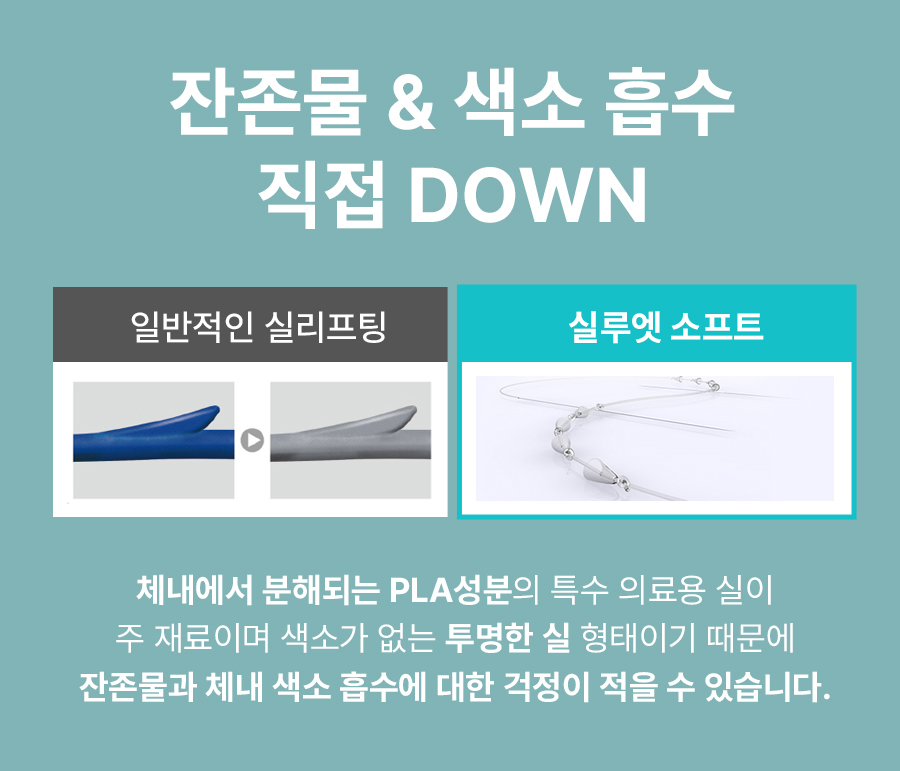
Cone‑based threads, such as Silhouette Soft, use small cones along the thread to anchor into the tissue. These can provide a stronger and more stable lift in selected patients, especially in the midface and jawline.
The choice of thread type, length, thickness, and number is customized for each patient. The doctor considers skin thickness, the degree of sagging, facial fat volume, and the desired contour. The direction of each thread, called the lifting vector, is also carefully planned. Correct vectors are important to avoid an unnatural pulled look and to support the natural facial shape.
In Dongtan, some clinics offer a lifting lineup that includes Mint lifting and Silhouette Soft threads. These are typically used by dermatologists who are familiar with detailed facial anatomy and lifting vectors. When combined with devices such as Ultherapy, Thermage FLX, or Shurink, the goal is to support both the deeper ligaments and the skin surface for a more balanced result.
Who may consider Dongtan thread lifting
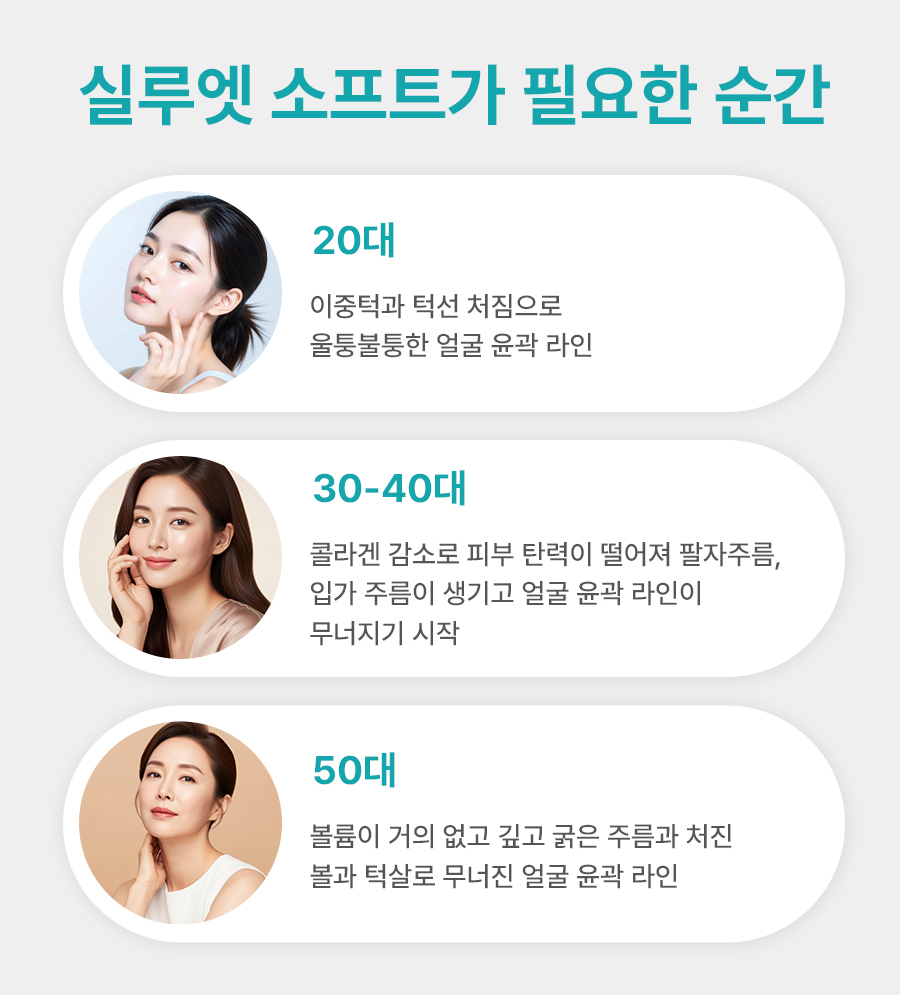
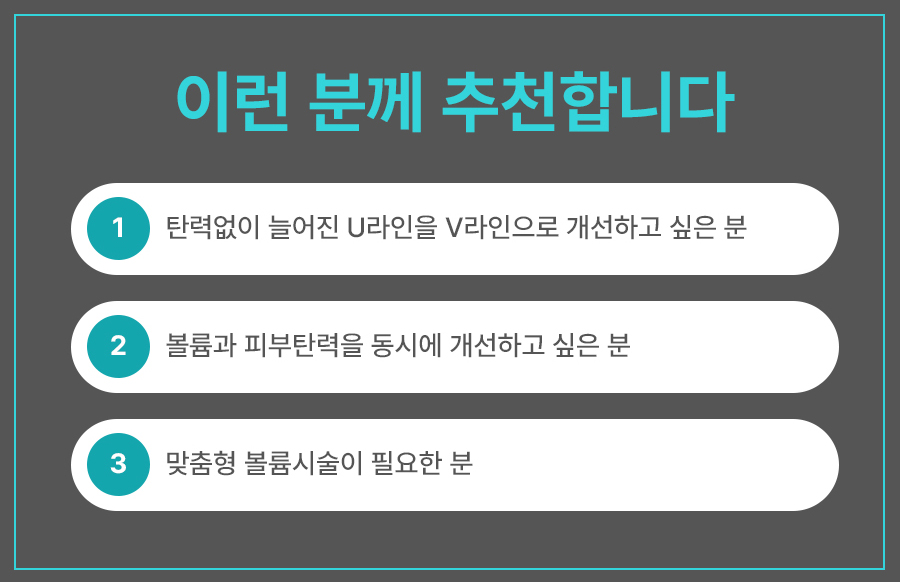
Thread lifting is usually considered by people in their late 20s to 50s who are starting to notice early signs of aging but are not yet ready for surgery. Typical concerns include mild to moderate sagging along the jawline, early jowls, deepening nasolabial folds, marionette lines, or a blurred lower face contour.
Patients with some remaining skin elasticity usually respond better. If the skin is extremely thin or very heavy, the doctor may suggest a different plan or a combination of treatments, such as adding Ultherapy or Thermage FLX for deeper tightening, or using fillers and skin boosters to support volume and texture.
Lifestyle and expectations are also important. Thread lifting is suitable for people who want visible lifting and contouring but prefer to avoid or delay surgical facelift, long downtime, and general anesthesia. In Dongtan, many office workers and parents look for procedures that can be done in a lunchtime or half‑day schedule, with a quick return to daily life and minimal disruption.
For overseas patients, thread lifting can fit into a short trip to Korea, especially when combined with other non‑surgical treatments in the same visit. However, it is important to have realistic expectations: thread lifting refines contours and softens sagging, but it does not replace surgery for very advanced aging.
How the procedure usually works
The process generally starts with a detailed consultation. The dermatologist examines your face, evaluates skin laxity, fat distribution, and facial symmetry, and listens to your main concerns. They will also review your medical history, medications, allergies, and any previous procedures such as fillers, botulinum toxin injections, or energy‑based treatments.
Next, the doctor designs a lifting plan. They mark lifting vectors along the jawline, cheeks, and other target areas, and decide how many threads and what types will be used. If you are also planning Ultherapy, Thermage FLX, Shurink, or skin boosters, the sequence and timing will be explained.
For anesthesia, a combination of topical numbing cream and local anesthetic injections is usually used. Some patients may receive mild oral sedation if they are very anxious, but general anesthesia is not used for standard thread lifting.
During insertion, the doctor introduces the threads using a fine cannula or needle through small entry points. The threads are positioned at the planned depth, then gently tightened to lift the tissues. You may feel pressure or pulling, but sharp pain is typically reduced by the anesthesia.
The procedure time is usually around 30 to 60 minutes, depending on the number of areas treated and the complexity of the design. After the threads are placed, the doctor checks the symmetry and overall lift while you are sitting or semi‑upright. Small adjustments can be made at this stage.
You will receive instructions on sleeping position, facial movements, and skincare. Most patients can leave the clinic shortly after the procedure and return to light daily activities the same or next day, with some temporary swelling or bruising.
Results, longevity, and maintenance
Thread lifting provides two main effects. The first is an immediate mechanical lift from the threads physically holding the tissues in a higher position. This can make the jawline sharper and reduce the appearance of jowls and folds right away, although there may be some swelling or minor irregularities that settle over several days.
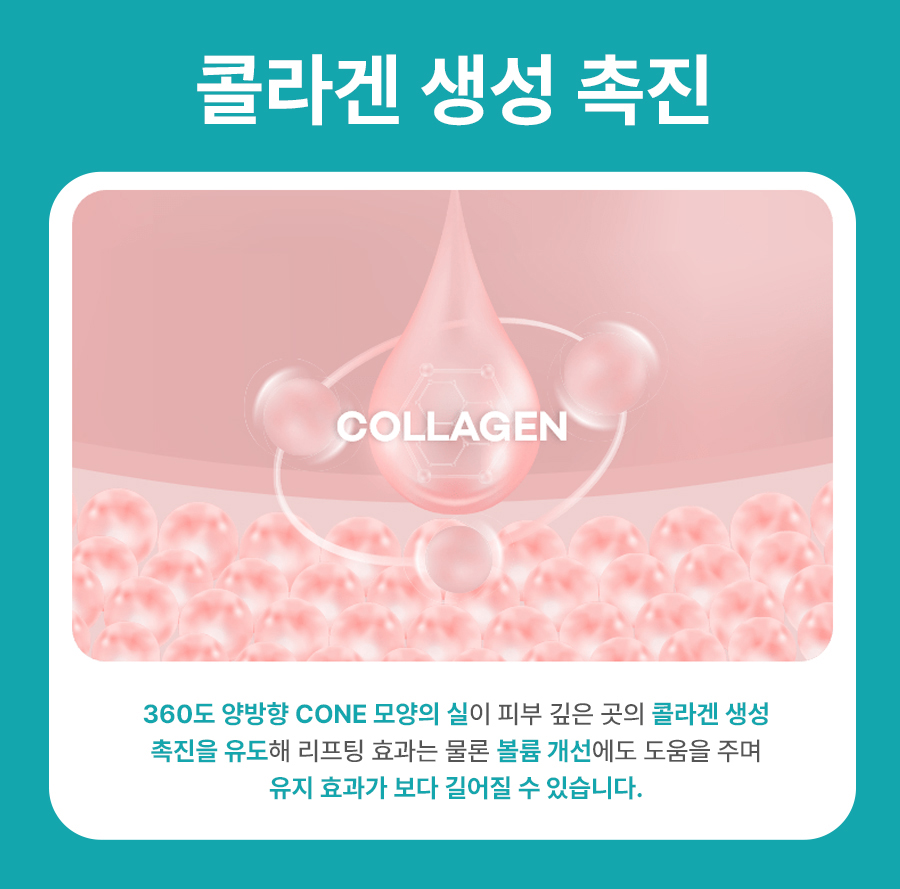
The second effect is gradual collagen stimulation. As the absorbable threads break down over months, they trigger the body to produce new collagen around them. This process can improve skin firmness, elasticity, and texture, and helps maintain the lifting effect even after the threads themselves are absorbed.
Discuss expected duration and maintenance options with your treating physician.
In Dongtan, thread lifting is often combined with Ultherapy, Thermage FLX, Shurink, or other tightening devices to support deeper structures, and with skin boosters such as Rejuran, anti‑aging injections, or fat‑dissolving injections under the chin for contouring. This integrated approach can create more natural and longer‑lasting results than using a single method alone.
It is important to understand that thread lifting is not a replacement for surgical facelift in cases of severe sagging or very heavy tissue. In such situations, a dermatologist may recommend alternative or staged treatments, or advise that surgery in your home country might be more appropriate.
Safety, side effects, and risk management
Like any medical procedure, thread lifting has possible side effects and risks. Common temporary reactions include swelling, bruising, mild pain or tightness, and a feeling of pulling when moving the face. Slight asymmetry or dimpling of the skin can occur in the first days as the tissues adjust around the threads and usually improve as swelling decreases.
Less common but more serious complications include infection, thread visibility or palpability under the skin, prolonged dimpling, or injury to nerves or blood vessels if the procedure is done incorrectly. These risks highlight the importance of choosing an experienced doctor who understands facial anatomy and uses proper aseptic technique.
In Dongtan, some dermatology clinics are staffed by board‑certified dermatologists with university hospital experience who personally plan and perform thread‑lifting procedures rather than delegating to non‑specialists.
Clinics commonly offer a range of lifting and anti‑aging treatments — for example, energy‑based devices, thread lifts, skin boosters, injectable anti‑aging treatments, and fat‑reducing injections for the submental area. A qualified clinician can tailor a plan to your skin and goals; check a clinic’s service list or consult directly to confirm the exact options available.
Evidence‑based care and transparency are emphasized, with active membership in national and international societies and experience in complex skin conditions such as psoriasis, vitiligo, acne, and scars that require precise laser and injection techniques.
Preparing for thread lifting as an overseas patient
If you are considering thread lifting in Dongtan from overseas, it is helpful to start with an online consultation. Many clinics can review your photos and basic medical information before you travel, and suggest whether thread lifting, Ultherapy, Thermage FLX, or a combination is likely to suit you.
For an efficient online consultation, prepare clear front and side photos of your face and neck in good lighting, without heavy makeup or filters. Write down your main concerns, such as jawline sagging, nasolabial folds, marionette lines, or midface drooping, and mention any previous treatments, especially fillers, threads, or energy devices.
Also list your medical history, medications, allergies, and whether you bruise easily or take blood‑thinning drugs or supplements. This information helps the dermatologist estimate your risk of bruising and plan timing around your travel schedule.
Before your visit, you may want to prepare questions such as which thread types are recommended for you, how many threads are planned, whether they suggest combining with Ultherapy or Thermage FLX, expected downtime, and what you should avoid after the procedure. Having this list ready makes your in‑person consultation smoother and more focused.
Expected Korea visit timeline for thread lifting
Many overseas patients plan a short trip to Korea for thread lifting and related treatments. A typical schedule might look like this.
On day one, you arrive in Korea and settle into your accommodation in or near Dongtan, Hwaseong, or southern Seoul. Some patients schedule their first clinic visit on the same day if arrival time allows, while others prefer the next day.
On day two, you attend an in‑person consultation at the clinic on Dongtan Daero Sibeom‑gil in the Dongtan 2 new town area. The dermatologist examines your face directly, confirms or adjusts the plan discussed online, and may perform additional imaging or measurements. If both you and the doctor agree, thread lifting and any planned energy‑based treatments can often be done on the same day.
The procedure itself usually takes 30 to 60 minutes, with some extra time for consent forms, numbing, and post‑procedure checks. After treatment, you can return to your hotel. Mild swelling or bruising may appear over the next one to two days.
On days three to five, you may have a short follow‑up visit to check healing, symmetry, and early results, especially if you have combined treatments. Many patients feel comfortable walking around, shopping, or sightseeing with light makeup after a few days, depending on bruising.
Most overseas visitors stay in Korea for about three to five days after thread lifting. If your schedule is very tight, discuss this in advance so the clinic can advise whether your plan is realistic and what to expect.
Aftercare and recovery
After thread lifting, you will receive detailed aftercare instructions. In general, you may be advised to avoid heavy chewing, wide yawning, strong facial massages, or beauty treatments that press on the face for about two weeks. Sleeping on your back with your head slightly elevated for the first few nights can help reduce swelling and protect the new thread positions.
You should avoid saunas, very hot baths, and intense exercise for a short period, as heat and increased blood flow can worsen swelling or bruising. Gentle cleansing and moisturizing are usually allowed, but harsh scrubs or strong pressure on the treated areas should be avoided.
If you experience mild pain or tightness, over‑the‑counter pain relievers recommended by the doctor can help. Bruising typically improves over one to two weeks, and most swelling settles within a similar period, although subtle changes can continue as collagen forms over the next few months.
The clinic should offer a follow‑up system for managing any concerns, such as prolonged dimpling, asymmetry, or unusual discomfort. For overseas patients, follow‑up may be done both in person before departure and later through online communication with photos.
Local and practical tips for visitors to Dongtan
The clinic described is located on the third floor of a medical and commercial building on Dongtan Daero Sibeom‑gil in the Dongtan 2 new town area of Hwaseong, Gyeonggi Province. This area is well connected to Seoul and nearby cities by public transport and express buses, making it convenient for international visitors staying in different parts of the metropolitan area.
Operating hours generally cover weekdays and Saturday daytime, with extended hours on Friday to accommodate office workers. The clinic is closed on Sundays and public holidays. There is a scheduled lunch break, but treatment is usually continuous without a long midday closure, which can be helpful if you need to fit your visit between other plans.
Online reservation is available on specific weekdays through a major local portal, which is convenient for busy workers and overseas patients who want to secure a time slot before arriving in Korea. When booking, you can mention that you are an international patient and interested in thread lifting so that enough consultation time is reserved.
How to choose a thread lifting clinic in Dongtan
When comparing thread lifting options in Dongtan, there are several practical points to check beyond price alone.
First, confirm that the doctor is a board‑certified dermatologist or plastic surgeon and will personally perform the procedure. Ask who will design the lifting vectors and place the threads, and whether trainees or non‑physicians are involved.
Second, look for a clinic that offers multiple lifting options, including different thread types and devices such as Ultherapy, Thermage FLX, and Shurink. This allows the doctor to recommend what is truly suitable for your skin and aging pattern, rather than fitting everyone into one device.
Third, during consultation, expect a clear facial analysis and explanation of which areas will be treated, what thread types and numbers are planned, and what kind of improvement you can realistically expect. The doctor should also explain possible side effects, downtime, and what to do if you have concerns after treatment.
Fourth, check that non‑reimbursed fees are clearly disclosed and that there is a structured follow‑up system. For overseas patients, ask how follow‑up will be handled once you return home, and whether they can review photos and respond to questions online.
Before your visit, it is helpful to write down your main concerns and daily habits. For example, if you are especially worried about jawline sagging, nasolabial folds, marionette lines, or cheek drooping, mention these clearly. Also share your work schedule, family responsibilities, and travel dates so the doctor can design a realistic lifting and recovery plan.
Frequently asked questions about Dongtan thread lifting
What is the difference between thread lifting and Ultherapy or Thermage in Dongtan
Thread lifting uses physical threads to lift and hold sagging tissue, giving an immediate contour change. Ultherapy and Thermage use focused ultrasound or radiofrequency energy to heat deeper layers of the skin and supporting structures, stimulating collagen and tightening over time without inserting anything. In Dongtan, many clinics combine these methods, using threads for visible lifting and devices like Ultherapy or Thermage FLX to support deeper tightening and prolong results.
How long should I stay in Korea after thread lifting in Dongtan
Most overseas patients stay about three to five days after thread lifting. This allows time for the initial swelling and bruising to stabilize and for at least one follow‑up visit at the clinic. If your schedule is very tight, discuss it during online consultation so the doctor can advise whether same‑day treatment and a shorter stay are appropriate for your case.
Is thread lifting very painful and what kind of anesthesia is used
Thread lifting is usually done under local anesthesia, often with topical numbing cream beforehand. You may feel pressure, pulling, or brief discomfort during insertion, but sharp pain is generally reduced by the anesthetic. Some patients describe a feeling of tightness or tenderness for several days after the procedure, which can usually be managed with oral pain relievers recommended by the doctor.
Can I combine thread lifting with other treatments during my Dongtan visit
Yes, many patients combine thread lifting with other non‑surgical treatments such as Ultherapy, Thermage FLX, Shurink, skin boosters like Rejuran, anti‑aging injections, or fat‑dissolving injections under the chin. The exact combination and sequence depend on your skin condition, age, and schedule. A dermatologist in Dongtan can design a tailored plan so that treatments support each other and fit within your travel dates.
Soft call to action for online consultation
If you live outside Korea and are starting to notice early sagging or a softer jawline, arranging an online consultation with a Dongtan dermatologist can help you understand whether thread lifting is suitable for you. By sharing photos, your medical history, and your travel schedule, you can receive a personalized plan comparing threads, Ultherapy, Thermage, Shurink, and other options.
Before you decide, use the consultation to ask detailed questions about technique, expected results, downtime, and aftercare. With clear information and realistic expectations, you can plan a focused visit to Dongtan that fits your lifestyle while addressing your facial aging concerns in a systematic, medically guided way.


댓글
댓글 쓰기