Dongtan thread lifting: sharpen your jawline and sagging cheeks close to home, without trips to central Seoul
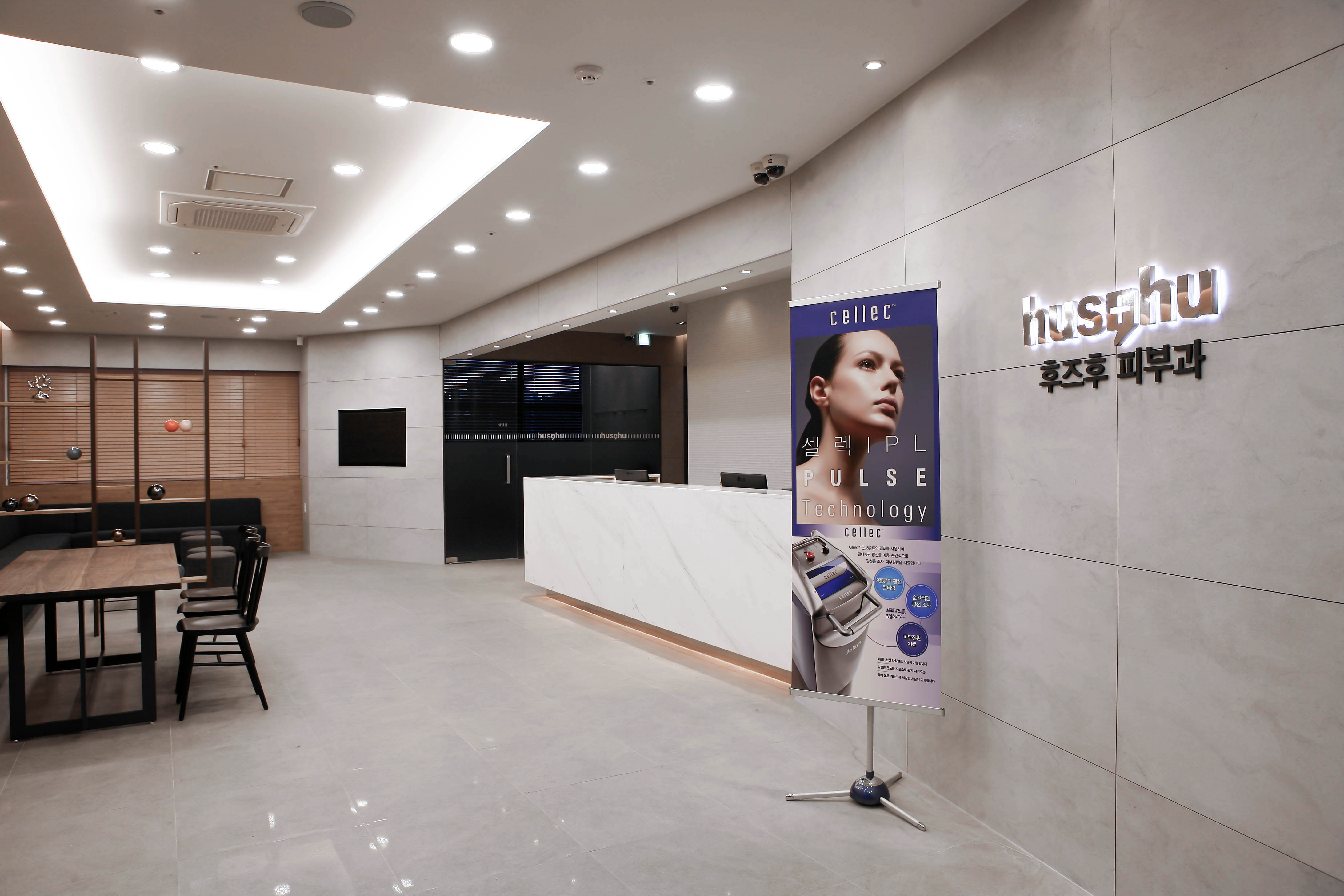
If you are searching for Dongtan thread lifting, you are probably wondering what kind of lifting effect you can realistically expect, how long it will last, and whether it fits your current skin condition and age. In this post, we will focus on thread lifting cases seen at Who's Who Dermatology Dongtan, and walk through when we recommend threads, how we plan the treatment, and what kind of recovery process you should prepare for.
your skin, explain whether threads, Ultherapy, Thermage FLX, SkinTyte, Shurink, Rejuran, Mint Lift, Silhouette Soft, or Belkyra are suitable, and perform the procedures in a medical setting. Thread lifting can help improve jawline definition, midface sagging, and early jowls as a minimally invasive alternative to surgery, with realistic expectations and structured aftercare.
When does thread lifting make sense in Dongtan?
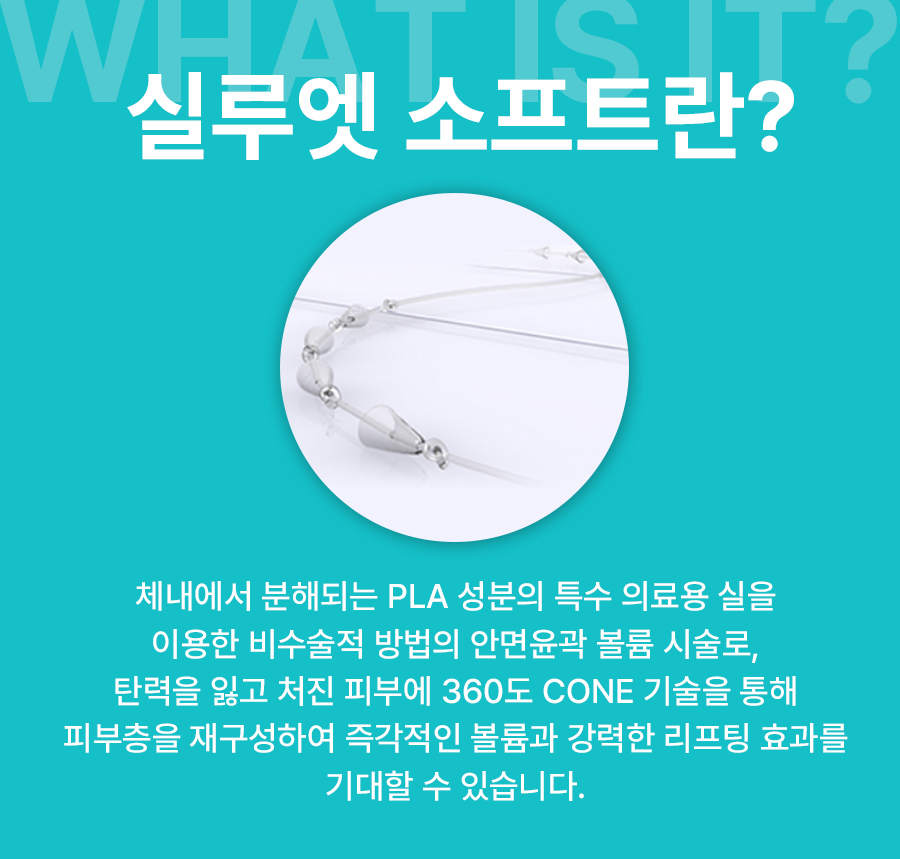
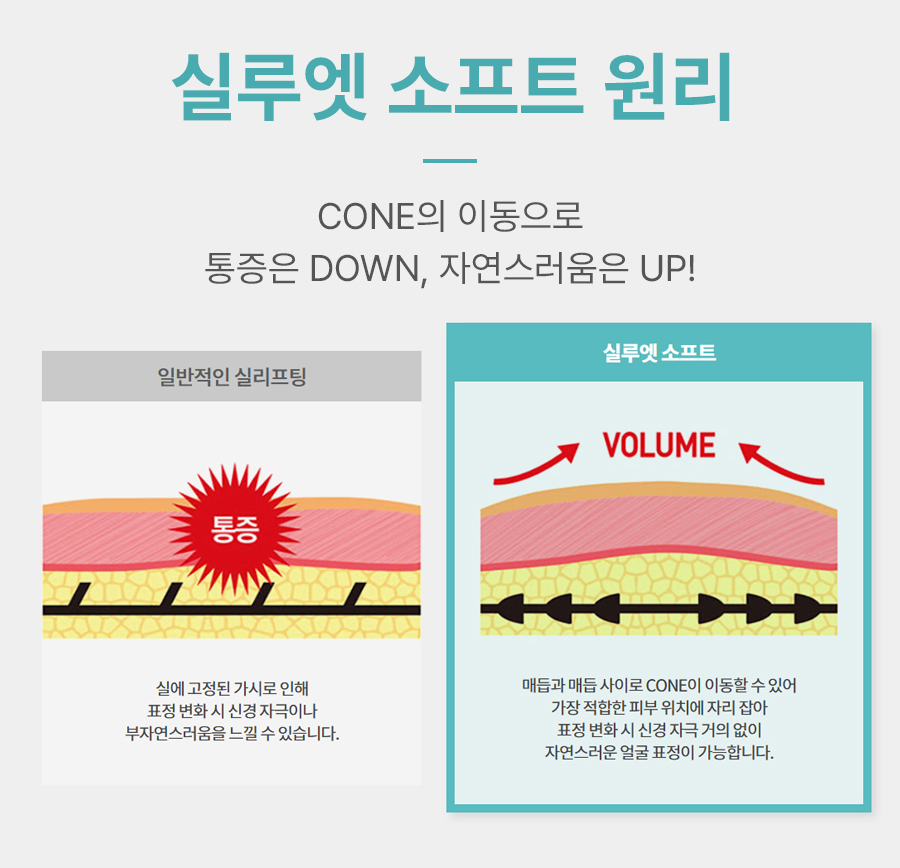
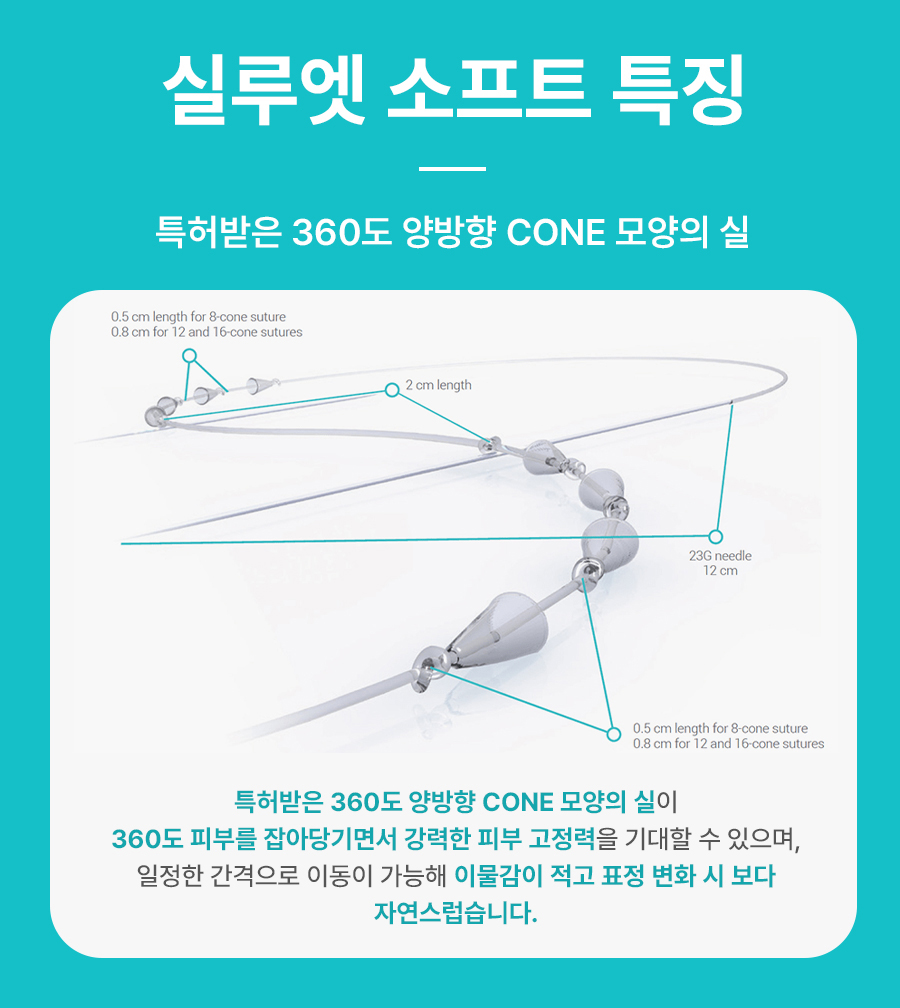
Thread lifting is a minimally invasive procedure that uses dissolvable threads placed under the skin to lift and support sagging tissue. The threads have small barbs or cones that anchor into the tissue, allowing the dermatologist to reposition the skin and underlying fat in a more youthful direction.
In Dongtan, this clinic positions thread lifting as one part of a broader anti-aging program rather than a stand-alone quick fix. The medical team combines mechanical lifting from threads with collagen stimulation from ultrasound and radiofrequency devices, and with injectables that improve skin quality or contour.
Because the clinic is located in a medical building along a main road in Dongtan New Town, it is convenient for residents of Dongtan 2 New Town and nearby districts, including patients arriving from other regions or from overseas who prefer to stay outside central Seoul.
Dermatology-led medical team and reliability
The clinic is led by two board-certified dermatologists who handle thread lifting and other lifting procedures directly. Both have a dermatology training background and clinical teaching experience. Based on this background, they adjust the plan according to your skin condition. For example, they may change the thread type or placement if sagging or loss of facial fullness is more noticeable than expected. When there is inflammation or another skin problem, they may postpone the procedure.
One medical director has experience working in the public sector and a dermatology training background. Drawing on this background, they tend to explain indications in detail, sometimes deciding not to proceed if the expected benefit is small, and avoid recommending an excessive number of threads or unnecessarily aggressive designs.
The other medical director has overseas laser-related training experience and is active in dermatology and laser-related academic activities. This helps when thread lifting is combined with devices such as Ultherapy, Thermage FLX, SkinTyte, or Shurink. For example, they can choose the device and energy level in a way that reduces the risk of irritating or damaging the threads.
All lifting plans are based on in-person consultation, facial analysis, and the dermatologist’s judgment. Even if a patient initially requests thread lifting, the doctor may recommend a different lifting device, a combination plan, or postponing treatment if it is not medically appropriate.
What Dongtan thread lifting can address
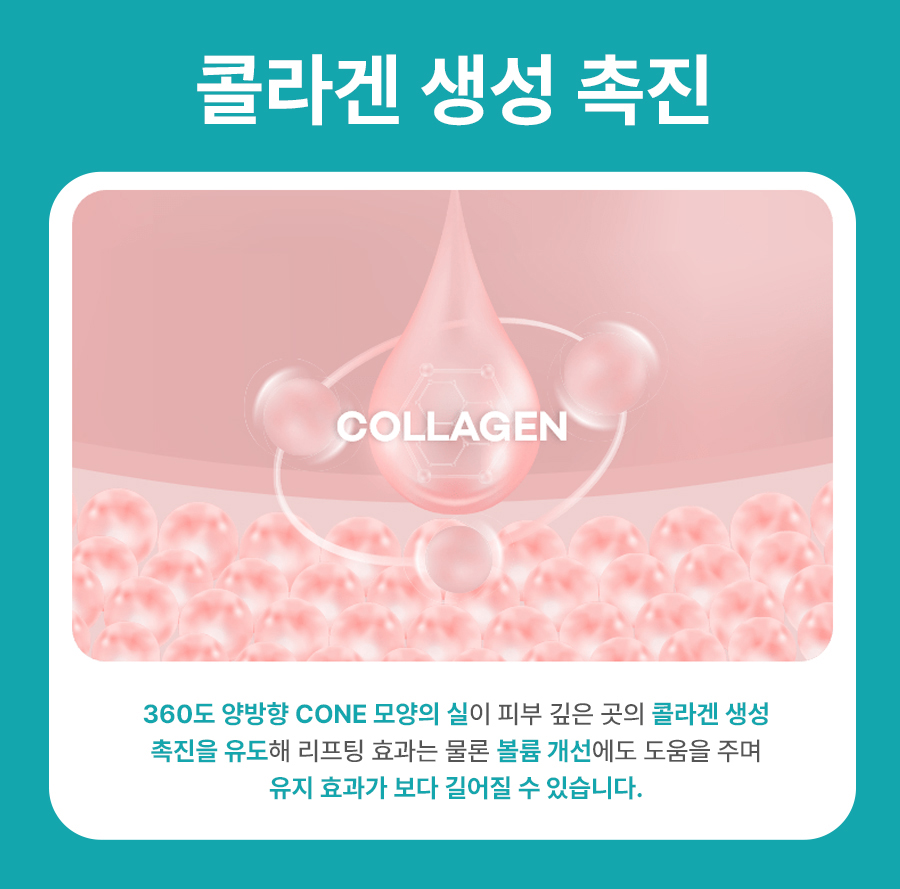
Thread lifting at this Dongtan clinic uses dissolvable lifting threads that both mechanically reposition tissue and stimulate collagen over time as the threads break down.
Typical target areas include:
In actual consultations, many people first point to their jawline in the mirror. They feel that the once-clear V-line has started to blur and that early jowls are casting a shadow around the chin. In these cases, thread lifting is often planned along the jawline to define the contour and reduce the heaviness around the lower face.
Another frequent concern is the deepening of smile lines. Rather than only filling the nasolabial folds, we look at how the midface has descended. By gently lifting the cheek and midface area, the fold can appear softer because the tissue that was sliding down is repositioned upward.
There are also patients who are most bothered by the corners of the mouth turning downward, giving a tired or sad expression. Here, we focus on the marionette line area and the lower cheek to reduce the downward pull. In selected cases with early laxity under the chin, threads can be added to improve mild sagging in the upper neck, but this needs a careful evaluation of skin and fat distribution before deciding.
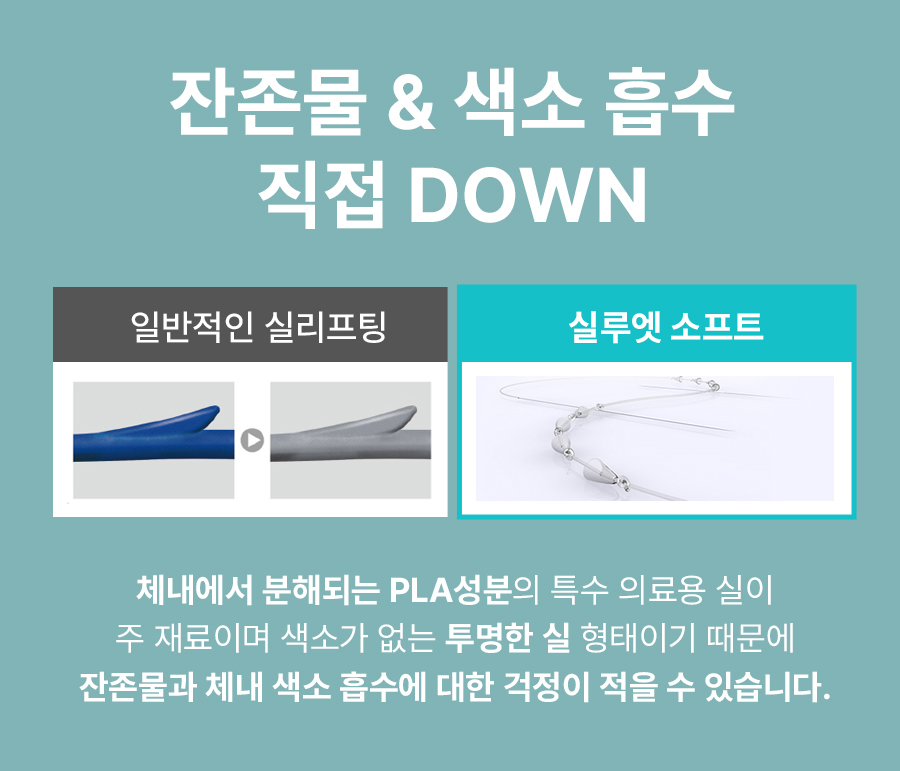
The clinic uses various thread types, including Mint Lift and Silhouette Soft, depending on your skin thickness, degree of sagging, and desired duration of effect. The dermatologist selects thread type, number, and vector to match your anatomy rather than using a fixed package.
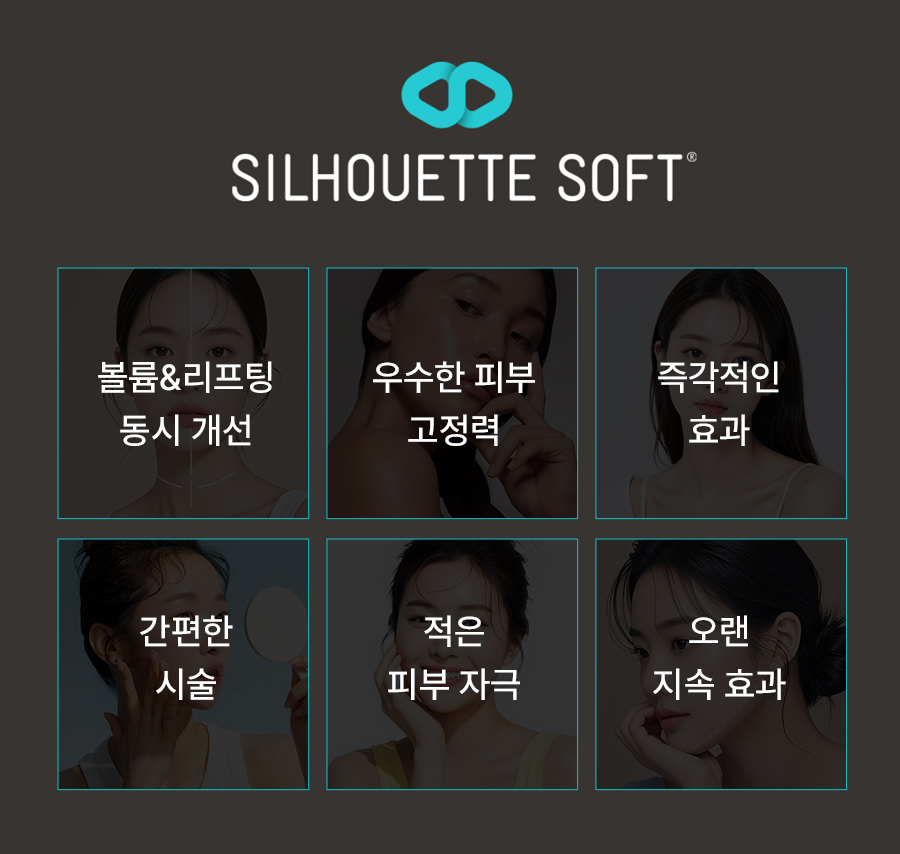
It is important to understand that thread lifting does not replace a surgical facelift. For suitable candidates with mild to moderate sagging, it can provide a more defined contour and firmer appearance, but the results are more subtle than surgery and gradually diminish as the threads dissolve and natural aging continues.
Who may consider Dongtan thread lifting
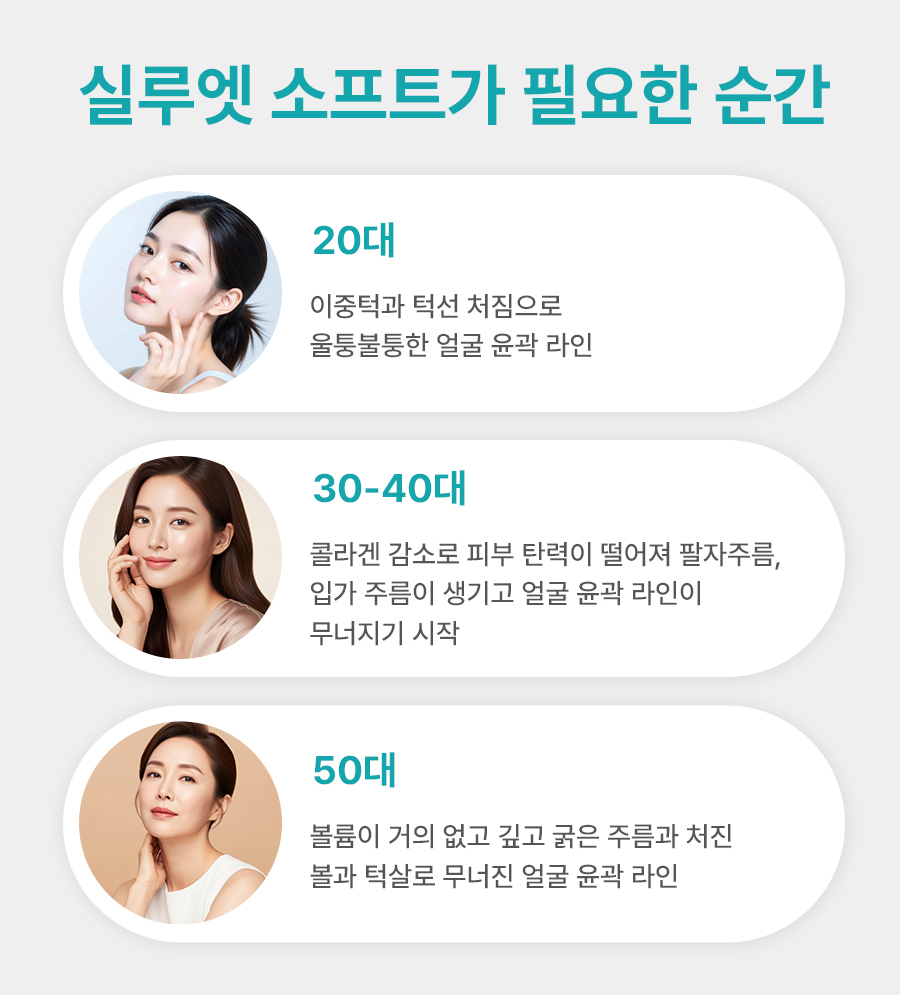
Thread lifting is generally considered for adults in their late 20s to 50s who are starting to notice early to moderate facial sagging.
For example, someone in their 30s who feels their cheeks look heavier in photos, or a person in their 40s who says, “My jawline used to be sharper, but lately it looks a bit blurred,” may be good candidates. Others come in because their nasolabial folds look deeper even though they don’t feel ready for surgery.
In short, if you feel your face looks more tired or droopy than before, but you still have relatively good skin elasticity, your dermatologist can evaluate whether thread lifting is appropriate for you.
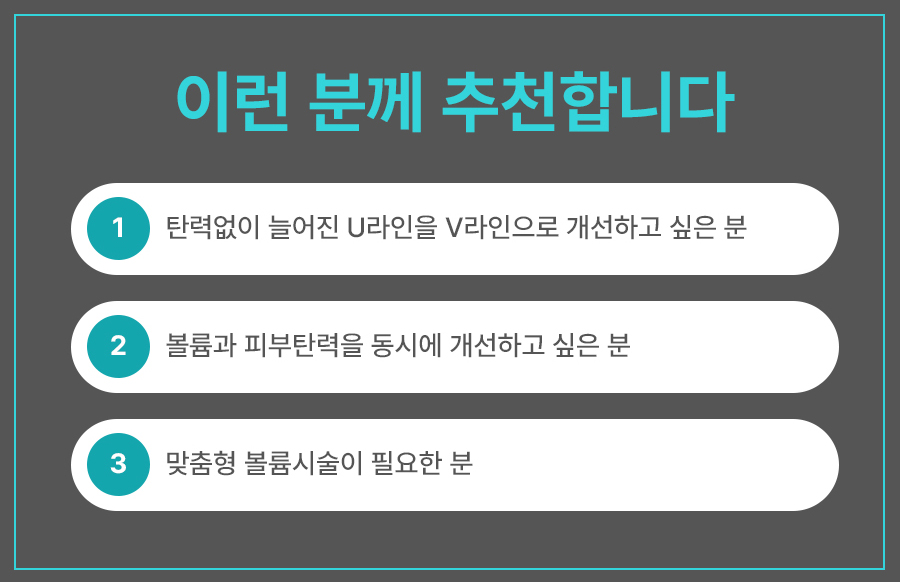
You may be starting to notice that your skin doesn’t feel as firm as it used to, with a bit of drooping around the midface or along the jawline. Some people describe it as “my jawline isn’t as sharp anymore” or “I’m getting little jowls, but I’m not ready for surgery.” If you are looking for a visible lift and more defined contours, but want less downtime than a facelift and prefer a gradual, minimally invasive approach that can later be combined with other treatments, thread lifting can be considered.
However, thread lifting is not ideal for everyone. The dermatologist will evaluate:
Skin thickness: Very thin, fragile skin can increase the risk of thread visibility or irregularities.
Tissue weight: Very heavy or thick tissue may not be lifted effectively by threads alone.
Degree of sagging: Severe laxity is less likely to respond well and may be better suited to surgery or more intensive device-based lifting.
Fat distribution: Excess submental fat under the chin may require Belkyra or other contouring before or together with threads.
In cases where thread lifting alone is unlikely to give a meaningful improvement, the dermatologist may suggest combining it with Ultherapy (3D Ulthera), Thermage FLX, SkinTyte, or Shurink. Depending on your skin condition, they may also recommend skipping threads altogether and instead focusing on another type of lifting or anti-aging treatment.
How consultation and treatment planning work
At the first visit, the dermatologist will not only listen to which part of your face bothers you most, but also look closely at how your skin and facial volume have changed over time. Skin thickness, elasticity, and hydration are checked, and the fat volume along the cheeks, jawline, and neck is evaluated to see whether lifting alone is enough or if volume adjustment is needed.
The degree and direction of sagging are then analyzed while you are both at rest and in motion, so that the thread vectors can be planned in a way that looks natural when you talk and smile. Based on this overall picture, the doctor explains whether thread lifting is suitable for you, which areas would benefit most, and how it could be combined with other treatments if needed.
They also look at how volume is distributed in the cheeks, jawline, and neck, and how much sagging is present in each area. Based on this overall assessment, they can decide whether thread lifting alone is suitable or if it should be combined with other treatments, and explain what kind of change you can realistically expect.
During the consultation, the dermatologist first talks with you about your medical history—what medications you take, any allergies you have, and whether you’ve had cosmetic or medical procedures before. While you are seated, your skin is examined for thickness, elasticity, and hydration, and the amount and position of facial fat in the cheeks, jawline, and neck are checked. The doctor then observes how your face looks both at rest and when you speak or smile, to understand the direction and degree of sagging in real life. Finally, you discuss your daily routine, work schedule, and how much downtime you can realistically allow, so the treatment plan fits your lifestyle.
Based on this assessment, the doctor will explain:
Whether you are a good candidate for thread lifting.
Which areas can be reasonably improved.
Which type of threads (for example Mint Lift or Silhouette Soft) and how many are recommended.
The planned insertion vectors and entry points.
Whether combination treatments such as Ultherapy, Thermage FLX, SkinTyte, Shurink, Rejuran, or Belkyra might enhance the outcome.
You will also receive information about expected improvement, possible side effects, and how long the effect typically lasts for someone with your skin condition. The aim is to align expectations with what the procedure can realistically achieve.
What to expect during the thread lifting procedure
Thread lifting is performed in a dermatology treatment room with attention to sterile technique and anatomical safety.
The general process starts before you lie down on the treatment bed. Standardized photos are taken first to record your baseline appearance, and while you are sitting upright, the dermatologist plans the lifting directions and marks the expected thread entry points on your skin.
After planning, your skin is thoroughly cleansed, and local anesthesia is applied so that discomfort during the procedure is minimized. Once the area is numb, the threads are inserted and positioned according to the pre-drawn vectors, with the doctor checking symmetry and lift as they go.
When the threads are in place, any excess is trimmed, the entry points are cleaned, and simple aftercare instructions are given. You can then rest briefly at the clinic before returning to your usual activities with some precautions.
On the treatment day, the process starts with documenting your current appearance and planning the lifting directions. While you sit upright, standardized photos are taken and the dermatologist lightly marks on the skin where the threads will enter and which way they should pull. After this, your face is carefully cleansed and disinfected, and local anesthesia is injected at the entry points and along the planned thread paths so that any sharp pain is minimized.
Once the area is numb, the dermatologist inserts the dissolvable threads under the skin using either a fine needle or a blunt cannula, following the lines drawn during planning. You may feel some pressure or a pulling sensation as the threads are guided into place, but most people describe it as uncomfortable rather than painful. When all threads are positioned, the doctor gently adjusts the tension to create the desired lift, trims any excess at the entry points, and cleans the treated area before going over how to care for your face in the following days and weeks.
The procedure time varies depending on the number of threads and areas treated, but many sessions are completed within about 30 to 60 minutes after anesthesia. You can usually leave the clinic the same day, though some swelling, tightness, and mild bruising are common.
Combination with other lifting and anti-aging treatments
One of the strengths of this Dongtan clinic is the ability to combine thread lifting with other technologies and injectables in a structured way. Not every patient needs multiple treatments, but having options allows the dermatologist to match treatment depth and mechanism to your specific concerns.
Ultherapy (3D Ulthera)
Ultherapy uses focused ultrasound energy to target deeper layers of tissue, including the SMAS layer that surgeons tighten during a facelift. When combined with thread lifting, Ultherapy can:
Provide foundational tightening at a deeper level.
Support the lifted position achieved by threads.
Stimulate collagen over several months for a gradual firming effect.
Thermage FLX and SkinTyte
Thermage FLX is a radiofrequency device that heats the dermis to stimulate collagen and improve skin laxity and texture. SkinTyte uses light and infrared energy to promote tightening with relatively comfortable sessions.
These treatments can be used:
Before or after threads to improve overall skin quality.
On areas not treated with threads, such as the forehead or full neck.
For patients who want a non-invasive option but are not ready for threads.
Shurink
Shurink is another ultrasound-based lifting device that can be a more cost-conscious option in selected cases. It can be used for mild lifting or maintenance after a more intensive treatment like Ultherapy or Thermage FLX.
Rejuran and other skin boosters
Rejuran and similar injectables focus on skin quality rather than lifting. They can:
Improve fine lines and texture.
Support overall elasticity.
Complement the structural support from threads and devices.
Belkyra for contouring
When submental fat under the chin blunts the jawline, Belkyra injections can help reduce localized fat. In some patients, Belkyra is performed before or together with thread lifting to:
Create a cleaner angle between the chin and neck.
Allow the lifting threads to define the jawline more effectively.
All combination plans are individualized. The dermatologist will space treatments appropriately to protect your skin and threads, and will avoid unnecessary procedures.
Safety, side effects, and realistic expectations
After thread lifting, it is common to experience temporary swelling and bruising around the entry points or along the thread paths. Some people also notice a feeling of tightness or pulling when they move their facial muscles, and mild tenderness or pain along the threads for several days.
These reactions usually improve as the tissues settle. Very rarely, other issues such as more pronounced asymmetry, visible thread irregularities, or localized infection can occur, so it is important to follow the clinic’s aftercare instructions and contact the medical team promptly if anything feels unusual.
Even with careful technique, thread lifting is a medical procedure with potential side effects and risks. Understanding these in advance helps you make an informed decision.
After a thread lift, it is normal to experience some temporary reactions as the tissues settle. Around the entry points and along the paths of the threads, you may notice swelling or bruising, and the face can look slightly uneven at first because one side may deflate faster than the other as the swelling goes down. Many people also describe a feeling of tightness or pulling when they move their facial muscles, and there can be tenderness or mild pain along the threads for several days.
These sensations usually improve as the skin adapts, but your doctor will explain what is expected and when you should get in touch. If you have unusual pain, increasing redness, or any sudden change that worries you, you will be advised to contact the clinic for a check.
Swelling and bruising around the entry points and along the thread paths.
Mild asymmetry in the early phase as swelling settles.
Tightness, pulling sensation, or discomfort when moving facial muscles.
Tenderness or mild pain along the threads for several days.
Less common but possible risks include:
Thread visibility or palpability under thin skin.
Dimpling or irregularity of the skin surface.
Infection at the entry point or along the thread path.
Thread migration, breakage, or inadequate anchoring.
Unsatisfactory aesthetic outcome compared with expectations.
At this Dongtan clinic, thread lifting is performed by board-certified dermatologists with detailed knowledge of facial anatomy, which helps reduce risk but cannot eliminate it entirely. If a complication occurs, early recognition and management are important, so attending scheduled follow-up visits and contacting the clinic promptly if you notice unusual symptoms is essential.
Results typically appear in two phases. There is an immediate lifting effect from the mechanical repositioning of tissue, followed by gradual improvement over several weeks to months as collagen forms around the threads. Many people feel the lift most clearly in the early period and then notice the result becoming more natural as time passes. The effect is noticeable but more subtle than surgery, and it gradually softens as the threads dissolve and aging continues. Depending on your goals and how your skin responds, you may later discuss whether to maintain the result with another thread session or to support it with other procedures.
Post-procedure care and follow-up
After thread lifting, proper aftercare helps support healing and the longevity of the result. The clinic will give you instructions tailored to your case, but general guidance often includes:
Avoiding strong facial massage, rubbing, or beauty device use on the treated area for a certain period.
Limiting wide mouth movements such as large yawns or very chewy foods for several days if the midface or jawline was treated.
Avoiding intense exercise, saunas, and very hot baths for a short period as directed.
Sleeping on your back or in a position that does not compress the treated side of your face.
Using prescribed medications, topical products, or cold compresses as instructed to manage swelling and discomfort.
The clinic typically schedules follow-up visits to:
Check healing and thread position.
Assess early asymmetry or dimpling and decide whether it will resolve naturally or needs minor adjustment.
Plan additional treatments such as Ultherapy, Thermage FLX, SkinTyte, Shurink, Rejuran, or Belkyra if these were part of the original plan.
For overseas patients, the dermatologist can help structure the schedule so that key follow-up checks occur within your stay in Korea, and can advise on what to monitor once you return home.
Preparing for thread lifting as an overseas patient
For international patients considering Dongtan thread lifting, preparing before you travel can make your visit smoother and more efficient.
Online consultation and pre-visit preparation
Before booking flights, you can usually request an online consultation or pre-visit screening. This may involve sending:
Front and side photos of your face and neck in good lighting.
Information about your age, medical history, and medications.
A list of previous procedures such as fillers, threads, laser, or surgery.
Your main concerns and which areas bother you most.
Based on this information, the clinic can give you a preliminary opinion about whether thread lifting might be appropriate and suggest a tentative treatment plan and visit schedule. Final decisions are always made after in-person examination, but this step helps you understand whether the trip is likely to be worthwhile.
It is helpful to prepare a list of questions before your consultation, such as:
- Which lifting option is most suitable for my degree of sagging: threads, Ultherapy, Thermage FLX, SkinTyte, or Shurink?
- How many threads are likely to be used, and in which areas?
- What is the expected downtime for my specific plan?
- How should I schedule my return flight after the procedure?
- What aftercare will I need once I am back in my home country?
Expected Korea visit timeline for thread lifting
For overseas patients, the visit is usually organized so that consultation and treatment happen within a short window. Many people arrive in Korea, rest from their flight, and then see the dermatologist at the Dongtan clinic within the next day or two for an in-person consultation, full facial assessment, and final treatment planning. In suitable cases, thread lifting can be performed on the same day as this visit.
Most of the visible swelling and tightness improves over the first week, so patients often stay in Korea long enough to get through this early recovery phase and, if possible, return once more for a brief check-up before flying home. The exact schedule is adjusted to your flight dates and how much time you can spend in Korea.
For overseas patients, it is helpful to plan enough time in Korea for both the procedure and early follow-up. Many people allow several days to settle in, meet the doctor in person, and then have at least one check-up before returning home.
A common pattern is to arrive, rest from the flight, and then visit the Dongtan clinic within the next day or two for a full facial assessment, final treatment planning, and baseline photography. If everything is suitable and your schedule allows, the thread lifting can sometimes be done on the same visit. Over the following couple of days, you can stay nearby while the initial swelling and tightness are monitored and any early aftercare questions are addressed. Before you leave Korea, the clinic will usually see you again to confirm that healing is on track and to review what to watch for once you are back home.
Day 1: Arrival in Korea and rest.
Day 2: In-person consultation at the Dongtan clinic, full facial assessment, final treatment planning, and baseline photography. In some cases, thread lifting can be performed on the same day if there is enough time and you are medically cleared.
Day 3–4: Early post-procedure period. Swelling and mild bruising are most noticeable during this time. You can usually move around and do light sightseeing but may prefer quieter activities.
Day 5–7: Follow-up visit for check-up and management of any minor issues. At this stage, many patients feel comfortable with social activities, although some residual swelling or tightness can persist.
Day 8–10: If your schedule allows, a final review before departure can be arranged, especially if you have also had Ultherapy, Thermage FLX, SkinTyte, Shurink, Rejuran, or Belkyra.
If your stay is shorter, the clinic can adjust the timing to ensure at least one follow-up visit after the procedure. When planning flights, allow at least a few days after thread lifting before long-haul travel to minimize discomfort.
Local and practical information for Dongtan New Town
The clinic is located on the third floor of a medical and commercial building along a main road in Dongtan New Town, Hwaseong, Gyeonggi Province. This area is a planned new town with convenient access to public transport, shopping, and accommodation.
For residents of Dongtan 2 New Town and nearby neighborhoods, the location allows access to dermatology-based lifting and anti-aging procedures without commuting into central Seoul. For overseas visitors, Dongtan can be reached from major airports and central Seoul by express bus, train, or taxi.
The clinic offers extended hours on some weekdays and Saturday sessions, which can be helpful if you are trying to fit consultation and procedures around a busy travel or work schedule. Online reservation is available on selected weekdays, but the final decision about whether thread lifting or another treatment is appropriate is always made after the in-person consultation with the dermatologist.
Many people also ask how long the lifting effect will last and when they can return to daily life. The duration depends on factors such as skin condition, lifestyle, and the type and number of threads used, but in general we explain the expected course over the first few months and how the result tends to stabilize. As for downtime, most patients can resume light daily activities soon after the procedure, while visible swelling or bruising, if any, is usually explained in advance so you can plan your schedule accordingly.
How long do thread lifting results last?
The duration of thread lifting results varies by individual, depending on age, skin quality, lifestyle, and the type and number of threads used. Many patients notice improvement for around one to two years, with gradual softening of the effect as the threads dissolve and natural aging continues.
For this reason, some people choose to combine thread lifting with other non-surgical treatments or schedule periodic maintenance procedures, which can help support a more stable, long-term lifting effect.
The duration of thread lifting results varies by individual, depending on age, skin quality, lifestyle, and the type and number of threads used. Many patients notice improvement for around one to two years, with some gradual decline as the threads dissolve and natural aging continues. Device-based treatments such as Ultherapy, Thermage FLX, or SkinTyte, and skin quality treatments like Rejuran, can be used for maintenance according to your dermatologist’s advice.
Is thread lifting very painful?
Local anesthesia is used to reduce pain during thread insertion, so most patients feel pressure and pulling rather than sharp pain. Some discomfort, tightness, or soreness can occur after the procedure and typically improves over several days. Pain tolerance differs from person to person, so the clinic adjusts anesthesia and supportive care as needed but cannot guarantee a completely painless experience.
Can thread lifting be combined with fillers or other injectables?
Thread lifting can be combined with other injectables such as Rejuran or selected fillers, but the timing and sequence must be planned carefully. In some cases, the dermatologist may recommend performing threads first and then adding volume or skin quality treatments later, once the new contour is stabilized. Combining too many procedures at once can increase swelling or make it harder to judge the result, so the clinic usually follows a stepwise plan.

How soon can I return to work and daily life?
Many patients return to desk work and light daily activities within a day or two after thread lifting, although visible swelling or bruising may persist for several days. If your job involves heavy physical activity or you are very concerned about appearance in public, you may want to allow more time. The dermatologist can give you a more specific estimate based on your treatment plan and your usual activities.
If you are considering thread lifting in Dongtan New Town or comparing lifting options in Korea, an online consultation can give you a rough idea of the treatment schedule and how threads might be combined with devices or injectables for your case.
If you are considering thread lifting in Dongtan New Town or are comparing lifting options in Korea, an online consultation can help you understand which treatments may suit your skin and schedule. By sharing photos and your medical background in advance, you can receive a preliminary opinion and plan your visit more efficiently.
When you are ready, contact the Dongtan clinic to arrange an online or in-person consultation with a board-certified dermatologist. Together, you can review whether thread lifting, Ultherapy, Thermage FLX, SkinTyte, Shurink, Rejuran, Mint Lift, Silhouette Soft, Belkyra, or another approach is the most appropriate next step for your facial contour and long-term anti-aging goals.


댓글
댓글 쓰기