Dongtan Ultherapy Guide for International Patients: 3D Lifting in Dongtan 2 New Town
- 공유 링크 만들기
- X
- 이메일
- 기타 앱
Direct answer summary
If you are searching for Ultherapy in Dongtan New Town (Dongtan 2) and considering a visit to Korea, you can receive non-surgical lifting for the face and neck using genuine ultrasound-based equipment. In Dongtan 2, clinics such as Whoo's Who Dermatology Dongtan offer 3D Ultherapy planning, where board-certified dermatologists assess your facial structure, select cartridge depths, and design treatment lines for areas like the jawline, cheeks, and neck. Most overseas patients can complete consultation, treatment, and basic follow-up within a short stay, while long-term results and maintenance are monitored through online consultations.
What is Ultherapy and how does it work?
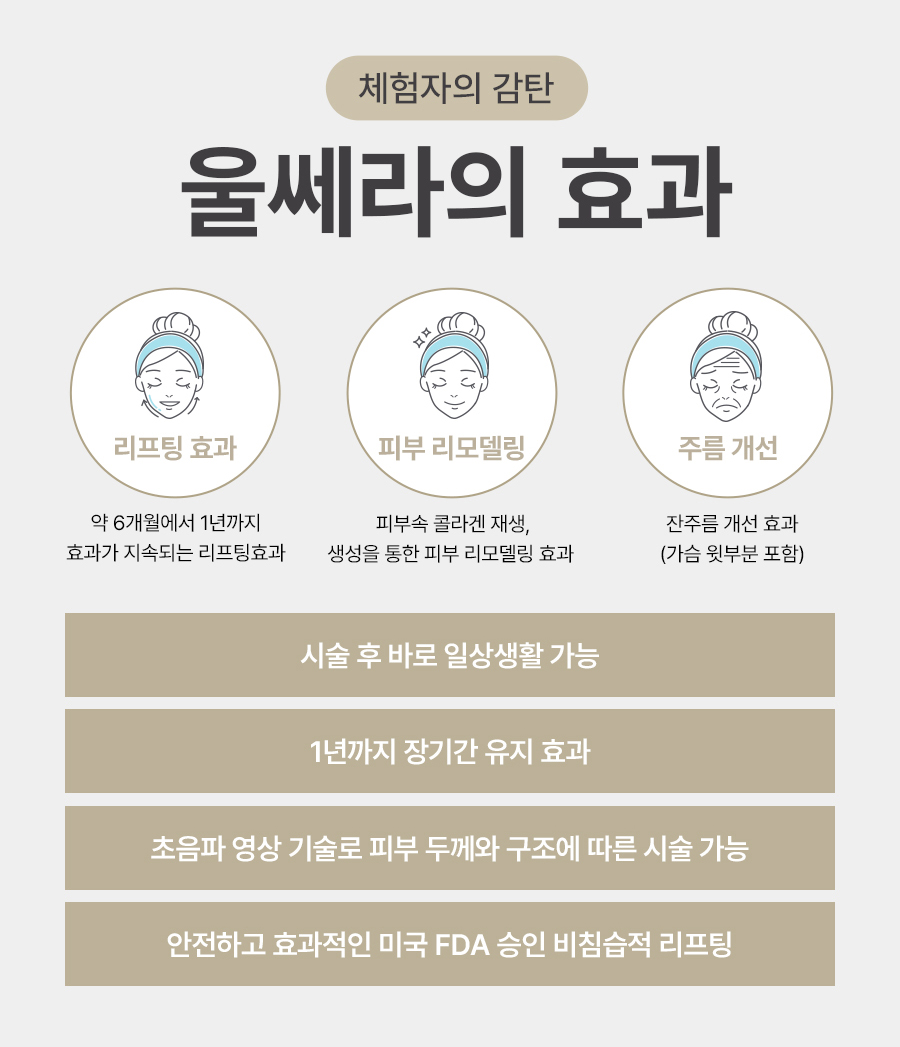
Ultherapy is a non-surgical lifting treatment that uses focused ultrasound energy to heat precise points in the deeper layers of the skin. Unlike surface lasers that mainly improve texture or pigment, Ultherapy can reach down to the SMAS layer, which is the same layer addressed in many surgical facelifts.
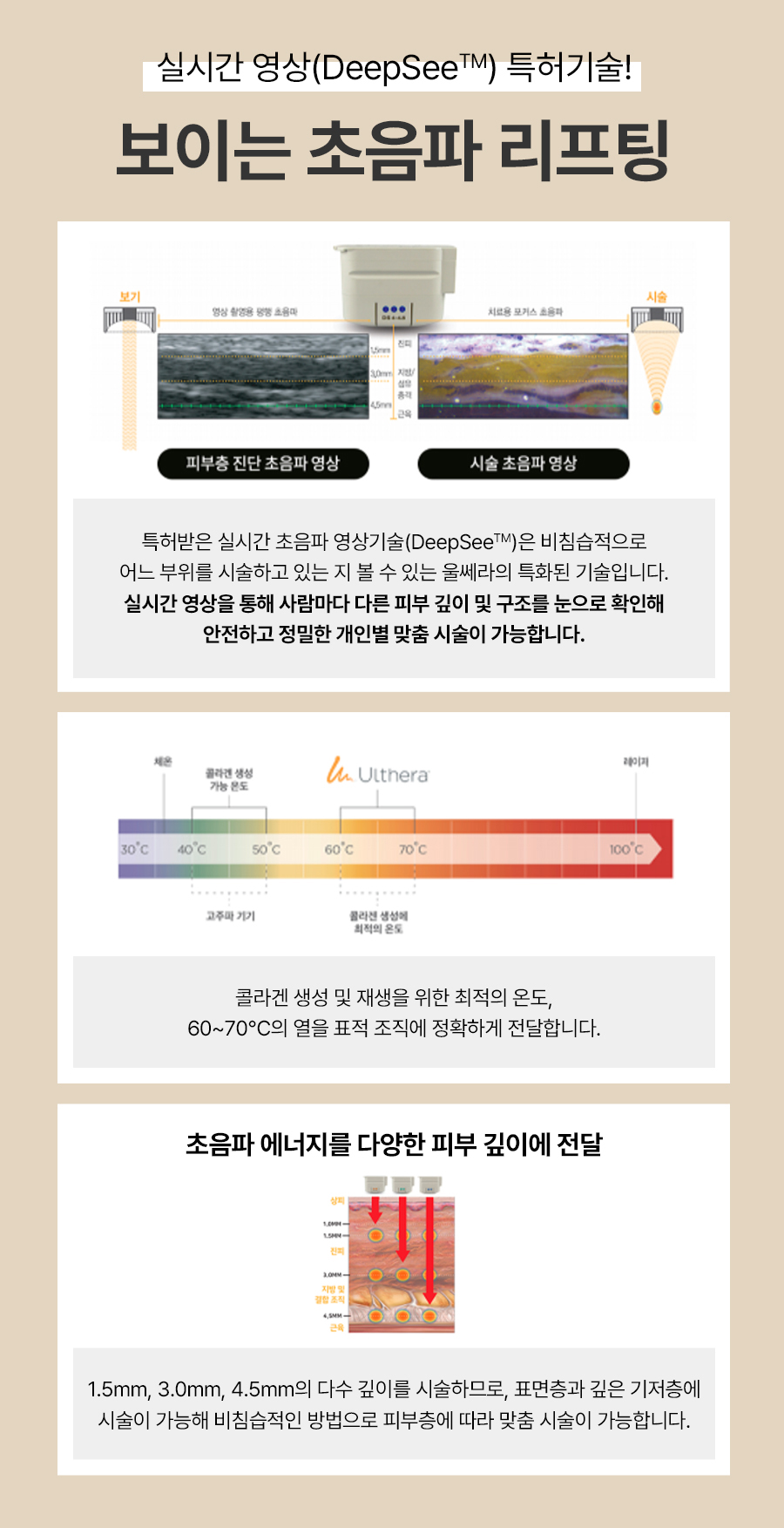
During treatment, the device delivers ultrasound energy at specific depths, such as 1.5 mm, 3.0 mm, and 4.5 mm. This controlled heating triggers a wound-healing response and stimulates new collagen production over time. As collagen rebuilds, the skin can gradually feel firmer and look more lifted.
Because there are no incisions and no general anesthesia, Ultherapy is often chosen by people who want structural lifting and jawline definition without surgery. Most patients are able to return to daily activities immediately after the session.
Why Ultherapy in Dongtan 2 New Town
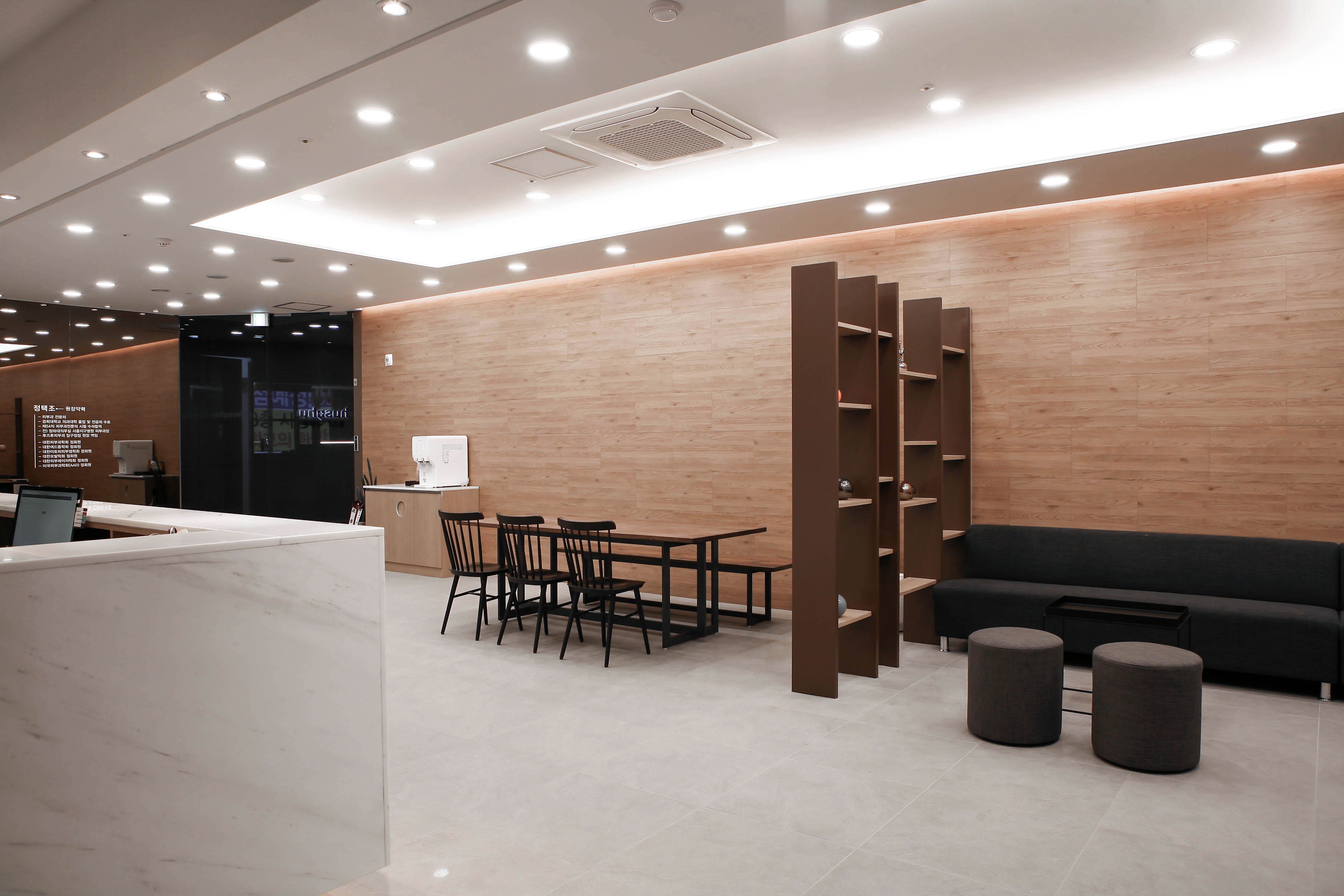
Dongtan 2 New Town in Hwaseong is a planned residential and commercial area with convenient access from Seoul and major transport hubs. For international patients, this means you can stay in nearby hotels or serviced residences, walk to the clinic, and still have access to cafes, shopping, and basic services during your recovery.

Whoo's Who Dermatology Dongtan is located in a mixed-use building in Dongtan 2, making it easy to combine your visit with other errands or sightseeing in the region. Because the area is relatively new, many clinics use updated devices and emphasize energy-based lifting treatments such as Ultherapy, Thermage FLX, and Shurink.
Treatment overview: 3D Ultherapy lifting
In Dongtan 2, Ultherapy is often offered as 3D Ultherapy, which refers to a multi-layer, multi-zone planning approach rather than a simple one-pass treatment.
First, the dermatologist evaluates your face and neck from different angles, including front, three-quarter, and profile views. They identify key problem zones such as sagging along the jawline, early jowls, softening of the midface, or loose skin under the chin and on the neck.
Next, they decide which depths to target in each area. For example, the 4.5 mm cartridge may be used to reach the SMAS layer along the jawline and lower face, while 3.0 mm or 1.5 mm cartridges may be used around the cheeks and eye area where the skin is thinner. This is what creates the three-dimensional planning concept: different depths, different zones, and different shot densities.
If the device supports ultrasound imaging, the doctor can also visualize the tissue layers in real time. This helps them deliver energy more precisely to the correct depth and avoid sensitive structures such as nerves and bone.
Who may consider Ultherapy in Dongtan
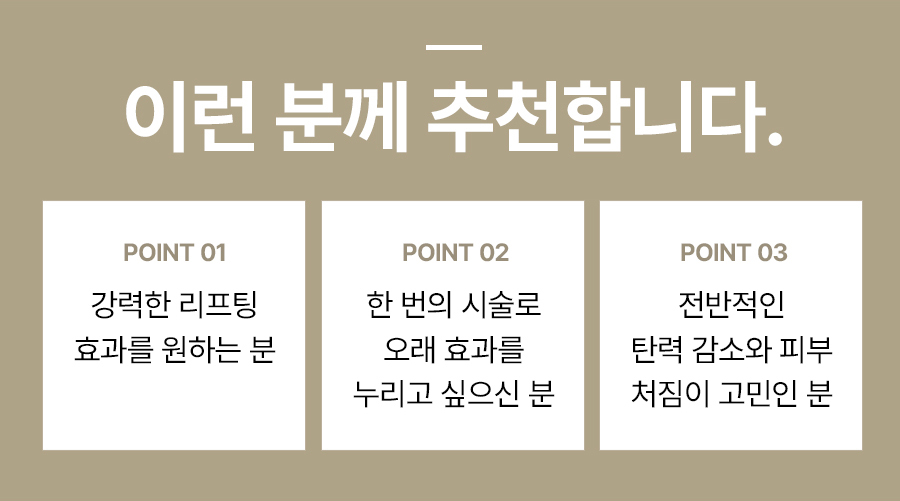
Ultherapy in Dongtan 2 may be suitable for you if you are looking for non-surgical lifting and match some of the following situations:
You have mild to moderate facial sagging, especially in the cheeks, jawline, or early jowls.
You notice a blurred jawline or early double chin and want more definition.
You see deepening nasolabial folds or marionette lines due to loss of structural support.
You have loose skin on the neck or under the chin but do not want surgery.
Your eyebrows or upper eyelids have started to droop, giving you a tired look.
You are in your late 20s to 50s and want to prevent or correct early skin laxity.
Ultherapy can also be considered if you have already tried other lifting treatments such as radiofrequency tightening, Shurink, or thread lifting and now want a more structural approach without undergoing a surgical facelift.
It is not suitable for everyone. People with very severe sagging, extremely thin skin, or certain medical conditions may be better served by other options. A face-to-face consultation with a dermatologist is essential to decide whether Ultherapy is appropriate for you.
Ultherapy vs Thermage FLX and Shurink
When you research lifting in Korea, you will often see Ultherapy, Thermage FLX, and Shurink mentioned together. They all use energy to stimulate collagen, but they work in slightly different ways.
Ultherapy uses focused ultrasound to target deeper layers including the SMAS. It is often chosen for structural lifting of the jawline, lower face, and neck.
Thermage FLX uses radiofrequency energy to heat the dermis and subcutaneous tissue more broadly. It is often used for overall tightening, texture improvement, and fine lines, especially on the face and sometimes on the body.
Shurink is a high-intensity focused ultrasound device that is often used for milder lifting, maintenance, or more frequent touch-ups.
In Dongtan, clinics such as Whoo's Who Dermatology Dongtan often use Ultherapy as the core structural lifting tool, then combine it with Thermage FLX for surface tightening or Shurink for maintenance. The exact combination depends on your age, skin type, and how aggressive or gentle you want the treatment plan to be.
Doctor-led planning and medical team expertise
For energy-based lifting, the experience and planning ability of the doctor are just as important as the device itself. At Whoo's Who Dermatology Dongtan, Ultherapy planning is led by board-certified dermatologists with university hospital backgrounds.
One co-director graduated from Kyung Hee University School of Medicine, completed a dermatology residency, and has served as outpatient faculty at Kyung Hee University Medical Center. He placed first in the first stage of the 54th Korean dermatology board exam and has experience as head of dermatology at the Seoul district hospital for the Presidential Medical Office, as well as director of the Apgujeong branch of the same dermatology group. This background supports careful mapping of treatment lines, safety-focused planning, and precise adjustment of Ultherapy parameters.
The other co-director also graduated from Kyung Hee University School of Medicine, completed dermatology residency, and serves as outpatient faculty at Kyung Hee University Medical Center. He has completed training at the UCI Beckman Laser Institute in the United States and is active in multiple Korean dermatology societies as well as the American Academy of Dermatology. His experience with laser and energy-based devices is applied to customizing Ultherapy depth, shot count, and energy levels for different facial zones.
Together, they emphasize genuine devices, parameter customization, and realistic explanations about what Ultherapy can and cannot achieve.
Online consultation and pre-visit preparation
If you are planning to travel to Korea for Ultherapy in Dongtan, it is helpful to start with an online consultation. This allows the clinic to assess your suitability and propose a rough plan before you book flights and accommodation.
For online consultation, prepare the following:
Clear photos of your face and neck from the front, both sides, and three-quarter angles, taken in good natural light without heavy makeup.
Information about your age, main concerns, and what you hope to improve (for example, jawline definition, double chin, drooping eyelids).
A list of previous treatments you have had, such as Ultherapy, Thermage, Shurink, threads, fillers, or surgery, and when you had them.
Any medical conditions, medications, or allergies, especially related to the skin or connective tissue.
Your approximate travel dates and how many days you can stay in Korea.
You can also prepare questions in advance, such as which areas the doctor recommends treating, whether combination treatments are advisable, and what kind of downtime or tenderness you should expect.
Expected Korea visit timeline for Ultherapy
Most international patients can complete Ultherapy in Dongtan within a relatively short trip. A typical schedule might look like this:
Day 1: Arrival in Korea and check-in at your accommodation in or near Dongtan 2 New Town. Light rest to recover from travel.
Day 2: In-person consultation and detailed facial assessment. If both you and the doctor agree, Ultherapy can often be performed on the same day after consent and preparation.
Day 3: Rest day. Most people can go out for light activities, shopping, or sightseeing. Mild tenderness or swelling may be present but usually does not interfere with daily life.
Day 4–5: Optional follow-up visit for a quick check, especially if you plan to combine Ultherapy with other treatments such as Thermage FLX, Shurink, or injectables. If not needed, you can use these days for tourism.
Day 5–7: Departure from Korea.
Because Ultherapy results develop gradually over 2 to 3 months, you will not see the final effect during your stay. However, early tightening or a feeling of firmness may appear within a few weeks. Follow-up can be done via online consultation, where you send updated photos and discuss maintenance plans.
Step-by-step: your Ultherapy treatment day
On the day of your Ultherapy session in Dongtan, you can expect the following steps:
Check-in and consent: You arrive at the clinic, confirm your details, and review consent forms. The dermatologist rechecks your concerns and explains the treatment zones and expected course.
Cleansing and preparation: The treatment area is cleansed to remove makeup, sunscreen, and oils. Topical anesthetic cream may be applied to reduce discomfort, depending on your pain tolerance and the areas to be treated.
Marking and planning: The doctor marks treatment lines and important anatomical landmarks on your face and neck. This helps ensure even coverage and avoid sensitive structures such as major nerves.
Cartridge selection and parameter setting: The dermatologist selects the appropriate cartridges (for example, 4.5 mm for SMAS, 3.0 mm for mid-dermis, 1.5 mm for superficial layers) and adjusts energy levels based on your skin thickness and comfort.
Energy delivery: The device delivers focused ultrasound shots along the planned lines. You may feel brief, sharp sensations of heat or tingling with each shot. The medical team monitors your discomfort and can adjust settings or offer additional pain control if needed.
Post-treatment care: After the session, a soothing gel, cooling, or calming mask may be applied. The staff explains aftercare instructions, what sensations are normal, and when to contact the clinic.
Most full-face and neck Ultherapy sessions take around 60 to 90 minutes, depending on the number of areas treated and the shot count.
Aftercare and recovery
One of the advantages of Ultherapy is minimal downtime. Most patients can return to normal activities immediately after treatment, and makeup is usually allowed the same day or the next day, according to the clinic's advice.
Common short-term effects include mild redness, swelling, or tenderness along the treatment lines. These usually improve over several days. Some people may feel a slight pulling sensation or sensitivity when touching the treated areas, which can last for a few weeks but is typically manageable.
After Ultherapy in Dongtan, you will usually be advised to:
Avoid intense heat such as saunas, hot baths, or hot yoga for a short period.
Avoid vigorous facial massage or aggressive skin treatments on the treated areas for a few days to weeks, as advised.
Use gentle skincare and sun protection to support skin recovery.
Monitor for unusual symptoms such as severe pain, visible bruising, or asymmetry, and contact the clinic if you are concerned.
A follow-up visit or online check is often scheduled a few weeks to a few months after treatment to evaluate early changes and discuss whether additional treatments or maintenance are recommended.
Results, timeline, and maintenance
Ultherapy does not produce an instant surgical-style lift. Instead, it works by stimulating your own collagen production.
Some people notice a subtle tightening effect within a few weeks, but more visible changes usually appear gradually over 2 to 3 months as collagen remodels. The degree of improvement can vary depending on age, skin thickness, and the degree of sagging.
Many patients feel that the benefits last around one year or more, but this is individual and depends on lifestyle, genetics, and ongoing aging. For maintenance, some people repeat Ultherapy every 12 to 18 months, while others combine it with lighter treatments such as Shurink or Thermage FLX in between.
It is important to understand that Ultherapy is not a replacement for a surgical facelift in cases of severe laxity. Your dermatologist will explain what level of improvement is realistic for you and whether combining Ultherapy with threads, fillers, or other treatments might better match your goals.
Safety, risks, and transparency
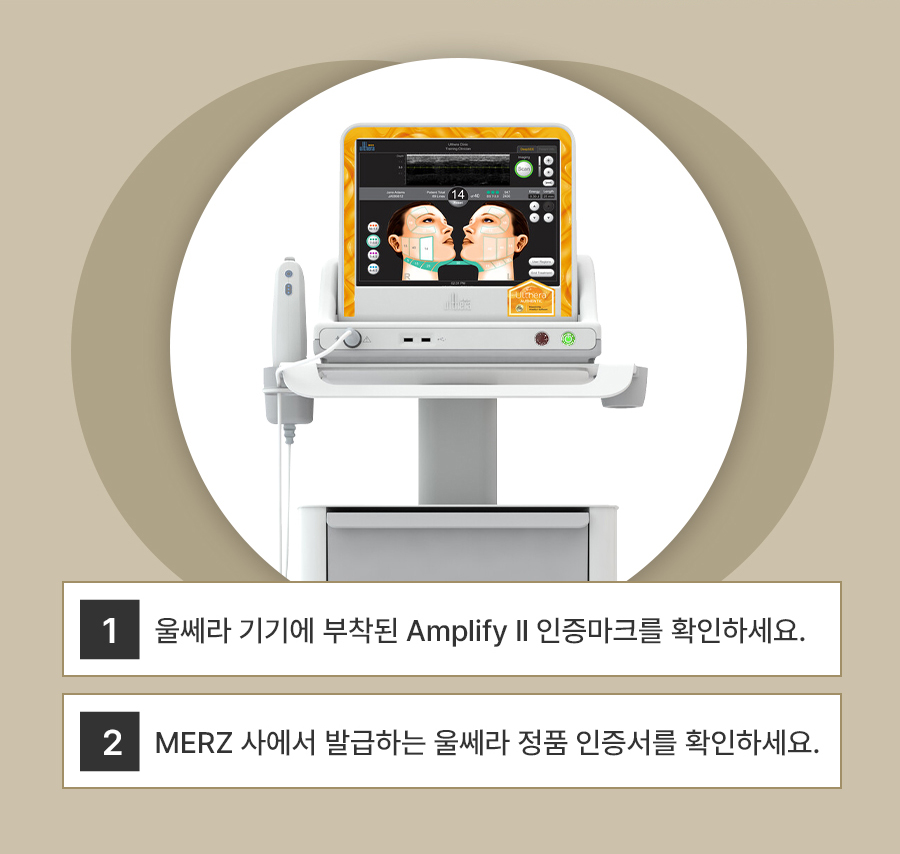
When performed by experienced dermatologists using genuine Ultherapy equipment, the procedure is generally considered safe. However, like any medical treatment, it carries potential risks.
Common temporary side effects include redness, swelling, and tenderness. Less commonly, bruising or temporary numbness can occur. Rarely, if energy is delivered too close to certain nerves or bone, temporary nerve irritation or contour irregularities may appear.
To reduce these risks, clinics in Dongtan such as Whoo's Who Dermatology Dongtan focus on careful mapping, appropriate depth selection, and, when available, ultrasound imaging to visualize tissue layers. Non-reimbursed treatment fees are disclosed transparently in line with local regulations, and genuine devices are used rather than unverified copies.
Before your treatment, you should receive a clear explanation of the procedure, possible side effects, and what to do if you notice anything unusual after you leave Korea.
Questions to ask before booking Ultherapy in Dongtan
Before you finalize your appointment, it can be helpful to prepare a checklist of questions. Examples include:
Which areas of my face and neck do you recommend treating with Ultherapy, and why?
How many shots or treatment lines will be used, and at which depths?
Do you use ultrasound imaging during the procedure to guide energy delivery?
What kind of pain control is available, and how uncomfortable do most patients find the treatment?
How many days should I plan to stay in Korea after the procedure, and is an in-person follow-up necessary?
What are the most common side effects you see in your patients, and how do you manage them?
By asking these questions, you can compare clinics not only on price but also on device authenticity, doctor involvement, safety protocols, and follow-up support for overseas patients.
FAQ
How long does an Ultherapy session take for the face and neck?
For a full face and neck Ultherapy session in Dongtan, the active treatment time is usually around 60 to 90 minutes. You should also allow extra time for consultation, photography, cleansing, application of topical anesthetic, and post-treatment soothing care. In total, you may spend around 2 to 3 hours at the clinic on the treatment day.
Is Ultherapy very painful, and what pain control options are available?
Pain perception varies from person to person. Many people describe Ultherapy as a series of brief, sharp, heating sensations along the treatment lines. In Dongtan clinics, topical anesthetic cream is commonly used, and the doctor can adjust energy levels based on your feedback. In some cases, additional pain control methods may be offered after reviewing your medical history. Discuss your pain tolerance honestly during consultation so the team can plan accordingly.
When will I start to see lifting after Ultherapy, and how long does it last?
You may notice a subtle tightening effect within a few weeks, but the main lifting and firming usually develop gradually over 2 to 3 months as new collagen forms. Many patients feel that the results last for around one year or longer, but this varies by individual. Factors such as age, lifestyle, sun exposure, and smoking can influence how long the effect is maintained. Your dermatologist can recommend a personalized maintenance schedule.

Can Ultherapy be combined with Thermage, threads, or fillers?
Yes, Ultherapy is often combined with other treatments to address different layers and concerns. For example, Ultherapy can target deeper structural layers for lifting, Thermage FLX can be used for superficial tightening and texture, and threads or fillers can be added for volume or contouring in selected cases. The timing and order of these treatments should be planned carefully to avoid over-treatment and to respect your recovery schedule, especially if you are visiting from overseas.
Soft call to action for online consultation
If you are considering Ultherapy in Dongtan 2 New Town and would like a professional opinion before arranging your trip, you can start with an online consultation. By sharing clear photos, your medical history, and your travel plans, the dermatologists can suggest whether Ultherapy is suitable for you, which areas to focus on, and how to structure your visit to Korea.
Clinic hours in Dongtan 2 are generally Monday to Thursday from 10:00 to 19:00, Friday from 10:00 to 20:00, and Saturday from 09:00 to 14:00, with no separate lunch break for most of the day. Online booking via Naver is available on Wednesdays and Thursdays, which can be convenient if you are in a different time zone.
By preparing in advance and choosing a clinic that emphasizes genuine devices, doctor-led planning, and transparent communication, you can make your Ultherapy experience in Dongtan as safe and efficient as possible during your stay in Korea.
- 공유 링크 만들기
- X
- 이메일
- 기타 앱


댓글
댓글 쓰기