Dongtan Ultherapy Lifting Guide for International Patients
- 공유 링크 만들기
- X
- 이메일
- 기타 앱
Direct answer summary
The clinic also states it offers Ultherapy alongside other anti‑aging procedures such as Thermage FLX, Shurink, and thread lifting so that treatment can be tailored rather than relying on a single approach. Reported recovery and results vary: some patients return to daily activities immediately and some notice gradual tightening over a period of months, while the duration of any effect depends on individual factors such as age and skin condition.
This guide explains what 3D Ultherapy is, who may benefit, how a visit to Korea can be organized, what to expect during and after treatment, and how to prepare for an online consultation before you travel.
What is Ultherapy and what does 3D Ultherapy mean
Ultherapy overview
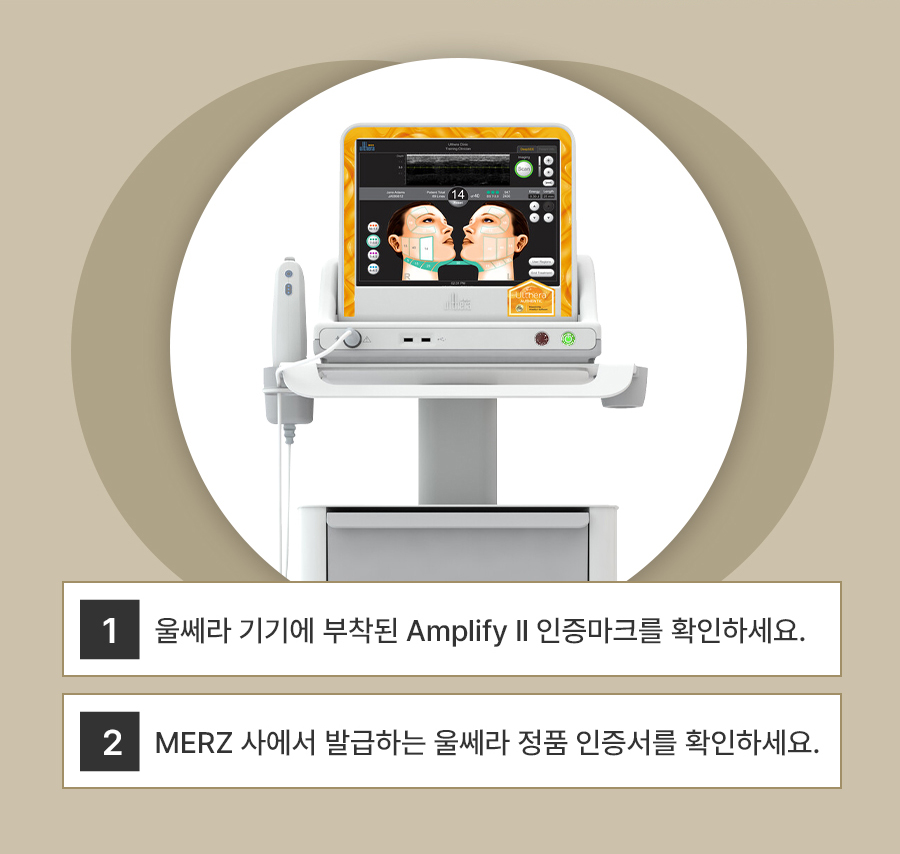
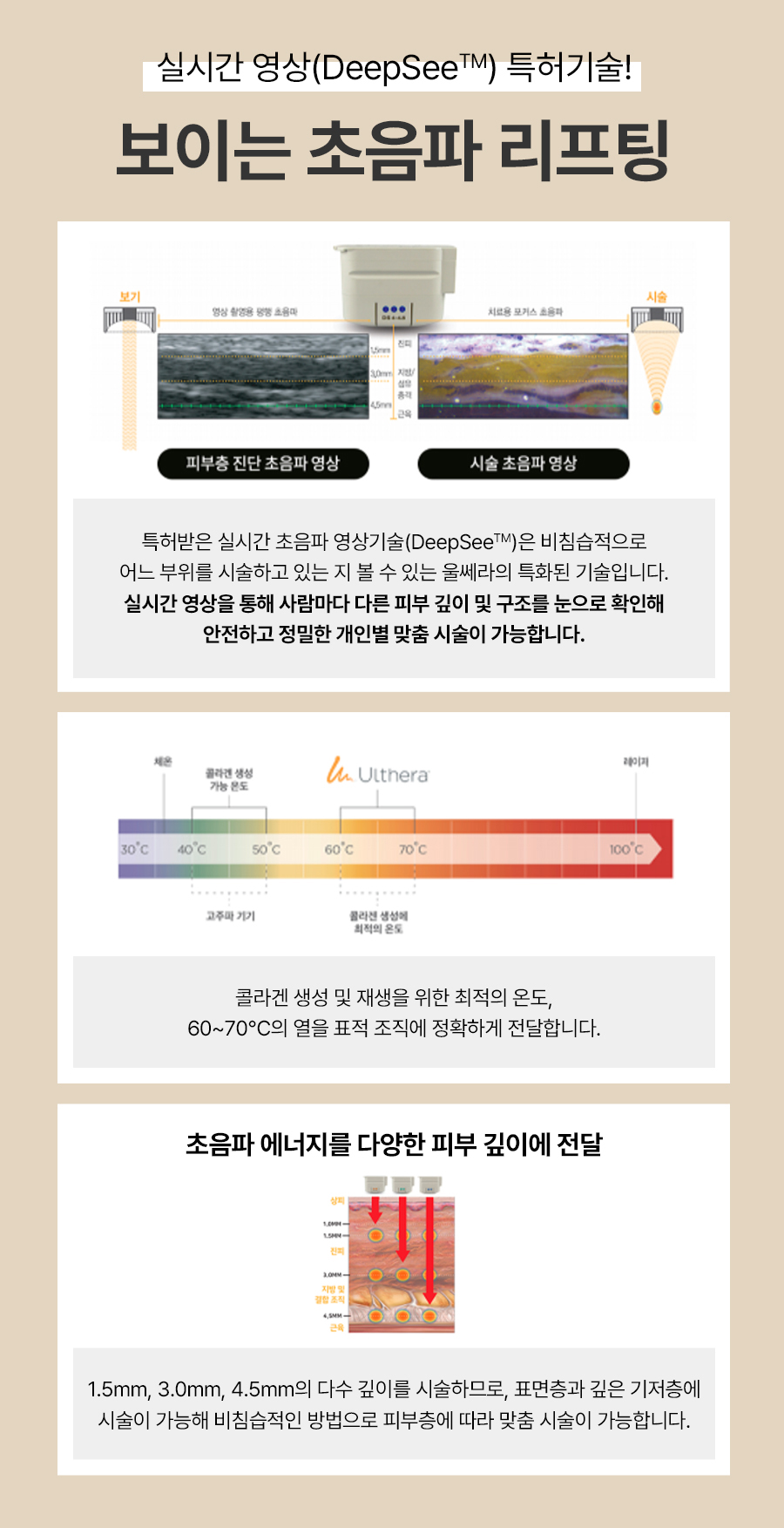
Ultherapy is a non‑surgical lifting procedure that uses focused ultrasound energy. The device delivers energy to deeper layers of the skin, including the SMAS layer, which is the same layer targeted in surgical facelifts. By heating this layer in a controlled way, Ultherapy stimulates new collagen production and tightens existing collagen fibers.
Because it works from the inside out, there is no incision and no need for general anesthesia. Most patients walk out of the clinic and continue normal activities on the same day.
3D Ultherapy concept
3D Ultherapy refers to a more detailed and customized planning method, considering three dimensions:
Depth: Different cartridges can target the superficial dermis, deep dermis, and SMAS layer. The dermatologist chooses depths according to your skin thickness and degree of sagging.
Area: Instead of treating only the cheek, 3D planning considers the full face and neck. This can include the forehead, temples, mid‑face, jawline, under‑chin area, and neck, as well as specific problem zones such as early jowls or nasolabial folds.
Vector: Lifting vectors are the directions in which the skin should be tightened. The dermatologist designs lines and angles to support your natural facial structure, for example pulling upward and slightly backward along the cheek and jawline.

By addressing multiple treatment parameters, 3D Ultherapy is intended to create a more individualized and balanced lifting effect instead of using a fixed shot pattern.
Indications for Ultherapy
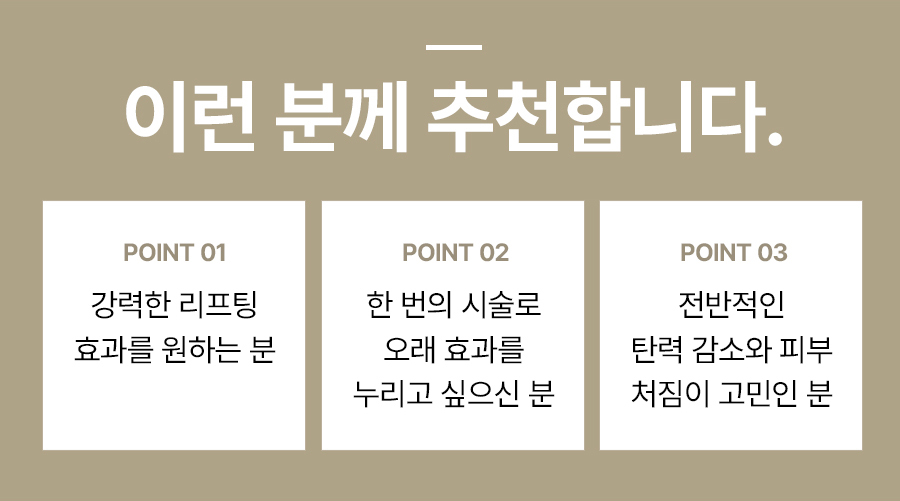
Ultherapy may be considered in the following situations:
- Mild to moderate sagging of the cheeks and jawline
- Early jowls and loss of jawline definition
- Nasolabial folds that look deeper mainly due to skin laxity
- Loose skin under the chin or on the neck
- Patients in their late 20s to 40s who want early prevention and lifting
- Patients who wish to avoid surgery or thread insertion
It is generally not designed for very severe sagging that would usually require surgical lifting. In those cases, non‑surgical methods can still improve skin quality but may not replace surgery.
Who may consider Ultherapy in Dongtan
Ideal candidates
International patients who may benefit from Ultherapy in Dongtan 2 New Town often share these characteristics:
Late 20s to 40s with early signs of sagging and desire to slow visible aging
Mild to moderate skin laxity around the mid‑face, jawline, under‑chin, or neck
Preference for non‑invasive procedures with minimal downtime
Ability to wait several months for gradual improvement rather than expecting instant dramatic change
Willingness to follow a maintenance plan every 1 to 2 years depending on skin condition
Caution or not suitable
Ultherapy may not be the first choice in the following cases:
Very severe sagging where surgical lifting may give more appropriate correction
Pregnancy or breastfeeding, where many clinics prefer to postpone non‑urgent procedures as a precaution
Presence of implanted electronic devices or metal in the treatment area, which requires individual assessment
Unrealistic expectations of surgical‑level results from a single non‑surgical session
If you are unsure, an online consultation with photos is useful so the dermatologist can advise whether Ultherapy alone, a combination plan, or another approach is more suitable.
How Ultherapy compares with Thermage FLX, Shurink, and thread lifting
Ultherapy versus Thermage FLX
Ultherapy uses focused ultrasound to reach deeper structures including the SMAS layer. It is often chosen when the main concern is deeper sagging and structural lifting of the lower face and neck.
Thermage FLX uses radiofrequency energy that heats the dermis more broadly. It is known for improving skin texture, fine lines, and overall firmness, especially in the superficial to mid‑dermis. Many patients like Thermage for pore appearance, fine wrinkles, and general skin tightening.
In practice, the choice can be summarized as:
Ultherapy: deeper lifting and contour improvement, especially jawline and under‑chin
Thermage FLX: surface firmness, texture, and fine lines
Some patients benefit from combining both, for example Ultherapy for deeper lifting and Thermage FLX for surface quality and fine wrinkles.
Ultherapy versus Shurink
Shurink is also an ultrasound‑based lifting device, but it is often used in lighter, more frequent sessions. It can be suitable for younger patients, early prevention, or maintenance between larger Ultherapy sessions.
Ultherapy is usually positioned as a higher‑intensity treatment performed less frequently. When planned in 3D, it may create more noticeable lifting for appropriate candidates, while Shurink can be a gentler option.
Ultherapy versus thread lifting
Thread lifting uses special threads inserted under the skin to provide mechanical lifting and contouring. It can show immediate visible changes, but it involves inserting foreign material and has its own set of possible side effects such as bruising or irregularities.
Ultherapy does not insert anything under the skin. It focuses on stimulating collagen and tightening from within using ultrasound energy. For patients who prefer non‑invasive methods, Ultherapy can be an alternative, or it can be combined with threads if the degree of sagging is more advanced.
Because the Dongtan clinic offers Ultherapy, Thermage FLX, Shurink, SkinTyte, Onda lifting, thread lifting, and injectables such as Rejuran and Belkyra, the dermatologist can design a personalized plan instead of recommending a single device for every patient.
Expected effects, timeline, and how long results last
Short‑term effects
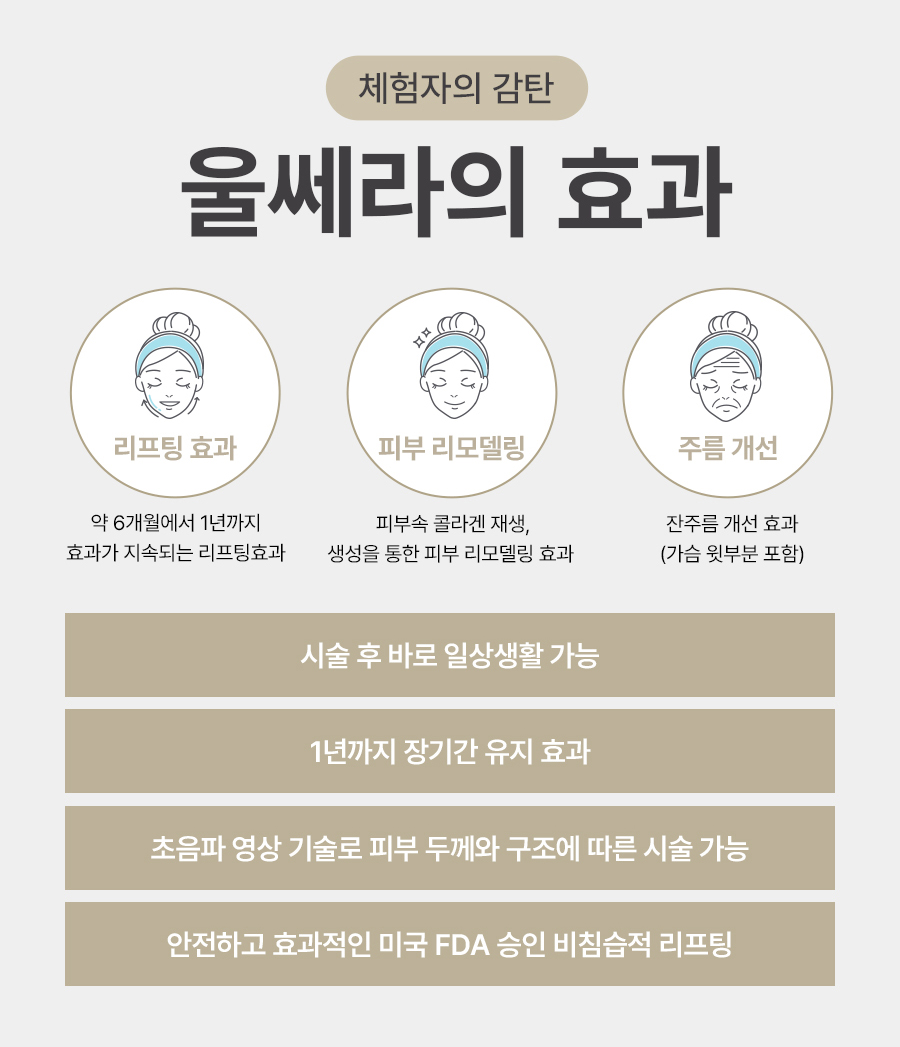
Right after Ultherapy, some patients notice a feeling of tightness or a subtle lifting effect. Practitioners often attribute this to an immediate tissue response. However, the primary improvements are typically gradual rather than instant, and individual experiences vary.
Mid‑term effects
Duration of results Effects often last around 1 year or more, depending on:
- Age and baseline skin laxity
- Lifestyle factors such as smoking, sun exposure, and weight changes
- General health and skin care habits
Some patients repeat Ultherapy every 12 to 18 months, while others combine it with lighter maintenance treatments such as Shurink or skin tightening lasers in between.
Ultherapy procedure flow at a Dongtan dermatology clinic
Initial consultation
The process usually begins with a consultation with a dermatologist. During this visit, the doctor:
- Assesses skin laxity, facial volume, and overall aging pattern
- Checks whether Ultherapy alone is suitable or whether Thermage FLX, Shurink, threads, or injectables should be combined
- Explains realistic expectations and timeline
- Reviews medical history, medications, and any implanted devices
For international patients, this first step can be partly done online using photos and video calls before you travel.
Photography and documentation
Before treatment, standardized photographs are taken. These serve as a baseline for later comparison. The clinic maintains a before‑and‑after photo board for members for various conditions such as acne, redness, pigmentation, and scars, reflecting a habit of documenting outcomes.
Design and marking
The dermatologist then designs your lifting plan. This includes:
Marking key treatment zones such as cheeks, jawline, under‑chin area, and neck
Drawing lifting vectors to show the planned direction of tightening
Selecting appropriate depths and cartridges according to your skin thickness and goals
This design stage is important for 3D Ultherapy, as it translates your unique facial anatomy into a customized shot distribution.
Ultrasound treatment session
A gel is applied to the skin, similar to other ultrasound procedures. The dermatologist places the Ultherapy handpiece on the skin and delivers focused ultrasound shots at different depths.
You may hear clicking sounds and feel heat or deep tingling as the energy is delivered. The number of shots for a full face and neck can vary depending on the size of the treatment area and the plan. Higher shot counts and carefully distributed energy often support more comprehensive coverage, but the exact number is decided individually.
Pain level and comfort options
Pain perception varies widely. Some patients feel only mild discomfort, while others find certain areas more sensitive, especially along the jawline and bony areas.
To improve comfort, the clinic can use topical anesthetic cream and cooling. The dermatologist can also adjust energy settings while balancing comfort and effectiveness. Discuss your pain tolerance in advance so that an appropriate plan can be arranged.
Post‑care and immediate recovery
After the procedure, the skin may look slightly red or feel warm. Mild swelling or tenderness along the jawline or cheekbone area can occur. These usually subside within a few days.
Most patients return to daily activities immediately. Heavy exercise, sauna, or intense heat exposure may be limited for a short period according to the clinic’s instructions.
Safety considerations
The clinic advises discussing risks and suitability with the treating dermatologist. Important safety topics to cover with your clinician include appropriate depth selection, energy settings, target areas, contraindications, and how any existing medical conditions or implants might affect treatment. Ask your dermatologist about expected side effects, signs that require follow‑up, and how they monitor and manage risks.
Correct depth selection to avoid unnecessary irritation of deeper structures
Appropriate energy settings tailored to your skin
Avoiding direct treatment over certain areas if you have specific medical conditions
As with any medical procedure, side effects are possible, such as temporary numbness, bruising, or localized tenderness. Serious complications are rare but should be discussed during consultation so you can make an informed decision.
Preparing for an online consultation before visiting Korea
Sharing information in advance
For overseas patients, an online consultation is a practical first step. Before your appointment, prepare the following:
Clear photos of your face and neck from the front, 45‑degree angles, and sides, taken in good lighting
Information about your age, medical history, and any previous lifting procedures, fillers, or Botox
A list of your main concerns, such as jawline sagging, under‑chin fat, or neck wrinkles
Your preferred downtime and travel schedule
This helps the dermatologist estimate whether Ultherapy is suitable and whether additional procedures, such as Thermage FLX, Shurink, thread lifting, or Belkyra for submental fat, may be useful.
Questions to ask during consultation
When you compare clinics in Dongtan 2 New Town or other areas, it can be helpful to ask:
Who designs and performs the Ultherapy procedure, and how involved is the dermatologist
Which devices are available besides Ultherapy if my skin needs a combination approach
How many shots are usually used for a full face and neck in my case, and how is the shot plan decided
What pain control options are available and what level of discomfort should I expect
What is the expected timeline for results and recommended follow‑up schedule
By preparing these questions, you can focus less on brand names and more on whether the clinic’s approach matches your needs and expectations.
Expected Korea visit timeline for Ultherapy in Dongtan
Typical short visit plan
For many overseas patients, a short trip is enough for Ultherapy. A common schedule could look like this:
Day 1: Arrival in Korea and rest. If time allows, in‑person consultation and skin assessment in the afternoon.
Day 2: Final consultation, photography, design, and Ultherapy procedure. You can usually return to your accommodation right after treatment.
Day 3: Optional check‑up if needed, then free time or departure.
Because Ultherapy has minimal downtime, you can combine your treatment with sightseeing or business activities, as long as you avoid extreme sun exposure and follow basic aftercare advice.
Longer stay or combination treatments
If you plan to combine Ultherapy with other procedures such as Thermage FLX, Shurink, thread lifting, or pigment and acne programs, you may need more days. Your schedule can be adjusted as follows:
Day 1: Detailed consultation, photography, and basic skin treatments if appropriate
Day 2: Ultherapy and, if suitable, additional energy‑based treatments
Day 3 to 5: Follow‑up visits, gentle laser or skincare sessions, and monitoring
Your exact plan will depend on the number and type of procedures, your skin condition, and your travel constraints.
Aftercare and long‑term maintenance
Immediate aftercare
After Ultherapy, you can usually wash your face and apply makeup the same day or the next day, according to the clinic’s instructions. General recommendations often include:
- Use gentle cleansers and moisturizers for a few days
- Avoid very hot showers, saunas, and intense exercise for a short period
- Apply sunscreen diligently, as UV exposure accelerates collagen breakdown
- Avoid new, untested skincare products that could irritate the skin
Monitoring and follow‑up
Some tenderness or tightness can persist for a few days to a couple of weeks. This is usually mild and temporary. If you experience unusual pain, swelling, or other concerns, contact the clinic for guidance.
A follow‑up appointment can be scheduled to assess early changes and plan maintenance. Because collagen remodeling is gradual, the main evaluation is often done around 3 to 6 months after treatment.
Combining Ultherapy with other anti‑aging options
Depending on your needs, Ultherapy can be combined with:
- Thermage FLX for dermal tightening and texture improvement
- Shurink or SkinTyte for lighter, more frequent maintenance
- Thread lifting for more immediate mechanical lifting in selected areas
- Rejuran or other anti‑aging injections for skin quality
- Belkyra for submental fat reduction under the chin
The Dongtan clinic also offers programs for acne, pores and scars, redness, pigmentation, and nail fungus, which can be integrated into a broader skin health plan if you wish.
Strengths of receiving Ultherapy at a Dongtan dermatology clinic
Dermatologist‑direct care
The clinic states that Ultherapy and other lifting procedures are planned and performed by its dermatologists. For details about the treating clinicians' training and experience, request clinician profiles or speak with the clinic directly so you can verify credentials and ask about specific expertise.
the United States for another dermatologist
Membership in major Korean dermatology societies and the American Academy of Dermatology
This background supports a careful, anatomy‑based approach to energy‑based lifting procedures such as Ultherapy and Thermage FLX.
Multi‑device customization
redness, pigmentation, and other concerns.
This multi‑device environment allows the dermatologist to recommend what is most appropriate for you instead of pushing a single procedure for every patient.
Evidence and documentation culture
The clinic maintains a before‑and‑after photo board for members for various conditions such as acne, redness, pigmentation, and scars. This reflects a culture of documenting outcomes and tracking progress, which can also be applied to lifting and anti‑aging cases.
Transparent information and pricing
This helps patients understand approximate costs before deciding, although exact quotes still depend on your individual plan, shot numbers, and any combination treatments.
Practical information for visiting the Dongtan clinic
Location
The clinic is located on the 3rd floor of Port Central City, 146 Dongtan‑daero Sibeom‑gil, in Dongtan 2 New Town, Hwaseong, Gyeonggi‑do. It is within the commercial area of Dongtan 2 New Town, making it convenient to combine your visit with shopping or dining.
Clinic hours The usual clinic hours are:
- Monday to Thursday: 10:00 to 19:00
- Friday: 10:00 to 20:00
- Saturday: 09:00 to 14:00
- Closed on Sundays and public holidays
A lunch break around 13:00 to 14:00 may be observed, although some materials state there is no separate break. It is best to confirm the exact schedule when you book.
Reservation options
Online reservation via Naver is available on certain days such as Wednesdays and Thursdays. For overseas patients, you can first contact the clinic by email or messaging apps to arrange an online consultation and then schedule your in‑person visit once your travel dates are fixed.
Frequently asked questions about Ultherapy in Dongtan
What is the difference between Ultherapy and Thermage FLX, and which is better for my face type
Ultherapy focuses ultrasound energy on deeper structures including the SMAS layer, which is helpful for lifting and contouring the jawline, under‑chin area, and mid‑face. Thermage FLX uses radiofrequency to heat the dermis more broadly, which is good for improving skin texture, fine lines, and overall firmness.
Which is better depends on your main concern. If deeper sagging and jawline definition are the priority, Ultherapy may be emphasized. If surface laxity, pores, and fine wrinkles are more noticeable, Thermage FLX may be recommended. Many patients benefit from a combination, and the dermatologist can guide you after examining your skin.
How many Ultherapy shots are typically used for full‑face and neck, and how does that affect results
The number of Ultherapy shots for a full face and neck varies depending on your facial size, skin condition, and treatment goals. A higher number of appropriately distributed shots can cover more areas and layers, potentially supporting more comprehensive lifting.
However, more shots are not always automatically better. The key is a well‑designed 3D plan that considers depth, area, and vector. During consultation, the dermatologist can explain the planned shot count and how it relates to your expected results and budget.
How long do Ultherapy results last, and when should I repeat the treatment
Ultherapy results typically develop over 2 to 3 months and can peak around 3 to 6 months after treatment. Many patients maintain visible benefits for about 1 year or longer, depending on age, lifestyle, and skin quality.
Some people choose to repeat Ultherapy every 12 to 18 months. Others combine it with lighter maintenance treatments such as Shurink, SkinTyte, or skincare programs in between. Your dermatologist can suggest a maintenance interval based on how your skin responds.

Is Ultherapy painful, and what pain control options are available
Pain perception is individual. Patients often describe the sensation as heat, tingling, or a deep prickling feeling when shots are delivered, especially over bony areas like the jawline. Some feel only mild discomfort, while others find it more intense.
To manage this, the clinic can use topical anesthetic cream, cooling, and adjustments of energy settings. Discuss your pain tolerance in advance so that the dermatologist can prepare an appropriate comfort plan that still aims for effective energy delivery.
Can Ultherapy be combined with fillers, Botox, or thread lifting, and in what order
Yes, Ultherapy is often combined with other treatments. A common approach is to perform Ultherapy first to tighten deeper structures, then use fillers or Botox later to refine volume and expression lines. Thread lifting can be added if more mechanical lifting is needed in specific areas.
The exact order and timing depend on your current treatments and goals. For example, if you already have fillers, the dermatologist may adjust the Ultherapy plan to avoid unnecessary energy over certain zones. A personalized schedule should be created after a detailed assessment.
Soft call to action for online consultation
If you are considering Ultherapy in Dongtan 2 New Town and would like a non‑surgical lifting plan tailored to your face and travel schedule, you can start with an online consultation. By sharing photos and your main concerns in advance, the dermatologists can suggest whether 3D Ultherapy alone or a combination with Thermage FLX, Shurink, threads, or injectables is more suitable.
This allows you to arrive in Korea with a clear plan, use your time efficiently, and understand what to expect from your treatment and recovery.
This article is for general information only and does not replace a personal consultation with a qualified medical professional. Individual results and suitability for Ultherapy or any other procedure vary, and all treatment decisions should be made after direct discussion with medical staff.


댓글
댓글 쓰기