Dermatologist-led medical laser hair removal at Hus-hu Clinic
- 공유 링크 만들기
- X
- 이메일
- 기타 앱
Direct answer summary
For appointments, use Naver reservation (available Wednesdays and Thursdays) or the clinic's KakaoTalk channel — you can also call 031-378-0751 to confirm availability. Hus-hu Dermatology Clinic Dongtan provides dermatologist-led medical laser hair removal for facial and body areas; multiple sessions and an in-person dermatology consultation are required before starting treatment. Typical hours to check are weekdays 10:00–19:00, Fridays until 20:00, and Saturday mornings.
This guide explains how medical laser hair removal works, who may consider it, what to expect when visiting Korea, and how to prepare before and after treatment.
What is medical laser hair removal
Medical laser hair removal uses light at specific wavelengths that is absorbed by pigment in the hair; the energy converts to heat and damages the follicle to reduce future hair growth. Multiple sessions are usually required and results vary by hair color, thickness, and skin type — permanent removal is not guaranteed.
The goal is long-term reduction and thinning of hair growth, not an absolute guarantee that no hair will ever grow again. Many people notice that hair grows back more slowly, becomes finer, and is less dense after a series of sessions.
In a dermatology clinic, medical-grade laser platforms are used. These devices allow the medical team to adjust various parameters, such as energy level, pulse duration, and spot size, according to your skin tone, hair color, and hair thickness. This flexibility is important to balance effectiveness with safety, especially for sensitive or darker skin.

Areas commonly treated in Dongtan 2
People living or working in Dongtan 2 New Town often seek laser hair removal for both convenience and hygiene. Common treatment areas include:
Underarms: for easier daily hygiene and to reduce shaving irritation.
Lower legs and thighs: to reduce frequent shaving and ingrown hairs.
Arms and forearms: for people who feel self-conscious about visible hair.
Bikini line: for swimsuit seasons or personal comfort.
Face: including upper lip, chin, sideburns, and beard shaping for men.
Back and chest: often requested by men who want a cleaner appearance or less body hair.
Both men and women can be candidates. The exact plan, including which areas to treat and how many sessions may be needed, is decided after a detailed consultation.
Why choose a dermatology clinic instead of a non-medical salon
Laser hair removal devices are available in many settings, from beauty salons to medical clinics. However, there are important differences when treatment is performed in a dermatology clinic.
In a medical setting, treatments are performed by or under the supervision of board-certified dermatologists with university hospital teaching experience. At this clinic, two representative doctors are dermatology specialists who graduated from Kyung Hee University School of Medicine and serve as external faculty in the dermatology department at Kyung Hee University Medical Center.
One of the doctors previously worked as a former dermatology chief at the presidential medical office and placed first in the first stage of the national dermatology board examination. The other has training experience at the UCI Beckman Laser Institute and is an active member of multiple dermatology and laser-related academic societies.
This type of background is relevant for laser hair removal because:
They are familiar with laser-tissue interactions and can select parameters carefully.
They have experience managing laser-related side effects such as burns, pigmentation, and scarring.
They can identify and treat underlying skin conditions, such as acne, folliculitis, or dermatitis, that may influence your hair removal plan.
In addition, this clinic functions as a comprehensive dermatology center, providing care for acne, pigmentation, vascular redness, scars, lifting, and body treatments including hair removal. If you have multiple skin concerns, this integrated approach can help coordinate your care.
How the laser hair removal process usually works
While details may vary by patient, a typical medical laser hair removal journey in this Dongtan 2 clinic setting follows several steps.
Initial consultation with a dermatologist
Your first visit usually begins with a detailed consultation. The dermatologist will:
Review your medical history, including atopic dermatitis, psoriasis, vitiligo, tendency to keloids, history of pigmentation after injuries, previous laser experiences, and any medications you are taking.
Ask about pregnancy or breastfeeding status, as many clinics prefer to postpone elective laser treatments in these situations due to limited safety data.
Assess your skin type, hair color, and hair thickness in each area you want to treat.
Check for active skin problems such as infections, open wounds, or severe dermatitis in the target areas.
Based on this information, the medical team will explain whether you are a suitable candidate, which areas can be treated, how many sessions are typically recommended, and what kind of results you can reasonably expect.
Patch test or test shots
For patients with sensitive or darker skin, or those with a history of strong pigmentation after minor injuries, a patch test or small number of test shots may be performed. This involves applying the laser to a small area with conservative settings to observe how your skin responds over the following days.
This step can help reduce the risk of burns or pigment changes by allowing the dermatologist to fine-tune settings before treating a larger area.
Preparation and shaving
Before each session, the hair in the treatment area should be shaved close to the skin surface. Long hair on the skin can increase the risk of burns and make the procedure less efficient.
Depending on clinic policy, you may be asked to shave at home within a certain time frame before your appointment, or the staff may assist with shaving at the clinic. Plucking, waxing, or using depilatory creams is usually discouraged in the weeks before treatment because they remove the hair root, which is needed for the laser to target.
During the laser session
On the day of treatment, the process usually includes:
Cleansing of the treatment area to remove makeup, sunscreen, or body lotion.
Provision of protective goggles for both you and the staff to shield the eyes from laser light.
Application of cooling or contact gel, depending on the type of laser device used.
Delivery of laser shots across the treatment area. The dermatologist or trained staff member will adjust parameters such as fluence (energy), pulse duration, spot size, and repetition rate according to your skin and hair.

You may feel a snapping or warm sensation with each shot. Pain levels vary by person and area; some describe it as a rubber band snap, while others feel more discomfort in sensitive regions like the bikini line. Cooling, adjusted parameters, and sometimes topical numbing cream can help reduce discomfort.
Post-treatment care at the clinic
Immediately after the session, the treated skin may look slightly red or bumpy around the hair follicles. The clinic may provide:
Cooling with packs or air cooling devices.
Application of soothing products such as calming creams or gels.
Topical medications if needed, especially for patients with sensitive skin or a history of inflammation.
You will receive instructions on how to care for the area at home and what signs should prompt you to contact the clinic.
Number and timing of sessions
Hair grows in cycles, and lasers are most effective on follicles in the active growth phase. Because not all hairs are in this phase at the same time, multiple sessions are necessary.
In general:
Sessions are typically spaced about 4 to 8 weeks apart, depending on the area. Face and underarms may be treated more frequently than legs or back.
Most people need several sessions to see significant long-term reduction. The exact number varies by hair density, thickness, hormonal influences, and individual response.
Complete permanent removal cannot be guaranteed. However, many patients experience long-lasting thinning and slower regrowth, and may only need occasional maintenance sessions in the future.
Your dermatologist will review your progress at each visit and adjust the plan as needed.

Safety, side effects, and why a dermatology clinic matters
Common temporary reactions
After medical laser hair removal, some short-term reactions are common and usually mild, such as:
Redness in the treated area.
Mild swelling around hair follicles, sometimes called perifollicular edema.
Warmth or tingling sensation.
These typically improve within a few hours to a couple of days. Cooling, gentle skincare, and sun protection are usually sufficient.

Possible side effects
Although many patients complete treatment without serious problems, laser hair removal does carry risks, especially if not performed carefully. Potential side effects include:
Burns and blisters.
Post-inflammatory hyperpigmentation (darkening) or hypopigmentation (lightening) of the skin.
Paradoxical hair growth, where fine hair in nearby areas becomes thicker.
Folliculitis or inflamed hair follicles.
Scarring in rare cases.
The advantage of a dermatology clinic
In a dermatology clinic environment, several factors help reduce and manage these risks:
Skin conditions such as acne, rosacea, atopic dermatitis, psoriasis, or vitiligo can be evaluated before treatment. The dermatologist can decide whether to proceed, postpone, or adjust the plan.
Laser parameters can be set more conservatively for darker skin tones or patients with a history of pigmentation problems.
If a side effect occurs, a dermatologist is available to diagnose and treat it promptly with appropriate medical care.
Because this clinic also treats vascular redness, pigmentation, and scars using various laser and energy-based devices, the medical team is accustomed to handling laser-related skin reactions and can integrate that experience into your hair removal plan.
Who may consider laser hair removal and who should be cautious
Good candidates
You may be a good candidate for medical laser hair removal if you:
Have unwanted hair on the face or body and want a longer-lasting solution than shaving or waxing.
Are willing to attend multiple sessions over several months.
Can follow pre- and post-care instructions, including sun protection.
Are ready to discuss your full medical history with the dermatologist.
People who should be cautious or need individual evaluation
Some situations require more careful assessment or may lead to postponing treatment:
Very dark or recently tanned skin, which can increase the risk of burns and pigmentation.
History of keloid scars or strong pigmentation after minor injuries.
Active skin infections, open wounds, or severe dermatitis in the treatment area.
Pregnancy or breastfeeding, since evidence is limited and many clinics prefer to delay elective laser procedures.
Use of photosensitizing medications, such as some antibiotics or acne treatments, which can increase sensitivity to light.
If any of these apply to you, it is especially important to have an in-person evaluation and to share all relevant information with the medical team.
General pre- and post-care guidance
Before treatment
While your individual instructions may differ, common recommendations before laser hair removal include:
Avoid tanning from sun exposure or tanning beds for several weeks before treatment. Self-tanning products should also be avoided, as they can interfere with laser targeting.
Do not pluck, wax, or use epilators on the area for a certain period before your session, usually several weeks. Shaving is typically allowed and often recommended.
Avoid applying irritating skincare products such as strong acids, scrubs, or retinoids to the treatment area shortly before your appointment.
Inform the clinic about any new medications or changes in your health status.
After treatment
Aftercare is important to minimize side effects and support healing:

If you feel heat or see redness, gently cool the area with a clean cool pack or cool water, as advised by the clinic.
Use sunscreen diligently on exposed areas to reduce the risk of pigmentation. Broad-spectrum protection is recommended.
Avoid hot baths, saunas, intense exercise, or friction on the treated area for a short period, as instructed by your dermatologist.
Do not scratch, rub, or pick at any crusts or bumps that may appear. If you notice blisters, severe pain, or unusual color changes, contact the clinic promptly.
Local and practical information for Dongtan 2 patients
This dermatology clinic is located in Dongtan 2 New Town in Hwaseong, Gyeonggi-do, within a commercial complex called Port Central City. Dermatology services are provided on the third floor, making it convenient for residents and workers in the surrounding area.
Typical operating hours include weekday daytime and some evening hours, with shorter hours on Saturdays. As of July 2026, the clinic advertises weekday hours with some evening openings; confirm current lunch-break arrangements and exact hours on the clinic website or by phone before visiting. Operating hours can change, so it is always best to verify the latest schedule prior to your visit.
Online reservation is available on specific weekdays through a major local portal. International patients are encouraged to check the clinic website or contact the staff in advance to confirm reservation methods, available languages, and the most suitable time slots.
Preparing as an overseas patient
Online consultation and pre-visit preparation
If you are planning to travel from overseas for laser hair removal in Dongtan 2, early preparation is helpful. Before your trip, consider:
Requesting an online or remote consultation if available. During this, you can share your medical history, photos of the areas you want treated, and any previous laser experiences.
Preparing a list of questions, such as how many sessions might realistically fit into your stay, which areas can be prioritized, and how much time you should leave between sessions.
Informing the clinic about your travel dates, so they can suggest a schedule that fits your stay.
Checking whether you need interpretation support and whether the clinic can assist.
Expected Korea visit timeline
For overseas visitors, a typical timeline might look like this:
Day 1–2: In-person consultation and possibly a patch test. If your skin reacts well, a first treatment session may be possible soon after, depending on the dermatologist’s judgment.
Following weeks: If you are staying longer term, sessions may be spaced 4 to 8 weeks apart. If your stay is short, the focus may be on starting treatment and planning follow-up sessions in your home country or on future visits.
Day after treatment: Most people can resume normal daily activities, avoiding only intense heat and friction on the treated areas.
Because hair removal is a series-based treatment, it is important to have realistic expectations. A single visit to Korea may not complete the entire process, but it can be a good starting point under specialist guidance.
Aftercare and follow-up from abroad
Once you return home, you should continue basic aftercare such as sun protection and gentle skincare. If you notice any delayed reactions, such as pigmentation changes, you can:
Contact the clinic by email or messaging with photos, if remote follow-up is available.
Visit a local dermatologist in your country, bringing any records or explanations provided by the Dongtan 2 clinic.
Individual treatment plans, devices used, and exact protocols may vary over time and by patient. For this reason, any online information should be considered general guidance, not a personal medical prescription.
FAQ about Dongtan 2 laser hair removal
How many laser hair removal sessions will I need
Most people need multiple sessions to see noticeable long-term reduction. Depending on the area, sessions are usually spaced 4 to 8 weeks apart. For example, underarms and face may require more frequent visits than legs or back. The exact number depends on your hair density, thickness, skin type, and hormonal factors, so your dermatologist will give you a more personalized estimate after examining you.
Is laser hair removal painful
Pain levels vary from person to person and by body area. Many people describe the sensation as a quick snapping or stinging feeling with warmth. Sensitive areas such as the bikini line or upper lip can feel more uncomfortable. In a medical clinic, the staff can adjust laser settings, use cooling, and in some cases apply topical numbing cream to help manage discomfort. Most patients find the procedure tolerable, and sessions are usually short for small areas.
What is the difference between clinic-based laser hair removal and beauty salon devices
Clinic-based laser hair removal uses medical-grade laser platforms operated by or under the supervision of dermatologists. These devices allow precise adjustment of energy, pulse duration, and spot size, and are supported by medical protocols and emergency management if side effects occur. Beauty salons may use weaker devices or non-laser technologies, and staff may not have medical training to assess skin diseases or manage complications. For people with sensitive skin, darker skin tones, or a history of pigmentation problems, dermatologist-led care can provide a more systematic approach to safety.
What should I do if I develop redness or pigmentation after treatment
Mild redness and slight swelling around hair follicles are common and usually resolve within hours to a couple of days. Cooling the area gently and following the clinic’s skincare instructions is often enough. If redness is intense, lasts longer than expected, or you notice blisters, pain, or dark or light patches appearing, you should contact the clinic as soon as possible. A dermatologist can examine the skin, diagnose whether it is simple irritation, post-inflammatory pigmentation, or another reaction, and provide appropriate medical treatment if needed.
Soft call to action
If you are considering safe, medically supervised laser hair removal while living in or visiting Dongtan 2 New Town in Hwaseong, you can explore consultation options with Hus-hu Dermatology Clinic Dongtan. An in-person evaluation with a qualified dermatologist is the most reliable way to understand which areas are suitable for you, how many sessions you might need, and how to coordinate treatment with your travel plans.
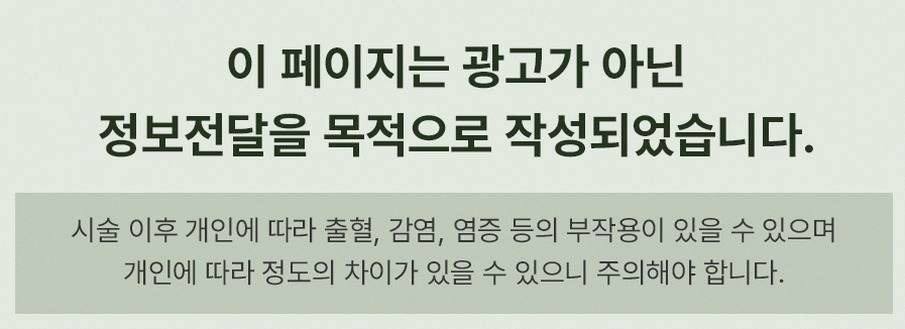
Before making any decisions, you are encouraged to arrange an online inquiry or consultation, prepare your medical history, and discuss your expectations openly with the medical team. This will help you choose a treatment plan that matches your skin condition, lifestyle, and schedule.

- 공유 링크 만들기
- X
- 이메일
- 기타 앱


댓글
댓글 쓰기