Dongtan 2 dermatology clinic guide for international patients in Korea
- 공유 링크 만들기
- X
- 이메일
- 기타 앱
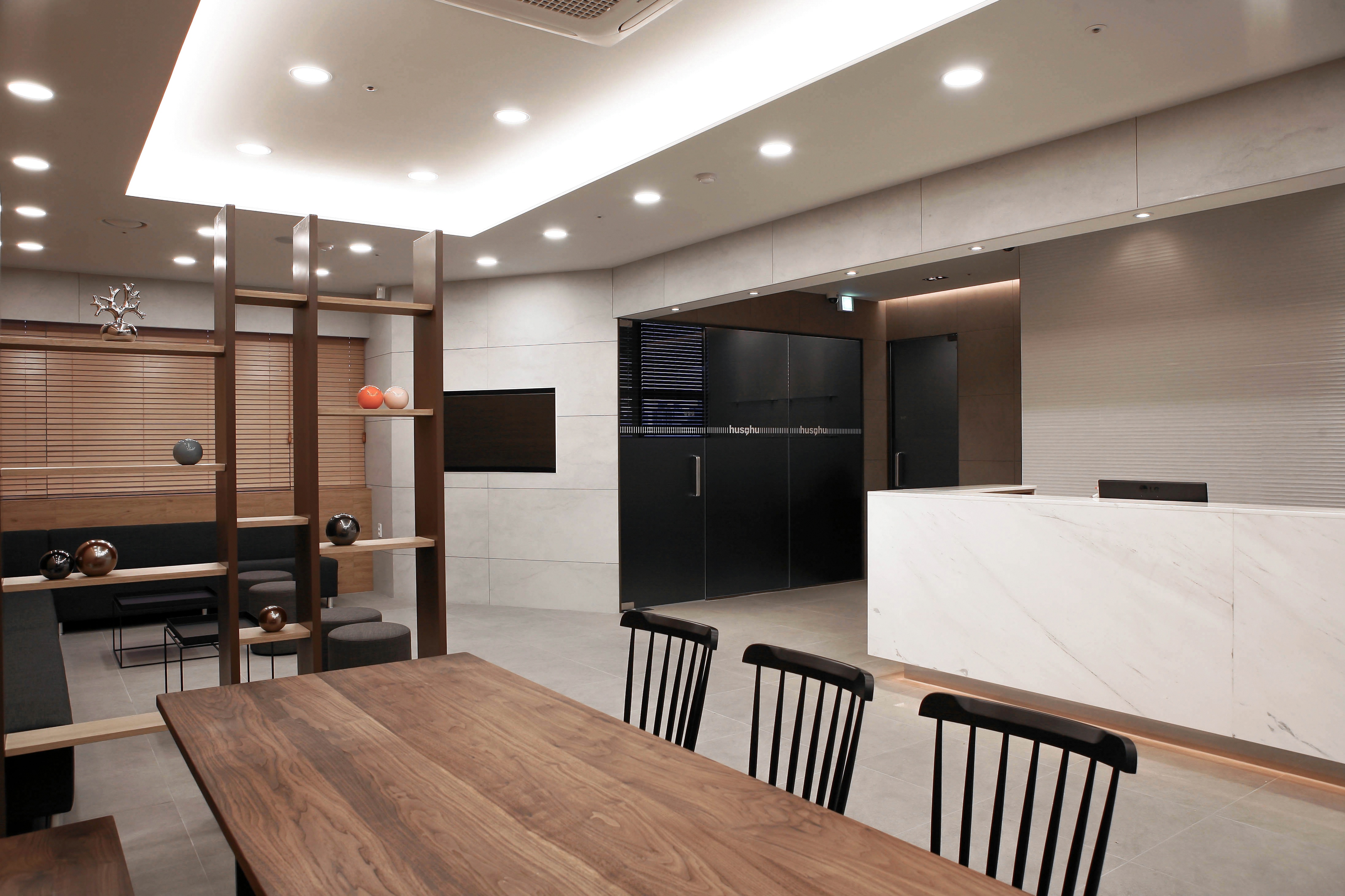
Direct answer summary
If you are searching for a Dongtan 2 dermatology clinic that can manage both everyday skin concerns and more complex issues like psoriasis, vitiligo, chronic redness, or scarring, you do not necessarily need to travel to a large university hospital in Seoul. In the Dongtan 2 New Town area of Hwaseong, there is a clinic model where two dermatology specialists with university hospital teaching roles provide both medical skin disease care and a wide range of laser and aesthetic procedures, using branded devices and structured programs.
This article explains how to choose a dermatology clinic in Dongtan 2, using Whoo's Who Dermatology, Dongtan branch, as a concrete example of a full‑service center. It is written for overseas patients who may be planning a medical tourism visit to Korea.
Overview of treatment options in a Dongtan 2 dermatology clinic
A comprehensive dermatology clinic in Dongtan 2 New Town typically combines medical dermatology with aesthetic procedures. The aim is to diagnose and treat underlying skin disease while also addressing appearance, texture, and aging concerns.

In this type of clinic, the main service areas usually include:
Medical dermatology and scalp
Care for chronic inflammatory and pigmentary diseases such as psoriasis and vitiligo, guided by dermatologists who are active in related national and international societies. This is important because these conditions often require long‑term planning, monitoring of systemic treatments, and careful coordination with light‑based or laser therapies.
General skin disease care such as eczema, atopic dermatitis, and other rashes is also part of the daily work. For international patients, this can be useful if you have sensitive skin, recurrent dermatitis, or need a second opinion on a long‑standing problem.
Vascular and redness issues, including facial flushing, visible vessels around the nose and cheeks, and rosacea‑type redness, are often managed with vascular lasers and supportive skin barrier treatments.
Scalp and hair loss evaluation is another area. A dermatologist can assess pattern hair loss, diffuse shedding, or inflammatory scalp conditions, and suggest topical treatments, oral medications, or device‑based options where appropriate.
Acne and scar programs
A Dongtan 2 dermatology clinic with a strong acne focus may offer structured programs that combine medical therapy with devices. The clinic lists a branded acne program called "All‑Kill"; program names are marketing terms and results vary by individual.
Medical therapy can include prescription creams, oral medications when indicated, and lifestyle guidance. Device‑based care may involve light‑based treatments such as photodynamic therapy (PDT) to target oil glands and bacteria, as well as gentle extraction and skin management.
For acne scars and enlarged pores, fractional lasers, radiofrequency microneedling systems such as Secret RF, and other scar‑focused technologies are used to remodel collagen. In selected depressed scars, scar fillers may be suggested to lift the area.
Pigmentation and tone
Many international patients come to Korea for pigmentation and tone improvement. In Dongtan 2, a full‑service clinic can provide multi‑step brightening programs that may include:
Laser toning using Fotona‑type systems for overall tone and fine pigment.
Pigment and vascular laser platforms such as GentleMax Pro and BBL for freckles, sun spots, and mixed pigment‑vascular issues.
Ion introduction treatments, similar to iontophoresis, and device‑assisted delivery of vitamins or active ingredients to support brightening and barrier repair.
Redness and vascular care
Dedicated redness reduction programs often rely on vascular lasers such as Vbeam Perfecta, which target blood vessels responsible for persistent redness or visible capillaries.
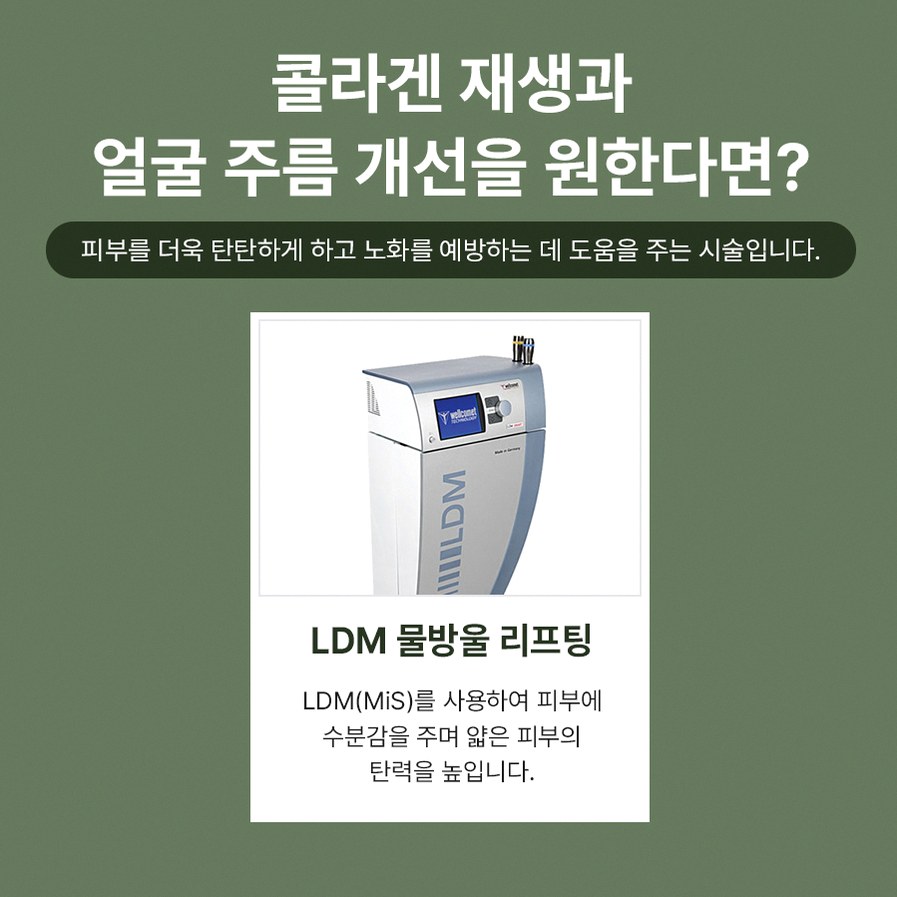
Ultrasound‑based skin management with genuine LDM‑type ultrasound devices may be used to support skin barrier recovery and calm sensitivity. This can be particularly helpful for rosacea‑prone or easily irritated skin.
Lifting and anti‑aging
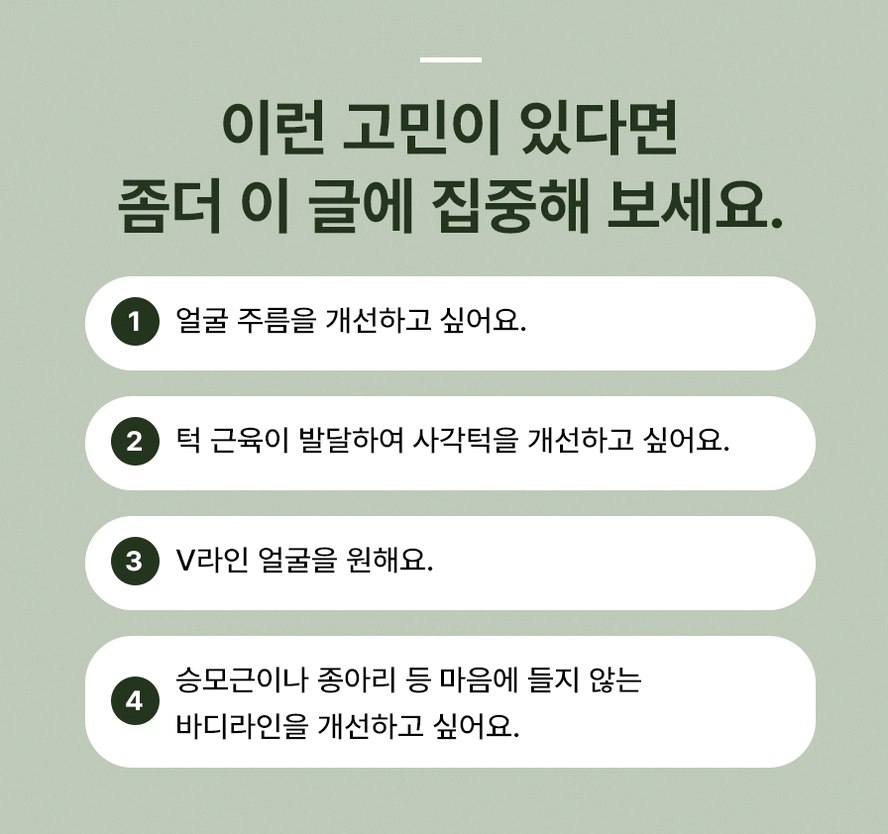
For facial contouring and anti‑aging, a Dongtan 2 dermatology clinic may use a combination of ultrasound, radiofrequency, threads, and injectables.
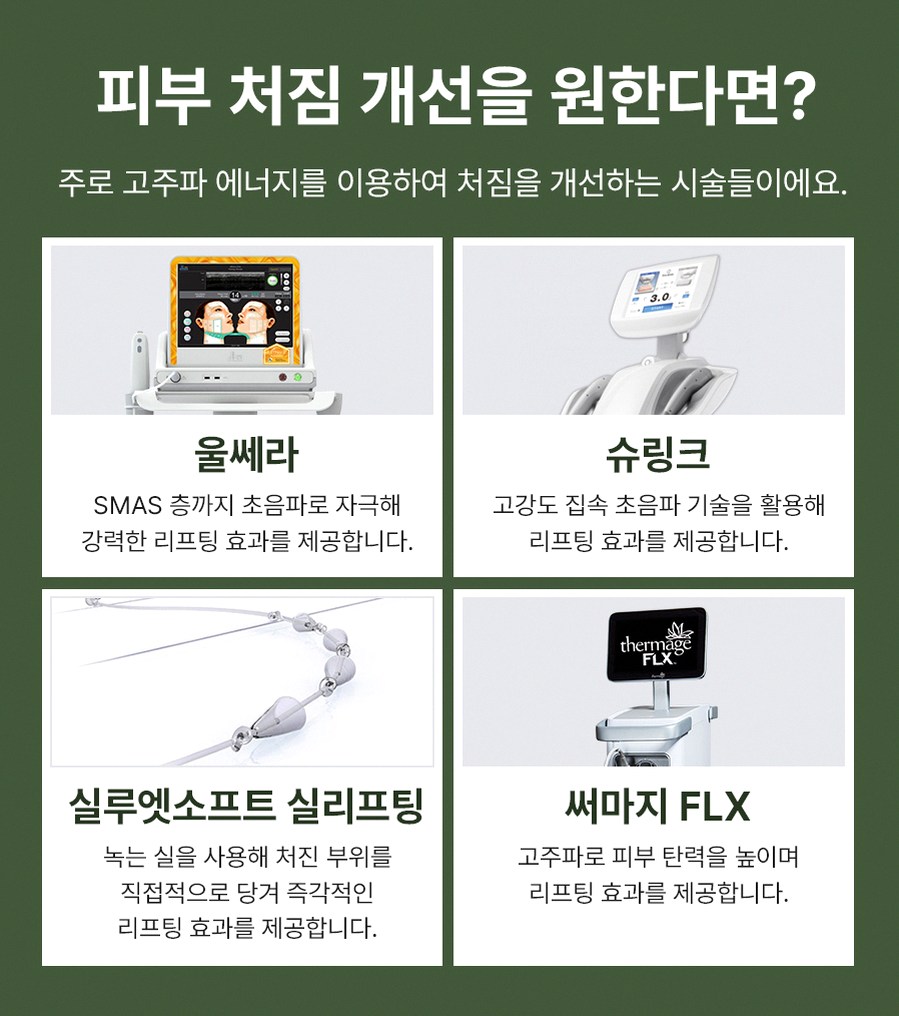
Ultrasound lifting (similar to 3D Ultherapy systems) can target deeper layers to lift and tighten. Radiofrequency tightening devices such as Thermage FLX focus on collagen remodeling in the dermis.
Additional tightening devices like SkinTyte and high‑intensity focused ultrasound systems similar to Shurink can be used for jawline, cheek, and neck contouring.
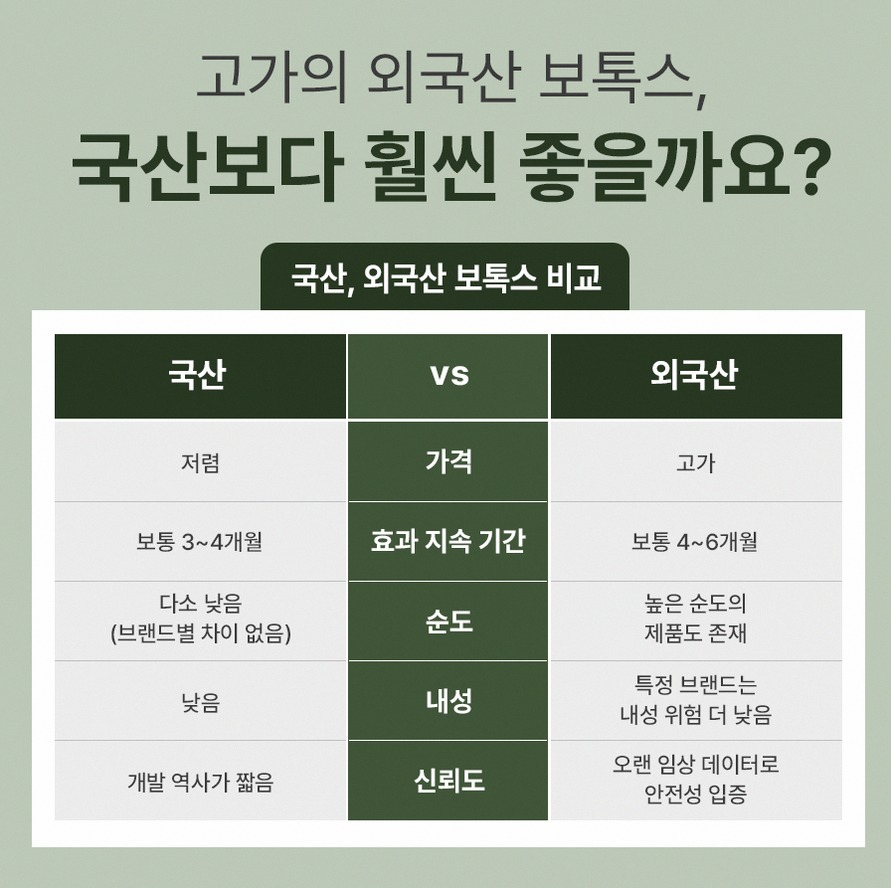
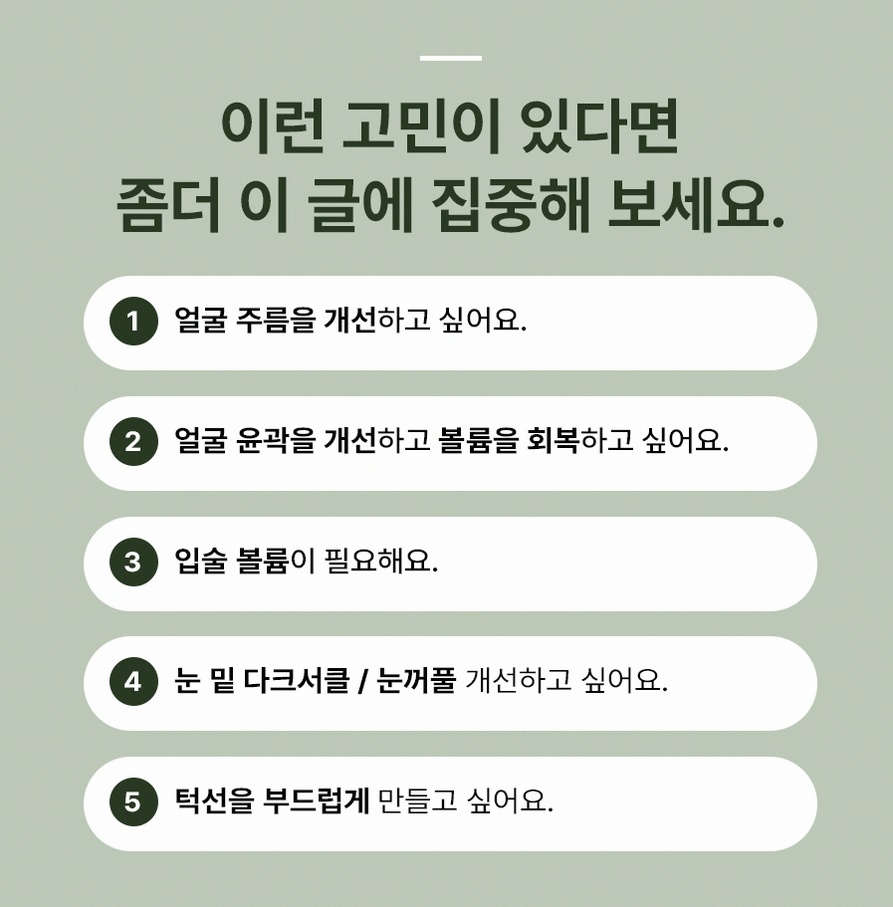
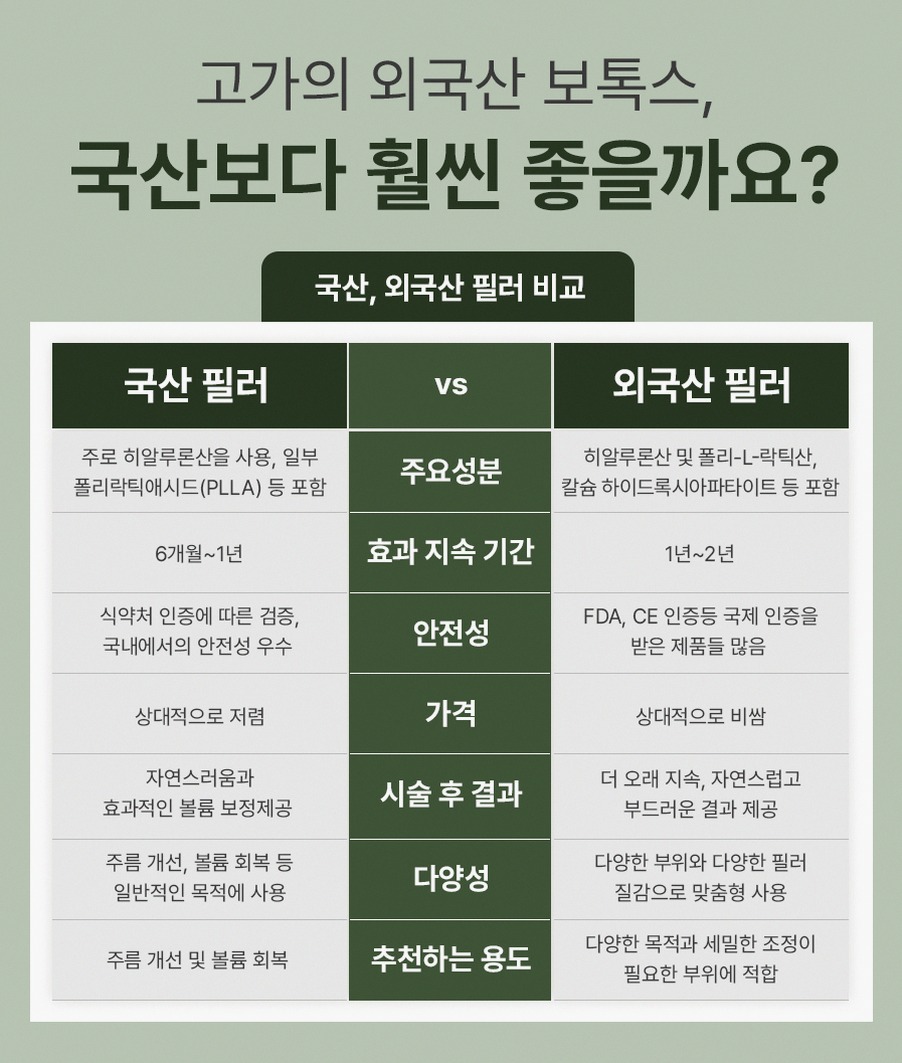
Injectable options may include skin boosters and anti‑aging injectables such as polynucleotide‑based products (e.g., Rejuran), hyaluronic acid fillers, neuromodulators (botulinum toxin), and customized anti‑aging injection combinations.
Thread lifting options, including Mint Lift and Silhouette Soft, can be combined with energy‑based treatments when suitable.
Some clinics also offer newer body and facial contouring devices similar to Onda‑type lifting platforms, which can target localized fat and skin laxity.
Injectables and skin quality
Botulinum toxin injections are used for expression lines such as frown lines, forehead lines, and crow’s feet, as well as for excessive sweating in the underarms, palms, or soles.
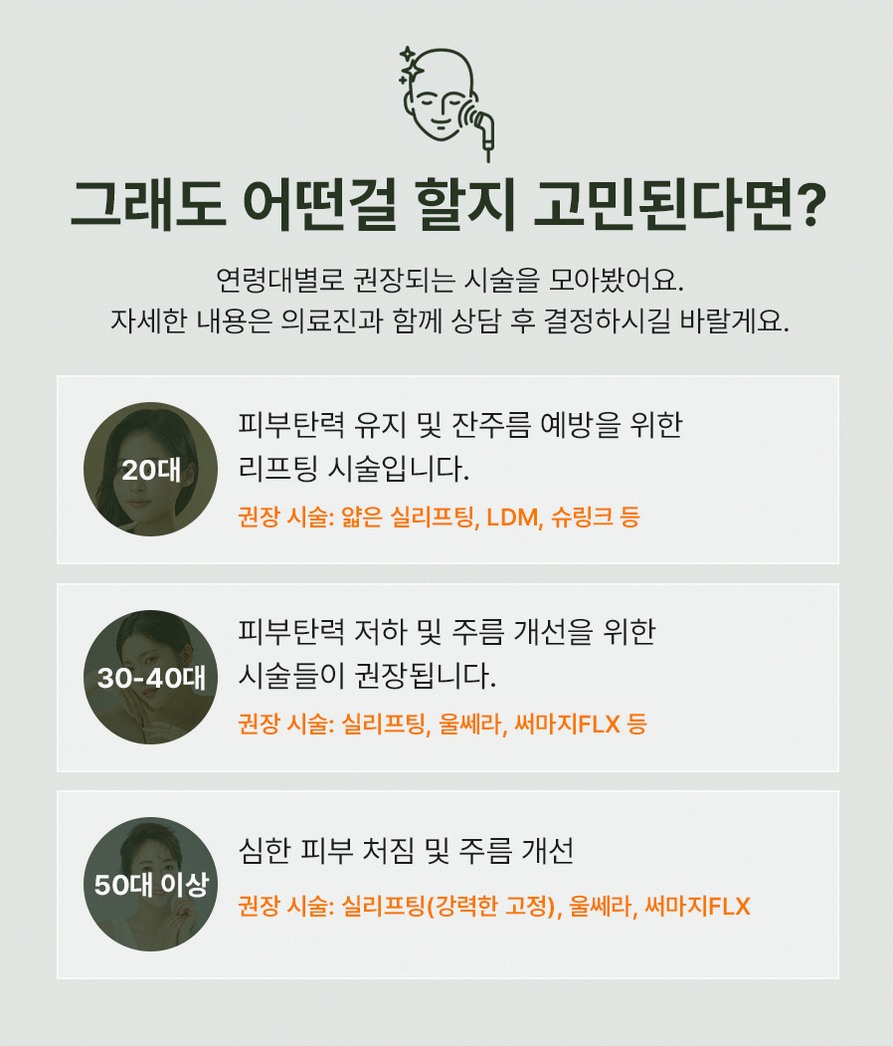
Hyaluronic acid fillers can restore volume in areas like the cheeks, nasolabial folds, and lips, while specialized collagen‑stimulating fillers (similar to Ellanse‑type products) may be chosen for longer‑term structural support.
Skin‑quality boosters and water‑glow style mesotherapy focus on hydration, fine lines, and overall radiance, using micro‑injections of hyaluronic acid and other active ingredients.
Body clinic services
Body‑focused treatments may include stretch mark care using fractional lasers or combined protocols, laser hair removal with platforms like GentleMax Pro, and hyperhidrosis treatment with sweat gland‑targeted approaches and botulinum toxin.
Body botulinum toxin injections can also be used for contouring and muscle relaxation in selected areas, always after careful medical evaluation.
Who may consider a Dongtan 2 dermatology clinic in Korea
International patients might consider traveling to a Dongtan 2 dermatology clinic if they:

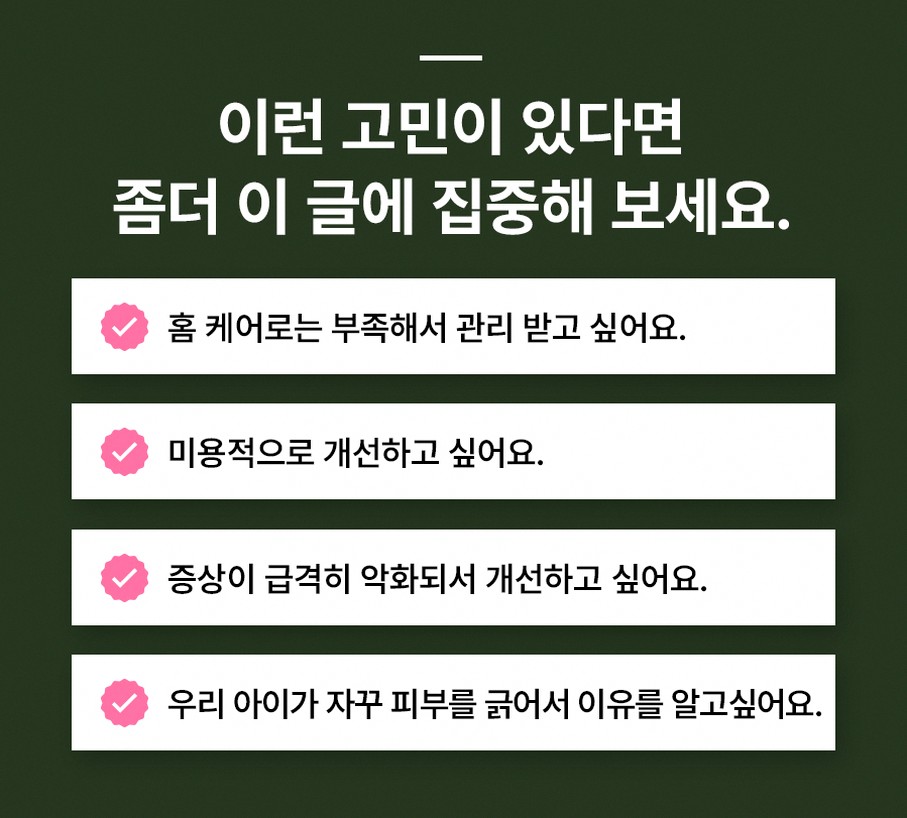
Have chronic skin diseases such as psoriasis, vitiligo, atopic dermatitis, or chronic urticaria and want evaluation by dermatologists with academic society memberships and university hospital teaching experience.
Have acne that has not responded well to basic care and are interested in structured programs combining medical and device‑based treatments.
Struggle with pigmentation, melasma, or mixed pigment and redness issues, and want access to multiple laser platforms rather than a single device.
Are interested in non‑surgical lifting, contouring, or skin‑quality improvement using ultrasound, radiofrequency, threads, and injectables.
Prefer a location outside central Seoul but still within the greater metropolitan area, with easier access from Incheon Airport or Suwon and Bundang.
When you have very severe systemic disease, need inpatient care, or require complex systemic immunosuppressive therapy, a university hospital may still be more appropriate. A Dongtan 2 clinic can, however, be a good option for ongoing outpatient management, second opinions, and combination laser or aesthetic procedures.
What to look for in a Dongtan 2 dermatology clinic
When comparing clinics in Dongtan 2 New Town, consider the following points.
Specialist training and academic involvement
Look for care led by dermatology specialists rather than general practitioners. In the example clinic, two representative directors are board‑certified dermatologists, graduates of Kyung Hee University School of Medicine, and external faculty members at Kyung Hee University Medical Center. This suggests familiarity with current guidelines and access to academic networks.
One director has experience as head of dermatology at the medical office of the presidential residence in Seoul and achieved top ranking in the first stage of the national dermatology board examination. This background can be reassuring for patients who value careful diagnosis and detailed treatment planning.
The other director trained at the UCI Beckman Laser Institute, which is relevant for patients specifically seeking advanced laser and energy‑based device treatments.

Disease‑specific and device‑specific expertise
Membership in multiple professional societies, including national psoriasis and vitiligo societies, acne and atopic dermatitis societies, hair and laser societies, and the American Academy of Dermatology, indicates ongoing education and interest in chronic and complex conditions.
On the device side, check whether the clinic uses branded platforms and whether they can explain why a particular laser or ultrasound system is recommended for your case. A clinic that owns vascular lasers, pigment lasers, fractional lasers, radiofrequency microneedling, ultrasound lifting, and body contouring devices can more easily customize combination therapy.
Transparency and communication
In Korea, clinics are required to disclose non‑reimbursed price lists. A Dongtan 2 dermatology clinic that posts these fees publicly is following regulations and supporting transparent communication.
Also pay attention to how clearly the staff explain treatment options, expected number of sessions, possible side effects, and aftercare. A registered‑member‑only before‑and‑after gallery, as seen in the example clinic, can show that there is a track record of cases while still protecting patient privacy.
Online consultation and pre‑visit preparation
If you are planning to visit from overseas, an online consultation is a useful first step.

How to prepare for an online consultation
Prepare clear photos of the areas you are concerned about, taken in natural light without heavy makeup or filters. For body or scalp issues, take both close‑up and wider shots.
Make a brief summary of your medical history, including:
Previous diagnoses such as psoriasis, vitiligo, atopic dermatitis, or rosacea.
Current and past medications, especially oral isotretinoin, steroids, immunosuppressants, or biologic injections.
History of keloid or hypertrophic scarring, and any tendency to post‑inflammatory hyperpigmentation.
Past laser, peeling, or injectable treatments, with approximate dates.
Questions to ask during online consultation
Which device or combination of devices is likely to be used in my case, and why.
How many sessions are typically recommended, and at what intervals.
Expected downtime for each procedure, including redness, swelling, or peeling.
What aftercare is required, and how long I should stay in Korea after treatment.
Whether any blood tests or special preparations are needed before certain procedures.
The example Dongtan 2 clinic offers partial online booking via a major local portal on Wednesdays and Thursdays. For international patients, it is often better to contact the clinic directly by email or messaging app first, then finalize dates once you have a clear plan.
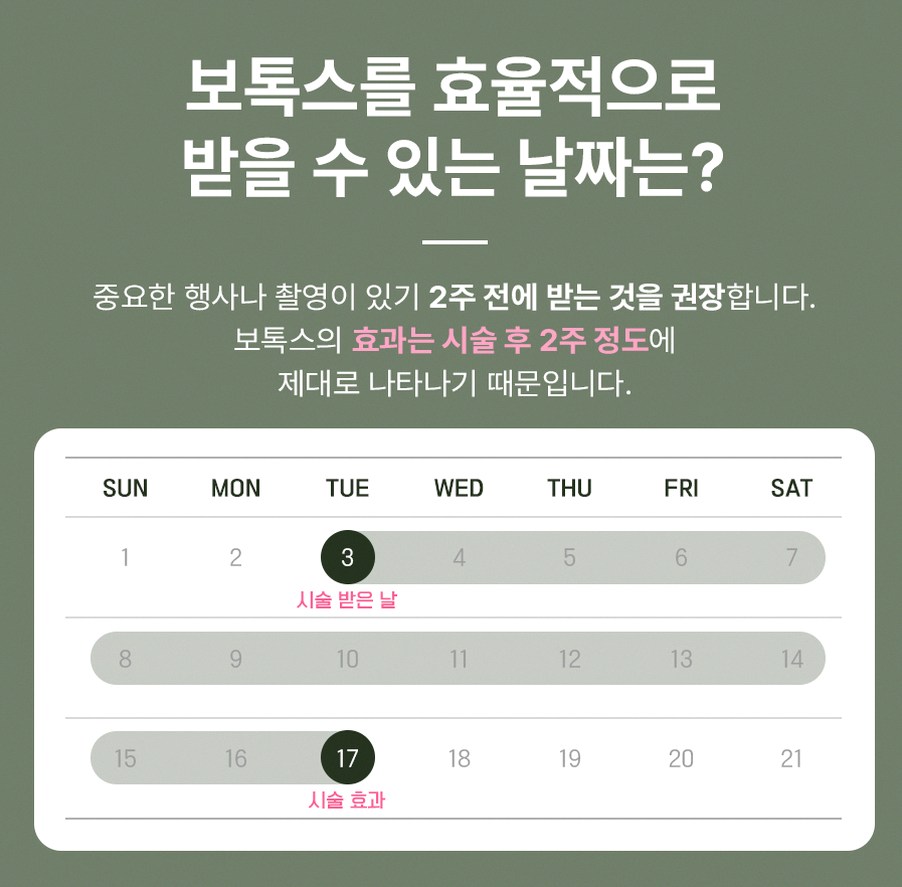
Expected Korea visit timeline for common treatment goals
Your exact schedule will depend on your condition and the treatments chosen, but the following outlines typical patterns.
Short visit, mainly cosmetic (5–7 days)
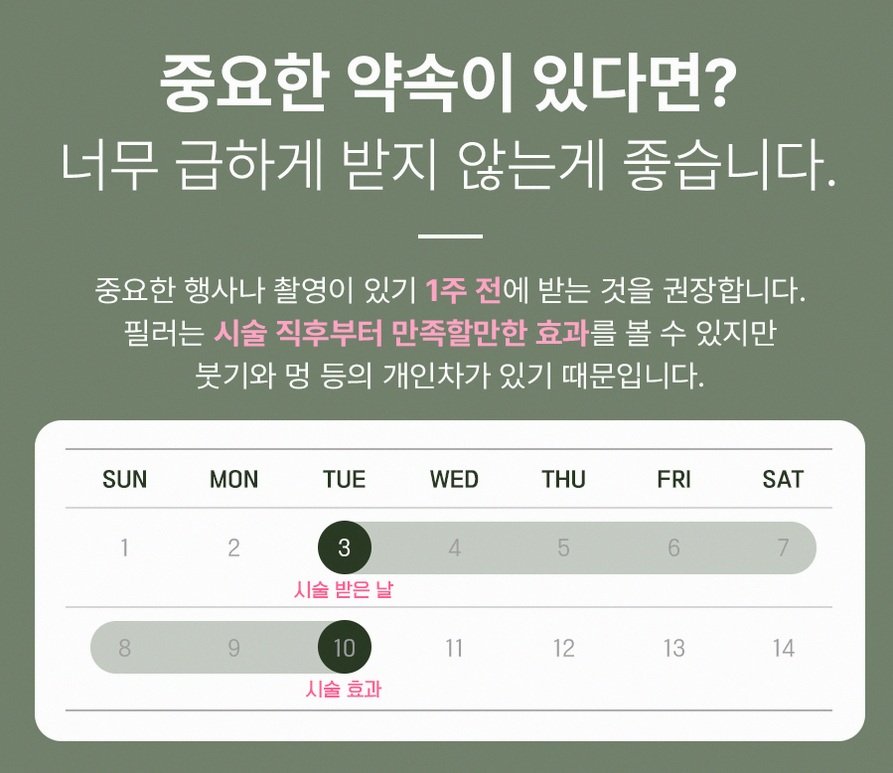
Day 1: In‑person consultation, detailed skin assessment, patch testing if needed, and possibly first gentle treatment such as basic laser toning, skin booster injections, or low‑downtime procedures.
Day 2–3: Main procedure such as ultrasound lifting, Thermage‑type radiofrequency, thread lifting, or combined pigment and vascular laser session. Mild swelling or redness is common.
Day 4–6: Follow‑up check, additional skin management (LDM‑type ultrasound, calming masks, or ion introduction), and review of home care instructions.
Day 7: Final visit before departure if needed, with photographs and future plan for maintenance once you return home.
Medium visit, acne and scar focus (10–14 days)
Day 1: Consultation, acne severity assessment, planning for medical therapy and device sessions. Start topical and, if indicated, oral medication.
Day 2–3: First device session such as PDT for active acne, or a low‑energy fractional or RF microneedling session for scars.
Day 4–7: Healing period, supportive skin management, and monitoring for any irritation.
Day 8–10: Second device session if appropriate, or a more intensive scar treatment once the skin has recovered.
Day 11–14: Follow‑up, adjustment of medication, and long‑term plan for when you return home, including recommended intervals for future sessions if you plan to revisit Korea.

Long‑term management, psoriasis or vitiligo (multiple visits)
For chronic conditions, a single short trip is usually not enough for full control. However, a Dongtan 2 dermatology clinic can:
Provide a detailed baseline assessment and confirm or refine your diagnosis.
Start or adjust topical and systemic therapy, with clear instructions for your local doctor.
Offer targeted phototherapy or laser sessions for localized lesions, if suitable.
Plan follow‑up via telemedicine or messaging, and coordinate future in‑person visits when you are in Korea again.
Aftercare and safety considerations
Even for cosmetic procedures, proper medical evaluation is essential, especially if you have chronic skin disease, sensitive skin, or a history of strong reactions.
Patch testing and stepwise treatment
For atopic dermatitis, rosacea, or very reactive skin, it is often safer to start with test spots or lower‑energy sessions, then gradually increase intensity if your skin tolerates it well.
If you are prone to post‑inflammatory hyperpigmentation, your dermatologist may recommend pre‑treatment with brightening agents, strict sun protection, and gentler laser settings.
Device authenticity and consumables
You can ask the clinic to confirm the exact model of the device being used, and whether cartridges, tips, and other consumables are genuine. This is relevant for ultrasound lifting systems, radiofrequency devices, and microneedling platforms.
Follow‑up policy
Clarify how the clinic handles follow‑up for international patients. Ask:
How long you should remain in Korea after a given procedure.
What to do if you experience delayed side effects after returning home.
Whether you can send photos and questions by email or messaging for remote review.
Practical information for visiting a Dongtan 2 dermatology clinic
Location and access
The example clinic is located on the 3rd floor of a mixed‑use building on Dongtan‑daero Sibeom‑gil in Dongtan 2 New Town, Hwaseong. This area is part of the greater Seoul metropolitan region, with access by intercity bus, express bus, and suburban rail from central Seoul and Incheon.
Clinic hours and booking
Typical hours are Monday to Thursday 10:00–19:00, Friday 10:00–20:00, and Saturday 09:00–14:00, closed on Sundays and public holidays. There is no midday closure for treatment, but there is a stated lunch time from 13:00–14:00, so it is better to avoid that hour for first consultations.
For overseas visitors, weekday appointments are usually less crowded than Saturdays. If you need multiple sessions in a short period, try to plan around a weekday block.
When to choose a local clinic vs. a university hospital
A Dongtan 2 dermatology clinic is often suitable when:
You have stable chronic skin disease needing outpatient management.
You want combination laser, lifting, or aesthetic treatments under dermatology supervision.
You prefer a quieter environment than a large tertiary hospital, with more flexible scheduling.
A university hospital may be more appropriate when:
You have very severe, rapidly progressing disease.
You need inpatient care, systemic chemotherapy, or complex biologic therapy initiation with close monitoring.
You have multiple organ involvement requiring coordination with other specialties.
Frequently asked questions
Is a Dongtan 2 dermatology clinic suitable for international patients who do not speak Korean? Language support varies by clinic; confirm English‑language services and whether consent forms or aftercare instructions are available in English before your visit.
Many clinics in the Dongtan 2 area are experienced with international patients from nearby foreign communities and from abroad. Some staff may speak English, and written materials for consent and aftercare are often available in English. However, language support varies by clinic, so it is important to confirm in advance whether interpretation or English‑language consultation is available. For complex conditions, bringing a written medical summary in English can help.
How many sessions will I need for pigmentation or redness treatment?
The number of sessions depends on the type and depth of your pigmentation or vascular issue, your skin type, and how your skin responds. Superficial freckles may respond within a few sessions, while melasma or chronic redness often require multiple treatments spaced several weeks apart, plus ongoing home care. During consultation, the dermatologist can give you a typical range, but final outcomes and timelines always vary by individual.
Can I combine lifting procedures with injectables in one visit?
In many cases, ultrasound lifting, radiofrequency tightening, and certain injectables can be combined in a single visit or over a short period, but the exact sequence matters. For example, some dermatologists prefer to perform ultrasound lifting before fillers, to avoid affecting filler placement. Thread lifting may be scheduled separately from more aggressive laser resurfacing to minimize swelling and bruising. Your treatment plan should be personalized after in‑person assessment.
What should I prepare before traveling to a Dongtan 2 dermatology clinic?
Before your trip, gather your previous medical records, including diagnoses, biopsy reports, and a list of medications and allergies. Take clear photos of your skin concerns, and write down your main goals and time constraints. It is also helpful to prepare questions about devices, expected downtime, and aftercare, so you can use your consultation time efficiently. Finally, confirm appointment dates, payment methods, and language support with the clinic in advance.
Soft call to action
If you are considering treatment in Korea and want a Dongtan 2 dermatology clinic that can address both medical skin conditions and aesthetic goals, you can start with an online consultation. Share your photos, medical history, and preferred travel dates so the team can suggest a realistic plan and timeline. A careful pre‑visit discussion will help you make the most of your time in Korea and choose treatments that match your skin, schedule, and expectations.
- 공유 링크 만들기
- X
- 이메일
- 기타 앱


댓글
댓글 쓰기