Dongtan 2 Ultherapy guide for international patients in Korea
- 공유 링크 만들기
- X
- 이메일
- 기타 앱

Direct answer summary
If you are staying in or near Dongtan 2 New Town and are looking for a non‑surgical way to improve early sagging of the face or neck, Ultherapy may be an option to discuss with a dermatologist. Ultherapy is a focused ultrasound treatment that targets deeper support layers of the skin, including the SMAS layer, to stimulate new collagen and create a gradual lifting and tightening effect. It is usually done in a single session, has minimal downtime, and is often chosen by adults in their late 20s to 50s who want to address jawline blurring, nasolabial folds, marionette lines, or early neck laxity without surgery.
At Hus-hu Dermatology Clinic Dongtan in Dongtan 2 New Town, Ultherapy is offered as part of a broader lifting program that also includes other devices and injectable options. The treatment is planned and performed or supervised by dermatology specialists with university teaching roles and experience in energy‑based devices, with an emphasis on safety, realistic expectations, and individualized treatment plans for both local and overseas patients.
What Ultherapy is and how it works
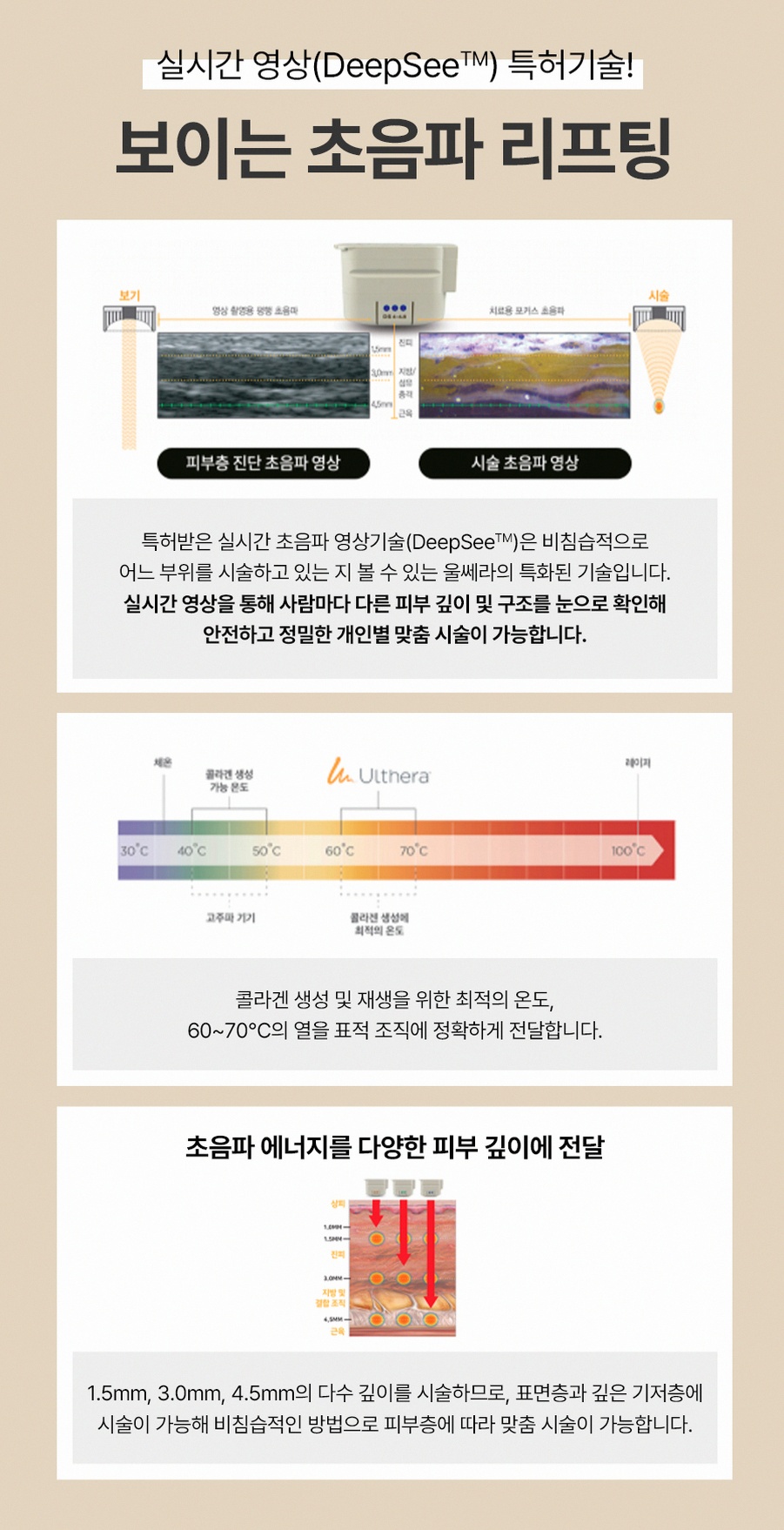
Ultherapy is a non‑invasive lifting and tightening procedure that uses focused ultrasound energy. Unlike many surface treatments, Ultherapy can reach deeper layers of tissue, including the superficial muscular aponeurotic system (SMAS), which is the same layer that is adjusted during a surgical facelift.
During the procedure, ultrasound energy is delivered in precise lines or “shots” at specific depths under the skin. This energy creates controlled thermal points that stimulate the body’s natural healing response. Over time, this response may lead to the production of new collagen and remodeling of existing collagen, which can help improve skin firmness and support.
Because Ultherapy uses ultrasound imaging as well as treatment energy, the dermatologist can visualize the layers of tissue in real time. This imaging helps guide where the energy is placed, aiming to treat the correct depth while avoiding important structures such as nerves and bone.
3D Ultherapy concept and lifting lineup
At clinics that use a 3D Ultherapy approach, the idea is to consider three dimensions: depth, area, and vector (direction of lift). Rather than simply applying the same pattern to every face, the dermatologist adjusts:
Depth: Different cartridges target different depths, such as the deep dermis and the SMAS layer.
Area: Cheeks, jawline, double chin, neck, forehead, and brow can be treated selectively.
Vector: Treatment lines are placed to support an upward and outward lifting direction that matches the patient’s facial structure.
At Hus-hu Dermatology Clinic Dongtan, Ultherapy is one option within a lifting lineup that also includes devices such as Thermage FLX, SkinTyte, Shurink, and treatments like thread lifting and injectables. Ultherapy is typically chosen when deeper lifting and contouring are desired, while other devices may be recommended for skin texture, fine lines, or lighter, more frequent maintenance. The exact combination is decided after an in‑person assessment.
Who may consider Ultherapy in Dongtan 2
Ultherapy may be considered by adults who are starting to notice signs of aging but do not yet need or want surgery. Typical concerns include:
Early jowling and blurring of the jawline
Mild to moderate sagging in the lower face
Nasolabial folds and marionette lines that look more pronounced due to laxity
Mild double chin or fullness under the chin
Early neck wrinkles or slight neck laxity
Mild drooping of the eyebrows or upper eyelids
Ultherapy tends to be most suitable for mild to moderate laxity. For very advanced sagging, heavy jowls, or significant excess skin, surgical lifting may provide more dramatic changes, and a dermatologist or surgeon can advise on this.
A dermatologist consultation is important before deciding on Ultherapy. During consultation, the doctor will assess:
Skin thickness and elasticity
Fat distribution in the face and neck
Muscle tone and SMAS support
Overall facial balance and asymmetry
Medical history and medications
Based on this evaluation, the dermatologist may recommend Ultherapy alone, Ultherapy combined with other treatments, or an alternative approach if another procedure is more appropriate.

How Ultherapy is performed step by step
For international patients visiting Dongtan 2 New Town, it is helpful to know what to expect from the procedure itself.
- Consultation and medical history
- You will first meet a dermatologist to discuss your concerns, medical history, medications, allergies, and any previous procedures. Photos may be taken to document your baseline appearance and to help plan the treatment.
- Skin and laxity assessment
- The dermatologist examines your face and neck from different angles, evaluates skin thickness and laxity, and identifies which areas may benefit most from Ultherapy. They will also consider whether other devices, such as Thermage FLX or Shurink, or treatments like fillers or skin boosters, should be combined or staged.
- Treatment design and marking
- Once Ultherapy is chosen, the doctor marks treatment areas and lifting vectors on the skin. These markings guide where the ultrasound lines will be placed, for example along the jawline, under the chin, on the cheeks, or on the neck.
- Preparation and pain control
- The skin is cleansed, and an ultrasound gel is applied to help transmit the energy. Many patients tolerate Ultherapy with topical anesthetic cream and cooling, but discomfort varies. Some may discuss oral pain relief in advance. Bony areas such as the jawline can feel more sensitive, while areas with more soft tissue may feel milder.
- Real‑time ultrasound imaging
- The Ultherapy handpiece includes an imaging function. The dermatologist places it on the skin and views the underlying tissue layers on a screen. This helps confirm that the correct depth is being targeted and that important structures are avoided.
- Delivery of focused ultrasound energy
- The doctor then delivers lines of ultrasound energy at different depths, such as the deep dermis and SMAS. You may feel brief bursts of heat or tingling with each line. The number of shots and energy settings are adjusted based on the area, skin condition, and treatment goals.
A typical session for the face and sometimes neck may take about 30 to 60 minutes, depending on how many areas are treated.
- Immediate post‑treatment care
- After the procedure, the gel is removed and the skin is gently cooled or soothed if needed. Most people can return to daily activities immediately. Makeup can usually be applied the same day or the next day, depending on the skin’s sensitivity and the dermatologist’s advice.
Pain, downtime, and possible side effects
Pain and discomfort
During Ultherapy, patients often describe sensations of heat, tingling, or brief sharpness as the energy is delivered. The level of discomfort depends on individual pain tolerance, the area treated, and the energy settings. Jawline, chin, and forehead areas can feel more intense because the tissue is closer to bone.
Pain management options may include topical anesthetic cream, oral analgesics taken before the session, and cooling during or after treatment. It is important to discuss your pain tolerance and any concerns during consultation so that an appropriate plan can be made.
Downtime
Ultherapy is known for having minimal downtime. Most patients can return to work, sightseeing, or social activities right away. However, some temporary effects are common:
Mild redness that usually fades within a few hours
Slight swelling or puffiness, especially around the jawline or cheeks
Tenderness to touch, or a bruised feeling along treated areas
Occasional tingling or sensitivity that can last for several days
These effects typically resolve on their own within a few days to a couple of weeks.
Possible side effects and risks
While complications are uncommon, Ultherapy is a medical procedure and does carry some risks. Possible side effects include:
Bruising in treated areas
Prolonged tenderness or numbness
Rarely, temporary nerve irritation leading to weakness in a facial muscle
Rare contour irregularities if energy is delivered unevenly
Choosing an experienced dermatologist who understands facial anatomy and is familiar with energy‑based devices is important to help reduce these risks. At Hus-hu Dermatology Clinic Dongtan, Ultherapy is planned and performed or supervised by dermatology specialists with training in laser and ultrasound devices, and with experience in high‑trust medical settings, which supports careful technique and safety‑focused protocols.
When results appear and how long they may last
Immediate and early changes
Some patients feel a sense of tightness right after Ultherapy due to immediate tissue contraction. However, this is usually subtle. The main benefit of Ultherapy comes from collagen stimulation over time.
Gradual improvement
Over the next 2 to 3 months, the body gradually produces new collagen and reorganizes existing fibers in the treated areas. During this period, many patients notice:
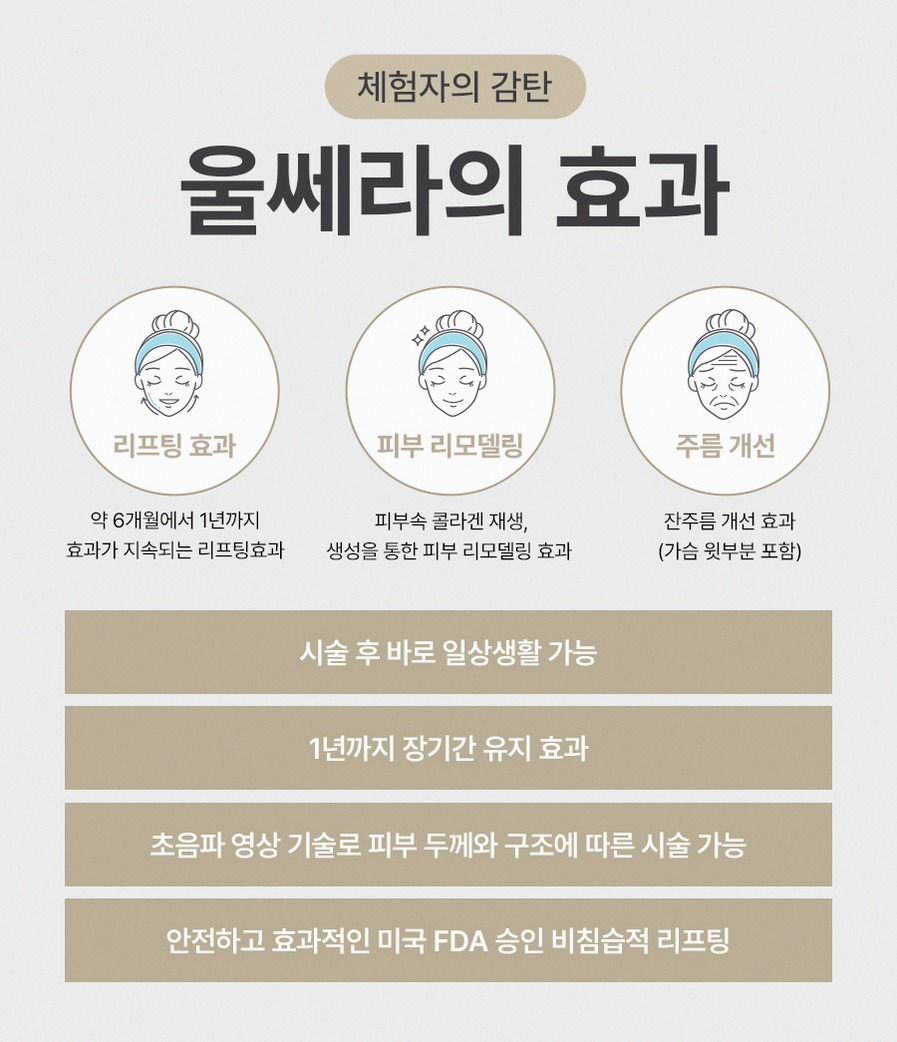
A more defined jawline
Slight lifting of the cheeks
Softening of nasolabial folds and marionette lines
Milder appearance of neck lines or under‑chin laxity
Duration of effect
Results from Ultherapy are not permanent, as the natural aging process continues. Many people experience visible benefits for about 6 to 12 months, sometimes longer, depending on factors such as age, skin quality, lifestyle, and sun exposure.
Maintenance plans are individualized. Some patients repeat Ultherapy every 12 to 18 months, while others may choose to alternate with other collagen‑stimulating treatments or lifting devices rather than repeating Ultherapy frequently.
How Ultherapy compares with other lifting options
In Dongtan 2 New Town, patients often compare Ultherapy with other non‑surgical lifting treatments.
Ultherapy
Uses focused ultrasound to reach deeper layers, including the SMAS
Often chosen when a lifting and contouring effect is desired
Uses real‑time imaging to guide treatment depth
Usually performed as a single session with gradual results
Thermage FLX
Uses radiofrequency energy to heat collagen more broadly in the dermis
May help improve skin texture, fine lines, and overall tightness
Often selected for patients who want smoother skin and pore improvement
Shurink and similar HIFU devices
Also use ultrasound, typically with different energy profiles
May be used for lighter, more frequent maintenance or for patients who prefer milder sessions
Thread lifting and injectables
Thread lifting can mechanically reposition tissue and stimulate collagen along thread paths.
Fillers and skin boosters can address volume loss, specific folds, or skin hydration.
These are often combined with Ultherapy to address both laxity and volume changes.
The best option is not the same for everyone. A dermatologist will consider your skin thickness, degree of laxity, facial structure, tolerance for discomfort, and schedule when recommending a plan. At clinics with multiple platforms, such as Ultherapy, Thermage FLX, SkinTyte, Shurink, and Secret RF, the device can be selected based on your individual needs rather than fitting everyone into a single solution.
Dermatologist‑led planning and device selection
Ultherapy is more than just a machine; the result and safety are influenced by who plans and performs the treatment. Key elements include:
Accurate assessment of facial anatomy and aging pattern
Selection of appropriate depths and energy levels
Careful mapping of shot distribution by area
Awareness of nerve pathways and sensitive structures
At Hus-hu Dermatology Clinic Dongtan in Dongtan 2 New Town, two board‑certified dermatology directors oversee treatments. Both trained at Kyung Hee University School of Medicine and serve as external faculty at Kyung Hee University Medical Center. One director has experience as head dermatologist at the medical office of the Presidential residence in Seoul, which reflects a background in high‑trust, safety‑focused care. The other has completed training at the UCI Beckman Laser Institute and is active in multiple dermatology and laser societies, supporting evidence‑based use of energy‑based devices.
This background is relevant for overseas patients who may be visiting Korea for a limited time and want medically grounded, consistent care rather than a purely cosmetic approach.
Clinic location, services, and access in Dongtan 2
Hus-hu Dermatology Clinic Dongtan is located in Dongtan 2 New Town in Hwaseong, Gyeonggi‑do, in a medical building on the third floor along Dongtan‑daero Sibeom‑gil. The clinic focuses on dermatology and offers a wide range of services, including:
Psoriasis and vitiligo care
Acne and scar management programs
Vascular and redness treatments
Hair and scalp care
Lifting and collagen‑stimulating procedures such as Ultherapy and other devices
For busy residents and visitors, the clinic offers weekday and Saturday hours, with no lunch break during most of the day, which can make it easier to schedule around work or travel plans. Online reservations are available on specific weekdays, allowing overseas patients to secure a time slot before arriving in Korea.
Online consultation and pre‑visit preparation for overseas patients
If you are planning to travel to Korea and are considering Ultherapy in Dongtan 2, preparing in advance can help make your visit smoother.
Before your trip, it is helpful to:
Arrange an online or remote consultation if available, to discuss whether Ultherapy is suitable for your concerns and timing.
Prepare clear photos of your face and neck from the front and both sides in good lighting, without heavy makeup.
List your main concerns in order of priority, such as jawline definition, double chin, or neck lines.
Share your medical history, including any chronic conditions, medications (especially blood thinners), allergies, and previous procedures.
Discuss your travel schedule, including arrival and departure dates, so the clinic can plan consultation, treatment, and any follow‑up within your stay.
Questions you may want to ask during online consultation include:
Which areas are recommended for Ultherapy in my case?
How many shots or treatment lines are typically used for those areas?
What level of discomfort should I expect, and what pain control options are available?
How long after treatment might I notice changes, and how long are they likely to last in someone my age?
Is a combination with Thermage FLX, Shurink, or injectables recommended for my concerns?
Expected Korea visit timeline for Ultherapy
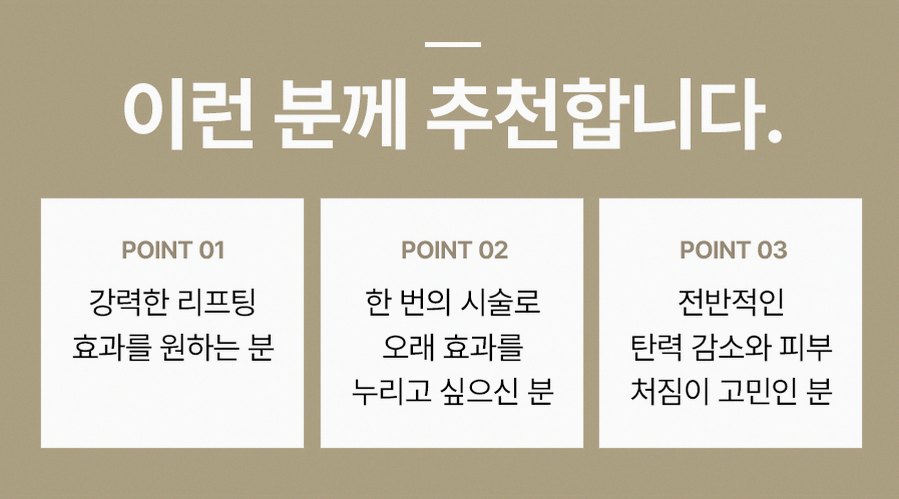
For many overseas patients, Ultherapy can be completed in a relatively short visit.
A typical schedule might look like this:
Day 1: Consultation and assessment
You meet the dermatologist, undergo a detailed examination, and discuss options. If both you and the doctor agree on Ultherapy and there are no medical contraindications, treatment may be scheduled the same day or the next day, depending on your preference and the clinic’s schedule.
Day 1 or 2: Ultherapy session
The procedure itself usually takes 30 to 60 minutes, depending on the areas treated. You can generally resume sightseeing or work afterward, with only mild redness or tenderness.
Day 2 to 3: Optional check‑up
Some patients may schedule a brief follow‑up visit before leaving Korea, especially if they have combined treatments or have sensitive skin. Others may follow up later via online communication and photos.
Because the main effects of Ultherapy develop over 2 to 3 months, you will likely see the gradual changes after you have returned home. It can be useful to take photos at one, two, and three months to monitor your progress.
Aftercare and lifestyle tips
After Ultherapy, aftercare is usually simple, but there are a few points to keep in mind:
You can typically wash your face gently the same day, using mild products.
Avoid aggressive scrubs, strong acids, or harsh treatments on the treated areas for several days.
If you experience tenderness, over‑the‑counter pain relief may be used as advised by your doctor.
Apply sunscreen daily and avoid excessive sun exposure, as ultraviolet light accelerates collagen breakdown.
Maintain a healthy lifestyle, including good sleep, balanced diet, and not smoking, as these factors influence skin aging and collagen quality.
If you notice unusual symptoms, such as persistent numbness, weakness in facial muscles, or severe pain, you should contact the clinic promptly for evaluation.
FAQ about Ultherapy in Dongtan 2 New Town
How painful is Ultherapy, and can I manage it during a short trip to Korea?
Discomfort during Ultherapy varies from person to person. Most patients describe a feeling of heat or tingling, with sharper sensations in bony areas like the jawline. With topical anesthetic, cooling, and, if needed, oral pain relief, many people find the procedure tolerable. Because the treatment is usually completed in one session with minimal downtime, it can generally be managed within a short visit to Korea, but it is important to discuss your pain tolerance with the dermatologist in advance.

When will I see results after Ultherapy, and how long do they last?
Some people feel a mild tightening immediately after treatment, but the main improvement appears gradually over 2 to 3 months as new collagen forms. The visible effect often continues for around 6 to 12 months, depending on age, skin condition, and lifestyle. Maintenance schedules are individualized; some patients repeat Ultherapy every 12 to 18 months, while others combine it with other treatments instead of frequent repeat sessions.
Is Ultherapy better than Thermage FLX or Shurink?
Ultherapy is not universally “better” than other devices; it is different. Ultherapy uses focused ultrasound to target deeper layers, including the SMAS, and is often chosen for lifting and contouring. Thermage FLX uses radiofrequency to tighten collagen more broadly and may be preferred for texture and fine lines. Shurink and similar HIFU devices may be used for lighter, more frequent maintenance. The most suitable option depends on your skin thickness, degree of laxity, goals, and tolerance for discomfort, so a dermatologist’s assessment is important.
Is Ultherapy safe, and who should avoid it?
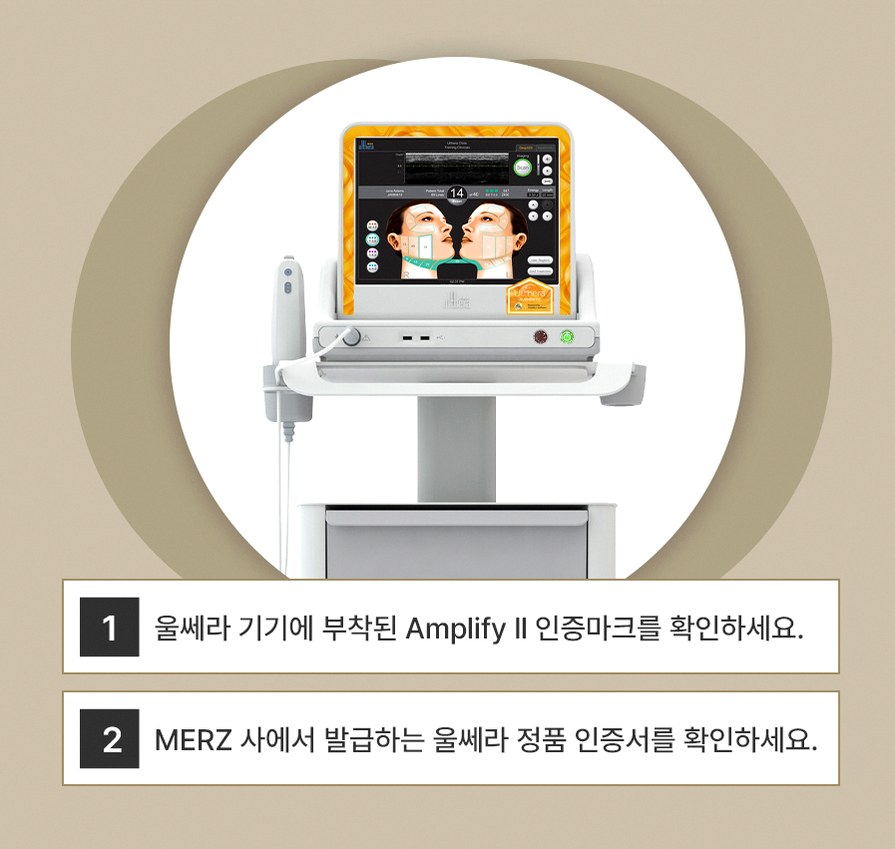
Ultherapy has been widely used and is considered safe when performed with genuine devices and proper technique by trained medical professionals. However, like any procedure, it carries risks such as temporary redness, swelling, tenderness, bruising, and, rarely, nerve irritation or contour changes. People with certain medical conditions, implanted electronic devices, or very severe laxity may not be ideal candidates. A detailed consultation with a dermatologist is necessary to decide whether Ultherapy is appropriate for you.
Soft call to action for online consultation
If you are considering Ultherapy during a stay in Dongtan 2 New Town or the wider Hwaseong and Gyeonggi‑do area, arranging an online consultation before your trip can help you plan realistically. At Hus-hu Dermatology Clinic Dongtan, dermatology specialists can review your concerns, explain whether Ultherapy, Thermage FLX, Shurink, or a combination may suit you, and outline a treatment and follow‑up schedule that fits your visit. Preparing your questions and photos in advance will help you make the most of your consultation and support a safe, well‑informed decision about your skin and lifting options.

- 공유 링크 만들기
- X
- 이메일
- 기타 앱


댓글
댓글 쓰기