Dongtan Acne Dermatology Guide: From Active Breakouts to Scars and Redness
- 공유 링크 만들기
- X
- 이메일
- 기타 앱
Direct answer for overseas patients searching for a Dongtan acne dermatology clinic
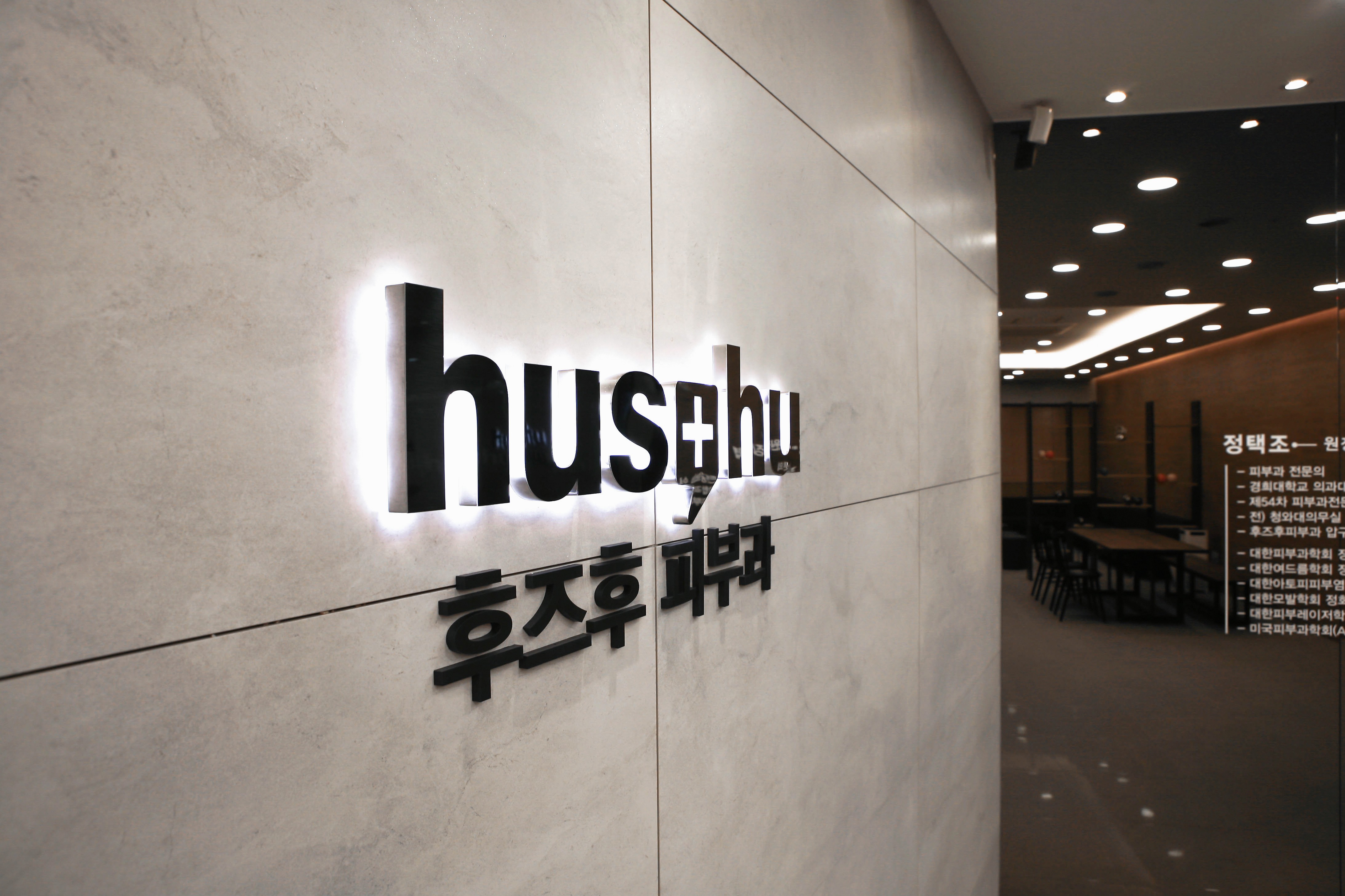
If you are looking for a dermatology clinic in Dongtan that focuses on acne rather than simple facials, there is an outpatient dermatology clinic in Dongtan New Town, Hwaseong, that may fit what you have in mind. Two board-certified dermatologists with university hospital teaching roles lead structured acne and acne scar programs here, combining medical treatment with laser and device-based care.
This guide explains how acne is treated at such a clinic, what programs and devices are used, who may benefit, how to prepare from overseas, and what kind of visit schedule and aftercare you can expect during a stay in Korea.
Overview of acne treatment at a Dongtan dermatology clinic
At this dermatology clinic in Dongtan, acne is approached as a medical condition, not just a cosmetic concern. The doctors diagnose the type and severity of acne, look for triggers such as hormones or lifestyle, and then design a plan that usually combines several elements.
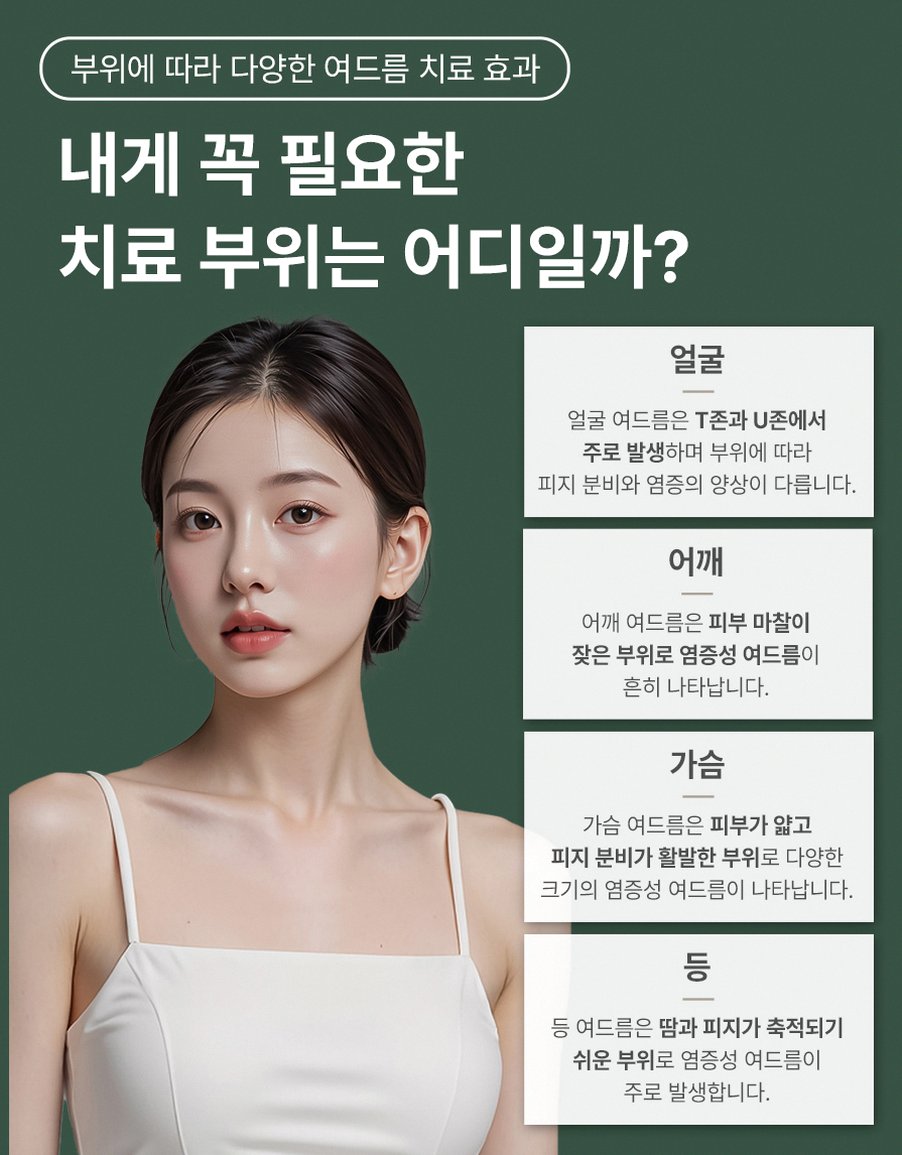
Medical treatment can include topical creams, gels, or lotions, and oral medication when needed. In-clinic procedures may involve gentle extractions, light or laser treatments, and structured programs designed specifically for acne.
For active breakouts, the clinic operates an acne all-kill program. This is a multi-step protocol that targets clogged pores, inflammation, and excess oil, and can be adjusted for sensitive or reactive skin. For more resistant or inflammatory acne, photodynamic therapy, often called PDT, is available. PDT uses a light-activated substance and a specific light source to reduce overactive oil glands and inflammation.
Once active acne is better controlled, attention can shift to scars, enlarged pores, redness, and dark marks left behind. The clinic uses several devices for this stage, including fractional resurfacing systems, microneedle radiofrequency, and selective scar fillers for deeper depressions. Redness and pigmentation can be treated with vascular lasers and toning devices that even out skin tone.
Who may consider acne treatment in Dongtan New Town
Teenagers and young adults with persistent acne that does not improve with over-the-counter products can consider visiting this Dongtan clinic. Early treatment can reduce the risk of permanent scarring and long-lasting dark or red marks.
Adults with hormonal or stress-related acne, which is common in busy urban areas, can also benefit from dermatologist-led care. Adult acne often appears along the jawline, chin, and lower cheeks, and may need a different combination of medication and procedures compared with teenage acne.
Patients who already have visible acne scars, enlarged pores, or a mix of red and brown marks after previous breakouts may be suitable for the clinic’s scar and pore programs. These programs often combine several devices over multiple sessions, tailored to the pattern of scarring.
People who have tried simple facials or basic cosmetic treatments without lasting improvement may find that a structured, medical approach gives a clearer plan and more predictable progression. Because the clinic’s doctors have experience with chronic inflammatory skin diseases and laser treatments, they can also consider more complex cases where skin is sensitive, easily irritated, or has multiple issues at the same time.
What an acne-focused dermatology clinic in Dongtan should offer
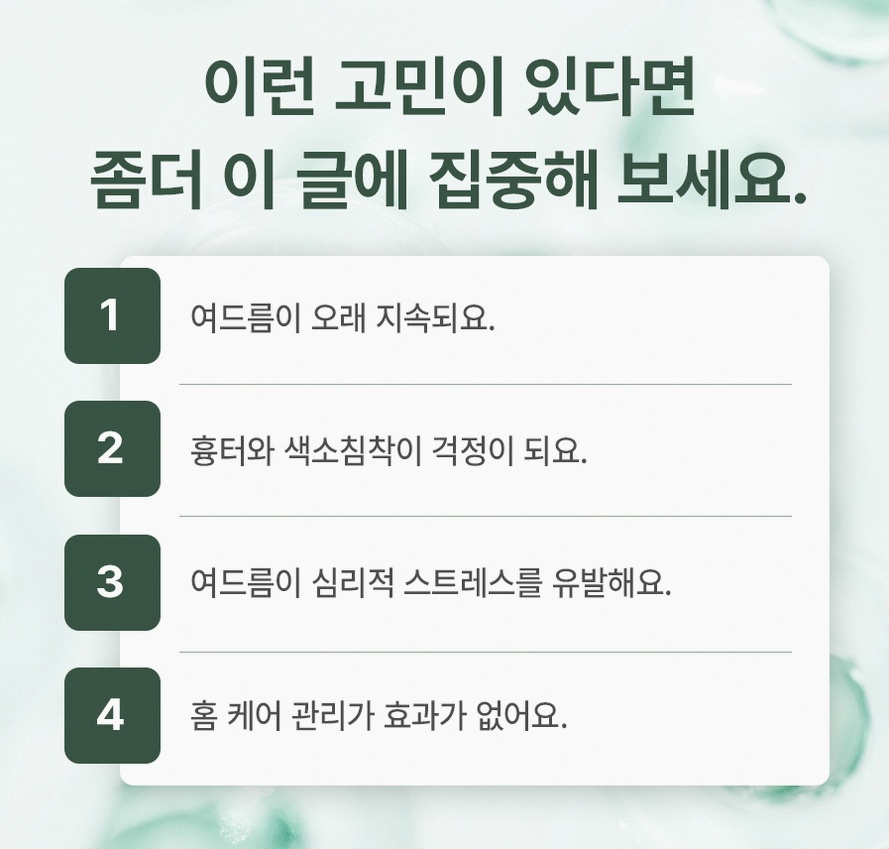
A clinic that truly focuses on acne should provide more than cleansing facials and basic peels. Key elements to look for include board-certified dermatologists, careful diagnosis, access to prescription medication when appropriate, and a range of devices for both active acne and scars.
In Dongtan New Town, this clinic is led by two representative dermatologists who both completed dermatology residency at Kyung Hee University School of Medicine and serve as outpatient teaching professors at Kyung Hee University Medical Center. They bring a university hospital standard to a private clinic setting.
One of the dermatologists placed first in the first stage of the 54th national dermatology board exam and previously served as head of dermatology at the presidential medical office. This background can be reassuring for patients with complex acne or overlapping skin problems, as it reflects experience in managing a wide range of conditions.
The other dermatologist has a strong background in inflammatory skin diseases and laser procedures, including training at the UCI Beckman Laser Institute in the United States. This is especially relevant for laser-based acne and scar treatments, where choosing the right device and settings is important for both safety and results.
Both doctors are full members of multiple dermatology-related societies, including the American Academy of Dermatology, and Korean societies related to atopic dermatitis, psoriasis, vitiligo, hair, and laser. This academic and society involvement supports a careful, evidence-based approach to acne care.
Step-by-step acne treatment process, from diagnosis to maintenance
On your first visit, the dermatologist will usually start with a detailed consultation. This includes your acne history, previous treatments, skincare products, medical history, and lifestyle factors such as stress, sleep, and diet. The doctor then examines your skin to classify the acne type: comedonal (blackheads and whiteheads), inflammatory papules and pustules, or deeper nodular and cystic lesions.
The dermatologist also checks for existing scars, enlarged pores, redness, and pigmentation. Based on this assessment, a personalized plan is created. For many patients, this includes topical medication and possibly oral medication, such as antibiotics or other systemic drugs when indicated. The doctor will explain potential benefits, side effects, and monitoring needs.
In-clinic procedures are then added according to your skin’s needs and your schedule. For example, the acne all-kill program may include a sequence of cleansing, controlled extractions, anti-inflammatory treatments, and devices that help reduce oil and bacteria. For stubborn or widespread inflammatory acne, PDT can be recommended. PDT sessions typically require application of a photosensitizing agent, a waiting period, and then exposure to a specific light source.
Throughout treatment, the dermatologist adjusts the plan according to your response. If your skin becomes too dry or irritated, medication strengths can be modified, and calming treatments can be added. Once active acne is under better control, the focus gradually shifts toward maintenance and scar management.
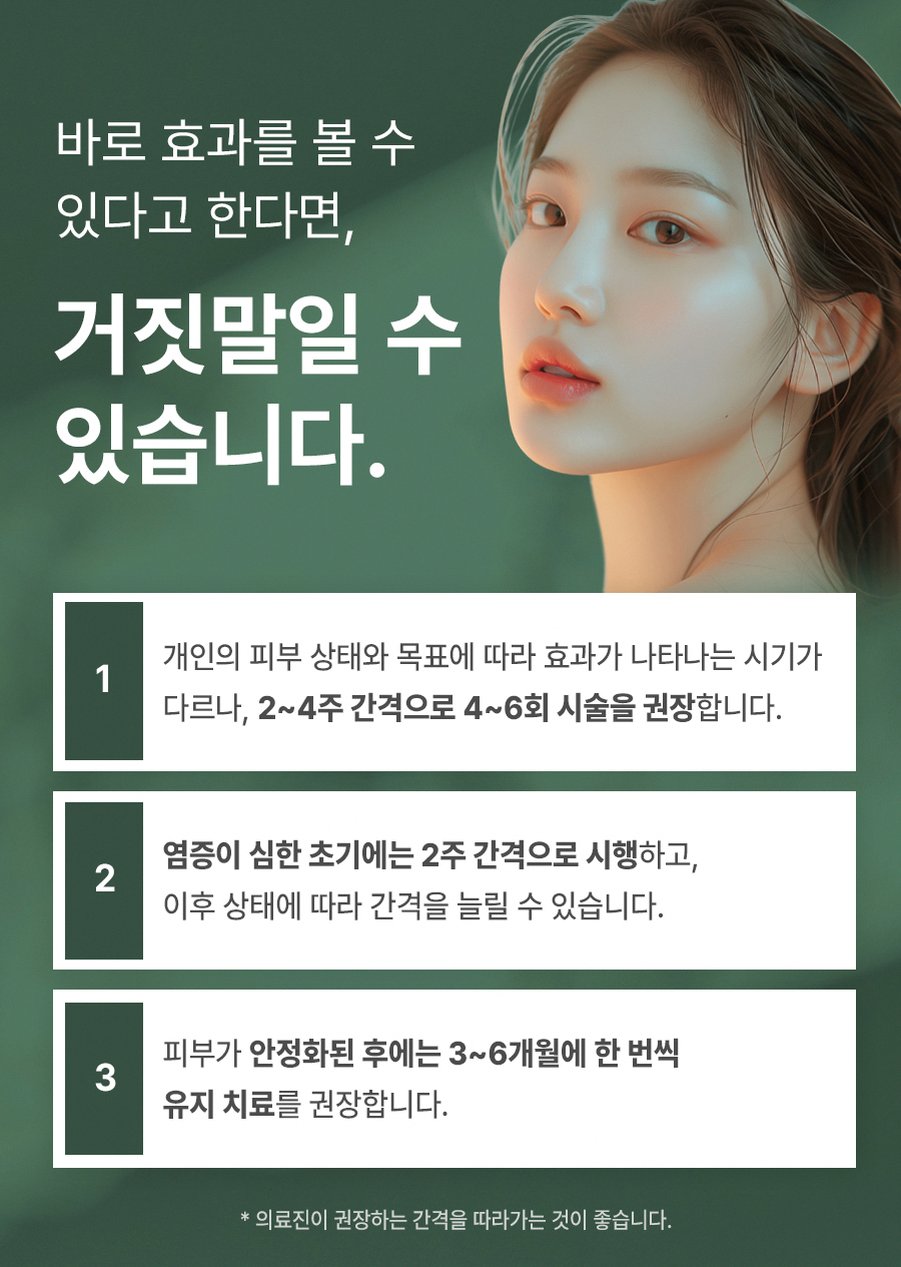
Maintenance often involves a simpler routine with a few key products, occasional in-clinic treatments, and regular follow-up visits spaced further apart. The goal is to keep new breakouts minimal while continuing to improve texture and tone.
Acne scar and pore treatment options in Dongtan
Acne scars can take several forms. Icepick scars are narrow and deep, boxcar scars have more defined edges, and rolling scars create a wavy texture. Enlarged pores and uneven surface can also be part of the picture. Because each type responds differently, a combination of treatments is often recommended.
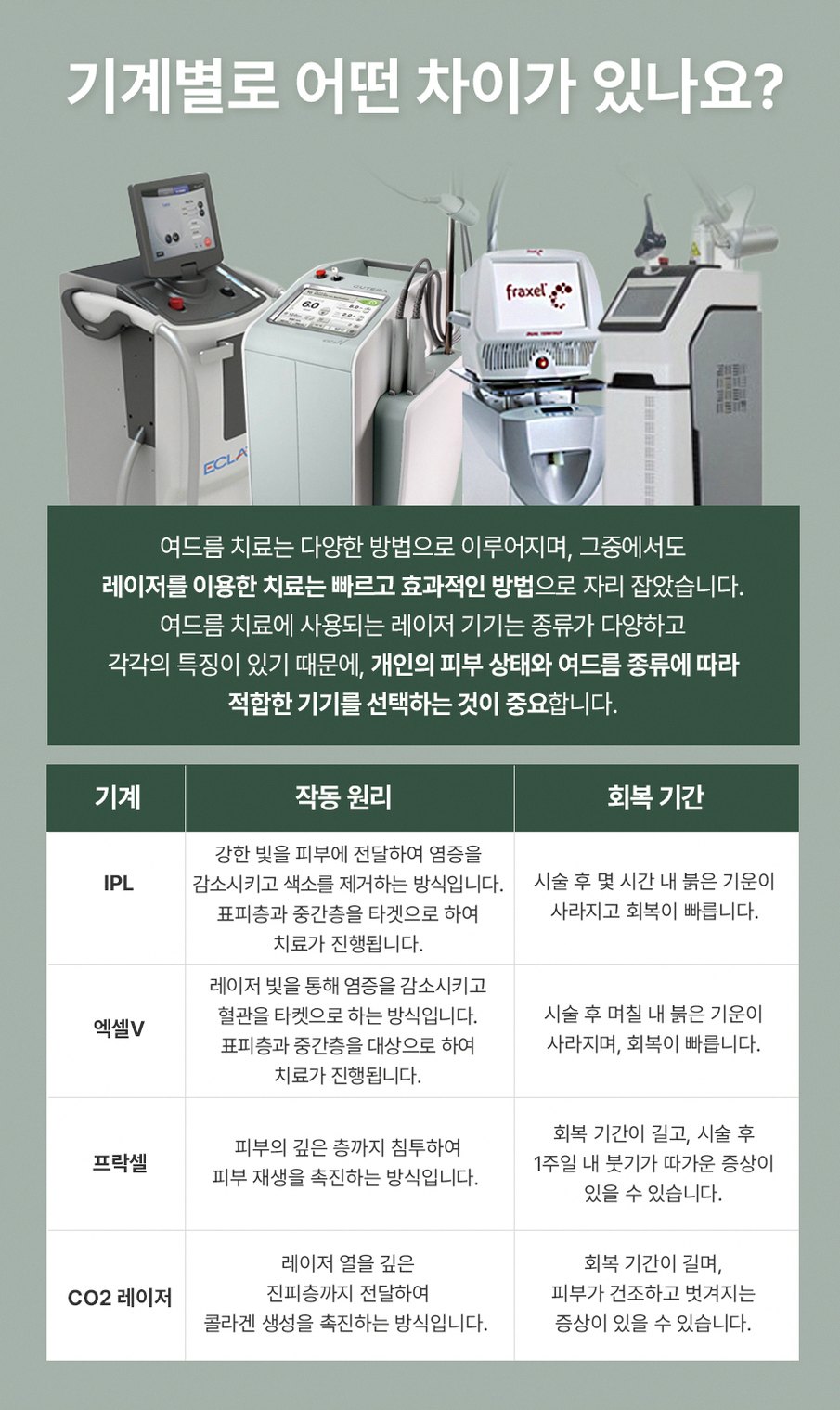
At this Dongtan clinic, Legato 2, a fractional resurfacing system, is used to improve texture and shallow to moderate scars by creating controlled micro-channels in the skin to stimulate new collagen. A ProFractional-type laser, another fractional device, can target deeper scars more precisely.
Secret RF, a microneedle radiofrequency system, delivers energy through tiny needles into the deeper layers of the skin. This can be helpful for rolling scars, enlarged pores, and overall firmness. Because energy is delivered below the surface, downtime can be more manageable compared with some traditional ablative lasers.
For selected deep atrophic scars, scar filler can be used to lift the base of the scar, making the surface look smoother. This is usually combined with devices like fractional lasers or microneedle RF for a more complete effect.
Gold PTT (listed as Capri in some menus) is another device option offered at the clinic. It is presented as a treatment option for patients with active acne and early textural changes.
Post-acne redness and pigmentation are also common concerns. Vascular lasers, such as Vbeam-type devices, and programs like Red-out, are used to reduce persistent redness and visible small vessels around healed lesions. LDM ultrasound management can be added for sensitive or easily irritated skin to support barrier recovery.
For brown marks and uneven tone after acne, pigmentation and tone correction options include Fotona laser toning, GentleMax Pro, BBL, whitening toning programs, and . These treatments aim to gradually fade dark spots and even the overall complexion while being adjusted to your skin type and sensitivity.
Why dermatologist expertise matters for acne care in Dongtan
Acne may look simple on the surface, but treatment can be complex, especially when scars, sensitivity, and pigmentation are involved. Dermatologist expertise is important in several ways.
First, correct diagnosis matters. Not every red bump is acne, and some conditions that look similar, such as rosacea or folliculitis, require different approaches. A board-certified dermatologist with a strong background in inflammatory skin diseases is better positioned to distinguish between them and to choose appropriate medication.
Second, device-based treatments require careful selection and parameter settings. The dermatologist who trained at a US laser institute, and both doctors’ ongoing involvement in dermatology societies, help support safe and thoughtful use of lasers and energy-based devices. This includes choosing the right device for each scar type, adjusting energy levels for different skin tones, and spacing sessions to allow proper healing.
Third, complex cases often need combination therapy. For example, a patient might need oral medication for severe inflammatory acne, fractional laser for scars, and vascular laser for redness, all coordinated over several months. The clinic’s university hospital teaching background supports a systematic, stepwise approach rather than trial and error.
Finally, realistic expectations and communication are essential. Experienced dermatologists can explain what level of improvement is likely, how many sessions may be needed, and what kind of downtime to expect. This helps overseas patients plan their travel and daily life during treatment.
Online consultation and pre-visit preparation for overseas patients
If you are considering traveling to Dongtan for acne treatment, an online consultation is a practical first step. Before contacting the clinic, prepare clear photos of your face in good lighting from the front and both sides. Avoid heavy makeup in these photos so that the skin condition is visible.
It is also helpful to write a brief summary of your acne history. Include when it started, what treatments you have tried, how long you used them, and how your skin responded. List any oral or topical medications you are currently using, including products with retinoids, acids, or bleaching agents.
Note any allergies, chronic illnesses, or medications you take for other conditions. If you have had previous laser or peeling procedures, mention the type if you know it, approximate dates, and whether you had any complications such as prolonged redness or pigmentation.
During an online consultation, the dermatologist can give you a rough idea of suitable treatment options, how many sessions might be needed, and how to schedule them within your planned stay in Korea. While a final plan can only be confirmed after an in-person examination, this early discussion helps you decide whether the trip is worthwhile and how long you should stay.
Expected Korea visit timeline for acne and scar treatment
The ideal schedule depends on whether your main concern is active acne, scarring, or both.
If your priority is active acne control, you may need an initial visit for diagnosis and treatment planning, followed by at least one or two additional visits during your stay. For example, , but this is only an illustrative example — actual timing and number of visits vary and will be determined after an in-person assessment. Note that many device-based procedures are commonly spaced 4–6 weeks apart, especially when treating scarring, so your individualized plan may use longer intervals.
For acne scars and pores, device-based treatments like fractional lasers, microneedle RF, and gold PTT or Capri-type procedures are usually spaced four to six weeks apart. If you are visiting for a short time, you might have one main treatment session and then continue topical care at home, returning for additional sessions on future trips.
Some patients combine both goals. In that case, the dermatologist may focus on calming active inflammation first, then schedule a scar-focused procedure during the latter part of your stay if the skin is stable enough.
When planning your itinerary, consider that some treatments can cause temporary redness, swelling, or small scabs. You may want to avoid scheduling important social events or photoshoots in the first few days after a more intensive session. Lighter treatments, such as toning or gentle ultrasound care, usually have minimal downtime.
Practical information for patients near Dongtan New Town
The clinic is located on the 3rd floor of Port Central City on Dongtan-daero Sibeom-gil in Dongtan New Town, Hwaseong, Gyeonggi-do. This location is convenient for local residents and commuters, and it is also reachable from central Seoul by public transport or car.

Clinic hours are Monday to Thursday from 10:00 to 19:00, Friday from 10:00 to 20:00, and Saturday from 09:00 to 14:00. There is an internal lunch time listed from 13:00 to 14:00, and the clinic is closed on Sundays and public holidays. Saturday morning sessions can be especially useful for students and working adults.
Online booking via Naver is available on Wednesdays and Thursdays, which can be convenient if you are already in Korea and prefer to arrange appointments digitally. For overseas patients, it is usually better to contact the clinic in advance by email or messaging to coordinate schedules and discuss your travel dates.
Before your visit, prepare a list of questions you want to ask the dermatologist. Examples include how many sessions are recommended for your case, what kind of downtime to expect, which medications you should pause before procedures, and what skincare routine to follow during your stay.
Aftercare and long-term management
After acne or scar procedures, proper aftercare is important to support healing and reduce the risk of side effects. The clinic typically provides detailed instructions tailored to the specific treatment you received.
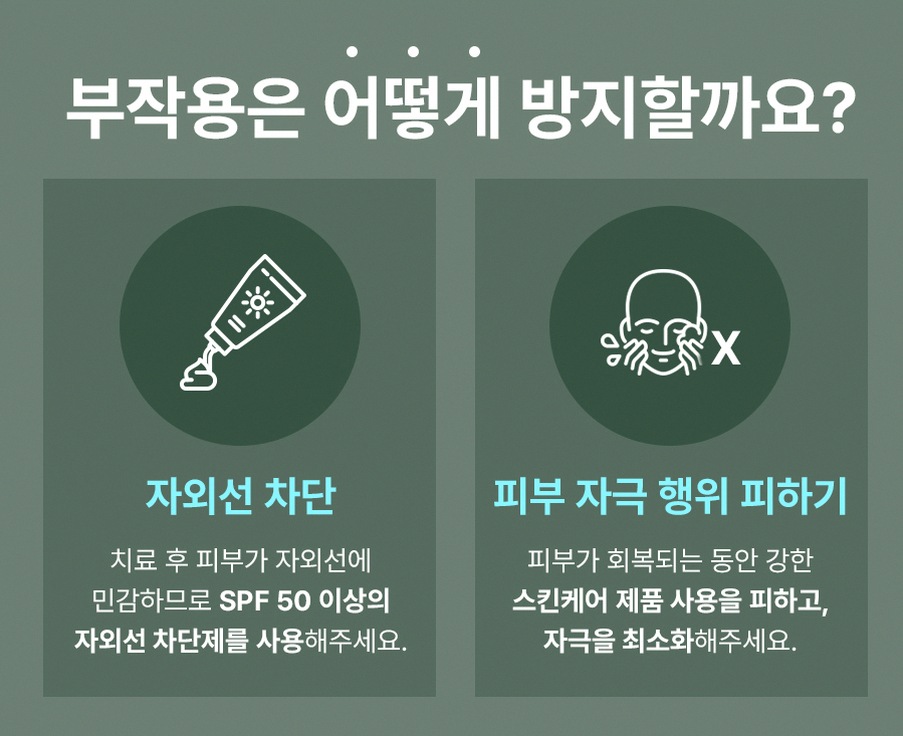
In general, you will be advised to avoid harsh scrubs, strong acids, and retinoids for a certain period after procedures. Gentle cleansing and moisturizing are key, and sun protection is essential. A broad-spectrum sunscreen, hat, and avoiding peak sun hours can help prevent pigmentation after laser or PDT.
If you have redness, mild swelling, or a warm sensation, the clinic may recommend cooling packs or soothing creams. For treatments that create micro-injuries, such as fractional lasers or microneedle RF, you might see tiny dots or mild peeling for a few days.
Long-term, maintaining results involves a simple but consistent skincare routine, healthy lifestyle habits, and periodic check-ups. The dermatologist may suggest maintenance treatments at longer intervals, such as occasional toning, gentle resurfacing, or supportive treatments for redness and sensitivity.
Frequently asked questions about acne treatment in Dongtan
How many sessions are usually needed at an acne dermatology clinic in Dongtan?
Active acne control often requires several weeks to months. In the beginning, visits may be more frequent, for example every one to two weeks, especially if you are receiving PDT or the acne all-kill program. Once inflammation is reduced and breakouts are less frequent, visits can be spaced out.
For acne scars and enlarged pores, multiple sessions are usually needed. Fractional lasers and microneedle RF treatments are often scheduled every four to six weeks, with three to five sessions or more depending on scar depth and your goals. Your dermatologist will adjust the plan based on how your skin responds and how long you can stay in Korea.
Is PDT or laser treatment painful for acne?
Most patients feel some level of discomfort during PDT and laser procedures, but it is usually manageable. Numbing cream, cooling devices, or cold air are commonly used to reduce pain. During PDT, some people feel a stinging or burning sensation when the light is applied, which typically subsides after the session.
For fractional lasers and microneedle RF, you may feel heat or prickling. The intensity is adjusted according to your skin type, sensitivity, and the depth of treatment needed. After the procedure, there can be temporary redness or swelling, but this usually improves over a few days.
Can acne scars be completely removed?
Complete erasure of acne scars is rare, but significant improvement is often achievable. The goal of treatment is to reduce the depth and visibility of scars, smooth texture, and improve overall tone. Many patients notice that makeup applies more evenly and that scars are less noticeable in everyday life.
The degree of improvement depends on factors such as scar type, depth, skin type, and how many sessions you can complete. Combining methods such as fractional lasers, microneedle RF, and selective scar fillers can enhance results, but realistic expectations are important.
What should I avoid before and after acne procedures?
Before procedures, you are usually advised to avoid tanning, self-tanning products, and intense sun exposure, as these can increase the risk of pigmentation. Strong exfoliants, high-strength acids, and retinoids may need to be paused for several days to a week before certain treatments. Your dermatologist will give specific instructions based on the planned procedure.
After procedures, avoid picking at any scabs or peeling skin, as this can lead to scarring or pigmentation. Stick to gentle cleansers, moisturizers, and sunscreen, and avoid saunas, hot baths, and vigorous exercise for a short period if your skin is very red or sensitive. Alcohol and smoking can also affect healing and are best limited around the time of treatment.
Do I need to see a dermatologist for mild acne?
Even mild acne can leave marks or scars if it is picked or if inflammation is not controlled. A short course of professional guidance can help you choose appropriate products, avoid irritating combinations, and address early signs of scarring or pigmentation.

Seeing a dermatologist is especially helpful if your acne is not improving after several weeks of over-the-counter care, if you have sensitive skin, or if you are noticing early textural changes. Early intervention can reduce the chance of needing more intensive scar treatments later.
Soft call to action for online consultation
If you are considering visiting Dongtan New Town for acne or acne scar treatment, an online consultation with this dermatology clinic can help you understand your options and plan your trip. By sharing clear photos and your treatment history in advance, you can receive personalized guidance on suitable programs, possible visit schedules, and what to expect during and after procedures.
While every skin condition is unique and no specific outcome can be guaranteed, discussing your concerns directly with a dermatologist who regularly treats acne and scars can be a useful first step toward a more structured and medically grounded care plan.
- 공유 링크 만들기
- X
- 이메일
- 기타 앱


댓글
댓글 쓰기