Dongtan acne treatment options for international patients in Korea
- 공유 링크 만들기
- X
- 이메일
- 기타 앱
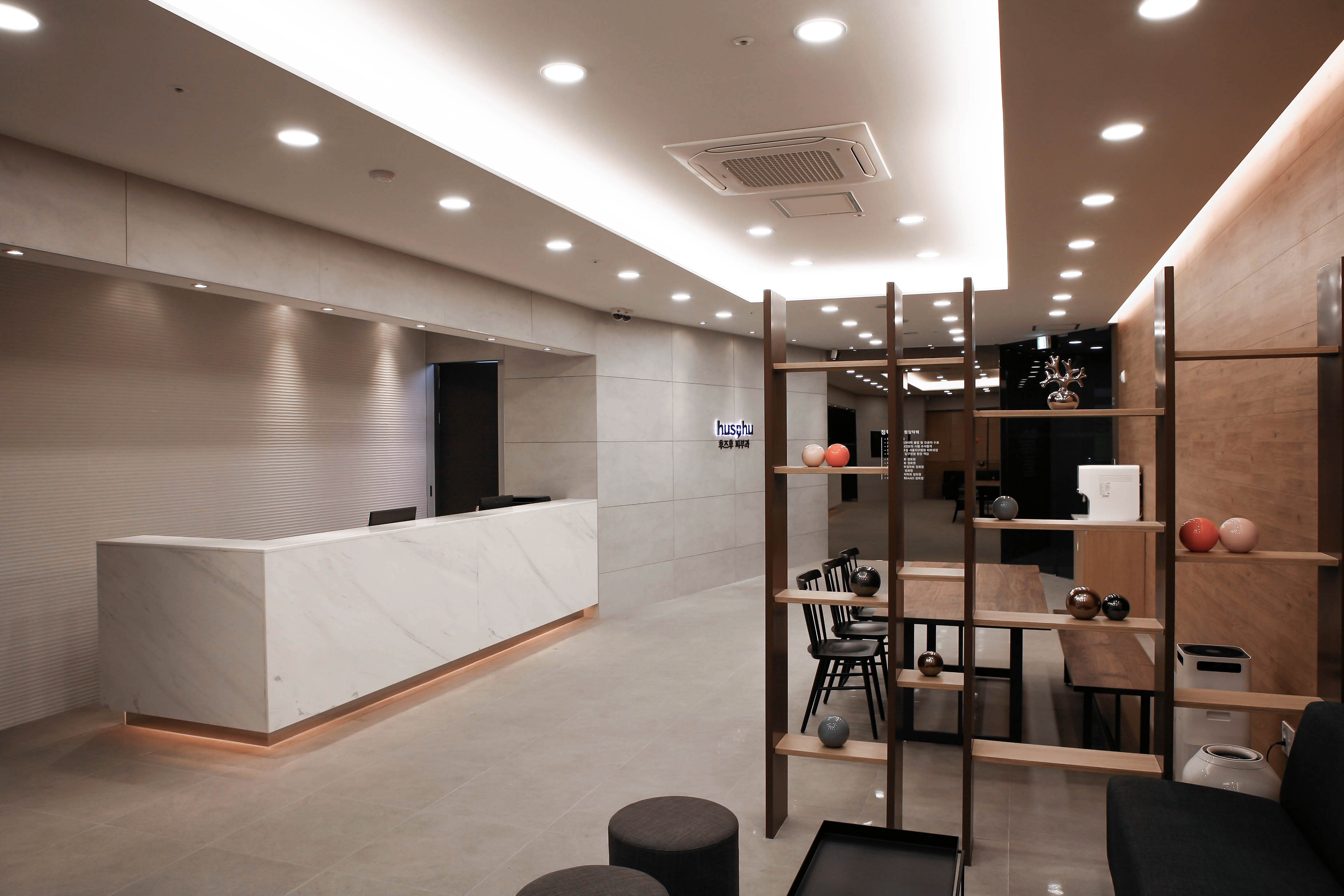
Direct answer summary
If you are looking for Dongtan acne treatment while visiting Korea, you can receive dermatologist-led care that combines medical therapy, laser and light-based devices, and structured scar programs. In Dongtan New Town, Hwaseong, there is a dermatology center run by two board-certified dermatologists with university hospital teaching roles and international laser training. They manage inflammatory acne, comedonal acne, and acne scars through personalized programs rather than one-time procedures, with attention to safety, long-term skin health, and realistic expectations.
Understanding acne as a medical condition
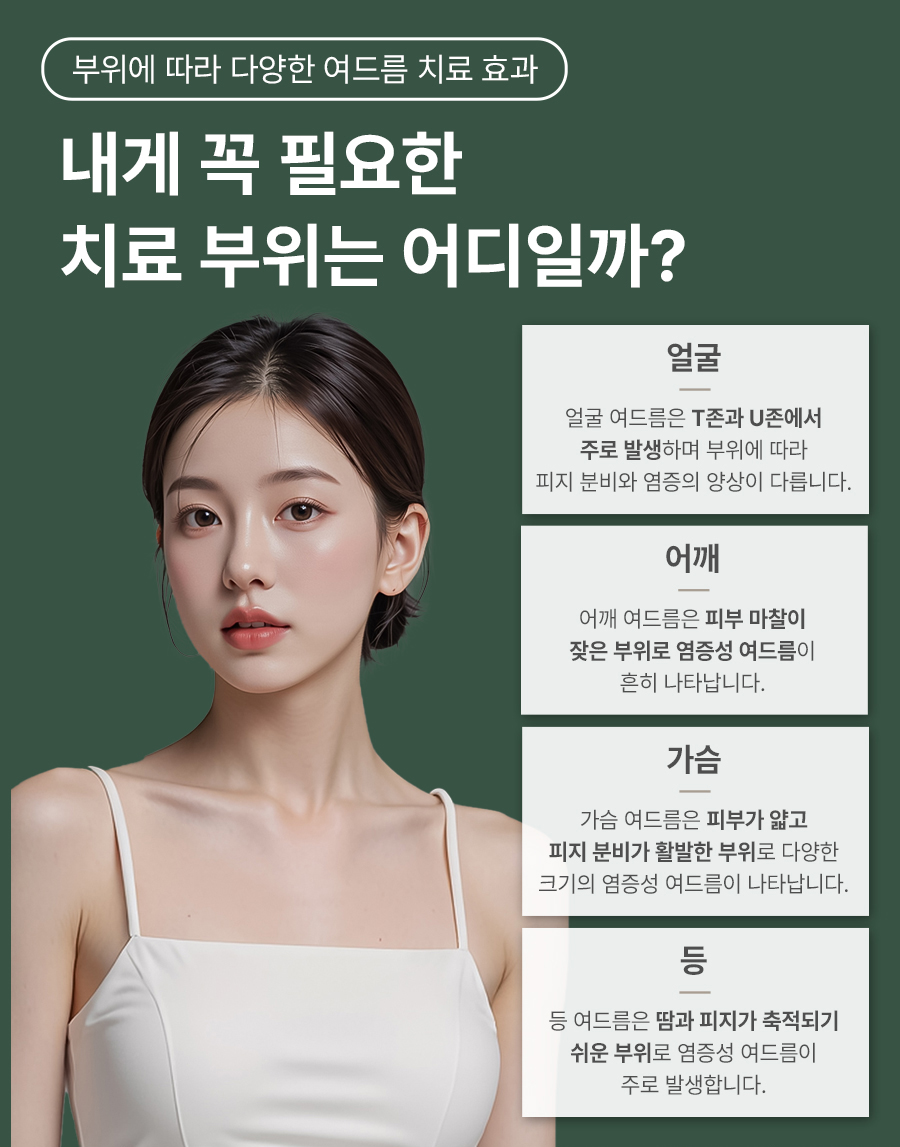
Acne is not just a cosmetic concern. It is a chronic inflammatory disease of the pilosebaceous unit, the structure that includes hair follicles and oil glands. Several factors contribute at the same time: increased sebum production, abnormal shedding of skin cells that block pores, overgrowth of Cutibacterium acnes bacteria, and inflammation.
Clinically, acne appears in different forms. Whiteheads and blackheads are called comedones and are usually the earliest stage. Papules are small red bumps, while pustules contain visible pus. Nodules and cystic acne are deeper, more painful lesions that often lead to permanent scarring if left untreated.
Early and appropriate treatment is important because repeated inflammation can damage the deeper layers of the skin. This can result in atrophic scars, enlarged pores, and long-lasting dark marks or redness. Professional Dongtan acne treatment aims to control active breakouts, protect the skin barrier, and minimize the risk of permanent scars.
Dongtan acne treatment approach in this clinic
In this Dongtan New Town dermatology center, all acne treatments are planned and supervised by board-certified dermatologists, not delegated to non-physician staff. Both lead doctors graduated from Kyung Hee University School of Medicine and serve as external faculty in dermatology at a university hospital. One previously headed the dermatology unit at the Presidential Medical Office in Seoul and placed first in the first-stage national dermatology board exam. The other completed training at the UCI Beckman Laser Institute, supporting safe and thoughtful use of advanced laser and light devices for acne and scars.
The clinic follows a stepwise, program-based approach rather than offering a single procedure. Your first visit includes a detailed consultation, assessment of acne type and severity, evaluation of your skin barrier and sensitivity, and a review of your lifestyle, skincare products, and previous treatments.
Based on this, the dermatologist designs a personalized Dongtan acne treatment plan. This may be organized as an "acne all-kill program" that combines medical prescriptions, in-clinic procedures, and home-care guidance. The goal is not only to calm current lesions, but also to reduce new breakouts and support long-term control.
In-clinic acne treatment options
Medical therapy
Medical therapy is often the foundation of treatment, especially for moderate to severe or widespread acne. Depending on your condition, the dermatologist may prescribe topical medications such as retinoids, antibacterial agents, or anti-inflammatory creams and gels. For more inflammatory or nodulocystic acne, oral medications such as antibiotics, hormonal regulators, or systemic retinoids can be considered.
The choice and dosage of medication depend on your age, sex, medical history, pregnancy plans, and previous treatments. Blood tests may be recommended before and during certain systemic medications to monitor safety. For international patients, the doctor will also consider your length of stay in Korea and how easily you can continue follow-up in your home country.
Photodynamic therapy (PDT)
PDT is a light-based treatment that can help reduce active inflammatory acne and sebum production. A photosensitizing solution is applied to the acne-prone areas and allowed to absorb into the follicles. Then a specific light source is used to activate the solution.
This activation helps to reduce the activity of sebaceous glands and decrease the population of acne-causing bacteria. PDT can be useful for recurrent inflammatory acne, for patients who want to reduce reliance on long-term oral medications, or for those who have not responded well to standard topical therapy alone. Your dermatologist will explain the expected redness, sensitivity to light, and sun protection requirements after each session.
Gold PTT is offered as a device-based option for persistent oily or inflammatory acne.
eat in a controlled way, focusing on the oil glands while minimizing damage to surrounding tissue.
This approach aims to control excessive sebum, reduce the frequency of breakouts, and calm chronic inflammation. It may be considered for patients with oily, persistent acne who are looking for device-based options beyond standard lasers. As with any energy-based treatment, the dermatologist will adjust parameters according to your skin type and sensitivity.
Laser and energy-based devices for acne and redness
In addition to PDT and Gold PTT, the clinic uses a range of lasers and energy-based devices to manage acne-related redness and sensitive skin. Vascular and redness-focused lasers can target dilated blood vessels and residual erythema that often remain after inflammatory acne heals.
For patients with fragile skin or rosacea-like flushing combined with acne, tailored programs can help calm redness, strengthen the skin barrier, and reduce discomfort. Ultrasound-based skin management may be used for gentle, deeper hydration and barrier support without irritating active lesions. Device selection is evidence-based and customized rather than pushing a single machine for every patient.
Acne scar and pore treatment programs
Once active acne is brought under control, many patients are left with atrophic scars, enlarged pores, and uneven texture. The clinic offers a dedicated "pore and scar program" that combines several modalities depending on the type of scar.
Fractional laser
Fractional lasers create a grid of microscopic treatment zones in the skin. These micro-columns of controlled injury stimulate collagen production and remodeling, gradually lifting depressed scars and smoothing texture. Because only a fraction of the skin surface is treated in each session, healing is faster compared with traditional full-field resurfacing.
This approach can be adapted for different scar patterns, including boxcar and rolling scars. Downtime usually includes redness, mild swelling, and a sandpaper-like texture for several days, followed by gradual improvement over weeks.
RF microneedling (Secret RF)
RF microneedling combines fine needles with radiofrequency energy delivered into the dermis. The needles create tiny channels, while the RF energy heats the deeper layers to stimulate collagen and tighten the dermis. This can improve atrophic scars, reduce pore size, and enhance overall skin firmness with relatively short downtime.
Secret RF-type devices allow adjustment of needle depth and energy, making it possible to tailor treatment to different areas of the face and different scar types. Patients typically experience temporary redness and mild swelling for one to two days.
Regatto 2 fractional resurfacing
Regatto 2 is a fractional resurfacing device used for textural improvement and scar remodeling. It can be used alone or in combination with other lasers and RF treatments, depending on your scar pattern and skin type. The aim is to gradually smooth uneven surfaces and support new collagen formation while balancing results with recovery time.
Scar filler
For deep, tethered scars that do not respond fully to energy-based treatments, selective use of scar filler can be helpful. After careful assessment, the dermatologist may inject a filler beneath the depressed scar to lift it closer to the surrounding skin level. This is often combined with subcision or other scar-release techniques.
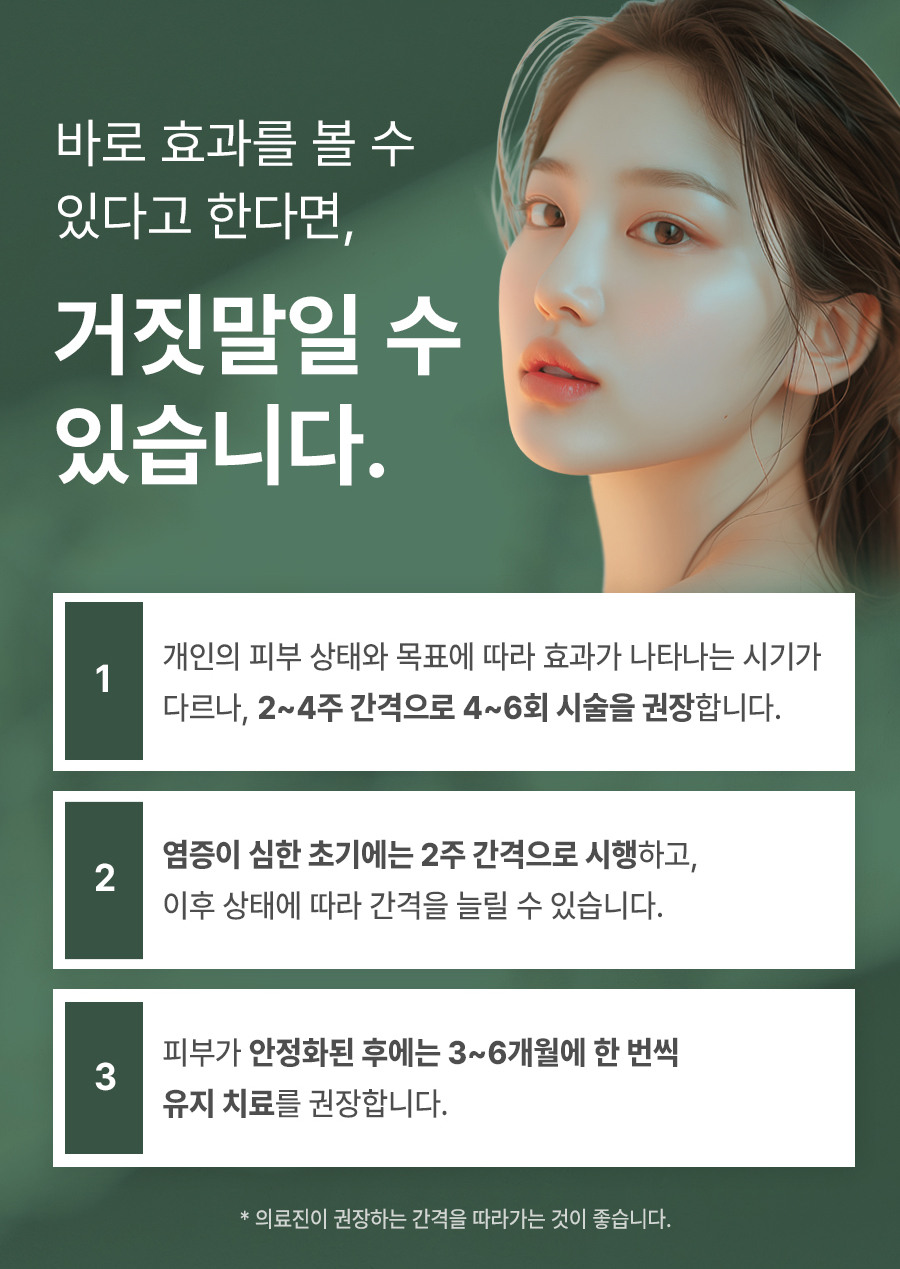
Scar treatment is usually staged over multiple sessions spaced several weeks apart. During consultation, the dermatologist will explain how many sessions are likely, the expected degree of improvement, and the realistic limits of treatment so you can plan your visit schedule.
What makes this Dongtan acne treatment system different
The clinic operates a dual chief-dermatologist system. Two board-certified dermatologists with strong academic and clinical backgrounds directly see patients, design treatment plans, and supervise all procedures. Their roles as external faculty in a university dermatology department help ensure that protocols are aligned with current evidence.
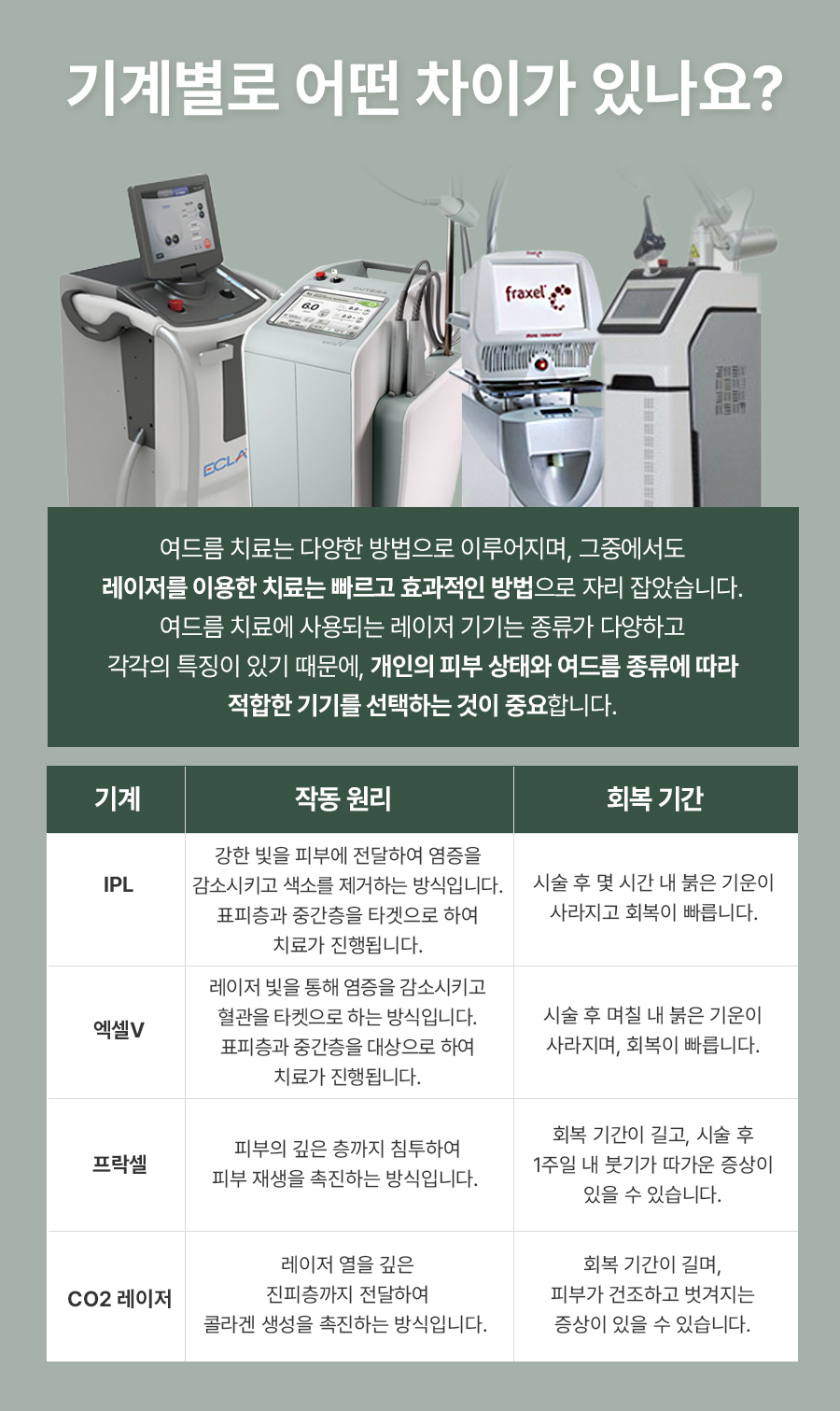
One doctor’s experience leading the dermatology unit at the Presidential Medical Office in Seoul and another’s formal training at the UCI Beckman Laser Institute support safe and thoughtful use of advanced laser and energy-based devices. Rather than relying on a single machine, the clinic maintains a range of vascular lasers, fractional lasers, RF microneedling devices, and ultrasound-based systems. Combinations are chosen based on acne type, scar pattern, skin sensitivity, and downtime tolerance.
In accordance with local regulations, non-insured treatment fees are publicly posted, supporting transparent cost communication for acne and scar procedures. There is also a before-and-after photo archive of acne, redness, pigmentation, and scar cases accessible to registered members. These images are used during consultation to explain realistic outcomes and typical treatment courses.
Who should consider professional Dongtan acne treatment
You may benefit from seeing a dermatologist in Dongtan if you have persistent or recurrent acne that does not improve with over-the-counter products, nodules or cystic lesions, early signs of scarring, or significant post-acne redness and pigmentation.
Professional evaluation is especially important if your acne is painful, leaving marks that last for months, or affecting your confidence and social life. It is also advisable if you have tried multiple products without guidance, or if you have sensitive skin that reacts easily.
Certain treatments require caution or may not be suitable for everyone. For example, some lasers and light-based procedures are used carefully in patients with recent systemic retinoid use, photosensitivity disorders, or darker skin types prone to pigmentation. Pregnancy, breastfeeding, and specific medical conditions also influence the choice of medication and devices. These factors are screened during consultation to design a safe plan.
Patient journey for overseas visitors
First online consultation and pre-visit preparation
If you are planning to travel to Korea, it is helpful to start with an online consultation. Many international patients share clear photos of their skin in natural light, a brief medical history, and a list of current medications and skincare products.
Before your visit, prepare information about any previous acne treatments, including oral medications such as systemic retinoids, hormonal therapies, or long-term antibiotics. Note any history of keloids, abnormal scarring, or pigment changes after previous procedures. This helps the dermatologist pre-plan which treatments are likely to be safe and effective within your travel schedule.
You can also discuss your available days in Korea, your tolerance for downtime, and your main priorities: controlling active acne, treating scars, or improving redness and texture. This allows the clinic to propose a realistic schedule, such as one to three key procedure days plus follow-up.
Expected Korea visit timeline
For a short stay of about one week, the focus is usually on assessment, medical therapy planning, and one or two procedures with minimal downtime, such as gentle laser for redness, low-intensity RF microneedling, or an initial PDT session.
For a stay of two to three weeks, it may be possible to combine more intensive treatments, such as fractional laser or RF microneedling for scars, along with PDT or Gold PTT for active acne. Sessions are typically spaced at least one to two weeks apart, so the exact plan will depend on your arrival and departure dates.
For patients who can visit Korea several times a year, the dermatologist may design a staged program: initial intensive sessions during your first trip, followed by maintenance or additional scar work on subsequent visits. In all cases, you will receive written instructions for continuing care in your home country.
What happens on procedure day
On the day of your procedure, your skin is first cleansed and photographed for documentation.
The dermatologist then performs or directly supervises the treatment, adjusting settings based on your skin’s real-time response. After the procedure, cooling packs or soothing masks may be applied. You will receive detailed post-care instructions, including which products to avoid, how to cleanse and moisturize, and how strictly to apply sunscreen.

Recovery, downtime, and aftercare
Downtime varies by procedure. PDT and Gold PTT may cause temporary redness and increased light sensitivity; strict sun protection is essential for several days. Fractional lasers and Regatto 2 resurfacing usually lead to redness, mild swelling, and a rough texture for a few days, followed by gradual flaking. RF microneedling tends to have shorter downtime, often limited to one or two days of redness.
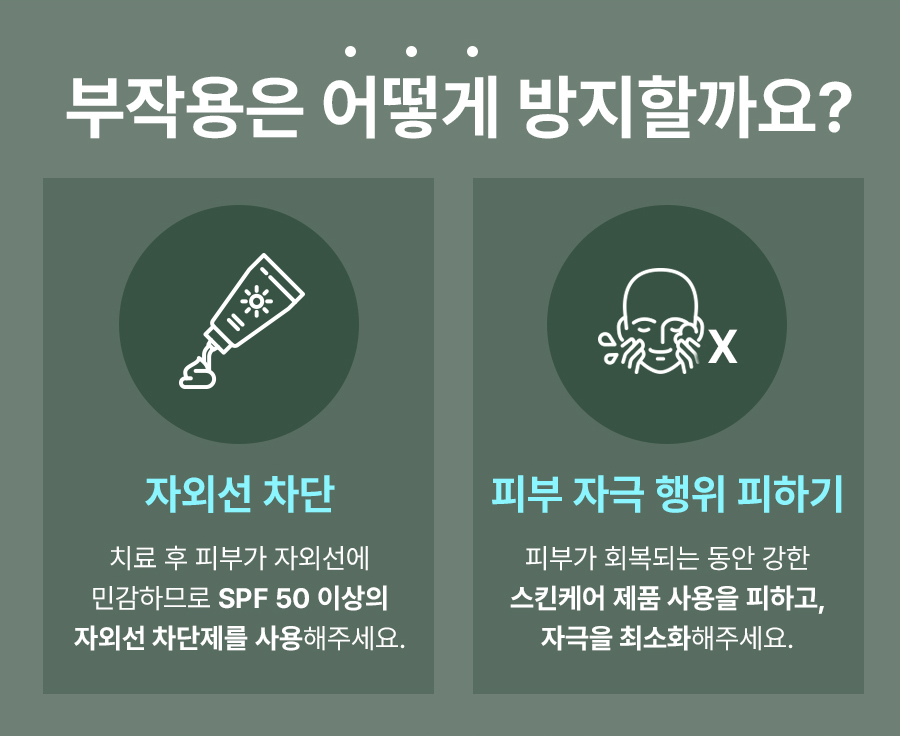
The clinic emphasizes barrier-friendly aftercare. You will be advised to use gentle, non-foaming cleansers, non-comedogenic moisturizers, and broad-spectrum sunscreen. Harsh scrubs, exfoliating acids, and picking at flaking skin are discouraged. For international patients, the dermatologist may recommend specific product types that are easy to find in your home country so you can maintain consistent care.
Follow-up and long-term management
Scheduled follow-up visits or online check-ins are important to monitor progress, adjust medications, and decide when to move from active acne control to scar-focused treatments. As your skin improves, the intensity and frequency of procedures can often be reduced, shifting toward maintenance.
For patients living abroad, follow-up can be done through secure messaging or video calls, with photo updates. The dermatologist can then advise on whether to continue certain medications, how to taper them, and when to plan your next in-person visit for further procedures if needed.
Daily skincare and lifestyle guidance
For acne-prone skin, the clinic generally recommends gentle cleansing twice a day with a mild, non-drying cleanser. Over-washing or using very hot water can irritate the skin and worsen inflammation. Non-comedogenic moisturizers help maintain the barrier, which is especially important when using topical retinoids or after procedures.
Daily sunscreen is strongly encouraged, as UV exposure can darken post-acne marks and slow scar improvement. Lightweight, non-comedogenic formulas are usually preferred for acne-prone skin. Physical scrubs, aggressive exfoliating brushes, and frequent peeling products are usually minimized, particularly around the time of PDT or fractional laser.
Lifestyle factors such as diet, stress, and sleep are considered modifiers rather than sole causes of acne. Some patients notice that high-glycemic foods or dairy products worsen their breakouts, while others do not. Stress and lack of sleep can aggravate inflammation and delay healing. The dermatologist can help you identify patterns and suggest realistic adjustments without extreme restrictions.

Safety and medical standards: procedures are performed or directly supervised by dermatologists, with documented informed consent and pre-treatment screening.
Before any treatment, your medical history and medications are reviewed to identify possible contraindications, such as photosensitivity, pregnancy, breastfeeding, or recent systemic retinoid use.
If necessary, the clinic may coordinate basic lab tests before starting certain oral medications. Clear documentation and informed consent are part of the process, and you are encouraged to ask questions about risks, benefits, and alternatives for each procedure.
Local and practical information
The clinic is located on the third floor of a medical and commercial building along Dongtan-daero Sibeom-gil in Dongtan New Town, Hwaseong. This location is convenient for local residents and commuters, and it is accessible from major roads and public transport.
General operating hours include weekday daytime clinics, with extended evening hours on Fridays, and Saturday morning to early afternoon sessions. There is a lunch break during midday, and the clinic is closed on Sundays and public holidays. Online reservation is available on specific weekdays through a major local portal system, which is convenient for acne patients who need repeated visits or for overseas visitors planning their schedule in advance.
Frequently asked questions about Dongtan acne treatment
How many sessions will I need for acne and acne scars?
The number of sessions depends on your acne severity, scar type, and how your skin responds. For active acne, patients often see improvement within a few weeks of medical therapy, with PDT or Gold PTT sessions typically spaced several weeks apart. During consultation, your dermatologist will propose a realistic plan based on your travel schedule and goals.
Can I combine acne treatment and scar treatment in one trip?
Yes, in many cases it is possible to address both, but the priority is usually to control active inflammation first. If you have ongoing breakouts, the initial focus may be medical therapy, PDT, or Gold PTT. Once inflammation is more stable, scar-focused procedures like fractional laser or RF microneedling can be added. For short trips, the dermatologist may start gentle scar treatments while continuing acne control, but more intensive scar work is often planned for later visits when your skin is calmer.

Is Dongtan acne treatment suitable for sensitive or darker skin types?
The clinic tailors device settings and treatment choices to your skin type and sensitivity. For sensitive skin, lower-energy protocols, vascular lasers for redness, and barrier-supportive care are emphasized. For darker skin tones, the dermatologist carefully selects wavelengths and energy levels to reduce the risk of post-inflammatory hyperpigmentation. A detailed history of previous reactions to treatments and products is important to design a safe plan.
What should I ask during my first consultation?
Before your visit, it can help to prepare a list of questions. Common topics include which treatment options are recommended for your specific acne type and scars, how many sessions are likely, expected downtime for each procedure, and how to coordinate care with your schedule in Korea. You may also want to ask about product recommendations, what to avoid before and after PDT or lasers, and how follow-up will be handled once you return home. Clarifying these points early helps you make informed decisions and plan your travel and recovery time.
Soft call to action for online consultation
If you are considering Dongtan acne treatment during a visit to Korea, an online consultation can help you understand which options may suit your skin, how many sessions are realistic within your stay, and what kind of recovery to expect. By sharing photos and your medical history in advance, you can receive a preliminary plan and schedule key treatment dates before you arrive. This structured, dermatologist-led approach can make your time in Korea more efficient while focusing on both safety and long-term skin health.
- 공유 링크 만들기
- X
- 이메일
- 기타 앱


댓글
댓글 쓰기