Dongtan acne treatment options for international patients in Korea
- 공유 링크 만들기
- X
- 이메일
- 기타 앱
Direct answer summary
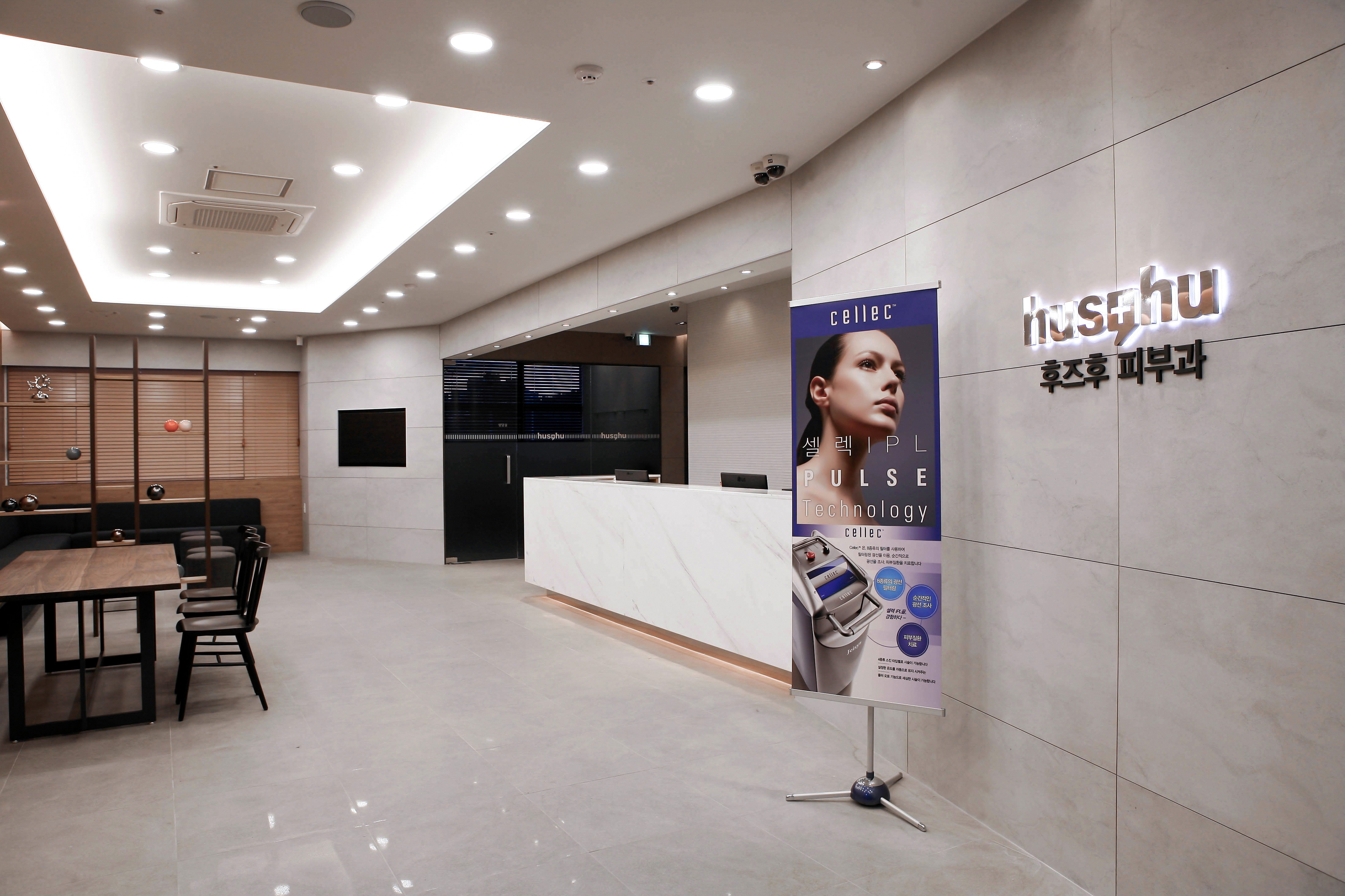
In Dongtan New Town in Hwaseong, clinics such as Hus-hu Dermatology Clinic Dongtan provide structured acne care plans that aim to control breakouts, reduce inflammation, and manage acne scars over a series of visits, not with a single one-time procedure.
This guide explains what medical acne treatment in Dongtan typically involves, who may benefit, how to prepare from abroad, what a visit to Korea might look like, and how to care for your skin after treatment.
Why medical acne treatment matters
Acne is more than just a cosmetic concern. It is an inflammatory disease of the hair follicles and sebaceous (oil) glands. Hormones, excess sebum, bacteria, and a weakened skin barrier all contribute to clogged pores and inflamed spots.
There are different types of acne. Non-inflammatory lesions include whiteheads and blackheads. Inflammatory lesions include red papules, pustules with pus, and deeper nodules or cysts. The deeper and more inflamed the acne, the higher the risk of long-term marks and scars.
Early and appropriate treatment is important because repeated inflammation can leave behind dark spots, redness, enlarged pores, and permanent depressed scars. Many people try to manage acne only with over-the-counter products or facials, but these often do not control the underlying inflammation.
Common mistakes include squeezing pimples at home, using harsh scrubs or drying products irregularly, and relying only on cosmetic facials without addressing the medical causes. These habits can increase irritation, prolong redness, and raise the chance of scarring.
How a Dongtan dermatologist typically approaches acne
When you see a dermatologist in Dongtan for acne, the first step is a detailed consultation and skin assessment. This is especially important if you are visiting from another country and have limited time.
During the consultation, the doctor will usually ask about how long you have had acne, whether it worsens with menstrual cycles or stress, what skincare and makeup you use, your diet and lifestyle, and what treatments you have tried before. Information about any oral or topical medications, allergies, and past side effects is also important.
The dermatologist will examine your skin to check the type and severity of acne, the presence of redness or sensitivity, and any existing scars or pigmentation. They will also consider your skin type: oily and thick, dry and sensitive, or combination. Teenage acne and adult female acne often behave differently, so age and hormonal patterns are taken into account.
Based on this evaluation, a personalized treatment plan is created. For some patients, the focus is to calm severe inflammation quickly. For others, the main goal may be to prevent or improve scarring and even out skin texture after active breakouts are controlled.
Overview of treatment options in Dongtan
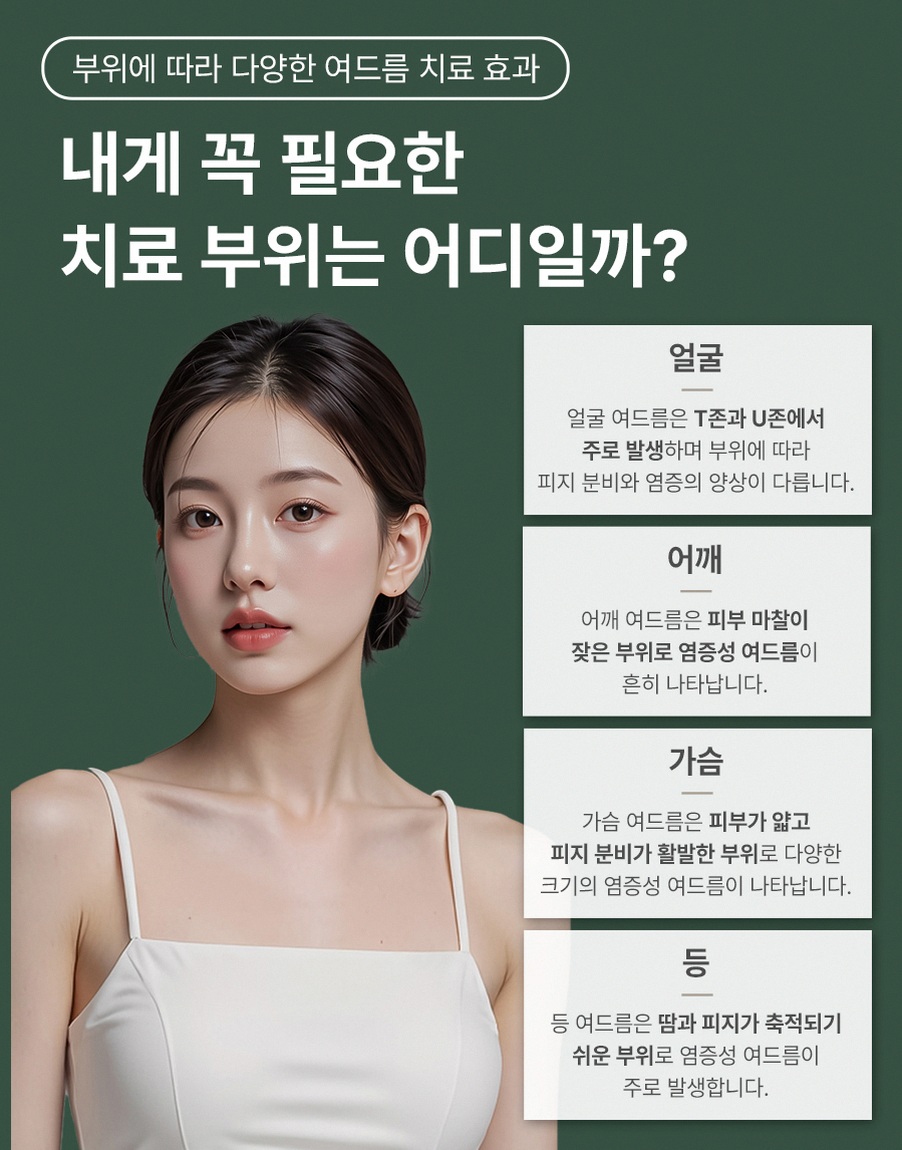
In Dongtan, medical acne treatment usually combines several components rather than relying on a single method. These can include prescriptions, in-clinic acne programs, light and laser-based therapies, and dedicated scar treatments.
Medical prescriptions
Topical treatments are often the first step. These may include retinoid creams or gels to normalize skin cell turnover and prevent clogged pores, topical antibiotics or anti-inflammatory agents to reduce bacteria and redness, and keratolytic ingredients to gently dissolve dead skin cells.
The exact combination and strength are adjusted to your skin type and sensitivity. For example, a patient with very sensitive, dry skin might start with lower-frequency retinoid use and soothing products, while someone with very oily, thick skin might tolerate stronger formulations.
Oral medications are considered when acne is moderate to severe, widespread, or not responding well to topical care alone. These can include oral antibiotics for limited periods to reduce inflammation, hormonal modulation for some women with hormonally driven breakouts, or other systemic drugs for persistent or nodular acne. The dermatologist will review your medical history, pregnancy plans, and any other medications before prescribing.
In-clinic acne programs
Many Dongtan dermatology clinics offer structured acne programs that combine several steps in one visit. These may include professional cleansing, gentle exfoliation, comedone extraction when appropriate, calming masks, and device-based treatments.
Extractions are performed under medical supervision using sterile tools and techniques. This controlled approach aims to remove clogged contents while minimizing trauma to the surrounding skin, which can help reduce the risk of infection and scarring compared with squeezing at home.
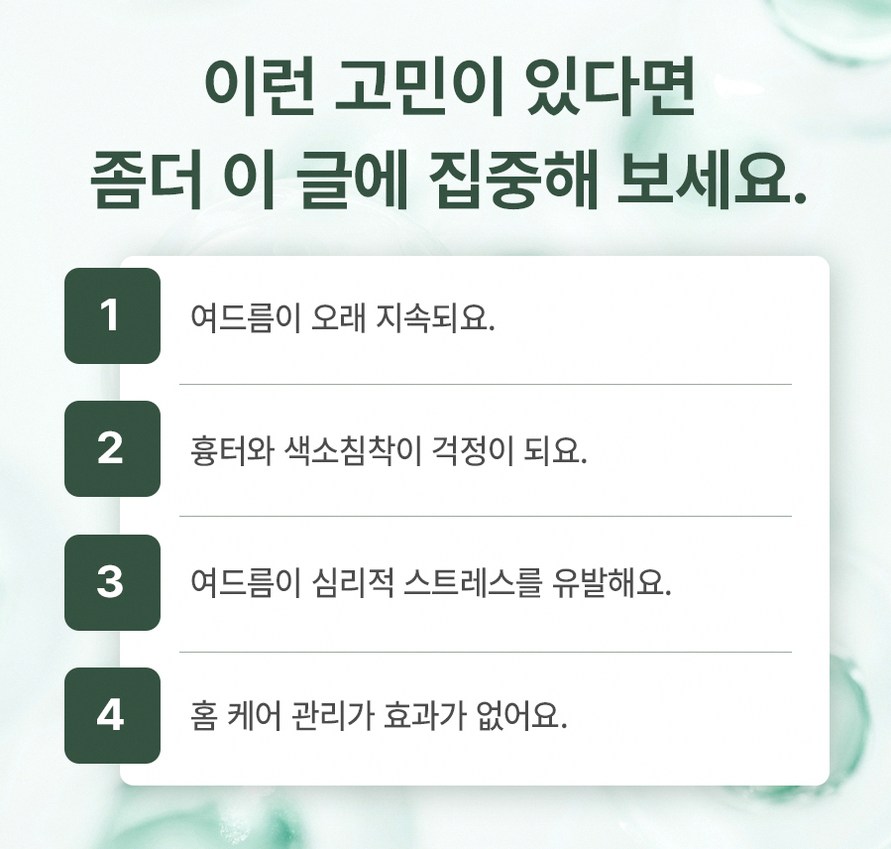
These programs are usually scheduled at regular intervals, for example every one to four weeks, depending on the severity of acne and your schedule in Korea. For overseas patients with limited time, the clinic may suggest a slightly more intensive schedule while still respecting safety and skin recovery.
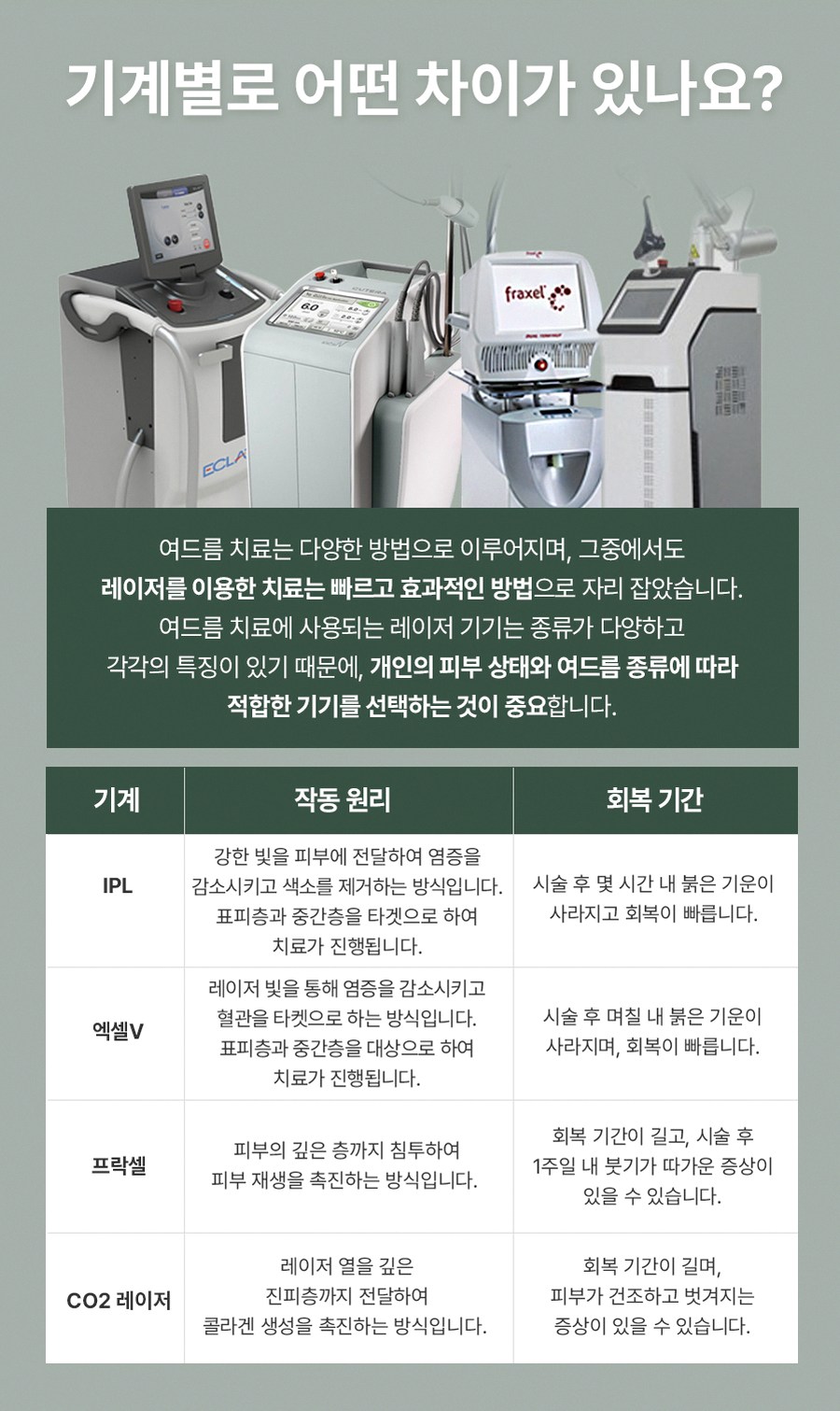
Light and laser-based acne treatments
Light and laser-based treatments can be helpful for inflammatory or recurrent acne, especially when oil production and bacteria play a strong role.
Photodynamic therapy (PDT) is one option. In PDT, a photosensitizing agent is applied to the skin and allowed to absorb into the follicles. Then a specific light source is used to activate this agent. The process targets overactive sebaceous glands and acne-causing bacteria, aiming to reduce inflammation and the tendency to form new deep lesions.
Selective photothermal therapy, sometimes called gold PTT, is listed by some clinics among device-based options. Clinics can explain the technique and its intended effects during consultation.
These procedures are customized according to skin type, sensitivity, and pigmentation risk. Patients with easily pigmented or darker skin require careful adjustment of energy levels and intervals to reduce the chance of post-inflammatory hyperpigmentation.
Acne scar and pore treatments
Once active inflammation is under control, attention can shift to scars and enlarged pores. Different types of scars respond to different treatments. Icepick scars are narrow and deep, boxcar scars have more defined edges, and rolling scars are softer and wavelike. Many patients also have a mix of scar types.
Fractional lasers create microscopic columns of controlled injury in the skin, stimulating collagen remodeling and smoother texture over time. RF microneedling devices deliver radiofrequency energy through fine needles into the dermis, also encouraging collagen production while keeping the surface relatively intact.
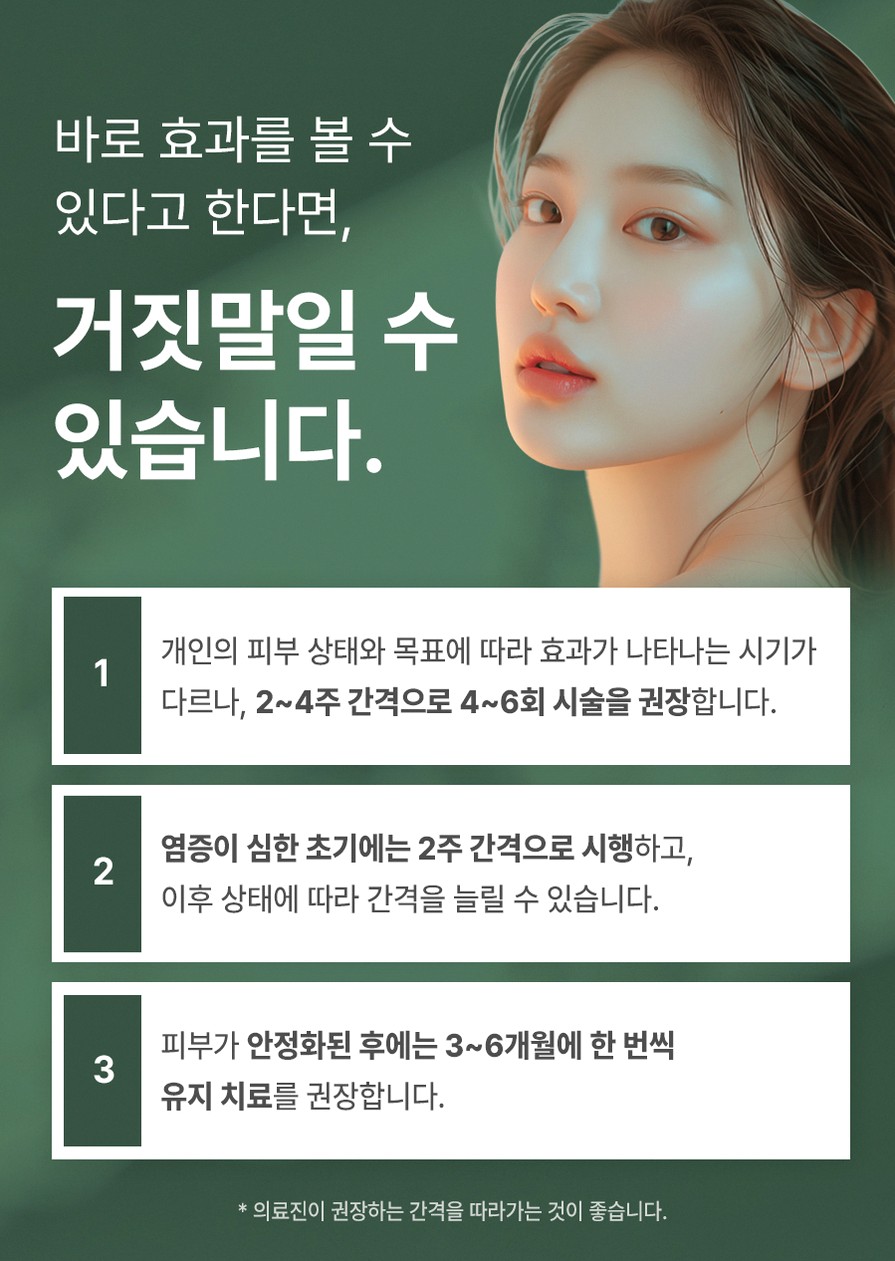
For deeper, depressed scars, techniques such as subcision (releasing tethered scar bands) or carefully placed fillers may be considered as part of a scar improvement program. Treatment plans are usually staged, with several sessions spaced weeks apart to allow the skin to heal and remodel between visits.
Safety and expertise
In Dongtan, acne and acne scars are often treated in clinics where board-certified dermatologists plan and supervise procedures. Their background in managing a wide range of skin conditions, such as psoriasis, vitiligo, or vascular redness, supports a more precise understanding of the inflammation and pigmentation that often accompany acne.
Device-based treatments like lasers, light therapies, and RF require careful selection of parameters. Energy settings, pulse duration, spot size, and treatment intervals must be tailored to each patient. This is particularly important for individuals with sensitive skin, a history of strong reactions, or a tendency to develop dark marks after inflammation.
For international patients, clear communication about your skin’s past reactions, any previous laser or peeling experiences, and your usual climate and sun exposure helps the dermatologist choose safer settings and realistic schedules.
Who may consider Dongtan acne treatment in Korea
You might consider traveling to Dongtan for acne care if you have recurrent or persistent acne that has not responded well to basic cosmetics or home remedies, if you are developing visible scars or dark marks, or if you want a structured program supervised by dermatologists using medical-grade devices.
Teens with severe inflammatory acne, young adults who continue to break out despite over-the-counter products, and adults with late-onset or hormonal acne can all be candidates. Patients who already have depressed scars, enlarged pores, or uneven texture may benefit from combining active acne control with scar-focused procedures.
If you are already planning a trip to Korea for study, work, or tourism, adding a dermatology visit in Dongtan can be a practical way to start or adjust your acne management plan.
Online consultation and pre-visit preparation
Before traveling, it is helpful to arrange an online consultation or at least an email discussion with the clinic. Many clinics in Dongtan offer online reservation options for certain time slots, often through major local portals, and can guide you by phone or message about the latest schedule.
For an efficient consultation, prepare the following information in advance:
Your main concerns: frequency of breakouts, pain, scarring, dark marks, or redness.
A brief treatment history: previous topical and oral medications, facials, peels, lasers, and any side effects.
Current skincare routine: cleansers, toners, serums, creams, sunscreens, and makeup products.
Medical background: allergies, chronic illnesses, pregnancy or breastfeeding status, and current medications or supplements.
Clear photos of your skin in natural light, from the front and both sides, can help the dermatologist understand your condition before you arrive. If you have limited days in Korea, share your travel dates so the clinic can propose a realistic schedule for consultations and procedures.
Expected Korea visit timeline for acne treatment
Because acne is a chronic condition, it is important to set realistic expectations about what can be achieved during a single trip.
First visit
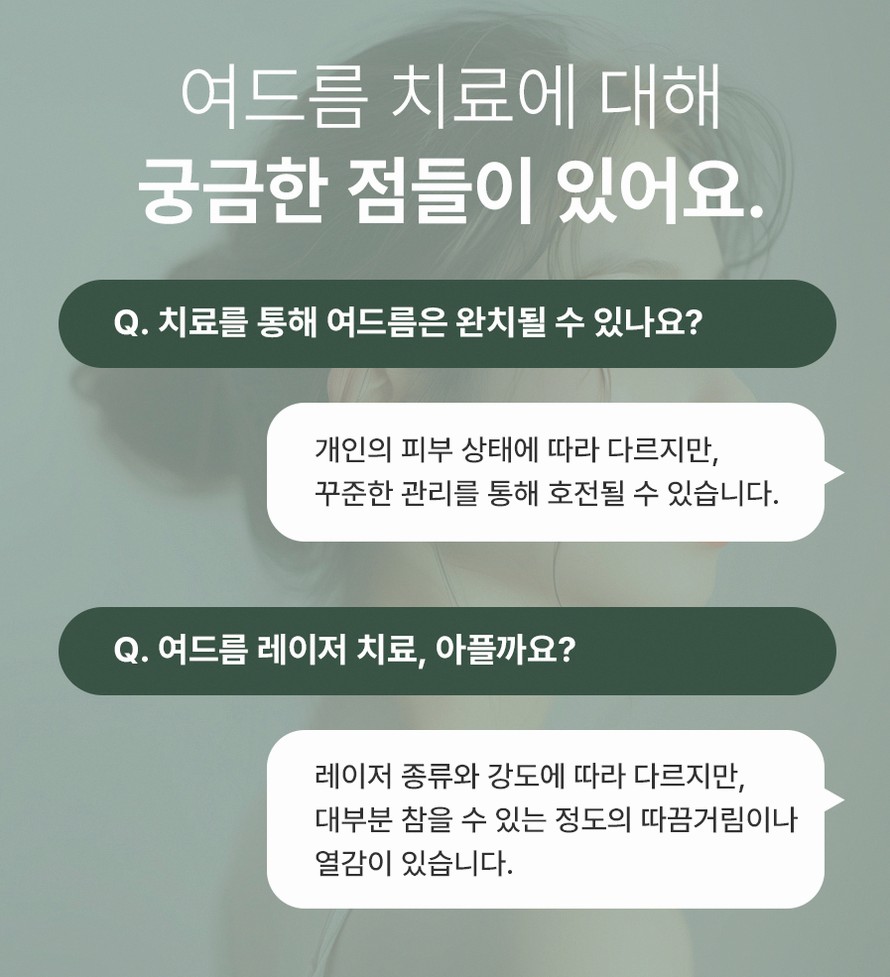
On your first visit, you can usually expect a detailed consultation, skin examination, and discussion of treatment options. In many cases, an initial in-clinic acne program or a light-based treatment can be performed on the same day, as long as there are no contraindications.
You may receive prescriptions for topical and/or oral medications to continue during your stay and after returning home. The dermatologist will also guide you on how to adjust your skincare routine.
Short-term phase (first 1–3 months)
The short-term goal is to reduce active inflammation, stabilize breakouts, and prevent new lesions from becoming deep and painful. If you are staying in Korea for several weeks or months, you may undergo a series of in-clinic sessions spaced one to four weeks apart, depending on the chosen methods and your skin’s response.
If your stay is short, the focus might be on starting a safe and effective regimen and performing a limited number of in-clinic treatments that do not require long downtime. The clinic can coordinate with you about follow-up by email or online after you return home.
Mid- to long-term phase
Scar and pore treatments, as well as more intensive fractional or RF procedures, are usually scheduled after active acne is better controlled. These often require multiple sessions over several months for gradual improvement.
For international patients, it may be practical to begin scar treatment during one visit and then continue with future sessions during later trips to Korea, or to maintain results with topical care and less intensive procedures in your home country.
Aftercare and daily life during treatment
After acne procedures, proper aftercare supports better results and reduces the risk of side effects.
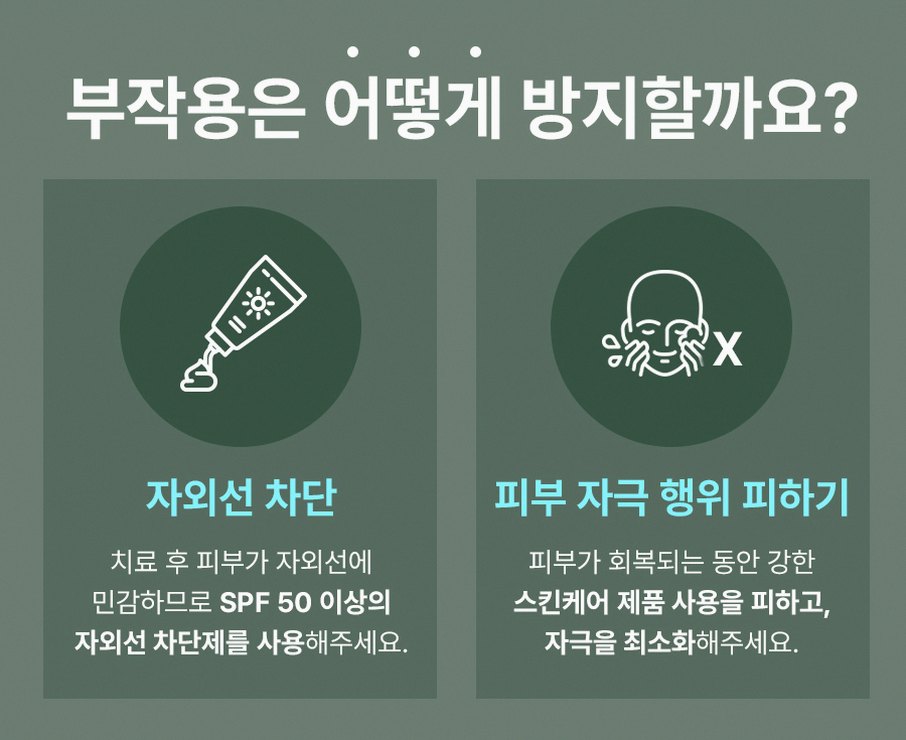
Sun protection is essential. Use a non-comedogenic sunscreen daily, reapplying as needed, especially after laser or light-based treatments. Avoid tanning and prolonged direct sun exposure during the healing period.
Cleansing should be gentle. Over-washing or using harsh scrubs can damage the skin barrier and worsen irritation. A mild, pH-balanced cleanser used twice daily is usually sufficient.
Moisturizing is important even for oily skin, particularly when using retinoids or after procedures that can temporarily dry or irritate the skin. Your dermatologist will recommend textures and ingredients that suit your skin type.
Avoid picking or squeezing lesions. Even when spots seem ready to pop, self-extraction can push contents deeper, increase inflammation, and lead to scars or dark marks.
If you wear makeup, choose non-comedogenic products and remove them thoroughly but gently. For a few days after certain procedures, your doctor may advise minimizing makeup use.
Lifestyle factors such as stress, sleep, and diet can also influence acne. While no single food causes acne in everyone, some people notice that very high sugar intake or certain dairy products worsen their skin. Discuss any patterns you have noticed with your dermatologist.
Home care and lifestyle guidance
A key part of dermatologist-led acne care is aligning your home routine with your in-clinic treatments.
You will usually receive guidance on building a simple, consistent routine: a gentle cleanser, appropriate treatment products (such as prescribed creams), a suitable moisturizer, and daily sunscreen. Additional products like exfoliating toners or masks are introduced carefully, if at all, to avoid overloading the skin.
The dermatologist may also advise you on how to adjust your routine when you travel between different climates, such as from a humid country to Korea’s drier winter air. This can help prevent sudden dryness or irritation that might interfere with acne medications.
If you wear masks for long periods, for example on flights or in crowded areas, you may receive tips on preventing “maskne,” such as using breathable masks, changing them regularly, and applying a light, non-comedogenic moisturizer to reduce friction.
Frequently asked questions about Dongtan acne treatment
What kind of improvement can I expect from a short visit to Dongtan?
During a short visit, the main goals are to start a medically sound treatment plan, calm active inflammation as much as possible, and reduce the risk of new scars. You may notice fewer painful lesions and a more stable skin condition, but long-standing scars and deep marks usually require longer-term treatment. The dermatologist can outline what is realistic for your specific case and how to continue care after you return home.
How many sessions are usually needed for acne and acne scars?
For active acne, some patients see noticeable improvement after a few in-clinic sessions combined with consistent home care, but maintaining results often requires ongoing topical or oral treatment for several months. For acne scars, multiple sessions of fractional laser or RF microneedling are typically recommended, often spaced four to eight weeks apart. The exact number depends on scar type, depth, and your skin’s healing response.
Is acne treatment in Dongtan suitable for sensitive or darker skin types?
Yes, but it requires careful planning. Dermatologists in Dongtan are accustomed to treating a variety of skin types, including sensitive and easily pigmented skin. They will usually start with conservative settings and monitor your response, adjusting energy levels and intervals as needed. It is important to inform the clinic about any history of strong reactions, keloids, or dark marks after minor injuries.

Can I combine acne treatment with other cosmetic procedures during my trip?
In some cases, it is possible to combine acne care with other skin treatments, but the priority is to control inflammation and protect the skin barrier. Certain procedures may need to be spaced apart to avoid over-stressing the skin. Discuss all your goals with the dermatologist in advance so they can design a safe schedule that fits your travel dates and healing time.
Soft call to action for online consultation
If you are considering Dongtan acne treatment during a visit to Korea and would like a structured plan that combines medications, in-clinic programs, and scar care, you can start by arranging an online consultation with a dermatologist in Dongtan New Town. Clinics such as Hus-hu Dermatology Clinic Dongtan can review your photos and history, suggest realistic options for your travel schedule, and guide you on how to prepare your skin before you arrive.
By planning ahead and working with a dermatologist-led team, you can use your time in Korea to take meaningful steps toward calmer skin, fewer breakouts, and better long-term control of acne and acne scars.
- 공유 링크 만들기
- X
- 이메일
- 기타 앱


댓글
댓글 쓰기