Dongtan board-certified dermatologist guide for overseas patients
- 공유 링크 만들기
- X
- 이메일
- 기타 앱
Direct answer summary
If you are searching for a board-certified dermatologist in the Dongtan area and planning to visit Korea for treatment, this clinic in Dongtan New City may suit you. It is led by two board-certified dermatologists with university hospital and academic backgrounds, and offers both medical skin disease management and aesthetic procedures such as lasers, lifting, and injectables. Overseas patients can receive diagnosis, treatment planning, and many procedures within a short stay, with follow-up supported online.
Overview of dermatology care in Dongtan New City
Dongtan New City in Hwaseong has grown into a residential and business hub with convenient access from Seoul and Incheon Airport. For international patients, this means you can combine medical visits with comfortable accommodation, shopping, and transport.
At this Dongtan clinic, two board-certified dermatologists provide comprehensive care. Their background includes training at a major medical school, residency at a university hospital, and ongoing academic activities. One dermatologist previously headed the dermatology department at the presidential medical office in Seoul and ranked first in the first-stage national dermatology board exam. The other is an active member of national psoriasis and vitiligo societies and has completed training at the UCI Beckman Laser Institute in the United States, a well-known center for laser research.

Together, they cover a wide spectrum of conditions and procedures, from psoriasis and vitiligo to pigmentation, melasma, lifting, and scar care. For overseas patients, this combination of medical and aesthetic services in one place can simplify your Korea visit.
What a board-certified dermatologist means for you
A board-certified dermatologist is a physician who has completed formal residency training in dermatology and passed national board examinations in this specialty. This is different from general practitioners or non-medical providers who may offer cosmetic procedures without focused dermatology training.
For international patients, choosing a board-certified dermatologist in Dongtan matters for several reasons. Skin diseases such as psoriasis, vitiligo, atopic dermatitis, and chronic urticaria often need long-term, stepwise management. A specialist can distinguish between similar-looking conditions, decide when to use topical or systemic medication, and monitor for side effects.
When it comes to lasers, lifting devices, and injectables, specialist training is also important. Energy-based devices like Ulthera, Thermage FLX, Fotona lasers, GentleMax Pro, and BBL require careful adjustment of energy levels, pulse duration, and treatment depth. Incorrect settings may cause burns, pigment changes, or scarring. A board-certified dermatologist with experience in laser physics and skin anatomy is better equipped to balance effectiveness and safety.

This Dongtan clinic emphasizes specialist-led diagnosis and planning. The dermatologists personally assess your skin, set device parameters, and supervise procedures, rather than delegating everything to non-physician staff.
Medical dermatology strengths for international patients
Psoriasis and vitiligo care
Psoriasis and vitiligo are chronic inflammatory skin diseases that can affect quality of life and self-confidence, especially when visible on the face, hands, or scalp. One of the representative dermatologists is a member of national psoriasis and vitiligo societies, which indicates ongoing involvement in academic updates and treatment guidelines.
For overseas patients, this means your consultation can include a review of your previous treatments, discussion of current international guidelines, and planning of phototherapy or topical/systemic medication that can be continued in your home country. If you are staying in Korea for a limited time, the focus is usually on stabilizing the condition, educating you about long-term management, and coordinating with your local doctor when possible.
Acne, rosacea, and redness
Acne and rosacea are common reasons for visiting a dermatologist in Dongtan. This clinic offers structured programs such as an acne all-kill program and a vascular/redness program. These typically combine medical treatment, device-based therapy, and skin barrier care.
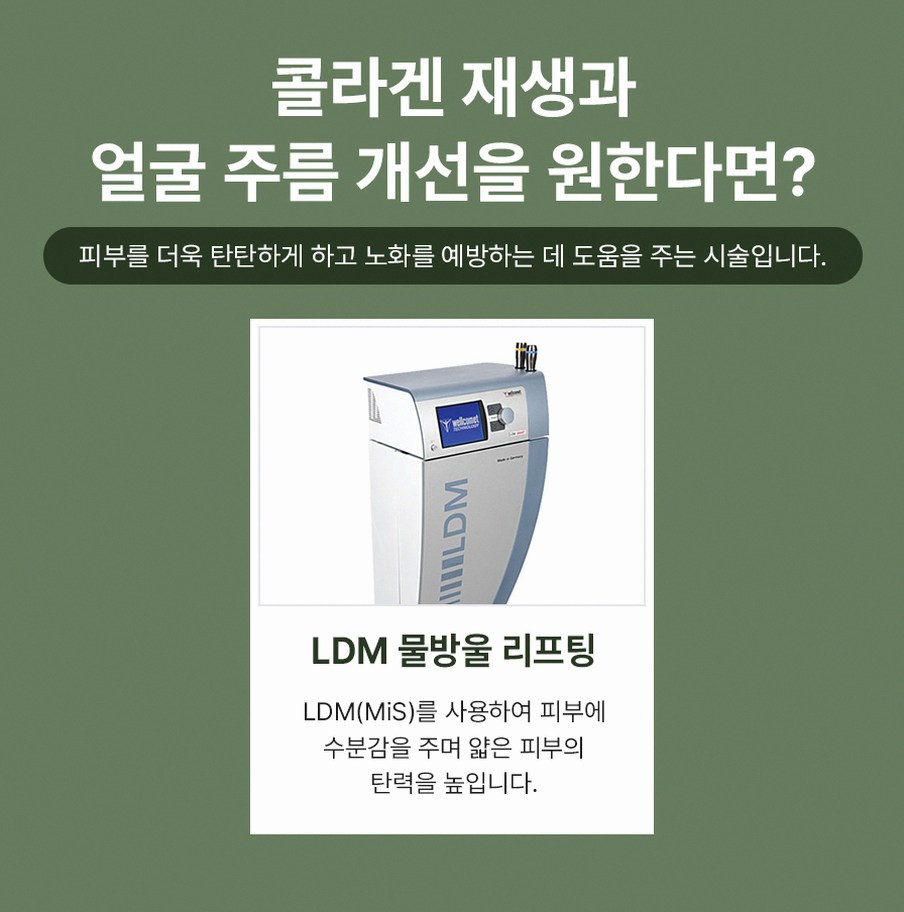
For acne, the dermatologist may use a combination of topical medications, oral medication when appropriate, photodynamic therapy (PDT), and devices such as fractional lasers or RF microneedling for scarring. For rosacea and redness, vascular lasers and ultrasound-based skin management (LDM) can help reduce flushing and strengthen the skin barrier.
As an overseas patient, you can often start an intensive course during your stay, then continue topical or oral medications at home with guidance from your local doctor. The clinic can provide a written summary of your diagnosis and treatment plan in English to share with your physician.
Scalp and hair loss
Hair loss can have many causes, including androgenetic alopecia, telogen effluvium, autoimmune conditions, and scalp diseases. A board-certified dermatologist will first examine your scalp, review your medical history, and, if needed, perform dermoscopy or laboratory tests.
This Dongtan clinic offers systematic hair loss care, focusing on accurate diagnosis before recommending treatments. Options may include topical agents, oral medications, scalp injections, or device-based therapies, depending on the cause and severity. For international patients, the dermatologist can suggest a regimen that is realistic to maintain after you return home.
Laser and device-based treatments under specialist supervision
Main devices and their roles
The clinic uses a range of modern devices, including Ulthera (3D Ulthera), Thermage FLX, Shurink, SkinTyte, Onda lifting, Fotona laser toning, GentleMax Pro, BBL, vascular lasers, fractional lasers (such as Legato 2 and ProFractional-type devices), and RF microneedling (Secret RF). These devices are used for concerns such as lifting, skin tightening, pigmentation, melasma, redness, scars, pores, and texture.
One of the dermatologists has completed training at the UCI Beckman Laser Institute, which is known for its work in laser safety and innovation. This background supports careful parameter selection and combination treatments.
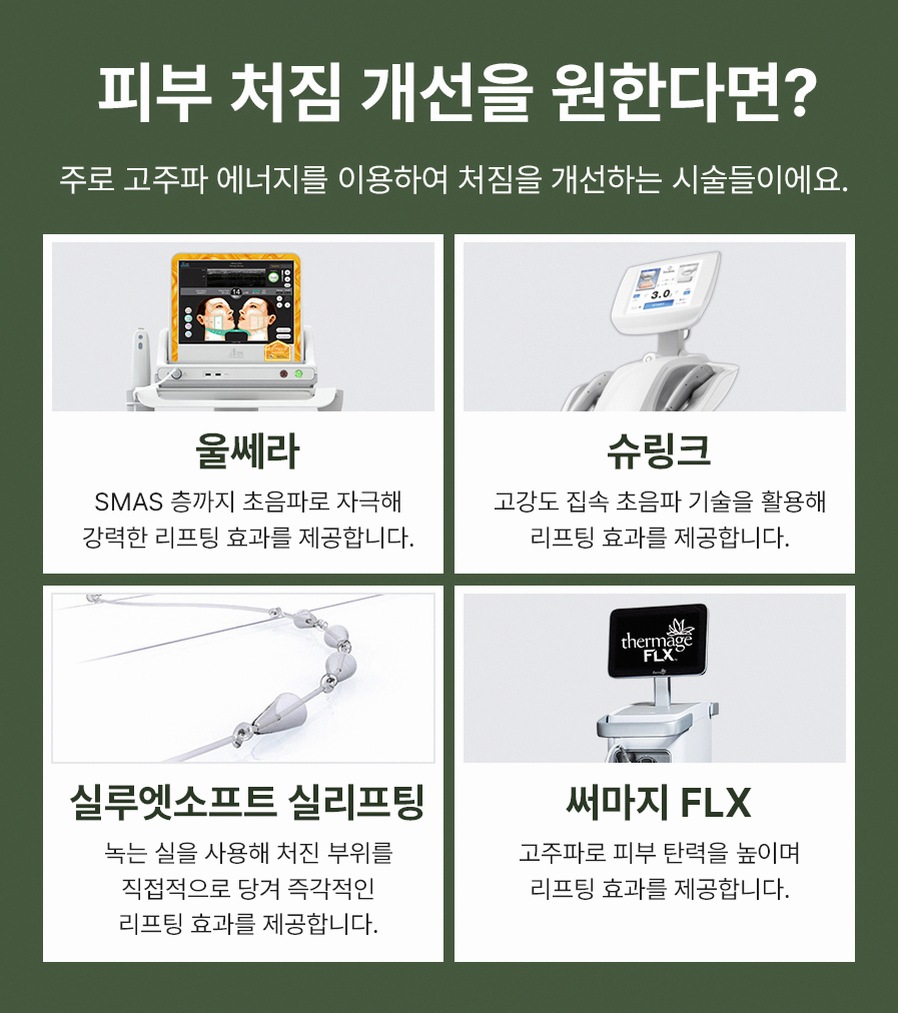
For example, Ulthera and Shurink use focused ultrasound to target deeper layers for lifting and contouring. Thermage FLX and Onda lifting use radiofrequency-based energy for tightening and collagen stimulation. Fotona laser toning, GentleMax Pro, and BBL are used for pigmentation, vascular issues, and overall tone.
Safety and planning
For overseas patients, safety and downtime are key concerns, as your schedule in Korea may be tight. At this clinic, the dermatologists personally assess your skin type, history of keloids or pigment changes, and any previous laser experience. They then select devices and settings that aim for effective results with reasonable recovery time.
If you have darker skin or a history of post-inflammatory hyperpigmentation, the dermatologist may choose gentler settings, longer intervals, or staged treatments to reduce the risk of rebound pigmentation. For redness and vascular issues, they may combine vascular lasers with skin barrier treatments like LDM to improve tolerance.
Acne, scar, and pigmentation programs
Structured programs instead of one-off sessions
Rather than offering single, isolated procedures, this Dongtan clinic focuses on program-based care. This is particularly important for acne, scars, and pigmentation, where consistent, stepwise treatment usually works better than sporadic sessions.
Acne and scar care
The acne all-kill program may include medical treatment, PDT, fractional devices such as Legato 2 or ProFractional-type lasers, RF microneedling with Secret RF, gold PTT, and scar fillers. The dermatologist first evaluates the type of scars you have: rolling, boxcar, ice pick, or hypertrophic. Each scar type responds differently to various treatments.
For example, rolling scars may respond well to subcision combined with RF microneedling, while boxcar scars may benefit from fractional lasers or focal excision. Shallow scars and enlarged pores can be improved with fractional resurfacing, while deeper defects sometimes need scar fillers.

For international patients with limited time, the dermatologist may prioritize procedures with meaningful impact in one or two sessions, such as RF microneedling plus fractional laser, while planning additional sessions you can complete on a future visit.
Pigmentation and melasma care
Pigmentation and melasma require cautious, staged treatment, especially in Asian skin types prone to rebound pigmentation. This clinic offers a white toning program using Fotona laser toning, GentleMax Pro, BBL, and iontophoresis-based treatments.
The dermatologists adjust fluence, pulse duration, and treatment intervals to minimize irritation. They also emphasize sun protection, barrier repair, and gentle home care. For overseas patients, you may receive a detailed explanation of what to avoid after treatment, such as intense sun exposure, harsh exfoliation, or unverified whitening products.
Lifting and anti-aging options
Comparing lifting devices and threads
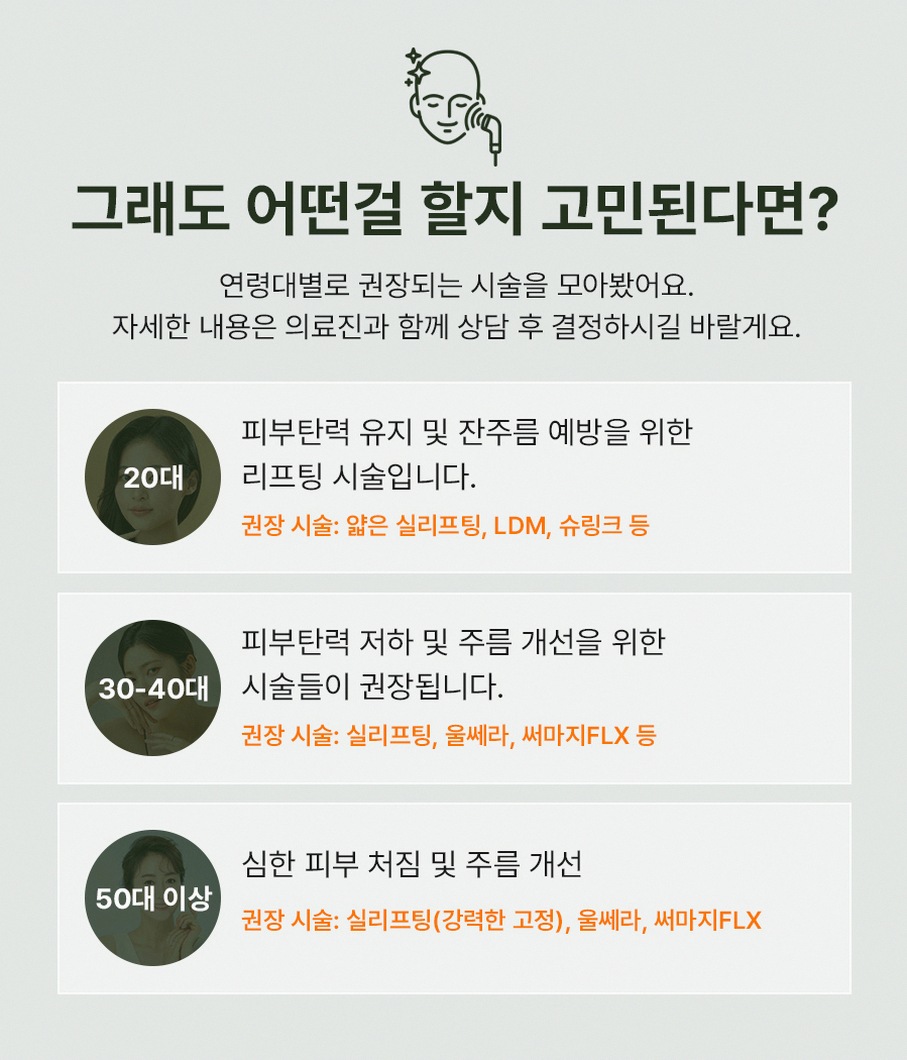
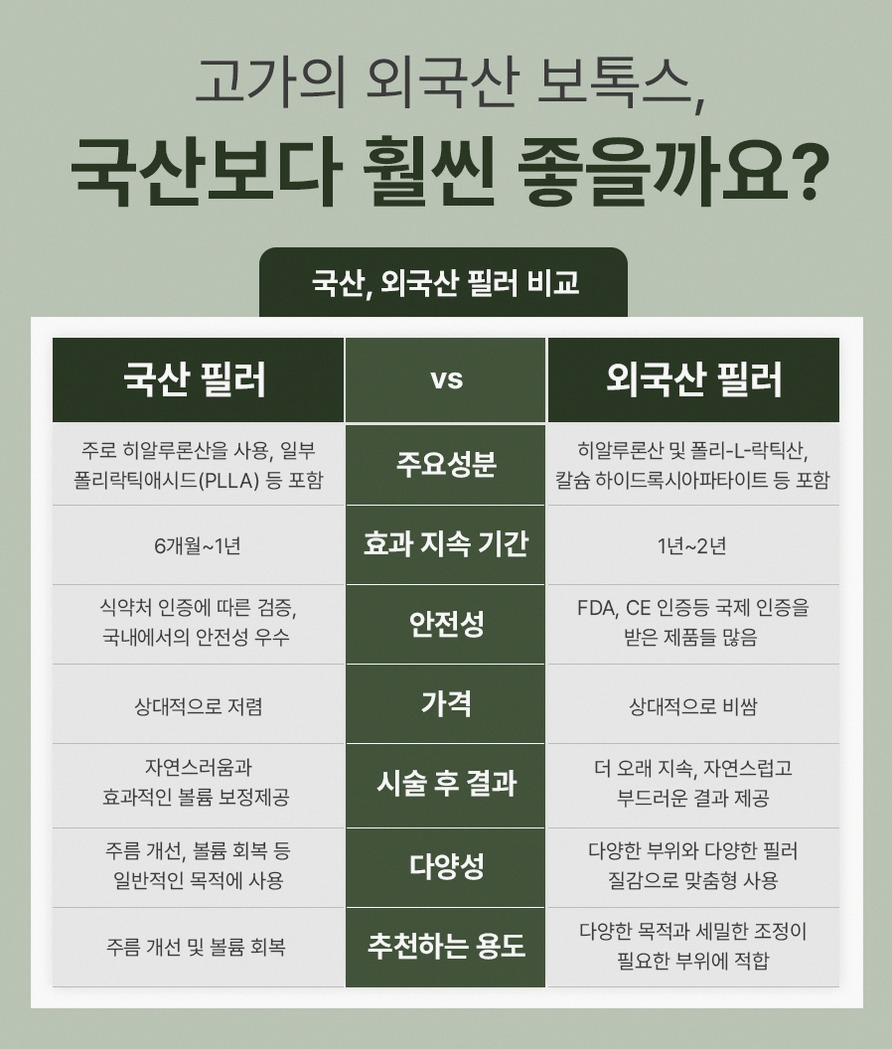
Lifting and anti-aging treatments at this Dongtan clinic include Ulthera (3D Ulthera), Thermage FLX, Shurink, SkinTyte, Onda lifting, and thread lifting using products such as Mint threads and Silhouette Soft. The dermatologists also offer injectables such as hyaluronic acid fillers, collagen-stimulating injectables (similar to Ellanse-type products and Juvelook), hydro-lifting or water glow injections, botox, skin boosters like Rejuran-type products, anti-aging injections, and fat-dissolving injections for the submental area (Belkyra).

Each method has different strengths. Ulthera and Shurink target deeper layers for lifting and contouring. Thermage FLX and Onda lifting focus more on tightening and texture through radiofrequency-based energy. Threads provide mechanical lifting and collagen induction. Injectables can restore volume, refine contours, and improve skin quality.
Natural-looking, anatomy-based planning
The dermatologists at this Dongtan clinic plan lifting and injectables based on facial anatomy, aging patterns, and your personal preferences. They aim to preserve your natural facial identity rather than dramatically changing your appearance.
For overseas patients, the consultation typically includes a detailed facial analysis, discussion of your usual expressions, and review of what you want to avoid, such as an overfilled look or restricted movement. The plan may combine devices and injectables in stages, so that you can see gradual improvement rather than a sudden, drastic change.
Because your time in Korea may be short, the dermatologist may focus on treatments with minimal downtime, such as Ulthera or selected injectables, and schedule more intensive procedures (for example, combined fractional resurfacing) on days when you can rest.

Body treatments for overseas visitors
Beyond facial care, the clinic also provides body treatments, including stretch mark care, laser hair removal, hyperhidrosis treatment, and body botox.
Stretch marks may be treated with fractional lasers, RF microneedling, or combination approaches to improve texture and color. Laser hair removal uses devices such as GentleMax Pro, with sessions planned according to your hair color, thickness, and skin type.
For hyperhidrosis, options include botox injections in the underarms, palms, or soles, and sometimes device-based treatments. Body botox may be used for contouring or reducing muscle bulk in certain areas, depending on your goals.
Who may consider visiting a Dongtan board-certified dermatologist
You may consider this Dongtan clinic if you are an overseas patient who:
Has chronic skin conditions such as psoriasis, vitiligo, atopic dermatitis, or rosacea and wants a specialist review and updated treatment plan.

Wants to combine medical and aesthetic dermatology in one visit, for example treating acne and acne scars, or melasma and lifting.
Prefers specialist-led laser and device treatments with careful attention to safety and long-term skin health.
Is planning a business trip or family visit near Dongtan, Suwon, Yongin, or southern Seoul and wants to use the opportunity for dermatology care.
Has limited time in Korea and needs a realistic, efficient treatment schedule.
Online consultation and pre-visit preparation
Before you book flights, it is helpful to arrange an online consultation or at least an email or messaging review of your case. Many international patients share photos and a brief medical history so the dermatologist can suggest a preliminary plan and estimate the number of visits needed.

Information to prepare in advance
Prepare the following before your online consultation:
A list of your main concerns, in order of priority (for example, psoriasis on the scalp and elbows, melasma on the cheeks, or acne scarring).
Clear photos of the areas you want to treat, taken in good lighting without heavy makeup or filters.
A summary of your medical history, including chronic diseases, allergies, medications, and any previous procedures (lasers, peels, injectables, surgeries).
Details of previous dermatology treatments and how you responded, including any side effects.

Your planned travel dates, length of stay in Korea, and how much time you can spend at the clinic.
During the online consultation, ask about possible treatment options, expected number of sessions, approximate downtime, and what you should avoid before coming (such as tanning, strong peels, or certain medications).
Expected visit timeline for overseas patients
A typical timeline for an overseas patient visiting this Dongtan clinic may look like this, though it will vary depending on your condition and schedule.
Day 1: In-person consultation and basic treatments
On your first visit, you will have a face-to-face consultation with a board-certified dermatologist. They will confirm your diagnosis, review your expectations, and propose a treatment plan.
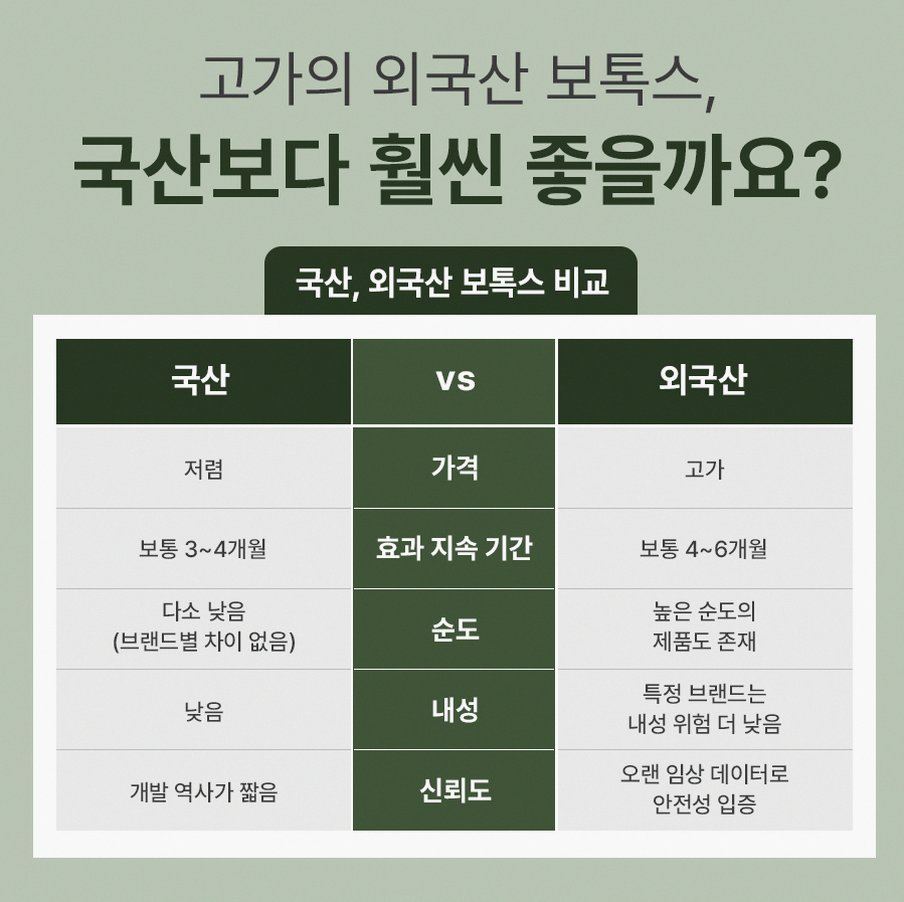
On the same day, you may receive basic or low-downtime treatments such as gentle laser toning, BBL, vascular laser for redness, skin boosters, or botox, depending on your condition and consent.
Day 2–3: Main procedures
If you are planning more intensive treatments such as Ulthera, Thermage FLX, RF microneedling, fractional lasers, or thread lifting, these are often scheduled on a separate day. This allows time for pre-procedure instructions and, if needed, blood tests or patch tests.
For acne or scar programs, you may undergo PDT, fractional laser, or RF microneedling during this period. For pigmentation, staged laser toning and iontophoresis may be arranged.
Day 4–7: Follow-up and aftercare
Depending on the procedures performed, you may have a follow-up visit for assessment, dressing changes, or additional skin management such as LDM or soothing treatments. The dermatologist will check your healing, answer questions, and adjust your home care plan.

If your stay is very short, the clinic may combine steps where safe and feasible, but they will generally avoid overloading your skin with too many aggressive treatments at once.
Aftercare and long-distance follow-up
After you return home, proper aftercare is essential for maintaining results and minimizing complications. The clinic usually provides written aftercare instructions in English, including:
How to cleanse and moisturize treated areas.
Which products to avoid (strong acids, scrubs, retinoids) for a certain period.
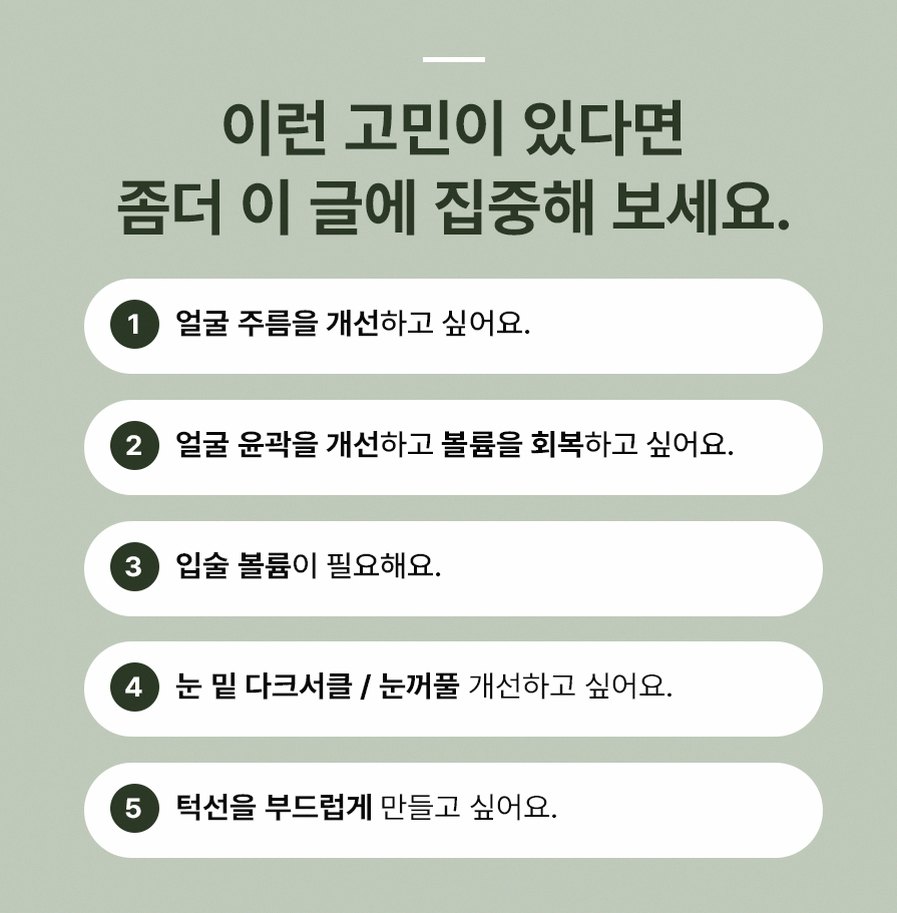
Sun protection guidelines, including recommended SPF and reapplication.
What to expect in terms of redness, swelling, peeling, or temporary darkening.
Warning signs that should prompt you to contact the clinic or see a local doctor.
For many treatments, the clinic can offer online follow-up using photos and messages. This is especially useful for monitoring pigmentation, acne, and scar healing. However, if you experience severe pain, sudden vision changes after facial injections, or signs of infection such as high fever and spreading redness, you should seek immediate care at a local medical facility.

Practical information for visiting Dongtan
The clinic is located on the third floor of a mixed-use building in Dongtan New City, Hwaseong. This area is accessible from Seoul and Incheon Airport by bus, subway connections, and taxi. Many patients choose to stay in nearby hotels or serviced apartments within walking or short taxi distance.
Opening hours typically cover weekdays and Saturdays, with no complete closure during midday. There is a designated lunch time, but reception and basic services continue, which is convenient if you have a tight schedule. One weekday usually has extended evening hours to accommodate working patients.
Online reservation is available through local platforms on specific weekdays, which can be useful if you are already in Korea. For international patients, it is often better to arrange appointments directly by email or phone in advance, especially if you need an interpreter.
From early 2026, the clinic plans to post a non-insured price list publicly, supporting transparent and predictable pricing. A before-and-after gallery for acne, redness, pigmentation, and scars is available to registered members, helping you understand realistic ranges of improvement.
Safety, ethics, and realistic expectations
The dermatologists at this Dongtan clinic base their treatments on medical evidence and academic guidelines. They avoid promising specific results, as outcomes can vary depending on individual skin characteristics, lifestyle, and adherence to aftercare.
During consultation, they will usually explain the expected degree of improvement, possible side effects, and alternative options. For example, they may suggest combining milder, repeated treatments rather than a single aggressive session if your skin is sensitive or if you have a history of pigment problems.
As an overseas patient, it is important to be honest about your medical history, previous procedures, and expectations. Bring or request copies of any previous biopsy reports, lab results, or treatment records if available. This information helps the dermatologist design a safer, more effective plan.
Frequently asked questions about visiting a Dongtan board-certified dermatologist

What skin problems can I treat during a short stay in Korea?
During a short stay, many international patients focus on conditions that can benefit from one or two sessions, such as lifting with Ulthera or Thermage FLX, botox and fillers, gentle laser toning for pigmentation, or vascular laser for redness. For chronic diseases like psoriasis, vitiligo, or severe acne, the goal is often to stabilize the condition, adjust medications, and set up a long-term plan you can continue at home. Deep scars and stubborn melasma usually require multiple visits over months, so you may start the program in Korea and continue later.
Is it safe to have multiple procedures in one trip?
It can be safe to combine procedures if they are planned carefully by a board-certified dermatologist who understands skin healing and device interactions. For example, lifting with Ulthera and injectables may be done in the same visit, while aggressive fractional resurfacing might be scheduled separately. The dermatologist will consider your skin type, travel schedule, and tolerance for downtime before recommending combinations. Overloading the skin with too many strong treatments at once is usually avoided.
How should I choose between Ulthera, Thermage, threads, and injectables?
The choice depends on your age, skin laxity, facial volume, and how much downtime you can accept. Ulthera and similar focused ultrasound devices are often used for lifting and contouring in patients with mild to moderate sagging. Thermage-type radiofrequency devices focus more on tightening and texture. Threads can provide more immediate lifting but involve small entry points and potential swelling. Fillers and collagen-stimulating injectables restore volume and improve contours. A board-certified dermatologist in Dongtan will examine your face and discuss which combination best matches your goals and schedule.
Can I get follow-up care after I return to my country?
Yes, many overseas patients continue follow-up through online communication. You can send photos and updates, and the dermatologist can advise on general care, expected changes, and when to consider another visit. However, they cannot replace emergency care or in-person examination when needed. For chronic conditions, it is ideal to coordinate with a local dermatologist in your country, using the written treatment summary from your visit in Dongtan.
Soft call to action
If you are considering treatment in Korea and want care from board-certified dermatologists in the Dongtan area, you can start with an online consultation. Prepare photos, your medical history, and travel plans, and share your priorities clearly. With this information, the dermatologists can outline a realistic schedule and explain which treatments are suitable for your skin and timeline.
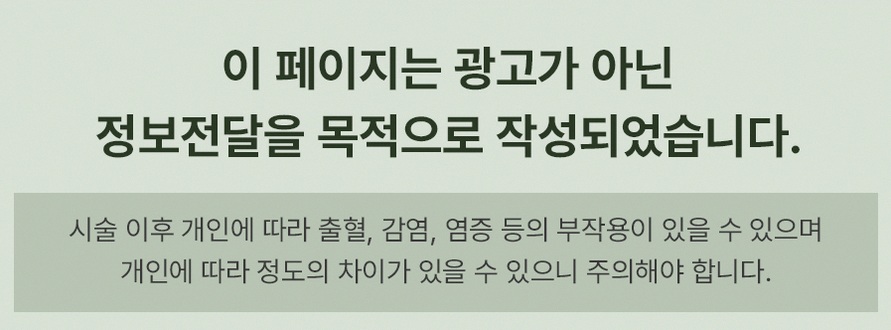
This article is for general information only and does not replace a personal consultation with a qualified medical professional. Diagnosis and treatment should always be decided after an in-person examination and discussion of your individual situation.
- 공유 링크 만들기
- X
- 이메일
- 기타 앱


댓글
댓글 쓰기