Dongtan dermatology clinic guide for international patients in Korea
- 공유 링크 만들기
- X
- 이메일
- 기타 앱

Introduction
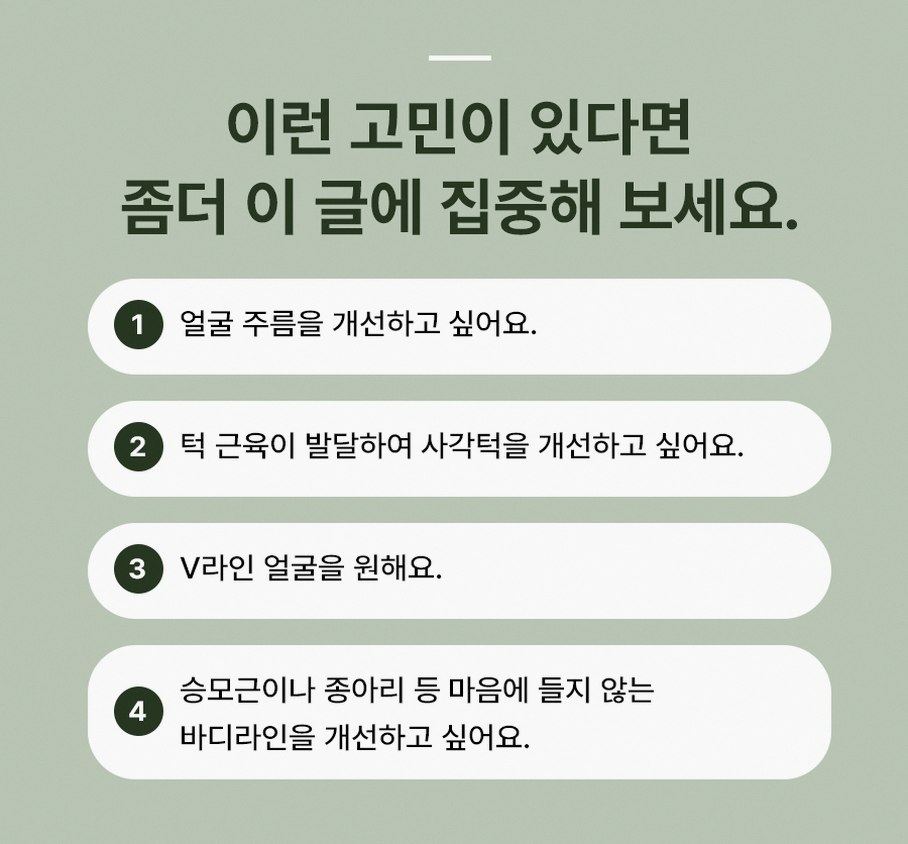
When people search for a “Dongtan dermatology clinic,” they are usually looking for one place that can handle many different concerns: acne and acne scars, redness and rosacea, pigmentation and melasma, psoriasis and vitiligo, lifting and anti-aging, hair loss, and even body issues such as stretch marks or excessive sweating.
In Dongtan New Town in Hwaseong, Gyeonggi-do, you can find dermatology clinics led by board-certified dermatologists with university-hospital experience, equipped with a wide range of laser and energy-based devices. This article explains how to evaluate a dermatology clinic in Dongtan and uses Whoo's Who Dermatology Dongtan branch as a concrete example of a specialist-led, device-based center.
The featured clinic is located in Dongtan New Town, on Dongtan-daero Sibeom-gil, inside a medical and commercial building. It focuses on specialist-led care with structured programs built around advanced devices, aiming to cover both medical skin diseases and aesthetic dermatology in one place.

How to choose a dermatology clinic in Dongtan
When choosing a dermatology clinic in Dongtan, there are a few practical criteria you can check before you book.
First, confirm that there is a board-certified dermatologist on site who actually sees patients. This is important if you have chronic diseases like psoriasis, vitiligo, atopic dermatitis, or complex acne and scarring. A dermatologist can integrate medical treatment, procedures, and long-term follow-up.
Second, look for a clear treatment lineup. Good clinics usually explain which conditions they treat (for example, acne, pigmentation, redness, psoriasis, vitiligo, hair loss, body concerns) and which devices or programs they use. This helps you understand whether they can manage both your disease and aesthetic needs.
Third, check for transparent information about non-insured (cosmetic) procedures. Many Korean clinics publish price ranges or detailed lists. From 2026 onward, the featured clinic plans to publicly post non-insured treatment price lists, which can help international patients plan their budget more clearly.

Fourth, consider follow-up care. Chronic skin diseases and multi-session laser programs require repeated visits. A Dongtan clinic with stable medical staff, clear scheduling, and structured programs will be more convenient if you plan to return to Korea or stay for a few weeks.
The medical staff background at this Dongtan clinic illustrates what you might look for. Both representative doctors are board-certified dermatologists, graduates of Kyung Hee University School of Medicine, and external faculty members in the dermatology department at Kyung Hee University Medical Center. This university-hospital connection supports evidence-based diagnosis and treatment.
One representative doctor previously served as head of dermatology at the medical office of the presidential residence (Cheong Wa Dae) and placed first in the first-stage national dermatology board examination. This indicates strong academic performance and experience in high-responsibility medical roles.
The other representative doctor trained at the UCI Beckman Laser Institute in the United States, a well-known center for laser and energy-based device research. This background supports credibility in laser, light, and radiofrequency treatments.
Both doctors are full members of multiple Korean dermatology-related societies and the American Academy of Dermatology (AAD). Memberships in psoriasis and vitiligo societies, as well as acne, atopic dermatitis, hair, and laser societies, suggest that they keep up with current guidelines and research in chronic inflammatory and pigmentary diseases.
Location, access, and operating hours
The clinic is located on the 3rd floor of the Port Central City building, at 146 Dongtan-daero Sibeom-gil, in Dongtan 2 New Town, Hwaseong, Gyeonggi-do. It serves as a local community dermatology clinic for residents of Dongtan New Town and nearby areas, but it is also accessible for international patients staying in southern Seoul or Suwon who can travel by car, taxi, or public transport.
Operating hours are listed as Monday to Thursday 10:00–19:00, Friday 10:00–20:00, and Saturday 09:00–14:00. The clinic is closed on Sundays and public holidays.
There is some nuance regarding lunch time. The information states both “no lunch break” and a lunch time of 13:00–14:00. This may mean that reception or some services continue while doctors rotate breaks. If you are coming from overseas or have a tight schedule, it is safest to confirm exact consultation hours when you book, especially around midday.
Online booking via a major portal (Naver) is available on Wednesdays and Thursdays. Using online booking can reduce waiting time and help you secure a slot with a specific doctor.
Medical staff and clinical philosophy
This Dongtan clinic operates a dual-director system, with two representative dermatologists who are both board-certified.
The first representative doctor graduated from Kyung Hee University School of Medicine and completed dermatology residency there. They serve as external faculty in dermatology at Kyung Hee University Medical Center. Their previous role as head of dermatology at the Seoul district hospital of the presidential medical office reflects experience in managing complex and sensitive cases. Being the top scorer in the first-stage national dermatology board examination further highlights their academic strength. They are members of major dermatology-related societies, including acne, atopic dermatitis, hair, and laser societies, as well as the American Academy of Dermatology.
The second representative doctor also graduated from Kyung Hee University School of Medicine and completed dermatology residency at the same institution. They are an external faculty member in dermatology at Kyung Hee University Medical Center and have undergone training at the UCI Beckman Laser Institute. This supports their expertise in laser and energy-based devices. They are members of psoriasis and vitiligo societies, as well as other dermatology, atopic dermatitis, hair, and laser societies, and the American Academy of Dermatology.
In practice, this background translates into a university-hospital style of care: careful diagnosis, evidence-based selection of devices, and structured management of chronic conditions such as psoriasis, vitiligo, and atopic dermatitis. For international patients, this can be reassuring if you want more than a purely cosmetic approach.
Main clinical lineup: medical dermatology
Psoriasis and vitiligo
Psoriasis and vitiligo are chronic conditions that usually require long-term management, not one-off cosmetic procedures. Psoriasis is an inflammatory disease that can affect skin, scalp, and nails, while vitiligo involves loss of pigment in patches.
At this Dongtan clinic, a dermatologist who is a member of psoriasis and vitiligo societies directly manages these conditions. Treatment may include topical medications, systemic drugs, phototherapy, and adjunctive procedures, depending on severity. For residents or visitors in Dongtan, this means you can access specialized care locally rather than always traveling to a university hospital.
General skin diseases
The clinic also manages common dermatologic conditions such as eczema, atopic dermatitis, urticaria (hives), skin infections, and various rashes. Having a board-certified dermatologist evaluate rashes is important, because some conditions can look similar but require different treatments. For example, a rash that looks like eczema could be an infection or a drug reaction.

Nail fungus program
For nail fungus (onychomycosis) of the hands and feet, the clinic offers a dedicated pinpoint program. The clinic's pinpoint program may use lasers and/or antifungal medications depending on the dermatologist's assessment. Laser treatments can be helpful when topical agents alone have been insufficient, and a dermatologist will evaluate whether oral medication is appropriate and safe for you.
Vascular and redness issues
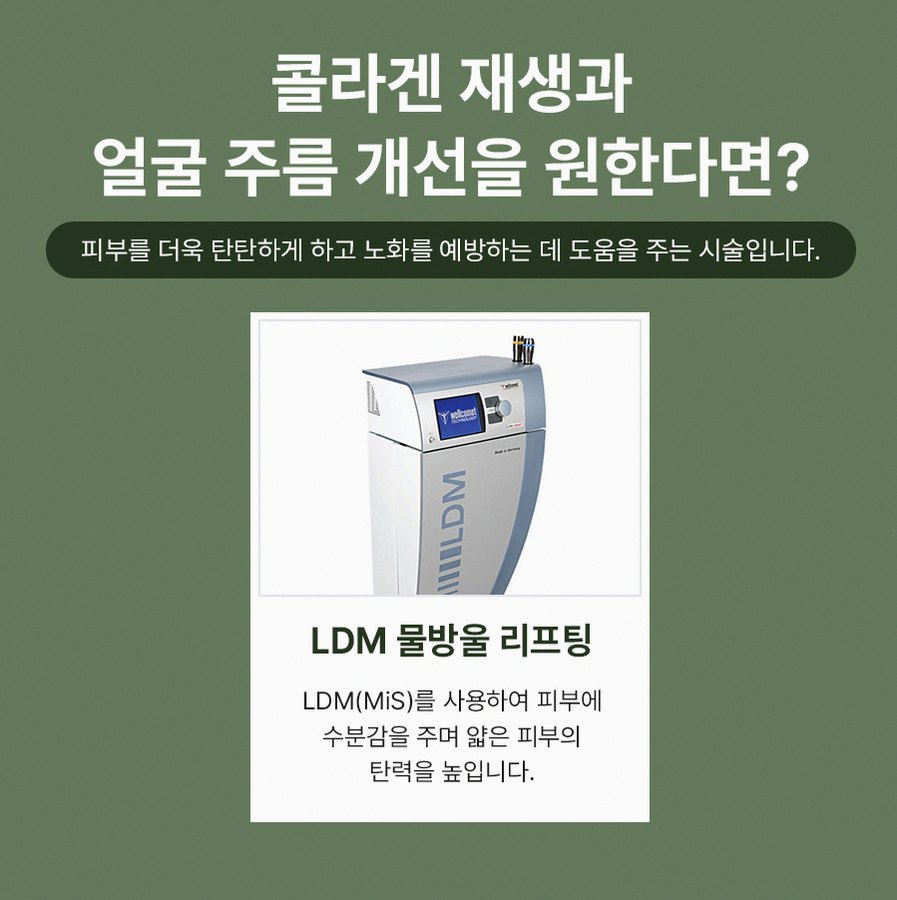
Facial flushing, rosacea, and visible capillaries are addressed with a structured “Red Out” program. Devices include the Vbeam Perfecta pulsed dye laser, which targets blood vessels, and LDM, an ultrasound-based system used to support skin barrier function and reduce inflammation.
By combining vascular lasers with supportive treatments, the clinic aims to improve redness while minimizing irritation, which is especially important for sensitive or rosacea-prone skin.
Scalp and hair loss
Scalp disorders and hair loss (alopecia) are also part of the medical lineup. Evaluation usually includes a detailed history, scalp examination, and sometimes blood tests or dermoscopy. Treatment can range from topical or oral medications to procedural options such as injections or device-based therapies, depending on the cause (androgenetic alopecia, telogen effluvium, alopecia areata, etc.).

Acne and acne scar programs
Instead of single-spot treatments, this Dongtan clinic uses a structured “Acne All-Kill Program” for acne management. This program combines medical and procedural steps.
First, you have a consultation with a dermatologist, who may prescribe topical or oral medications if needed. For inflammatory acne, photodynamic therapy (PDT) can be used to reduce oil production and bacteria.
For pores and acne scars, the clinic uses several devices, including Legato 2, Pro Fraxel, Secret RF, and Gold PTT (also called Capri in some menus).
Fractional lasers such as Pro Fraxel and Legato 2 create microscopic treatment zones in the skin to stimulate collagen and resurface scars. Secret RF is a radiofrequency microneedling device that delivers energy through fine needles, improving texture and scars with controlled downtime.

Gold PTT is listed among the clinic's acne and scar treatment options. Ask the clinic for details about the procedure, how it works, and whether it is suitable for your skin concerns.
For deep, depressed scars, scar fillers may be used selectively to lift the base of the scar. Often, a combination of fractional devices, RF microneedling, and occasional filler gives a smoother result over multiple sessions.
Pigmentation, melasma, and tone-up treatments
Pigmentation is a major concern for many international patients visiting Korea. This Dongtan clinic offers a wide pigmentation lineup.
The White Toning Up program focuses on overall brightening and melasma management, usually with gentle, repeated treatments. Fotona laser toning is used for soft, layered targeting of pigment, suitable for patients who prefer minimal downtime.

GentleMax Pro, which combines alexandrite and Nd:YAG wavelengths, is used for pigmented lesions and also for hair removal. BBL (BroadBand Light) is used for redness and pigmentation, especially sun damage and uneven tone.
Ionzyme DF, an iontophoresis and sonophoresis system, helps deliver active ingredients deeper into the skin after laser or as a stand-alone treatment. This supports hydration and pigment control.
Melasma and pigment disorders require careful, staged treatment by a dermatologist. Too aggressive a laser can cause rebound hyperpigmentation, especially in darker skin types. At this Dongtan clinic, multiple devices and topical regimens are combined and adjusted to your skin type, lifestyle, and travel schedule, rather than relying on a single laser.
Lifting, anti-aging, and injectables
For lifting and tightening, the clinic offers several non-surgical options.
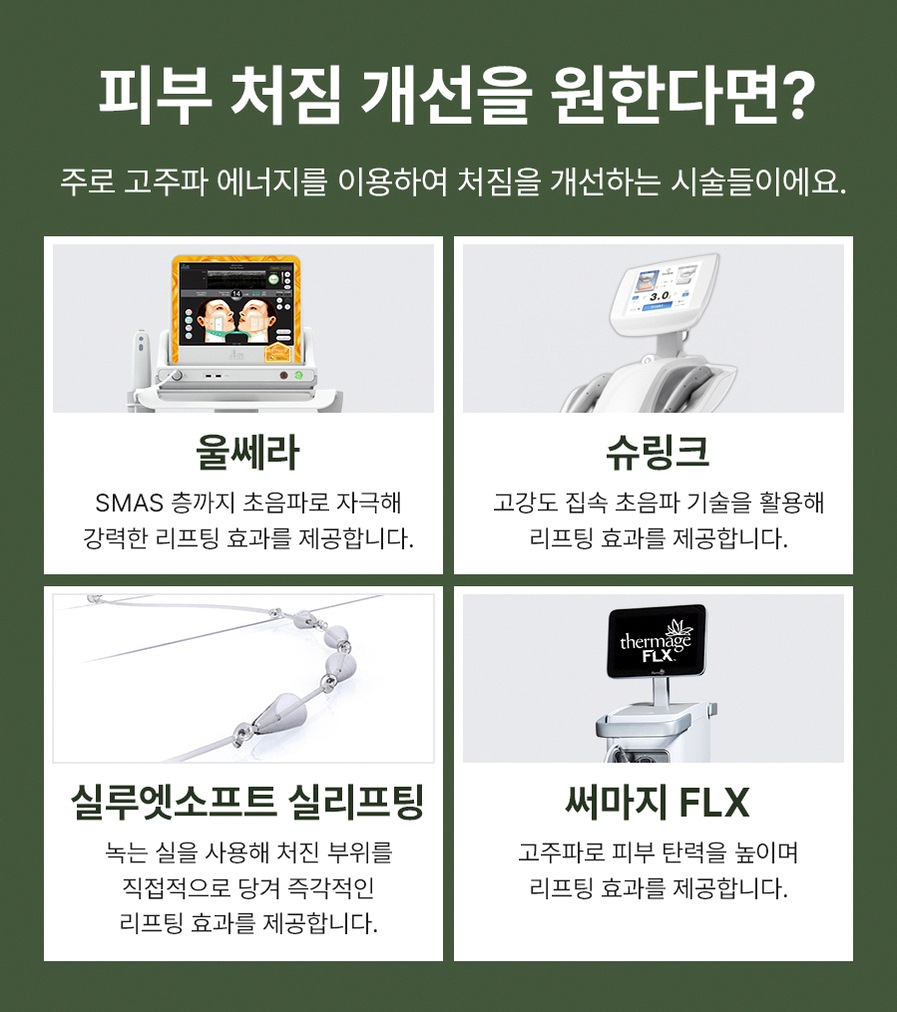
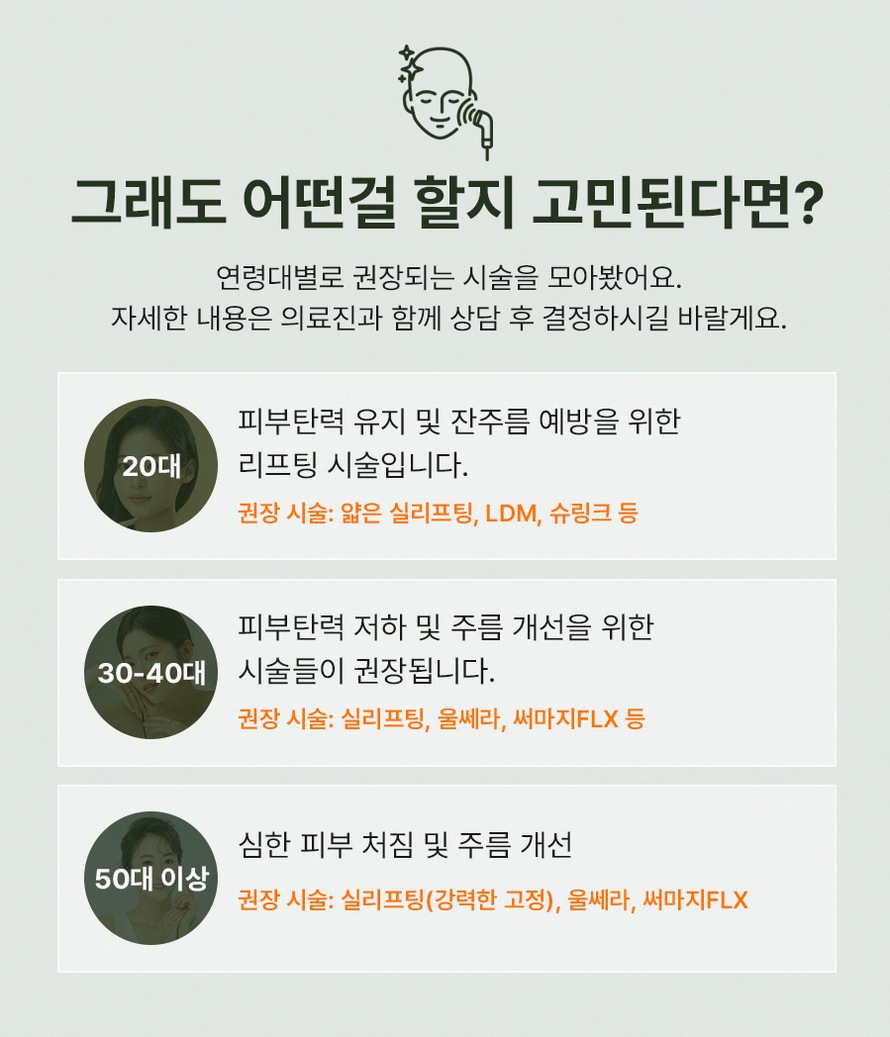
3D Ultherapy (Ulthera) is an ultrasound-based treatment that targets the SMAS layer, the same layer addressed in surgical facelifts, to create lifting and tightening over time. Thermage FLX is a radiofrequency-based device that heats the dermis to stimulate collagen and improve laxity.
Additional non-surgical lifting options include SkinTyte and Shrink, which are HIFU-type or light-based devices for skin tightening with varied depths and downtime. Onda lifting, a microwave-based device for body and skin tightening, is currently in an introductory event phase, making it attractive for patients interested in body contouring.
Thread lifts such as Mint Lifting and Silhouette Soft provide mechanical lifting and contouring by inserting absorbable threads under the skin. These are often combined with energy-based treatments and injectables.
Rejuran injections are used for skin quality and regeneration, improving texture and fine lines. Other anti-aging injections and Belkyra (deoxycholic acid) are available for submental fat reduction under the chin.
The clinic emphasizes that Ultherapy and Thermage are performed by dermatology specialists, which is important for safety, correct energy settings, and natural-looking results. Treatment plans are customized based on skin laxity, age, facial structure, and your tolerance for downtime.

Botox, fillers, and skin boosters
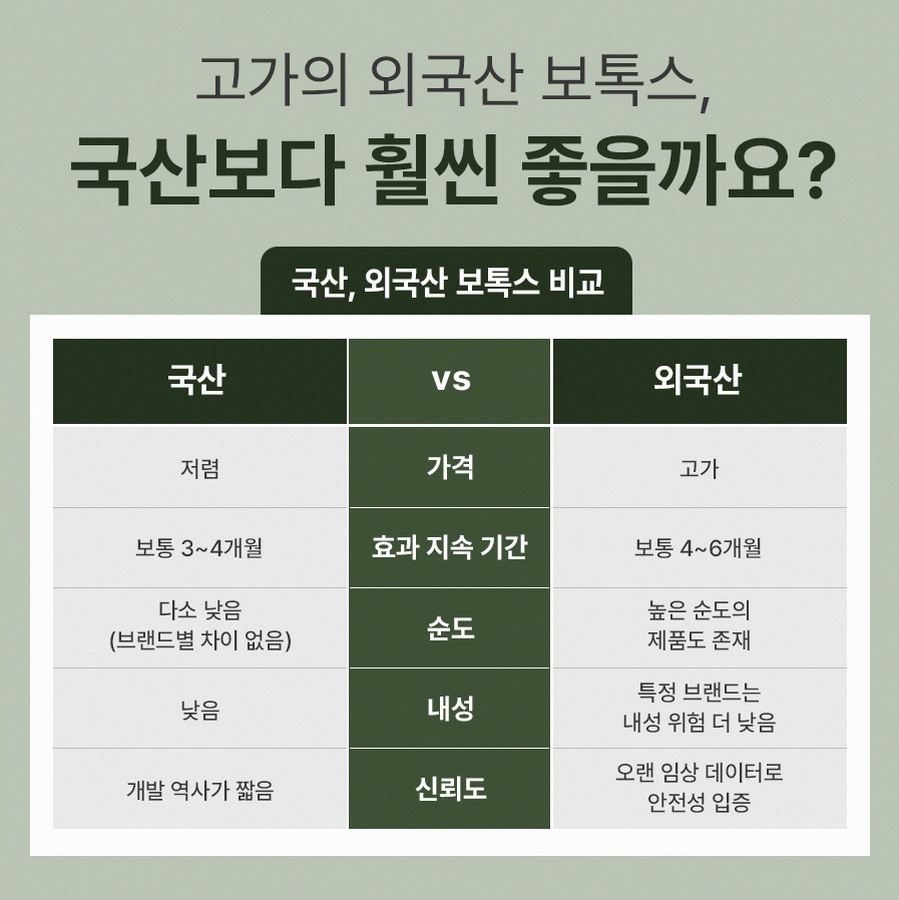
Botox is used not only for facial wrinkles and expression lines (forehead, glabella, crow’s feet) but also for hyperhidrosis (excessive sweating, for example underarms) and “body Botox” for contouring and muscle slimming in selected areas such as calves or jawline.
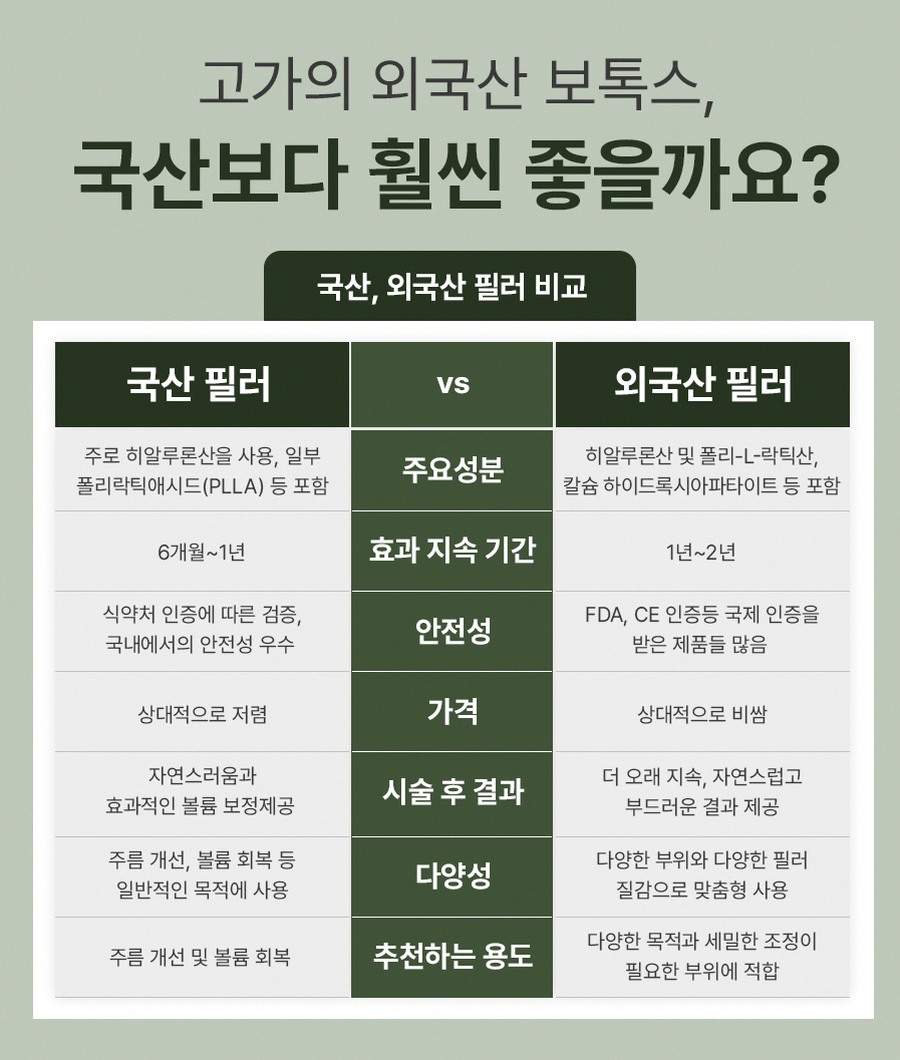
Fillers, primarily hyaluronic acid-based, are used to restore volume in nasolabial folds, cheeks, lips, and under-eye hollows. The clinic also lists collagen-stimulating injectables such as Juvelook and Ellanse, which help induce collagen over time for longer-lasting structural improvement.
Skin boosters include hydro lifting or “water glow” injections for hydration and fine-line improvement, and Rejuran as a separate category focused on dermal regeneration and texture.
All injectables should be performed by experienced dermatologists with a strong understanding of facial anatomy, to minimize complications like vascular occlusion or asymmetry. At this clinic, injectables are performed by the dermatology team; ask which doctor will perform your procedure.
Body clinic and additional services
Body concerns are also addressed. Stretch marks can be treated with fractional lasers and other collagen-inducing modalities, often over several sessions. Laser hair removal is performed using devices such as GentleMax Pro, which can treat different skin types.
Hyperhidrosis treatment, especially for underarm sweating, can involve Botox injections or device-based options depending on the case. Body Botox is used for contouring and muscle slimming in selected areas, after consultation.
Additional services include online consultation options for preliminary questions, which can be useful for overseas patients planning their trip. The clinic also has a before-and-after photo board for acne, facial redness, pigmentation, and scars, accessible to registered members. This helps patients understand realistic outcomes and typical improvement ranges.
From 2026 onward, the clinic plans to post non-insured treatment price lists publicly, supporting transparency and easier comparison for international visitors.

Patient experience and practical tips
A typical visit to a Dongtan dermatology clinic like this usually follows a clear flow. After reception and basic registration, you meet a dermatologist for consultation. Depending on your concern, they may perform a skin analysis, dermoscopy, or simple photographs.
The doctor then explains possible treatment options, including medical therapy and device-based procedures, with expected session numbers and downtime. For multi-session programs, you can schedule procedures according to your stay in Korea.
Because the clinic operates with relatively continuous hours but lists a lunch time, it is wise to confirm exact consultation times when booking, especially if you want to see a specific doctor.
Before your visit, prepare a short list of your main concerns (for example, acne and scars, melasma, psoriasis, hair loss) and any medications or supplements you are currently taking. If you have had previous laser or injections, bring photos or records if possible.
For sensitive skin or darker skin types, ask about patch tests or staged treatments, especially when multiple lasers or energy devices are planned. This can reduce the risk of irritation or pigmentation changes.
Chronic conditions such as psoriasis, vitiligo, and atopic dermatitis require repeated follow-up visits. If you plan to stay in Korea for a longer period or return regularly, choosing a nearby Dongtan clinic with stable medical staff can make long-term management more convenient.
Who may consider a Dongtan dermatology clinic
International patients may choose a Dongtan clinic instead of central Seoul for several reasons. If you are staying in Dongtan New Town, Hwaseong, or nearby cities like Suwon, it is convenient to access comprehensive dermatology care without long travel times. Dongtan is also a residential area with many families and professionals, so clinics here are used to managing everyday skin diseases as well as aesthetic needs.
You may consider this Dongtan clinic if you:
• Want integrated care for both medical skin diseases (psoriasis, vitiligo, atopic dermatitis, nail fungus, hair loss) and aesthetic concerns (acne scars, pigmentation, lifting, injectables).
• Prefer a specialist-led approach with board-certified dermatologists and university-hospital style standards.
• Need structured programs that can be adjusted to a short or medium-length stay in Korea.

Online consultation and pre-visit preparation
Before traveling, you can request an online consultation or send a message with photos of your skin concern. While a final diagnosis usually requires an in-person exam, online consultation can help you understand whether the clinic is suitable for your needs, approximate numbers of sessions, and a rough time frame.
When preparing, consider sharing:
• Your main goals (for example “reduce melasma and redness,” “treat long-standing psoriasis,” “improve acne scars”).
• Medical history, including allergies, chronic diseases, and current medications.
• Previous treatments, especially lasers, peels, or systemic medications like isotretinoin.
This information allows the dermatologist to suggest a realistic plan for the duration of your stay.
Expected Korea visit timeline
For short stays of 3–5 days, the focus is usually on consultation, basic medical treatment, and one or two low-downtime procedures such as toning lasers, BBL, or skin boosters.
For stays of 1–2 weeks, you may combine more intensive treatments, such as fractional lasers for scars or stretch marks, with injectables or lifting devices. The clinic can schedule higher-downtime treatments earlier in your trip so that most redness or swelling subsides before you fly home.
For long-term residents in Dongtan, multi-month programs for acne, pigmentation, or chronic diseases can be planned with regular follow-ups, laboratory monitoring when needed, and gradual adjustments.
Aftercare and follow-up
After procedures, the clinic provides instructions on cleansing, moisturizing, sun protection, and any temporary activity restrictions. For laser and energy-based treatments, strict sun protection is essential to reduce the risk of pigmentation.
If you are returning overseas soon after treatment, ask for written aftercare instructions in English and clarify how to contact the clinic if you have questions. For chronic conditions, the dermatologist may coordinate with your local doctor by summarizing your diagnosis and current treatment plan.
FAQ
How do I choose a good dermatology clinic in Dongtan?
Check that a board-certified dermatologist is on site and actively seeing patients, review the clinic’s treatment lineup to see if it matches your needs, and look for transparent information about non-insured procedures and follow-up policies. You can also review the doctors’ education, hospital affiliations, and society memberships to understand their background.
Can I treat psoriasis or vitiligo at a Dongtan clinic, or do I need a university hospital?
Many stable cases of psoriasis and vitiligo can be managed at a local Dongtan dermatology clinic, especially when the doctors are members of psoriasis and vitiligo societies and have university-hospital experience. Very severe or complicated cases may still require coordination with a university hospital, but ongoing management and many procedures can be done locally.
How many sessions are usually needed for melasma or pigmentation treatment?
Melasma and pigmentation usually require multiple gentle treatments spaced weeks apart, combined with topical care and diligent sun protection. The exact number of sessions depends on your skin type, severity, lifestyle, and how your skin responds; your dermatologist in Dongtan will adjust the plan after assessing your initial response.
Are Ultherapy and Thermage safe, and who should perform them?
Ultherapy and Thermage are widely used non-surgical lifting treatments, but they should be performed by experienced doctors who understand facial anatomy and device parameters. At this Dongtan clinic, dermatology specialists perform these procedures, which helps with appropriate energy settings, correct targeting, and management of any side effects.
Soft call to action
If you are considering treatment in Korea and want a Dongtan dermatology clinic that combines medical dermatology with advanced aesthetic programs, you can start with an online consultation. Share your concerns, travel dates, and previous treatments so the dermatology team can suggest a realistic plan tailored to your skin and schedule.
- 공유 링크 만들기
- X
- 이메일
- 기타 앱


댓글
댓글 쓰기