Dongtan dermatology clinic guide for overseas patients seeking comprehensive skin care
- 공유 링크 만들기
- X
- 이메일
- 기타 앱
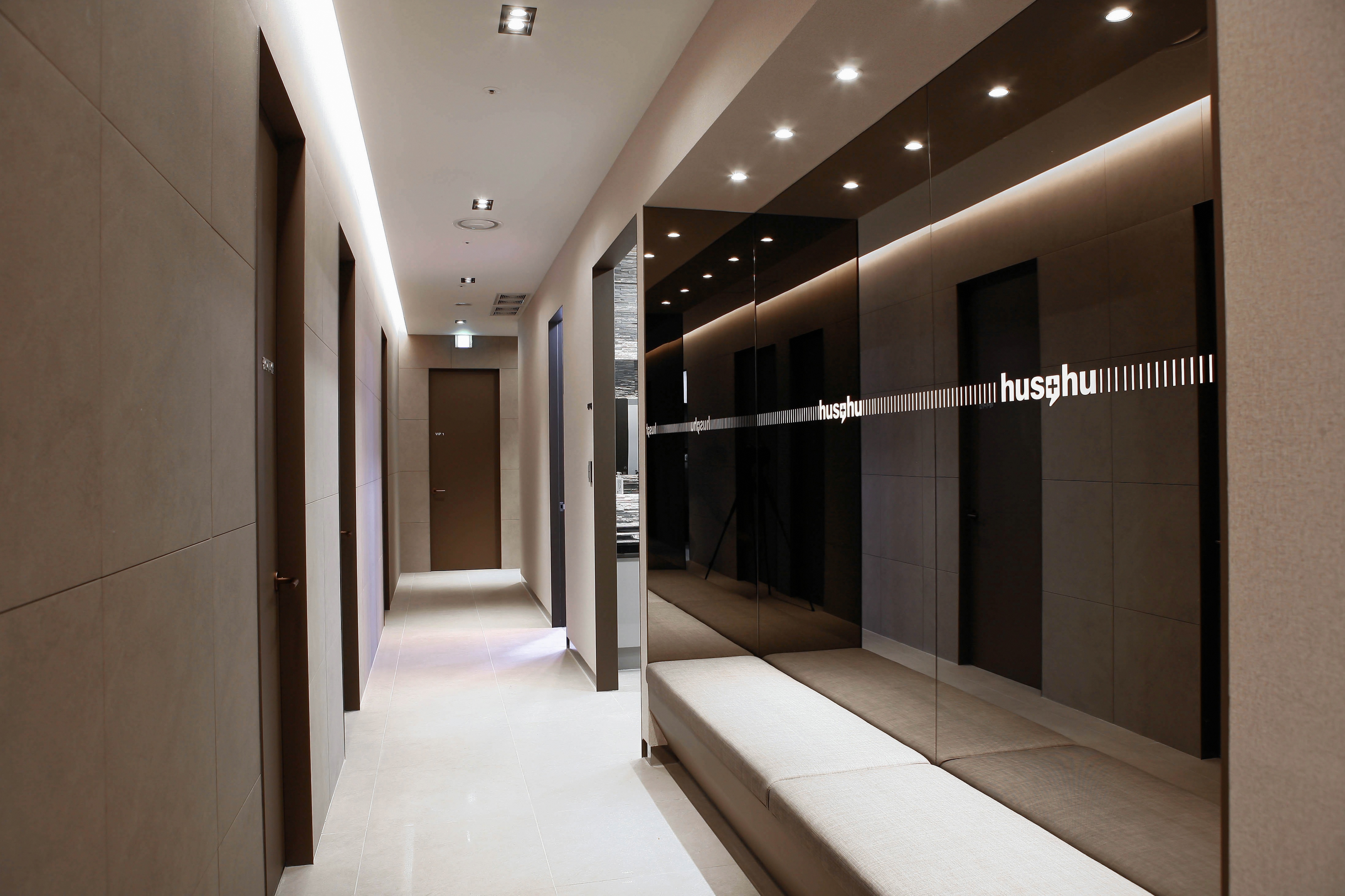
If you want a dermatology clinic in Dongtan that treats both medical skin conditions and cosmetic concerns, Hus-hu Dermatology Clinic Dongtan offers combined dermatologic care and aesthetic procedures under two experienced dermatologists. The clinic is positioned for practical access — located on the 3rd floor of Port Central City on Dongtan-daero — with weekday evening hours (open until 8 PM on Fridays) and Naver reservations on Wednesdays and Thursdays.
If you are searching for a Dongtan dermatology clinic that can handle both medical skin problems and aesthetic concerns during a visit to Korea, it is worth focusing on clinics led by board-certified dermatologists with university-hospital experience and a full range of laser, injection, and chronic disease programs. Hus-hu Dermatology Clinic Dongtan is an example of this type of comprehensive center in Dongtan New Town, combining specialist care for conditions such as psoriasis, vitiligo, acne, redness, and hair loss with laser, lifting, and injectable treatments.
This guide explains how to choose a dermatology clinic in Dongtan, what kinds of treatments are commonly available, how an overseas patient can plan a visit, and what to ask your dermatologist before starting treatment.
Why many overseas patients look for a Dongtan dermatology clinic
Dongtan New Town in Hwaseong-si has grown into a residential and business hub with easy access from Seoul and Suwon. As the area has developed, more patients living abroad but visiting family or traveling through Korea look for a Dongtan dermatology clinic that can provide both medical and cosmetic care within a limited schedule.
For international patients, the priorities are usually:
Quick yet thorough diagnosis by a specialist
Treatments that can be started or completed within a short stay
Clear communication about options, risks, and realistic expectations
Transparent non-insured pricing and predictable planning
A clinic located in a mixed-use building near main roads, such as the Port Central City building on Dongtan-daero Sibeom-gil, is convenient for visitors who may be using public transport, taxis, or rental cars.
Clinic profile and location overview
Hus-hu Dermatology Clinic Dongtan is a dermatology clinic in Dongtan New Town (Dongtan 2), Hwaseong-si, Gyeonggi-do, located on the 3rd floor of the Port Central City building on Dongtan-daero Sibeom-gil. This type of location is practical for overseas visitors staying in nearby residences or hotels.

Operating hours are generally suited to working adults and travelers:
Monday to Thursday: 10:00–19:00
Friday: 10:00–20:00
Saturday: 09:00–14:00
Closed on Sundays and public holidays
There is a designated lunch time from 13:00–14:00, but patient reception does not completely stop, which can help if you are trying to fit a visit between other appointments. As an example of convenient booking, online reservation through a major local portal is available on some weekdays, which can be helpful if you prefer to secure a time before arriving in Korea.
Medical team and why board certification matters
When choosing a Dongtan dermatology clinic, one of the most important points is whether your care will be led by board-certified dermatologists. In Korea, this means doctors who completed a dermatology residency and passed a national board examination.
At this clinic, two representative directors are board-certified dermatologists, both graduates of Kyung Hee University School of Medicine and both serving or having served as external faculty in the Department of Dermatology at Kyung Hee Medical Center. This university-hospital connection suggests regular exposure to complex cases and ongoing academic activity.

Director Jung Taek-jo has a background that includes completing dermatology residency, serving as an external professor, and achieving the top score in the first stage of the 54th Korean dermatology board examination. He also has experience working as a dermatologist in the presidential medical service and previously led a branch in a major Seoul district. Membership in national acne, atopic dermatitis, hair, and laser societies, as well as the American Academy of Dermatology, supports his involvement in both clinical and academic fields.
Director Lee Jong-ho also completed dermatology training at Kyung Hee University and serves as an external professor. He trained at the UCI Beckman Laser Institute in the United States, which is closely connected to expertise in laser and energy-based devices. His memberships include psoriasis, vitiligo, hair, and laser societies, as well as international associations, reflecting a focus on chronic inflammatory and pigmentary diseases.
For an overseas patient, this kind of profile means that the same dermatologists who teach and participate in academic societies are directly involved in your diagnosis, treatment planning, and procedures.
Range of services at a comprehensive Dongtan dermatology clinic
A strong Dongtan dermatology clinic should be able to cover both medical and aesthetic needs. Below is an overview of the main service areas you can expect, using this clinic as an example.
Medical dermatology and chronic skin disease
Psoriasis and vitiligo
Psoriasis and vitiligo are chronic conditions that often require long-term, stepwise management rather than a single procedure. At a clinic where dermatologists are members of national psoriasis and vitiligo societies, you can expect individualized plans that may combine topical medications, systemic drugs, and device-based options such as phototherapy or specific lasers when appropriate.
For overseas patients, the goal is often to stabilize or improve the condition during a limited stay, then coordinate ongoing care with doctors in your home country. Structured follow-up, including photos and written summaries, can help you and your local physician continue the plan.
Atopic dermatitis, eczema, and general skin disease
Common conditions such as atopic dermatitis, eczema, rashes, hives, and infections are also handled. A board-certified dermatologist can help distinguish between different causes of itching or inflammation, which is important before starting steroids, immunomodulators, or biologic therapies.
Redness and vascular issues
Facial flushing, visible capillaries, and rosacea-like redness are frequent concerns, especially for people who react strongly to temperature changes or alcohol. A structured redness reduction program may use vascular lasers, pulsed-dye systems, and supportive skincare. The dermatologist will usually assess triggers, skin barrier status, and any underlying rosacea before recommending a series of treatments.
Scalp and hair loss
Hair thinning and alopecia can be related to genetics, hormones, stress, or other medical conditions. A Dongtan dermatology clinic with a dedicated hair program can offer scalp evaluation, laboratory tests when needed, medical treatments, and scalp care. Early intervention is important, so an initial consultation during a Korea visit can be useful even if long-term treatment continues at home.
Nail fungus
Onychomycosis of the hands and feet is often stubborn. A dedicated program may combine pinpoint lasers with topical or oral antifungal agents. For travelers, it is common to start evaluation and initial treatment in Korea, then continue medication and periodic care after returning home.
Acne and scar care
Acne programs
A comprehensive acne program typically includes medical consultation, prescription medications, and in-clinic procedures. At this clinic, the approach is described as an “all-in-one” style program that can include professional extractions, chemical peels, energy-based devices, and, for more severe cases, photodynamic therapy (PDT) for inflammatory acne.
For overseas patients, the dermatologist can help design a realistic plan that fits your stay. For example, you might have more intensive in-clinic treatments during your time in Korea, then continue oral or topical medications at home.
Pore and scar programs
For acne scars and enlarged pores, a combination of fractional lasers, radiofrequency microneedling, and other resurfacing technologies is often used. Devices similar to ProFractional lasers, Secret RF, and Legato 2 can target different depths and types of scars.
Because these treatments usually require multiple sessions spaced several weeks apart, it is important to discuss your travel schedule. Some patients choose to have one or two higher-impact sessions in Korea and then maintain results with milder treatments at home.
Scar filler
For certain depressed scars, targeted filler injections can help level the skin surface. This is usually considered after the main inflammatory phase has settled and may be combined with laser or microneedling treatments.

The clinic's before-and-after photo gallery for acne, redness, pigmentation, and scars is accessible only to registered members on its website. These images are examples and individual results vary; reproducing or presenting such photos requires explicit patient consent and appropriate disclosure of potential side effects and variability.
Pigmentation and melasma care
Pigmentation problems include freckles, sunspots, post-inflammatory hyperpigmentation, and melasma. Each type behaves differently, so careful diagnosis is critical.
Laser toning using platforms similar to Fotona-type devices can gently address diffuse pigmentation. Dual-wavelength systems comparable to GentleMax Pro can target both pigment and small vessels. Broad-band light (BBL) devices are used to improve overall skin tone and sun damage.
In addition, structured whitening or brightening programs may use iontophoresis-based treatments such as ionzyme-type systems to enhance penetration of active ingredients.

Melasma in particular is sensitive to over-aggressive treatment, which can worsen discoloration. An experienced dermatologist will usually combine low-fluence laser toning, topical agents, sun protection, and sometimes oral medications, with careful monitoring.
Lifting, anti-aging, and contouring
Non-surgical lifting devices
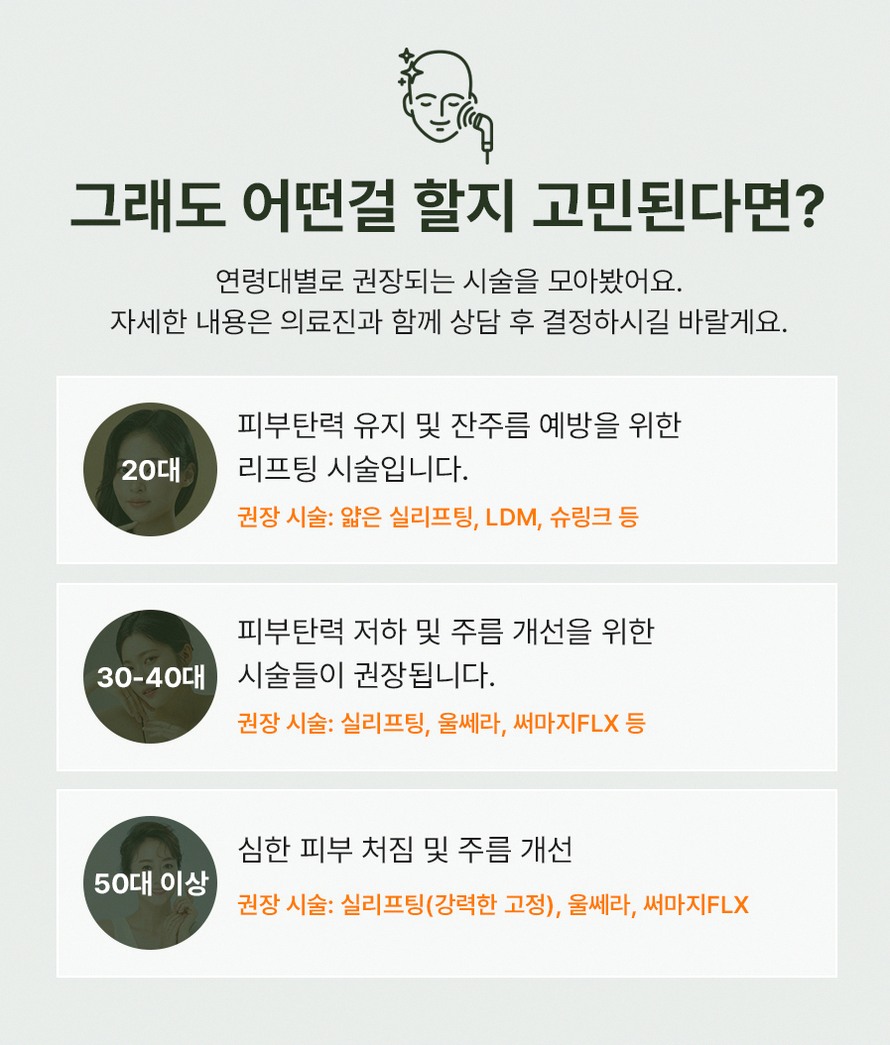
For patients concerned about skin laxity and facial contour, non-surgical lifting devices are widely used in Korean dermatology clinics. Examples include:
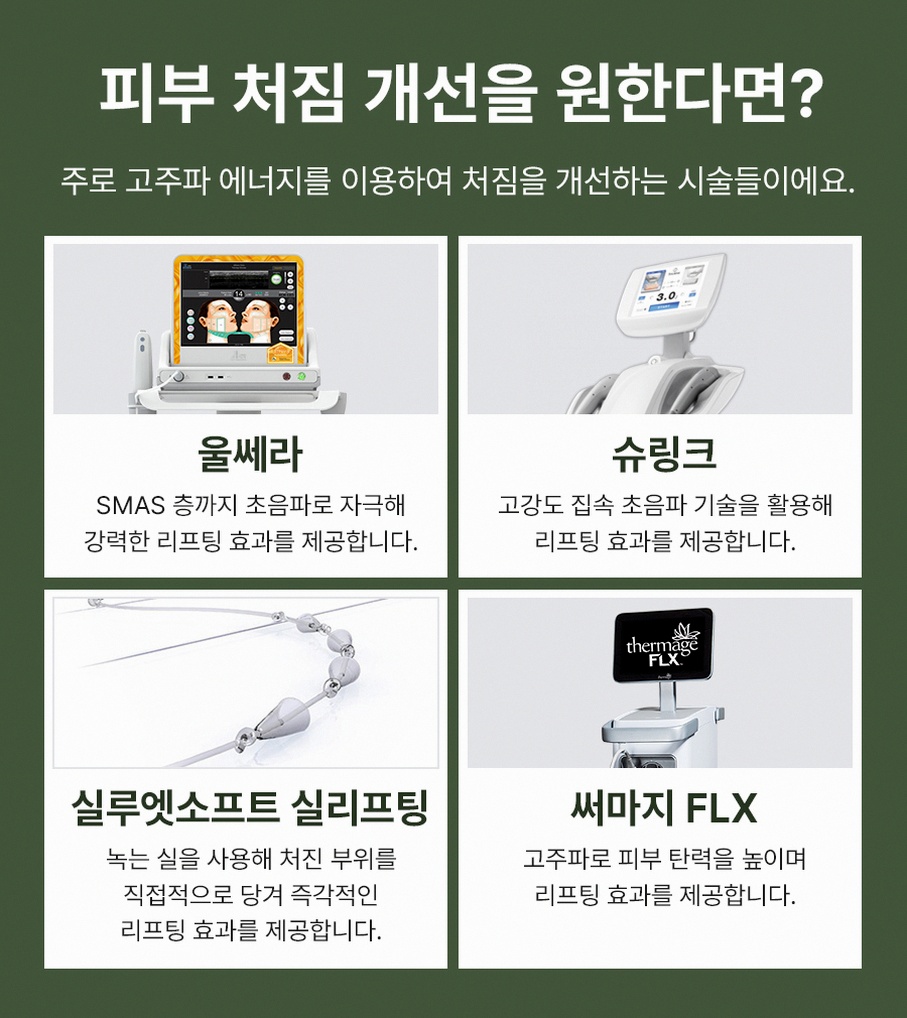
High-intensity focused ultrasound (HIFU) systems similar to 3D Ultherapy-type platforms for deeper lifting of the SMAS layer
Monopolar radiofrequency devices like Thermage FLX for skin tightening and collagen stimulation
Additional tightening devices such as SkinTyte or Shurink-type HIFU to target more superficial layers or specific areas

These treatments can often be done in a single main session with follow-up at intervals of several months to a year, which suits many overseas visitors.
Injectable and thread-based anti-aging
Skin boosters, including polynucleotide-based injectables similar to Rejuran, are used to improve skin quality, texture, and hydration. Thread lifting using systems such as Mint lifting or Silhouette Soft can provide mechanical lifting and contouring without surgery.
For submental fat under the chin, deoxycholic acid-based injections like Belkyra-type products can help refine the jawline. These may require multiple sessions, so timing should be discussed in advance.
New technology and body/face tightening
The clinic has introduced a new body and face tightening device similar to Onda-type technology and is running an introductory event. This suggests an active approach to updating equipment and expanding options for non-surgical contouring.

Injectables and skin boosters
Beyond anti-aging threads and lifting devices, a Dongtan dermatology clinic often offers:
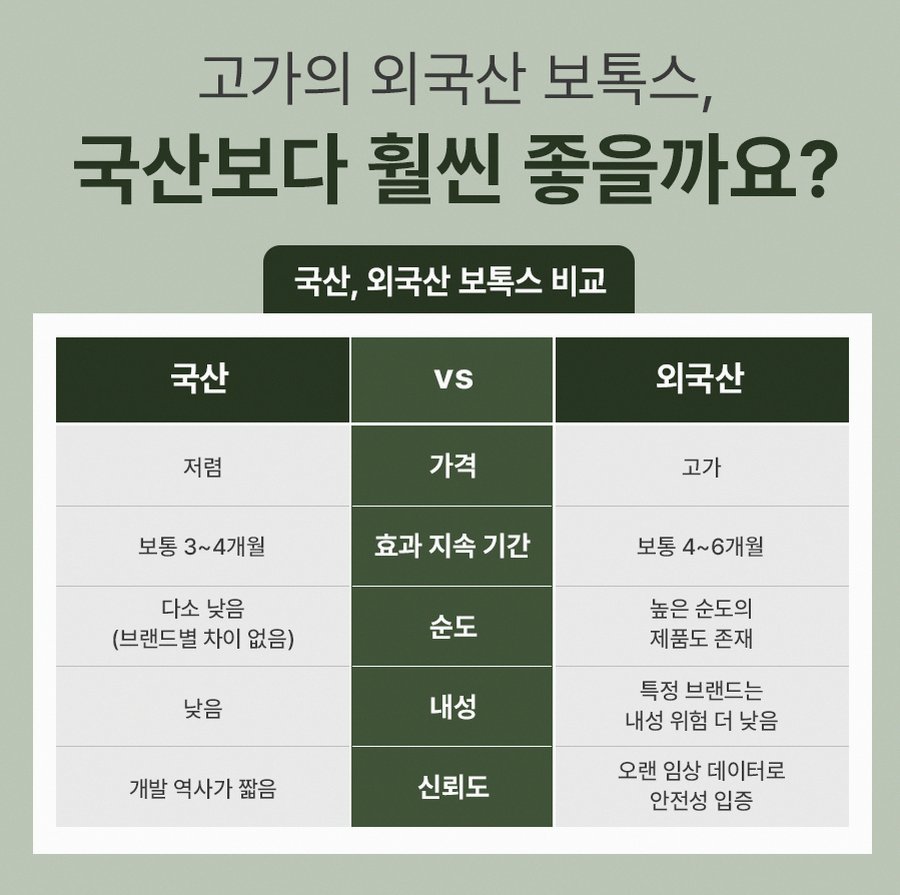
Botulinum toxin injections for dynamic wrinkles, facial contouring (for example, jawline slimming), and hyperhidrosis (excessive sweating)
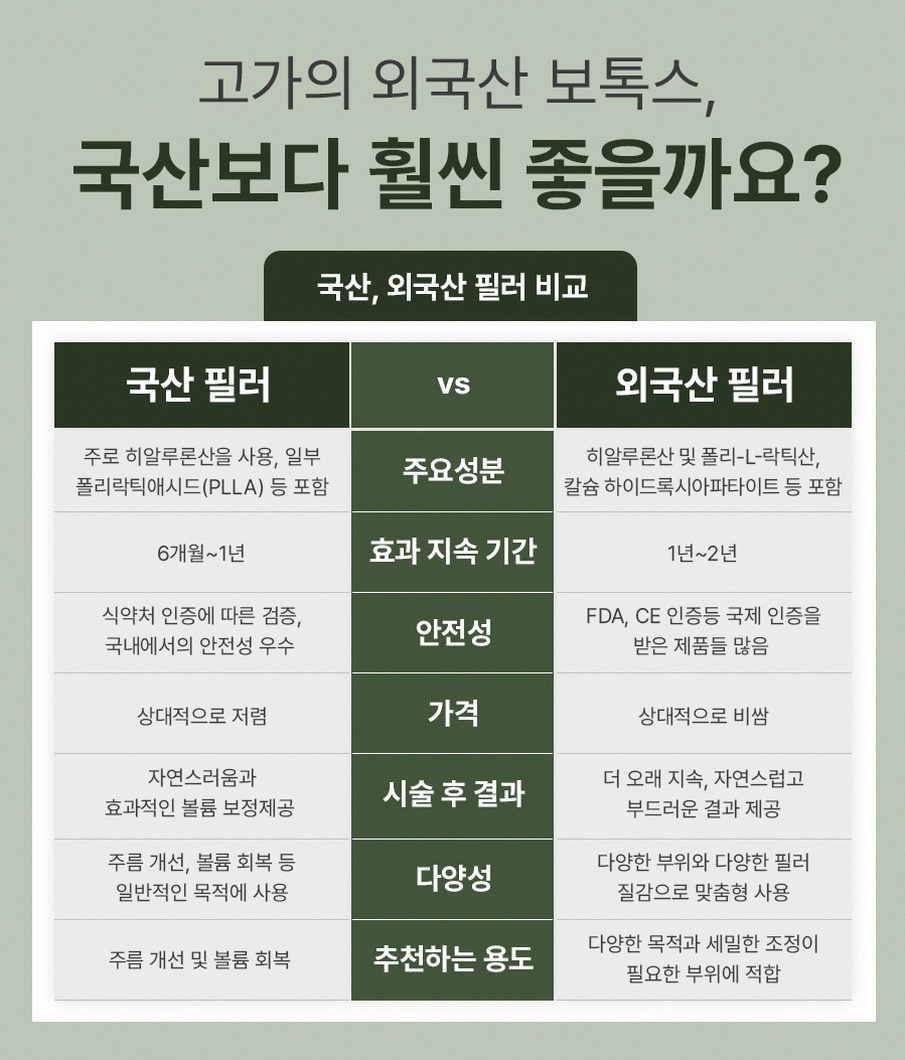
Hyaluronic acid fillers for volume restoration in areas such as cheeks, nasolabial folds, and lips, as well as structural contouring of the nose or chin
Biostimulatory or hybrid fillers similar to Juvelook or Ellanse, which aim to stimulate collagen over time
Hydrating mesotherapy-style injections for overall glow and moisture
A key point for international patients is to discuss the expected duration of effect, possible side effects, and how easily treatments can be managed or reversed in your home country if needed.
Body clinic services
A comprehensive Dongtan dermatology clinic may also provide body-focused treatments, such as:

Stretch mark care using lasers and energy-based devices
Laser hair removal for various body areas
Treatment of excessive sweating, including body botox for sweat reduction or contouring
These services can often be combined with facial treatments in a single visit, but treatment intervals and total session numbers should be clearly planned.
Equipment and safety systems
For conditions like redness, pigmentation, and skin laxity, the choice of device and settings is crucial. At a clinic where one of the directors has trained at a major laser institute and both are active in laser societies, device selection is typically made by dermatologists who understand both the technology and the underlying skin condition.

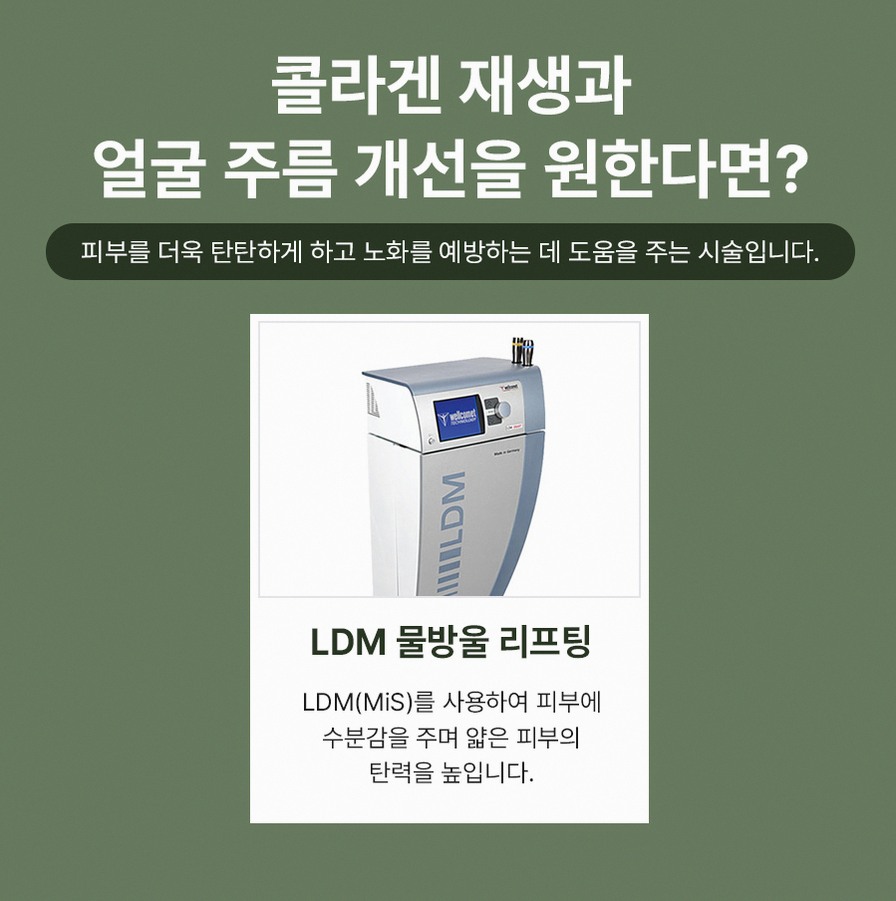
You can expect a range of premium platforms, including vascular pulsed-dye lasers, dual-wavelength pigment and vascular systems, BBL-type devices, HIFU, and radiofrequency systems. Ultrasound-based skin management similar to LDM-type ultrasound may be used to support the skin barrier and to calm the skin after procedures.
How the patient journey usually works
Initial consultation
A typical visit starts with registration and a consultation with a board-certified dermatologist. For overseas patients, it is helpful to bring or send in advance:
Recent photos of your skin without makeup
A list of current medications and supplements
Information about previous treatments, including dates and any side effects
Any relevant medical records or lab results
During the consultation, the dermatologist will examine your skin, make or confirm a diagnosis, and explain treatment options, expected course, and possible risks. For chronic conditions like psoriasis, vitiligo, and atopic dermatitis, the focus is on long-term control and realistic goals.
Treatment and follow-up
Some simple procedures may be possible on the same day if scheduling and pre-procedure checks allow; confirm availability and any required preparations with the clinic in advance. Certain treatments, such as some lasers or injectables, may require avoiding blood-thinning medications or alcohol beforehand.
For overseas visitors, the dermatologist may suggest a staged plan, for example:
Day 1–2: consultation, basic tests if needed, first treatment
Week 1–2: follow-up and second session for acne, pigmentation, or redness programs
After return home: online check-in using photos, with adjustments to topical or oral medications
Aftercare and long-term management
Aftercare instructions vary by treatment but often include sun protection, gentle cleansing, moisturizing, and avoiding harsh products or procedures for a certain period. For energy-based treatments, temporary redness, swelling, or mild bruising may occur.

Chronic diseases such as psoriasis, vitiligo, and atopic dermatitis require ongoing management. The clinic can provide written treatment summaries and recommendations that you can share with your local dermatologist. For aesthetic procedures, realistic expectations and maintenance schedules will be discussed.
Transparent pricing and regulations
From 2026 onward, Korean regulations require clinics to disclose non-insured treatment prices online. This supports transparency and helps overseas patients compare options before visiting. While exact prices depend on the specific treatment plan, you can expect to see baseline fees for common procedures listed on the clinic’s website.
What to check before choosing a Dongtan dermatology clinic
When comparing clinics in Dongtan, consider the following points:
Whether your care will be led by board-certified dermatologists
Academic and hospital affiliations, such as external professorships
Membership in relevant professional societies, especially for chronic diseases like psoriasis and vitiligo
Availability of appropriate devices for your concern (vascular, pigment, lifting, acne, hair, etc.)
Clarity of explanations, including risks, alternatives, and expected number of sessions
Transparency of non-insured pricing and whether it is published online
Availability of anonymized before-and-after cases to illustrate typical treatment courses
Pre-visit preparation and online consultation
For overseas patients, an online consultation before traveling can save time and help align expectations. When you contact the clinic, it is helpful to prepare:
Clear, well-lit photos of the face or body area from several angles
A short description of your main concerns and when they started
A list of past treatments, including laser names if you know them
Your planned travel dates and how many visits you can make
Any history of keloids, allergies, or unusual reactions to procedures
During an online consultation, the dermatologist or staff can suggest a preliminary plan and estimate how many sessions may be realistic within your stay. Final decisions are usually made after in-person examination.
Typical Korea visit timeline examples
One-week visit
Suitable for: basic skin checkup, starting acne treatment, single-session lifting or injectables, mild pigmentation or redness treatments.

Day 1: consultation, basic procedures (e.g., laser toning, vascular laser, botox or filler)
Day 3–5: optional second session for acne care or skin management
Day 6–7: final check, aftercare instructions, medication prescriptions
Two-week visit
Suitable for: more intensive acne or redness programs, combination of lifting and pigmentation care, initial management of psoriasis or vitiligo.
Week 1: consultation, first round of device treatments, start of medications
Week 2: second round of treatments, adjustment of medications, planning for long-term care at home
Four-week or longer stay
Suitable for: multi-session acne scar programs, staged melasma treatment, structured chronic disease management with closer monitoring.
Who may consider visiting a Dongtan dermatology clinic
International patients who may benefit include:
People with chronic skin diseases like psoriasis, vitiligo, or atopic dermatitis who want a specialist opinion and updated treatment options
Patients with persistent acne, scarring, or redness that has not responded well to basic care
Individuals seeking non-surgical lifting, anti-aging, or contouring with HIFU, radiofrequency, threads, and injectables
Those interested in pigmentation, melasma, or overall tone improvement using lasers and BBL-type devices
Visitors who prefer a clinic environment that combines university-hospital level expertise with the accessibility of a private clinic in a residential-commercial area
Frequently asked questions
How should I prepare for my first visit to a Dongtan dermatology clinic?
Before your first visit, remove makeup and sunscreen if possible, or arrive early to cleanse at the clinic. Bring a list of current medications, supplements, and any known allergies. If you have previous biopsy reports, blood tests, or treatment records, bring copies or photos. For overseas patients, preparing clear photos and sending them in advance can help the dermatologist plan your consultation more efficiently.
How many sessions are usually needed for acne scars or melasma?
Acne scar treatments with fractional lasers or radiofrequency microneedling often require multiple sessions, typically spaced 4–6 weeks apart. Many patients need at least three to five sessions for noticeable improvement, but this varies by scar type and skin condition. Melasma treatment is usually ongoing and may involve regular low-fluence laser toning, topical agents, and strict sun protection. Your dermatologist will adjust the plan based on how your skin responds and how long you can stay in Korea.
What should I ask my dermatologist about psoriasis or vitiligo during consultation?

Useful questions include: What type and severity of psoriasis or vitiligo do I have? What are the main treatment options and their potential side effects? Which parts of the plan can be started in Korea and continued at home? How often should I have follow-up visits or lab tests? Are there lifestyle or skincare changes that could help my condition? Clear answers to these questions can help you coordinate care between your Korean dermatologist and your local doctor.
What should I consider before lifting or laser treatments as an overseas patient?
Before lifting or laser procedures, discuss your travel schedule, pain tolerance, and any upcoming events where swelling or redness could be a concern. Ask about the expected downtime, how long results typically last, and what maintenance might involve. It is also important to inform the dermatologist about any history of keloids, abnormal scarring, or pigment changes after previous treatments. For overseas patients, choosing treatments with predictable recovery and clear aftercare instructions is especially important.
Soft call to action for online consultation
If you are planning a trip to Korea and considering treatment at a Dongtan dermatology clinic, arranging an online consultation in advance can help you make the most of your time. By sharing photos, medical history, and your travel schedule, you can receive a tailored outline of possible treatments and a realistic timeline.

Hus-hu Dermatology Clinic Dongtan, located in Dongtan New Town with board-certified dermatologists and a full range of medical and aesthetic programs, accepts both local and international patients. If you are interested, you can contact the clinic through its official channels to inquire about availability, online pre-consultation, and how to coordinate your visit with your stay in Korea.

- 공유 링크 만들기
- X
- 이메일
- 기타 앱


댓글
댓글 쓰기