Dongtan psoriasis care and long‑term management guide for international patients
- 공유 링크 만들기
- X
- 이메일
- 기타 앱

If you are living abroad and searching for Dongtan psoriasis care in Korea, you can find dermatology specialists in Dongtan New Town who focus on chronic inflammatory skin diseases such as psoriasis and vitiligo. Psoriasis is a long‑lasting inflammatory condition, but with the right diagnosis, medication plan, phototherapy when needed, and daily skin‑barrier care, most people can keep flare‑ups under control and live comfortably. This guide explains what psoriasis is, who might benefit from visiting a dermatology clinic in Dongtan, how to prepare for an overseas visit, and what long‑term management usually involves.
What psoriasis is and why it keeps coming back
Psoriasis is a chronic inflammatory skin disease. In psoriasis, the immune system sends signals that make skin cells grow and shed much faster than normal. Because the skin does not have time to mature properly, it builds up in thick, red plaques covered with silvery scales.
Psoriasis is not an infection and is not contagious. You cannot catch it from someone else, and you cannot give it to your family members through skin contact. However, there is often a genetic tendency, so it can run in families.
The condition usually follows a pattern of flare and calm periods. Symptoms may improve for weeks or months, then worsen again due to triggers such as stress, infections, or seasonal changes. This relapsing nature is why doctors focus on long‑term control rather than a one‑time cure.
Common symptoms and patterns of psoriasis
Psoriasis can look slightly different from person to person, but there are several typical features.
Many people notice red, scaly plaques on the elbows, knees, scalp, lower back, or trunk. The borders are often clear, and the surface may be covered with dry, silvery‑white scales. In darker skin tones, the plaques may look more purple or dark brown, with gray or white scaling.
The skin can itch, burn, or feel painful. In more severe cases, the plaques may crack and bleed, especially on areas that move a lot, such as the hands, feet, or around joints.
Nail changes are also common. You may see tiny pits on the nail surface, discoloration, thickening, or separation of the nail from the nail bed. These changes can be both a cosmetic concern and a sign of more active disease.
Some people develop joint symptoms known as psoriatic arthritis. Typical signs include morning stiffness that improves with movement, swollen or painful fingers and toes, or pain in the lower back and heels. Joint involvement is important to detect early, because it can damage joints over time if left untreated.
Why specialist care matters
Because psoriasis is driven by the immune system and can affect skin, nails, and joints, it is more than a simple rash. Many patients also have other conditions such as metabolic syndrome, obesity, high blood pressure, or mood changes related to chronic discomfort and visible skin lesions.
Dermatology specialists who focus on psoriasis and vitiligo are familiar with the full range of disease patterns, from mild plaque psoriasis to stubborn scalp or nail disease and possible joint involvement. In Dongtan New Town, there are clinics led by board‑certified dermatologists with university hospital teaching experience. One of the lead doctors is an active member of the national psoriasis and vitiligo societies, which helps ensure that treatment plans reflect current guidelines and research.
For international patients, this kind of focused expertise can be reassuring, especially if you have tried multiple creams without success or have complex symptoms that overlap with other skin conditions.
Common triggers and aggravating factors
Psoriasis usually develops in people with a genetic predisposition, but environmental factors strongly influence when and how it appears.
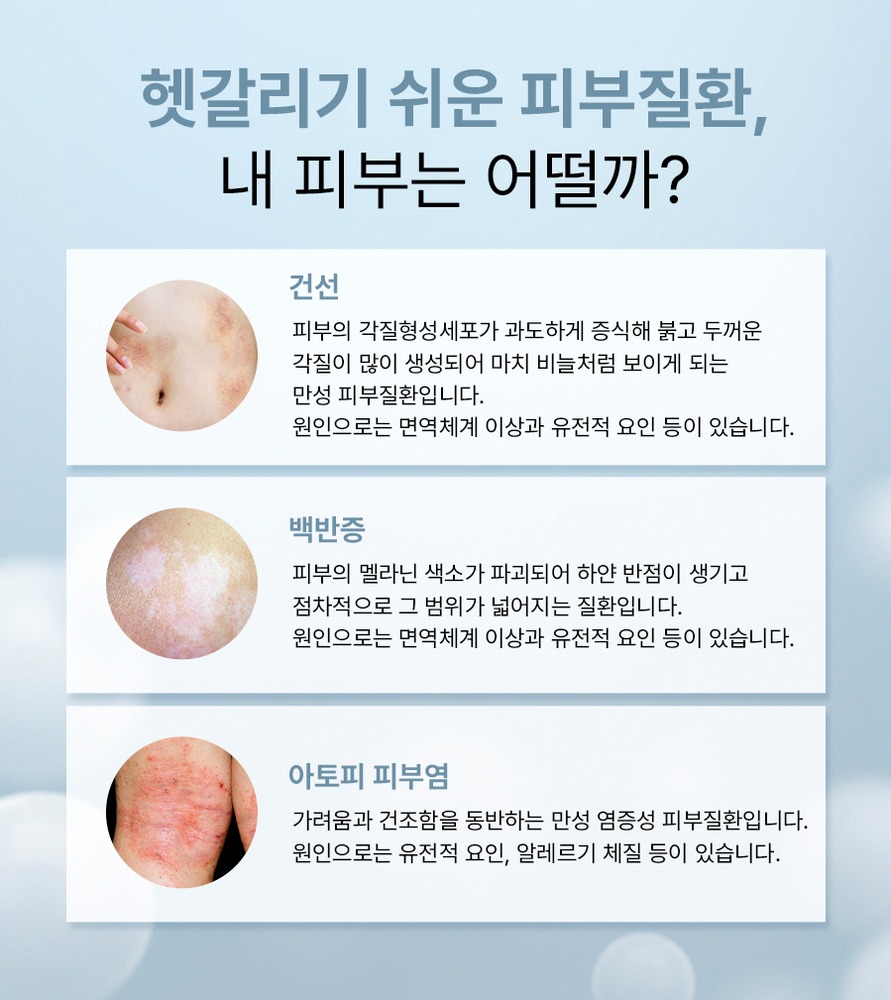
Triggers can include physical and emotional stress, throat infections or other illnesses, certain medications, alcohol, smoking, obesity, and skin trauma such as scratching, friction from tight clothing, or injuries. Seasonal changes are also important. Many people notice worsening during cold, dry winters and improvement with moderate sun exposure in spring and summer.
Understanding your own triggers is an important part of long‑term management. During your consultation in Dongtan, the dermatologist will usually ask about your lifestyle, work environment, recent infections, and medication history to identify patterns.
Who may consider psoriasis care in Dongtan
You may consider visiting a dermatology clinic in Dongtan if you live abroad but plan to travel to Korea, or if you are an expatriate already staying in or near Hwaseong and Dongtan New Town.
Situations where specialist care is recommended include persistent red, scaly patches lasting more than a few weeks, rapidly spreading lesions, involvement of the scalp, face, or genital area, nail deformities or pain, and joint pain or stiffness together with skin lesions. If over‑the‑counter creams are no longer effective or symptoms keep returning, a tailored medical plan is usually needed.
For parents, any chronic, scaly rash in a child that does not respond to basic moisturizers or mild creams should be evaluated. Early diagnosis and appropriate treatment can reduce discomfort, prevent nail damage, and lower the risk of long‑term joint problems.
Diagnostic approach at a Dongtan dermatology clinic
Diagnosis of psoriasis is often clinical, meaning the dermatologist can usually recognize it from the appearance and distribution of the lesions.
During your visit, the doctor will take a detailed history, including when the rash started, how it has changed, any family history of psoriasis, known triggers, previous treatments, and other medical conditions. A full‑body skin examination is performed, including the scalp, nails, and areas that are sometimes overlooked, such as the ears, belly button, and skin folds.
If the diagnosis is uncertain or the rash could be another condition such as eczema, seborrheic dermatitis, or a fungal infection, a small skin biopsy may be recommended. This involves taking a tiny sample of skin under local anesthesia to examine under a microscope.

At this dermatology clinic in Dongtan, care is provided by board‑certified dermatologists who also serve as external faculty at a university hospital dermatology department. One of the lead doctors is an active member of the national psoriasis and vitiligo societies, reflecting a particular interest in these diseases and up‑to‑date knowledge of treatment options.
Treatment overview for psoriasis in Dongtan
Psoriasis treatment is always individualized. The dermatologist will consider the severity and location of your lesions, your age, lifestyle, other medical conditions, and whether joints or nails are involved.
The main categories of treatment include topical therapies applied to the skin, phototherapy using controlled ultraviolet light, and systemic medications taken orally or by injection for more severe or widespread disease. Alongside these, daily moisturizing and skin‑barrier care are essential for everyone, regardless of severity.
Topical treatment and scalp care
For mild psoriasis, topical treatment is usually the first step. This often includes corticosteroid creams or ointments to reduce inflammation, vitamin D analogues that help normalize skin cell growth, and combination products that use both mechanisms.
For very thick plaques, keratolytic agents may be used to soften and remove scales, allowing other medications to penetrate better. Your dermatologist will explain how long to use each product and which areas of the body they are suitable for, because the skin on the face, folds, and genitals is more delicate than the elbows or knees.
Scalp psoriasis can be particularly stubborn because of hair and difficulty applying creams. In Dongtan, the clinic may recommend medicated shampoos, solutions, or foams that can be applied between the hair, left on for a certain time, and then rinsed. Gentle removal of thick scales is often needed before other medications can work well.
Daily moisturizing is not just a cosmetic step. Regular use of fragrance‑free, rich moisturizers helps repair the skin barrier, reduces dryness and itching, and can make flare‑ups less severe.
Phototherapy and systemic treatment for moderate to severe cases
When psoriasis covers a larger area of the body, does not respond to topical treatment, or significantly affects quality of life, phototherapy or systemic medications may be considered.

Phototherapy uses controlled ultraviolet light in a hospital‑grade setting, not a tanning bed. The dose and wavelength are carefully adjusted to reduce inflammation in the skin while minimizing side effects. Treatment usually involves several sessions per week for a period of time, then gradual spacing as the skin improves.
Systemic medications act on the immune system from within. They may be taken orally or given by injection. Conventional systemic agents have been used for many years, while newer biologic agents target specific pathways in the immune response. These treatments can be very effective but require specialist monitoring, regular follow‑up, and blood tests to check for possible side effects.
At a Dongtan dermatology clinic, the dermatologist will discuss the potential benefits and risks of each option, taking into account your medical history, travel schedule, and ability to attend follow‑up visits.
Nail and scalp psoriasis
Nail and scalp psoriasis often respond more slowly than plaques on the body. Nails grow slowly, so it can take months to see full improvement. Treatment may include topical medications applied around and under the nail, sometimes combined with systemic therapy if nail disease is severe.
Scalp psoriasis may need a combination of medicated shampoos, topical solutions, and sometimes phototherapy or systemic treatment if it is very extensive. Patience is important, and the dermatologist will usually set realistic timelines so you know what to expect.
Lifestyle and trigger management
Medical treatment works best when combined with attention to lifestyle and triggers. Stress management, regular exercise, and weight control can help reduce flare‑ups. Stopping smoking and moderating alcohol intake are also important, both for psoriasis and overall health.
Gentle skin care is recommended. Use mild, fragrance‑free cleansers, avoid very hot showers, and apply moisturizer soon after bathing. Try to avoid scratching or picking at plaques, as this can cause new lesions to appear at sites of skin trauma.
If you notice that certain triggers, such as specific medications or infections, are linked to your flare‑ups, discuss this with your dermatologist. In some cases, alternative medications or preventive strategies can be considered.
Long‑term follow‑up and partnership
Because psoriasis is chronic, management is a long‑term partnership between you and your dermatologist. Treatment may need to be adjusted over time as your disease pattern changes, your lifestyle shifts, or new therapies become available.

Regular follow‑up visits allow the doctor to monitor your skin, nails, and joints, check for side effects of systemic medications, and support your quality of life. Many patients find it helpful to see the same specialist consistently, especially when living with a chronic condition.
Features of psoriasis care at a Dongtan dermatology clinic
In Dongtan New Town, Hwaseong, Gyeonggi Province, there is a dermatology clinic located in a multi‑story commercial building along a main road, convenient for local residents and visitors. The clinic offers a broad range of dermatologic services, including chronic inflammatory skin diseases like psoriasis and vitiligo, as well as vascular redness, acne, and hair loss.
This comprehensive scope can be useful if you have overlapping conditions, for example psoriasis together with seborrheic dermatitis of the scalp or hair loss. You can receive a full skin and scalp evaluation in one place.
Care is provided by board‑certified dermatologists who also serve as external faculty at a university hospital dermatology department. One of the lead doctors is an active member of the national psoriasis society and vitiligo society, and these conditions are a key part of the clinic’s service lineup.
For convenience, the clinic operates without a lunch break on weekdays, with extended hours on Friday and shorter hours on Saturday. It is closed on Sundays and public holidays. Online reservation is available on selected weekdays via a major local portal’s booking system, which is helpful for busy workers or parents.
Online consultation and pre‑visit preparation for overseas patients
If you are planning to travel to Korea for psoriasis care, it is wise to prepare in advance. Many international patients start with an online consultation or email contact.
Before your first visit, gather your previous medical records, including any biopsy reports, blood tests, or letters from dermatologists in your home country. If you have photos of past flare‑ups, especially if your skin is currently calm, bring them as well. This helps the doctor understand the full range of your disease.
Make a list of all medications and creams you have used, including over‑the‑counter products and any herbal or traditional remedies. Note which ones helped, which did not, and any side effects you experienced.

It can also be useful to write down your main questions, such as whether phototherapy is suitable for you, whether systemic treatment is recommended, and how to coordinate care between Korea and your home country.
Expected Korea visit timeline for psoriasis care
The exact schedule will depend on your condition and length of stay, but a typical visit for an overseas patient might follow this pattern.
On the first day, you have a detailed consultation and skin examination. If needed, tests such as blood work or a skin biopsy may be done. The dermatologist will then propose a treatment plan, which may start immediately with topical therapy and, if appropriate, phototherapy sessions.
If you are staying for several weeks, you may attend phototherapy sessions multiple times per week and have at least one follow‑up visit to assess your response and adjust the plan. For shorter stays, the focus may be on confirming the diagnosis, starting or optimizing treatment, and creating a clear plan that you can continue with your local doctor after returning home.
Aftercare and ongoing management back home
After you leave Korea, ongoing care is essential. The Dongtan dermatologist can provide a summary of your diagnosis, treatments used, and recommended next steps. You can share this with your local dermatologist or primary doctor.
Continue your daily moisturizing routine and follow the medication schedule as instructed. If you start systemic medications, make sure you have access to regular monitoring tests in your home country. Keep a symptom diary, noting any new triggers, side effects, or changes in your skin and joints.
If you plan to return to Korea in the future, you can keep in touch with the clinic by email or online consultation to update your status and plan any follow‑up visits.
Safety, expectations, and cautions
It is important to have realistic expectations. Psoriasis can usually be controlled to the point where daily life is comfortable, but flare‑ups may still occur from time to time. The goal is to reduce the frequency and severity of flares, protect your skin and joints, and support your overall well‑being.

Avoid long‑term unsupervised use of strong steroid creams, as they can thin the skin and cause other problems if used incorrectly. Be cautious with unverified remedies or supplements that promise a cure. Some may interfere with prescribed medications or even worsen your condition.
Always discuss new treatments or products with your dermatologist, especially if you are on systemic medications or have other health conditions.
Frequently asked questions about psoriasis care in Dongtan
Is psoriasis contagious or caused by poor hygiene
Psoriasis is not contagious and is not caused by poor hygiene. It is an inflammatory condition related to the immune system and genetics. Good hygiene is important for general skin health, but washing more often or more aggressively will not cure psoriasis and can sometimes irritate the skin.
Can psoriasis be completely cured
At present, psoriasis is considered a chronic condition without a complete cure. However, many people achieve very good control with modern treatments. Some experience long periods with minimal or no visible lesions. The focus is on long‑term management, preventing complications, and maintaining quality of life.
How is psoriasis different from eczema or simple dry skin
Psoriasis usually shows well‑defined red plaques with thick, silvery scales, often on the elbows, knees, scalp, and lower back. Eczema tends to be more patchy, very itchy, and may affect different areas such as the inner elbows or behind the knees, especially in children. Simple dry skin is usually finer, with mild flaking but without the thick plaques and redness seen in psoriasis. If you are unsure, a dermatologist in Dongtan can examine your skin and, if needed, perform a biopsy to confirm the diagnosis.
Do I always need systemic medication or biologics for psoriasis
No. Many people with mild psoriasis manage well with topical treatments, phototherapy, and lifestyle measures. Systemic medications and biologics are usually reserved for moderate to severe disease, widespread lesions, or cases where other treatments have not worked. The dermatologist will recommend these only if the expected benefits outweigh the risks for your specific situation.
How long does it usually take to see improvement after starting treatment
The timeline depends on the type and severity of psoriasis and the treatments used. With topical therapies, some improvement is often seen within a few weeks. Phototherapy may show results after several sessions, with more significant changes over a few months. Systemic medications and biologics can also take several weeks to reach full effect. Your dermatologist will explain what to expect and when to schedule follow‑up visits.
Can stress really make psoriasis worse
Yes. Stress is a well‑known trigger for psoriasis flare‑ups. The exact mechanism is complex, but stress affects the immune system and can increase inflammation in the body. Learning stress‑management techniques, such as regular exercise, relaxation exercises, or counseling when needed, can be a helpful part of your overall treatment plan.

Phototherapy is a treatment option for psoriasis and is typically administered under medical supervision; check with the clinic whether they offer phototherapy and what equipment they use.
Phototherapy and long‑term treatment can be safe when supervised by experienced dermatology specialists. In Dongtan, phototherapy is provided using medical‑grade equipment with carefully controlled doses. Systemic medications are prescribed with appropriate monitoring, including blood tests and regular follow‑up. As with any medical treatment, there are potential risks, so it is important to discuss them with your doctor and attend all recommended check‑ups.
Soft call to action for online consultation
If you are considering visiting Korea for psoriasis care or are already staying near Dongtan New Town and need a specialist, you can start by arranging an online consultation with a dermatology clinic in Dongtan. Sharing your medical history, photos, and questions in advance will help the doctor plan an efficient in‑person visit and suggest whether topical treatment, phototherapy, or systemic therapy may be appropriate for you.
With a clear diagnosis, a personalized treatment plan, and ongoing support, many people with psoriasis are able to live active, comfortable lives. If chronic red, scaly patches are affecting your confidence or daily activities, professional evaluation in Dongtan may be a helpful next step.

This article was prepared with information provided by Hus-hu Dermatology Clinic Dongtan.
- 공유 링크 만들기
- X
- 이메일
- 기타 앱


댓글
댓글 쓰기