Dongtan Rejuran for Overseas Patients — Treatment & Downtime
- 공유 링크 만들기
- X
- 이메일
- 기타 앱
Direct answer summary: Rejuran at Hus-hu Dermatology Clinic Dongtan is an injectable skin-rejuvenation treatment intended to improve skin texture, tone, and elasticity. The clinic's dermatologists design a short course of repeated sessions spaced several weeks apart to suit each patient's skin concerns and goals. Most people have only mild, temporary reactions, and recovery time varies by individual.
If you are searching for “Dongtan Rejuran” because you want smoother, firmer, more resilient skin during a visit to Korea, Rejuran Healer is a medical skin booster injection that focuses on regeneration rather than simple hydration. It uses polynucleotides (PN) derived from salmon to support dermal repair, helping improve fine lines, texture, enlarged pores, and early signs of aging on areas such as the face, under-eye area, and neck.
At Hus-hu Dermatology Clinic Dongtan in Dongtan New Town, Hwaseong, Rejuran is provided under dermatologist supervision as part of a broader anti-aging and skin regeneration program that can also include laser and energy-based treatments. International patients can typically plan Rejuran sessions with relatively short downtime, making it suitable to combine with a business trip or holiday in Korea.
What is Rejuran Healer
Rejuran Healer is an injectable skin booster that delivers polynucleotides (PN) into the dermis. PN are long chains of nucleotides, and in Rejuran they are extracted and purified from salmon DNA. The goal is not to fill volume like a filler, but to support the skin’s own repair environment.
When PN is injected into the dermis, it is designed to help improve the extracellular matrix, encourage collagen production, and support recovery of damaged or thinned skin. Over time, this can translate into smoother texture, better elasticity, and a more even, healthy-looking surface.
Because of this mechanism, Rejuran is often chosen by people who want a natural, gradual enhancement of skin quality rather than a dramatic change in facial shape. It is considered a medical procedure and is usually performed by or under close supervision of a dermatologist.
How Rejuran differs from other injectables
Many people who search for Dongtan Rejuran are also comparing it with hyaluronic acid (HA) skin boosters or fillers. Although they are all injections, their main purposes are different.
Rejuran Healer focuses on dermal regeneration and quality. Its main role is to help improve fine lines, enlarged pores, roughness, and thin or fragile skin by supporting the skin’s own repair processes.
Hyaluronic acid skin boosters focus on hydration and glow. They attract water and can give a dewy, moisturized look, with some improvement in fine lines due to better hydration.
Fillers focus on volume and contour. They are typically used to add structure to areas such as the cheeks, nasolabial folds, chin, or lips, and are not primarily designed for overall texture improvement.
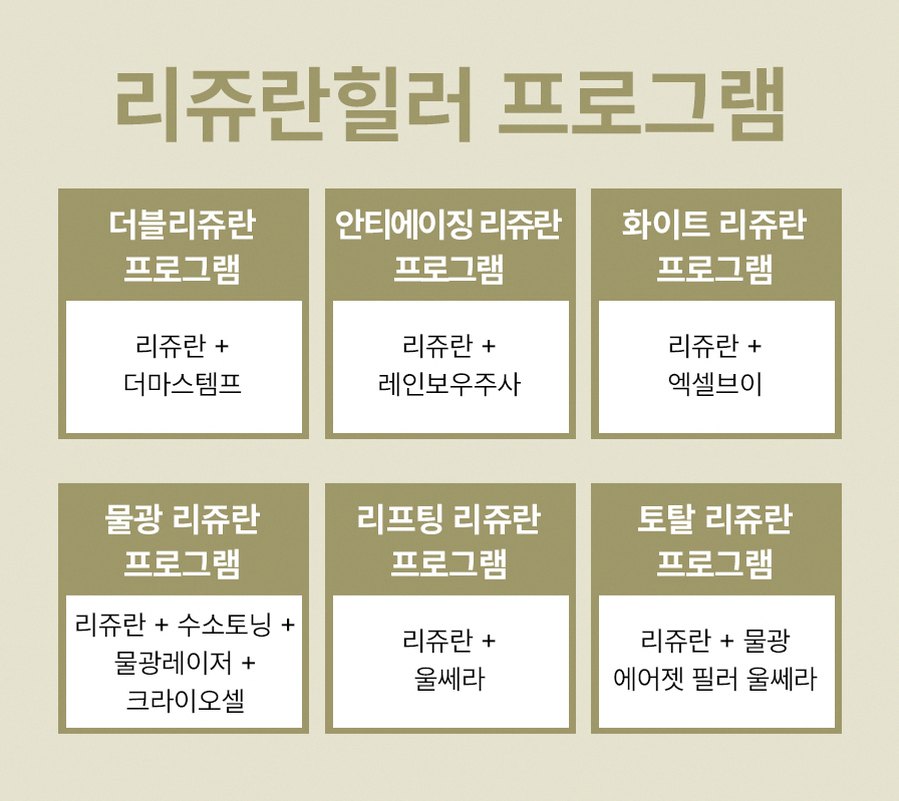
In many cases, a dermatologist may design a combined plan. For example, Rejuran for dermal regeneration, a HA booster for surface hydration, and targeted fillers for volume where needed. Rejuran can also be combined with laser toning, RF microneedling, or fractional lasers to address pigmentation or acne scars at the same time.
Who may consider Rejuran in Dongtan
People in their late 20s to 40s are common candidates for Rejuran, especially those who are starting to notice early aging signs but do not want surgery. Typical concerns include fine lines around the eyes and mouth, dull or rough skin from work stress and lack of sleep, enlarged pores and uneven texture, thin or fragile skin that marks easily, and mild acne scars.
Rejuran may be considered for several areas, depending on the skin condition and medical judgment. Common treatment zones include the full face for overall texture and elasticity, under-eye area for crepey fine lines and thin skin, neck for horizontal lines and laxity, and sometimes the upper chest or décolletage.
International patients often prefer Rejuran when they want a subtle refresh that looks like healthier skin rather than an obvious procedure. It is important to discuss your goals clearly, for example whether you are more focused on pore tightening, under-eye crepeiness, or acne scars.
Dermatologist background and reliability
At Hus-hu Dermatology Clinic Dongtan, Rejuran is provided in a setting led by two dermatology directors who both trained at Kyung Hee University School of Medicine and serve as external faculty at Kyung Hee University Medical Center’s dermatology department.
One director has experience as a head dermatologist at the Presidential Medical Office (Seoul District Hospital), and the other has training at the UCI Beckman Laser Institute. This background supports experience in injection techniques, laser-based skin regeneration, and management of inflammatory skin diseases and scars.
For overseas patients, this type of academic and clinical background can be reassuring, especially when you are combining Rejuran with other treatments such as Ultherapy, Thermage FLX, Secret RF, or fractional lasers.
Treatment overview and step-by-step process
A typical Rejuran Healer course includes several stages. The details can vary depending on your skin and schedule, but the general flow is similar.

First consultation and assessment
Your visit usually starts with a consultation and skin assessment with a dermatologist. You will discuss your main concerns, medical history, allergies, medications, and previous procedures. The doctor will examine your skin thickness, elasticity, pore size, and any scars or pigmentation.
At this stage, the dermatologist may suggest combining Rejuran with other treatments if appropriate, such as RF microneedling for acne scars, laser toning for pigmentation, or lifting devices for laxity. They will also explain realistic expectations and how many sessions are recommended.
Preparation on treatment day
On the day of the procedure, your skin is cleansed to remove makeup, sunscreen, and impurities. A topical anesthetic cream is applied to reduce discomfort during the injections. This numbing period usually takes around 20 to 40 minutes.
During this time, staff may review aftercare instructions with you so that you know what to avoid after the session. Photos may be taken for medical records if the clinic’s policy includes this.
Injection technique
After numbing, the dermatologist or trained medical staff will perform multiple micro-injections of Rejuran into the dermis. This can be done using a fine syringe or an injector device, depending on the area and the clinic’s protocol.
Small bleb-like bumps at each injection point are normal immediately after treatment. These represent the product sitting in the dermis and usually settle over 1 to 2 days as it spreads and is absorbed.
Post-treatment soothing care
Right after the injections, the clinic may apply cooling packs, a soothing mask, or calming products to reduce redness and warmth. A gentle barrier cream and sunscreen may be used before you leave.
You can usually return to light daily activities the same day, but visible small bumps and mild redness can last for a short period, so you may want to plan your social schedule accordingly.
Typical course and maintenance
Rejuran is generally administered as a series of treatments to achieve cumulative improvement. It is typically delivered as a short course of repeated sessions spaced several weeks apart, with the exact timing and total number tailored by your dermatologist to your skin condition and treatment goals.
After the initial series, maintenance sessions may be recommended a few times a year. The exact interval can be adjusted based on how your skin responds and how much ongoing support you want.
Downtime, pain, and aftercare
Pain and discomfort
Most patients feel some stinging or pressure during the injections, even with numbing cream. Pain tolerance varies, but the topical anesthetic usually makes the procedure manageable. Under-eye and bony areas can feel more sensitive.
If you are particularly sensitive or anxious, discuss this in advance so the clinic can adjust the numbing time or technique.
Downtime and visible signs
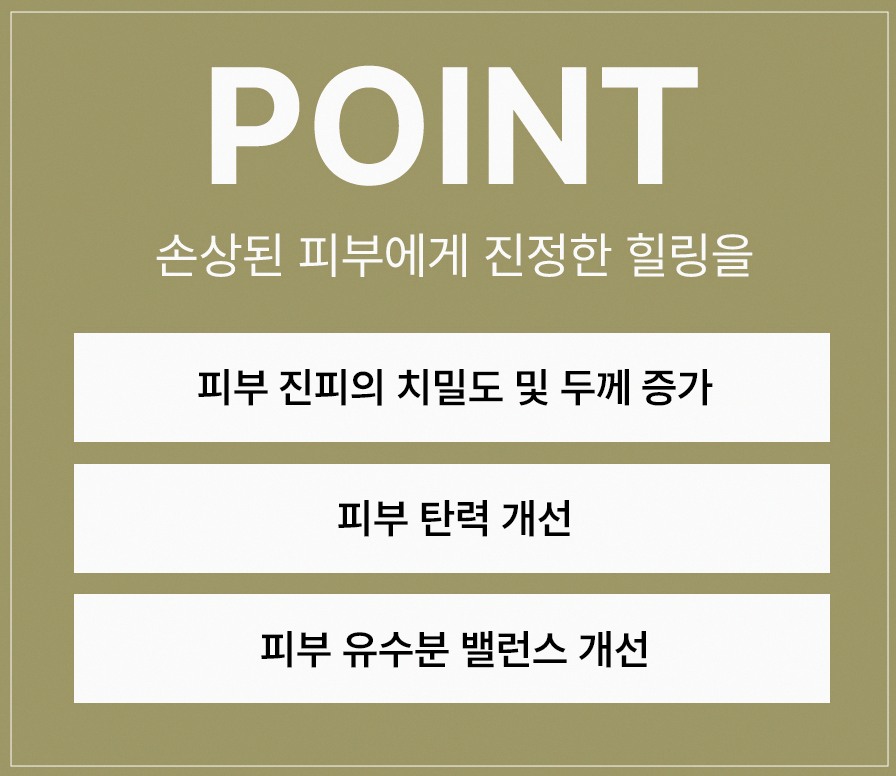
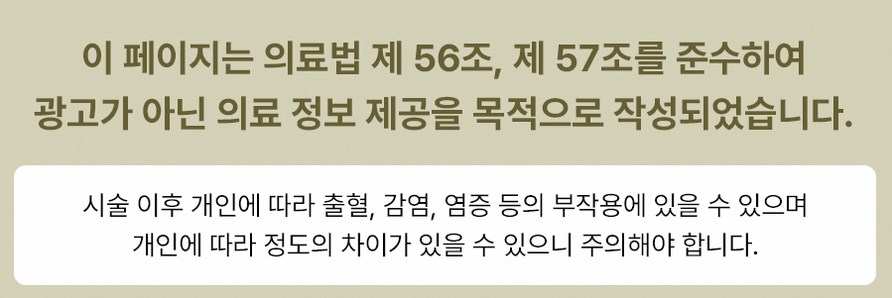
Common temporary effects after Rejuran include small papules or bumps at injection sites, mild redness, and slight swelling or tightness. These usually improve within 1 to 2 days, though in some people minor marks can last slightly longer.
Bruising is possible, especially if you tend to bruise easily or are on medications that affect blood clotting. Most bruises fade over several days.
Basic aftercare guidelines
After Rejuran, you are usually advised to avoid rubbing or massaging the treated area for a certain period, avoid saunas, hot baths, and intense exercise for a short time to reduce swelling, and use gentle cleansing and non-irritating skincare.
Daily broad-spectrum sun protection is important, as UV exposure can slow down skin recovery and collagen formation. The clinic may recommend specific soothing or barrier-repair products to support healing.
It is often suggested to limit alcohol and smoking around the treatment period, as they can negatively affect circulation and skin regeneration.
Safety and dermatologist oversight
Rejuran is a medical injection and should be performed in a controlled clinical environment. Key safety aspects include proper indication selection after examining your skin and medical history, sterile technique to minimize infection risk, and careful injection depth and placement.
Possible side effects include prolonged swelling, bruising, temporary lumps, and rarely hypersensitivity reactions. If you have a history of severe allergies or autoimmune conditions, this should be discussed thoroughly before deciding on treatment.
At a clinic with university teaching experience and membership in major dermatology and laser societies, protocols are usually in place for monitoring and managing side effects. International patients should make sure they know how to contact the clinic after treatment if any unexpected symptoms appear.
Expected results and limitations
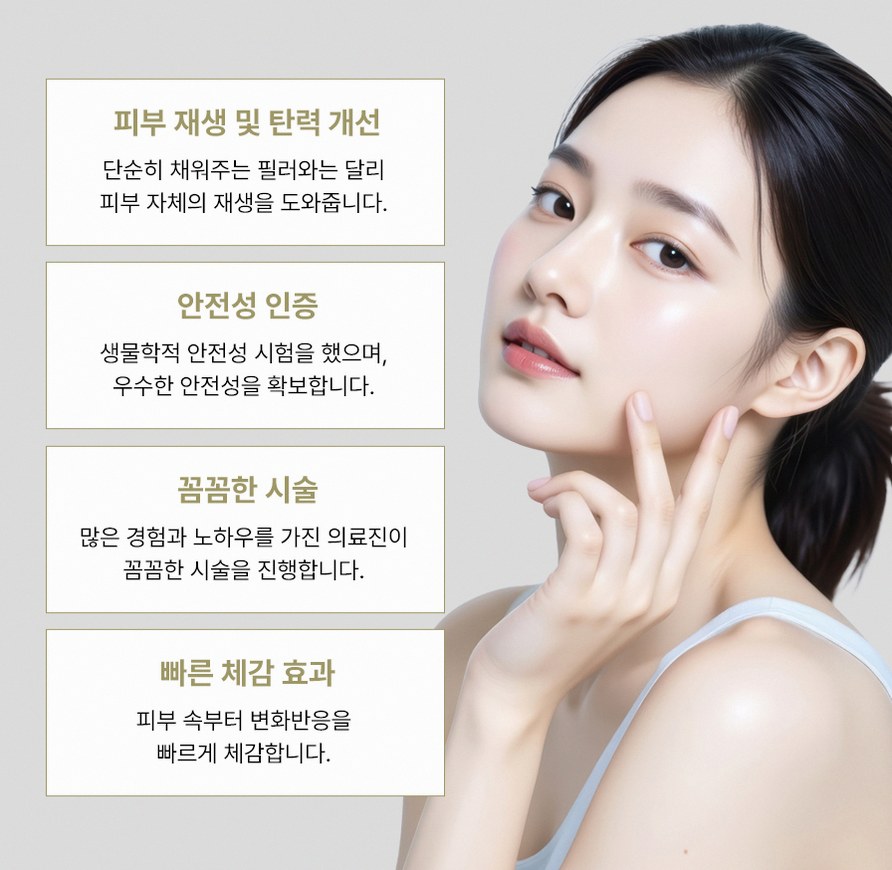
Rejuran is not an instant transformation treatment. Improvements tend to appear gradually over several weeks as collagen and extracellular matrix remodeling occur.
You may notice that your skin feels smoother and more resilient, fine lines appear softer, pores look less prominent, and the overall tone seems more even. However, individual responses vary, and the degree of change depends on your starting condition, lifestyle, and how many sessions you complete.
Rejuran does not replace surgical lifting or strong tightening devices for severe sagging. For moderate to significant laxity, procedures such as Ultherapy or Thermage FLX may be more appropriate for lifting, with Rejuran added to improve skin quality.
It is helpful to discuss specific goals with the dermatologist, such as targeting under-eye crepeiness, refining pores on the cheeks and nose, or softening acne scars. This allows the clinic to tailor the injection pattern and any combination therapies.
How Rejuran fits into a broader anti-aging program
Many international patients visiting Dongtan are interested in combining Rejuran with other anti-aging treatments to make the most of their trip.
At Hus-hu Dermatology Clinic Dongtan, Rejuran can be integrated with devices such as Ultherapy and Thermage FLX for lifting and tightening, Secret RF and other RF microneedling systems for texture and scars, and fractional lasers for resurfacing and acne scar programs.
The sequence and intensity of treatments are usually customized. For example, a dermatologist may suggest starting with a fractional laser or RF microneedling session, followed by Rejuran after an appropriate interval to support dermal repair. Alternatively, for someone with limited downtime, low-energy laser toning plus Rejuran may be chosen.
Online consultation and pre-visit preparation
If you are planning to travel from overseas, an online consultation before your trip can help you use your time in Korea more efficiently.
Before contacting the clinic, it is useful to prepare the following information. Your age and main skin concerns, such as fine lines, pores, acne scars, or under-eye issues. Recent clear photos of your face and any specific areas you want to treat, taken in natural light without heavy makeup. A list of previous procedures and treatments, including lasers, injections, or surgeries, and when you had them. Your medical history, including allergies, medications, and any chronic conditions.
During the online consultation, you can ask about recommended treatments and combinations based on your goals, how many Rejuran sessions would be ideal and what is realistic within your travel dates, expected downtime and what your skin may look like on specific days after treatment, and whether you can safely fly soon after the procedure.
Expected Korea visit timeline for Rejuran
For a short visit of about one week, many patients schedule a single Rejuran session. You might plan the injection early in your stay, for example day 1 or 2. Mild bumps and redness are expected for 1 to 2 days, then your skin usually looks presentable for sightseeing or meetings.
For a longer stay of 3 to 4 weeks, it may be possible to have two sessions spaced about 3 weeks apart, depending on the doctor’s assessment.
If you plan to combine Rejuran with lasers or lifting devices, the schedule needs more careful planning. Some treatments can be done on the same day, while others are better separated by at least a few days or weeks. Clarify your available dates and any important events so the clinic can design a practical schedule.
Local and practical information for Dongtan visitors
Hus-hu Dermatology Clinic Dongtan is located on the 3rd floor of a medical and commercial building along Dongtan-daero Sibeom-gil in Dongtan New Town, Hwaseong, Gyeonggi-do. This area is part of Dongtan 2 New City, with convenient access to residential, shopping, and business zones.
The clinic offers weekday and Saturday hours, and there are extended hours on Friday, which can be helpful if you are trying to fit treatment around work or travel. There is no lunch break within the main consultation time frame, although a lunch hour is listed in the formal schedule.
Online reservation is available on certain weekdays through a major local portal’s booking system, which is convenient if you are arranging your visit from overseas. When booking, mention that you are an international patient and that you are interested in Rejuran so the staff can allocate enough consultation time.
Questions to prepare before your consultation
To make your consultation more productive, it can help to write down a few questions in advance. For example, you might ask how many Rejuran sessions are recommended for your specific concerns, and what kind of change is realistic. You can ask whether Rejuran alone is enough, or whether combining it with laser toning, RF microneedling, or lifting devices would be beneficial.
You may also want to know how many days of visible bumps or redness to expect after each session, which skincare products you should stop or continue before and after treatment, and what to do if you notice unusual swelling or bruising.
For those comparing clinics, it is reasonable to check who performs the injections, what devices and skin boosters are available in addition to Rejuran, how side effects are managed, and how follow-up is handled for overseas patients.
Frequently asked questions
What is the difference between Rejuran and a regular skin booster?
Rejuran Healer is based on salmon-derived polynucleotides, which are designed to support dermal regeneration and repair. Regular hyaluronic acid skin boosters mainly focus on hydration and glow by attracting water into the skin.
Because of this, Rejuran is often chosen for improving texture, elasticity, and thin or damaged skin, while HA boosters are chosen for a dewy, moisturized look. In some treatment plans, both may be used together for complementary benefits.
How many Rejuran sessions do I need, and how long do results last?
Many patients are recommended a series of about 3 to 4 sessions, spaced roughly 3 to 4 weeks apart, for noticeable cumulative improvement. The exact number depends on your age, skin condition, and goals.
After the initial series, maintenance sessions a few times per year may help sustain the effect. However, there is individual variation, and lifestyle factors such as sun exposure, smoking, and sleep also influence how long the benefits are visible.
Can I get Rejuran during a short trip to Korea?
Yes, it is possible to have a Rejuran session during a short visit, even if you are in Korea for only several days. You should plan for 1 to 2 days of visible small bumps and mild redness after the injections.
If you can stay longer, a dermatologist may suggest a more complete course or combining Rejuran with other treatments. An online consultation before booking flights can help you design a realistic schedule.
Is Rejuran suitable for under-eye wrinkles and dark circles?
Rejuran is sometimes used in the under-eye area to address fine lines and thin, crepey skin. By supporting dermal quality, it may soften lines and improve the appearance of fragile skin.
However, not all dark circles are caused by skin thinning. Pigmentation, blood vessels, or deep tear troughs may require other approaches such as lasers, fillers, or energy devices. A dermatologist needs to examine your under-eye area to decide whether Rejuran, other treatments, or a combination would be appropriate.
Soft call to action
If you are considering Dongtan Rejuran during your visit to Korea and want a medically guided plan for skin regeneration, you can contact Hus-hu Dermatology Clinic Dongtan for an online consultation. By sharing your photos, concerns, and travel dates in advance, the clinic can help you understand whether Rejuran is suitable for you, how many sessions are realistic, and how to coordinate it with other treatments and your itinerary.
All medical procedures, including Rejuran, involve individual variation in response and potential side effects. A direct consultation with a qualified dermatologist is essential before making any final decisions about treatment.
- 공유 링크 만들기
- X
- 이메일
- 기타 앱


댓글
댓글 쓰기