Dongtan Thermage FLX non‑surgical lifting guide for face and jawline
- 공유 링크 만들기
- X
- 이메일
- 기타 앱
If you are searching for Dongtan Thermage because you want firmer skin, a more defined jawline, or improvement in eye‑area wrinkles without surgery, Thermage FLX can be one of the main non‑surgical lifting options. It uses radiofrequency energy to heat collagen in the deeper layers of the skin, which may produce gradual tightening and lifting over time. In Dongtan New Town, there is a dermatology clinic run by two board‑certified dermatologists with training in lasers and lifting procedures, where Thermage FLX is offered as part of a tailored lifting plan rather than a one‑size‑fits‑all solution.
This guide explains how Thermage FLX works, who may benefit, what to expect during a visit to Korea, safety points, and how to choose a Thermage clinic in Dongtan.
Overview of Thermage FLX and Dongtan Thermage
It is widely used for facial sagging, jawline blurring, early jowls, and fine lines around the eyes.
Many patients seeking Thermage are local residents or workers who prefer non‑surgical lifting and minimal downtime. They often compare Thermage with alternatives such as Ultherapy, Shurink, or thread lifting when researching options.
In a dermatology clinic setting in Dongtan New Town, Thermage FLX is positioned as one of several lifting tools, alongside devices like 3D Ultherapy, SkinTyte, Shurink, thread lifting, and injectables. This allows the medical team to recommend Thermage when it is truly suitable, or to combine it with other options when needed.
What is Thermage FLX?
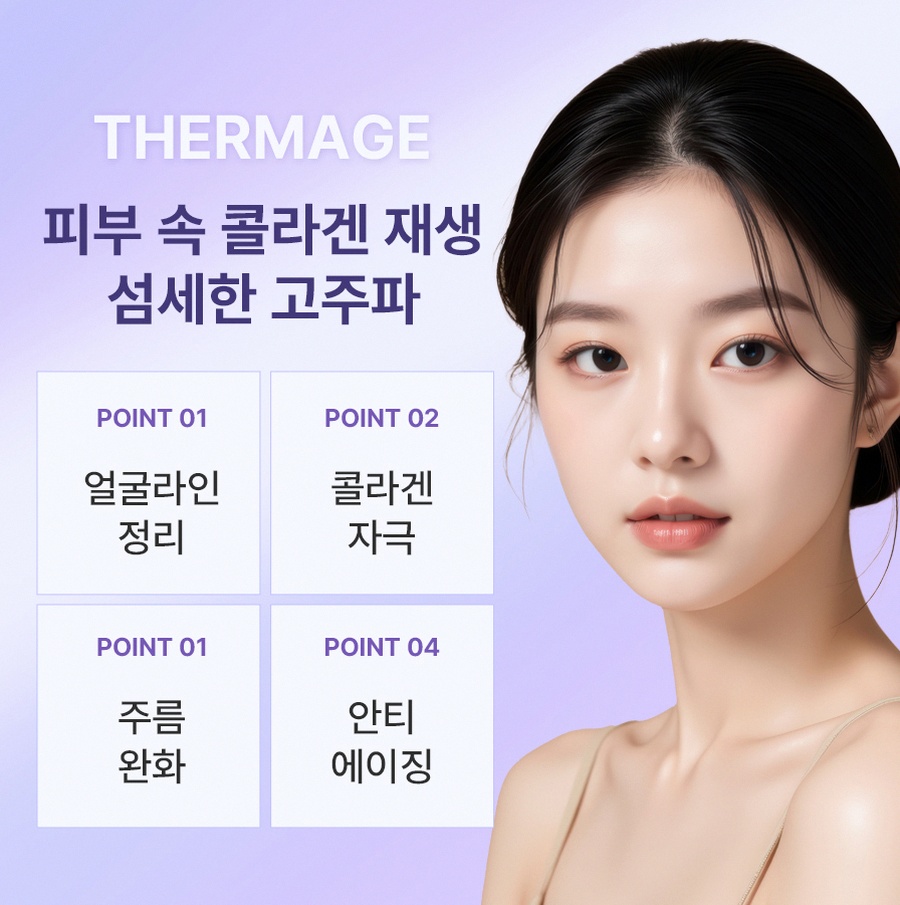
Thermage FLX is a non‑invasive treatment that By heating these structures while cooling the surface, it stimulates collagen remodeling without cutting the skin.
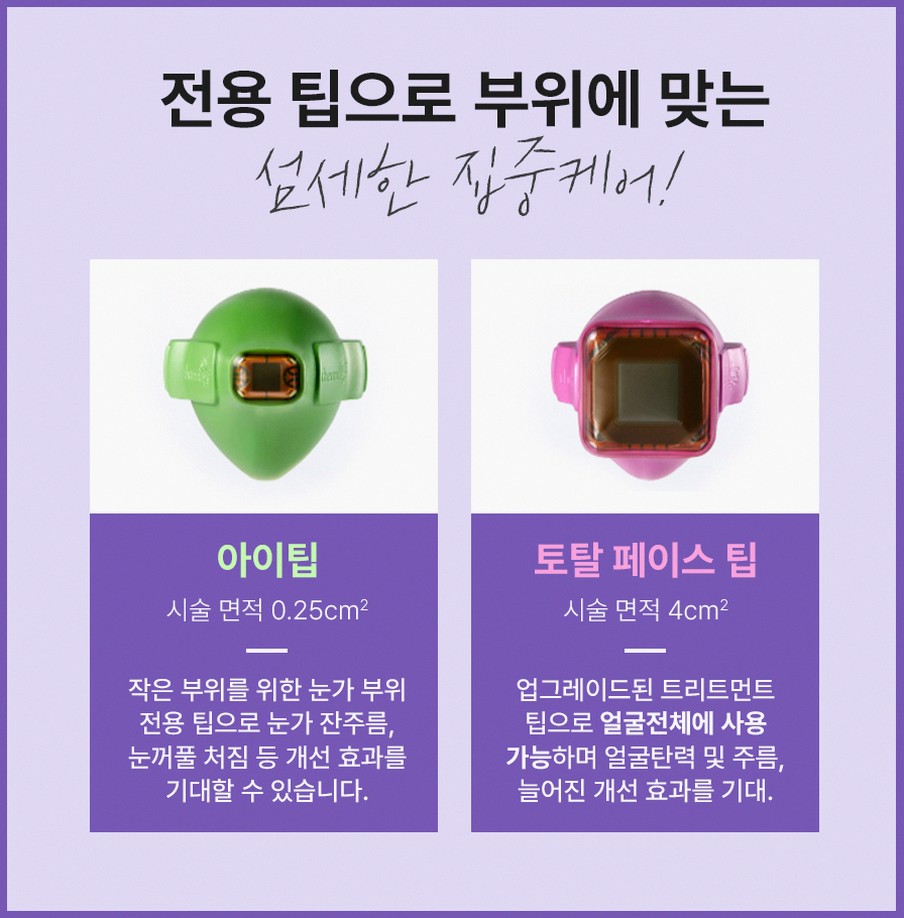
Typical treatment areas include the full face, jawline, and under‑chin area for contouring and tightening, as well as the eyelid and surrounding eye area for fine lines and crepey skin. Some clinics use radiofrequency devices for body tightening in selected cases, depending on the indication and protocol.
For many patients, Thermage FLX is performed as a single session, with gradual improvement over the following months. Some people repeat the procedure every 1 to 2 years as part of a long‑term anti‑aging plan.
How Thermage works: mechanism and effects
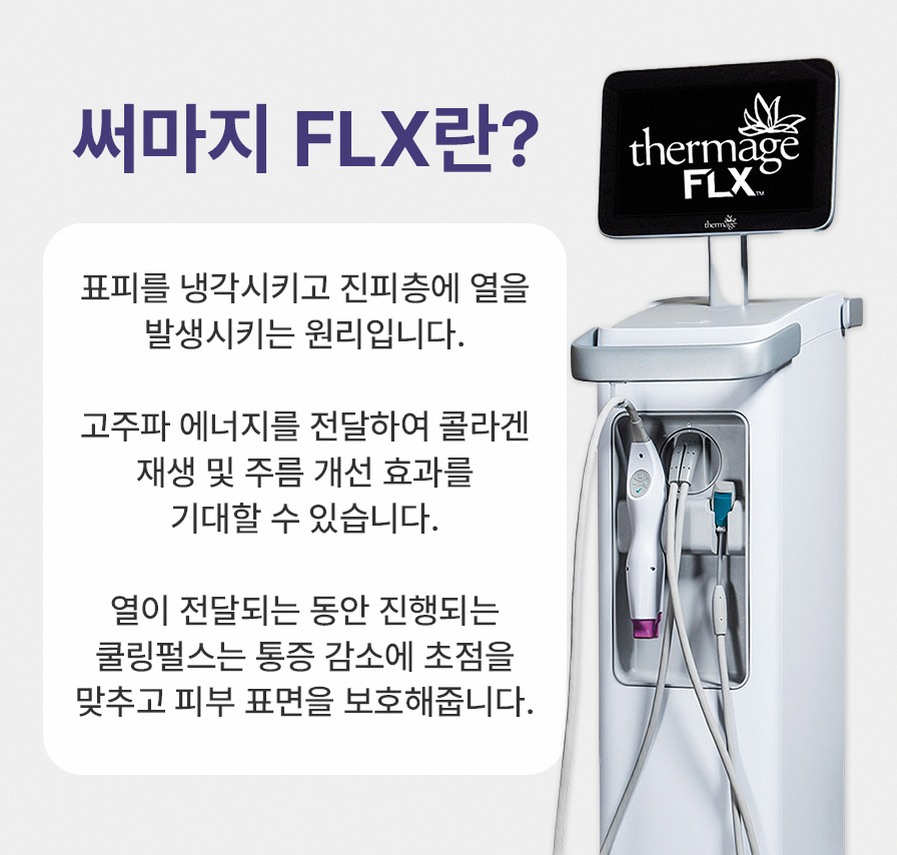
Thermage FLX uses controlled radiofrequency energy to heat the collagen‑rich layers beneath your skin. The treatment tip touches the skin surface, delivers a brief pulse of energy, and then cools the surface to protect the outer layer.
In the short term, the heat can cause existing collagen fibers to contract slightly, which may give a mild immediate tightening effect. Over time, the thermal stimulus can stimulate new collagen formation and remodeling, with improvements developing gradually over several months. This process can lead to firmer, smoother skin, improved skin texture, and better definition along the jawline and lower face.
It is important to understand that Thermage is not surgery. It does not remove skin or reposition tissues like a surgical facelift. For mild to moderate laxity, however, it can provide noticeable but natural improvement, especially when combined with good skincare and lifestyle habits.
Who may consider Thermage FLX in Dongtan
Thermage FLX may be suitable if you have mild to moderate skin laxity in the lower face, jawline, or cheek area, early jowls, or deepening nasolabial folds that make you look tired. It can also help if you notice fine lines, crepey texture, or loose skin around the eyes but are not ready for surgical procedures.
It is often chosen by people who want non‑surgical lifting and tightening, prefer minimal downtime, and are comfortable with gradual results rather than instant dramatic change. It can be a good option if you are not ready for threads or surgery, or if you want to prolong the interval before considering more invasive options.
For very severe sagging, heavy tissue, or large fat deposits, Thermage alone may not be enough. In such cases, a dermatologist may recommend a combined approach, such as Thermage with Ultherapy or other HIFU, thread lifting, fillers, or fat‑dissolving injections, or may advise that non‑surgical methods will have limited effect.

Thermage vs other lifting options
When you research non‑surgical lifting in Dongtan, you will often see Thermage, Ultherapy, Shurink, and thread lifting mentioned together. Each has a different mechanism and role.
Thermage FLX is radiofrequency‑based. It is especially good for overall skin tightening, improving texture, and firming the collagen network in the dermis. Many patients find the sensation tolerable, and it is usually done in a single session with gradual results.
Ultherapy and other HIFU devices focus ultrasound energy at specific depths, including the SMAS layer, which is the same layer targeted in surgical facelifts. These treatments can be particularly helpful for jawline definition and lifting of deeper structures.
Shurink and similar HIFU devices are often used as more accessible ultrasound options, sometimes for maintenance or for patients with milder laxity.
Thread lifting uses absorbable threads inserted under the skin to mechanically lift tissues. It can provide more immediate lifting but involves puncture points, more downtime, and a different risk profile.
A clinic that offers multiple lifting modalities can better tailor a plan to your skin thickness, degree of laxity, facial structure, and tolerance for downtime. In Dongtan New Town, the dermatology clinic mentioned earlier offers a broad lifting portfolio, including 3D Ultherapy, Thermage FLX, SkinTyte, Shurink, thread lifting options such as Mint Lift and Silhouette Soft, injectables like Rejuran and anti‑aging injections, and fat‑dissolving treatments such as Belkyra. This allows the dermatologists to select or combine treatments based on medical assessment rather than device availability alone.
What to expect during a Thermage session
Before treatment, you will have a consultation with the dermatologist. This includes a detailed skin analysis, review of your medical history, assessment of your degree of laxity, and discussion of your concerns and expectations. The doctor will also explain alternative options such as Ultherapy, Shurink, threads, or injectables, and help you understand what Thermage can and cannot do.
If you proceed, the treatment areas are usually cleansed and marked. The dermatologist will explain the planned shot count and the type of treatment tip to be used, as these influence coverage and intensity.
Depending on the clinic protocol and your pain sensitivity, a topical anesthetic cream may be applied, or cooling methods may be used to increase comfort. During the procedure, the treatment tip is placed against your skin, and you will feel brief pulses of heat and vibration as the radiofrequency energy is delivered.
The dermatologist will often ask for your feedback on the heat level and adjust the energy settings within safe limits to balance comfort and effectiveness. A full face and jawline session typically takes about 30 to 90 minutes, depending on the area and number of shots.
Pain, downtime, and side effects
Most patients describe the sensation of Thermage as brief bursts of heat and tingling with each shot. Discomfort can vary by individual and by area. Bony regions such as the jawline or forehead may feel more intense. With modern Thermage FLX tips and appropriate settings, many people find the procedure tolerable, especially with topical anesthetic and cooling.
Downtime is usually minimal. Mild redness, swelling, or a feeling of tightness can occur immediately after treatment, but most people return to daily activities and work right away. Makeup can often be applied the same day, depending on the clinic’s advice.
Common temporary reactions include redness, mild swelling, or tenderness, which typically resolve within hours to a few days. Rare but more serious risks include burns, blistering, fat atrophy, or contour irregularities if energy is misused or applied too aggressively.
Because Thermage is a high‑energy device, safety depends heavily on the operator’s understanding of skin anatomy, device physics, and appropriate energy settings. Choosing an experienced dermatologist‑led clinic is important to minimize risk and manage any side effects promptly if they occur.
When results appear and how long they last
Some people notice a subtle tightening or smoother texture immediately after Thermage due to initial collagen contraction. However, the main changes develop gradually as new collagen forms and remodels.
Collagen remodeling typically continues for about 2 to 6 months after a single session. During this period, you may see progressive improvement in skin firmness, fine lines, and facial contours. The degree of change varies by age, baseline skin condition, and lifestyle factors.
The effects of Thermage can last around 1 to 2 years for many patients, but this is not fixed. Natural aging continues, and factors such as sun exposure, smoking, sleep, and nutrition influence how long results are maintained. Some patients choose to repeat Thermage at intervals or combine it with other treatments such as Ultherapy, SkinTyte, Rejuran, or fillers for more comprehensive anti‑aging.
Why specialist‑led Thermage in Dongtan matters
Thermage FLX is not a simple beauty device. It is a medical radiofrequency system that requires precise control of energy, depth, and coverage. Proper patient selection, treatment planning, and real‑time adjustment are essential for both safety and meaningful results.
In the Dongtan New Town dermatology clinic described in this guide, Thermage is performed by two board‑certified dermatologists. Both graduated from Kyung Hee University School of Medicine and serve as external faculty in the dermatology department of a university hospital, which reflects ongoing involvement in academic dermatology.
One medical director previously served as head of dermatology at the medical office of the presidential residence and placed first in the primary stage of the national dermatology board exam. The other medical director has training experience at the UCI Beckman Laser Institute and is an active member of multiple dermatology and laser societies. This background supports a high level of understanding of energy‑based devices like Thermage, careful indication selection, and structured management of side effects if they occur.
For international patients, this kind of specialist‑led setting can provide additional reassurance when undergoing high‑energy treatments such as Thermage FLX in a foreign country.
How to choose a Thermage clinic in Dongtan
When comparing Dongtan Thermage options, it can be helpful to prepare a small checklist before contacting clinics. Consider the following points.
First, confirm that the clinic uses genuine Thermage FLX equipment and authorized tips. You can ask directly about the device model, tip type, and whether they are sourced through official channels.
Second, check that a board‑certified dermatologist or experienced physician is directly involved in your consultation and treatment, not only in a supervisory role. Ask who will perform the procedure and who will manage you if any side effects occur.
Third, look for a clinic that offers multiple lifting options, such as Thermage, Ultherapy or other HIFU, thread lifting, and injectables. A clinic with a broad lifting portfolio is more likely to recommend a customized plan based on your skin and facial structure, rather than pushing a single device for everyone.
Fourth, during consultation, ask about shot count, treatment area coverage, and how the plan matches your degree of laxity and goals. You can also ask how they adjust energy levels for different areas and skin types.
Fifth, ensure that the clinic provides a clear explanation of expected results, limitations, possible side effects, and aftercare. Transparent pricing and clear information about non‑reimbursed fees are also important, especially for overseas patients who need to plan their budget.
In the Dongtan New Town clinic mentioned earlier, Thermage FLX is integrated into a structured consultation process, with transparent explanation of options and fees. This approach can be particularly helpful if you are comparing several clinics from abroad.
Online consultation and pre‑visit preparation for overseas patients
If you are planning to travel to Korea for Thermage FLX, an online consultation is a practical first step. Most clinics can review photos or short videos of your face and neck to provide a preliminary opinion on whether Thermage is suitable and whether combination treatments might be recommended.
Before your online consultation, prepare clear, well‑lit photos from the front, 45‑degree angles, and side views, including the jawline and neck. Make a list of your main concerns, such as sagging around the mouth, early jowls, or eye wrinkles, and any previous treatments you have had, including lasers, HIFU, threads, or fillers.
Also prepare information about your medical history, allergies, medications, and any tendency to form keloids or hypertrophic scars. This helps the dermatologist assess your safety profile.
During the online consultation, ask about the recommended treatment plan, expected number of shots, approximate treatment time, when you can see results, and how many days you should stay in Korea for follow‑up. Clarify whether you might benefit from additional treatments such as Ultherapy, SkinTyte, Rejuran, or fat‑dissolving injections, and whether these can be combined in a single visit.
Expected Korea visit timeline for Thermage
For most overseas patients, Thermage FLX can be completed within a short stay in Korea.
Day 1 usually involves an in‑person consultation and detailed assessment. The dermatologist will confirm the plan discussed online, perform a physical examination, and may adjust the treatment strategy based on your skin quality and facial structure. If both you and the doctor agree, Thermage can often be performed on the same day.
The procedure itself takes about 30 to 90 minutes, depending on the area treated. After treatment, you can rest briefly in the clinic, then return to your hotel or continue light activities. Many patients feel comfortable going out for a meal or light shopping afterward.
Day 2 or 3 may include a brief follow‑up visit, especially if you have combined treatments or if the clinic prefers to check your skin response. Some clinics offer online follow‑up instead for overseas patients.
Because Thermage has minimal downtime, a stay of 2 to 3 days in Korea is often sufficient for the procedure and basic follow‑up. If you are combining multiple treatments or planning other medical visits, you may choose to stay longer.
Aftercare and lifestyle tips
After Thermage, basic skincare and sun protection are important. Use gentle cleansing and moisturizing products, and avoid harsh scrubs or active ingredients that irritate the skin for a few days if your skin feels sensitive.

Daily sunscreen is essential, as ultraviolet exposure accelerates collagen breakdown and can reduce the longevity of your results. Choose a broad‑spectrum sunscreen and reapply during the day if you are outdoors.
Many clinics advise avoiding excessive heat exposure, such as saunas, very hot baths, or intense facial massage, for a short period after treatment. Follow your dermatologist’s specific instructions.
To support collagen and prolong the benefits of Thermage, maintain a healthy lifestyle: adequate sleep, balanced nutrition, good hydration, and avoidance of smoking if possible. Regular, moderate exercise also supports overall skin health.
Frequently asked questions about Dongtan Thermage
Is Thermage painful, and how is discomfort managed?
Most people feel brief heat and tingling with each Thermage pulse. The level of discomfort varies by individual and treatment area, with bony areas like the jawline sometimes feeling more intense. In Dongtan clinics that use Thermage FLX, topical anesthetic cream, cooling, and careful adjustment of energy levels are commonly used to manage discomfort. During the procedure, you can communicate with the dermatologist so that settings are balanced between comfort and effectiveness.
How is Thermage different from Ultherapy or Shurink?
Thermage uses radiofrequency energy to heat the collagen‑rich dermis and fibrous septa, leading to overall tightening and texture improvement. Ultherapy and Shurink use focused ultrasound energy, which can target deeper layers such as the SMAS for lifting of deeper structures. In practice, Thermage is often chosen for skin tightening and texture, while Ultherapy or HIFU may be selected for deeper lifting and V‑line definition. In Dongtan, some dermatology clinics offer both and may combine them based on your skin condition and goals.
How many shots are usually needed for full face and jawline Thermage?
The number of shots depends on the treatment area size, skin condition, and clinic protocol. A full face and jawline session typically involves a predefined shot count designed to cover the entire area with appropriate overlap. During consultation, your dermatologist should explain the planned shot count, how it will be distributed across the face and jawline, and how this relates to your degree of laxity and expectations.
Can Thermage slim my face or only tighten it?
Thermage primarily tightens and firms the skin by stimulating collagen remodeling. In some people, this tightening and improved support can make the face appear slightly slimmer or more contoured, especially along the jawline. However, it is not a fat‑removal procedure. If you have significant facial fat or fullness, your dermatologist may discuss additional options such as fat‑dissolving injections like Belkyra or other contouring methods, either alone or in combination with Thermage.
How soon can I wear makeup and return to work after Thermage?
Most patients can return to normal daily activities, including work, immediately after Thermage. Mild redness or swelling may occur but usually settles quickly. In many cases, light makeup can be applied the same day, although some clinics recommend waiting a few hours. Your dermatologist will give you specific guidance based on your skin’s response.
How often should I repeat Thermage?
For many people, Thermage is performed once every 1 to 2 years, depending on age, skin quality, and how quickly they feel laxity returning. Some patients use Thermage as a periodic boost within a broader anti‑aging plan that includes other treatments and good skincare. Your dermatologist in Dongtan can help you set a realistic maintenance schedule based on your individual aging pattern.

Is Thermage safe for all skin types?
Thermage radiofrequency technology is generally considered suitable for a wide range of skin types, including darker skin tones, because it does not rely on pigment‑targeting like some lasers. However, safety still depends on correct patient selection, device settings, and technique. A dermatologist will review your medical history, skin condition, and any previous treatments before recommending Thermage.
Can Thermage be combined with fillers, Botox, or thread lifting?
Yes, Thermage is often combined with other treatments to address different aspects of aging. For example, Thermage can improve skin firmness, while fillers can restore lost volume and Botox can relax dynamic wrinkles. Thread lifting can provide additional mechanical lift in selected cases. The timing and order of these treatments should be planned carefully by your dermatologist to avoid interference between procedures and to achieve a balanced, natural result.
Soft call to action for online consultation
If you are considering Dongtan Thermage and would like to know whether Thermage FLX, Ultherapy, or a combined lifting plan is more suitable for your face, an online consultation with a dermatologist‑led clinic in Dongtan New Town can be a helpful first step. By sharing clear photos and your concerns in advance, you can receive a personalized plan, understand your expected results and timeline, and plan your visit to Korea with more confidence.
This article is intended for general information for international patients and does not replace an in‑person consultation with a qualified medical professional. Individual results and suitability for Thermage FLX can vary, and all treatment decisions should be made in direct discussion with your dermatologist.
- 공유 링크 만들기
- X
- 이메일
- 기타 앱


댓글
댓글 쓰기