Dongtan Thermage Lifting Guide for International Patients
- 공유 링크 만들기
- X
- 이메일
- 기타 앱
Direct answer summary
If you are considering Thermage lifting in Dongtan for sagging jawline, early jowls, or fine wrinkles, Thermage FLX is a non‑surgical radiofrequency treatment that gently heats the deeper layers of the skin to stimulate collagen tightening and renewal. It is usually done in a single session, takes about 30–60 minutes, and most people return to normal activities the same day. Results tend to appear gradually over 2–3 months and look natural rather than dramatic. A consultation with a dermatologist in Dongtan is essential to check whether Thermage alone, or in combination with other lifting options such as Ultherapy or thread lifting, is suitable for your skin.
Overview of Thermage FLX lifting in Dongtan
Thermage is a device‑based lifting treatment that uses monopolar radiofrequency energy to deliver controlled heat into the deeper dermis and fibrous tissue under the skin. The goal is to tighten existing collagen and trigger new collagen production over time.
Thermage FLX is a newer generation of this technology. It is designed to treat areas such as the full face, jawline, nasolabial folds, lower face, and in some cases the neck or eye area, depending on your individual indication. For many adults who want visible yet natural improvement without surgery, Thermage FLX can be one of the options to consider in Dongtan.
How Thermage FLX works in simple terms
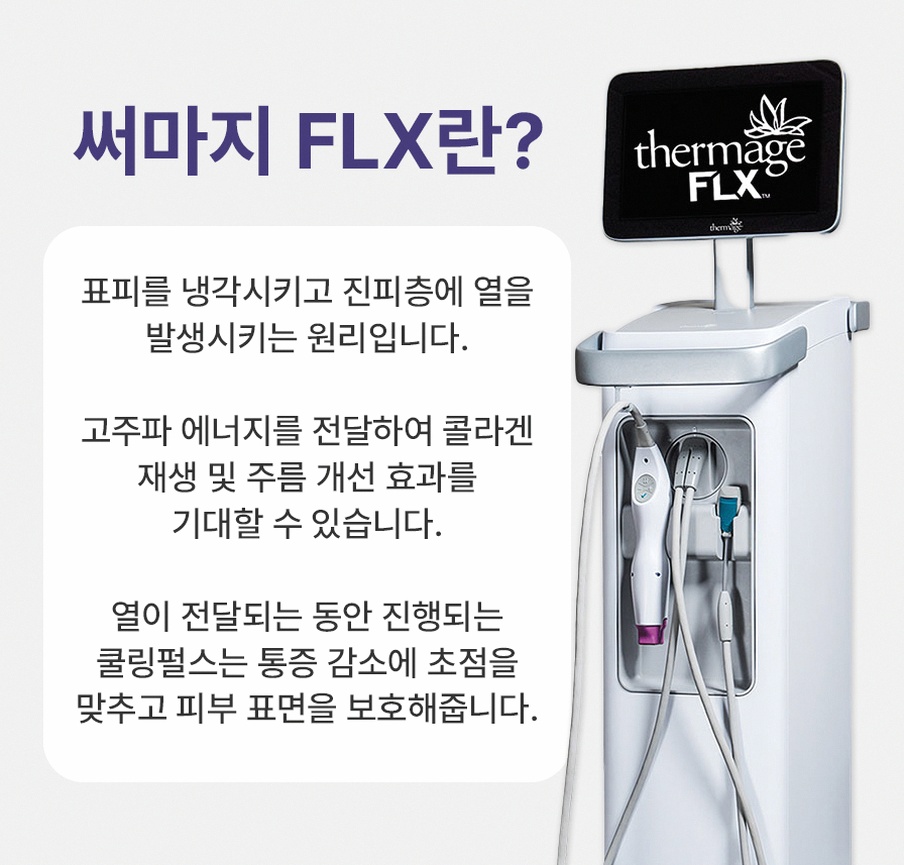
During a Thermage FLX session, a treatment tip touches the skin and delivers radiofrequency energy into the deeper layers. At the same time, the device applies cooling to protect the surface of the skin.
The radiofrequency energy heats collagen fibers in the dermis and subcutaneous tissue. This heat can cause immediate collagen contraction, which may give a subtle early tightening effect right after the procedure. Over the following weeks to months, the controlled heat injury stimulates neocollagenesis, meaning new collagen formation. As this new collagen matures, the skin can feel firmer and look smoother, with some improvement in fine lines and laxity.

Because the heating is volumetric and diffuse, Thermage is often described as good for overall tightening and texture rather than sharp, dramatic lifting.
Who may consider Thermage lifting in Dongtan
Thermage FLX is generally considered for adults with mild to moderate skin laxity who want to avoid surgery or threads. Typical concerns include early jowls, a less defined jawline, sagging around the mouth, and fine wrinkles from loss of elasticity.
It may be suitable if you notice:
A slightly blurred jawline or early sagging along the lower face
Fine wrinkles around the mouth or cheeks
Mild laxity in the mid‑face that makes you look tired
Skin that feels thinner and less elastic than before
Thermage is usually not ideal for very severe sagging or heavy tissue descent, where surgical lifting may be more appropriate. It is also not the best choice for people expecting an instant, dramatic change after one session. In these cases, a dermatologist in Dongtan can explain alternative or combination plans.
Who is not an ideal candidate
Thermage lifting may not be recommended if you have:
Very advanced sagging that realistically needs surgical lifting
Implanted electronic devices such as certain pacemakers, depending on manufacturer guidance
Serious uncontrolled systemic disease
Active skin infections or severe inflammatory skin conditions in the treatment area
Pregnant patients are usually advised to postpone energy‑based treatments as a precaution. A detailed medical history and skin examination are important before deciding.
Thermage vs Ultherapy vs thread lifting
When you search for Thermage lifting in Dongtan, you will often see Ultherapy and thread lifting mentioned together. These treatments all aim to improve sagging and wrinkles, but they work in different ways.
Thermage and Ultherapy
Thermage uses monopolar radiofrequency to heat a broader volume of tissue. It is often chosen for overall tightening, improved texture, and subtle lifting of the face and jawline.
Ultherapy (HIFU or ultrasound lifting) uses focused ultrasound energy to target specific depths, including the SMAS layer, which is the layer surgeons address in facelifts. It tends to focus more on structural lifting at deeper points.
In practice, many clinics in Dongtan use both technologies, selecting one or combining them according to skin thickness, laxity pattern, and patient tolerance. For example, a dermatologist might suggest Thermage for overall tightening and texture, and Ultherapy for more defined lifting in selected areas.
Thermage and thread lifting
Thread lifting uses special threads inserted under the skin to mechanically pull and reposition tissue. It is more invasive than Thermage, and it can involve bruising, swelling, and a short period of social downtime.
Thermage, on the other hand, does not involve incisions or threads. It relies on heat‑induced collagen remodeling. The effect is more gradual and subtle, with most people able to go back to daily life immediately.
In some cases, a dermatologist may recommend a combination approach: for example, Thermage to improve skin quality and support, and a conservative thread lift for more visible repositioning, if appropriate.
Why dermatologist evaluation matters
The choice between Thermage, Ultherapy, threads, or a combination should not be made based only on online photos or price lists. A dermatologist needs to evaluate:
Skin thickness and elasticity
Fat volume in the cheeks and jawline
Degree and pattern of sagging
Wrinkle depth and distribution
Based on this, they can adjust Thermage FLX energy levels, number of shots, and treatment areas, or suggest other treatments if Thermage alone is unlikely to match your goals.
Treatment process at a Dongtan clinic
Before your visit, especially as an overseas patient, you can usually start with an online consultation. Many clinics in Dongtan offer photo‑based or video consultations to understand your concerns and plan your visit.
Pre‑consultation and online preparation
For an online consultation, it is helpful to prepare:
Clear photos of your face from the front and both sides, including the jawline and neck if that area concerns you
A brief summary of your main concerns: for example, sagging jawline, smile lines, early jowls, or fine wrinkles
Your medical history, including any chronic diseases, medications, implants, or previous procedures
You can also prepare a list of questions, such as:
Is Thermage FLX suitable for my degree of sagging?
Would you recommend combining it with Ultherapy or other treatments?
How much downtime should I expect with my skin type?
How many shots or which areas do you usually treat for a case like mine?
During the in‑clinic consultation in Dongtan, the dermatologist will review your medical history, examine your skin laxity, wrinkle pattern, and facial volume, and discuss realistic goals and expected improvement.
On the day of Thermage treatment
On the treatment day, the typical steps include:
Cleansing the face and removing makeup and sunscreen
Marking treatment areas and, if required by the protocol, applying a treatment grid
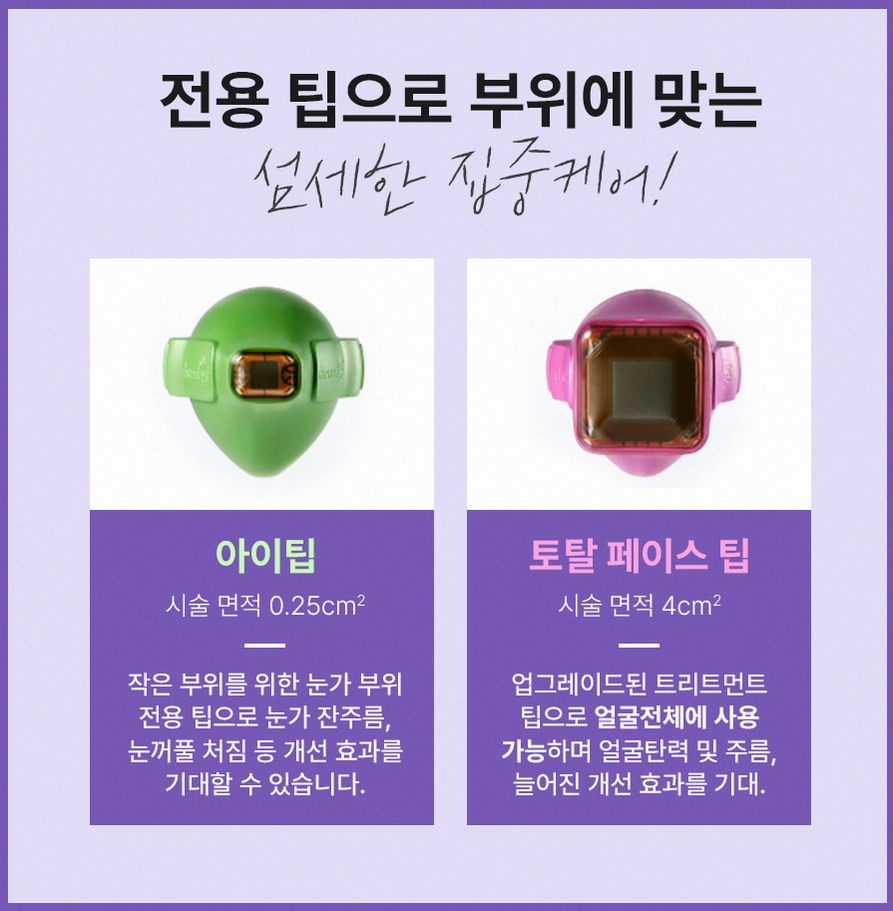
Applying coupling gel or using a special contact tip designed for Thermage FLX
The dermatologist or trained staff will then deliver radiofrequency pulses across the treatment zones. Cooling is applied with each pulse to protect the skin surface.
Sensation and pain control
During Thermage FLX, you may feel heat and a brief tingling or snapping sensation with each shot. The intensity varies depending on your skin thickness, the area being treated, and the energy level.
Energy settings and the number of shots are usually adjusted according to your skin condition and tolerance. Some clinics use topical anesthetic cream or additional cooling methods to improve comfort, but it is better not to expect a completely painless experience. Instead, you can discuss your pain tolerance in advance so the team can plan appropriately.
Duration and downtime
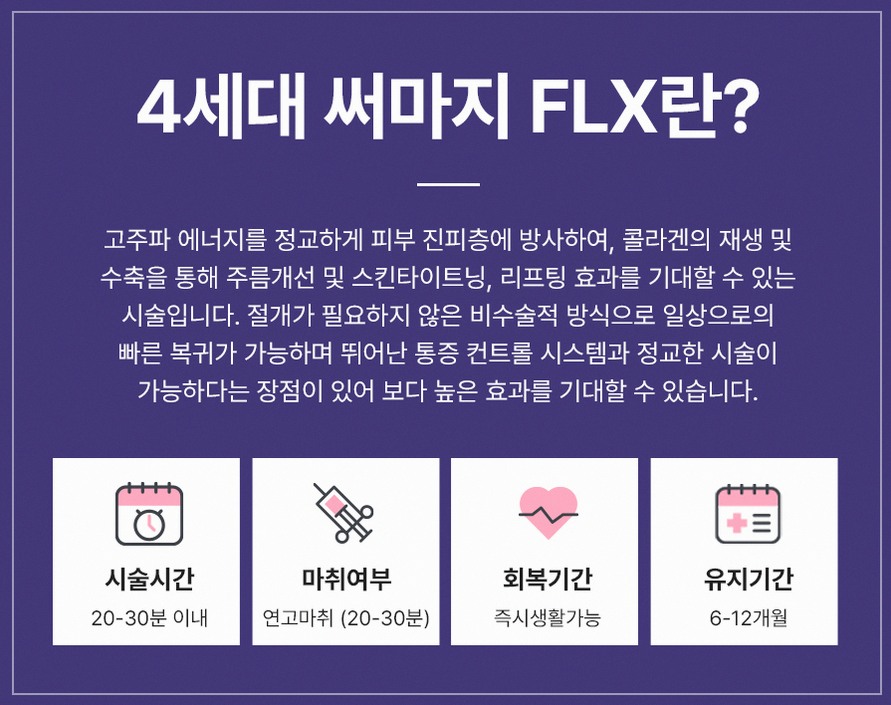
A typical Thermage FLX session for the face and jawline takes about 30–60 minutes, depending on the size of the area and the treatment plan.
Most people experience little to no downtime. Temporary redness, mild swelling, or slight sensitivity can occur and usually subside within a few hours to a couple of days. Makeup and normal activities are often possible the same or next day, as long as you follow basic sun protection and aftercare instructions.
Expected results and realistic expectations
Onset of results
Some patients notice a mild tightening effect immediately after treatment due to collagen contraction. However, the main improvement appears gradually as new collagen forms.
Over the next 2–3 months, you may see:
Slightly firmer skin along the jawline and lower face
Softening of fine wrinkles around the mouth or cheeks
Improved skin texture and elasticity
Duration of effect
The effects of Thermage FLX can last around 6–12 months or more, but this varies widely by age, lifestyle, sun exposure, smoking, and baseline skin condition. Natural aging continues, so the goal is to slow and soften visible changes rather than stop them.
Realistic outcome
Thermage lifting is best thought of as a natural‑looking, subtle improvement. It is not a replacement for a surgical facelift, and no clinic can guarantee a specific degree of lifting. Some people see a noticeable change, while others experience more modest improvement.
Discussing your expectations clearly with the dermatologist in Dongtan is important. They can show you which areas are likely to respond and which may need additional support from other treatments.
Maintenance and repeat sessions
Many patients repeat Thermage at intervals recommended by their dermatologist, often around once a year, depending on how they respond and how quickly they feel their skin is aging.
In some cases, Thermage may be alternated or combined with other treatments such as Ultherapy, injectable skin boosters, or gentle resurfacing to maintain overall skin quality and firmness.
Safety, side effects, and precautions
Common temporary reactions
After Thermage lifting, you may notice:
Redness in the treated area
Mild swelling or puffiness
Transient tingling or sensitivity
These reactions are usually temporary and resolve within hours to a few days.
Less common but possible issues
As with any energy‑based procedure, there are less common risks, such as:
Localized burns or blisters if energy is not properly controlled
Contour irregularities or uneven texture if heat is unevenly distributed
This is why it is important that the procedure is performed with appropriate training, careful settings, and proper technique.
Who should be cautious
Patients with certain implanted medical devices, such as pacemakers, or with severe systemic disease may not be suitable for Thermage. Those with very thin skin or specific connective tissue conditions may also require more conservative settings.
A thorough consultation and honest discussion of your medical history help reduce risk. Always inform the clinic about all implants, surgeries, and chronic conditions before scheduling treatment.
Aftercare basics for overseas patients
After Thermage lifting in Dongtan, aftercare is usually simple, which is convenient for international visitors.
General recommendations include:
Gentle cleansing and moisturizing for the first few days
Strict sun protection with broad‑spectrum sunscreen and avoidance of tanning
Avoiding very hot saunas, steam rooms, or intense facial massage for a short period as advised by the clinic
If you are staying in Korea for only a few days, ask the clinic to provide written aftercare instructions in English and an email or messaging contact in case you have questions after returning home.
Clinic and medical staff context in Dongtan
In Dongtan, some clinics offer Thermage FLX as part of a broader lifting and anti‑aging program. In such settings, Thermage is one of several tools rather than the only option.
You may find clinics where two representative doctors are board‑certified dermatologists who graduated from major medical schools and completed dermatology residency at university hospitals. Some also serve or have served as external faculty in university hospital dermatology departments.
One doctor may have experience as a dermatology chief at a government medical unit, while another may have trained at an overseas laser research institute. These backgrounds can support systematic diagnosis, careful device parameter selection, and evidence‑based treatment planning, especially for energy‑based devices like Thermage.
However, even with strong credentials, outcomes still vary by individual. It is important to focus on clear communication, realistic expectations, and a personalized plan.
Other treatment options often available at the same clinic
Clinics in Dongtan that provide Thermage FLX often also manage a wide range of skin‑related problems, such as chronic skin diseases, acne and scars, vascular and redness issues, hair and scalp concerns, and body treatments.
Their lifting and anti‑aging lineup may include Ultherapy, other radiofrequency and ultrasound devices, injectable skin boosters, and thread lifting. Having multiple options allows the dermatologist to recommend a tailored combination rather than pushing Thermage for everyone.

For example, a patient with mild laxity and many fine wrinkles might benefit from Thermage plus a skin booster, while someone with heavier jowls might need a mix of Ultherapy, threads, and volume adjustment.
How to choose Thermage lifting in Dongtan
When comparing clinics in Dongtan for Thermage lifting, especially from overseas, it helps to look beyond price alone. Consider the following points.
Points to check before booking
Is the procedure performed or supervised by a board‑certified dermatologist?
Does the clinic use genuine Thermage FLX equipment and official consumables?
Is a detailed consultation and skin analysis done before recommending Thermage, rather than offering a one‑size‑fits‑all package?
Are potential side effects, limitations, and alternative options explained clearly?
Experience‑based decision checklist
Before you send an inquiry, it can be useful to prepare:
Your main concerns ranked by priority, such as jawline sagging first, then smile lines, then overall texture
Photos with good lighting and neutral facial expression
Questions about energy settings, shot count range, and which areas will be treated
Questions about pain control, expected redness or swelling, and how many days you should stay in Korea after treatment
During consultation, you can also ask how the clinic decides between Thermage, Ultherapy, and threads for cases similar to yours, and what they would do if your skin does not respond as strongly as expected.
Expected Korea visit timeline for Thermage
For overseas patients, a typical visit schedule for Thermage lifting in Dongtan might look like this:
Day 1: In‑person consultation, skin analysis, medical history review, and treatment planning. In some cases, Thermage can be done on the same day if no additional tests are needed.
Day 1 or 2: Thermage FLX procedure, taking about 30–60 minutes. You can usually return to your hotel or continue light sightseeing afterward.
Day 2 or 3: Optional short follow‑up check for overseas patients to confirm that the skin reaction is normal and to review aftercare.
Because the main results develop over months, you do not need to stay in Korea for a long time after the procedure. However, keeping in touch via online follow‑up is helpful.
Frequently asked questions
How painful is Thermage lifting on the face and jawline?
Most patients describe Thermage as a series of brief hot or tingling sensations with each shot. The intensity can vary by area and energy level. The jawline and bony areas may feel more sensitive than fuller parts of the face. Clinics often adjust settings based on your feedback during treatment and may use topical anesthetic cream or cooling to improve comfort, but some level of heat sensation is expected.
How long do Thermage FLX results last?
The effect of Thermage FLX typically builds over 2–3 months as new collagen forms. Many people feel the improvement lasts around 6–12 months or longer, depending on age, lifestyle, sun exposure, and baseline skin quality. Because aging continues, repeat sessions at intervals recommended by your dermatologist are often suggested if you want to maintain the effect.

Is Thermage better than Ultherapy for jawline lifting?
Thermage and Ultherapy work differently and are not simply better or worse than each other. Thermage uses radiofrequency for broader volumetric heating, which may be good for overall tightening and texture. Ultherapy uses focused ultrasound to target deeper structures like the SMAS for more structural lifting. The best choice depends on your skin thickness, degree of sagging, and tolerance. In Dongtan, many clinics use one or both, tailored to each patient.
Can I travel right after Thermage treatment in Dongtan?
Most patients can travel shortly after Thermage FLX, as there is usually minimal downtime. Temporary redness or mild swelling is possible but often settles quickly. If you are flying soon after treatment, it is wise to inform the clinic so they can give you specific advice and written aftercare instructions. Make sure you have suitable skincare and sun protection for your journey.
Soft call to action for online consultation
If you are considering Thermage lifting in Dongtan for sagging jawline, early jowls, or fine wrinkles, an online consultation can be a practical first step. By sharing clear photos and your concerns in advance, you can receive a preliminary assessment, learn whether Thermage FLX is likely to suit your skin, and plan your visit to Korea more efficiently.
You can prepare your questions about expected results, combination options, pain control, and visit schedule, and discuss them directly with the medical team. This helps you make a calm, informed decision before booking your trip.
- 공유 링크 만들기
- X
- 이메일
- 기타 앱


댓글
댓글 쓰기