Dongtan Thermage Lifting Guide for International Patients
- 공유 링크 만들기
- X
- 이메일
- 기타 앱
If you are searching for Dongtan Thermage lifting, you are most likely looking for a non‑surgical way to tighten and lift the face and jawline with minimal downtime. It is usually done in a single session, with gradual results over several months, and is suitable for many adults who are not ready for surgery but want noticeable tightening.
This guide explains how Thermage lifting works in a dermatology clinic setting in Dongtan, who may benefit, what to expect during a visit to Korea, and how to prepare before and after treatment.
Overview of Thermage FLX lifting
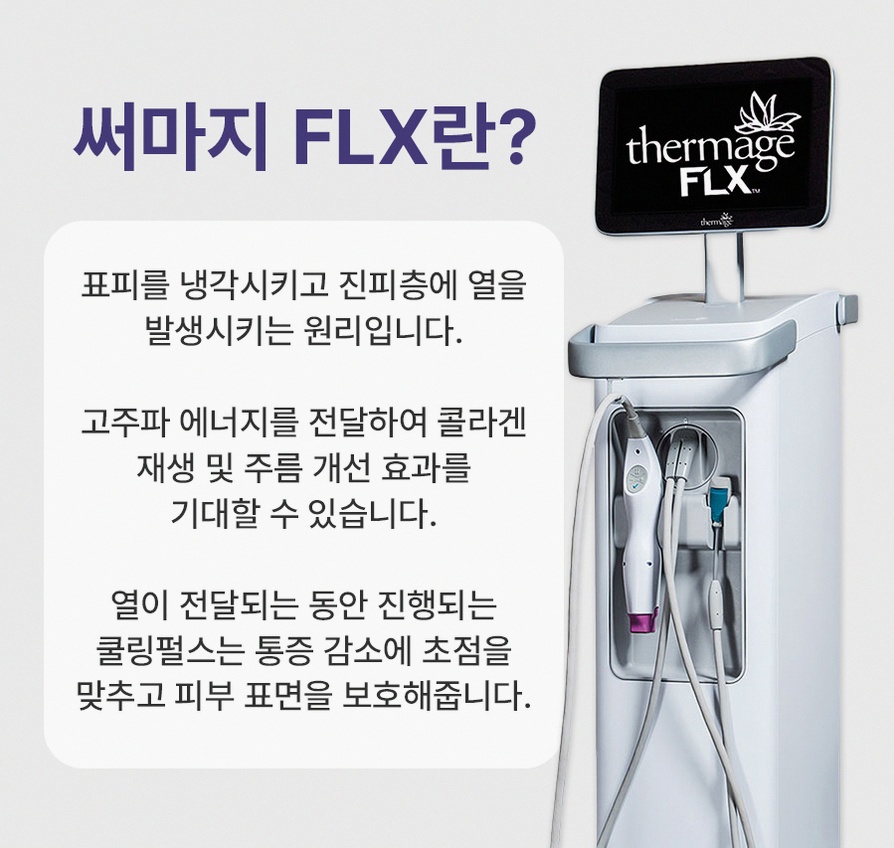
Thermage FLX is a non‑invasive treatment that uses monopolar radiofrequency energy. The device delivers controlled heat into the deeper dermis and fibrous connective tissue under the skin. This heat causes existing collagen fibers to contract and stimulates new collagen production over time.
In practical terms, Thermage FLX is used to tighten and contour areas such as the cheeks, jawline, lower face, and sometimes the neck and eye area. Many patients choose it to address early sagging, blurred jawline, or mild double chin caused mainly by skin laxity.
Thermage FLX is different from ultrasound‑based lifting treatments such as Ultherapy or other HIFU devices. Ultrasound devices focus energy at specific deeper layers like the SMAS (a fibrous layer above the facial muscles), while Thermage focuses more on the dermis and fibrous septa. As a result, Thermage is often described as a global skin tightening and contouring treatment, while ultrasound lifting is more targeted to deeper lifting. In many clinics, the two technologies are used separately or in combination, depending on the patient’s needs.
Why people in Dongtan choose Thermage lifting
Dongtan, especially the Dongtan 2 New Town area, has many busy professionals and parents who prefer treatments that fit easily into their schedule. Thermage lifting is often completed in a single session that commonly takes under an hour, depending on the area treated; clinic times vary, so confirm the expected session length with your clinic. It typically involves minimal visible downtime.
For patients living or working in Dongtan and nearby Hwaseong or Suwon, having Thermage FLX available at a local dermatology clinic means they can plan treatment around workdays, school runs, or short visits to Korea without a long recovery period.
Who may consider Thermage lifting
Thermage FLX is generally suitable for adults with mild to moderate skin laxity who want firmer, more defined facial contours without surgery. Typical concerns include early jowls, sagging around the corners of the mouth, and a softer jawline.
Good candidates often include people who notice that their face looks more tired or heavier in photos, even though their weight has not changed much. They may see deepening nasolabial folds or marionette lines due partly to skin laxity rather than only volume loss.
Ideal candidate profile
Thermage lifting may be considered if you have one or more of the following:
Mild to moderate sagging of the cheeks and lower face
Early jowls and a less defined jawline
Mild double chin mainly from loose skin, not a large fat volume
Fine lines and early wrinkles that are related to collagen loss
Skin that feels thinner or less elastic than before
It is also suitable for people who:
Prefer non‑surgical options and are not ready for a facelift
Want a single‑session treatment rather than multiple frequent visits
Have limited time off and need minimal downtime
When Thermage may not be enough on its own
Thermage FLX has limitations. It is not a replacement for surgical lifting. In cases of very severe sagging, heavy jowls, or a thick fat layer under the chin, other options may be more appropriate or may need to be combined with Thermage.
Examples include:
Very heavy lower face with significant fat deposits
Markedly loose neck skin with deep folds
Advanced aging with strong gravitational sagging
In these situations, a dermatologist may recommend surgical lifting, thread lifting, fat‑dissolving injections, or a combination of treatments. A detailed consultation is essential to decide on a realistic and safe plan.
Consultation and assessment in a dermatology clinic setting
Before Thermage lifting, a proper medical consultation is important. At a specialized dermatology clinic, a dermatologist (skin specialist) assesses your skin and overall suitability for radiofrequency treatment.
Key points of the assessment include:
Skin thickness and elasticity: Thicker, more elastic skin may respond differently from thin, sun‑damaged skin.
Degree and pattern of laxity: The doctor checks where sagging is most prominent, such as mid‑cheek, jawline, or neck.
Fat distribution: The amount and location of facial fat influence whether Thermage alone is enough or if volume reduction or replacement is needed.
Bone structure: Jaw and cheekbone shape affect how lifting results appear.

The dermatologist will also review your medical history, including:
Any implanted devices such as pacemakers or metal implants in the treatment area
Previous facial procedures (lasers, fillers, threads, surgery)
Medications, especially those affecting healing or sensitivity
History of keloids or abnormal scarring
In a clinic such as Hus-hu Dermatology Clinic Dongtan, doctors with university hospital and laser institute experience typically plan and perform or closely supervise energy‑based treatments like Thermage FLX. This helps with appropriate energy selection, safe technique, and realistic treatment planning.
How Thermage lifting is performed
On the treatment day, the Thermage FLX procedure usually follows a structured sequence. While details may vary slightly between clinics, the general steps are similar.
1. Cleansing and preparation
The treatment area, such as the full face and jawline, is thoroughly cleansed to remove makeup, sunscreen, and oil. Photographs may be taken for medical records and to help monitor progress over time.
A treatment grid or markings may be drawn on the skin to guide even energy delivery. This ensures that the radiofrequency pulses are distributed systematically across the face and jawline.
2. Anesthesia and comfort measures
Many patients tolerate Thermage FLX with only cooling and brief heat sensations. However, comfort options can include topical anesthetic cream applied beforehand, oral pain control, or both, depending on individual pain tolerance and clinic policy.
The device handpiece has integrated cooling to protect the skin surface while the deeper layers are heated. You may feel alternating sensations of cooling and heat with each pulse.
3. Application of coupling fluid and disposable tip
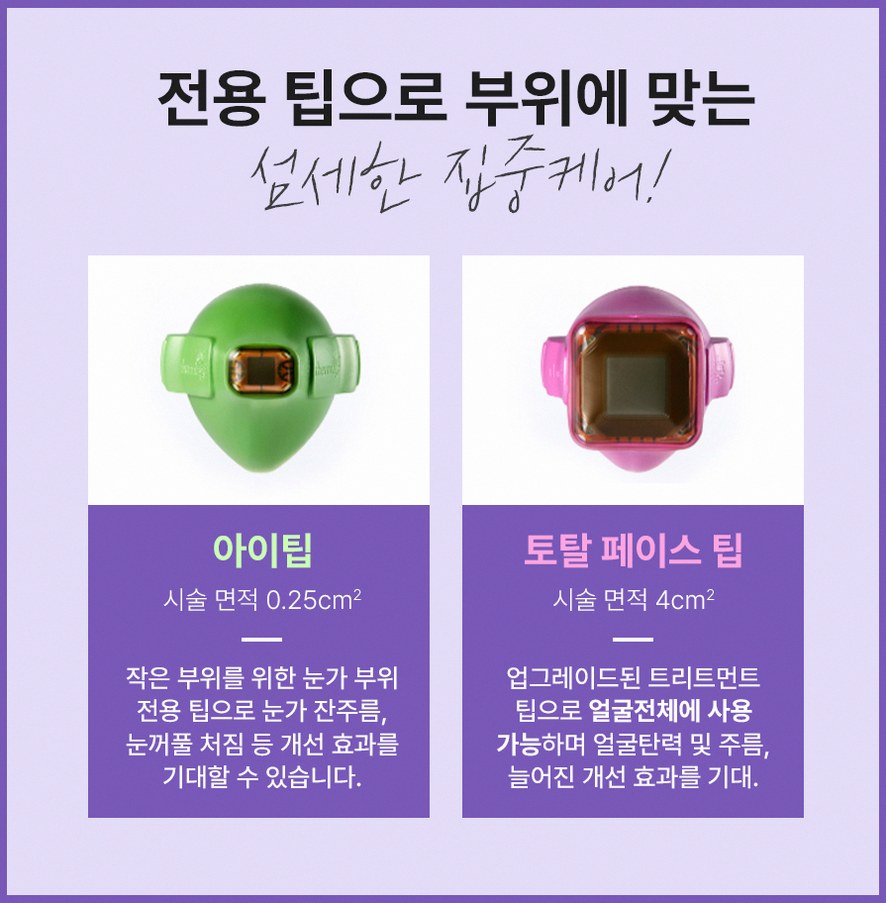
A coupling fluid or gel is applied to the skin to help the handpiece glide smoothly and to optimize energy delivery. The doctor or trained staff fit a single‑use Thermage FLX tip onto the handpiece. These tips are designed for specific areas and have a defined number of pulses.
4. Delivery of radiofrequency pulses
The doctor moves the handpiece across the marked grid, delivering multiple radiofrequency pulses to each zone. With each pulse, you may feel a brief, deep warming sensation, sometimes described as a hot prick or snap, followed by cooling.
Real‑time feedback allows the operator to adjust energy levels based on your comfort and the skin’s response. Communication during the procedure is important; you should inform the staff if any area feels excessively hot.

5. Treatment duration
The total treatment time for the face and jawline is usually around 30 to 60 minutes, depending on the size of the area and the treatment plan. If the neck or eye area is included, the session may be slightly longer.
Expected effects and treatment timeline
Thermage lifting works through immediate collagen contraction and longer‑term collagen remodeling. Understanding the timeline helps set realistic expectations.
Immediately after treatment
Some patients feel a mild tightening or lifting sensation right away. This is due to the initial contraction of collagen fibers when heated. The skin may appear slightly firmer or more contoured, but this early change is usually subtle.
First few days
Mild redness or slight swelling can occur but typically resolves within hours to a couple of days. Most people can apply makeup the same or next day if the skin is intact and not overly sensitive.
2 to 3 months after treatment
This is the main period when new collagen is produced and existing collagen is remodeled. Gradual improvements may include:
Firmer cheeks and jawline
Softer appearance of nasolabial folds and marionette lines due to lifting of the mid and lower face
More defined facial contour from ear to chin
Smoother skin texture in some patients
Longevity of results
Many patients experience benefits for around one year or longer, depending on age, lifestyle, sun exposure, smoking, and baseline skin condition. Thermage does not stop the natural aging process, so some degree of ongoing laxity will continue over time.
Repeat sessions may be considered when the effect gradually softens, often at intervals of about 12 to 24 months, but the ideal timing should be discussed individually with a dermatologist.
Safety, side effects, and downtime
Thermage FLX is a non‑invasive procedure, but it is still a medical treatment that uses significant energy. Understanding possible side effects is important.
Common, usually mild reactions
Temporary redness: The treated area may look flushed for a few hours.
Mild swelling: Some puffiness can occur, especially around the cheeks and jawline, usually resolving within a few days.
Tenderness or tingling: The skin may feel slightly sore or sensitive to touch for several days.
These reactions typically do not interfere with daily activities. Most patients can return to work or social events immediately or the next day.

Less common but important risks
If energy is not properly controlled or the technique is incorrect, more serious side effects can occur, although they are rare:
Localized burns or blisters: Excessive heating in a small area can damage the skin surface.
Surface irregularities: Uneven heating may lead to textural changes.
Fat atrophy: Over‑treatment in certain zones can potentially reduce subcutaneous fat, making the face look overly slim or hollow.
Using genuine Thermage FLX equipment, appropriate tips, and experienced operators helps reduce these risks. During consultation, you can ask the clinic to confirm that they use original Thermage FLX devices and consumables and to explain how they manage safety.
Comparison with Ultherapy, thread lifting, and HIFU
Many patients in Dongtan search for Thermage lifting while also comparing it with Ultherapy, thread lifting, or other HIFU devices. Each option has its own role.
Thermage FLX vs Ultherapy or other HIFU
Energy type: Thermage uses radiofrequency; Ultherapy and HIFU use focused ultrasound.
Target depth: Thermage focuses on the dermis and fibrous septa; Ultherapy can target deeper structures including the SMAS layer.
Main effect: Thermage is often chosen for overall tightening and contouring; Ultherapy is commonly used for deeper lifting and structural support.
Sensation: Thermage feels like deep heat with cooling; ultrasound lifting can feel like sharp, deep tingling or prickling.
Thread lifting
Thread lifting uses dissolvable threads inserted under the skin to mechanically lift tissues. It can provide a more obvious immediate lift but involves needle entry points, potential bruising, and a recovery period with some movement restrictions.
Thermage is completely non‑invasive and does not involve insertion of threads, but its effect is more gradual and generally subtler than a strong thread lift or surgery.
Combination treatments
In some cases, dermatologists recommend combining Thermage with other treatments, for example:
Thermage plus Ultherapy for both dermal tightening and deep lifting
Thermage plus fillers to restore lost volume and improve contour
Thermage plus thread lifting in selected cases where both tightening and mechanical lift are desired
The best combination depends on your age, degree of sagging, facial volume, and tolerance for downtime. A personalized plan is usually more effective than choosing a single procedure based only on popularity.
Why choose a specialized dermatology clinic setting
For energy‑based treatments like Thermage FLX, the experience of the medical team and the quality of equipment are important. In Dongtan, some clinics focus strongly on laser and energy devices and have doctors with university hospital teaching backgrounds or international training.
Points that may be relevant when choosing a clinic include:
Board‑certified dermatologists who understand skin structure, aging patterns, and how different devices interact
Experience with a wide range of devices, including Thermage FLX and Ultherapy, so they can recommend the most suitable option rather than relying on a single machine
Use of genuine devices and disposable tips, with adherence to updated treatment protocols
Personalized treatment planning that considers your age, skin type, medical history, and long‑term anti‑aging goals
A clinic such as Hus-hu Dermatology Clinic Dongtan, located in the Dongtan 2 New Town area, offers the advantage of easy access for residents and for overseas visitors staying in nearby accommodations.
Practical information for overseas patients visiting Dongtan
For international patients, choosing a clinic in Dongtan can be convenient if you prefer a quieter environment than central Seoul while still having modern facilities and good transport links.
Local convenience
Dongtan is well connected by bus and rail to major parts of the Seoul metropolitan area. For Thermage lifting, you usually need only one main treatment visit, plus an initial consultation and possibly a short follow‑up, which can often be combined within a single trip.
Many clinics in Dongtan offer extended weekday hours and Saturday appointments, which can help you fit treatment around sightseeing or business schedules. It is advisable to book in advance, as popular time slots may be filled quickly, especially if you have only a few days in Korea.
Online consultation and pre‑visit preparation
Before you travel, many clinics can provide an online or video consultation. This is helpful to:
Share photos of your face and neck from different angles
Explain your main concerns and goals (for example, jawline definition, early jowls, or mild double chin)
Review your medical history and any implanted devices
Discuss whether Thermage FLX is likely to suit your condition or whether a combination approach may be better
To prepare for an online consultation, it is useful to write down:
Which areas bother you most and for how long
What treatments you have tried before (lasers, fillers, threads, surgery)
Any allergies, chronic illnesses, or medications
Your schedule in Korea, including arrival and departure dates
Before your visit, the clinic may send you instructions about skincare, medication adjustments if needed, and what to avoid before the procedure.
Expected Korea visit timeline for Thermage lifting
A typical schedule for overseas patients may look like this, although it can be adjusted:
Day 1: In‑person consultation and skin assessment. If you have already completed an online consultation and there are no contraindications, Thermage may be performed the same day.
Day 1 or Day 2: Thermage FLX treatment session, lasting about 30 to 60 minutes for face and jawline. You can usually return to your hotel or continue light activities immediately afterward.
Day 2 to Day 3: Optional short follow‑up visit to check the skin, especially if you have sensitivity or if combination treatments are planned.
Weeks to months after return: You may send follow‑up photos by email or messaging to update the clinic on your progress and discuss any future treatments.
Pre‑ and post‑care tips
Before treatment
Avoid strong sun exposure and tanning for at least one to two weeks before your appointment. Sunburned or very irritated skin is not suitable for Thermage.
Inform the clinic if you have:
Pacemakers or other implanted electronic devices
Metal plates, screws, or implants in the treatment area
Serious medical conditions such as uncontrolled diabetes or autoimmune disease
Discuss your pain tolerance and anesthesia options in advance so the clinic can prepare topical cream or oral medication if appropriate.
On the day, arrive with clean skin if possible, or allow time for thorough cleansing at the clinic. Remove contact lenses if the eye area is being treated.
After treatment
Use gentle cleansing and moisturizers for several days. Avoid harsh scrubs, strong acids, or retinoids until your skin feels completely comfortable.
Apply broad‑spectrum sunscreen daily, as newly treated skin can be more sensitive to ultraviolet light. This helps protect your collagen and maintain results.

Avoid intense heat exposure, such as saunas, hot baths, or hot yoga, for a few days if your skin feels warm or sensitive.
Follow any personalized instructions from your dermatologist, especially if you are combining Thermage with other treatments like fillers or thread lifting.
Frequently asked questions
How is Thermage lifting different from Ultherapy in terms of feeling and results?
Thermage FLX uses radiofrequency to heat the dermis, while Ultherapy uses focused ultrasound to target deeper structures including the SMAS layer. During Thermage, patients usually feel deep warmth with cooling at the skin surface, while Ultherapy can feel like sharp, deep tingling or prickling along the treatment lines.
In terms of results, Thermage is often chosen for global tightening and contouring of the face and jawline, with some improvement in texture. Ultherapy is typically used for deeper lifting of the brow, midface, and jawline. Some patients benefit from one or the other, and others from a combination, depending on their anatomy and goals.
How long do Thermage results last, and when should I consider a repeat session?
Many patients notice gradual improvement over 2 to 3 months after Thermage, with results that can last around one year or longer. The exact duration depends on age, lifestyle, sun exposure, smoking, and how advanced the initial laxity was.
A repeat session is usually considered when you feel that the tightening effect has softened and your skin laxity has progressed again. For some, this may be around 12 to 18 months; for others, longer. Your dermatologist can help you decide on an appropriate interval based on your skin’s response.
Is Thermage suitable for the neck or under‑eye area, and does it make the face look slimmer?
Thermage FLX can be used on the neck and under‑eye area with specific tips designed for those regions. For the neck, it may help tighten mild laxity and improve the jawline‑neck transition. For the under‑eye area, it can support collagen and mild tightening, but careful energy control is essential because the skin is thin.
Thermage can make the face look more contoured and slightly slimmer by tightening the skin and improving definition, especially along the jawline. However, excessive or incorrect treatment could theoretically contribute to volume loss in some areas, so it is important that an experienced doctor plans the energy settings and treatment pattern.

Can Thermage be combined with fillers or thread lifting, and what should I check to confirm genuine Thermage FLX equipment?
Yes, Thermage is often combined with fillers, thread lifting, or other devices as part of a comprehensive anti‑aging plan. The usual approach is to perform energy‑based tightening like Thermage first, then add fillers or threads later if needed to refine contour or restore volume. The exact order and timing should be decided with your dermatologist.
To confirm that a clinic is using genuine Thermage FLX equipment, you can ask to see the device, check the branding, and ask whether they use original single‑use tips from the official manufacturer. You can also ask the doctor to explain the shot count and treatment plan in detail. Reputable clinics are usually transparent about their devices and protocols.
Soft call to action for online consultation
If you are considering Dongtan Thermage lifting and would like to know whether Thermage FLX is suitable for your skin, you can arrange an online consultation with a dermatology clinic in the Dongtan area such as Hus-hu Dermatology Clinic Dongtan before you travel. Sharing clear photos and your medical history allows the doctor to give you preliminary guidance, suggest a possible schedule, and explain what to expect.
With proper assessment, realistic expectations, and careful aftercare, Thermage lifting can be a practical option for overseas patients seeking non‑surgical facial tightening during a visit to Korea.

- 공유 링크 만들기
- X
- 이메일
- 기타 앱


댓글
댓글 쓰기