Dongtan Thread Lifting: Non‑Surgical Facial Lift Options for International Patients
- 공유 링크 만들기
- X
- 이메일
- 기타 앱
Direct answer summary
If you are searching for Dongtan thread lifting, you are most likely looking for a non‑surgical way to improve facial sagging and contour while visiting or staying near Dongtan in Hwaseong. , which are inserted under the skin to lift sagging tissues and stimulate collagen. It is intended for people with mild to moderate sagging who want a sharper jawline, softer folds around the mouth, and a fresher mid‑face without undergoing full surgery. In Dongtan, there are dermatology clinics where board‑certified dermatologists offer thread lifting as part of a broader lifting and anti‑aging program, often combined with ultrasound or radiofrequency lifting and injectable treatments.
Overview of thread lifting in Dongtan
Thread lifting is a minimally invasive lifting procedure that uses fine, dissolvable threads to reposition and support sagging facial tissues. In Dongtan, Hwaseong, clinics offer thread lifting as one of several non‑surgical lift options for patients who want visible yet natural improvement with relatively short downtime.
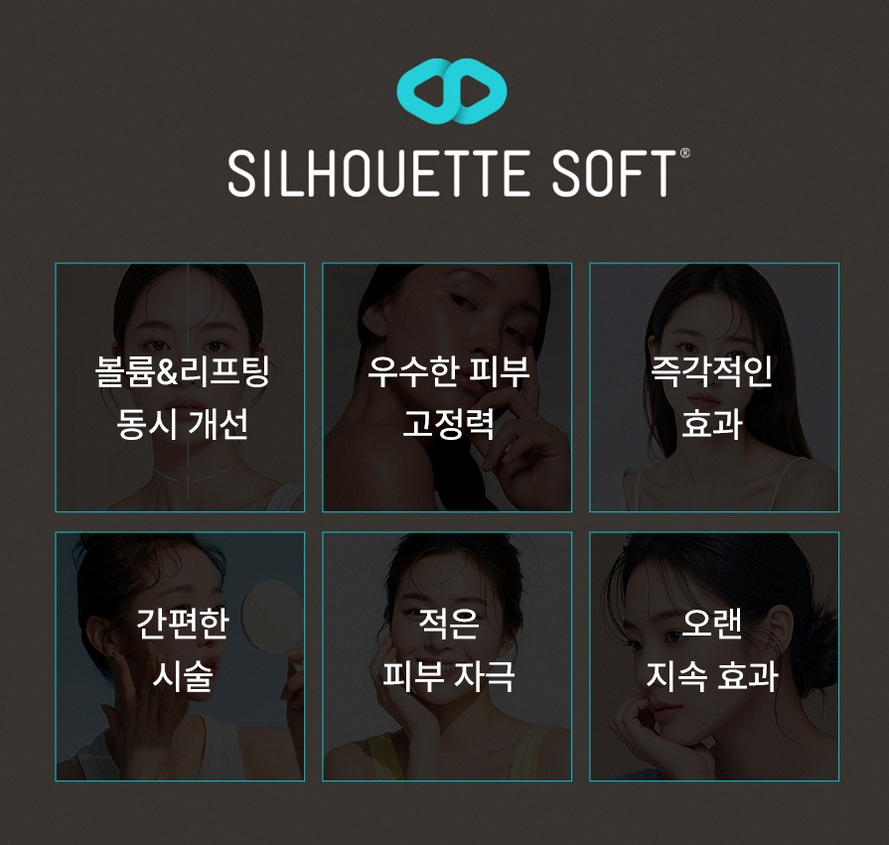
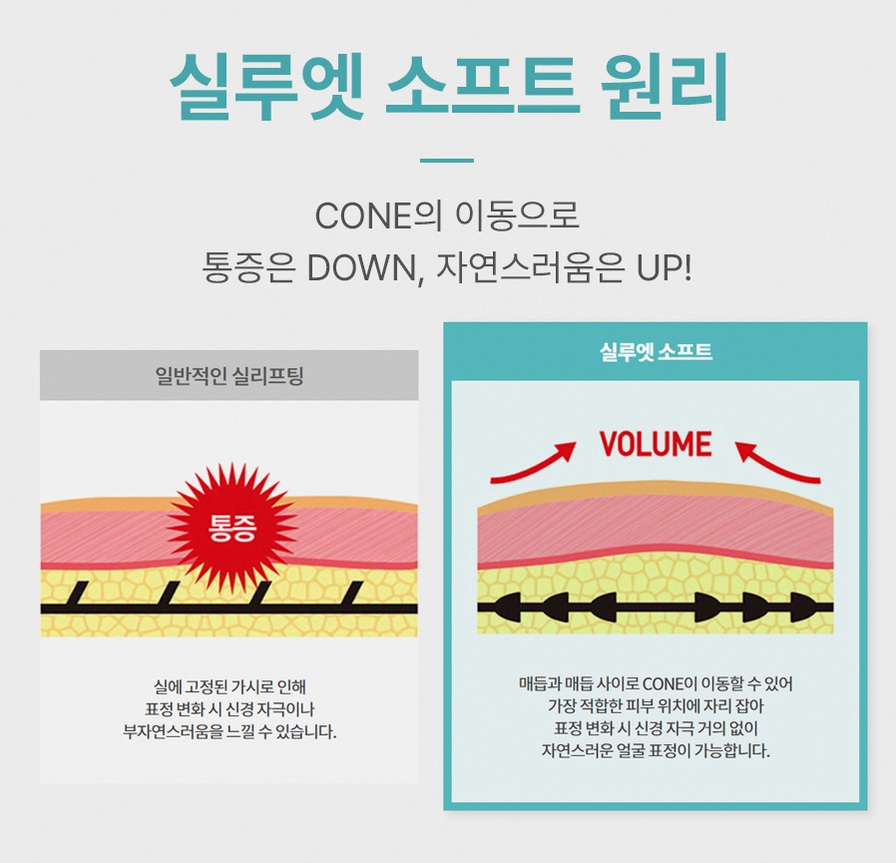
Once placed under the skin, these threads provide an immediate mechanical lift and then gradually stimulate collagen production as they dissolve. This combination can improve facial contours and skin firmness over time.
Compared with a surgical facelift, thread lifting offers more subtle results but does not require general anesthesia, large incisions, or a long recovery period. This makes it particularly attractive for international patients who are planning a short stay in Korea and wish to return to work or travel soon after treatment.
What is thread lifting and how does it work
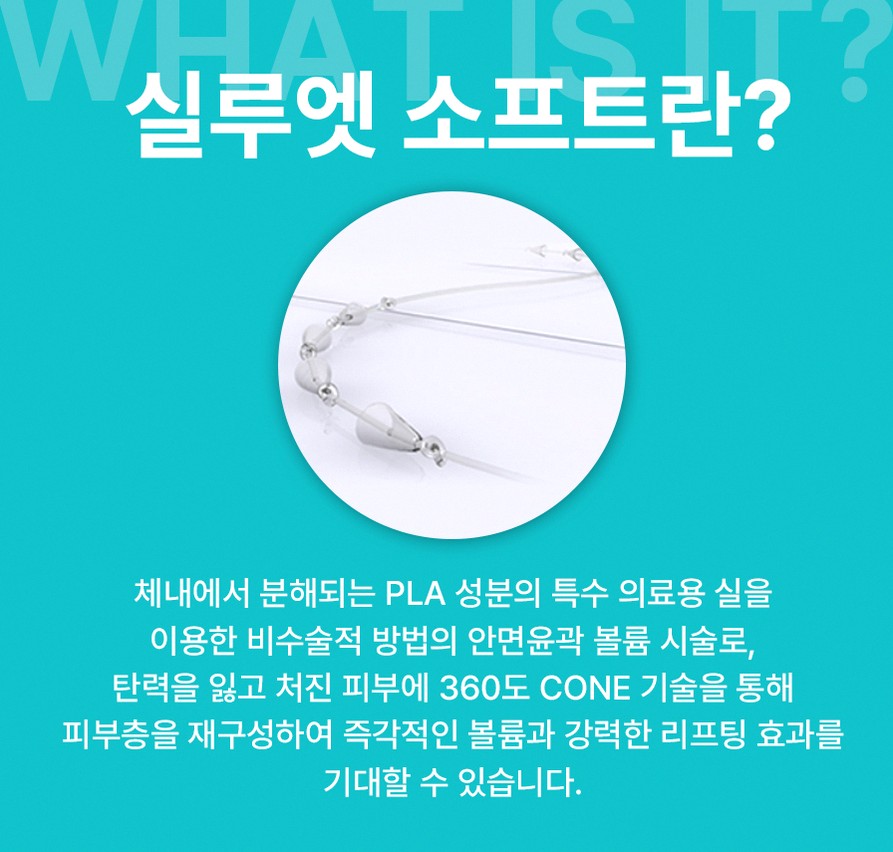
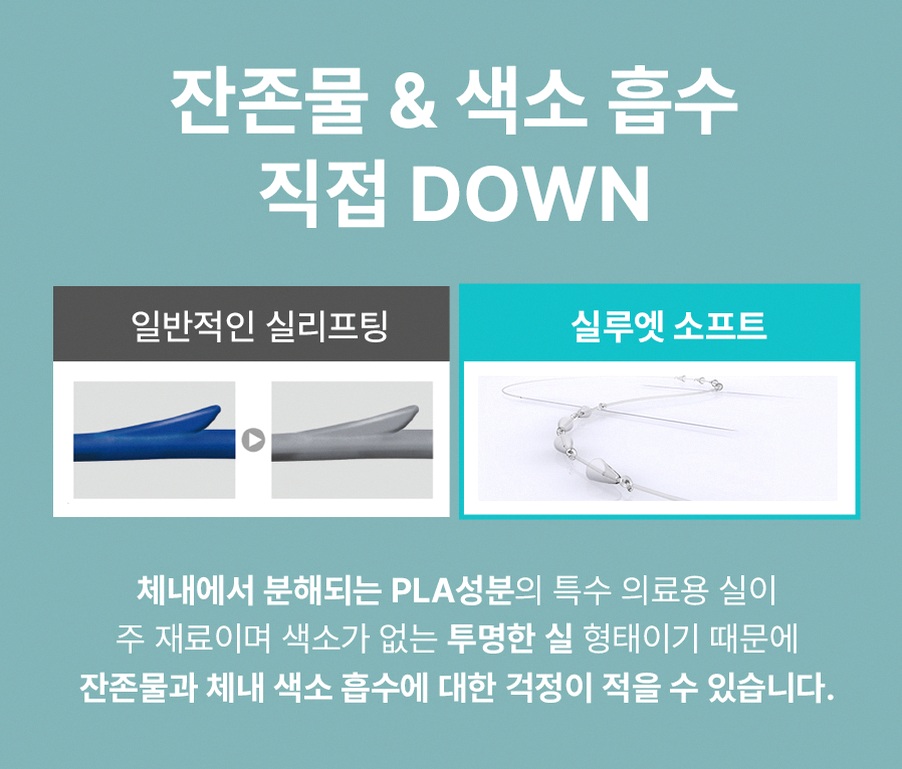
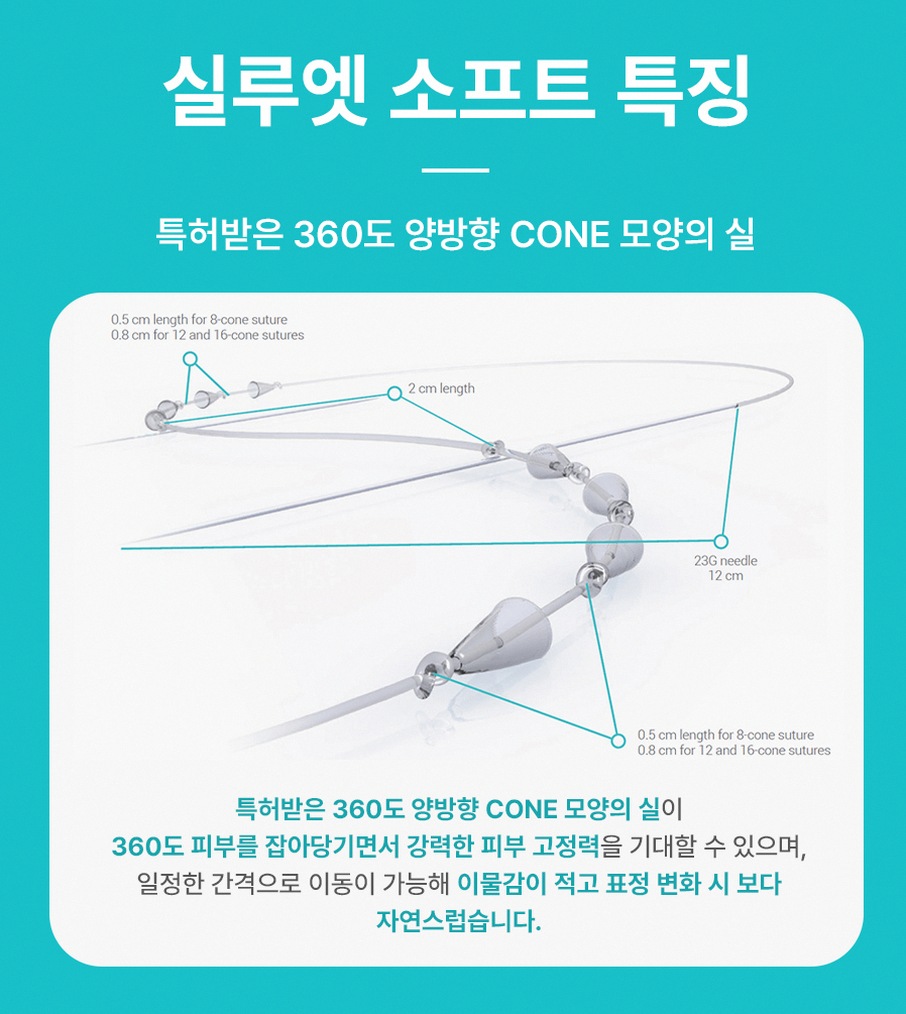
Thread lifting is a procedure in which a doctor inserts fine lifting threads under the skin using needles or blunt cannulas. These threads may have tiny barbs or cogs that anchor into the surrounding tissue. When the threads are gently pulled, they lift and reposition sagging areas.
Common treatment areas include the jawline and jowls for a sharper lower face, nasolabial folds running from the nose to the mouth, marionette lines at the corners of the mouth, the cheeks and mid‑face to restore a more youthful contour, and in some cases the neck to address early sagging.
There are two main mechanisms of action. First, the mechanical effect: the threads physically hold tissues in a slightly higher position, reducing the appearance of sagging. Second, the biological effect: as the body gradually breaks down the threads over months, a controlled healing response occurs. New collagen and supportive fibers form around the threads, which can help maintain improved firmness even after the material has dissolved.
Because the procedure is done under local or topical anesthesia, patients remain awake and can give feedback during the process. This allows the doctor to fine‑tune the lift and symmetry in real time.
Who may consider thread lifting in Dongtan
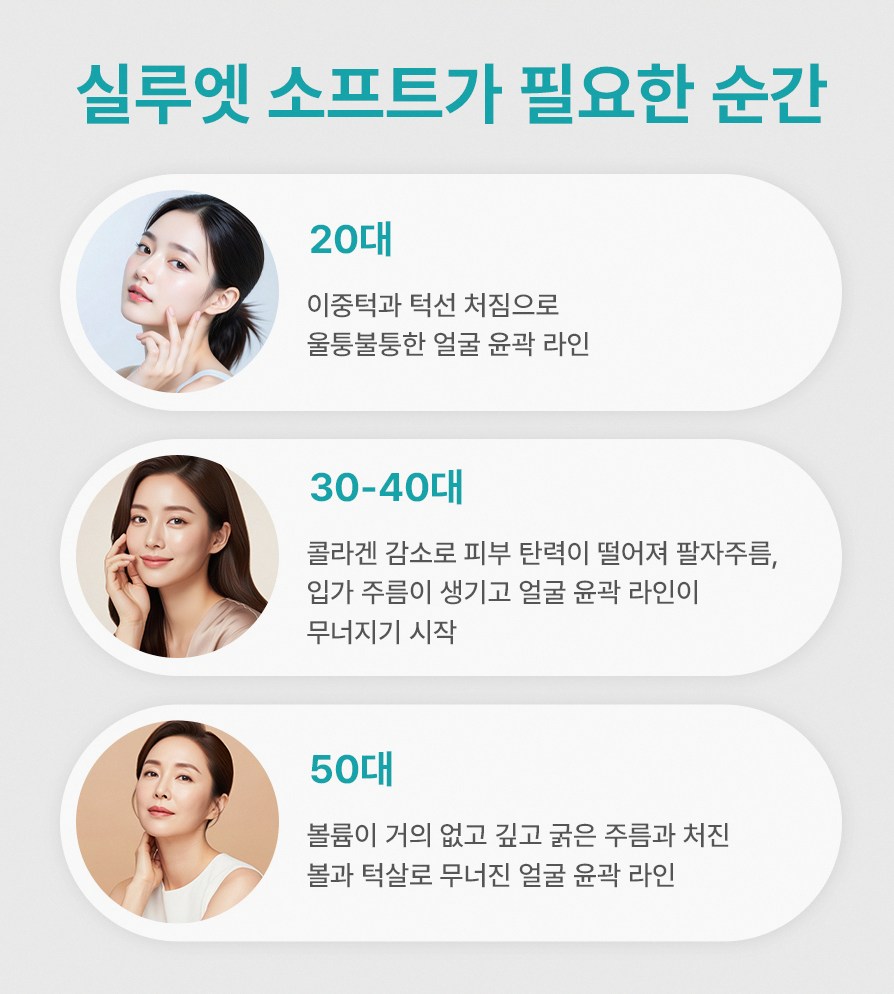
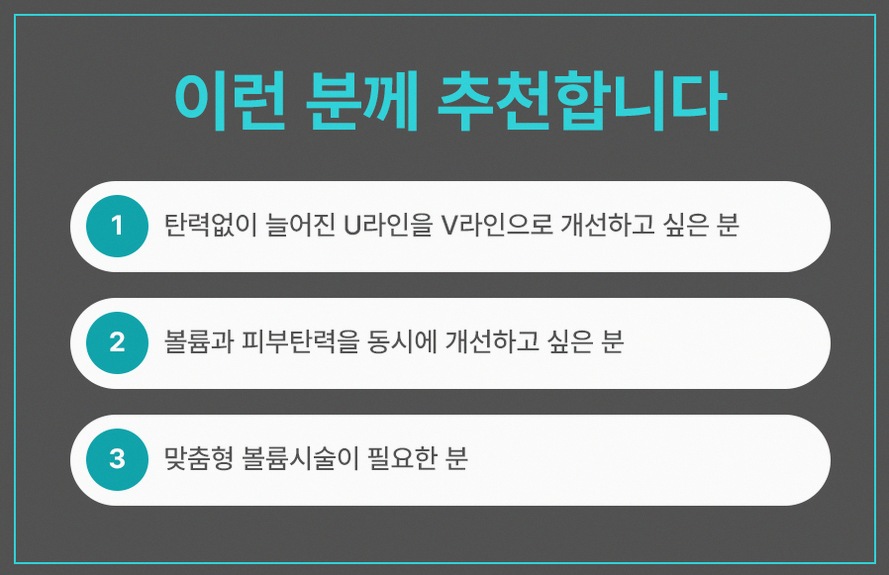
Thread lifting is generally suited to people in their 30s to 50s who are noticing early to moderate signs of facial sagging but do not yet require or do not wish to undergo surgical lifting.
You may consider thread lifting if you would like a sharper jawline and reduced jowls, softer nasolabial folds and marionette lines, or a more lifted cheek and mid‑face area. It can also be an option if you feel your face looks tired or heavy in photos, but you prefer a minimally invasive approach.
Thread lifting is often chosen by people who want to avoid general anesthesia, long scars, or extended downtime. Many international patients plan the procedure during a short visit to Korea, combining it with other skin or lifting treatments.
However, thread lifting is not ideal for everyone. If you have very severe sagging, very heavy or thick skin, or a large amount of excess skin, a non‑surgical thread lift alone may not provide enough improvement. In such cases, a combination approach may be recommended, such as energy‑based lifting with ultrasound (Ultherapy‑type HIFU), radiofrequency tightening, or other modalities. In some situations, a surgical facelift at another facility may be more appropriate. A detailed consultation is necessary to determine the best plan.
How thread lifting is planned at a Dongtan dermatology clinic
In Dongtan, some clinics provide thread lifting as part of a comprehensive lifting and anti‑aging program rather than as a stand‑alone procedure. Two representative doctors at one such clinic are board‑certified dermatologists, both graduates of Kyung Hee University School of Medicine and external faculty at the dermatology department of Kyung Hee University Medical Center. One of the doctors has experience as dermatology chief at the medical unit for the presidential office and placed first in the first‑stage national dermatology board exam. The other has training experience at the UCI Beckman Laser Institute in the United States and is active in multiple dermatology and laser‑related academic societies.
This background supports careful assessment of facial anatomy, skin quality, and complex skin conditions before deciding whether thread lifting is appropriate. Instead of offering a single fixed package, the lifting plan is usually tailored to each patient, sometimes combining threads with ultrasound lifting, radiofrequency lifting, fillers, skin boosters, or other anti‑aging injections.
Step‑by‑step procedure and recovery timeline
Pre‑treatment consultation
Before any thread is placed, you will have a consultation with a dermatologist. During this visit, the doctor will examine your face to assess skin thickness, degree of sagging, facial asymmetry, and overall skin condition. If you have conditions such as acne, rosacea, pigmentation, psoriasis, or vitiligo, these will also be considered when planning treatment.
You will discuss your main concerns and expectations, for example whether your priority is jawline definition, lifting of the mid‑face, or softening of folds around the mouth. The doctor will then suggest the type and number of threads, the direction of lifting vectors, and whether to combine threads with other procedures such as ultrasound lifting, radiofrequency lifting, fillers, or skin boosters.
For international patients, this consultation can often begin online before your visit. Sending clear photos from the front and both sides, along with information about your age, medical history, and previous cosmetic procedures, helps the doctor prepare a realistic plan.
On the day of the procedure
On the treatment day, your skin will first be cleansed thoroughly. The doctor will mark the lifting vectors on your face, following your natural anatomy and the agreed‑upon plan. These markings guide where the threads will enter and in which direction they will lift.
Local anesthesia injections or topical numbing cream are then applied to minimize discomfort. Once the area is numb, the doctor inserts the threads through small entry points using fine needles or blunt cannulas. You may feel some pressure or pulling, but sharp pain is usually limited by the anesthesia.
After placing the threads, the doctor adjusts the tension to achieve the desired lift and symmetry. You may be asked to sit up or move your facial muscles slightly so that fine adjustments can be made. The external ends of the threads are trimmed, and the entry points are cleaned.
Immediate post‑treatment period
Right after the procedure, you can usually see an initial lifting effect. At the same time, there may be some swelling, mild bruising, or a feeling of tightness. The face can look slightly uneven or over‑lifted in the first few days as tissues settle around the threads.
Most patients can leave the clinic shortly after treatment. Many return to light daily activities within one to two days, although visible bruising or swelling may take several days to fade. Makeup is often allowed after a short period, depending on the clinic’s instructions.
For international visitors, it is generally advisable to stay in Korea for a few days after the procedure in case a brief follow‑up visit is needed. Your doctor can advise you on the minimum stay based on your treatment plan.
Expected results and how long they last
Thread lifting usually provides two phases of improvement. First, there is an immediate mechanical lift from the threads themselves. This is visible right after the procedure, although it can be partly masked by swelling in the early days.
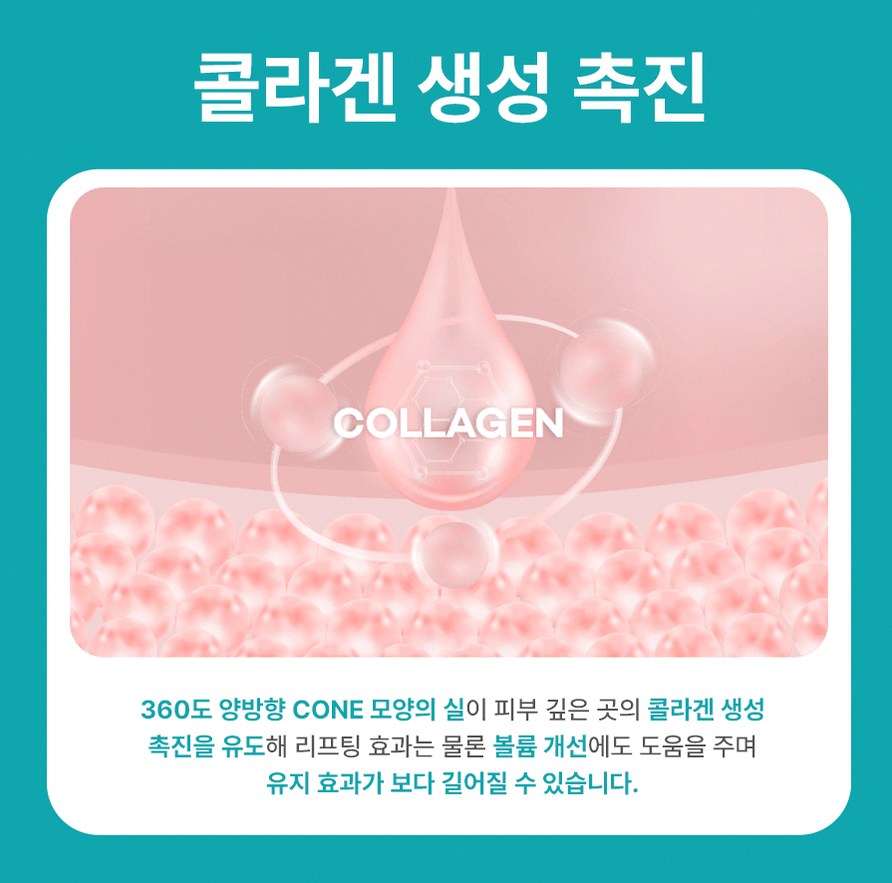
Second, as the threads gradually dissolve over several months, they stimulate collagen and other supportive fibers around them. This biological effect can lead to gradual improvement in skin firmness and texture over the following weeks.
Most people notice their face looking more lifted and defined within a few weeks, with a more settled and natural appearance after one to two months. The exact duration depends on factors such as the type and thickness of threads used, your skin condition, age, lifestyle, and whether you maintain your results with additional treatments.
Maintenance sessions can be planned once the effect starts to fade. Some patients choose to repeat thread lifting at intervals, while others combine smaller thread touch‑ups with ultrasound lifting, radiofrequency tightening, fillers, or skin boosters to prolong or enhance the overall anti‑aging effect.
Safety, side effects, and precautions
Thread lifting is considered a minimally invasive procedure, but it is still a medical treatment and carries potential risks. Common temporary reactions include swelling, bruising, mild pain or tightness when moving facial muscles, and slight asymmetry in the first days as tissues adapt to the new position.
Less common but more significant complications can include infection at the entry points, thread visibility or palpability under thin skin, dimpling or irregularities on the surface, prolonged asymmetry, or the need for thread adjustment or removal. These risks are reduced but not completely eliminated when the procedure is performed by an experienced doctor who understands facial anatomy and uses appropriate materials.
To support safety, it is important to choose a clinic where thread lifting is performed by a qualified doctor, such as a board‑certified dermatologist, using genuine, approved thread materials. Proper sterile technique, careful planning of insertion vectors, and a realistic treatment plan are essential.
Aftercare instructions usually include avoiding strong facial massages, exaggerated facial expressions, or sleeping face‑down for a certain period, often around one to two weeks depending on the clinic’s protocol. Heavy exercise, sauna, and alcohol may be restricted for a short time to reduce swelling and the risk of bruising.
If you notice increasing pain, redness, heat, or discharge at the entry points, or if you feel a thread protruding, you should contact the clinic promptly for evaluation.
How thread lifting fits into a broader lifting program in Dongtan
In Dongtan, some dermatology clinics offer a full lifting lineup rather than relying only on threads. This may include ultrasound lifting similar to Ultherapy‑type HIFU, radiofrequency lifting similar to Thermage‑type systems, skin tightening lasers, and various anti‑aging injections.
Thread lifting is often combined with these methods to address different layers of aging. For example, ultrasound or radiofrequency can target deeper structures and overall tightening, while threads focus on mechanical repositioning of sagging tissues. Fillers may be used to restore lost volume in specific areas, and skin boosters can improve hydration and fine lines.
Because the same clinic may also manage medical skin conditions such as acne, rosacea, pigmentation, psoriasis, or vitiligo, the treatment plan can be adjusted if you have sensitive or problematic skin. This is particularly important for international patients who may have limited time for follow‑up after returning home.
Pre‑visit online consultation and preparation for overseas patients
If you are planning to travel to Dongtan for thread lifting, an online consultation is a practical first step. Many clinics offer online or messaging‑based consultations on specific weekdays through major local portal reservation systems.
Before your online consultation, prepare the following information. Take clear, well‑lit photos of your face from the front, both sides, and a slightly raised and lowered angle. Avoid heavy makeup so the doctor can see your natural skin and contours. Write down your main concerns and goals, such as lifting the jawline, improving mid‑face sagging, or softening specific lines.
Also prepare your medical history, including any chronic illnesses, medications such as blood thinners, history of keloid or hypertrophic scars, allergies, and previous cosmetic procedures or surgeries. Mention any previous thread lifting, fillers, or energy‑based lifting treatments you have received, including approximate dates.
During the online consultation, ask about the expected number of threads, which areas will be treated, whether combination treatments are recommended, approximate recovery time, and how long you should stay in Korea after the procedure. This helps you plan flights, accommodation, and work or travel schedules realistically.
Expected Korea visit timeline for thread lifting in Dongtan
For many international patients, a typical visit schedule might look like this, though it can vary by individual.
Day 1: Arrival in Korea and rest, or direct visit to the clinic for in‑person consultation and facial assessment. Finalize the treatment plan, sign consent forms, and schedule the procedure.
Day 2 or 3: Undergo thread lifting, with or without additional treatments such as ultrasound or radiofrequency lifting depending on the plan. After the procedure, you may rest at your accommodation and apply cold compresses if recommended.
Days 3 to 5: Swelling and mild bruising are usually most noticeable during this period. You can often resume light sightseeing or remote work, but you may prefer to avoid important social events or photos.
Day 4 to 7: Optional follow‑up visit at the clinic to check healing, symmetry, and thread position. Any concerns can be addressed at this time.
After Day 5 to 7: Many patients feel comfortable returning home. However, if you have combined multiple procedures or have a tendency to bruise easily, your doctor may suggest a slightly longer stay.
Aftercare and what to expect back home
Once you return home, the main focus is gentle care and monitoring. Follow the written aftercare instructions provided by the clinic. These may include sleeping on your back with your head slightly elevated for a certain number of nights, avoiding strong chewing or very wide mouth opening for a short period, and not rubbing or massaging the treated areas.
You may feel tightness or pulling sensations when smiling, laughing, or chewing in the first weeks. This is usually part of the normal adaptation process as tissues settle around the threads. Mild tenderness along the thread paths can also occur.
If you plan any dental work, facial massage, or other facial procedures after thread lifting, discuss the timing with your doctor before your trip. In general, it is safer to avoid strong manipulation of the face for a while after threads are placed.
If you experience unusual symptoms after returning home, such as increasing pain, swelling, or visible thread exposure, contact the Dongtan clinic where you were treated. They may be able to guide you remotely or recommend appropriate care in your home country.
Practical information about a Dongtan dermatology clinic
In Dongtan 2 New Town, Hwaseong, one dermatology clinic offering thread lifting is located on the third floor of a medical and commercial building on Dongtan Daero Sibeom‑gil. The clinic typically operates on weekdays and Saturdays during daytime hours, with one weekday offering extended evening hours and usually no lunch break during most operating times. It is generally closed on Sundays and public holidays, but exact hours can change, so checking in advance is important.
Non‑reimbursed treatment prices are transparently disclosed according to current regulations, although exact figures may vary over time. For international patients, it can be helpful to request an approximate price range during the online consultation so you can plan your budget.
Online reservation is available on certain weekdays through a major local portal reservation system. When booking, mention that you are an overseas patient and your preferred dates, so the clinic can coordinate consultation, treatment, and follow‑up within your travel schedule.
FAQ about Dongtan thread lifting
How long does thread lifting last
Thread lifting results generally last around one to two years. The threads themselves dissolve over several months, but the collagen and supportive tissue formed around them can maintain some of the lifting effect beyond that time. How long your results last depends on your age, skin quality, lifestyle, and whether you support the effect with other treatments such as ultrasound lifting, radiofrequency tightening, or maintenance thread sessions.
Is thread lifting painful
Most patients describe thread lifting as uncomfortable rather than very painful. Local anesthesia injections or topical numbing cream are used to reduce pain during the procedure. You may feel pressure, pulling, or a strange sensation when the threads are adjusted, but sharp pain is usually brief. After the procedure, mild soreness or tightness is common for a few days and can often be managed with simple pain relievers if needed, according to your doctor’s advice.
Can thread lifting be combined with Ultherapy‑type or Thermage‑type treatments
Yes, thread lifting is often combined with energy‑based lifting treatments such as Ultherapy‑type HIFU or Thermage‑type radiofrequency. These devices target deeper tissues or the skin surface to stimulate collagen and tightening, while threads provide mechanical lifting and repositioning. The sequence and timing of combination treatments should be planned by your doctor based on your skin condition and schedule. In some cases, energy‑based treatments are done first, followed by threads; in others, the order may be reversed or spaced out.
When can I return to work or exercise
If your work involves heavy physical activity, you may need a slightly longer break. Strenuous exercise, high‑intensity workouts, sauna, and hot baths are usually restricted for a short period, often about one to two weeks, to reduce swelling and avoid disturbing the threads. Your doctor will give specific guidance based on your case.
What should I avoid after thread lifting
After thread lifting, you should avoid strong facial massages, rubbing or pressing the treated areas, and sleeping face‑down for a certain time. Excessive chewing, very wide mouth opening, or intense facial expressions may also be limited in the early days. Alcohol, smoking, and very spicy or salty foods may be discouraged for a short period to help control swelling and promote healing. Always follow the written instructions given by your clinic, as details can vary slightly depending on the technique and threads used.
Soft call to action for online consultation
If you are considering Dongtan thread lifting as a non‑surgical option to improve facial sagging and contour during your visit to Korea, an online consultation is a practical first step. By sharing photos, medical history, and your goals in advance, you can receive a preliminary assessment and a suggested treatment plan tailored to your schedule.
Before you contact the clinic, note down your main concerns, any previous procedures, and questions about recovery time, combination treatments, and how long you should stay in Korea. This preparation helps you make the most of your consultation and supports a smoother treatment experience.
This article is intended for general information only and does not replace a personal consultation with a qualified doctor. Individual suitability, risks, and expected results should always be discussed directly with a medical professional before deciding on thread lifting or any other procedure.
- 공유 링크 만들기
- X
- 이메일
- 기타 앱


댓글
댓글 쓰기