Dongtan Ultherapy Guide for International Patients Seeking Non‑Surgical Lifting
- 공유 링크 만들기
- X
- 이메일
- 기타 앱

If you are searching for Ultherapy in the Dongtan 2 New Town area, you can find ultrasound lifting for the face and neck at a dermatology clinic located along Dongtan Boulevard in Hwaseong. Ultherapy is a non-surgical procedure that uses focused ultrasound energy to tighten and lift sagging skin on the lower face, jawline, and neck by stimulating collagen in deeper layers. The treatment is usually completed within about an hour with minimal downtime, and results develop over several weeks to months.
This guide explains what Ultherapy is, who it may suit, how the procedure is performed, what results to expect, and how to plan a visit to Korea if you are an overseas patient.
What is Ultherapy
Ultherapy is a widely used branded ultrasound lifting system for the face and neck. It delivers focused ultrasound energy intended to reach deeper tissue layers such as the SMAS and deep dermis—layers targeted during surgical facelifts—without incisions.
When the ultrasound energy reaches these deeper layers, it creates controlled thermal points that trigger collagen remodeling. Over time, this new collagen can help tighten and lift the skin, improving mild to moderate sagging and fine wrinkles.
Ultherapy is typically used for the lower face, jawline, cheeks, and neck. It can also be applied to the brow area to give a subtle eyebrow lift, and in selected cases to improve fine lines in specific zones.
At this Dongtan dermatology clinic, Ultherapy is planned in a three‑dimensional way. Instead of simply doing one straight pass, the medical team designs multiple vectors and layers, adjusting the depth and direction to match each patient’s facial structure. This is often described as a 3D Ultherapy approach.
How Ultherapy differs from general HIFU
Many people compare Ultherapy with other high‑intensity focused ultrasound (HIFU) devices or lower‑cost lifting machines. While the basic principle of using ultrasound energy is similar, there are important differences.
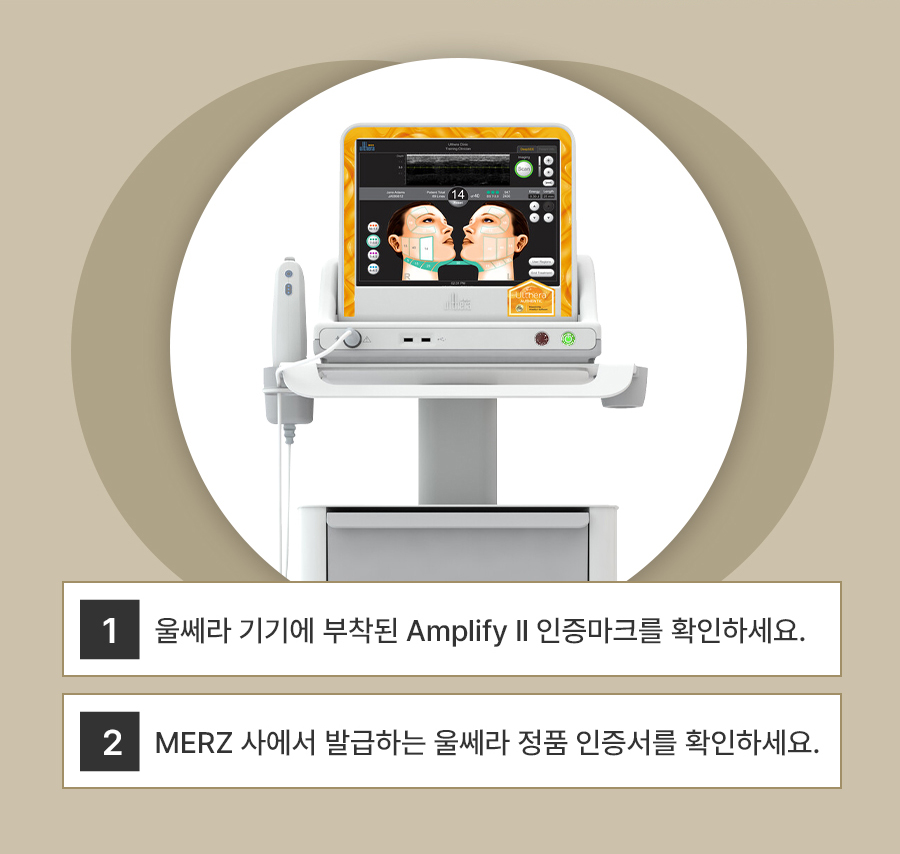
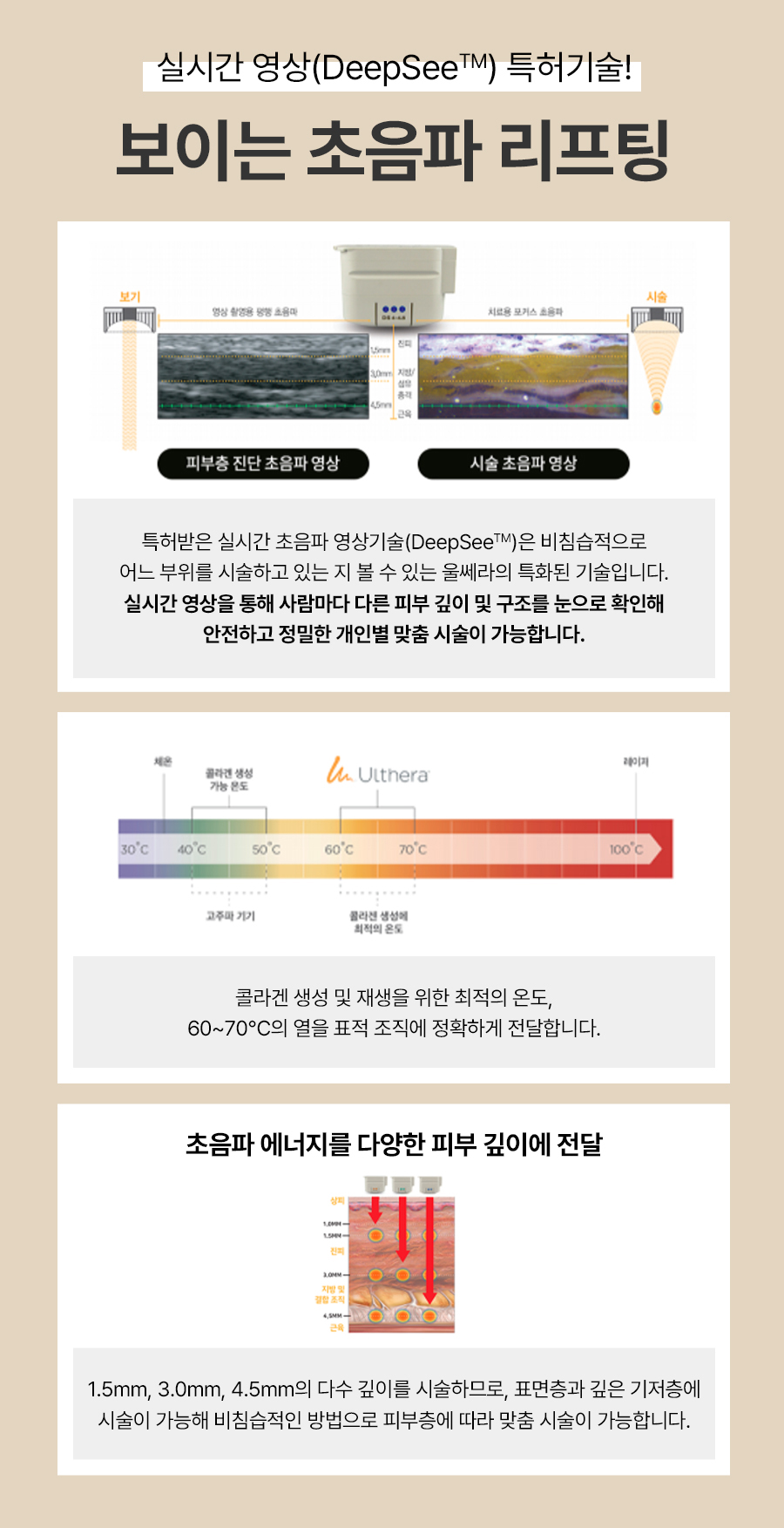
Some ultrasound lifting systems offer real-time imaging that can display tissue layers on a screen and help guide depth decisions during treatment. If imaging guidance is important to you, ask the clinic whether their device includes this feature.
Some general HIFU devices do not provide the same level of imaging guidance. In those cases, energy may be delivered based mainly on preset depths, which can be less personalized.

For patients, this usually means more data on safety and expected outcomes when the procedure is performed correctly.
Local context in Dongtan New Town
The clinic providing Ultherapy is a dermatology practice located on the 3rd floor of a medical and commercial building along Dongtan Boulevard in Dongtan 2 New Town, Hwaseong. This makes it convenient for residents of Dongtan, Hwaseong, and nearby areas, as well as international visitors staying in local hotels or serviced apartments.
Ultherapy and other lifting procedures are performed by board‑certified dermatologists with university hospital teaching experience. One medical director previously served as a dermatology chief at the presidential medical office and placed first in the first stage of the national dermatology board exam, which can reassure patients about training and clinical judgment. Another medical director has training experience at the UCI Beckman Laser Institute and is an active member of several dermatology and laser societies, which is particularly relevant for energy‑based devices such as Ultherapy and Thermage FLX.
The clinic offers a lifting lineup that includes 3D Ultherapy, Thermage FLX, other ultrasound lifting devices, thread lifting, and injectables. However, this article focuses on Ultherapy as a non‑surgical lifting option.
Who may consider Ultherapy
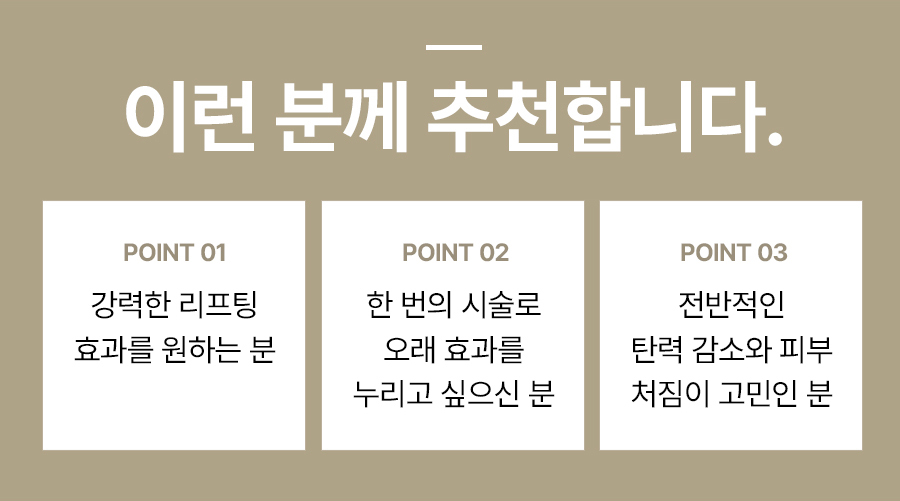
Ultherapy is generally considered for adults who want facial tightening without surgery. Typical candidates include:
People with mild to moderate sagging of the lower face, such as deepening nasolabial folds, marionette lines, early jowls, or a blurred jawline.
Those noticing an early double chin or loose skin under the chin and along the neck.
Patients in their late twenties to fifties who want to prevent or slow visible sagging before it becomes severe.
People who wish to maintain or extend the results of previous lifting procedures such as threads, Thermage, or fillers.
Individuals who want to delay or avoid a surgical facelift, and are willing to accept more subtle, natural‑looking changes instead of dramatic tightening.
On the other hand, Ultherapy alone may not be sufficient for very heavy or severely sagging skin. In such cases, the dermatologist may suggest combining Ultherapy with other treatments such as thread lifting, Thermage FLX, or volume restoration with injectables. For some patients with advanced laxity, surgical options may still be the most effective route, and this should be discussed honestly during consultation.
Consultation and assessment
A proper face‑to‑face consultation with a dermatologist is essential before Ultherapy. During this visit, the doctor will evaluate several points:
Skin thickness and elasticity: Thicker or very heavy skin may respond differently compared to thin, delicate skin.
Degree and pattern of sagging: Whether the main concern is jowls, jawline, midface, neck, or brow.
Fat volume: The amount and location of fat in the lower face and neck can affect how much lifting is realistic.
Bone structure: Jaw and cheekbone shape influence how much contouring is visible after tightening.
Age and previous procedures: Past treatments such as threads, fillers, or surgery need to be considered.
Pain tolerance and schedule: How sensitive you are to pain, and how much downtime you can accept.
Because this Dongtan clinic offers multiple lifting options, the medical team can compare Ultherapy with other devices such as Thermage FLX, as well as threads and injectables. Instead of pushing a single device, they can recommend a tailored plan that may include Ultherapy alone or in combination.
For overseas patients, an online consultation before you travel can help pre‑screen your suitability and narrow down options, so that your in‑person visit in Korea is more efficient.
How the Ultherapy procedure is performed
A typical Ultherapy visit in this Dongtan dermatology clinic follows several steps.
Step 1: Medical consultation and photography
You will first meet the dermatologist to discuss your main concerns, such as jawline definition, cheek sagging, neck lines, or eyebrow position. Baseline photographs are usually taken from several angles. These photos are used for planning and for later comparison, so you and the doctor can evaluate gradual changes over time.
The doctor will explain what degree of improvement is realistic for your age, skin condition, and facial structure, and whether Ultherapy alone is appropriate or better as part of a combined plan.
Step 2: Cleansing and marking
After consent and planning, your skin is cleansed thoroughly. The medical team then marks treatment lines and key vectors on your face and neck with reference to your facial anatomy. These markings guide where the Ultherapy handpiece will be applied and at what angles.
In a 3D Ultherapy approach, the doctor considers multiple directions and depths, designing a pattern that supports your facial tissues from different angles rather than just pulling in one direction.
Step 3: Ultrasound imaging
A coupling gel is applied to the skin, and the Ultherapy handpiece is placed on the marked areas. Before delivering energy, the doctor uses real‑time ultrasound imaging to visualize the tissue layers on a monitor.
This imaging allows the dermatologist to confirm that the SMAS and deep dermis are at the expected depth for that area of your face. The doctor can then adjust the cartridge depth and angle to match your unique anatomy.
Step 4: Energy delivery
Once the correct depth is confirmed, the doctor delivers lines of ultrasound energy along the planned treatment lines. You may feel brief bursts of heat or tingling as each line is delivered, especially over bony areas or near the jaw.
The total number of shots and the number of layers (for example, deeper and more superficial passes) vary depending on the area and the degree of sagging. The cheeks, jawline, under‑chin area, and neck may each receive a different number of lines.
Step 5: Cooling and post‑care
After the treatment, the gel is removed and soothing products or cooling may be applied to reduce warmth or redness. The medical staff will review aftercare instructions with you and schedule follow‑up if needed.
Pain, anesthesia, and downtime
Ultherapy delivers energy to deep tissue layers, so some discomfort is expected. Patients often describe the sensation as brief heat, tingling, or stinging along the bone and muscle layer, especially around the jawline, cheekbones, and forehead.
To manage this, the clinic can use several methods:
Topical anesthetic cream applied before the procedure.
Oral pain medication taken in advance, if appropriate.
Cooling during or after treatment.
Adjusting energy settings and shot distribution while maintaining effectiveness.
Most people tolerate Ultherapy with these measures, but if you have a low pain threshold, it is important to discuss this honestly during consultation so the medical team can plan accordingly.
Downtime is usually minimal. Common temporary effects include:
Redness that fades within a few hours.
Mild swelling or puffiness for a few days.
Tenderness or tingling when touching the treated areas.
Occasional small bruises, especially in people who bruise easily.
In rare cases, temporary numbness or sensitivity changes can occur. Most patients are able to return to daily activities, work, and social life immediately after treatment, without visible bandages.
Expected results and maintenance
Ultherapy works by stimulating your own collagen, so the main results appear gradually rather than instantly.
Immediately after treatment, some patients feel a slight tightening or lifting sensation due to initial tissue contraction. However, the more visible improvements typically develop over the following weeks.
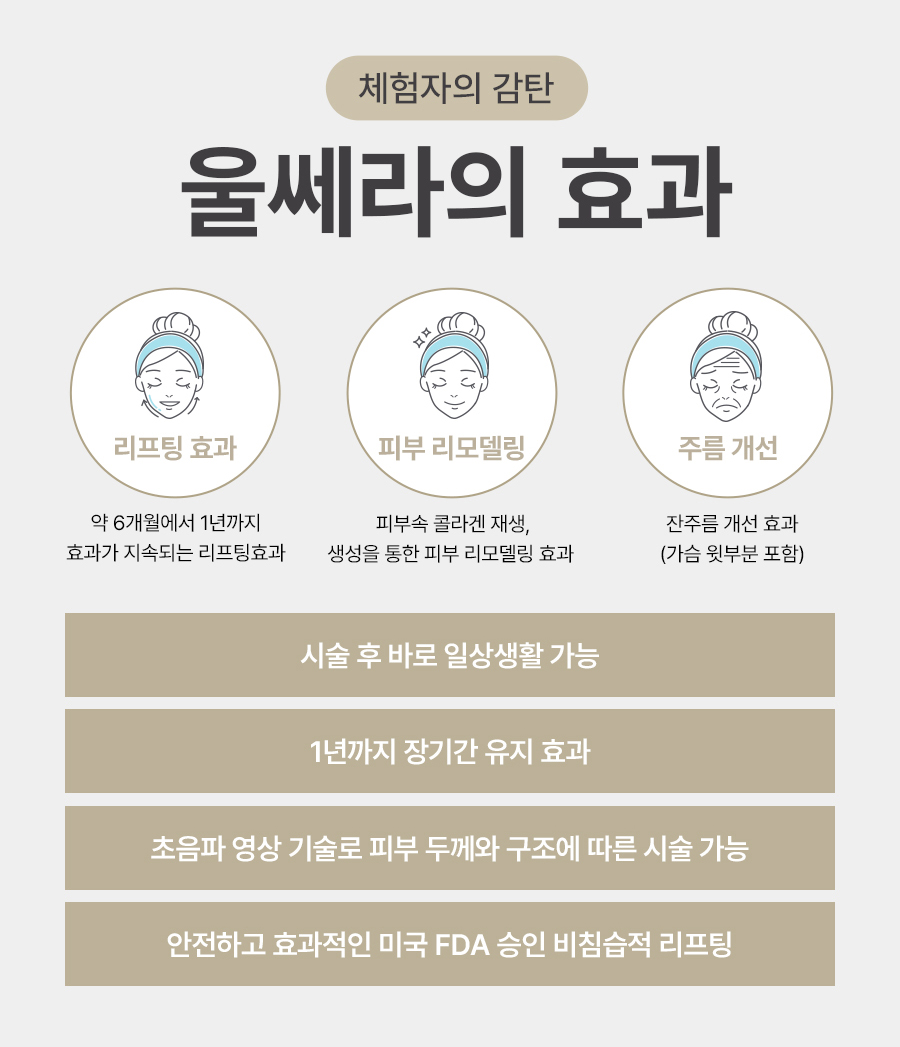
From about 1–3 months, new collagen forms in the treated layers, and you may notice a firmer jawline, less sagging around the mouth, and a smoother neck. Improvements can continue to develop up to around 6 months.
The duration of effect varies by individual, but many patients enjoy results for about 6–12 months. Factors such as age, baseline skin quality, lifestyle, sun exposure, and smoking can influence how long the results last.
For maintenance, many people repeat Ultherapy every 12–18 months. Some alternate Ultherapy with other treatments such as Thermage FLX for skin texture and tightening, or thread lifting and injectables for contour and volume, depending on their needs.
It is important to keep expectations realistic. Ultherapy is a non‑surgical procedure. It can provide a natural, subtle lift and tightening, but it will not create the same dramatic change as a surgical facelift. The goal is usually to look fresher and more defined, not to look like a completely different person.
Safety and possible side effects
When performed by experienced dermatologists using genuine Ultherapy devices, this procedure is generally considered safe.
Common, usually mild and temporary effects include:
Redness and warmth right after treatment.
Mild swelling or feeling of fullness in the treated area.
Tenderness, tingling, or slight sensitivity when touching the skin.
Small bruises in some patients.
Less common but important side effects to be aware of include:
Temporary numbness or altered sensation in certain areas.
Rare nerve irritation that can cause transient weakness in small facial muscles, which usually resolves over time.
Uneven texture or contour irregularities if energy is delivered at incorrect depths.
Because Ultherapy targets deeper layers near nerves and important structures, correct depth selection and detailed anatomical knowledge are crucial. This is why having board‑certified dermatologists with strong training and experience directly perform or supervise the procedure is an important safety factor.
Differentiation points of this Dongtan clinic
Several aspects may be relevant for patients comparing Ultherapy providers in the Dongtan area:
Board‑certified dermatologists with university hospital teaching backgrounds directly perform or closely supervise Ultherapy treatments.
One medical director’s experience as a dermatology chief at the presidential medical office and top ranking in the dermatology board exam’s first stage reflects a high level of academic and clinical training.
Another medical director’s training at the UCI Beckman Laser Institute and active participation in dermatology and laser societies indicate deep familiarity with energy‑based devices such as Ultherapy and Thermage FLX.
The clinic uses imaging‑guided Ultherapy with structured treatment planning. This includes careful design of vectors, layers, and shot counts rather than simply delivering random shots.
A wide lifting lineup is available, including 3D Ultherapy, Thermage FLX, other ultrasound devices, thread lifting, and injectables. This allows for customized combination plans when Ultherapy alone is not enough.
Transparent information on non‑reimbursed prices is posted according to local regulations. Specific fees and package details can be checked at the clinic or through official channels.
Aftercare and lifestyle tips
After Ultherapy, simple care can help your skin recover comfortably and support collagen production.
In the short term, it is usually recommended to:
Avoid intense heat such as saunas, hot baths, and very hot yoga for several days.
Avoid strong facial massage or aggressive beauty treatments on the treated areas for at least a week, unless your doctor advises otherwise.
Use gentle skincare products without strong acids or irritants for a few days if your skin feels sensitive.
Apply a broad‑spectrum sunscreen daily, as newly stimulated skin can be more vulnerable to ultraviolet damage.
For long‑term maintenance, healthy habits make a difference. Adequate sleep, balanced nutrition, regular exercise, and not smoking all support collagen and skin quality. Consistent sun protection is particularly important to slow down future sagging and pigmentation.
Online consultation and pre‑visit preparation for overseas patients
If you are planning to travel to Korea for Ultherapy, an online consultation before your trip is very helpful. Many international patients use messaging apps or online forms to share photos and medical history.
Before contacting the clinic, prepare the following:
Clear photos of your face and neck from the front and both sides, taken in good lighting.
A brief summary of your main concerns: for example, jawline sagging, double chin, neck wrinkles, or brow drooping.
Your age, general health conditions, and any medications or supplements you are taking.
History of previous procedures on the face and neck, including fillers, threads, lasers, or surgery.
Your approximate travel dates and how many days you will stay in Korea.
During online consultation, you can ask about suitability for Ultherapy, whether combination treatments might be recommended, how many sessions are likely, and what kind of downtime to expect. While exact treatment plans must be finalized in person, this early communication helps align expectations.
Expected Korea visit timeline for Ultherapy
For most overseas patients, Ultherapy can be done within a short stay in Korea. A common schedule might look like this:
Day 1: In‑person consultation, skin assessment, and same‑day Ultherapy if both you and the doctor agree and there are no contraindications.
Day 2–3: Light check‑in or no visit needed, depending on how you feel. Most people can enjoy sightseeing or business activities with minimal visible signs.
Day 7–14: If you are staying longer, a follow‑up visit can be scheduled to review early changes and adjust your long‑term plan. If you return home earlier, follow‑up can be done via online communication.
Because the main results appear over 1–3 months, you do not need to stay in Korea for that entire period. Instead, you can send follow‑up photos and questions online.
The clinic operates on weekdays and Saturdays, with continuous daytime hours and at least one weekday with extended hours. Online reservations are available through a major local portal on selected days. It is best to check current opening hours and reservation options before booking flights.
Frequently asked questions
How is Ultherapy different from other ultrasound lifting devices or Thermage
Ultherapy and other ultrasound lifting devices all use focused ultrasound energy, but Ultherapy includes real‑time imaging that lets the doctor see your tissue layers and adjust depth precisely. This can improve accuracy and safety when targeting the SMAS and deep dermis.
Thermage, on the other hand, uses radiofrequency energy rather than ultrasound. It mainly targets the dermis and can be particularly helpful for overall skin tightening and texture. In some cases, doctors combine Ultherapy for deeper lifting with Thermage for surface tightening to achieve a more comprehensive result.
How painful is Ultherapy and what can be done to reduce discomfort
Ultherapy can be uncomfortable because it delivers energy to deeper tissue layers. Patients commonly feel brief heat or stinging, especially over bony areas like the jawline and forehead.
To reduce discomfort, the clinic may apply topical anesthetic cream, provide oral pain medication in advance, use cooling, and adjust energy settings while maintaining effectiveness. Communicating your pain tolerance clearly allows the medical team to tailor pain management to your needs.

When will I see results and how long will they last
Some people feel a mild tightening right after Ultherapy, but the main visible changes appear gradually as new collagen forms. Most patients notice clearer improvement between 1 and 3 months after treatment, with changes continuing up to around 6 months.
Results typically last about 6–12 months, depending on age, skin condition, lifestyle, and how quickly you naturally lose collagen. Many patients choose to repeat Ultherapy every 12–18 months, sometimes in combination with other lifting treatments.
Can Ultherapy be combined with fillers, Botox, or thread lifting
Yes, Ultherapy is often part of a combined anti‑aging plan. Because it mainly tightens and lifts by stimulating collagen, it can be complemented by fillers to restore lost volume, neuromodulators to relax expression lines, and thread lifting to provide additional mechanical support in selected areas.
The order and timing of these treatments should be planned by your dermatologist. In many cases, deeper lifting such as Ultherapy is done first, followed by fine‑tuning with fillers or threads after the initial lifting effect has settled.
Who is not a good candidate for Ultherapy
Ultherapy may not be suitable for people with very severe sagging who are more likely to benefit from surgical lifting, or for those with certain medical conditions that affect wound healing or nerve function.
It is generally avoided in pregnant patients, in areas with metal implants or active skin infections, and in people with unrealistic expectations about results. A detailed consultation with a dermatologist is necessary to decide whether Ultherapy is appropriate for you.
Soft call to action
If you are considering Ultherapy in the Dongtan 2 New Town area and would like a personalized assessment, you can start with an online consultation. By sharing your photos, concerns, and travel plans in advance, the medical team at this Dongtan dermatology clinic can help you understand whether Ultherapy, alone or in combination with other treatments, is likely to match your goals.
Before you visit Korea, check the clinic’s current operating hours and online reservation options, and prepare your questions about pain control, expected results, and aftercare. With clear information and realistic expectations, Ultherapy can be a practical non‑surgical option for improving facial and neck sagging while you are in Korea.
- 공유 링크 만들기
- X
- 이메일
- 기타 앱


댓글
댓글 쓰기