Dongtan Ultherapy Lifting Guide for International Patients
- 공유 링크 만들기
- X
- 이메일
- 기타 앱

Direct answer summary
If you are searching for Ultherapy in the Dongtan new town area and would like a non‑surgical lifting option during a visit to Korea, Ultherapy can tighten and lift the face and neck using focused ultrasound energy. At this Dongtan dermatology clinic, Ultherapy is performed with a genuine 3D Ultherapy system, using real‑time ultrasound imaging to target deeper layers such as the SMAS and dermis. Treatment is usually done in a single session with minimal downtime, and the main lifting effect appears gradually over two to three months.
This guide explains what Ultherapy is, who may consider it, how to prepare from overseas, how long you should plan to stay in Korea, what to expect during and after the procedure, and common questions about pain, results, and combination treatments.
What is Ultherapy lifting in Dongtan
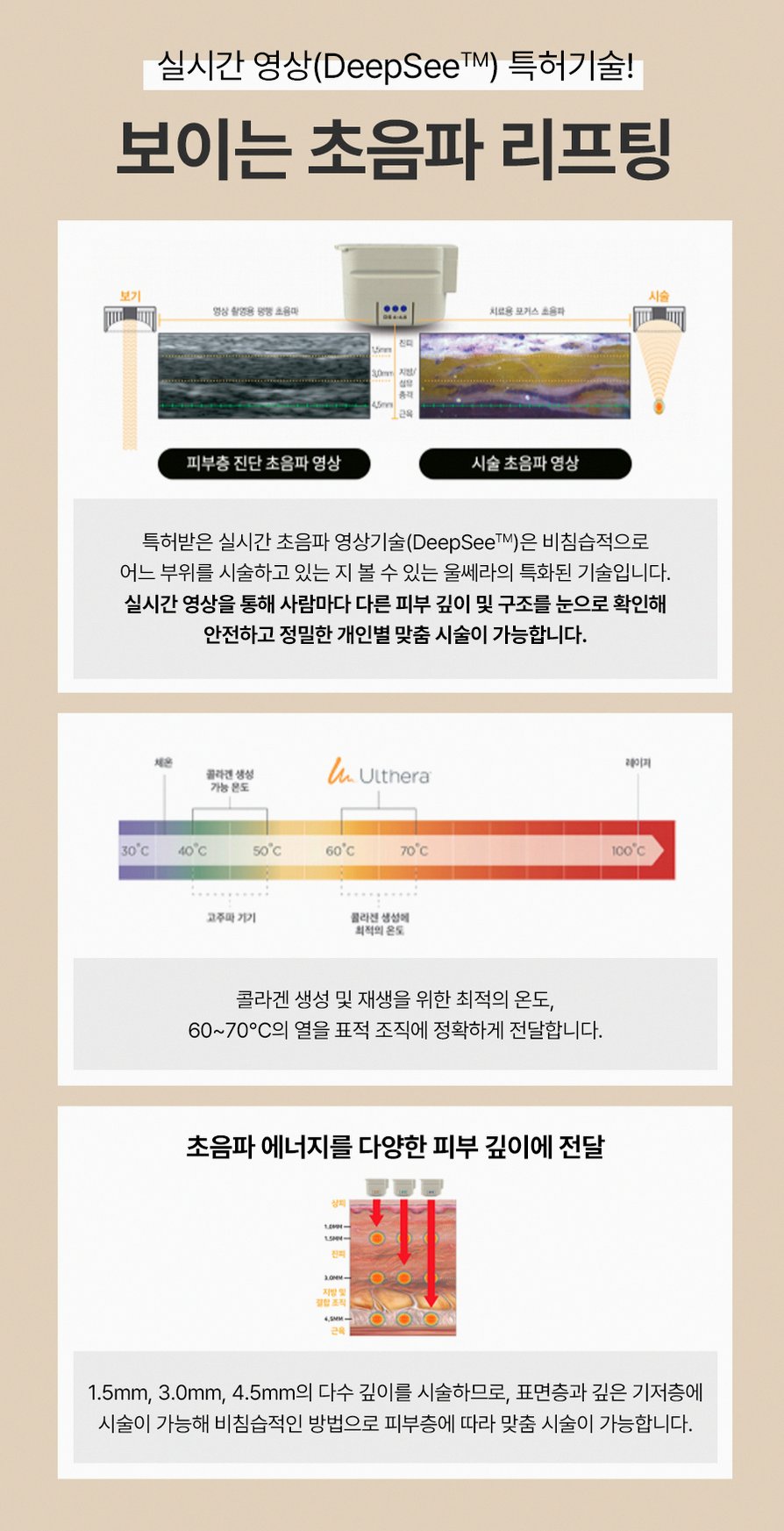
Ultherapy is a non‑surgical lifting procedure that uses focused ultrasound energy to heat precise points in the deeper layers of the skin. These thermal coagulation points stimulate new collagen over time, which can lead to firmer, tighter skin and a more defined facial contour.
The 3D Ultherapy system used at this Dongtan clinic delivers energy at different depths, such as around 1.5 mm, 3.0 mm, and 4.5 mm, depending on the area and skin thickness. The deepest level includes the SMAS layer, which is also targeted in surgical facelifts. By reaching this layer without incisions, Ultherapy offers a lifting effect with much less downtime than surgery.
Ultherapy is commonly used for the lower face, jawline, cheeks, double chin area, and neck. It can also be applied to the brow area in some patients to help with a subtle lifting of the upper face.
How this Dongtan clinic approaches Ultherapy
This Dongtan dermatology clinic focuses on laser and energy‑based lifting, including Ultherapy and Thermage FLX. Two dermatology specialists lead the clinic, both with university hospital teaching experience. One of the medical directors previously served as head dermatologist at the Presidential Medical Office in Seoul and placed first in the first stage of the national dermatology board exam. Both directors are graduates of Kyung Hee University School of Medicine and are external faculty members at Kyung Hee University Medical Center in the Department of Dermatology.

The clinic operates multiple lifting and tightening platforms, including Ultherapy, Thermage FLX, SkinTyte, Shrink high‑intensity focused ultrasound, and Onda lifting devices. Because of this range, the dermatologists can select or combine devices based on your skin thickness, degree of laxity, fat volume, and pain tolerance, rather than relying on a single machine for every patient.
Procedures are performed or directly supervised by dermatologists who are familiar with facial anatomy and energy‑based devices. One of the directors has also trained at an international laser institute, the Beckman Laser Institute at the University of California, which supports a research‑based approach to energy settings and treatment planning.
Who may consider Ultherapy in Dongtan
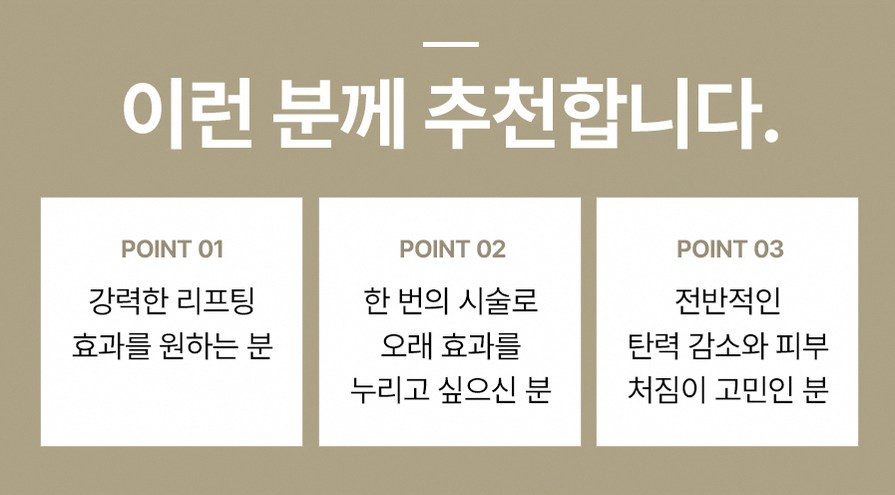
Ultherapy may be suitable if you are noticing early signs of sagging but do not want surgery or long downtime. Typical candidates include men and women in their late twenties to fifties who have one or more of the following:
Mild to moderate skin laxity in the lower face or neck
A less defined jawline or early jowls
Deepening nasolabial folds around the nose and mouth
A mild double chin or fullness under the chin
Ultherapy can also be used as a preventive anti‑aging treatment in younger patients who want to slow the progression of sagging by strengthening the deeper support layers of the skin.
You may want to consider Ultherapy if you have already tried basic skincare, facials, or superficial laser treatments but feel that your skin structure still looks loose. Because Ultherapy reaches the SMAS and deeper dermis, it can complement surface treatments that focus on tone, texture, or pigmentation.
However, Ultherapy has limitations. If you have very severe sagging, heavy skin, or large fat deposits, a surgical facelift or other procedures may be more appropriate. During consultation, the dermatologist will evaluate whether Ultherapy alone is likely to be helpful or whether a combination plan or alternative approach is better.
Treatment overview and key steps
Ultherapy at this Dongtan clinic follows a structured process designed to be efficient for both local and overseas patients.
Initial assessment
The dermatologist examines your face and neck, checking skin thickness, the degree of sagging, fat volume, and overall facial balance. Photos are usually taken for documentation and to help in planning.
The doctor will ask about your medical history, previous procedures, and any implanted devices such as pacemakers. It is important to mention pregnancy, breastfeeding, active skin diseases, or any recent major procedures in the same area.
Treatment planning
Based on your condition and goals, the dermatologist decides which areas to treat, such as full face, lower face, jawline, double chin, or neck. The shot count and energy lines are planned along lifting vectors, and the depth of the transducers is chosen according to area and skin thickness.
If you are interested in combination treatments, the doctor may design a plan that includes:
Ultherapy for deep lifting at the SMAS level
Thermage FLX or SkinTyte for more superficial tightening and texture
Thread lifting for mechanical support in selected cases
Injectable collagen stimulators or anti‑aging injections for fine lines and skin quality
Pain control options are also discussed. These may include topical numbing cream, oral pain medication, or cooling methods, depending on your pain tolerance and the treatment area.
Procedure day
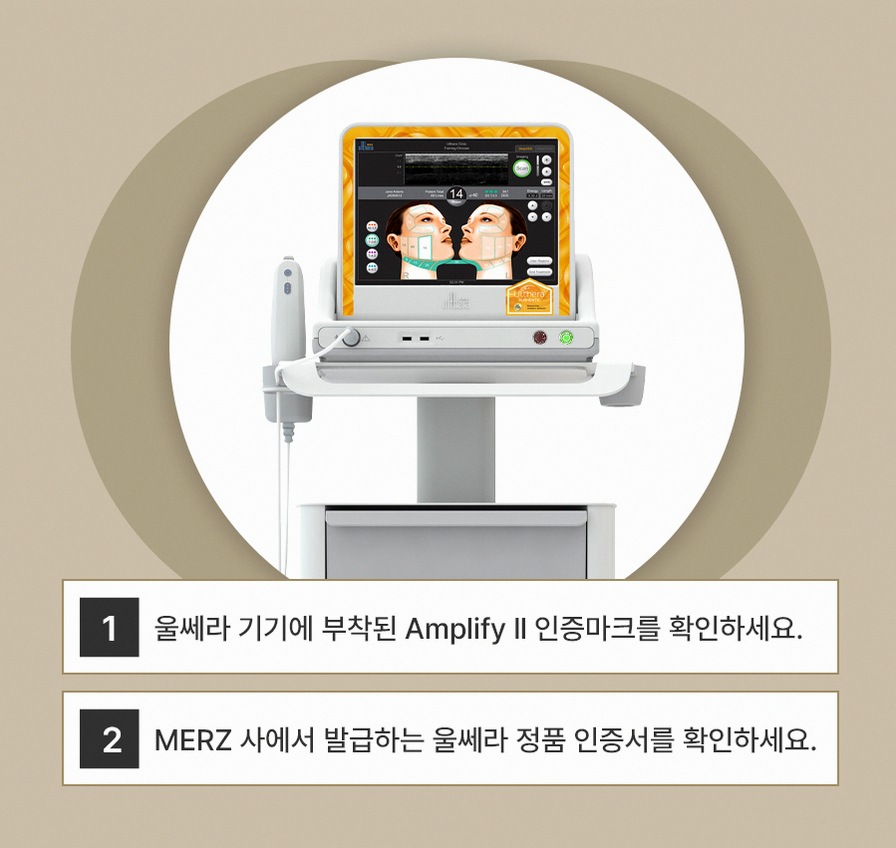
On the day of Ultherapy, the treatment area is cleansed and pre‑treatment photos may be taken again. Ultrasound gel is applied to the skin, and the Ultherapy handpiece is used with different transducers for various depths.
A key feature of genuine Ultherapy is real‑time ultrasound imaging. The dermatologist can see the layers of your skin and underlying tissue on the screen and adjust the depth to target the correct layer while avoiding sensitive structures. This mapping step is important for both safety and effectiveness.
Energy is then delivered in lines along the planned vectors. You may feel brief, focused warmth or tingling with each shot. The level of discomfort varies by individual and area, but most patients find it tolerable with proper pain management.
The duration of the procedure depends on the number of areas treated. A lower face and jawline session may take around 30 to 60 minutes, while full face and neck can take longer.
After the procedure, cooling may be applied if needed. Most patients can return to normal daily activities immediately, making it convenient for travelers with limited time.
Expected results and timeline
Ultherapy does not usually produce a dramatic instant lift on the same day. Some patients feel a mild immediate tightening sensation, but the main effect comes gradually as new collagen forms.
Typical course of results:
First few days: Mild redness, swelling, or tenderness may be present but usually settles quickly. Makeup can often be worn soon after, depending on the skin reaction.
One month: Early collagen remodeling begins. Some patients start noticing subtle lifting or improved firmness.
Two to three months: The lifting and tightening effect usually becomes more visible. Jawline definition may improve, mild double chin can appear reduced, and sagging around the mouth and lower face may soften.
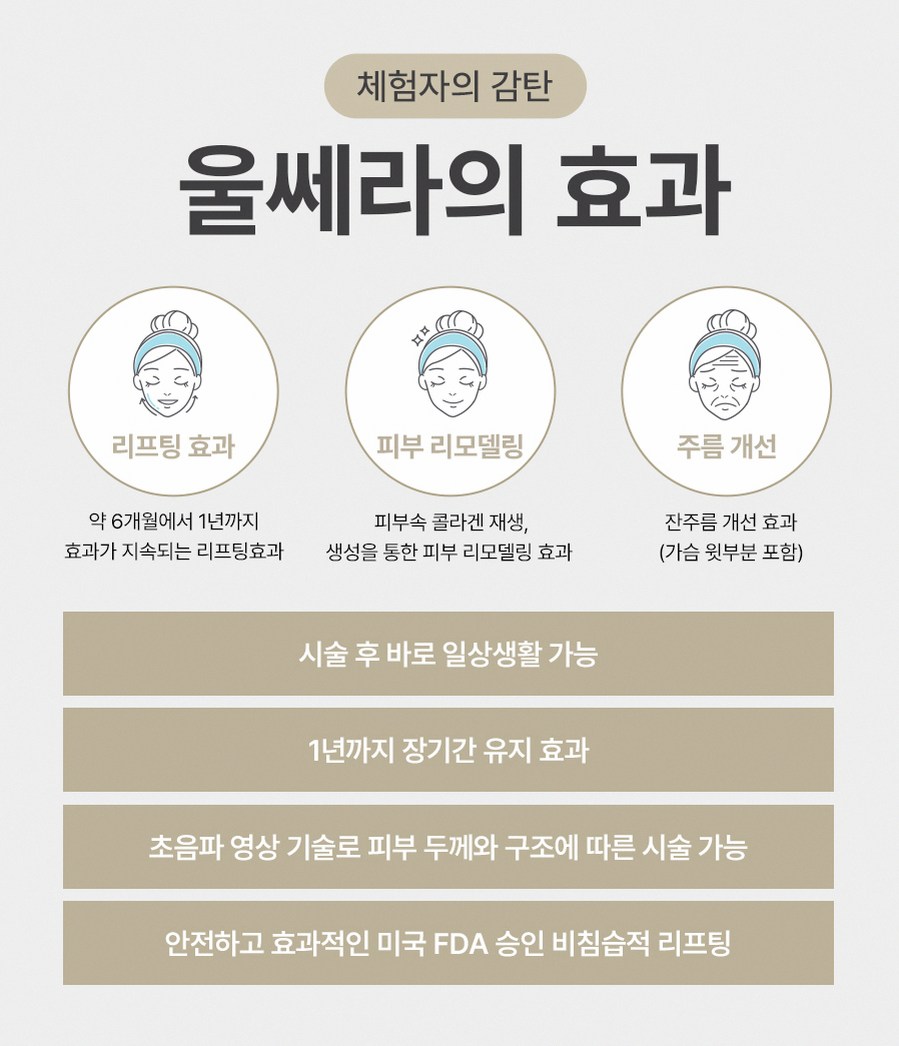
Beyond three months: Results can continue to mature. Many patients maintain benefits for around a year or longer, depending on age, lifestyle, and skin condition.
Maintenance sessions can be planned. Some patients repeat Ultherapy every 12 to 18 months, while others may space sessions differently based on how their skin ages and whether they combine it with other treatments.
Safety, side effects, and precautions
Ultherapy is generally considered a safe procedure when performed with a genuine device by experienced dermatologists who understand facial anatomy and energy settings.
Common temporary reactions include:
Redness or flushing immediately after treatment
Mild swelling or a feeling of puffiness
Tenderness or tingling along the treated lines
Slight numbness or sensitivity when touching the area
These usually improve within a few days to a couple of weeks. Bruising is less common but can occur, especially in areas with more fragile blood vessels.
Rare but more serious risks, such as nerve irritation or uneven contour, underline the importance of proper depth selection and energy control. The use of real‑time ultrasound imaging helps the dermatologist visualize the tissue layers and avoid sensitive structures.
Before treatment, the clinic will screen for contraindications such as pregnancy, active skin infection, severe cystic acne in the area, open wounds, or implanted electronic devices near the treatment zone. If you have a history of keloid scarring, autoimmune disease, or previous facial surgery, these should be discussed in detail.
Comparison with other lifting options
Many patients researching Ultherapy in Dongtan also look into Thermage, thread lifting, or other HIFU devices. Understanding the differences can help you discuss options more clearly during consultation.
Ultherapy and Thermage FLX
Ultherapy uses focused ultrasound to reach deeper structures including the SMAS, making it suitable for lifting and structural support. Thermage FLX uses radiofrequency energy to heat the more superficial layers of the skin and subcutaneous tissue, which can improve surface tightening and texture.
Because they act at different depths, Ultherapy and Thermage can be complementary. Some patients receive Ultherapy for deep lifting and Thermage or SkinTyte for more even tightening and texture on the surface.
Ultherapy and thread lifting
Thread lifting involves inserting special threads under the skin to provide mechanical lift. It can give a more immediate visible change but also involves puncture points, potential bruising, and a different risk profile.
Ultherapy is completely non‑invasive, with no incisions or threads. It may be chosen by patients who prefer to avoid foreign materials or who want a more gradual, natural‑looking improvement. In some cases, doctors may combine Ultherapy and thread lifting, but this should be planned carefully based on your anatomy and expectations.
Ultherapy and simple HIFU devices
Not all HIFU devices are the same. Ultherapy is a branded system with standardized energy delivery and real‑time ultrasound imaging. Many low‑cost HIFU machines do not provide imaging and may have less predictable energy output.
This Dongtan clinic emphasizes the use of genuine Ultherapy equipment and adherence to recommended protocols. During consultation, you can ask which device will be used, whether it is a certified Ultherapy system, and how the clinic ensures consistent energy delivery.
Preparing from overseas: online consultation and planning
If you live outside Korea, an online consultation can help you decide whether to schedule Ultherapy during your trip.
Before contacting the clinic, it is helpful to prepare the following:
Clear photos of your face and neck from the front and both sides, taken in good lighting without filters
A brief summary of your main concerns, such as sagging jawline, double chin, or neck laxity
A list of previous procedures in the same area, including fillers, thread lifts, or surgeries
Any major medical conditions and medications, especially blood thinners or immune‑related drugs
During an online consultation, the dermatologist can give a preliminary opinion on whether Ultherapy is suitable, which areas might be treated, and whether combination treatments are recommended. They can also outline a rough visit schedule, including how many days you should stay in Korea and when follow‑up is needed.
Expected Korea visit timeline for Ultherapy
For most international patients, Ultherapy can be completed within a short stay.
A common schedule might look like this:
Day 1: In‑person consultation, detailed examination, and final treatment planning. If there are no contraindications and you are ready, Ultherapy may be performed on the same day.
Day 2 to 3: Light check‑up if needed, especially if you had combination procedures or if there was more swelling than expected. Many patients do not require a formal follow‑up visit and can simply communicate online.
Because Ultherapy has minimal downtime, you can usually continue sightseeing or business activities soon after treatment. However, it is wise to avoid very intense exercise, sauna, or heavy alcohol consumption for a short period if the doctor advises.
If you are planning multiple procedures, such as Ultherapy plus Thermage or injectables, the clinic can help you arrange the order and spacing within your travel dates.
Aftercare and lifestyle tips
After Ultherapy, most instructions are simple and focus on protecting the skin and supporting collagen formation.
General aftercare may include:
Avoiding very hot baths, saunas, or intense facial massage for a few days
Using gentle skincare products and sunscreen daily
Not applying harsh exfoliants or strong active ingredients on irritated areas until the skin feels normal
Reporting any unusual pain, prolonged swelling, or asymmetry to the clinic
Maintaining a healthy lifestyle also supports longer‑lasting results. This includes not smoking, managing stress, getting enough sleep, and protecting your skin from excessive sun exposure.
If you live overseas, the clinic can follow up with you via email or messaging apps, using your photos and descriptions to monitor progress. If you plan to return to Korea in about a year, you can discuss the timing of a possible maintenance session.
Questions to ask before you decide
When comparing Ultherapy options in the Dongtan area, it can be helpful to prepare a checklist of questions. Examples include:
Which exact device will be used, and is it a genuine Ultherapy system with imaging?
Will a dermatologist perform or directly supervise the procedure?
How many Ultherapy cases does the clinic handle, and what is their approach to shot count and energy settings?
What is the recommended plan for my specific concerns: Ultherapy alone, or Ultherapy combined with Thermage, SkinTyte, thread lifting, or injectables?
What pain control methods are available, and what level of discomfort should I expect?
How many days of potential swelling or tenderness should I plan for in my travel schedule?
Having these questions ready can make your consultation more efficient and help you feel more confident in your decision.
Frequently asked questions about Ultherapy in Dongtan
Is Ultherapy painful, and how is discomfort managed
Most patients feel brief, focused heat or tingling during each ultrasound shot. The level of discomfort varies by individual and by area, with bony regions such as the jawline sometimes feeling more intense. At this Dongtan clinic, pain is managed with methods such as topical numbing cream, oral pain medication when appropriate, and careful adjustment of energy settings.
The dermatologist will discuss your pain tolerance in advance and can pace the procedure, offer short breaks, or adjust the plan if needed. Many patients describe the sensation as tolerable, especially when they understand that the energy is targeting deeper support layers.
How long do Ultherapy results last, and how often should I repeat it
Ultherapy stimulates your own collagen, so the duration of results depends on how quickly your skin naturally ages. Many patients notice benefits lasting around one year or longer. Younger patients or those with milder laxity may maintain results for a longer period.
As a general guideline, some people repeat Ultherapy every 12 to 18 months as part of a long‑term anti‑aging plan. The exact interval should be decided with your dermatologist, taking into account your age, lifestyle, and whether you are combining Ultherapy with other treatments such as Thermage, SkinTyte, or injectables.
Can Ultherapy be combined with Thermage or thread lifting
Yes, Ultherapy is often combined with other procedures to address different layers of the skin. Ultherapy targets deeper structures including the SMAS, while Thermage FLX and SkinTyte focus more on superficial tightening and texture. Combining them can offer a more comprehensive approach to lifting and skin quality.
Thread lifting may be considered in selected patients who want additional mechanical support or more immediate visible change. In such cases, the dermatologist will plan the order and timing carefully, considering your anatomy, previous procedures, and travel schedule. Not everyone needs thread lifting; for some patients, Ultherapy plus surface tightening and injectables are sufficient.

What is the downtime for Ultherapy, and can I travel right after treatment
Ultherapy is designed to have minimal downtime. Most people experience some redness or mild swelling immediately after the procedure, which usually settles within hours to a few days. Tenderness or a slightly sore feeling along the treated lines can last longer but typically does not interfere with daily activities.
Because of this, many international patients schedule Ultherapy early in their trip and continue with sightseeing or meetings the next day. It is still wise to avoid very intense exercise, sauna, or facial massage for a short period if your doctor advises. If you are combining Ultherapy with other procedures, the overall downtime may be slightly longer, and the clinic will explain this in advance.
Soft call to action for overseas patients
If you are considering Ultherapy in the Dongtan new town area and would like a medically grounded, non‑surgical lifting option during your visit to Korea, an online consultation can be a helpful first step. By sharing clear photos and your main concerns in advance, you can receive a personalized assessment and a proposed treatment schedule that fits your travel plans.
This Dongtan dermatology clinic offers 3D Ultherapy with real‑time ultrasound imaging, along with a range of complementary lifting and tightening devices. Dermatologists with university hospital and high‑level institutional experience directly oversee the planning and performance of lifting procedures.
If you are ready to explore whether Ultherapy is suitable for you, consider contacting the clinic online to discuss your goals, possible combination treatments, and an appropriate timeline for your stay in Korea.
- 공유 링크 만들기
- X
- 이메일
- 기타 앱


댓글
댓글 쓰기