Dongtan vitiligo care: diagnosis and treatment guide for international patients
- 공유 링크 만들기
- X
- 이메일
- 기타 앱
Direct answer summary
If you notice new white patches and are seeking vitiligo care in Dongtan, know that vitiligo is a chronic, non-contagious condition that requires dermatologist evaluation for accurate diagnosis and ongoing management. A specialist can distinguish vitiligo from other pigment disorders and recommend an individualized plan, which may include topical therapies, phototherapy, and laser or light-based procedures.
This guide explains what vitiligo is, how it is diagnosed and treated at a dermatology clinic in Dongtan, what international patients can expect when visiting Korea, and how to prepare before you travel.
What is vitiligo and why early diagnosis matters
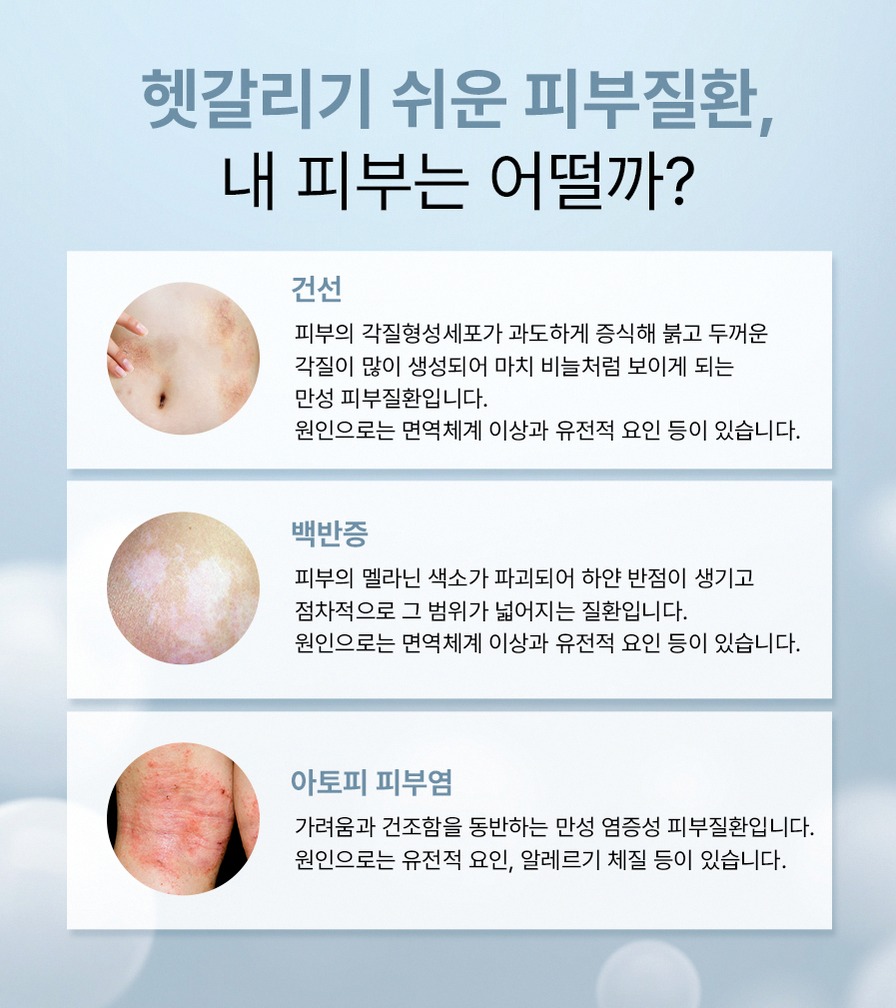
Vitiligo is an acquired pigment disorder in which melanocytes, the cells that produce skin color, are damaged or destroyed. As these cells disappear, the affected skin becomes clearly lighter or completely white compared to the surrounding area.
The white patches usually have sharp borders and can appear on any part of the body. Common first sites include the face, lips, hands, fingers, feet, elbows, knees, and areas around body openings such as the eyes, nose, and mouth. Vitiligo can begin at any age, from childhood to adulthood.
Vitiligo is not contagious. You cannot catch it from someone else, and you cannot give it to your family or friends through contact. However, it can be associated with autoimmune conditions, and sometimes there is a family history of vitiligo or other autoimmune diseases.
Doctors often describe several patterns of vitiligo. Localized vitiligo affects one or a few small areas. Segmental vitiligo appears on one side of the body in a band-like pattern and often stabilizes earlier. Generalized vitiligo is more widespread and can affect many different areas on both sides of the body.
Early diagnosis is important because treatment is usually more effective when started before the white patches become very large or long-standing. Early care can help slow further spread and support better repigmentation.
Typical symptoms and when to suspect vitiligo
People often first notice vitiligo as one or more milky-white patches that stand out against their normal skin color. The edges are usually well-defined, sometimes slightly darker than the surrounding skin. Over weeks or months, the patches may slowly enlarge or new patches may appear.
Hair growing in the affected areas, such as eyebrows, eyelashes, scalp hair, or body hair, may also turn white. On the face, vitiligo can appear around the eyes, mouth, and nose, which can be especially distressing because it is so visible.
In lighter skin tones, early vitiligo can be subtle and may look similar to dry skin, old scars, or mild eczema that has lost its color after healing. Some people mistake it for simple post-inflammatory hypopigmentation, where the skin becomes lighter after a rash or injury. Because of this, it is easy to delay seeing a doctor.
You should consider a dermatology consultation if you notice any of the following:
New white patches that appear or gradually expand over several weeks or months.
White patches on visible areas such as the face, neck, hands, or around the eyes and mouth.
A family history of vitiligo or autoimmune diseases, combined with new light patches on your own skin.
White patches that do not improve with basic moisturizers or simple home care.
Even if you are not sure whether it is vitiligo, an early visit to a dermatologist can help clarify the cause and guide the right management.
Why accurate diagnosis is essential
Not every white patch on the skin is vitiligo. Several other conditions can also cause lighter or white areas, and they need different treatments. Examples include fungal infections, pityriasis alba in children, post-inflammatory hypopigmentation after eczema or injury, and other pigment disorders.
Because of this, self-diagnosis through online photos can be misleading. Two conditions may look similar in a picture but behave very differently and respond to different treatments.
At a dermatology clinic in Dongtan, the diagnostic process for suspected vitiligo generally includes:
Detailed medical history. The doctor will ask when the white patches first appeared, how fast they are changing, whether there is any itching or discomfort, and whether you or your family members have vitiligo, thyroid disease, or other autoimmune conditions.
Full skin examination. The dermatologist will carefully examine the entire skin surface, not only the areas you are worried about. This helps identify subtle lesions and understand the pattern and extent of involvement.
Wood’s lamp examination. A Wood’s lamp is a special ultraviolet light used in a darkened room. Vitiligo often shows a bright, chalky white glow under this light, which helps distinguish it from other causes of light patches.
Additional tests when needed. In some cases, blood tests may be recommended to check for thyroid or other autoimmune diseases that can be associated with vitiligo. If the diagnosis is unclear or the pattern is atypical, a small skin biopsy may be considered.
Getting the diagnosis right from the beginning helps you avoid wasting time and money on ineffective home remedies or inappropriate treatments that may irritate the skin or even worsen the condition.
Treatment options for vitiligo: from topical therapy to light-based care
Vitiligo is a chronic condition. At present, there is no instant cure that can completely and permanently remove the disease. The realistic goals of treatment are to control or slow down progression, encourage repigmentation where possible, and support your quality of life.
Treatment plans are individualized. The choice of therapy depends on several factors: your age, the extent and location of the white patches, how active the disease is (stable or rapidly spreading), your skin type, and your lifestyle or work schedule.
Main treatment approaches include:
Topical therapy. Anti-inflammatory creams or ointments are commonly used to reduce the immune attack on melanocytes. These are usually applied directly to the white patches for a period of weeks to months under medical supervision. In some cases, combination or rotational topical therapy may be suggested.
Phototherapy. Phototherapy uses controlled exposure to specific wavelengths of ultraviolet light to stimulate remaining melanocytes and promote repigmentation. Sessions are usually done several times per week for a number of months. The dermatologist adjusts the dose carefully to balance effectiveness and safety, taking into account your skin type and treatment response.
Targeted laser or light-based treatment. For localized or small areas of vitiligo, targeted medical lasers or focused light devices can deliver energy directly to the lesion while minimizing exposure to surrounding skin. This may be combined with topical therapy for better results.
Systemic therapy. In selected cases, such as very extensive or rapidly progressive vitiligo, systemic treatment may be considered. This can include oral medicines that modulate the immune response. These options require careful evaluation of benefits and risks and regular monitoring.
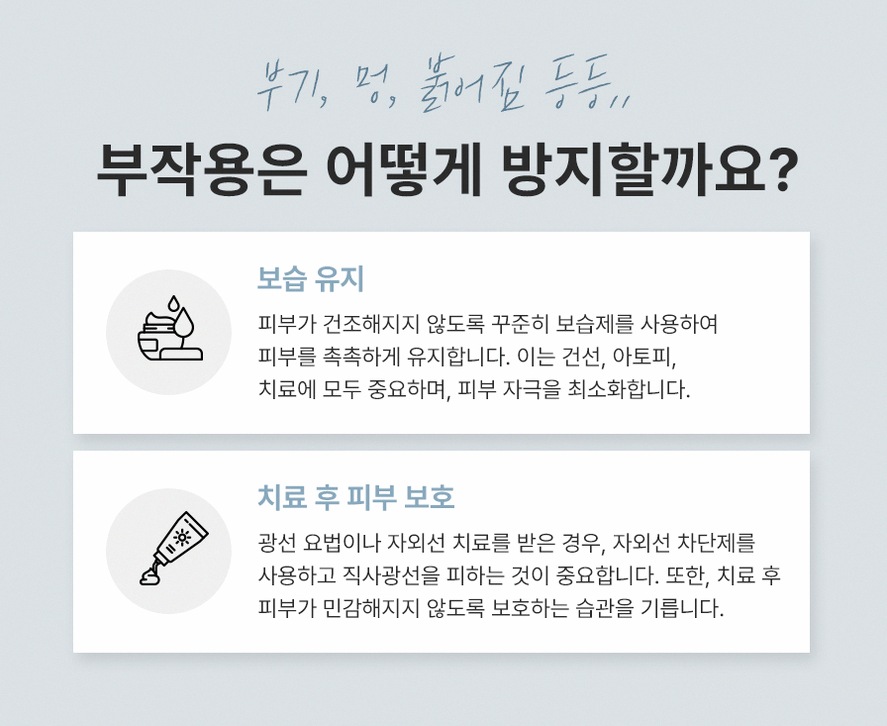
Supportive care. Even when active treatment is ongoing, basic skin protection is important. Sunscreen helps protect depigmented areas from sunburn and reduces contrast between normal and white skin. Gentle skincare and avoiding harsh rubbing or trauma to the skin can also help.

Repigmentation is usually gradual. Some areas, such as the face, often respond better and faster, while hands, feet, and bony areas may be more resistant. Long-term follow-up and realistic expectations are essential. Treatment plans are often adjusted over time based on your response.
Vitiligo care at a specialized dermatology clinic in Dongtan
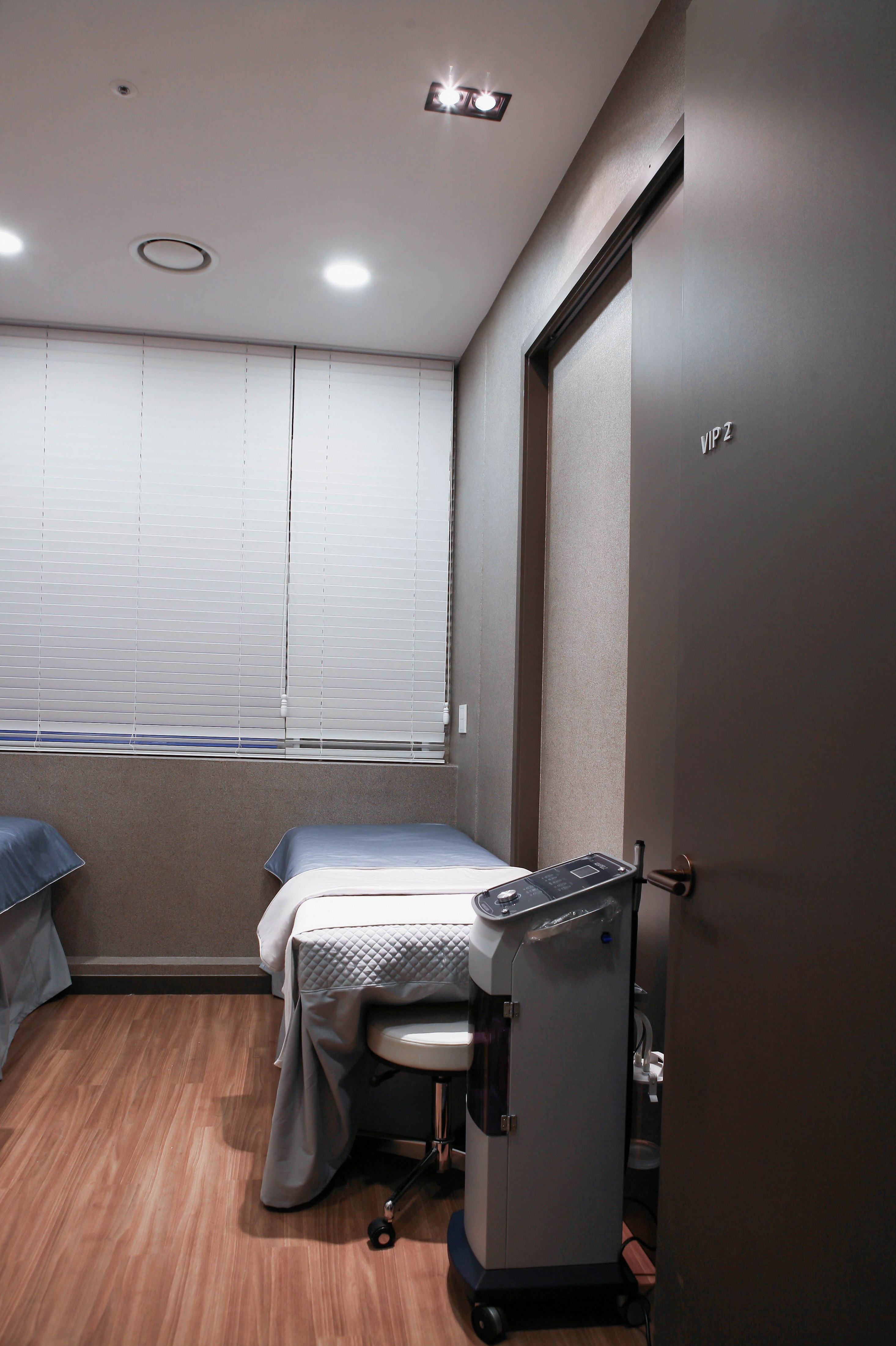
In Dongtan, Hwaseong, Gyeonggi-do, vitiligo care is provided by dermatology clinics where board-certified dermatologists with university hospital teaching experience directly evaluate and manage patients.
At Hus-hu Dermatology Clinic Dongtan, two representative dermatologists are involved in the care of chronic inflammatory skin diseases, including vitiligo. One has achieved top-ranked results in the national dermatology board examination and has experience as head of dermatology at the presidential medical office. The other is an active member of national psoriasis and vitiligo societies and has completed training at overseas laser institutes. These backgrounds support a careful, evidence-based approach to both diagnosis and treatment.
When you visit a specialized clinic in Dongtan for vitiligo, you can generally expect the following approach:
Careful differentiation from other pigment disorders before starting any treatment.
Use of tools such as Wood’s lamp examination and, when appropriate, laboratory tests to evaluate possible associated autoimmune conditions.
Individualized treatment plans that may combine topical therapy, phototherapy, and device-based treatments such as medical lasers or light-based therapy, depending on your lesion pattern, skin type, and lifestyle.
Regular follow-up visits to monitor disease activity, adjust treatment intensity, and support long-term management.
The focus is not only on the visible skin changes but also on the chronic nature of vitiligo and its emotional impact. The medical team aims to help patients understand their condition and participate actively in treatment decisions.
Who may consider Dongtan vitiligo care as an overseas patient
International patients may consider traveling to Dongtan for vitiligo evaluation and treatment in several situations:
You have newly developed white patches and have not yet received a clear diagnosis.
You have been told you have vitiligo, but treatment options in your home country are limited or you are looking for a different approach.
You prefer to receive care from dermatologists with experience in chronic inflammatory skin diseases and access to phototherapy and light-based treatments.
You plan to stay in Korea for several weeks or months for work, study, or family reasons and wish to start or continue vitiligo management during this time.
Because vitiligo is long-term, even a short visit can be useful to establish a diagnosis, receive a structured treatment plan, and learn how to continue care when you return home.
Online consultation and pre-visit preparation for international patients
Before traveling to Korea, many international patients find it helpful to arrange an online consultation or preliminary contact with the clinic. While an online consultation cannot replace an in-person skin examination, it can help you understand whether a visit is appropriate and what to expect.
For a smooth pre-visit process, consider preparing the following:
Clear photos of your skin. Take well-lit, focused photos of the affected areas from different angles, including close-up and wider views. Natural daylight near a window often works best.
Medical history summary. Prepare a brief note listing when the white patches first appeared, how they have changed, previous diagnoses, and any treatments you have tried (including topical creams, tablets, or light therapy) and how you responded.
List of other health conditions. Mention any known thyroid disease, diabetes, other autoimmune conditions, or regular medicines you take.
Allergy information. Note any known drug or skin product allergies.
Travel schedule. Share your planned dates in Korea and how long you can stay, so the clinic can suggest a realistic treatment schedule.
Many clinics in Dongtan offer online reservation on specific weekdays through major local portals, and some also accept inquiries in English. Confirm in advance whether English communication is available and whether you need an interpreter.
Expected Korea visit timeline for vitiligo care
The exact schedule will depend on your condition and the length of your stay, but a typical visit for an international vitiligo patient may look like this:
First visit (Day 1–2)
Initial consultation and full skin examination.
Wood’s lamp assessment and, if needed, blood tests.
Discussion of diagnosis, disease activity, and treatment options.
Planning of a treatment schedule that fits your stay in Korea.
Early treatment phase (Days 3–14 or longer)
Start of topical therapy, with instructions on application.
Initiation of phototherapy or targeted light-based sessions if recommended. These may be scheduled several times per week.
Short follow-up checks to monitor skin response and adjust doses.
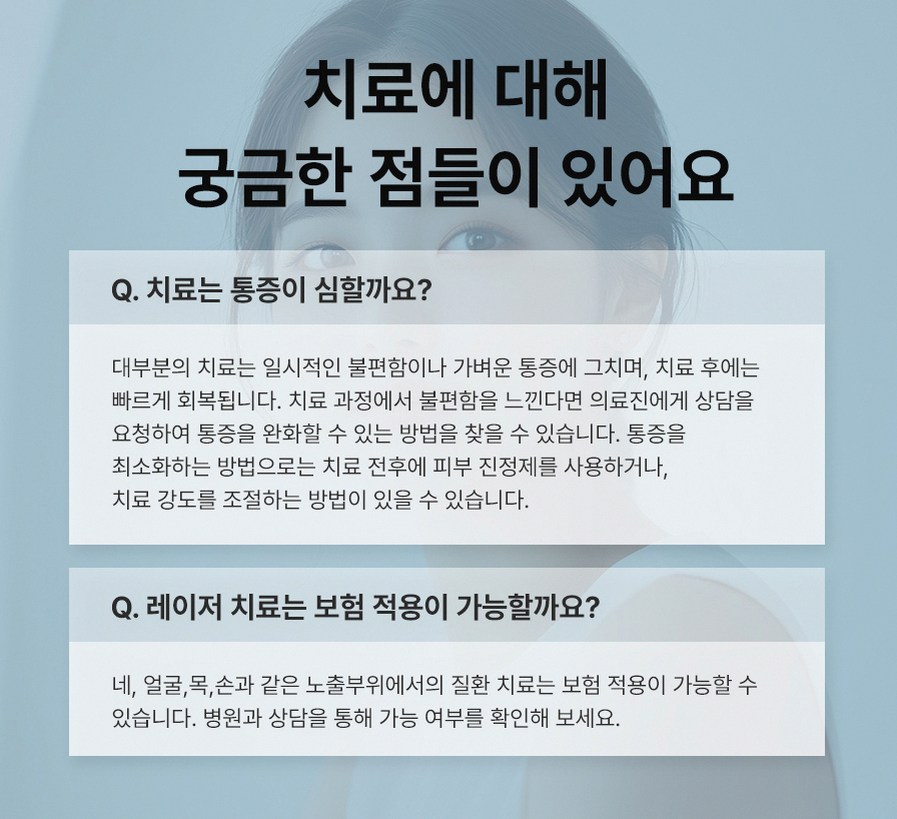
Ongoing management (for longer stays)
If you are staying for several weeks or months, you may continue regular phototherapy and follow-up visits.
The dermatologist may gradually fine-tune your treatment plan based on how your skin responds.
Pre-departure visit
Before you leave Korea, a final consultation is usually arranged to:
Review your progress.
Provide written instructions for continuing topical therapy or other treatments at home.
Recommend follow-up intervals and what to watch for in terms of new lesions or changes.
Because vitiligo treatment is long-term, your visit to Dongtan is often the beginning of a structured management plan rather than a complete course of therapy. However, even a short, well-organized stay can set a clear direction for your ongoing care.
Daily care and aftercare: living with vitiligo
Regardless of where you receive treatment, daily habits play an important role in vitiligo management.
Sun protection. Depigmented skin lacks melanin, which normally protects against ultraviolet radiation. This means white patches can burn more easily. Regular use of broad-spectrum sunscreen on exposed areas, wearing hats and protective clothing, and avoiding intense midday sun can help prevent sunburn and reduce contrast between normal and affected skin.
Gentle skincare. Avoid aggressive scrubbing, harsh exfoliants, or frequent friction on the white patches, as repeated trauma may sometimes trigger new lesions in susceptible individuals.
Avoid unverified treatments. Be cautious about home remedies, strong bleaching agents, or unregulated products advertised online. Some can irritate the skin or worsen pigmentation problems.
Psychological support. Visible vitiligo can affect self-esteem, social interactions, and mood. It is normal to feel worried or self-conscious. Professional counseling, support groups, or open discussion with your dermatologist about your concerns can be very helpful. A realistic, step-by-step treatment plan often reduces anxiety and gives you a sense of control.
Regular follow-up. Even if you return to your home country, staying in touch with a dermatologist and having periodic check-ups can help maintain stability and adjust treatment as needed.
Local and practical information for Dongtan vitiligo patients
Dongtan is located in Hwaseong, Gyeonggi-do, within easy reach of Seoul and major transportation hubs. Dermatology clinics in this area provide diagnosis and treatment for vitiligo and a wide range of other skin diseases.
Consultations are generally available on weekdays and Saturday mornings. There is usually a lunch break, but many clinics do not have a long midday closure, allowing for flexible appointment times. Online booking is often possible on specific weekdays through major local portals, which can be convenient for both local and international patients.
If you are traveling from overseas, consider staying in accommodation with easy access to public transport or taxi services, as phototherapy or light-based treatments may require several visits per week. You may also want to plan some rest time after your appointments, especially in the first few days while you adjust to the schedule.
FAQ about Dongtan vitiligo care
Is vitiligo contagious?
No, vitiligo is not contagious. It cannot be spread through touch, sharing personal items, or living in the same household. Vitiligo is thought to be related to autoimmune and genetic factors rather than infection. You do not need to avoid physical contact with others because of vitiligo.
Can vitiligo be completely cured?
At present, there is no guaranteed permanent cure for vitiligo. However, many patients can achieve good control of disease activity and noticeable repigmentation with appropriate treatment. The goals are to slow or stop progression, restore color where possible, and help you live comfortably with the condition. Results vary from person to person and by body area, so it is important to discuss realistic expectations with your dermatologist.
How long does vitiligo treatment usually take?
Vitiligo treatment is typically long-term. Topical therapies are often used for several months before the response is fully assessed. Phototherapy or targeted light-based treatments may be scheduled multiple times per week over many weeks or months. Some areas of skin may respond within a few months, while others take longer or remain resistant. Regular follow-up helps your doctor adjust the plan over time.
When should I see a dermatologist for white patches on my skin?
You should see a dermatologist as soon as you notice new white patches that do not improve with basic moisturizers, especially if they are on visible areas such as the face, neck, or hands, or if they are slowly enlarging. Early evaluation is also recommended if you have a family history of vitiligo or autoimmune disease. An in-person examination is necessary to distinguish vitiligo from other causes of light patches and to start appropriate treatment if needed.

Soft call to action for online consultation
If you are considering Dongtan vitiligo care as an overseas patient, arranging an online consultation or initial inquiry can be a helpful first step. By sharing photos, your medical history, and your planned travel dates, you can receive guidance on whether a visit is suitable, what type of evaluation to expect, and how many sessions might realistically fit into your stay.
Clinics in Dongtan, including Hus-hu Dermatology Clinic Dongtan, provide diagnosis and management for vitiligo and other skin conditions for both local and international patients. If you are planning a trip to Korea and would like professional evaluation of your white patches, consider contacting a dermatology clinic in advance to discuss your options, schedule, and any language support you may need.
With accurate diagnosis, individualized treatment, and consistent follow-up, many people with vitiligo are able to manage their condition effectively and improve both their skin appearance and confidence over time.

- 공유 링크 만들기
- X
- 이메일
- 기타 앱


댓글
댓글 쓰기