Dongtan vitiligo care guide for international patients
- 공유 링크 만들기
- X
- 이메일
- 기타 앱

Direct answer summary
If you are searching for Dongtan vitiligo information because you or your child has noticed new white patches on the skin, you are not alone. Vitiligo is a chronic skin condition, but it is not contagious and there are medically proven ways to slow it down and encourage repigmentation. In Dongtan, Hwaseong, you can find clinics where board-certified dermatologists focus on vitiligo and other inflammatory skin diseases, offering structured diagnosis, phototherapy, topical and systemic treatments, and long-term skin care planning.
This guide explains what vitiligo is, how it is diagnosed and treated, what to expect when you visit a Dongtan clinic, and how overseas patients can plan a medical trip to Korea for vitiligo care.
Understanding vitiligo
Vitiligo is an acquired disorder in which the pigment cells of the skin, called melanocytes, are destroyed. When these cells disappear, the affected areas lose their color and become milky white. The borders of the patches are usually well defined, so you can clearly see where normal skin ends and lighter skin begins.
Common sites include the face, especially around the eyes and mouth, the hands and fingers, elbows, knees, body folds such as armpits and groin, and areas that experience friction, like waistlines or where straps rub. In some people, vitiligo appears on the scalp, eyelashes, or eyebrows, causing white hair in those areas.
Vitiligo is not an infection and cannot be passed from one person to another by touch, sharing towels, or any daily contact. However, it is often linked to autoimmune tendencies, where the immune system mistakenly attacks the body’s own cells. Because of this, some people with vitiligo may also have or develop other autoimmune conditions, such as thyroid problems.
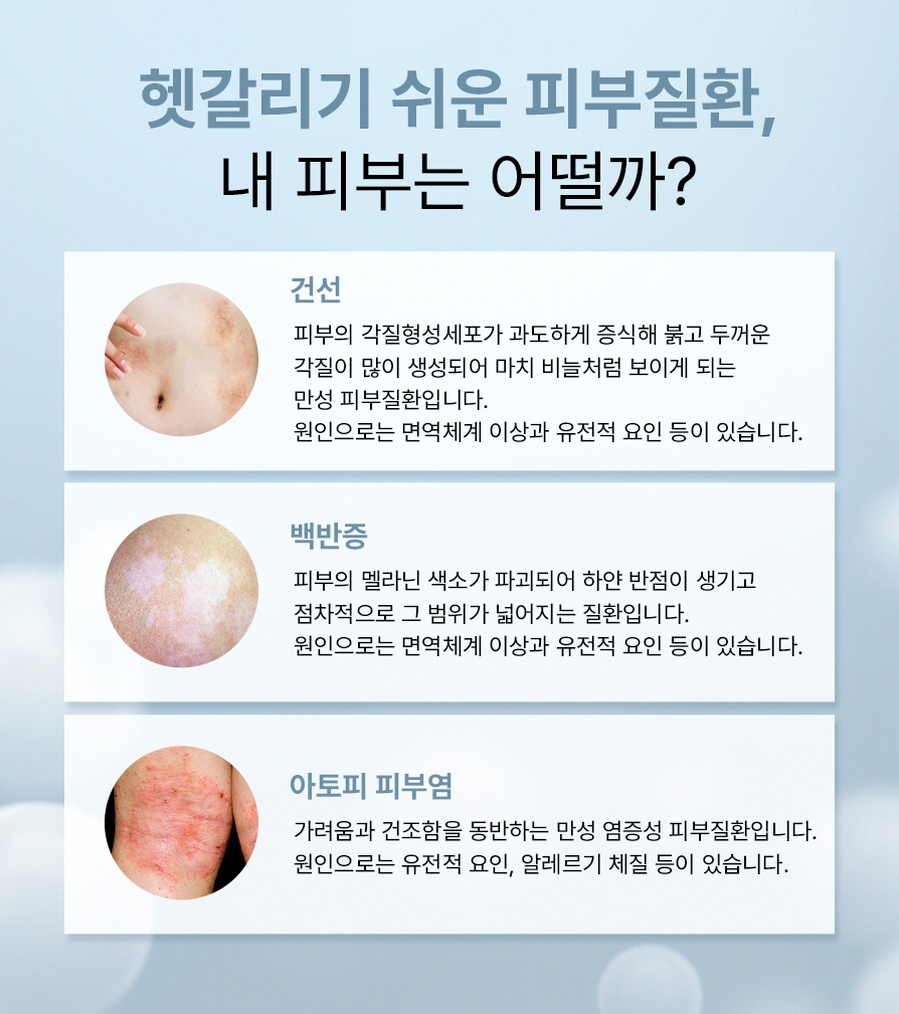
The course of vitiligo is unpredictable. In some patients, it stays localized in a few small areas for many years. In others, it slowly spreads, either in a stepwise fashion or with periods of rapid change followed by stability. Some patches may show partial or even near-complete repigmentation, especially with treatment and sun protection, while other areas remain lighter.
Why proper diagnosis in Dongtan matters
Not every white patch on the skin is vitiligo. Other pigment disorders can look similar in the early stages, and the right treatment depends on a correct diagnosis. In Dongtan, vitiligo evaluation by a dermatologist familiar with pigment disorders can help avoid unnecessary worry and guide you toward appropriate care.
Conditions that may resemble vitiligo include post-inflammatory hypopigmentation (lighter areas after eczema, injury, or rash), tinea versicolor (a superficial fungal infection), idiopathic guttate hypomelanosis (small white spots often seen on sun-exposed areas in older adults), and other less common disorders. Each has its own pattern, cause, and treatment.
At a dermatology clinic in Dongtan, the diagnostic process for suspected vitiligo usually includes a detailed history, a careful visual examination, and sometimes special tools and tests. The doctor will ask when the spots first appeared, how quickly they have changed, whether there is any itching or scaling, and whether family members have similar conditions or autoimmune diseases.
A Wood’s lamp, which emits ultraviolet light, is often used in a darkened room. Under this light, vitiligo lesions typically show a bright, chalky white glow that helps define their borders and distinguish them from other causes of light patches. In some cases, blood tests are recommended to screen for associated conditions, such as thyroid function abnormalities or other autoimmune markers.
In Dongtan, you can find clinics where vitiligo and psoriasis are part of the main medical lineup. Care is led by board-certified dermatologists with university hospital teaching experience, and one of the lead doctors is an active member of national vitiligo and psoriasis societies. This background suggests regular exposure to updated guidelines and research in pigment and inflammatory skin diseases.
For residents and visitors in Dongtan and the wider Hwaseong area, getting a clear vitiligo diagnosis locally means you can start an appropriate management plan early, without repeated travel to distant cities.
Treatment options and realistic expectations
There is no single cure that works for every person with vitiligo, but there are several evidence-based treatments that can slow progression and stimulate repigmentation. A Dongtan vitiligo treatment plan is usually individualized, taking into account age, skin type, how widespread the patches are, where they are located, how active the disease seems, and your daily lifestyle.
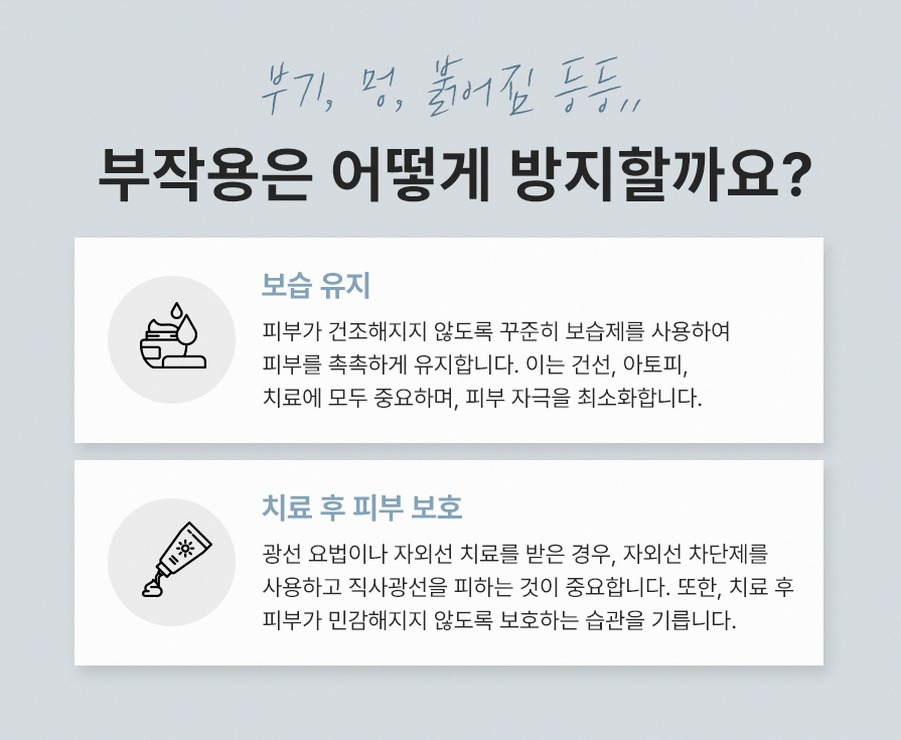
Topical therapies are often the first step. Prescription creams such as corticosteroids or calcineurin inhibitors can help calm the immune attack on melanocytes and encourage pigment cells to return. Stronger agents may be used for limited periods on thicker skin, while gentler options are chosen for the face, neck, and skin folds. Your dermatologist will explain where and how often to apply each medication and what side effects to watch for, such as thinning of the skin or irritation.
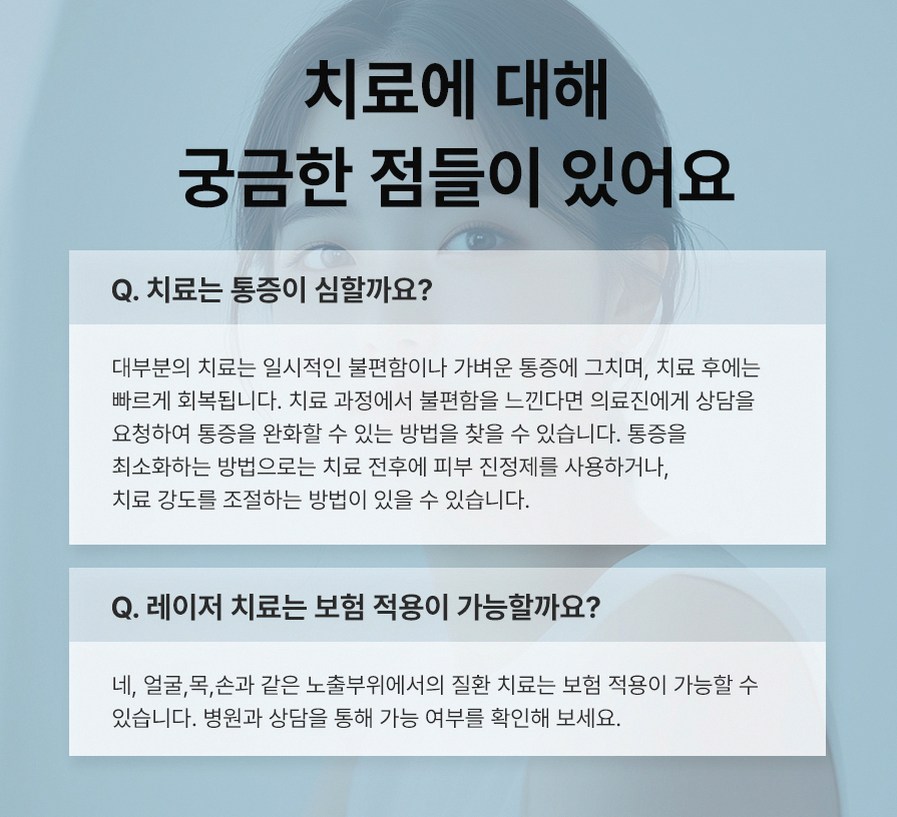
Phototherapy is another key option in Dongtan vitiligo care. Narrowband UVB and similar medical light sources are used in a controlled clinic setting. During each session, the affected areas are exposed to specific wavelengths of light that can stimulate melanocytes and modulate the immune response. Phototherapy usually requires multiple sessions per week over several months to see meaningful change, and consistency is important. Many Dongtan clinics schedule flexible phototherapy hours, including some evenings or Saturdays, to accommodate work and school.
In more extensive or rapidly progressing cases, systemic or adjunctive therapies may be considered. These might include oral medications, short-term systemic treatments, or combination approaches designed and monitored by a specialist. Because these treatments can affect the whole body, they require careful selection, regular follow-up, and blood test monitoring when needed.
Camouflage and sun protection strategies are also part of comprehensive vitiligo care. High-quality broad-spectrum sunscreen helps protect depigmented skin, which is more vulnerable to sunburn, and can reduce the contrast between affected and unaffected areas. Cosmetic camouflage products, tinted sunscreens, or medical-grade concealers can be discussed during your consultation if you wish to minimize the visibility of patches for social or professional reasons.
It is important to set realistic expectations. Improvement is usually gradual, not overnight. Many patients need several months of continuous treatment and follow-up before clear repigmentation is seen. Some body areas, such as the face and trunk, tend to respond better, while hands, feet, and bony joints can be more resistant. Even with good response, maintenance care and regular monitoring are often necessary because vitiligo is a chronic condition.
Features of vitiligo care at a Dongtan dermatology clinic
For people specifically searching for Dongtan vitiligo care, several features of local clinics may be relevant when choosing where to go.
In some Dongtan clinics, care is led by board-certified dermatologists who have taught in university hospital dermatology departments. This background often means they are accustomed to managing complex, chronic skin diseases and working with updated treatment protocols.
One of the lead doctors is a member of national vitiligo and psoriasis societies, which indicates ongoing interest in these conditions and exposure to current research and expert discussions. Since vitiligo and psoriasis share some immune-related mechanisms, a clinic that regularly treats both is likely to be familiar with a wide range of inflammatory and pigment disorders.
The overall skin disease lineup in such a clinic may include vitiligo, psoriasis, vascular and redness disorders, acne, and hair loss. This breadth can be helpful if you have multiple skin or scalp concerns or if your vitiligo is accompanied by other conditions.

Another strength is structured evaluation and follow-up. At the initial visit, the dermatologist typically performs a detailed assessment, explains what vitiligo is and how it behaves, and presents the main treatment options suitable for your situation. Together, you can set realistic goals, such as stabilizing disease activity, protecting the skin, and aiming for gradual repigmentation in key areas.
Follow-up visits are used to review progress, adjust topical prescriptions, fine-tune phototherapy doses, and discuss any side effects or lifestyle challenges. This stepwise approach is important because vitiligo management is a long-term process rather than a one-time procedure.
For working adults, students, and visiting international patients, clinic hours matter. Many Dongtan dermatology clinics operate on weekdays and Saturdays, with extended hours on some days and minimal lunch breaks, making it easier to fit treatment sessions around work, school, or travel schedules.
Who may consider Dongtan vitiligo care
Vitiligo care in Dongtan may be suitable for several groups of people.
Adults who live in Dongtan or nearby Hwaseong areas and have noticed new or expanding white patches can benefit from a professional assessment. Early diagnosis allows for earlier intervention, which may help slow progression.
Parents who see white spots on their child’s face, hands, or knees often feel worried and unsure whether it is vitiligo, a fungal infection, or just post-inflammatory changes after eczema. A Dongtan clinic with experience in pediatric skin conditions can help differentiate these possibilities and suggest age-appropriate treatment.
International patients who are already planning a trip to Korea for work, study, or family reasons may decide to use part of their stay to begin or optimize vitiligo treatment. Because phototherapy requires repeated sessions, some patients start a course in Korea and then coordinate follow-up with doctors in their home country.
People who already have a vitiligo diagnosis but feel their current regimen is not working, or who want a second opinion on treatment options, may also consider a consultation in Dongtan, especially if they are in or near the Seoul metropolitan area.
Online consultation and pre-visit preparation
For overseas patients and busy local residents, an online or remote pre-consultation can be helpful before traveling to a Dongtan clinic.
Before your first in-person visit, you can prepare by gathering basic information. Make a list of when you first noticed the white patches, how they have changed over time, and whether any events seemed to trigger them, such as sunburn, skin injury, or severe stress. Note any itching, burning, or scaling, and whether you have tried creams or treatments in the past.
If you have previous medical records, laboratory results, or biopsy reports related to your skin or thyroid function, scan or photograph them so they can be shared in advance. Also, prepare a list of current medications and supplements, including over-the-counter products and herbal remedies.
Clear photographs taken in good lighting can be useful for an initial online review. Try to capture both close-up views of the patches and wider shots showing their distribution on the body. While an online consultation cannot fully replace a physical examination and Wood’s lamp evaluation, it can help the dermatologist understand your situation, estimate the likely diagnosis, and propose a tentative plan for your visit.
Before contacting the clinic, you may want to write down questions such as:
How often would I need to come for phototherapy if it is recommended?
Which topical treatments are commonly used for facial versus hand lesions?
What kind of blood tests might be suggested for vitiligo patients?
How can I protect my skin from the sun while I am in Korea?
Bringing this list to your first appointment can make the consultation more efficient and reassuring.
What to expect at your first Dongtan visit
A typical first visit for suspected vitiligo in Dongtan follows a structured path.
First, you will complete a basic questionnaire and speak with the dermatologist about your symptoms. The doctor will ask about onset, speed of spread, family history of vitiligo or autoimmune diseases, previous treatments, and any general health issues such as fatigue, weight change, or hair loss that could suggest thyroid problems.
Next, a full skin examination is performed, focusing on the distribution, shape, and borders of the white patches. The dermatologist may use a Wood’s lamp in a darkened room to highlight the lesions and differentiate vitiligo from other causes of hypopigmentation.
After this evaluation, the doctor will explain whether your condition is likely vitiligo or another diagnosis, and what that means for long-term care. If vitiligo is confirmed or strongly suspected, you will discuss treatment options suitable for your case: topical therapy only, phototherapy, combination therapy, or watchful monitoring for very mild, stable lesions.
The dermatologist will outline the expected duration of treatment, how often you need to apply creams or attend phototherapy sessions, possible side effects, and the importance of adherence. If blood tests are recommended, they may be done on the same day or scheduled soon after.
Finally, a follow-up schedule is planned. For active vitiligo, early follow-up may be every four to eight weeks to assess response and adjust treatment. If phototherapy is started, appointments are typically set two to three times per week during the active phase.
Expected Korea visit timeline for international patients
If you are visiting Korea specifically for Dongtan vitiligo care, it helps to have a rough timeline.
For a short stay of two to three weeks, the focus is usually on thorough evaluation, education, and starting a treatment plan you can continue at home. You might have an initial consultation and tests in the first few days, followed by several phototherapy sessions per week and a final review before departure.
For a medium stay of four to eight weeks, you can combine diagnostic workup with a more intensive phototherapy schedule. This can be useful if you want to see early signs of repigmentation before returning home. The clinic can then provide a summary letter and recommendations for your local doctor.
For longer stays or for residents, vitiligo care in Dongtan becomes a regular part of life, with ongoing phototherapy, topical treatment, and periodic reassessment.
Daily care and lifestyle guidance
Daily habits play an important role in managing vitiligo, whether you live in Dongtan or are visiting for treatment.
Sun protection is essential. Depigmented areas burn more easily and can become red and irritated. Using a broad-spectrum sunscreen with adequate SPF on all exposed areas, reapplying during prolonged outdoor activities, and wearing hats or protective clothing can help prevent sunburn and reduce color contrast.
Avoid aggressive friction, scratching, or trauma to the skin. In some people with vitiligo, new patches may appear at sites of repeated pressure or injury, a phenomenon known as the Koebner response. Being gentle with your skin, choosing comfortable clothing, and avoiding unnecessary rubbing can reduce this risk.
The psychological impact of vitiligo should not be underestimated. Visible white patches, especially on the face and hands, can affect self-esteem, social interactions, and mood. It is normal to feel anxious, sad, or self-conscious at times. Talking openly with your dermatologist, seeking counseling, or joining support groups can be helpful. For children and teenagers, early emotional support can make a big difference in how they cope.
It is also important to be cautious about unverified home remedies or strong topical agents obtained without medical supervision. Some products advertised online for vitiligo may contain potent steroids or irritants that can thin the skin, cause stretch marks, or worsen inflammation. Always discuss new treatments or supplements with your dermatologist before trying them.
Aftercare and long-term follow-up
Vitiligo management does not end after a few weeks of treatment. Even when patches improve, long-term follow-up is recommended.
After an initial intensive phase of topical therapy and, if used, phototherapy, your dermatologist may gradually reduce the frequency of treatments while monitoring for new lesions or changes. Maintenance regimens might include less frequent application of topical medications, periodic phototherapy sessions, and ongoing sun protection.
If you are an international patient who started treatment in Dongtan and then returned home, it is useful to share your Korean clinic’s summary with your local doctor. This helps maintain continuity of care. Many patients continue similar topical regimens and, where available, arrange phototherapy locally.
Frequently asked questions about Dongtan vitiligo care
Is vitiligo contagious or caused by poor hygiene?
Vitiligo is not contagious and is not related to hygiene. You cannot catch it from someone, and you do not pass it to others through skin contact or shared items. It is considered an autoimmune pigment disorder, where the immune system attacks the pigment cells of the skin.
Can vitiligo be completely cured?
At present, there is no universal cure that guarantees permanent disappearance of vitiligo in all patients. However, many people experience stabilization and partial or significant repigmentation with appropriate treatment and sun protection. Because vitiligo is chronic and sometimes unpredictable, long-term management and follow-up are important, even after good improvement.

How long does it take to see results from vitiligo treatment in Dongtan?
The timeline varies from person to person. With consistent topical therapy and phototherapy, some patients begin to notice small pigment dots or shading changes within a few weeks to a few months, especially on the face and trunk. Hands, feet, and joints often respond more slowly. Your dermatologist in Dongtan will review progress at regular intervals and adjust the plan as needed.
Is phototherapy safe, and how often do I need it?
Medical phototherapy, when performed under specialist supervision, is generally considered safe. The light dose is carefully measured and gradually adjusted according to your skin type and response. Most protocols involve two to three sessions per week during the active phase. Possible side effects, such as temporary redness or dryness, are discussed before starting, and your dermatologist will monitor your skin closely.
Soft call to action for online consultation
If you are living in Dongtan, staying in Hwaseong for work or study, or planning a medical trip to Korea and are concerned about white patches on your skin, an early specialist evaluation can be reassuring. A Dongtan dermatology clinic with experience in vitiligo, psoriasis, and other chronic skin diseases can help you understand your condition, explore treatment options, and design a realistic long-term plan.
You can start by arranging an online consultation or sending your basic history and photos for review. This allows the clinic to advise you on the likely diagnosis, possible tests, and an estimated treatment schedule before you commit to travel or time off work. With patient, stepwise care and regular follow-up, many people with vitiligo are able to stabilize their skin and achieve visible improvement over time.
- 공유 링크 만들기
- X
- 이메일
- 기타 앱


댓글
댓글 쓰기