How to Choose a Clinic - Doctors, Devices, Programs
- 공유 링크 만들기
- X
- 이메일
- 기타 앱
Introduction
If you are living or working in Dongtan New Town or the wider Hwaseong area, you may be searching for a Dongtan dermatology clinic that can handle both medical skin problems and aesthetic concerns in one place. From psoriasis and vitiligo to acne, pigmentation, redness, lifting, and hair loss, it is helpful to know how to evaluate a clinic before you book.
What to look for in a Dongtan dermatology clinic
Doctor qualifications and subspecialty focus
When comparing clinics, start with the doctors. For medical and cosmetic skin issues, it is important that your main consultation and treatment planning are done by board-certified dermatologists. This means the doctor has completed medical school, a dermatology residency, and passed a national specialist examination.
Look for information on where they trained, whether they have experience in university hospitals, and if they are active in academic societies. Membership in societies related to psoriasis, vitiligo, acne, hair, or laser medicine suggests ongoing education in those areas. For chronic conditions such as psoriasis or vitiligo, this can be especially important, because treatment often involves long-term planning and familiarity with both topical and systemic therapies.
Equipment and device diversity
A modern Dongtan dermatology clinic usually works with a range of branded devices rather than relying on a single laser. Different conditions require different wavelengths and technologies. For example, redness and visible vessels often respond to pulsed dye lasers, while pigmentation and melasma may need gentle toning lasers and broadband light. Acne scars may be treated with fractional lasers or radiofrequency microneedling.
When you research a clinic, check whether device names are clearly listed and recognizable, such as Vbeam Perfecta, GentleMax Pro, BBL, Fotona systems, Ulthera, Thermage FLX, or Secret RF. This transparency helps you understand what type of technology is available for your concern.
Structured programs and follow-up systems
Rather than single, one-off procedures, many skin concerns benefit from structured programs. Acne, scars, melasma, and chronic inflammatory conditions usually require a series of sessions and combined approaches.

A good Dongtan dermatology clinic will explain its programs clearly: how often you need to visit, what is included in each session, and how progress will be monitored. Look for mention of regular follow-up visits, photo documentation, and the ability to adjust the plan if your skin reacts differently than expected.
Transparency and patient information
Transparent pricing and clear explanations build trust. Some clinics publicly post non-reimbursed treatment price lists so that patients can estimate costs in advance. Online consultation systems and educational materials, such as before-and-after photo boards for registered members, can also help you set realistic expectations. If a clinic displays before-and-after images, confirm that documented patient consent has been obtained; each image should be accompanied by the name(s) of the treated procedure(s), possible side effects, and a statement that individual results may vary. These photos should be presented as examples, not promises.
Accessibility and convenience
If you are a local resident or office worker in Dongtan New Town, location and hours matter. A clinic located in a mixed-use complex or near major roads can be easier to reach during a busy workday. Continuous hours without a lunch break can be convenient, but it is still useful to know the usual lunch time to avoid peak waiting periods.
Some clinics in Dongtan 2 New Town, for example, are located on upper floors of buildings like Port Central City on Dongtandaero Sibeom-gil, with operating hours such as Monday to Thursday 10:00–19:00, Friday 10:00–20:00, and Saturday 09:00–14:00, closed on Sundays and public holidays. Even if they run without a formal lunch closure, posted lunch periods such as 13:00–14:00 are helpful for planning.

Online reservation systems, including Naver reservation on specific days like Wednesdays and Thursdays, can reduce waiting time and make scheduling easier for both local and overseas patients.
Board-certified dermatologists and academic background
Example of specialist training and roles
To understand what specialist care looks like in practice, consider a Dongtan dermatology clinic where two representative directors both graduated from Kyung Hee University School of Medicine and completed their dermatology residency at Kyung Hee Medical Center. Both serve as outpatient teaching faculty in the dermatology department at a university hospital level.
This type of background usually means that the doctors are familiar with evidence-based guidelines, systemic treatments for psoriasis and atopic dermatitis, biologic therapies, and the safe use of lasers and energy-based devices. It also suggests they are used to managing complex cases and teaching younger doctors, which can translate into careful, structured care for patients.
Director-level expertise examples
One director may have ranked first in the primary part of a national dermatology board examination. This kind of academic achievement indicates strong diagnostic skills and a deep understanding of skin disease.
Experience as head of dermatology at a district hospital of the Presidential Medical Office reflects exposure to high-level, security-sensitive medical care, where discretion and safety are paramount. Additional experience directing a busy branch in a cosmetic-focused area such as Apgujeong implies familiarity with demanding laser and aesthetic patients.
The other director might have completed training at a dedicated laser research institute such as the UCI Beckman Laser Institute. This is directly relevant to laser and device-based treatments, as it involves in-depth understanding of how different wavelengths interact with skin, how to select parameters, and how to minimize side effects.
Both directors being members of multiple professional societies, including national dermatologic associations, acne, atopic dermatitis, hair, psoriasis, vitiligo, and laser societies, as well as the American Academy of Dermatology, supports the idea that they keep up to date with international standards. For patients with chronic conditions like psoriasis or vitiligo, being seen by dermatologists who are active in related academic societies can be reassuring.
Medical dermatology in Dongtan: psoriasis, vitiligo, and chronic skin disease
Chronic disease management
Conditions such as psoriasis, vitiligo, eczema, and chronic dermatitis are not usually solved with a single visit. They require long-term management, regular follow-up, and sometimes laboratory monitoring if systemic medications are used.
In a Dongtan dermatology clinic with university-level background, management may include topical steroids and non-steroidal creams, phototherapy options, systemic agents, or biologic treatments, depending on severity and national guidelines. For vitiligo, options may include topical treatments, targeted light therapies, and supportive measures to protect depigmented skin from sun damage.
Vascular and redness issues
Redness, flushing, and visible capillaries on the face can be related to rosacea, sensitive skin, or post-inflammatory changes. These conditions often require a combination of gentle skincare, prescription creams, and vascular laser treatments.
Devices like Vbeam Perfecta, a pulsed dye laser, are widely used for vascular lesions and facial redness. Because these lasers target blood vessels, they must be used carefully to balance effectiveness with the risk of bruising or temporary darkening. Experienced dermatologists adjust settings based on skin type, vessel size, and treatment area.
Scalp and hair loss
Hair loss is another common concern. A dermatologist-led evaluation helps differentiate between androgenetic alopecia, telogen effluvium, alopecia areata, and other causes. The treatment plan may include topical solutions, oral medications, scalp injections, or device-based therapies, depending on the diagnosis.
Acne, scars, and redness programs: how combination therapy works
Active acne management
For many patients in Dongtan, acne is a main reason to visit a dermatology clinic. Effective care usually combines topical medications, oral treatments when needed, and in-clinic procedures.
Some clinics offer structured acne programs, sometimes described as comprehensive or “all-kill” style programs, which may include deep cleansing, extractions, anti-inflammatory treatments, and light or laser sessions. Photodynamic therapy (PDT) is often used for inflammatory acne, where a photosensitizing agent is applied and then activated with a specific light source to reduce oil glands and bacteria.
Scar and pore programs
Once active acne is under control, attention can shift to scars and enlarged pores. Here, combination therapy is important. Devices such as Legato 2, ProFractional-type lasers (often referred to as Pro Fraxel), Secret RF, and Gold PTT can all play roles.
Fractional lasers create microscopic columns of controlled damage to stimulate collagen and remodel scars. Radiofrequency microneedling devices like Secret RF deliver energy deeper into the dermis, which can help with atrophic scars and texture. Some providers describe Gold PTT as a light-assisted approach that targets sebaceous glands and pores, but descriptions of mechanism and the supporting evidence vary.

Scar fillers can be used for deeper atrophic scars that do not fully respond to devices. A dermatologist will usually distinguish between rolling, boxcar, and icepick scars and design a stepwise plan rather than relying on a single treatment type.
Redness and sensitive skin after acne
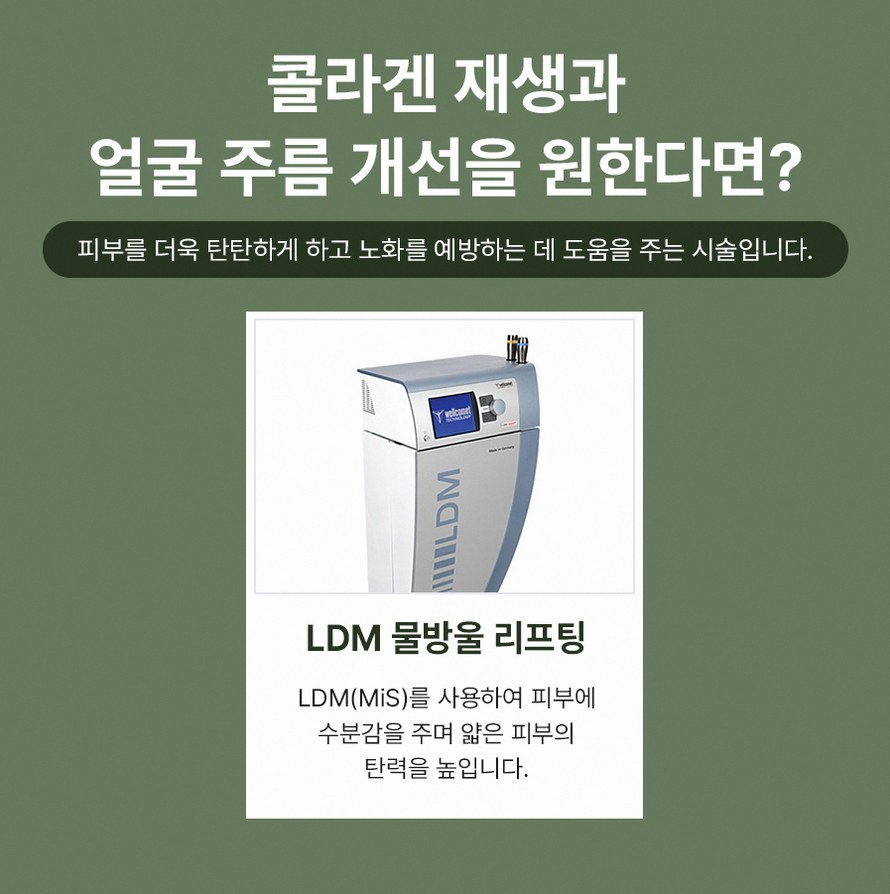
Post-acne redness and sensitive skin often require a different approach than active acne. Vascular lasers, gentle broadband light, and supportive treatments like LDM ultrasound can help calm inflammation and support the skin barrier. LDM ultrasound, when performed with genuine devices, is often used after laser procedures to reduce downtime and improve comfort.
Pigmentation and melasma care: devices and long-term strategy
Accurate diagnosis first
Pigmentation problems can include melasma, freckles, lentigines, post-inflammatory hyperpigmentation, and mixed patterns. An accurate diagnosis is essential because melasma, in particular, can worsen with aggressive treatment.
A Dongtan dermatology clinic with experience in pigmentary disorders will usually start with a careful examination, sometimes using dermoscopy or special lighting, to distinguish between these conditions.

Gentle, gradual treatment
Devices commonly used for pigmentation and tone improvement include Fotona laser toning, GentleMax Pro, BBL (broadband light), and other toning platforms. White toning-up programs often combine low-fluence laser toning with topical brightening agents and strict sun protection.
Melasma is usually managed with gradual, low-fluence laser sessions, pigment-regulating creams, and daily sunscreen. Broadband light and other intense light sources may be used cautiously or avoided in certain melasma patterns, depending on the dermatologist’s judgment.
Ionzyme DF, an iontophoresis and sonophoresis-based system, can enhance penetration of vitamins and brightening ingredients without additional trauma to the skin. This can be helpful for sensitive or melasma-prone patients who need a gentle approach.
Lifting, tightening, and anti-aging: choosing the right option
Energy-based lifting devices
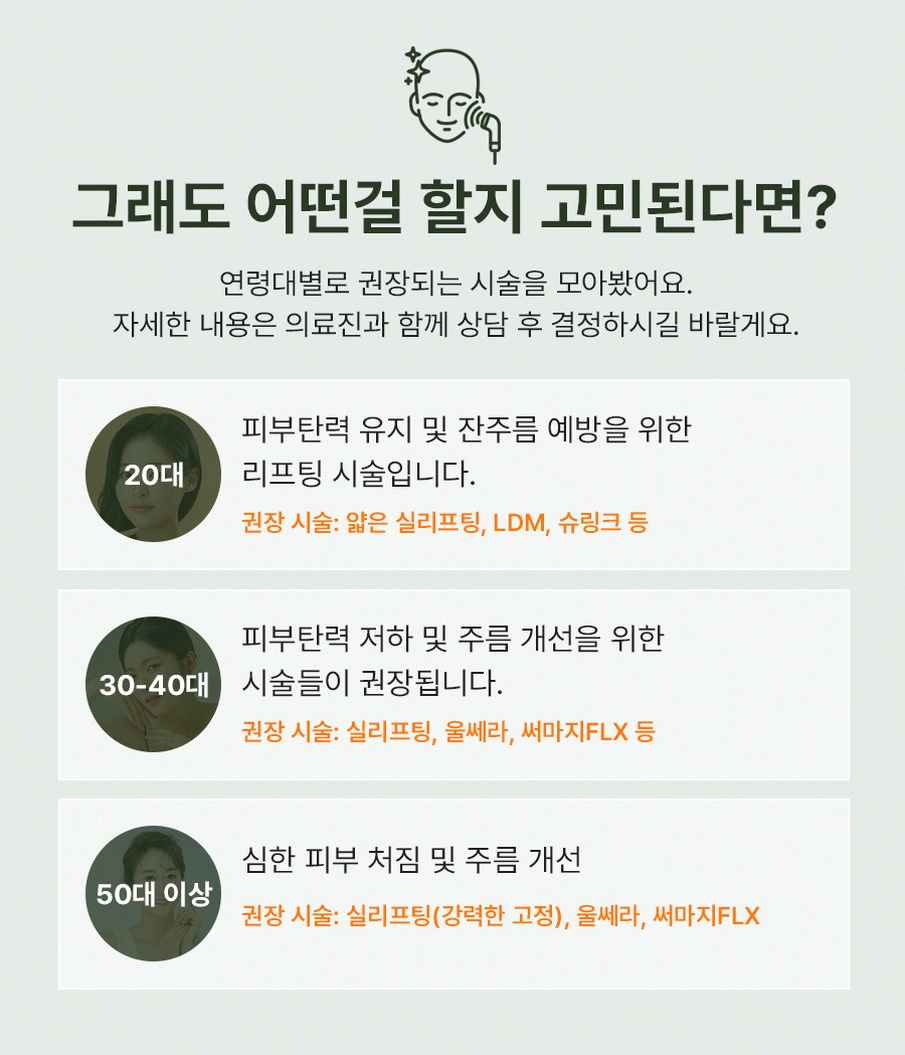
For patients concerned about sagging skin, jawline definition, or fine lines, lifting and tightening procedures are common reasons to visit a Dongtan dermatology clinic.

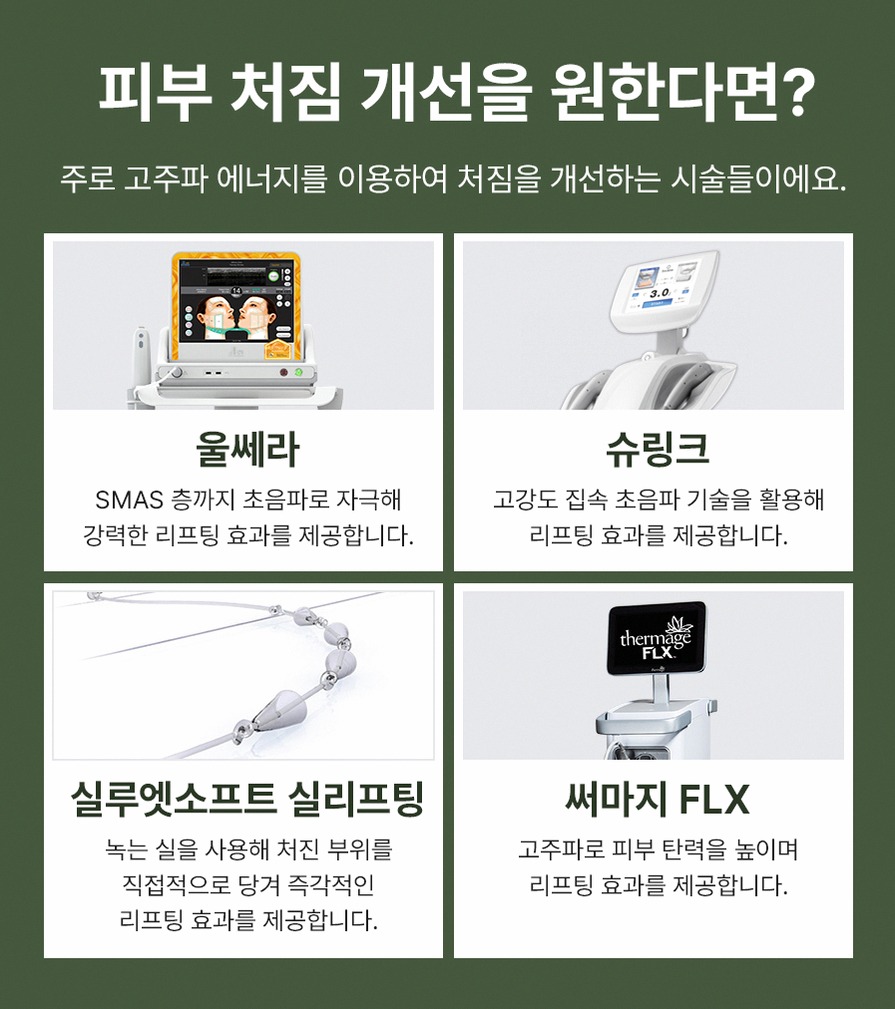
High-intensity focused ultrasound (HIFU) devices such as 3D Ulthera and Shurink target deeper layers of the skin and the superficial muscular aponeurotic system (SMAS) to create lifting effects. Thermage FLX uses radiofrequency to tighten collagen and improve skin texture. SkinTyte provides light and infrared-based tightening, often with less downtime.
Onda lifting, a microwave-based technology, can be used for body and localized fat or skin tightening and may be offered in introductory phases at some clinics.
Because these devices deliver energy close to nerves and important facial structures, they should be operated by dermatologists familiar with facial anatomy and nerve pathways. This reduces the risk of temporary numbness or asymmetry.
Thread lifting and injectables for contour
Thread lifting options such as Mint Lift and Silhouette Soft can provide mechanical lifting and collagen stimulation. They are often combined with energy-based devices or fillers for more comprehensive results.

Injectable options include Rejuran and other anti-aging injections that aim to improve skin quality, as well as Belkyra for submental fat reduction under the chin. Choosing between these options depends on skin laxity, fat volume, downtime tolerance, and budget. A consultation with a dermatologist helps clarify which combination is most suitable.
Injectables: botox, fillers, and skin boosters
Wrinkle and contour treatments
Botox is widely used for dynamic wrinkles such as frown lines, forehead lines, and crow’s feet. It can also be applied in body areas for hyperhidrosis (excessive sweating) or to support body contouring plans.
Hyaluronic acid fillers are used to restore volume in areas such as the cheeks, nasolabial folds, lips, and under-eye hollows. Biostimulatory fillers like Juvelook and Ellanse-type products stimulate collagen over time and can be considered for longer-lasting structural support.
Skin boosters and hydro lifting
Hydro lifting or water glow injections focus on skin hydration and fine lines rather than volume. These treatments can improve overall skin quality and radiance, especially in dry or photo-damaged skin.

Safety considerations
For all injectables, safety depends on proper product selection, sterile technique, and detailed knowledge of facial vascular anatomy. A conservative, layered approach helps achieve natural-looking results. Patients should inform the doctor about any blood-thinning medications, autoimmune conditions, or previous filler treatments.
Hair loss, body treatments, and nail fungus
Hair and scalp clinic
A dermatologist-led hair clinic in Dongtan will typically start with a detailed history, scalp examination, and sometimes blood tests to rule out nutritional or hormonal causes. Treatment options may include topical minoxidil, oral medications, scalp injections, and supportive device-based therapies.
Body treatments
Common body concerns include stretch marks, unwanted hair, and hyperhidrosis. Stretch marks may be treated with fractional lasers or radiofrequency devices similar to those used for acne scars. Laser hair removal often uses platforms like GentleMax Pro, which can target hair follicles while also addressing some pigment or vascular issues.
Hyperhidrosis care can involve topical treatments, oral medications, or botox injections into areas such as the underarms, palms, or soles. Even for body issues, a medical assessment is important to rule out endocrine or systemic causes.

Nail fungus program
Onychomycosis (nail fungus) of the hands and feet can be persistent. A Pinpoint laser program can be used to heat and damage fungal elements in the nail plate. This is often combined with topical or oral antifungal medications.
Because systemic antifungals may affect liver function, medical supervision and occasional blood tests are necessary. A dermatologist can balance the benefits of faster clearance with the need for safety monitoring.
Equipment and technology: why variety matters
Recognized devices
A Dongtan dermatology clinic focused on comprehensive care may use a wide range of branded devices, such as:
Vbeam Perfecta for vascular and some pigment issues
GentleMax Pro for hair removal and combined pigment/vascular indications
BBL for tone and redness
Fotona laser systems for toning and resurfacing
Legato 2, ProFractional-type lasers, Secret RF, and Gold PTT for scars and pores
3D Ulthera, Thermage FLX, Shurink, SkinTyte, and Onda for lifting and tightening
LDM ultrasound for skin barrier support and post-procedure care
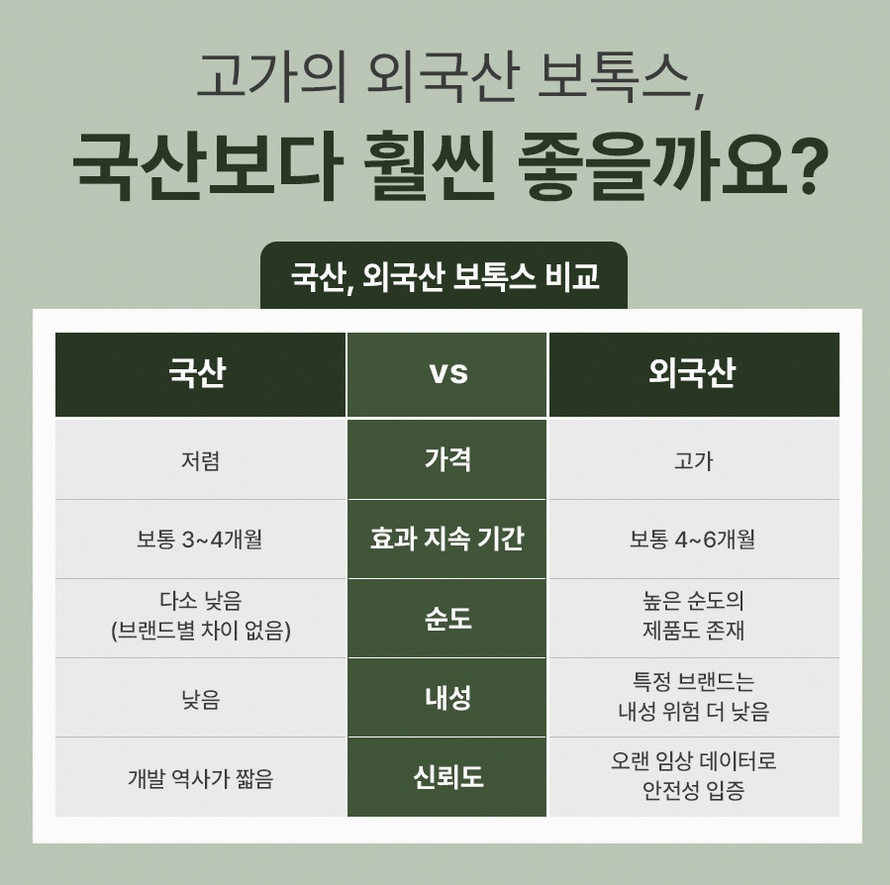
Having multiple platforms allows the dermatologist to individualize treatment, starting with milder options and escalating only if needed. It also makes combination therapy possible for complex issues such as mixed-type scars or melasma with concurrent redness.
Patient experience, safety, and follow-up
Online consultation and information access
Many Dongtan clinics now offer online consultation systems where you can submit photos and a brief history before visiting. This is especially useful for overseas patients planning a short trip to Korea.
Some clinics provide a member-only before-and-after photo board for conditions like acne, redness, pigmentation, and scars. These galleries are meant to educate and help set expectations, not to guarantee that any particular patient will achieve the same result.
Transparent pricing and scheduling
From 2026.01 onward, some clinics plan to publicly post non-reimbursed treatment price lists. This kind of transparency helps patients compare options and budget realistically.

Clear operating hours and the option of online reservation, for example via Naver on Wednesdays and Thursdays, can reduce waiting time and make it easier to coordinate with work or travel schedules.
Typical treatment flow
In a Dongtan dermatology clinic, the care pathway often follows these steps:
Step 1: Consultation and diagnosis. The dermatologist takes a detailed history, examines the skin, scalp, or nails, and may use dermoscopy or order lab tests.
Step 2: Treatment planning. Options are explained, including medications, devices, and lifestyle guidance. The expected number of sessions, intervals, and possible side effects are discussed.
Step 3: Procedure day. Pre-care instructions are reviewed, topical or local anesthesia may be applied, and the procedure is performed. Post-care instructions, including skincare and sun protection, are provided.

Step 4: Follow-up and maintenance. Progress is checked, photos may be compared, and the plan is adjusted. For chronic diseases, long-term maintenance and flare management are discussed.
Safety and precautions
Patients should always disclose their full medical history, including medications, allergies, pregnancy or breastfeeding status, and any previous procedures. After laser and light-based treatments, strict sun protection is essential to reduce the risk of pigmentation.
For chronic conditions like psoriasis, vitiligo, and melasma, realistic expectations are important. The goal is usually control and improvement rather than a permanent cure. Regular follow-up with a dermatologist helps manage flares and adjust treatment over time.
Who may consider a Dongtan dermatology clinic visit
You may consider visiting a Dongtan dermatology clinic if you:
Live or work in Dongtan New Town or Hwaseong and want convenient access to both medical and aesthetic dermatology
Have chronic skin diseases such as psoriasis, vitiligo, eczema, or rosacea
Struggle with acne, scars, pigmentation, or redness that have not improved with basic skincare
Are interested in lifting, tightening, or injectables under specialist supervision
Need evaluation for hair loss, stretch marks, hyperhidrosis, or nail fungus

Pre-visit preparation for overseas patients
If you are traveling from abroad, an online consultation before your trip can help you make the most of your time in Korea. Prepare clear photos in good lighting, a list of current medications, and any previous treatment records if available.
Ask about the number of sessions likely needed, the minimum stay recommended, and any downtime. For example, fractional laser for scars may require several days of visible redness, while gentle toning or lifting devices often have minimal downtime.
Expected Korea visit timeline
For short visits, many overseas patients plan:
Day 1: In-person consultation, basic tests if needed, and possibly the first procedure if it is low-risk and requires no special preparation.
Day 3–7: Follow-up visit for wound check, second session of certain treatments, or supportive care such as LDM ultrasound.
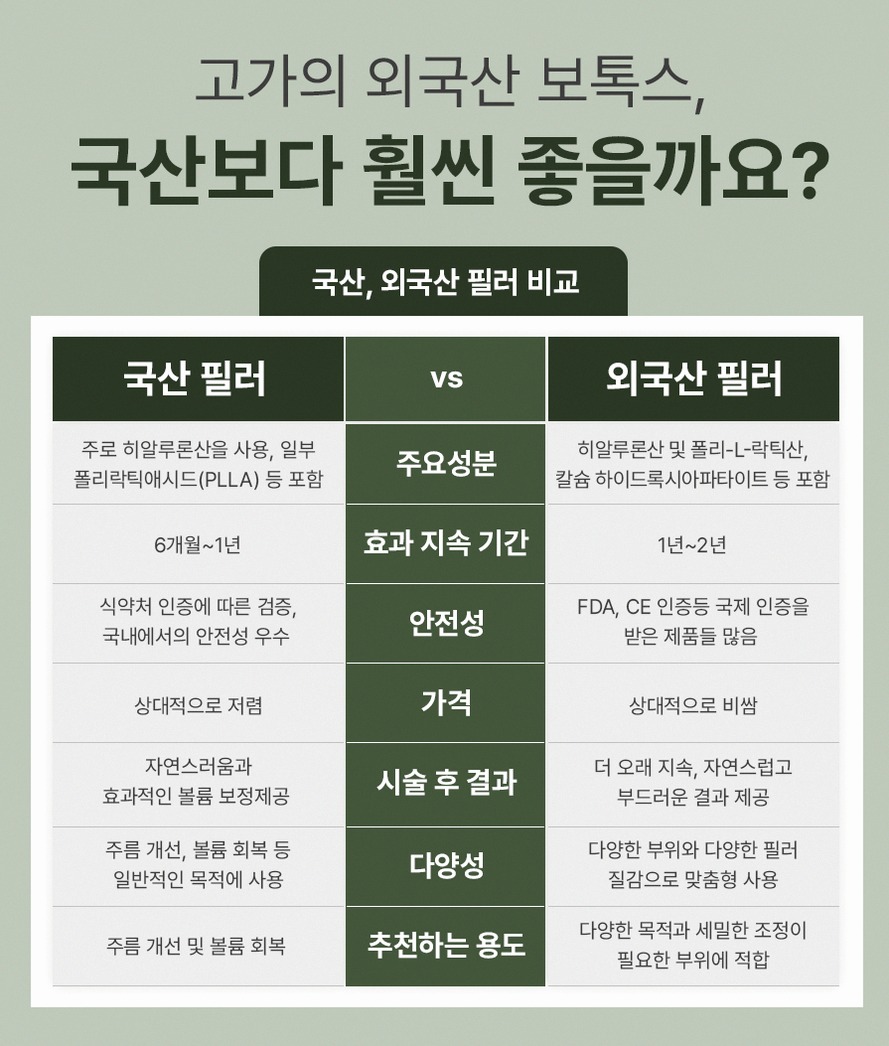
Longer-term programs for acne, melasma, or hair loss usually require multiple visits over months, so some patients combine an initial intensive phase in Korea with maintenance care in their home country.
Aftercare and long-term management
After procedures, follow the clinic’s instructions on cleansing, moisturizing, and sun protection. Avoid new, untested skincare products during the early healing phase. For injectables, avoid heavy massage or intense exercise for a short period if advised.
For chronic skin diseases, schedule regular follow-ups, even if symptoms improve. This helps adjust medications, monitor for side effects, and prevent sudden flares.
Soft call to action
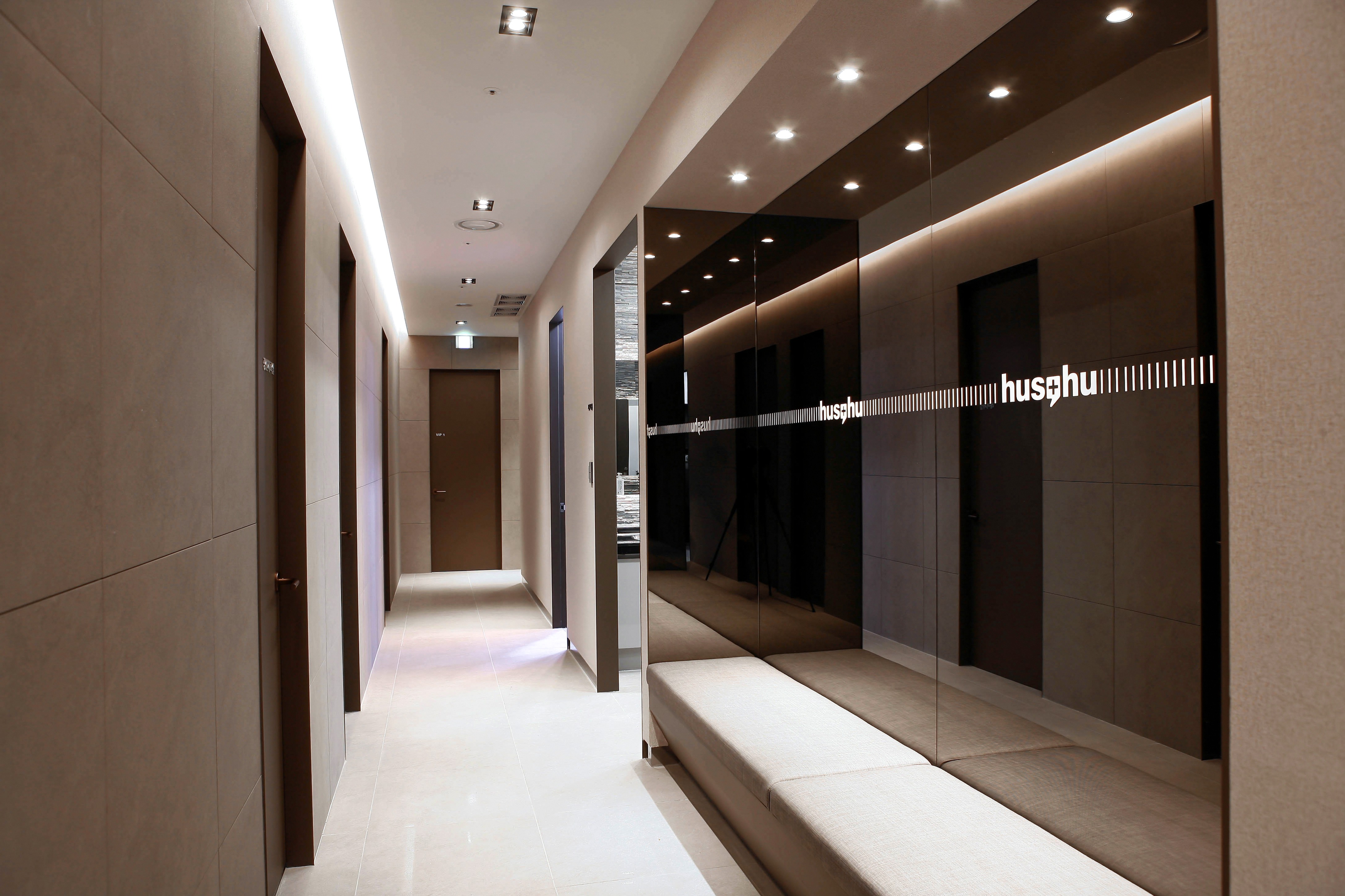
If you are looking for a Dongtan dermatology clinic that offers both medical and aesthetic dermatology with structured programs and a wide range of devices, you may consider contacting Hus-hu Dermatology Clinic Dongtan for an online consultation. Sharing your concerns, photos, and schedule in advance can help the medical team design a realistic, individualized plan for your visit to Korea.

FAQ
How do I choose the right Dongtan dermatology clinic for my condition?
Focus on the doctors’ qualifications, their academic and hospital background, and whether they are board-certified dermatologists. Check if the clinic lists genuine, well-known devices appropriate for your concern, such as vascular lasers for redness or fractional lasers for scars. Look for clear explanations of treatment plans, follow-up systems, and transparent pricing, rather than just promotions.
Are laser and light-based treatments safe for all skin types?
Laser and light-based treatments can be used on many skin types, but the risk of side effects such as pigmentation or scarring is higher if parameters are not adjusted correctly. Safety depends on proper device selection, conservative settings, and the experience of the dermatologist. During consultation, inform the doctor about your skin type, history of keloids, and any previous reactions to procedures so that the plan can be tailored.
How many sessions will I need for acne scars or melasma?
The number of sessions varies widely. Acne scars often require multiple fractional laser or radiofrequency sessions, typically spaced several weeks apart, and improvement is usually gradual. Melasma is a chronic condition and often needs ongoing maintenance with gentle laser toning, topical agents, and strict sun protection. Your dermatologist can give a more specific estimate after examining your skin.
What should I ask during my first visit to a Dongtan dermatology clinic?
Consider asking about your exact diagnosis, all available treatment options, and why a particular plan is recommended for you. Ask how many sessions are expected, what kind of downtime and side effects you should anticipate, and how the clinic handles follow-up and complications. If you are an overseas patient, also ask how much time you should plan to stay in Korea and what can be continued in your home country.

This article is for general information only and does not replace a personal consultation with a qualified dermatologist. Diagnosis and treatment should always be individualized based on a direct medical examination and discussion of your medical history.
- 공유 링크 만들기
- X
- 이메일
- 기타 앱


댓글
댓글 쓰기