Immediate Lift and Collagen Boost, 12-18 Month Results
- 공유 링크 만들기
- X
- 이메일
- 기타 앱
Direct answer summary
If you are searching for Dongtan thread lifting as a way to sharpen your jawline, reduce early jowls, or gently lift sagging cheeks without surgery, thread lifting can be an option to consider. It uses fine absorbable threads placed under the skin to create an immediate lifting effect and to stimulate collagen over time. For international patients visiting Dongtan, Hwaseong, this treatment can usually be done in a single outpatient visit with a relatively short recovery period, making it compatible with a medical tourism schedule.
This guide explains what thread lifting is, who may benefit, how it is performed, what to expect during a visit to Korea, and how it compares with other lifting treatments such as Ultherapy, Thermage FLX, HIFU, and fillers. It also outlines how to prepare for an online consultation and in-person evaluation at a dermatology clinic such as Hus-hu Dermatology Clinic Dongtan.
What is thread lifting?
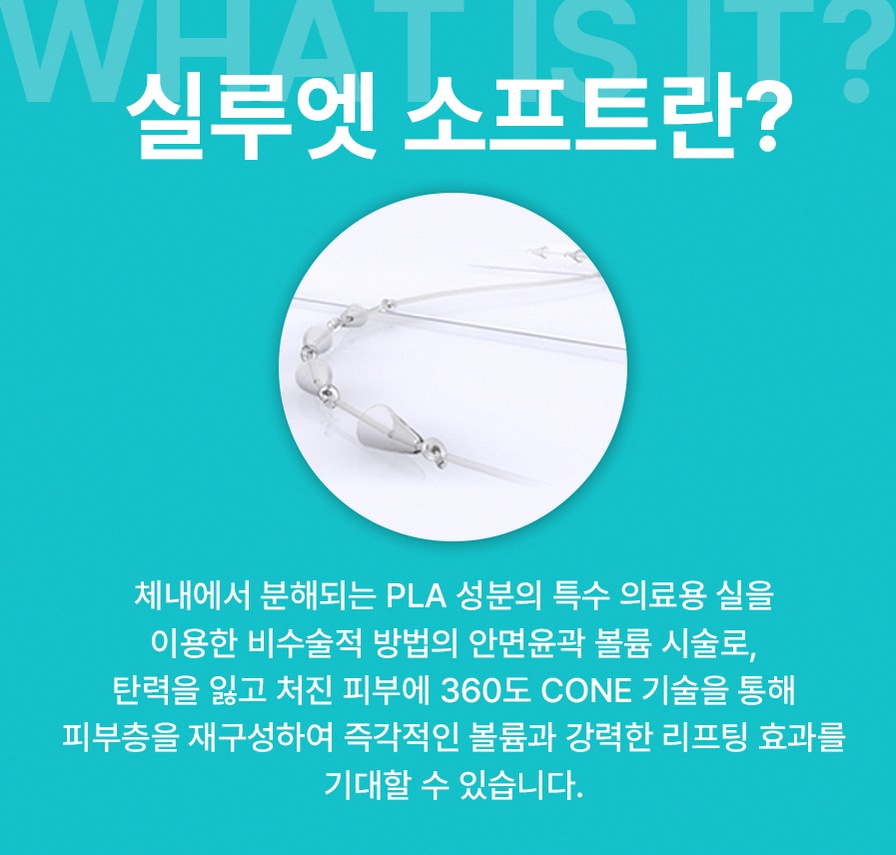
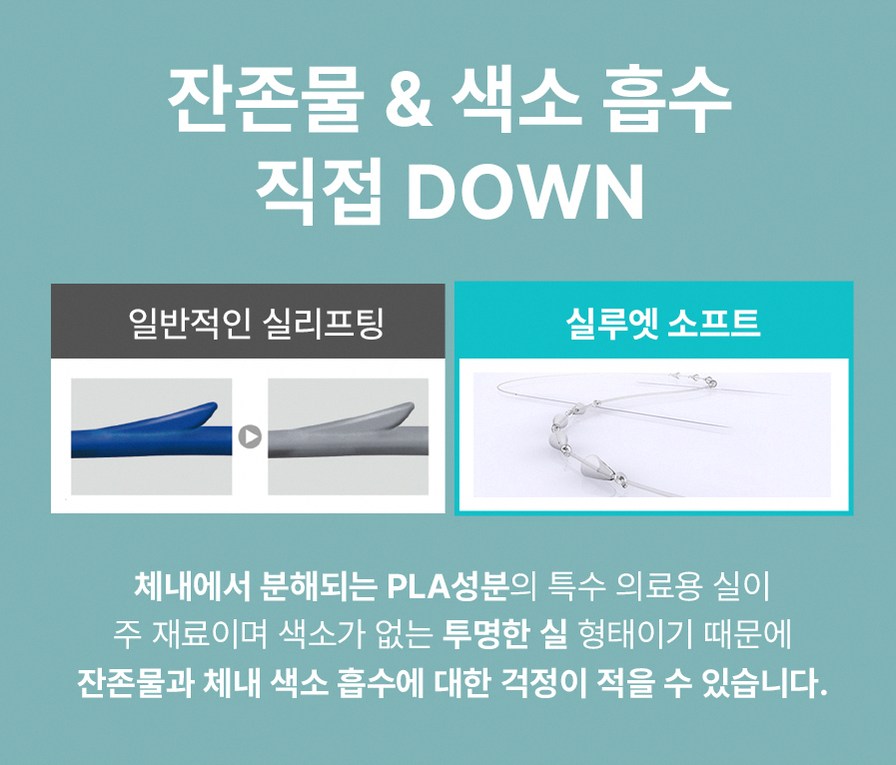
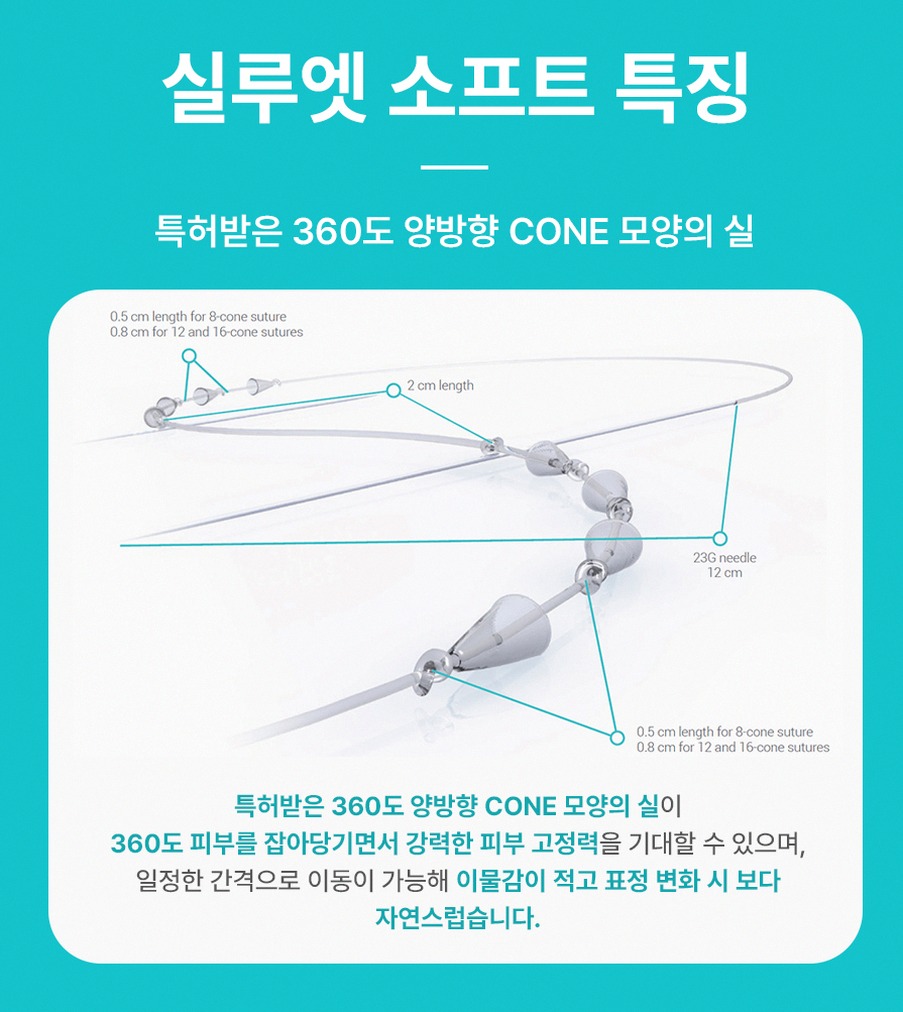
Thread lifting is a minimally invasive facial lifting procedure that uses absorbable threads to gently reposition sagging tissue and support facial contours. The threads are usually made from materials such as PDO, PLLA, or PCL, which are widely used in medical sutures. Some threads are smooth for collagen support, while others have tiny barbs or cogs that anchor into the tissue to create a lifting effect.
During the procedure, the doctor inserts these threads under the skin using fine needles or blunt cannulas along carefully planned vectors. The barbed or cog threads catch and lift the deeper layers of the skin and soft tissue. Over the following months, the body gradually absorbs the threads and produces new collagen along their path, helping to maintain firmness and improve skin quality.
Thread lifting is designed to provide subtle to moderate lifting and contouring. It does not replace a surgical facelift, but it can be a good option for people who want visible improvement with less downtime and without general anesthesia.
Areas commonly treated with threads
Thread lifting can be tailored to different parts of the face and sometimes the neck. Common target areas include the following.
Jawline and jowls, to redefine the lower face and reduce the appearance of sagging along the jaw.
Nasolabial folds, the lines that run from the sides of the nose to the corners of the mouth.
Marionette lines, the lines running downward from the corners of the mouth.
Midface and cheeks, to restore a higher, more youthful cheek position.
Lower face contour, to improve overall facial definition.
Neck and under-chin area in selected cases.
Eyebrow and temple area, for a subtle brow or outer eye lift in suitable candidates.
How threads lift and stimulate collagen
Thread lifting works through two main mechanisms.
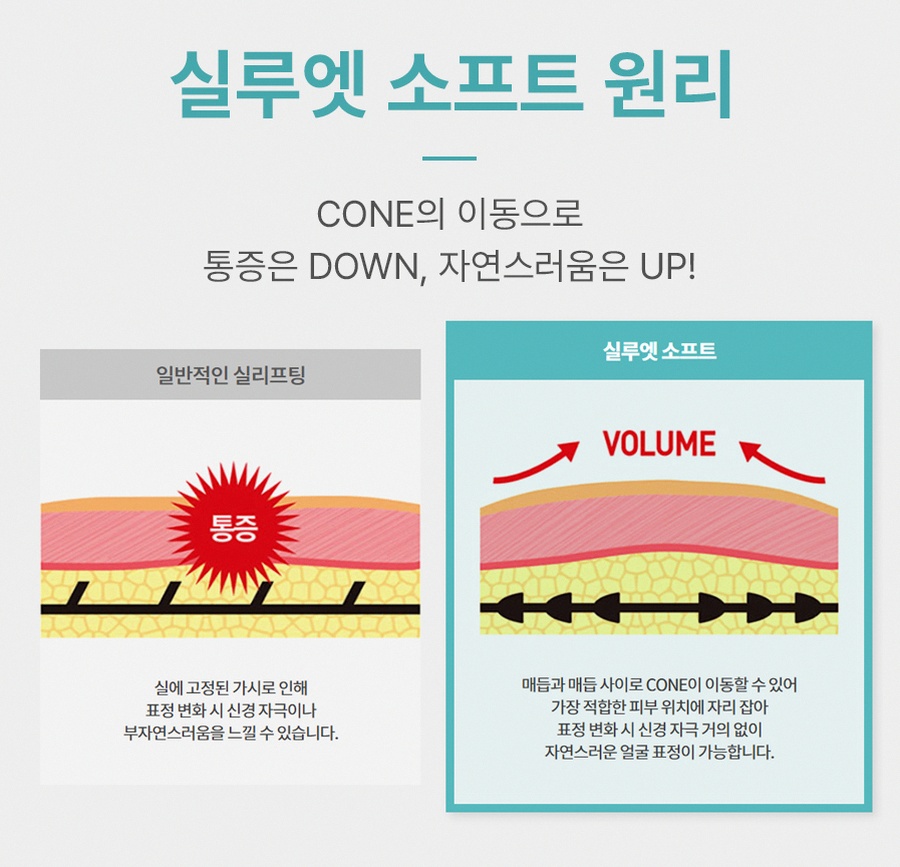
First, there is an immediate mechanical lift. Barbed or cog threads are positioned under the skin and then gently tightened so they hook into the tissue and pull it upward. This can create an instant improvement in sagging areas such as the jowls or midface.
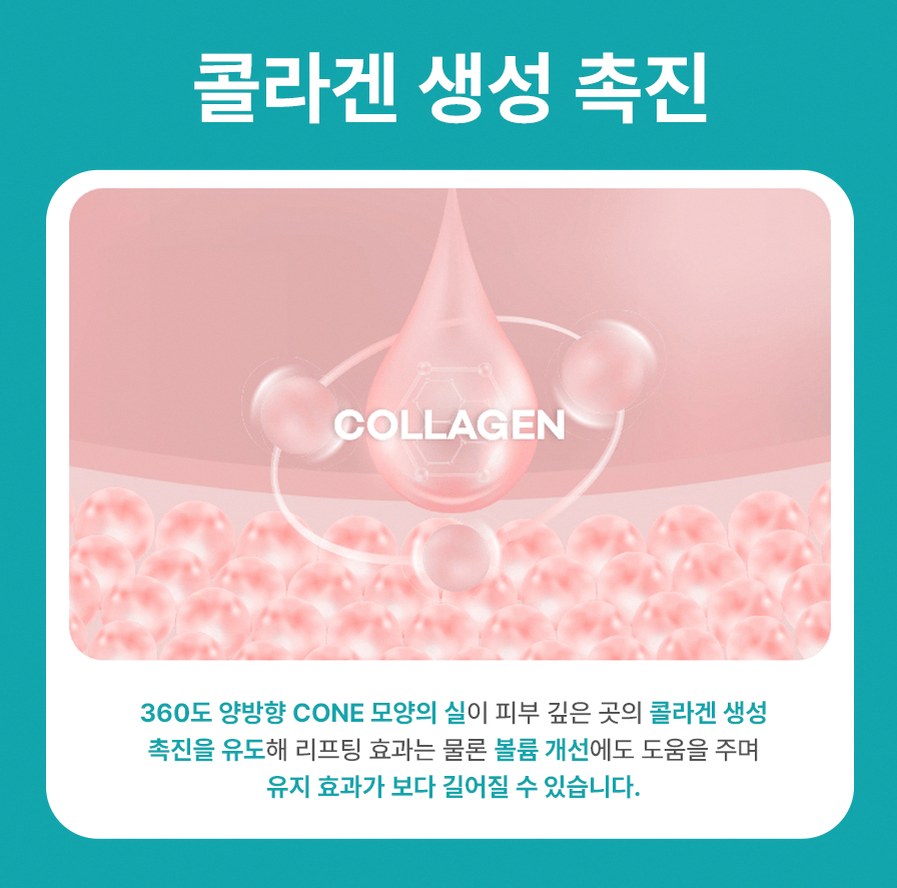
Second, there is gradual collagen stimulation. As the body responds to the threads, it forms new collagen around them. This process can continue for several months, helping to improve firmness, elasticity, and skin texture even after the threads themselves begin to dissolve.
Because of these dual mechanisms, many patients notice an immediate change after the procedure, followed by further refinement over one to three months. The visible effect commonly lasts around 12 to 18 months, but this range can vary depending on thread type, skin condition, age, lifestyle, and how well aftercare instructions are followed.
Who may consider thread lifting in Dongtan
Thread lifting is not suitable for everyone, but it can be helpful for certain stages of facial aging. An in-person assessment in Dongtan is important to determine whether threads, energy-based lifting, or a combination is most appropriate.
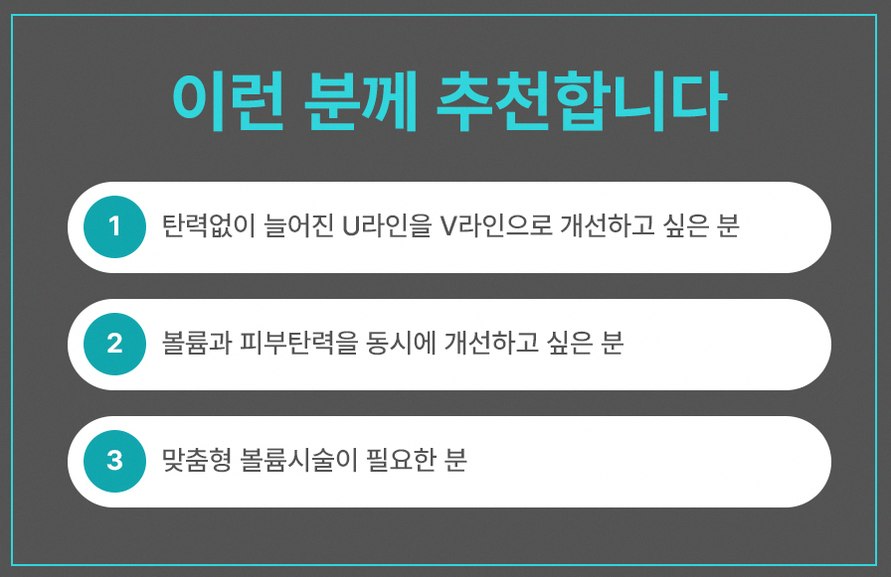
Good candidates for thread lifting
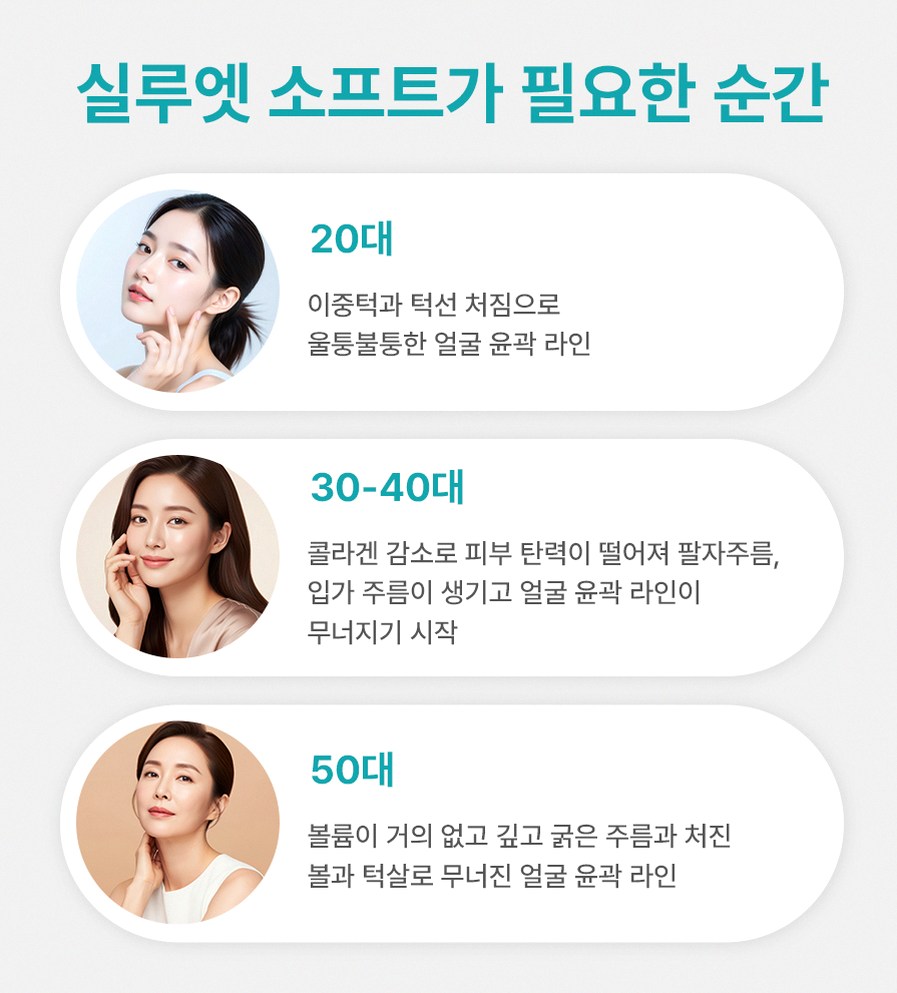
People in their 30s to 50s with mild to moderate skin laxity often benefit most. Typical signs that may respond well include early jowls, a soft or blurred jawline, deepening nasolabial folds, and marionette lines that create a tired or downturned expression.
Thread lifting tends to suit individuals who want a noticeable yet natural-looking lift, but who wish to avoid surgical facelift, general anesthesia, and long recovery times. It is also suitable for those who understand that the change will be more subtle than surgery and that maintenance or combination treatments may be needed over time.
Less ideal candidates and limitations
Thread lifting may be less suitable in some situations.
Very thin skin with little underlying fat can increase the risk of thread visibility, rippling, or irregularities.
Very heavy or severely sagging tissue may not be adequately lifted by threads alone and may be better addressed with surgical options.
People expecting a dramatic, long-lasting result similar to a 10-year facelift from threads alone may be disappointed.
In all cases, a detailed consultation with a dermatologist is important. The doctor will evaluate skin thickness, fat volume, ligament laxity, and facial asymmetry. Based on this, they can recommend the type and number of threads, insertion vectors, or alternative treatments.
Online consultation and pre-visit preparation for overseas patients
If you are planning to travel to Dongtan, Hwaseong, for thread lifting, it is helpful to start with an online consultation before booking flights.
During an online consultation, you may be asked to provide clear photographs of your face from the front and both sides, taken in good lighting without filters. The clinic may also ask about your age, medical history, medications, history of bleeding or bruising, and any previous procedures such as fillers, HIFU, Ultherapy, Thermage, or surgery.
Points to prepare and discuss include your main concerns (for example, jowls, smile lines, or a square lower face), what kind of change you hope to see, and how many days you can stay in Korea. It is also useful to share whether you are open to combination treatments, such as adding HIFU or Thermage FLX for overall tightening, or fillers for volume restoration.
Before your visit, you may be advised to avoid certain medications or supplements that increase bleeding risk, such as high-dose fish oil, some herbal supplements, or non-essential painkillers, if medically safe for you to stop them. Always confirm any changes with your own doctor at home.
Thread lifting procedure step by step
Although details can vary between clinics, the general process for thread lifting in Dongtan follows several stages.
Consultation and treatment planning
When you arrive at the clinic, you will have an in-person consultation with the dermatologist. They will review your medical history, examine your face, and discuss your goals. This is the time to mention any past procedures, allergies, or tendencies to bruise or scar.
The doctor will then design a lifting plan. This may include marking lifting vectors along the jawline, cheeks, or midface, and deciding which thread types to use. Cog or barbed threads are often chosen for lifting, while mono or screw threads may be used in some areas mainly for collagen support. The number of threads and their placement will be tailored to your facial structure.
On the day of your procedure
The treatment is usually performed in an outpatient procedure room.
Your skin will be cleansed and disinfected to reduce infection risk.
Local anesthesia injections or topical cream will be applied to minimize discomfort. Some patients feel pressure or pulling rather than sharp pain.
The doctor will insert the threads using needles or cannulas along the pre-marked vectors. You may feel movement but should not feel strong pain once the anesthesia takes effect.
After placement, the doctor will gently adjust the threads to create a symmetrical lift and then trim any excess thread ends.
Most thread lifting sessions take about 30 to 60 minutes, depending on the number of areas treated.
Immediately after the procedure
You can usually see some lifting right away, especially along the jawline or cheeks. However, there may also be swelling, mild bruising, or slight asymmetry at first. These early changes usually settle over the following days to weeks.
The doctor or staff will explain what sensations are normal, such as tightness, pulling when you smile or chew, or mild tenderness along the thread paths. You will receive aftercare instructions and information on when to return for a check-up if your schedule allows.
Recovery, downtime, and aftercare
For many international patients, one of the main advantages of thread lifting is the relatively short downtime compared with surgery. Still, some planning is needed, especially if you are combining treatment with sightseeing or business activities in Korea.
Typical recovery timeline
In the first few days, it is common to experience mild swelling, bruising, and tenderness. Some people feel a tight or pulling sensation when moving their facial muscles. These sensations usually improve over one to three weeks.
Most patients can return to light daily activities within one to two days, but visible bruising can last longer. If you are attending important events or taking photos, it is safer to allow at least one to two weeks for the most visible signs to fade.
General aftercare recommendations
Aftercare advice can vary slightly by clinic, but common recommendations include the following.
Avoid strong facial movements, wide yawning, or vigorous chewing for several days to reduce strain on the threads.
Sleep on your back with your head slightly elevated for about a week to avoid pressure on the treated areas.
Avoid facial massage, high-pressure facial treatments, or dental procedures for a period advised by your doctor.
Refrain from high-impact exercise and heavy lifting for a short time, especially in the first week.
Keep the entry points clean and follow any instructions about when you can apply makeup again, often after the first day if the skin is intact.
When to contact the clinic
You should contact the clinic promptly if you notice increasing pain, visible thread material, significant asymmetry that does not improve over time, or signs of infection such as redness, warmth, or discharge. If you have already returned to your home country, sending clear photos and a detailed description of your symptoms can help the clinic advise you on next steps.
Safety, risks, and how to minimize them
Thread lifting is considered a minimally invasive procedure, but it is still a medical treatment and carries some risks. Understanding these helps you make an informed decision.
Possible side effects and complications
Common temporary side effects include bruising, swelling, and tenderness. Some patients notice small dimples or irregularities along the thread path, which often smooth out as the tissue relaxes.
Less common issues include asymmetry, thread migration, or being able to feel the threads under the skin. Infection or inflammation can occur, and in rare cases there may be sensitivity or reaction related to the thread material.
How to reduce risks
Risk can be reduced by choosing a qualified physician who is experienced with facial anatomy and thread techniques, and by ensuring that genuine, approved thread materials are used in a sterile environment.
Proper design of thread vectors is important to avoid major nerves and blood vessels and to achieve a natural-looking result. Overuse of threads or placing them in unsuitable tissue planes can increase the chance of irregularities.
At clinics in Dongtan that offer a full range of lifting and anti-aging options, thread lifting is often just one part of the portfolio. This allows the doctor to recommend a conservative plan, using threads only where they are most helpful and combining them with energy-based devices or injectables when appropriate, rather than relying on threads alone.
Thread lifting compared with other lifting options
Many patients visiting Dongtan for thread lifting also ask about other non-surgical lifting treatments. Understanding how they differ can help you discuss a tailored plan with your dermatologist.
Threads versus Ultherapy and HIFU
Ultherapy and other HIFU treatments use focused ultrasound energy to heat deeper layers of the skin and supporting structures, stimulating collagen and tightening over time. There is no insertion of material, and results develop gradually over several months.
Thread lifting, by contrast, provides a mechanical lift in addition to collagen stimulation. It involves needles or cannulas and has a different pattern of downtime, with potential bruising or tightness.
In many cases, these treatments are combined. HIFU or Ultherapy can be used for overall tightening of the face and neck, while threads are placed in specific areas such as jowls or midface to create more visible lifting where needed.
Threads versus Thermage FLX
Thermage FLX uses radiofrequency energy to heat the deeper layers of the skin, promoting collagen remodeling and gradual tightening. It is non-invasive and can improve skin texture and fine lines as well as mild laxity.
Threads are more focused on structural repositioning of sagging tissue. While Thermage FLX can improve the quality and firmness of the skin envelope, threads can help move the underlying tissue upward. For some patients, using both approaches can provide a more complete improvement.
Threads versus fillers
Fillers are used to restore lost volume, contour specific areas such as the cheeks or chin, and sometimes to provide subtle lifting by supporting sagging tissue. They add volume rather than physically pulling tissue upward.
Thread lifting does not primarily add volume. Instead, it lifts and repositions existing tissue. In some cases, a combination of fillers and threads is recommended: fillers to restore volume in areas that have become hollow, and threads to improve the contour of sagging areas.
Threads versus surgical facelift
A surgical facelift remains the most powerful option for advanced sagging and can offer longer-lasting and more dramatic changes. However, it involves incisions, anesthesia, and a longer recovery period.
Thread lifting is better suited to earlier stages of aging or to those who are not ready for surgery. It can also be used as a bridge for patients who may consider surgery later but currently prefer a less invasive option.
Expected Korea visit timeline for thread lifting in Dongtan
For international patients, planning the schedule is important. A typical timeline might look like this.
Before travel, complete an online consultation and share photos so the clinic can assess whether thread lifting is appropriate and whether combination treatments are recommended.
On day one in Korea, visit the clinic in Dongtan New Town for in-person consultation, skin assessment, and final treatment planning. In many cases, thread lifting can be performed on the same day if you are ready to proceed.
Over the next few days, you may have mild swelling or bruising. It is wise to keep your schedule light, avoiding intense sightseeing or business meetings immediately after the procedure.
If your stay allows, a short follow-up visit can be scheduled within several days to check healing and answer questions. If not, follow-up can often be done by email or messaging with photos once you return home.
Because some clinics in Dongtan operate without a lunch break on weekdays and Saturdays, scheduling can be flexible for travelers, but it is still important to secure an appointment in advance.
What makes a Dongtan dermatology clinic suitable for thread lifting
In Dongtan, Hwaseong, there are dermatology clinics that focus on skin, laser, and anti-aging care, including thread lifting and energy-based lifting devices. For example, Hus-hu Dermatology Clinic Dongtan is located in a commercial building in Dongtan New Town, making it accessible for local residents and visitors.
When choosing a clinic, international patients often look for medical staff with strong training backgrounds, experience with lasers and energy-based devices, and a policy that procedures are performed by doctors rather than delegated to non-physician staff. Some dermatologists in Dongtan have academic roles, experience at international laser institutes, or prior positions in high-responsibility medical roles, which can be reassuring for patients seeking precise and conservative lifting treatments.
Because thread lifting is only one of several lifting tools, clinics with Ultherapy, Thermage FLX, and other platforms can design a more individualized plan. This may mean using fewer threads but combining them with non-invasive tightening or skin-quality treatments to achieve a balanced, natural-looking result.
Questions to ask during your consultation
Before you commit to thread lifting in Dongtan, it can be helpful to prepare a short checklist of questions.
Which areas of my face are suitable for thread lifting, and which might respond better to HIFU, Thermage FLX, or fillers?
What type of threads do you recommend for me, and how many threads are likely to be used?
What level of improvement is realistic in my case, and how long might the effect last for someone with my skin type and age?
What kind of bruising or swelling should I expect, and how many days should I plan to stay in Korea after the procedure?
How do you handle complications such as visible threads, infection, or asymmetry, especially for overseas patients who have already returned home?
Bringing these questions to your online and in-person consultations can help you compare clinics and feel more confident in your decision.
Frequently asked questions
How painful is thread lifting?
Most patients describe thread lifting as uncomfortable rather than very painful. Local anesthesia is used to numb the entry and exit points, so you may feel pressure, pulling, or a strange sensation as the threads are placed, but not sharp pain. After the procedure, some soreness or tightness is common for several days, especially when moving facial muscles. Pain can usually be managed with simple pain relief if approved by your doctor.
How long do thread lifting results last?
The visible effect of thread lifting often lasts around 12 to 18 months, but this can vary. Factors that influence duration include the type of thread material, the number and placement of threads, your skin quality, age, lifestyle, and how well you follow aftercare instructions. Over time, as the threads are absorbed and natural aging continues, the lifting effect gradually softens, and maintenance treatments or complementary procedures may be considered.
Can I combine thread lifting with other treatments during my Korea trip?
Yes, many patients combine thread lifting with other non-surgical treatments such as HIFU, Ultherapy, Thermage FLX, or fillers. The exact combination and timing depend on your individual situation. Some treatments can be done on the same day, while others may be scheduled before or after thread lifting to minimize swelling and allow accurate assessment. Your dermatologist will advise on the safest and most effective sequence.
Is thread lifting safe for international patients who cannot return easily for follow-up?
Thread lifting can be performed safely for international patients, but it is important to have clear communication with the clinic before and after your visit. During your consultation, discuss your travel dates, how long you can stay for observation, and how follow-up will be handled once you return home. Many clinics can review photos and guide you remotely if minor issues arise. However, in case of serious concerns, you may need to seek local medical attention in your home country.
Soft call to action for online consultation
If you are considering thread lifting in Dongtan and would like to know whether you are a good candidate, arranging an online consultation with a dermatology clinic such as Hus-hu Dermatology Clinic Dongtan can be a practical first step. By sharing your concerns, photos, and travel plans in advance, you can receive a more personalized assessment and a tentative treatment plan before you arrive in Korea.
This article is intended for general information only and does not replace a face-to-face consultation with a qualified physician. Individual assessment is essential to determine the most appropriate treatment and to discuss potential risks and benefits in your specific case.

- 공유 링크 만들기
- X
- 이메일
- 기타 앱


댓글
댓글 쓰기