Visits, Results & Safety for International Patients
- 공유 링크 만들기
- X
- 이메일
- 기타 앱
ng and contour over time. In Dongtan, some dermatology clinics use a 3D Ulthera approach, combining different depths and angles to achieve more three-dimensional lifting. For overseas patients, a typical visit can be completed in one or two clinic appointments with minimal downtime, but an online consultation and realistic expectations about results and maintenance are essential before you book your trip.
Introduction
Many people in their 30s to 50s notice a softer jawline, deepening nasolabial folds, and early neck sagging, but are not ready for surgery. If you are staying in or visiting Dongtan 2 New Town in Hwaseong, Gyeonggi-do, you may have seen the term Ulthera or Ultherapy when searching for non-surgical lifting.
Ulthera is a well-known ultrasound lifting device that can tighten and lift the lower face and neck without incisions. However, results can vary greatly depending on whether the treatment is done with a genuine Ulthera system, how the shots are designed, and whether a dermatologist is actually performing the procedure.
This guide explains Ulthera in clear, practical terms for international patients, describes what 3D Ulthera means in the Dongtan context, and outlines how to prepare for a visit to a dermatologist-led clinic such as Hus-hu Dermatology Clinic Dongtan.
What is Ulthera and how does it work?
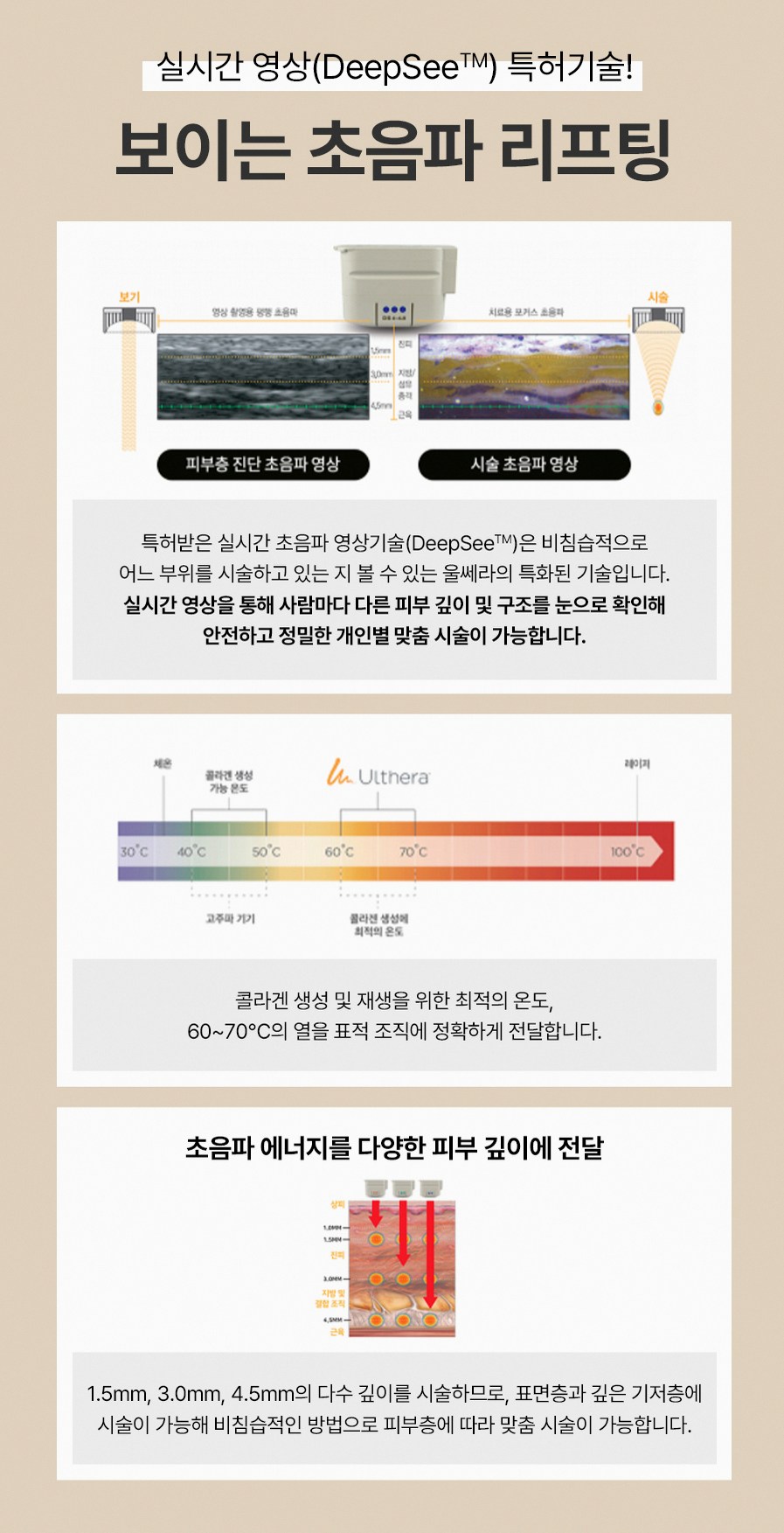
Ulthera, also known as Ultherapy, is a micro-focused ultrasound lifting treatment. It delivers focused ultrasound energy to precise depths under the skin, creating tiny thermal coagulation points that trigger collagen remodeling and gradual tightening.
Unlike lasers that mainly target the surface or mid-dermis, Ulthera can reach the SMAS layer, which is the fibromuscular layer that surgeons lift during a facelift. By heating this layer in a controlled way without cutting the skin, Ulthera can help improve:
Sagging along the jawline and jowls
Early double chin and blurring of the V-line
Drooping cheeks and marionette lines
Mild neck laxity and early neck bands
The ultrasound energy is delivered in lines or “shots.” The outer skin is not ablated, so there is usually little to no visible wound.
Ulthera typically includes real-time ultrasound imaging. Before firing each line, the doctor can visualize the skin, fat, and SMAS layers on a screen and adjust the depth to avoid bone or major blood vessels. This imaging is one of the main differences between Ulthera and many lower-cost HIFU devices, which often lack live imaging; having real-time visualization can help the operator better target the intended tissue and guide depth selection.
Who may consider Ulthera in Dongtan
Ulthera is generally suitable for adults with mild to moderate sagging who want visible improvement but prefer to avoid surgery. In the Dongtan 2 New Town area, typical candidates include office workers and residents in their late 20s to 50s who notice:
Softening of the jawline and early jowls
Deeper nasolabial folds and marionette lines
Cheek drooping that makes the face look tired
Early neck wrinkles and mild neck laxity
A desire for a sharper V-line without downtime
Ulthera can be considered if you:
Want lifting and tightening with minimal recovery time
Can wait 2 to 3 months to see the main improvement
Are willing to accept gradual, natural-looking change rather than a dramatic surgical effect
However, Ulthera may not be ideal if you have:
Severe sagging or very heavy tissue that would be better addressed with surgery
Active skin infection or severe inflammatory skin disease in the treatment area
Very thin skin or severe volume loss where aggressive energy could worsen hollowness
Unrealistic expectations of a facelift-like result from a single non-surgical session
In these cases, a dermatologist may suggest alternative or combined approaches, such as thread lifting, volume restoration, or even referring you to a surgical specialist.
3D Ulthera approach at a dermatologist-led clinic
In Dongtan, some dermatology clinics describe their method as 3D Ulthera. This does not mean a different machine; it refers to how the treatment is planned and executed.
Multi-layer treatment
3D Ulthera uses multiple cartridges at different depths in a single session. For example:
- mm depth to target the SMAS layer for structural lifting
- mm depth to stimulate collagen in the deep dermis and fibrous septa
- mm depth in selected areas to refine superficial tightening and fine texture

The choice of depth and number of lines at each level depends on your skin thickness, fat distribution, and main concerns. A person with a heavier lower face may need more 4.5 mm and 3.0 mm lines along the jawline, while someone with thinner skin may require a more conservative plan to avoid over-treatment.
Multi-angle shot design
Instead of simply drawing straight lines across the face, 3D Ulthera involves designing shot vectors that follow natural lifting directions and retaining ligaments. This may include:
Angled lines from the lower face up toward the ear to support the jawline
Vertical or oblique lines in the cheek to support midface lifting
Careful mapping around the mouth and chin to avoid excessive discomfort
By layering shots at different angles and depths, the goal is to create a more three-dimensional contour, rather than a flat or uneven tightening.
Customized shot count and density
There is no universal “correct” number of Ulthera shots. The appropriate shot count depends on the size of the face, degree of laxity, and whether the full face and neck or only partial areas are treated. In a dermatologist-led setting, the doctor assesses:
Which areas need more density (for example, jowls or under-chin area)
Which areas should be treated more lightly (for example, thin temples or bony forehead)
How to balance effectiveness with comfort and safety
Genuine device and parameter control
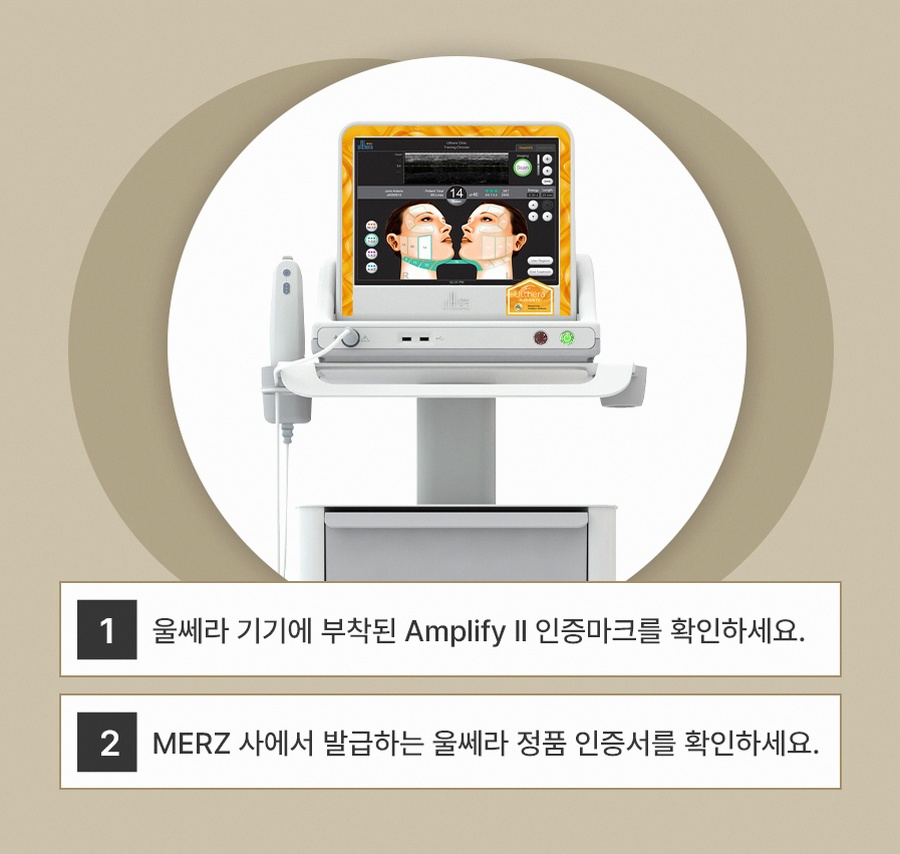
For international patients, one frequent question is the difference between genuine Ulthera and cheaper HIFU devices. Genuine Ulthera offers:
Consistent, calibrated energy delivery
Predictable depth targeting for SMAS and dermis
Real-time ultrasound imaging of tissue layers
At a dermatologist clinic, parameters such as energy level, line spacing, and total number of lines are adjusted by the doctor. This allows adaptation to your pain tolerance, skin thickness, and risk of fat loss. For example, the doctor may:
Lower the energy slightly in very sensitive or bony areas
Avoid too many high-energy lines in regions with thin fat to reduce the risk of hollowing
Increase density in thicker, heavier zones where more lifting is needed
Dermatology background and university hospital–level care
In some Dongtan clinics, Ulthera is planned and performed directly by dermatologists with strong academic and clinical backgrounds. At Hus-hu Dermatology Clinic Dongtan, both representative doctors are graduates of Kyung Hee University School of Medicine, board-certified dermatologists, and external faculty in the dermatology department at Kyung Hee Medical Center, which supports a university hospital–level approach to diagnosis and treatment.
One of the representative doctors has experience as head of dermatology at the medical office of the presidential residence, which reflects meticulous safety standards and conservative indication setting. The other has training experience at UCI Beckman Laser Institute, contributing to expertise in energy-based devices and parameter selection. Both are full members of major dermatology and laser societies and members of the American Academy of Dermatology, which helps them stay updated with current evidence and protocols.
Brief comparison with other lifting options
While this guide focuses on Ulthera, many Dongtan dermatology clinics also provide other lifting and anti-aging options such as Thermage FLX, Shurink, various thread lifts, and injectables like skin boosters or deoxycholic acid for submental fat. These can be combined with Ulthera in selected cases, for example:
Ulthera for deep structural lifting plus Thermage for surface tightening and texture
Ulthera plus thread lifting for more advanced sagging
Ulthera plus injectables to balance lifting with volume and skin quality
However, the exact combination should be decided after an in-person assessment, and not all patients need multiple procedures.
Step-by-step Ulthera procedure
For overseas patients visiting Dongtan 2 New Town, it helps to understand each step of the Ulthera journey.
- Online consultation and pre-visit preparation
- Before you travel, it is wise to arrange an online or remote consultation. Many clinics in Korea provide online inquiry forms or messaging channels, and some offer video consultations.
To prepare, you can:
Take clear photos of your face and neck from the front and both sides in good lighting
List your main concerns in order of priority, such as jawline, nasolabial folds, or neck
Provide your age, any previous lifting, fillers, or surgery, and any chronic medical conditions
Mention if you are taking blood thinners or have a history of keloids or severe allergies
Share your travel dates and how many days you can stay in Korea
During the online consultation, you can ask:
Whether Ulthera alone is likely to address your concerns
Which areas the doctor would focus on (lower face, double chin, neck, or full face)
How many sessions are usually recommended over time
What kind of downtime and sensations to expect
- In-clinic consultation and diagnosis
- Once you arrive in Dongtan, your first visit usually includes:
Detailed facial analysis of skin laxity, fat volume, bone structure, and asymmetry
Review of your medical history, previous procedures, and current skincare
Discussion of whether Ulthera is appropriate or if another or combined treatment is better
The dermatologist will examine your skin thickness and tissue quality to decide on suitable depths and energy levels. For example, if your lower face is heavy but your midface is thin, the plan may emphasize deeper shots along the jawline and more conservative settings on the cheeks.
- Treatment planning
- After deciding that Ulthera is appropriate, the doctor will:
Select target areas such as full face, lower face, jawline, under-chin, and neck
Determine the shot count and depth per area
Explain realistic expectations, emphasizing that improvement is gradual over 2 to 3 months and not an instant surgical-like transformation
You can also discuss pain management options and how many days you should allow before major events or photos.
- On the day of the procedure
- A typical Ulthera session proceeds as follows:
Cleansing of the treatment area and baseline photography for medical records
Application of topical anesthetic cream and waiting time for it to take effect
Optional additional pain control if agreed with the doctor (without naming specific drugs)
Application of ultrasound gel and use of real-time imaging to confirm the correct depth and avoid bone or major vessels
Delivery of shots according to the pre-planned 3D Ulthera design, with adjustments based on your feedback during the procedure
- Aftercare and follow-up
- Most patients can return to daily activities immediately after Ulthera. In many cases, makeup can be applied the same day or the next day if there is no irritation.
Temporary reactions can include:
Mild redness or swelling
Tenderness or soreness along the jawline or cheekbone
Slight bruising in sensitive areas
Mild numbness or tingling
These usually resolve on their own over days to a couple of weeks. The clinic will give you specific instructions, which may include:
Avoiding very hot saunas or intense facial massage for a short period
Using gentle skincare and sun protection
Monitoring for any unusual pain or weakness and contacting the clinic if concerned
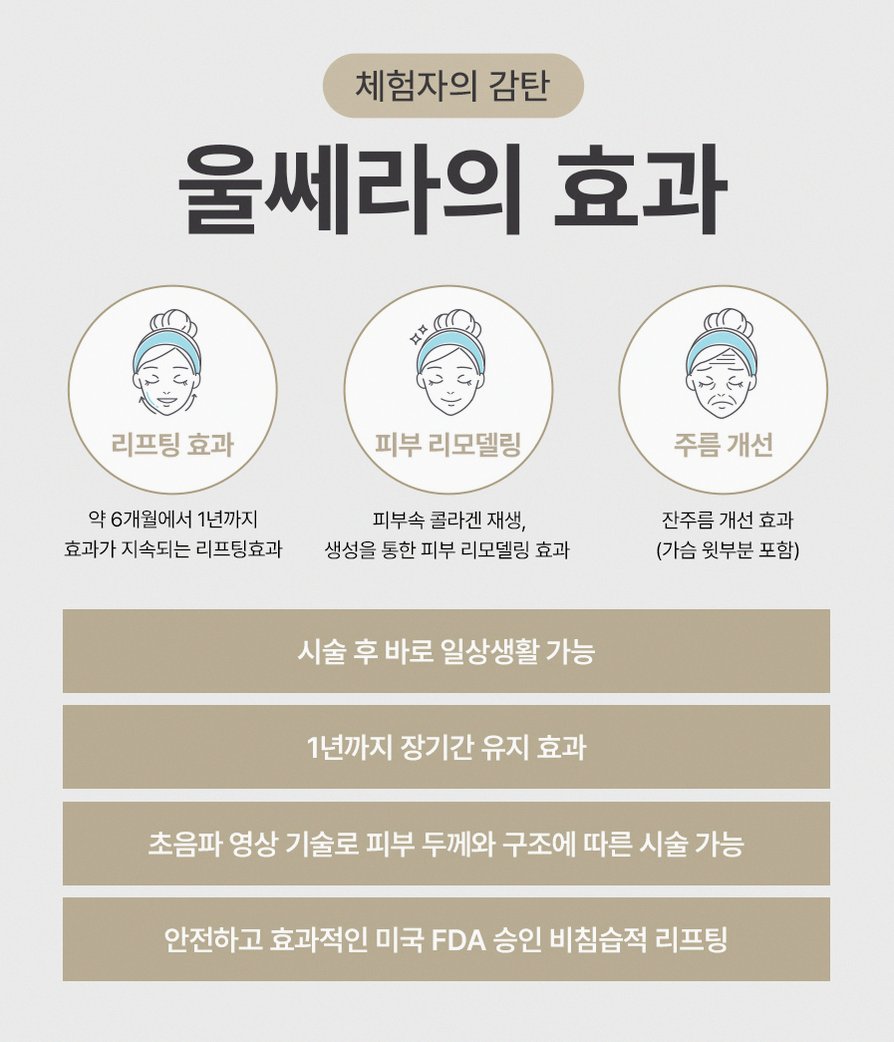
Collagen remodeling continues for several months. Many people notice some initial tightening, but the main lifting and contour improvement typically become more visible around 2 to 3 months and can last around 6 to 12 months, depending on age, lifestyle, and skin condition.
Expected Korea visit timeline for Ulthera
For international patients, Ulthera is convenient because it usually requires minimal in-country time.
A common schedule might be:
Day 1: Arrival in Korea
Day 2: In-person consultation and Ulthera treatment in Dongtan
Day 3–4: Light sightseeing or rest; most people can move around normally
Day 5 or later: Optional follow-up visit if your schedule allows, or online follow-up after returning home
If your stay is very short, many clinics can combine consultation and treatment in a single visit, as long as there are no contraindications. However, it is still better to arrange an online consultation in advance so that the clinic can reserve enough time and confirm that Ulthera is likely to be suitable for you.
Safety, pain, and side effects
Pain and discomfort
Ulthera can be uncomfortable, especially over bony areas like the jawline and cheekbone. The sensation is often described as brief bursts of heat or tingling deep under the skin.
Pain is usually managed with:
Topical anesthetic cream
Cooling or short breaks during the procedure
Adjustment of energy parameters by the dermatologist if needed
If you are very sensitive to pain, inform the clinic in advance so they can discuss additional options and plan your session accordingly.
Common, mild side effects
Most side effects are mild and temporary, such as:
Redness or swelling right after treatment
Tenderness or soreness when touching the treated areas
Slight bruising in some spots
Mild numbness or tingling sensations
These usually improve within days to a few weeks.
Rare but important risks
Although uncommon when performed correctly by a dermatologist, potential risks include:
Localized fat atrophy if energy is delivered too superficially or inappropriately, which can cause unwanted hollowing
Temporary nerve irritation leading to weakness or asymmetry in facial expressions
Careful depth selection, correct cartridge choice, and detailed knowledge of facial anatomy significantly reduce these risks. This is why many patients prefer to have Ulthera performed directly by a dermatologist with experience in energy-based devices.
Result expectations and maintenance strategy
Onset and duration of results
Ulthera does not produce an instant dramatic change. You may feel some tightness right away due to immediate tissue contraction, but the visible lifting and contouring develop gradually.
Typical timeline:
First few weeks: Subtle changes, mild tightening, and improved skin firmness
Around 2–3 months: Peak improvement in lifting and contour as new collagen matures
Around 6–12 months: Effects gradually soften; maintenance may be considered depending on age and laxity
Who sees the best results
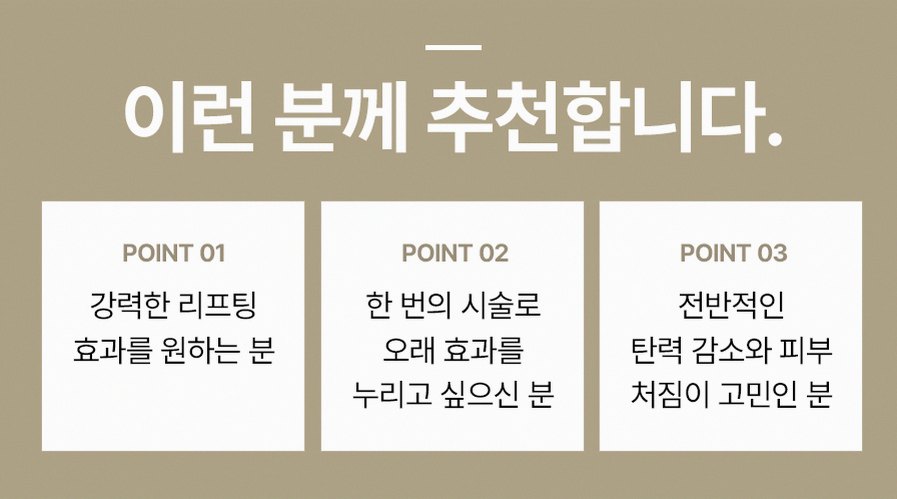
Ulthera tends to work best for:
People in their 30s and 40s with mild to moderate sagging
Individuals with relatively good skin quality but early signs of drooping
Patients who prefer natural, gradual improvement rather than a very dramatic change
When Ulthera alone may be insufficient
If you have very advanced sagging, heavy tissue, or significant volume loss, Ulthera alone may not give enough improvement. In these cases, a dermatologist may recommend:
Combining Ulthera with thread lifting or volume restoration
Focusing on skin quality treatments while discussing whether surgery is more appropriate
Maintenance planning
Maintenance intervals vary. Some people repeat Ulthera every 12 to 18 months; others may wait longer or combine it with other treatments instead. A follow-up visit or online consultation after your results have stabilized can help determine the best schedule for you.
Local context in Dongtan 2 New Town
For international patients staying in or near Dongtan 2 New Town, convenience can be an important factor. Some dermatology clinics in the Port Central City commercial area along Dongtan-daero Sibeom-gil operate without a long midday closure on weekdays and Saturdays, which can be practical for working residents or travelers with tight schedules. There is usually a designated lunch hour, and clinics are commonly closed on Sundays and public holidays.
Online reservation is often available on specific weekdays via major portal reservation systems, making it easier to secure an appointment before you arrive in Korea. When planning your trip, consider weekday slots if you prefer a quieter clinic environment and more flexible timing.
Pre-visit checklist for overseas patients
Before you book your flight and Ulthera session in Dongtan, it can help to prepare a short checklist:
Clarify your main goals: sharper jawline, reduced double chin, neck tightening, or overall lifting
Collect recent photos and, if possible, any records of previous facial procedures
Ask the clinic whether a dermatologist will personally perform the Ulthera shots
Confirm that a genuine Ulthera device with real-time imaging is used
Discuss the expected number of shots, areas to be treated, and likely need for maintenance
Check how many days you should stay in Korea for consultation, treatment, and any follow-up
Choosing an Ulthera clinic in Dongtan 2
When comparing Ulthera options in Dongtan 2 New Town, you may want to look beyond price alone. Consider the following points:
Whether the procedure is planned and performed by a dermatologist
Use of genuine Ulthera equipment with ultrasound imaging
Experience with 3D Ulthera planning, including multi-layer and multi-angle design
Clear explanation of indications, limitations, and realistic outcomes
Transparent discussion of possible side effects and aftercare
A clinic such as Hus-hu Dermatology Clinic Dongtan, with dermatology specialists who also serve as external faculty at a university hospital and have international training in laser and energy-based devices, may be suitable if you value careful assessment and parameter control.
Frequently asked questions
How painful is Ulthera on the face and neck?
Ulthera can be uncomfortable, especially along the jawline and cheekbone where the device is closer to bone. Most patients describe the sensation as brief bursts of heat or tingling deep under the skin rather than sharp pain. Topical anesthetic cream is usually applied, and the dermatologist can adjust energy settings and take short breaks to help you tolerate the procedure. If you are very sensitive, discuss additional pain management options during your consultation.

How long do Ulthera results last?
Ulthera stimulates collagen remodeling, which continues for several months after treatment. Many people see their best improvement around 2 to 3 months, and the effect can last about 6 to 12 months, sometimes longer, depending on age, lifestyle, sun exposure, and skin condition. Maintenance intervals vary by person; some repeat Ulthera every year, while others wait longer or combine it with other treatments instead.
What is the difference between Ulthera and cheaper HIFU?
Genuine Ulthera uses micro-focused ultrasound with real-time imaging, allowing the doctor to see the tissue layers and deliver energy at precise depths such as the SMAS and deep dermis. This imaging and calibration support more predictable and consistent results. Many cheaper HIFU devices do not offer the same level of imaging or depth accuracy, and energy delivery may be less consistent. In addition, in a dermatologist-led setting, Ulthera parameters are carefully adjusted based on your anatomy and risk profile.
Will I need to stay in Korea for a long time after Ulthera?
Ulthera usually involves minimal downtime, so most international patients do not need a long stay. Many can have consultation and treatment on the same or next day and continue light activities immediately. If possible, plan at least a few days in Korea so you can rest, monitor your skin, and return to the clinic if you have any questions. Follow-up can often be done online once you are back home, especially if there are no complications.
Soft call to action for online consultation
If you are considering Ulthera lifting during your stay in Dongtan 2 New Town and would like a dermatologist to evaluate your facial structure, skin thickness, and suitability for 3D Ulthera, Sharing your photos, medical history, and travel schedule in advance allows the medical team to suggest a realistic plan and help you make the most of your time in Korea.
This article is intended for general information only and does not replace a personal consultation or medical diagnosis. Individual conditions and responses to treatment vary, and all decisions about procedures should be made in direct discussion with qualified medical professionals.
- 공유 링크 만들기
- X
- 이메일
- 기타 앱


댓글
댓글 쓰기