vitiligo evaluation for international patients
- 공유 링크 만들기
- X
- 이메일
- 기타 앱
If you are searching for “Dongtan vitiligo” because you or your child has noticed new white patches on the skin, it is understandable to feel worried. Vitiligo is a chronic skin condition in which pigment cells are lost, leading to clearly defined white areas. It is not contagious, and with proper evaluation and ongoing care many people can slow progression and regain some color in affected areas.
In Dongtan, you can find dermatology specialists who focus on vitiligo and other chronic inflammatory skin diseases. They provide structured, evidence-based diagnosis and treatment, rather than just cosmetic cover-up. For overseas patients, it is possible to plan a focused visit to Korea that includes consultation, treatment planning, and follow-up arrangements.
What is vitiligo
Vitiligo is an acquired disorder where pigment-producing cells in the skin, called melanocytes, are destroyed or stop functioning. As a result, the affected skin becomes milky white with clear borders compared to the surrounding normal skin.
Doctors believe vitiligo is often related to the immune system. In many patients, the immune system mistakenly targets pigment cells as if they were foreign. Because of this, vitiligo can sometimes be associated with other autoimmune conditions, such as thyroid disease, although most people with vitiligo are otherwise healthy.
Vitiligo is not an infection. It does not spread from person to person through touch, sharing towels, or living together. It is also not caused by poor hygiene. Understanding this can help reduce unnecessary guilt or fear in families.
Typical symptoms and patterns
Vitiligo usually appears as smooth, milky-white patches with sharp borders. Common locations include the face, especially around the eyes and mouth, the hands and fingers, elbows and knees, body folds, and areas that experience friction such as the waistline or undergarment lines.
In some cases, the hair within the white patch can also turn white, including eyebrows, eyelashes, or scalp hair. The skin itself usually feels normal, without itching or pain, although some people notice mild sensitivity to sunlight.
Doctors often describe two main patterns. Segmental vitiligo affects one side or one limited area of the body and tends to stabilize after a period of spread. Non-segmental vitiligo is more common and tends to appear on both sides of the body in a roughly symmetrical pattern. This type may slowly expand or develop new patches over time.
Common myths and misunderstandings
Many people first think of fungal infections or “sun spots” when they see white patches. In reality, several different conditions can cause lighter skin areas, and only some of them are vitiligo.
Vitiligo is not simply a cosmetic issue. Because it can be visible on the face, hands, and other exposed areas, it can have a strong impact on self-confidence, social life, and emotional well-being. Treating vitiligo is therefore about both skin health and quality of life.
When to suspect vitiligo
You may suspect vitiligo if you notice one or more of the following:
White patches that are clearly lighter than the surrounding skin and have distinct borders
Patches that slowly enlarge over weeks or months
White areas around body openings, such as the eyes, mouth, or genitals
White patches on the hands, fingers, elbows, knees, or feet
Hair turning white within a pale patch of skin
If the patches are very faint, have unclear borders, or are slightly scaly, other conditions such as pityriasis alba, tinea versicolor, or post-inflammatory hypopigmentation may be more likely. This is one reason why professional diagnosis is so important.
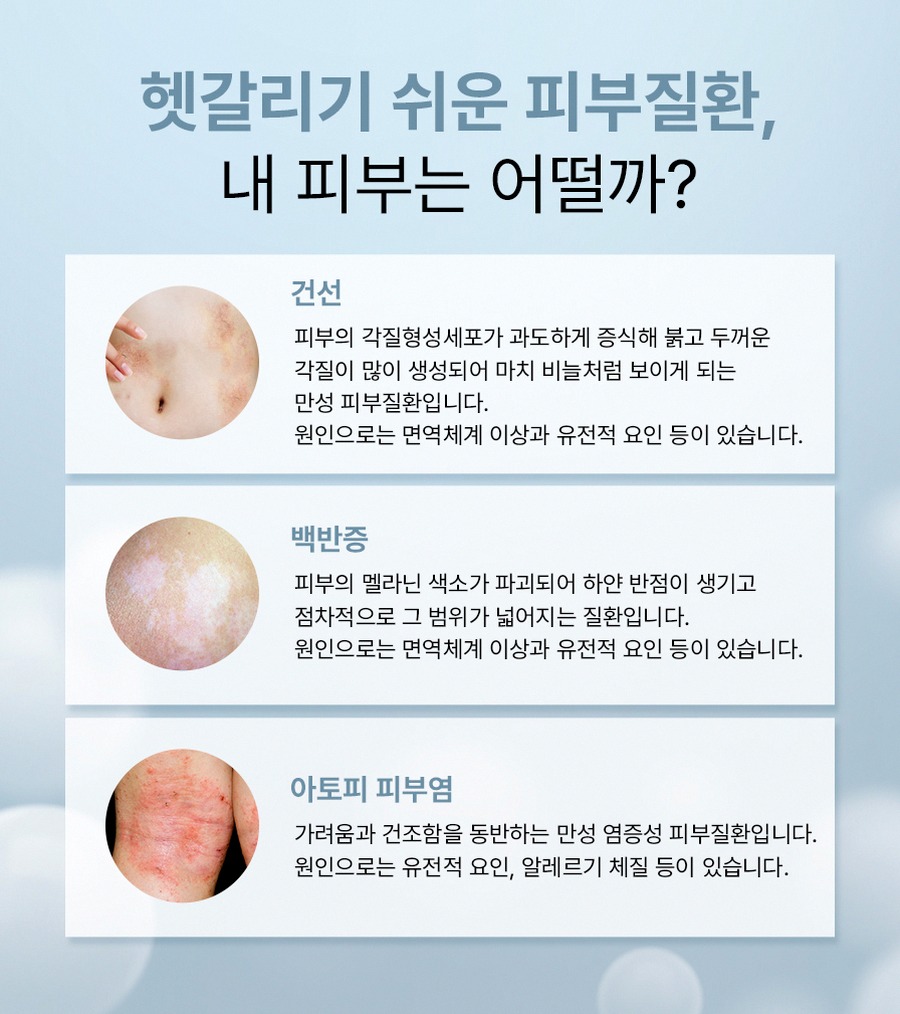
For children, any persistent white patch, especially on the face, should be evaluated by a dermatologist. Early assessment can help distinguish harmless temporary changes from conditions that need long-term monitoring.
Why professional diagnosis in Dongtan matters
Not every white patch is vitiligo. Some conditions improve on their own or with short-term treatment, while others, like vitiligo, may need ongoing management.
A dermatologist will look at the overall pattern, color, and distribution of the patches. They will also consider your medical history and, if needed, perform additional tests. In Dongtan, dermatology clinics with a focus on chronic skin diseases use structured approaches to assess disease activity and plan treatment.
Correct diagnosis helps in several ways:
It avoids unnecessary or ineffective treatments meant for other disorders
It allows early intervention when vitiligo is actively spreading
It helps identify any associated conditions that may need attention
It provides a realistic picture of what to expect over the coming months and years
How vitiligo is diagnosed
Initial consultation and medical history
During your first visit, the dermatologist will take a detailed history. Typical questions include when you first noticed the white patches, how quickly they have changed, whether you have had any injuries, friction, or sunburn in those areas, and whether anyone in your family has vitiligo or autoimmune diseases.
They will ask about previous treatments you may have tried, including creams, traditional remedies, or over-the-counter products, and whether these had any effect. For international patients, bringing photos from earlier stages can be very helpful, especially if the patches have changed while you were waiting to travel.
Physical examination and special light
The dermatologist will examine not only the most visible patches but your entire skin surface, including scalp and body folds. This helps determine how widespread the condition is and whether there are signs of other skin diseases.
A special examination light, often called a Wood’s lamp, may be used in a darkened room. Under this light, vitiligo patches usually appear bright white and well defined, making it easier to distinguish them from other causes of light patches. This tool is especially helpful in fair-skinned patients where the contrast is less obvious under normal light.

Additional tests when needed
Depending on your situation, the doctor may suggest blood tests to check for associated conditions, such as thyroid function or certain antibodies. These tests are not needed for every patient but can be useful when there are symptoms or family history suggesting other autoimmune diseases.
Skin biopsy, where a tiny sample of skin is examined under a microscope, is rarely necessary for typical vitiligo but may be considered in unusual or unclear cases.
Explaining the diagnosis and plan
After the evaluation, the dermatologist will explain whether your condition is consistent with vitiligo or another pigment disorder. They will usually describe whether the disease appears active and spreading or more stable.
You can expect a discussion of realistic treatment goals. For vitiligo, these often include slowing or stopping spread, encouraging repigmentation where possible, protecting the skin from sun damage, and supporting emotional well-being. It is important to understand that there is no instant cure, and treatment often requires patience and repeated visits.
The doctor may also talk about lifestyle factors, such as using sunscreen on exposed areas, avoiding unnecessary friction on lesions, and managing stress, which can sometimes influence disease activity.
Treatment options for vitiligo
Individualized treatment planning
Vitiligo treatment is not one-size-fits-all. The plan is usually tailored based on your age, skin type, the size and location of lesions, how active the disease is, and your personal preferences.
For example, small patches on the face in a young patient may be treated differently from widespread vitiligo on the trunk and limbs in an adult. The dermatologist will also consider how much time you can spend in clinic for treatments such as phototherapy, which may require multiple sessions per week.
Topical therapies
Topical treatments are creams or ointments applied directly to the affected skin. They often aim to reduce the immune attack on pigment cells and create an environment where remaining cells can repopulate the area.

Commonly used topical medications include anti-inflammatory agents and other immune-modulating creams. The doctor will explain how often to apply them, how long to continue, and what side effects to watch for, such as local irritation or thinning of the skin with some products if used incorrectly.
Phototherapy
Phototherapy involves controlled exposure of the skin to specific wavelengths of ultraviolet light in a medical setting. This is different from unprotected sunbathing and is performed under strict dosing and monitoring.
Phototherapy (e.g., narrowband UVB) is commonly used and typically requires repeated sessions over several weeks to months; scheduling and duration will be individualized by your dermatologist. Many patients see gradual darkening of the white patches as pigment cells are stimulated. However, response varies, and some areas, such as hands and feet, can be more resistant.
Systemic medication
In selected cases, such as rapidly spreading vitiligo or extensive involvement, oral medication may be considered. These treatments aim to calm the immune system more broadly. Because they can have systemic side effects, they are prescribed and monitored carefully by specialists.
For international patients, the doctor will consider the length of your stay in Korea, your ability to have follow-up blood tests at home, and any existing medical conditions before recommending systemic therapy.
Camouflage and sun protection
Even with active medical treatment, many people benefit from cosmetic support. Medical-grade camouflage products can help blend white patches with surrounding skin, especially on the face and hands. A dermatologist or nurse can teach you how to apply these products for a natural look.
Sun protection is essential. Depigmented skin burns more easily, and sunburn can sometimes trigger new lesions. Broad-spectrum sunscreen, protective clothing, hats, and avoiding peak sun hours are simple but important steps.
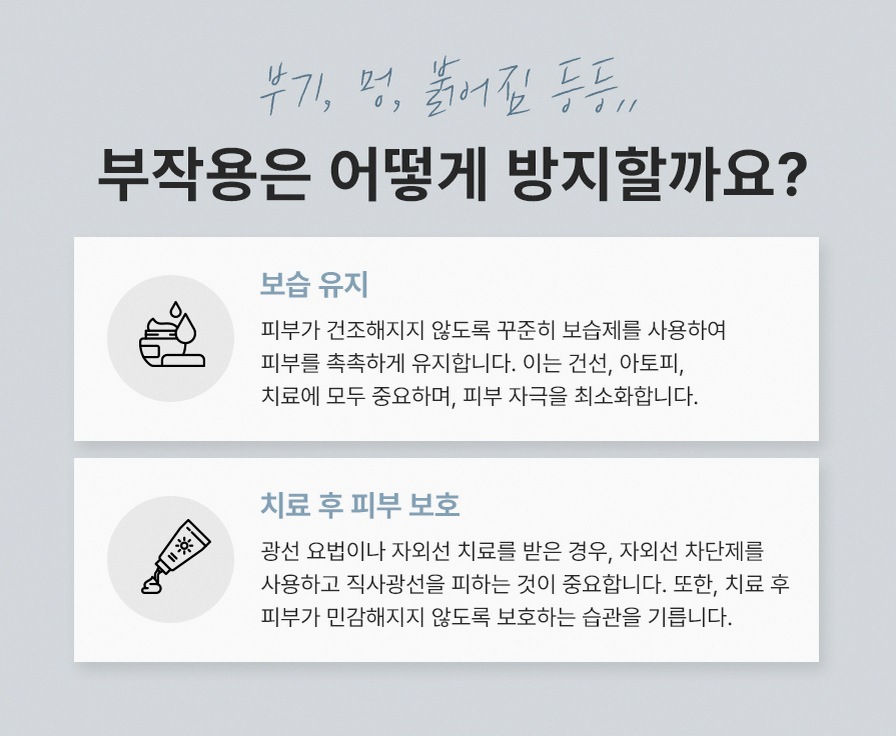
Long-term management and follow-up
Vitiligo is usually a long-term condition. Even when patches improve, regular follow-up helps detect any new activity early and adjust treatment before changes become extensive.
Follow-up intervals depend on disease activity and treatment type. During active phases or while starting a new therapy, visits may be more frequent. Once stable, check-ups can be spaced further apart.
Psychological and social support
Visible skin changes can affect self-esteem, social interactions, and even career choices. Children and teenagers may be particularly sensitive to comments from peers.
Dermatologists who regularly manage vitiligo understand these emotional aspects and can provide supportive counseling, written information for schools or workplaces if needed, and referrals to psychological support when appropriate. For international patients, online follow-up consultations can sometimes be used to discuss these issues after returning home.
Who may consider vitiligo care in Dongtan
Adults and children with newly appearing white patches who want a clear diagnosis
Patients with known vitiligo who feel their condition is changing or spreading
People who have tried random creams or home remedies without benefit and now want structured, evidence-based care
International patients seeking specialist input in a region known for organized medical services
If you are planning a trip to Korea for other reasons, adding a focused dermatology visit in Dongtan can be a practical way to obtain a thorough evaluation and long-term management plan.
Online consultation and pre-visit preparation
Before traveling, many overseas patients find it helpful to arrange an online consultation. While a final diagnosis usually requires an in-person examination and use of special light, an online discussion can clarify whether a visit is likely to be useful and what to expect.
How to prepare:
Take clear photos of the affected areas in good natural light, and if possible, include older photos to show how the patches have changed over time.
Prepare a simple timeline: when you first noticed the patches, any triggers such as sunburn or skin injury, and how quickly they have spread.
List all current and past medications, including creams, pills, supplements, and traditional remedies.
Note any personal or family history of thyroid disease, autoimmune conditions, or previous skin disorders.
Write down your main questions and concerns, such as appearance, risk of spread, treatment options, and how to coordinate care after returning home.
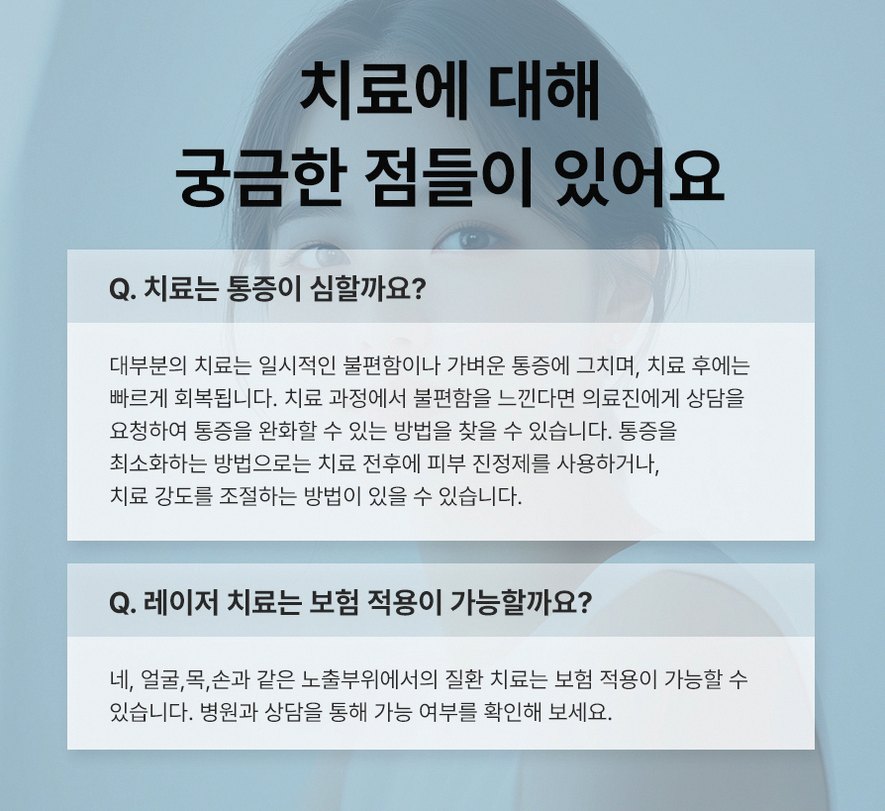
During the online consultation, the doctor can explain the likely differential diagnoses, suggest any pre-travel tests that might be useful, and outline a tentative plan for your time in Korea.
Expected Korea visit timeline
Every case is unique, but a typical visit for vitiligo evaluation in Dongtan might look like this:
Day 1: In-person consultation and examination, including Wood’s lamp evaluation and any necessary blood tests. Initial treatment may start the same day, such as prescribing topical medications.
Day 2–3: Follow-up visit to review test results, refine the diagnosis, and finalize the treatment plan. If phototherapy is recommended and you have enough time, initial sessions may begin.
Following days: If you are staying for one to two weeks or longer, you may have several phototherapy sessions and at least one more review with the dermatologist to assess early response and adjust doses.
Before departure: The doctor will summarize your diagnosis, treatments given, and recommendations for ongoing care. You may receive written information to share with your local doctor, as well as instructions for self-care and warning signs that should prompt re-evaluation.
Aftercare and ongoing support
After you return home, vitiligo care continues. You will usually keep using topical medications for a period recommended by your dermatologist and maintain sun protection and lifestyle measures.
If you started phototherapy in Korea, you may be advised to continue at a clinic in your country. Sharing your treatment records with your local dermatologist helps maintain continuity.

Some clinics offer periodic online follow-up to review photos, answer questions, and adjust the plan when needed. While this cannot fully replace in-person visits, it can be a practical way to stay connected with the specialist who first evaluated you.
How a Dongtan-based clinic can help
Dongtan New Town in Hwaseong, Gyeonggi-do, is a convenient location for both local residents and visitors from other countries staying in the greater Seoul area. On Dongtan-daero Sibeom-gil, you can find a dermatology clinic on the third floor of a medical and commercial building that focuses on chronic skin conditions such as vitiligo and psoriasis.
At Hus-hu Dermatology Clinic Dongtan, two representative doctors are board-certified dermatologists who graduated from a major medical school and serve as external faculty in a university hospital dermatology department. One is a member of national vitiligo and psoriasis societies, reflecting a specific academic interest in these chronic inflammatory skin diseases. The other has experience working as a dermatologist in a high-level government medical unit and achieved the top score in the first stage of the national dermatology board examination.
Patients are seen directly by dermatology specialists; the clinic offers a range of clinical devices and structured programs for chronic skin diseases. The clinic maintains a published list of non-insured treatment prices and offers options for online consultation, supporting transparent communication with patients.
Typical office hours include weekday daytime clinics, extended evening hours on at least one weekday, and Saturday morning to early afternoon consultations, with no consultations on Sundays and public holidays. Because details can change, it is always best to confirm current hours and reservation options by phone or through the official website. Some time slots may be available for online reservation through major local portals.
Frequently asked questions about vitiligo and care in Dongtan
Is vitiligo contagious or caused by poor hygiene
Vitiligo is not contagious. You cannot catch it from someone else, and you cannot pass it to others through touch, sharing towels, or living together. It is not related to hygiene, and washing more often will not prevent or cure it. Vitiligo is thought to be mainly related to the immune system and genetic factors.
Will my vitiligo keep spreading, and can treatment stop it
The course of vitiligo varies from person to person. Some people have a few stable patches for many years, while others experience periods of spread. Treatment aims to slow or stop active spread and encourage repigmentation where possible, but no method can guarantee complete control in every case. Early evaluation by a dermatologist and regular follow-up improve the chances of managing changes promptly.
Can children with vitiligo be treated safely
Yes, children with vitiligo can be treated, but the approach is adjusted for age and safety. Doctors often start with milder topical therapies and carefully selected phototherapy when appropriate. The benefits and risks of each option are discussed with parents, and growth, school schedules, and emotional impact are taken into account. Because children’s skin is more sensitive, specialist supervision is especially important.

How do I plan a vitiligo visit to Dongtan from overseas
Start by arranging an online consultation if possible. Prepare photos, a medical history summary, and a list of your questions. Discuss with the doctor how long you should stay in Korea to complete the initial evaluation and any planned treatments, such as starting phototherapy. Book accommodation with easy access to Dongtan-daero Sibeom-gil and confirm clinic hours in advance. Before you leave Korea, request a written summary of your diagnosis and treatment plan to share with your local dermatologist.
Soft call to action for online consultation
If you or your child has noticed new or changing white patches and you are considering specialist care in Korea, do not rely on self-diagnosis or internet images alone. A structured evaluation by a dermatologist in Dongtan can clarify whether it is vitiligo or another condition and help you plan realistic, long-term management.
You can start with an online consultation to discuss your situation, review photos, and decide on the best timing and structure for a visit. With careful preparation, even a short stay in Korea can provide a clear diagnosis, an individualized treatment plan, and guidance for ongoing care in your home country.

- 공유 링크 만들기
- X
- 이메일
- 기타 앱


댓글
댓글 쓰기