What International Patients Should Prepare
- 공유 링크 만들기
- X
- 이메일
- 기타 앱
If you’re considering Thermage in Dongtan to improve skin firmness and jawline definition without surgery, Thermage FLX is a non‑invasive radiofrequency system used for skin tightening and subtle lifting of the face, jawline, and under‑eye area with minimal downtime. In Dongtan New Town, clinics including Hus-hu Dermatology Clinic Dongtan offer Thermage FLX within a medical setting, with dermatologist evaluation and the option to combine it with other lifting methods when appropriate.
This guide explains what Thermage FLX can and cannot do, who it may suit, how a typical treatment visit in Korea is structured, and what to prepare if you are an overseas patient planning a visit to Dongtan.
What Thermage FLX is and how it works
Thermage FLX overview
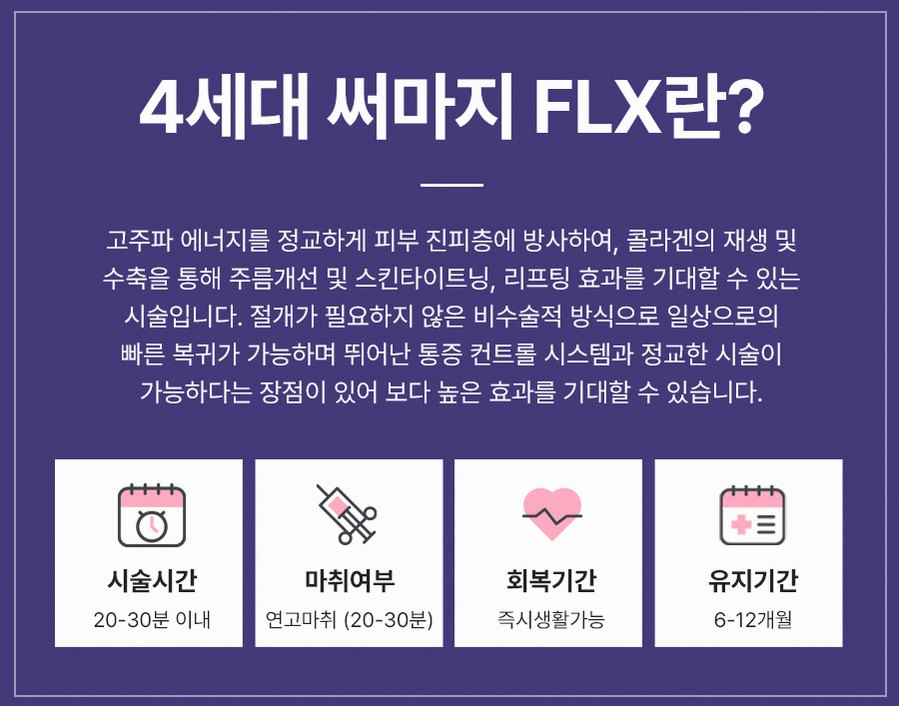
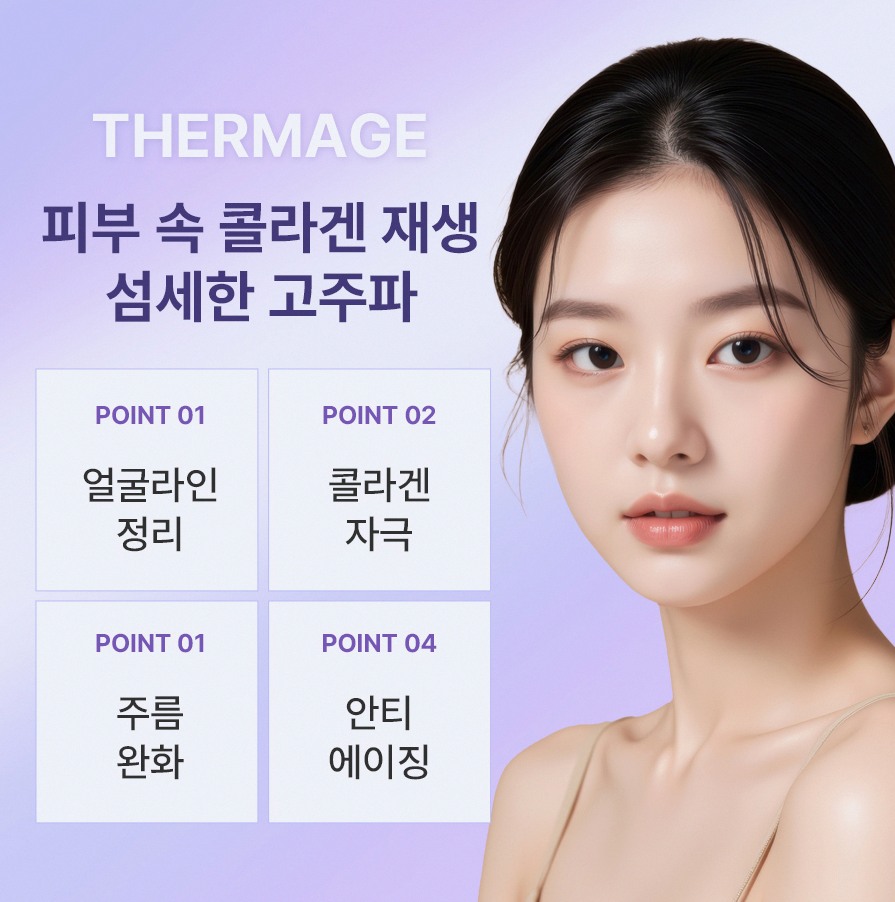
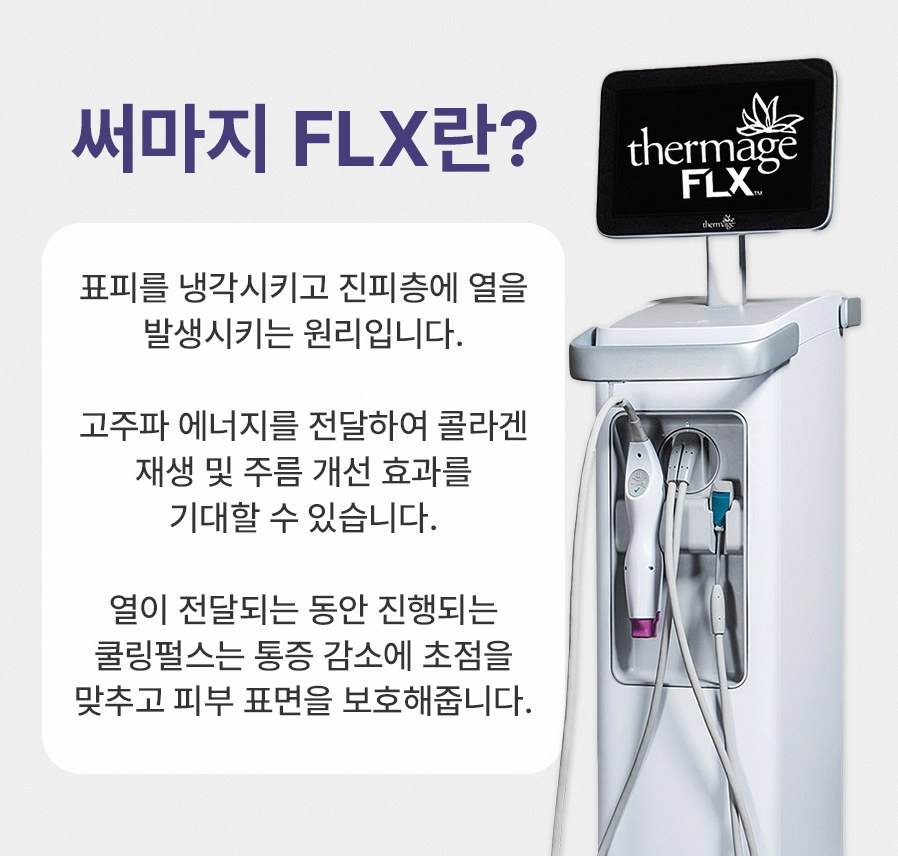
Thermage FLX is a non‑surgical skin tightening treatment that uses monopolar radiofrequency energy. It delivers controlled heat into the deeper layers of the skin, especially the dermis and fibrous septa that support the skin. This heat stimulates collagen remodeling, which can lead to firmer, smoother, and slightly lifted skin over time.
There are no incisions, no general anesthesia, and usually no significant downtime. Most patients can return to everyday activities soon after the session.
How Thermage FLX differs from older Thermage versions
Thermage FLX is a newer generation of the Thermage system. Compared with older versions, Thermage FLX typically offers:
Thermage FLX is a newer-generation Thermage system used for radiofrequency skin tightening.
Treatment plans are individualized; the need for repeat or maintenance Thermage treatments varies by patient and should be discussed with your dermatologist.
Main treatment areas for Thermage in Dongtan
For people searching for Dongtan Thermage, the most requested areas are usually:
Full face and jawline: cheeks, early jowls, nasolabial folds, marionette line area, and jaw contour.
Under‑eye area: to improve fine lines and mild crepiness.
Neck: for mild laxity and horizontal lines.
A dermatologist will decide the exact treatment zones and shot distribution after examining your skin thickness, fat volume, and facial shape.
Expected effects and timeline
Thermage FLX can provide two types of improvement:
Immediate effect: mild tightening right after treatment due to collagen contraction and slight tissue shrinkage. This is usually subtle.
The duration varies with age, baseline skin condition, lifestyle, and how well you protect your skin from sun and weight changes.
Thermage FLX is best understood as a collagen‑supporting, tightening treatment. It does not replace a surgical facelift, and it does not dramatically change facial structure. Instead, it aims for natural, modest lifting and better skin quality.

Who may consider Thermage FLX in Dongtan
Good candidates
Thermage FLX is usually suitable for adults with:
Mild to moderate skin laxity.
Early jowls or softening of the jawline.
More visible nasolabial folds and marionette lines due to sagging rather than only volume loss.
Fine lines and crepiness around the eyes.
It is often chosen by people who:
Are not ready for surgical lifting but want some tightening.
Prefer a one‑time device‑based procedure rather than frequent injections.
Need minimal downtime due to work or family commitments.
Thermage can be performed for patients from their late 20s for early prevention of laxity, through their 50s and 60s for visible tightening, as long as expectations are realistic and the indication is appropriate.
Who may not be ideal candidates
Thermage FLX may be less suitable or require extra caution in the following situations:
Very severe sagging or heavy jowls where surgery or thread lifting may be more effective.
Significant volume loss where fillers or biostimulator injections are more important than tightening.
Presence of implanted electronic devices such as pacemakers, defibrillators, or certain metal implants in the treatment area.
Pregnancy or breastfeeding.
Uncontrolled systemic disease or active severe skin disease in the treatment area.
In these cases, a detailed medical consultation is essential. A dermatologist may recommend alternative or combined treatments, or advise postponing Thermage until it is medically safe.
Thermage at a dermatologist‑led clinic in Dongtan
Hus-hu Dermatology Clinic Dongtan is located on the 3rd floor of the Port Central City building on Dongtandaero Sibeom‑gil in Dongtan New Town (Dongtan 2 New City), Hwaseong, Gyeonggi Province. It is a dermatology clinic that manages a wide range of issues, from skin disease and redness to acne, pigmentation, lifting and anti‑aging, hair and scalp, and body treatments.
Two board‑certified dermatologists serve as co‑directors. Both completed training at Kyung Hee University School of Medicine and are external faculty at the Kyung Hee University Medical Center dermatology department. One of the medical directors previously served as head of dermatology at the medical unit for the presidential office and ranked first in the first stage of the national dermatology board exam. The other completed training at the UCI Beckman Laser Institute, which is relevant to expertise with laser and energy‑based devices such as Thermage and other RF and laser systems.
These backgrounds support careful diagnosis, parameter selection, and safety when using high‑energy devices. At the clinic, Thermage FLX is one of several lifting options, along with devices like Ultherapy (3D Ulthera), SkinTyte, Shurink, thread lifting methods, injectable biostimulators, and fat‑dissolving injections. The goal is to choose or combine treatments based on indication rather than promoting a single procedure for everyone.
Step‑by‑step Thermage FLX process
1. Pre‑visit online consultation for overseas patients
If you are traveling from overseas, an online consultation before booking flights is very helpful. You can usually send:
Clear front and side photos of your face and neck in good lighting.
Information about your age, main concerns (for example, jawline, under‑eye, neck), and any previous lifting or injection treatments.
Medical history, including implanted devices, chronic illnesses, medications, and allergies.
Based on this information, the dermatologist can give a preliminary opinion on whether Thermage FLX seems appropriate, whether another treatment (such as Ultherapy or thread lifting) might be more suitable, or whether a combination is likely to be recommended after in‑person examination.
You can also ask about approximate visit timing, expected treatment duration, and general cost range. Exact fees are usually explained in person as non‑reimbursed treatment information at the clinic.
2. In‑clinic consultation in Dongtan
On the day of your visit, the consultation will typically include:
Detailed skin assessment: degree of laxity, skin thickness, fat distribution, and bone structure.
Evaluation of facial balance: how sagging, volume loss, and skin quality together affect your appearance.
Discussion of options: whether Thermage alone is reasonable, or whether Ultherapy, Shurink, thread lifting, or injectables might give a better or complementary result.
Clarification of realistic outcomes: what kind of tightening you can expect, and what it will not change.
Explanation of treatment plan: treatment areas, number of shots, approximate energy settings, and how many sessions are recommended.
This is the time to share your schedule, pain tolerance, and whether you prefer to minimize visible downtime. For overseas patients, doctors also consider how long you will stay in Korea and whether follow‑up can be done online.
3. Preparation on treatment day
If you decide to proceed with Thermage FLX, preparation usually includes:
Cleansing of the treatment area to remove makeup, sunscreen, and skincare products.
Standardized photography for before‑and‑after comparison.
Marking of treatment zones and important anatomical landmarks on the face and neck.
Application of topical anesthetic cream if needed, and explanation of pain control methods.
The doctor or staff will review the procedure steps, possible sensations (heat and tingling), and what you should do if you feel excessive discomfort during the session.
4. Thermage FLX treatment session
During the procedure:
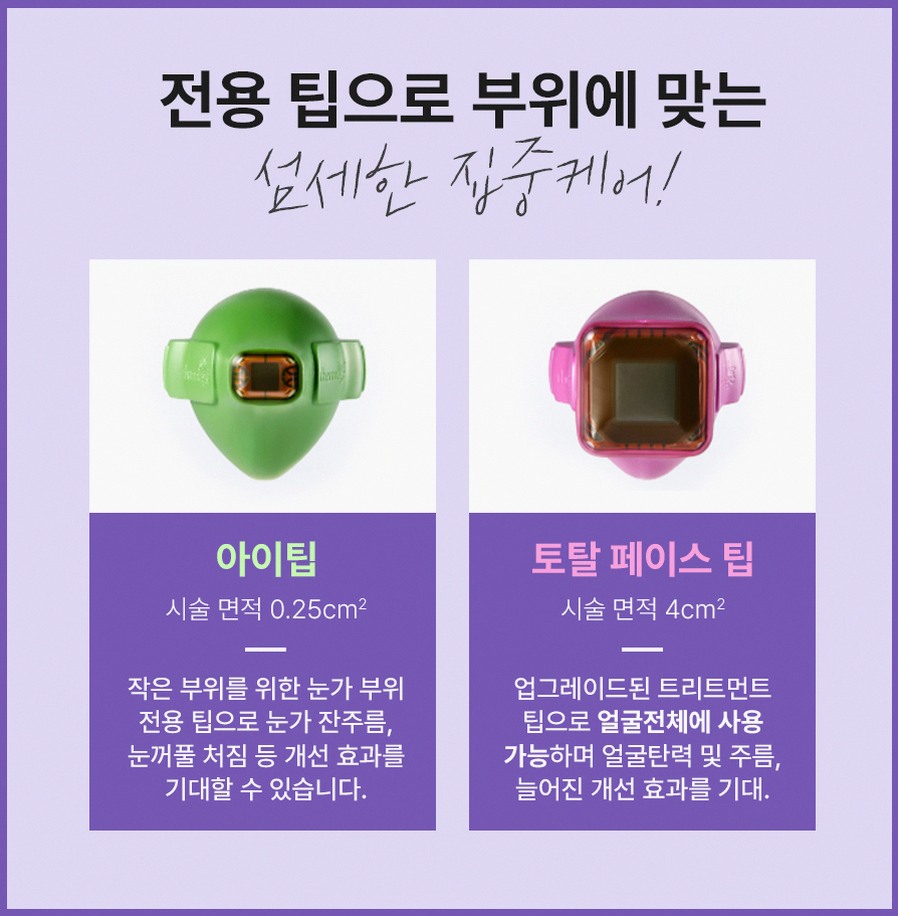
A genuine Thermage FLX handpiece with the appropriate tip for the area (face, eye, or body) is used.
A coupling fluid is applied to help deliver energy evenly.
The handpiece is placed against the skin, and radiofrequency energy is delivered in a series of pulses or “shots.”
Cooling and vibration features help improve comfort.
The dermatologist adjusts parameters according to your skin type, thickness, and feedback. Real‑time communication about your comfort is important to balance effectiveness and safety.
5. Aftercare and immediate recovery
After Thermage FLX:
Most patients have minimal redness or mild swelling, which typically settles within hours to a couple of days.
You can usually return to normal daily activities right away.
The clinic will advise you to avoid very hot baths, saunas, intense exercise, and irritating skincare (such as strong acids or retinoids) for a short period.
Sun protection is important. Using sunscreen, hats, and shade helps protect newly treated skin and supports collagen.
You will be reminded that the main improvement is gradual. A follow‑up evaluation is often recommended after a few months, which can be done in person or via online consultation for overseas patients.
Safety, devices, and medical expertise
Thermage FLX uses high‑energy radiofrequency, so it should be performed under the supervision of a dermatologist familiar with skin anatomy and energy‑based devices. Proper parameter selection and technique help reduce the risk of complications such as burns, fat atrophy, or contour irregularities.
Clinics like Hus-hu Dermatology Clinic Dongtan use branded devices including Thermage FLX and other established systems such as Vbeam Perfecta, Fotona, GentleMax Pro, Secret RF, and others. This range of equipment allows the dermatologist to choose the most appropriate tool for each concern, whether it is redness, pigmentation, texture, or lifting.
The co‑directors’ experience in university hospital teaching, presidential medical care, and laser institute training supports careful planning and combination of treatments. For example:
Thermage can be combined with Ultherapy for deeper SMAS‑level lifting.
RF microneedling or SkinTyte can be used for fine texture and pore concerns.
Fillers or biostimulators can address volume loss that Thermage alone cannot correct.
For overseas patients, this comprehensive approach can be helpful when you have limited time in Korea and want a coordinated plan rather than multiple separate opinions.
Thermage vs Ultherapy, Shurink, and thread lifting
Thermage vs Ultherapy (Ulthera)
Energy type: Thermage uses monopolar radiofrequency; Ultherapy uses microfocused ultrasound.
Target depth: Thermage focuses more on dermal collagen and fibrous septa; Ultherapy can target deeper layers such as the SMAS (the layer tightened in surgical facelifts).
Main effect: Thermage is often chosen for overall skin tightening and texture improvement; Ultherapy is often selected for more structural lifting of the midface and jawline.
Comfort: Some patients find Thermage more comfortable, while others tolerate Ultherapy well; this is individual.
Many dermatology clinics do not see these as direct competitors but as complementary tools. Some patients benefit from both at different depths.
Thermage vs Shurink and other HIFU devices
Shurink and similar devices are also ultrasound‑based HIFU systems. In comparison:
Thermage is RF‑based and often preferred for global skin quality and tightening.
HIFU devices like Shurink are often used for focal lifting in specific zones.
Choice depends on your skin thickness, laxity pattern, and pain tolerance. A dermatologist can explain why one or the other, or a combination, is recommended in your case.
Thermage vs thread lifting
Thread lifting uses dissolvable threads inserted under the skin to mechanically lift tissues. Compared with Thermage:
Threads can provide more immediate, visible lifting, especially for heavier sagging.
Threads are minimally invasive but involve needles, potential bruising, and the possibility of irregularities or thread visibility.
Thermage is non‑invasive, with no inserted material, and tends to give more subtle, natural‑looking improvement with less risk of visible foreign material.
Some patients choose threads for stronger lifting and Thermage later for maintenance of skin quality. Others prefer to avoid threads and rely on device‑based tightening only. This is a personal decision that should be guided by medical advice and your tolerance for downtime and invasiveness.
Practical visit planning for overseas patients
Location and access
Dongtan New Town (Dongtan 2 New City) in Hwaseong is reachable from major areas of the Seoul metropolitan region by express bus, suburban rail, or taxi. For international visitors staying in Seoul, a day trip to Dongtan for consultation and treatment is usually manageable.
Hus-hu Dermatology Clinic Dongtan is on the 3rd floor of the Port Central City building on Dongtandaero Sibeom‑gil, a location that is convenient for residents of Dongtan and nearby Hwaseong who prefer not to travel into central Seoul for Thermage.
Operating hours are generally weekday daytime and some evening hours, with Saturday morning to early afternoon service and closure on Sundays and public holidays. Exact hours can be confirmed when booking.
Expected timeline for a Korea visit
For Thermage FLX alone, many overseas patients can follow a schedule such as:
Day 1: Arrival in Korea.
Day 2: In‑clinic consultation in Dongtan and treatment on the same day if appropriate.
Day 3–4: Light tourism or rest; mild redness or swelling is usually manageable with simple skincare.
Day 5 or later: Departure.
If you plan to combine Thermage with other treatments like Ultherapy, thread lifting, or injectables, you may want to allow a few more days to spread out procedures and monitor recovery.

Online consultation and pre‑visit preparation
Before booking flights, it is wise to:
Request an online consultation with photos.
Share your medical history and previous cosmetic procedures.
Clarify which treatments you are considering: Thermage only, or Thermage plus other lifting or skin treatments.
Ask about approximate treatment duration and how many days you should stay in Korea.
You can also prepare a list of questions, such as:
Which lifting treatment do you recommend for my degree of sagging and age?
How many Thermage shots do you usually perform for the full face and jawline?
What level of discomfort should I expect, and what pain control options are available?
How long should I avoid intense exercise or hot baths after treatment?
How will follow‑up be handled once I return to my country?
Having these points ready helps you use consultation time efficiently and make more confident decisions.
Aftercare and long‑term maintenance
Short‑term aftercare
In the first few days after Thermage FLX:
Use gentle cleansers and moisturizers.
Avoid new or strong active ingredients (acids, high‑strength retinoids) unless approved by your doctor.
Apply broad‑spectrum sunscreen daily and reapply when outdoors.
Avoid saunas, hot baths, and very intense workouts for a short period as advised.
If you notice unusual pain, blistering, or persistent swelling, contact the clinic promptly. Most patients do not experience serious side effects, but early communication is important if anything feels abnormal.
Long‑term maintenance
To maintain results:
Follow a consistent skincare routine focused on sun protection and barrier support.
Consider complementary treatments such as gentle lasers, RF microneedling, or injectables if recommended.
Discuss with your dermatologist when to repeat Thermage or whether another lifting method would be more appropriate as aging progresses.
Frequently asked questions about Thermage in Dongtan
How painful is Thermage FLX on the face and jawline?
Most patients describe Thermage FLX as a series of brief heat sensations with some tingling or stinging. Comfort varies from person to person and depends on skin thickness and energy settings. Topical anesthetic cream, cooling, and vibration features are used to improve comfort. During the procedure, you can tell the doctor if the heat feels too strong so they can adjust settings within a safe range.
How soon will I see results after Thermage, and how long do they last?
You may notice mild tightening immediately after treatment, but the main improvement develops gradually over 2–6 months as collagen remodels. Many patients enjoy results for about 1–2 years. Factors such as age, baseline laxity, sun exposure, smoking, and weight changes influence how long the effect lasts. Your dermatologist can suggest when to consider a repeat session based on your individual aging pattern.

Is Thermage better than Ultherapy or Shurink for jawline lifting?
Thermage, Ultherapy, and Shurink each have strengths. Thermage focuses on dermal collagen tightening and skin texture, while Ultherapy and Shurink use ultrasound to target deeper structures. For some patients, ultrasound‑based treatments may give more pronounced lifting in the midface and jawline, while Thermage improves overall firmness and skin quality. A dermatologist in Dongtan can examine your face and explain which technology, or combination, is more suitable for your specific laxity and expectations.
Can I have Thermage and thread lifting in the same trip to Korea?
In many cases, Thermage can be combined with thread lifting, either on the same day or separated by a short interval, depending on your skin condition and the clinic’s protocol. Threads can provide mechanical lifting, while Thermage supports collagen and skin quality. However, this combination is not necessary or appropriate for everyone. Your doctor will consider your age, degree of sagging, downtime tolerance, and travel schedule before recommending a combined plan.
Soft call to action for online consultation
If you are considering Dongtan Thermage and want a personalized assessment before planning your trip to Korea, you can request an online consultation with Hus-hu Dermatology Clinic Dongtan. By sharing photos and your medical history in advance, you can receive professional guidance on whether Thermage FLX is suitable for you, whether other lifting options should be considered, and how to structure your visit for safe and efficient treatment.
This article is for general information only and does not replace a face‑to‑face consultation, diagnosis, or treatment plan with a qualified medical professional. Individual results and suitability for Thermage or any other procedure can vary, and all decisions should be made after direct consultation with a dermatologist.
- 공유 링크 만들기
- X
- 이메일
- 기타 앱


댓글
댓글 쓰기